
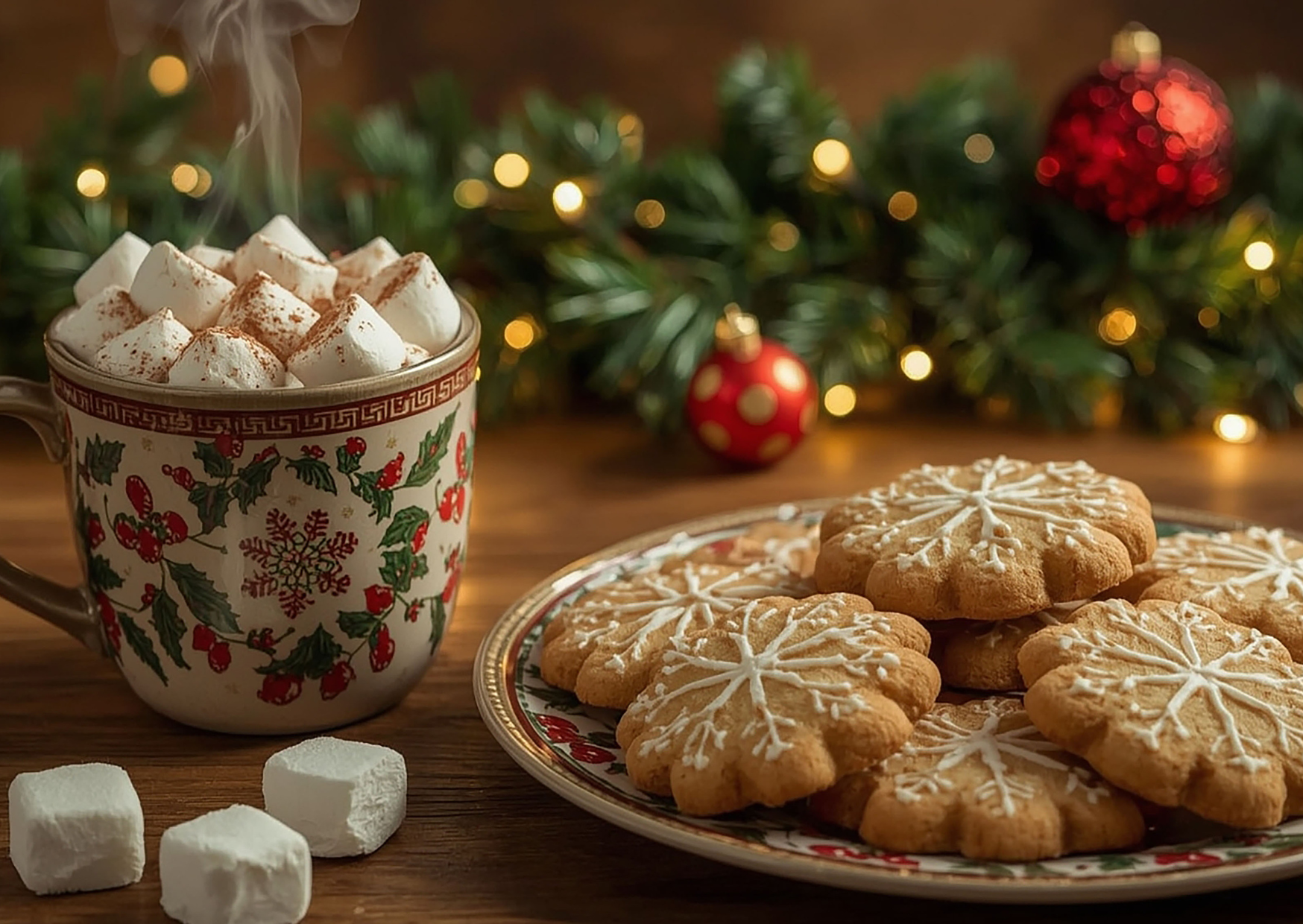
Seven classics, one sane shopping list, and a timeline that doesn’t turn your kitchen into a holiday hostage situation.
If you’ve ever done American holiday baking, you know the pattern: ambitious list, six kinds of dough, flour on the ceiling, and one person spiraling because “we have to make memories.”
European Christmas cookies, in real homes, are usually less theatrical. They’re repetitive on purpose. Butter, nuts, spice, and a few reliable doughs that hold up in tins, travel well, and taste better on day three than on day one.
That’s the secret. Cookies that age well are the whole point. People bake, stack them in boxes, hand them out, and keep a stash for coffee when visitors show up unannounced.
This guide is built for one afternoon. Not a full weekend of pastry camp. You’ll bake seven different cookies, but you’ll do it with shared ingredients and a timeline that keeps the oven busy and your brain calm.
Pick all seven if you’re feeding a crowd. Or pick three and still look like you have your life together.
The afternoon plan that keeps this from becoming a disaster
Let’s be honest. The hard part of baking seven cookies isn’t skill. It’s logistics.
Here’s the plan that works: make two doughs first (butter dough and nut dough), chill while you prep spice dough, then bake in waves. Cold dough is control. It buys you clean shapes and less frustration.
Equipment you actually need
- 2 baking sheets
- Parchment paper
- 2 mixing bowls
- Whisk and spatula
- Hand mixer or stand mixer (helpful, not required)
- Rolling pin
- 1 small sieve (for powdered sugar)
- Cooling rack (or just a clean counter and patience)
Optional but nice:
- Cookie cutters (for the German butter cookies)
- Kitchen scale (makes European recipes easier)
The shopping list that covers all seven
Dry:
- All-purpose flour (about 1.5 kg if you’re doing everything)
- Powdered sugar
- Granulated sugar
- Brown sugar
- Baking powder
- Baking soda
- Salt
- Cinnamon, ginger, cloves, nutmeg, cardamom
- Vanilla extract
Fat and dairy:
- Butter (1 to 1.2 kg if you’re doing everything)
- Eggs (8 to 10)
- Milk (small amount)
Nuts and extras:
- Almond flour or ground almonds (500 g)
- Whole almonds (200 g)
- Walnuts or hazelnuts (optional, 150 g)
- Orange or lemon (zest)
- Honey or golden syrup (small bottle)
If that list looks long, remember: you’re not baking seven totally different projects. You’re using the same backbone, then changing the accent.
The order of operations (this is the whole trick)
- Start with the doughs that need chilling (butter cookie dough and crescent dough).
- While they chill, mix the no-roll doughs (amaretti and polvorones style).
- Bake the shaped cookies first (butter cookies, crescents).
- Bake the drop cookies next (amaretti).
- Bake the slice cookies last (biscotti), because they like to cool and crisp.
If you follow that order, you’ll finish in one afternoon without feeling like baking ruined your personality.
Storage reality
Get tins or airtight containers ready now. Most of these cookies improve after 24 hours. Tomorrow is better than today is not a flaw, it’s the design.
German Butterplätzchen

These are the cutout cookies Germans bake by the tray, because they’re simple, reliable, and easy to decorate if kids are involved. The flavor is clean and buttery, not aggressively sweet.
Best for: gift tins, cookie plates, baking with people who need something to do
Texture: crisp edges, tender center
Time: very doable
Servings and timing
- Makes: 30 to 40 cookies
- Prep: 20 minutes
- Active: 20 minutes
- Rest: 30 minutes chill
- Bake: 8 to 10 minutes per tray
- Storage: 7 to 10 days airtight
Ingredients
- Butter 250 g (1 cup plus 2 tbsp), softened
- Sugar 150 g (3/4 cup)
- Egg 1
- Vanilla 1 tsp
- Flour 400 g (about 3 1/4 cups)
- Baking powder 1 tsp
- Salt 1/2 tsp
Optional: lemon zest (it makes them taste “finished”)
Method
- Cream butter and sugar until smooth. Add egg and vanilla.
- Mix flour, baking powder, salt. Combine into a dough.
- Chill 30 minutes. Chill is non-negotiable if you want clean cutouts.
- Roll to about 5 mm thick. Cut shapes.
- Bake at 180°C (350°F) for 8 to 10 minutes, just until edges turn pale gold.
- Cool fully before decorating.
Substitutions
- No mixer: use a wooden spoon and a little stubbornness.
- Want less sweet: drop sugar slightly and add zest.
- No cutters: roll into logs, slice, bake.
These taste like the cookie version of a quiet German winter afternoon. Not flashy. Just correct.
French Sablés Bretons
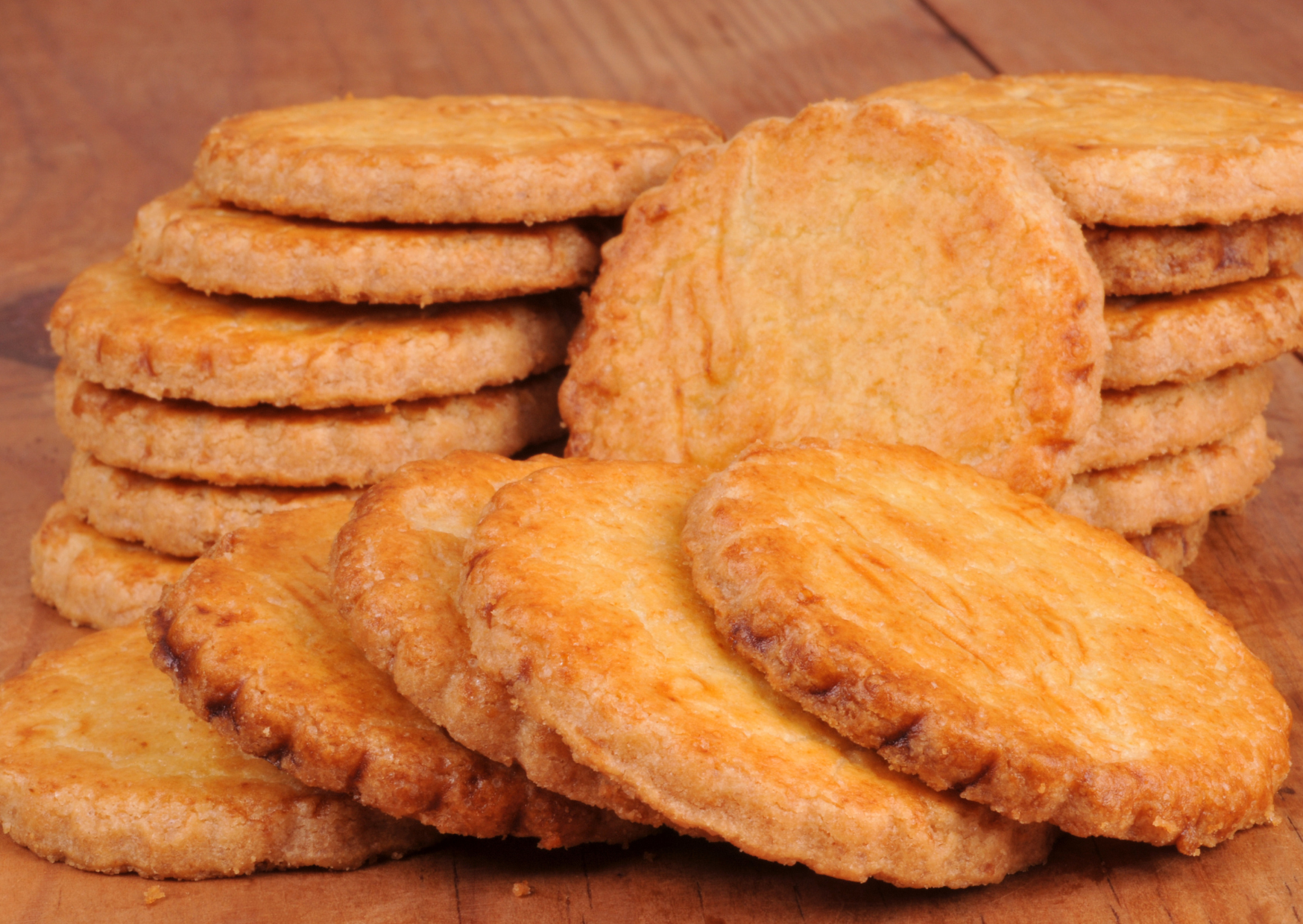
Sablés are what happens when France decides a cookie should taste like butter first, and everything else second. The Breton style usually leans salted butter, crumbly texture, and that slightly fancy edge that makes people think you bought them.
Best for: coffee, gifting, feeling smug with minimal effort
Texture: crisp and sandy in the best way
Warning: don’t overwork the dough or you lose the crumb
Servings and timing
- Makes: 18 to 24
- Prep: 20 minutes
- Active: 20 minutes
- Rest: 30 to 45 minutes chill
- Bake: 12 to 15 minutes
- Storage: 10 days airtight
Ingredients
- Butter 200 g (14 tbsp), preferably salted or add extra salt
- Sugar 120 g (1/2 cup plus 1 tbsp)
- Egg yolks 2
- Flour 260 g (about 2 cups plus 2 tbsp)
- Baking powder 1 tsp
- Salt 1/4 tsp (skip or reduce if butter is very salty)
- Vanilla 1 tsp
Method
- Cream butter and sugar. Add yolks and vanilla.
- Mix flour, baking powder, salt. Fold into dough.
- Chill. Soft dough bakes into sadness, so don’t skip.
- Roll to about 1 cm thick. Cut rounds.
- Brush with egg wash if you want shine, then score lightly with a fork for the classic look.
- Bake at 180°C (350°F) for 12 to 15 minutes until deep golden.
Substitutions
- No rolling: press dough into a small pan and slice into squares after baking.
- Add orange zest if you want a holiday note without changing the cookie’s soul.
This cookie is why French holiday dessert doesn’t need drama. It’s just butter, done properly.
Italian Amaretti Morbidi
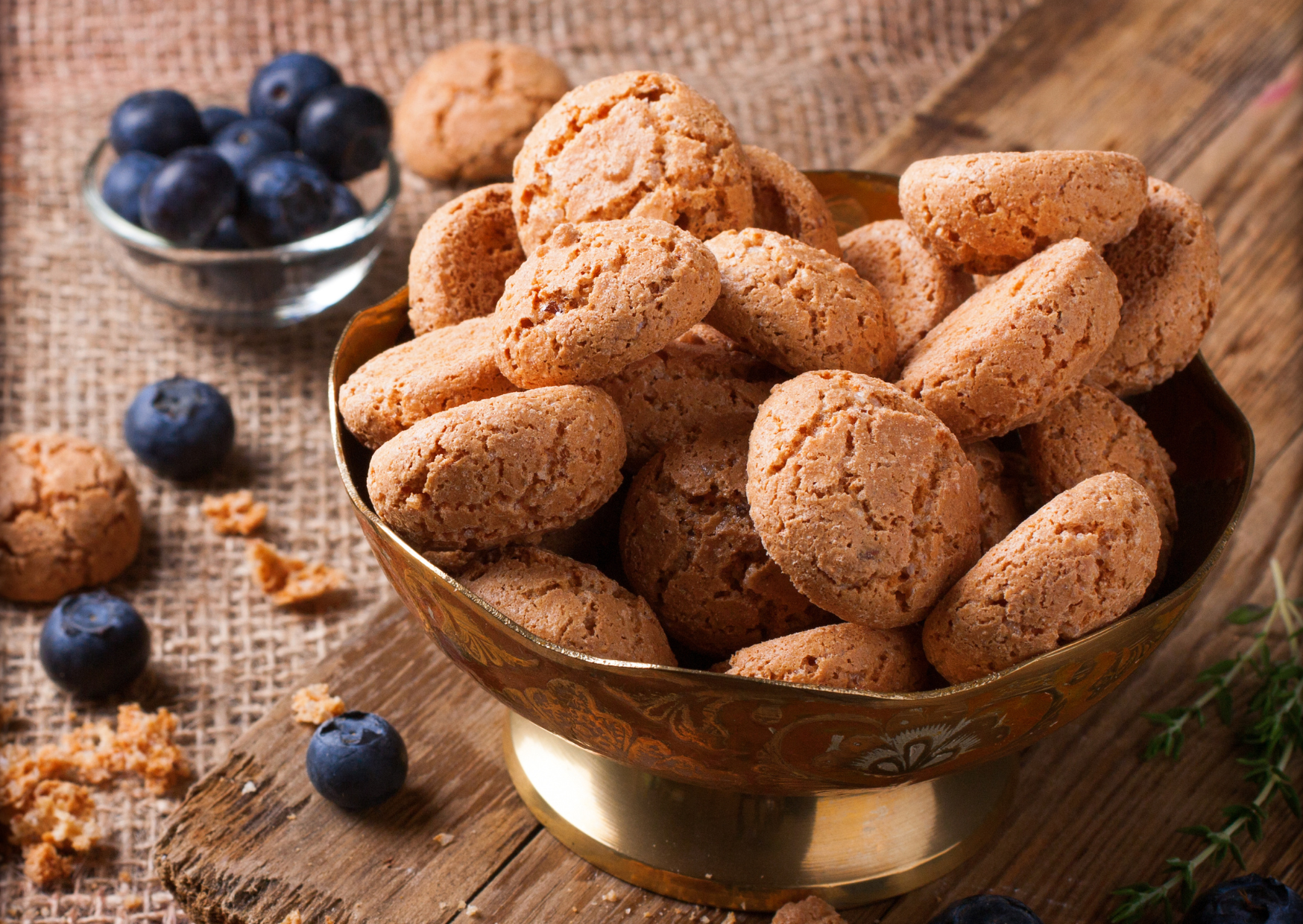
Amaretti are the easiest “how is this so good?” cookie in the European lineup. Almond flour, sugar, egg whites, and a crackly top. Soft inside if you bake them right, and naturally gluten-free without needing a speech about it.
Best for: fast baking, small kitchens, people who “don’t bake”
Texture: crisp shell, chewy center
Big win: no rolling pin, no cutters
Servings and timing
- Makes: 20 to 28
- Prep: 15 minutes
- Active: 15 minutes
- Rest: 30 to 60 minutes (optional but helps)
- Bake: 12 to 15 minutes
- Storage: 5 to 7 days airtight
Ingredients
- Almond flour 250 g (about 2 1/2 cups)
- Sugar 200 g (1 cup)
- Egg whites 2 (about 60 g)
- Almond extract 1/2 tsp (optional)
- Lemon zest 1 tsp (optional)
- Powdered sugar for rolling
Method
- Mix almond flour and sugar.
- Add egg whites and mix until you get a sticky paste.
- Rest 30 minutes if you can. Rest makes them crackle prettier, but they still work without it.
- Scoop small balls. Roll in powdered sugar.
- Bake at 170°C (340°F) for 12 to 15 minutes until set but still pale.
- Cool on tray 10 minutes before moving.
Substitutions
- No almond extract: skip it, or add vanilla.
- Want more bite: add a pinch of salt and a touch more zest.
These are the cookies you make when you need something impressive fast, and you refuse to suffer for it.
Austrian Vanillekipferl
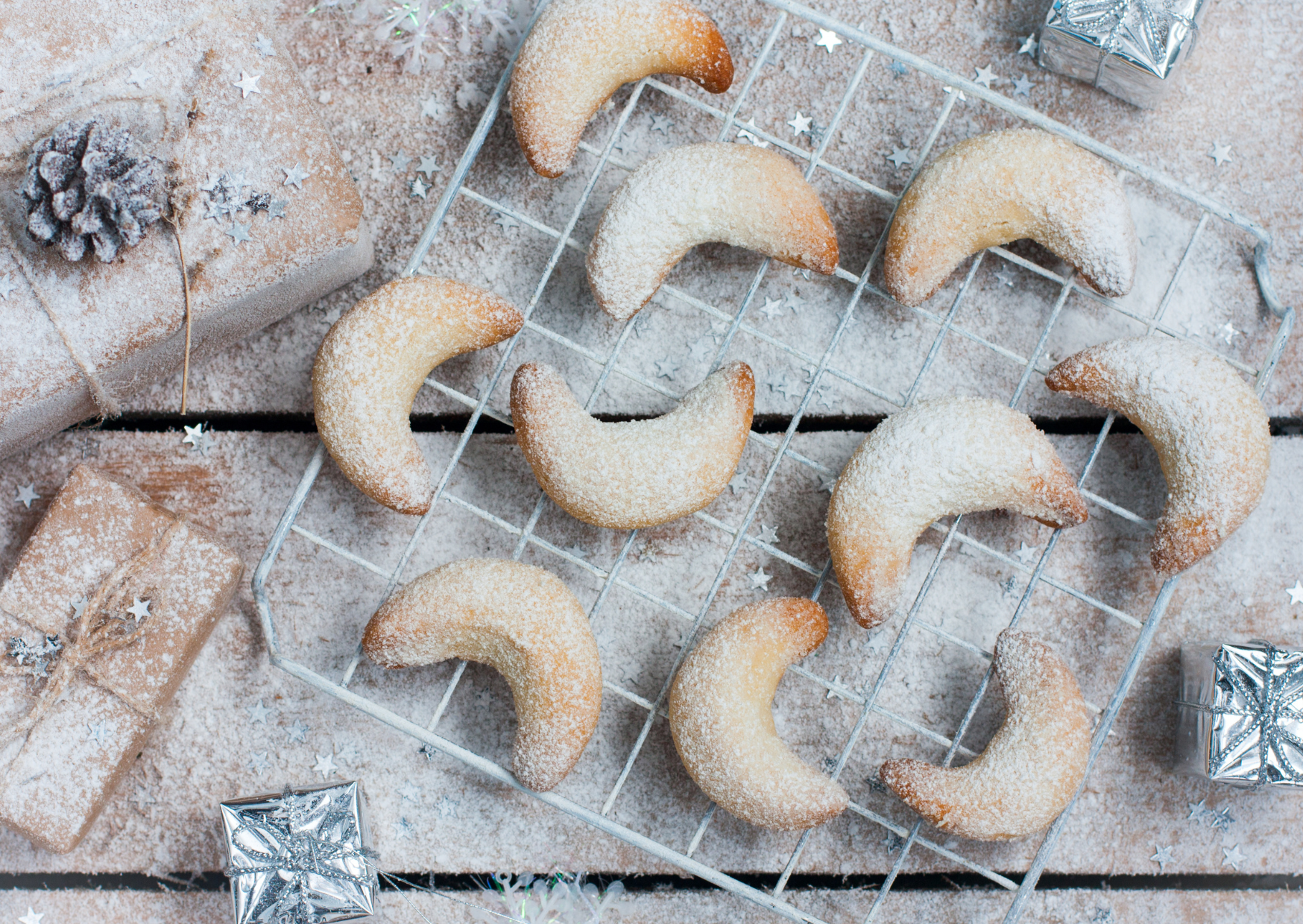
The crescent cookies. Powdered sugar. Vanilla. Nuts. They show up across Central Europe and they taste like winter even if it’s sunny outside.
They’re also fragile, which is part of the charm and part of the annoyance. Handle them like you’d handle a delicate ornament: with calm hands and low expectations of perfection.
Best for: tins, gifting, quiet coffee moments
Texture: tender, crumbly, melts fast
Key detail: roll in sugar while warm
Servings and timing
- Makes: 30 to 40
- Prep: 25 minutes
- Active: 25 minutes
- Rest: 45 minutes chill
- Bake: 10 to 12 minutes
- Storage: 2 weeks airtight
Ingredients
- Flour 280 g (about 2 1/4 cups)
- Ground almonds or walnuts 120 g (about 1 1/4 cups almond flour equivalent)
- Butter 200 g (14 tbsp), cold and cubed
- Sugar 80 g (about 1/3 cup)
- Vanilla 1 tsp, or vanilla sugar
- Salt 1/4 tsp
Coating:
- Powdered sugar 120 g (1 cup)
- Vanilla sugar 2 tbsp (or extra vanilla mixed into sugar)
Method
- Mix flour, nuts, sugar, salt. Cut in butter until dough forms.
- Chill 45 minutes. Cold dough keeps the crescents from slumping.
- Roll small logs and bend into crescents.
- Bake at 175°C (347°F) for 10 to 12 minutes, just until the bottoms color slightly.
- While warm, roll gently in vanilla sugar mix. Let cool fully.
Substitutions
- Almonds to walnuts or hazelnuts.
- No vanilla sugar: mix powdered sugar with a pinch of vanilla powder or use extract very lightly.
If you want one cookie that screams “European Christmas” without needing frosting, this is it.
Spanish Polvorones
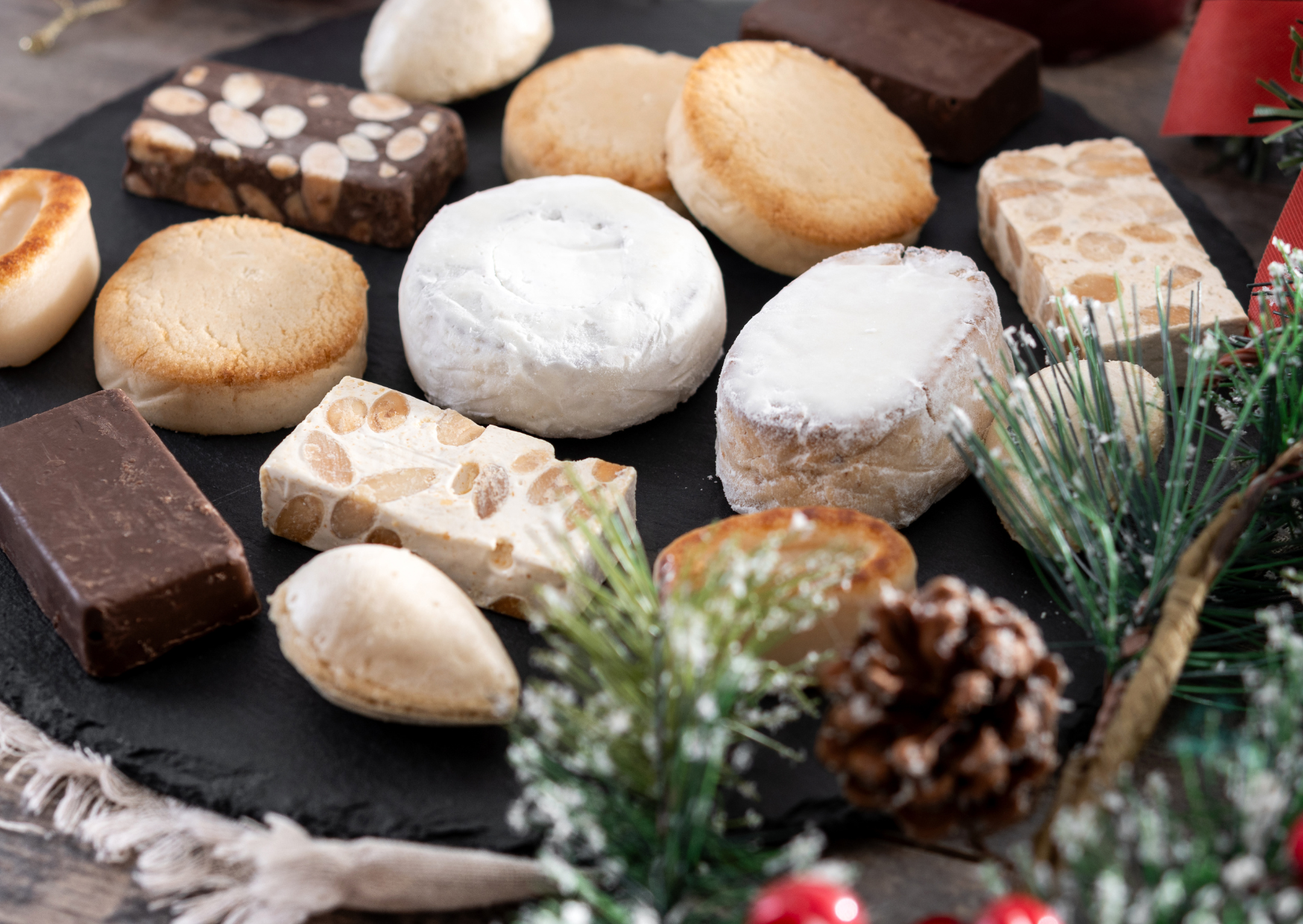
If you’ve lived in Spain through December, you know these. They’re everywhere, usually wrapped, often served with coffee, and they crumble into “polvo,” dust, which is the whole point.
Traditional versions often use manteca (lard). If that makes you uncomfortable, you can use butter. The texture changes slightly, but the spirit stays. Crumbly is the feature, not a mistake.
Best for: holiday tins, something different from American sugar cookies
Texture: tender, sandy, melts
Realistic warning: shape gently, they’re delicate
Servings and timing
- Makes: 18 to 24
- Prep: 20 minutes
- Active: 20 minutes
- Rest: 30 minutes chill
- Bake: 12 to 15 minutes
- Storage: 2 weeks airtight
Ingredients
- Flour 300 g (about 2 1/2 cups)
- Ground almonds 120 g (about 1 1/4 cups)
- Powdered sugar 120 g (1 cup) plus extra for dusting
- Butter or lard 180 g (12 tbsp), softened
- Cinnamon 1 tsp
- Lemon zest 1 tsp
- Salt 1/4 tsp
Method
- Toast flour in a dry pan or low oven until it smells nutty (10 to 15 minutes). Cool fully. This is the classic move for that polvorón texture.
- Mix flour, almonds, sugar, cinnamon, salt, zest.
- Work in butter or lard until dough holds.
- Chill 30 minutes.
- Shape into thick rounds. Don’t over-handle. Warm hands break the dough.
- Bake at 180°C (350°F) for 12 to 15 minutes until set, not browned.
- Cool, then dust heavily with powdered sugar.
Substitutions
- Butter version is milder. Lard version is more traditional.
- Add a spoon of cocoa if you want a chocolate variation.
These taste like Spanish Christmas in one bite: sweet, understated, and slightly messy in a way that feels honest.
Swedish Pepparkakor
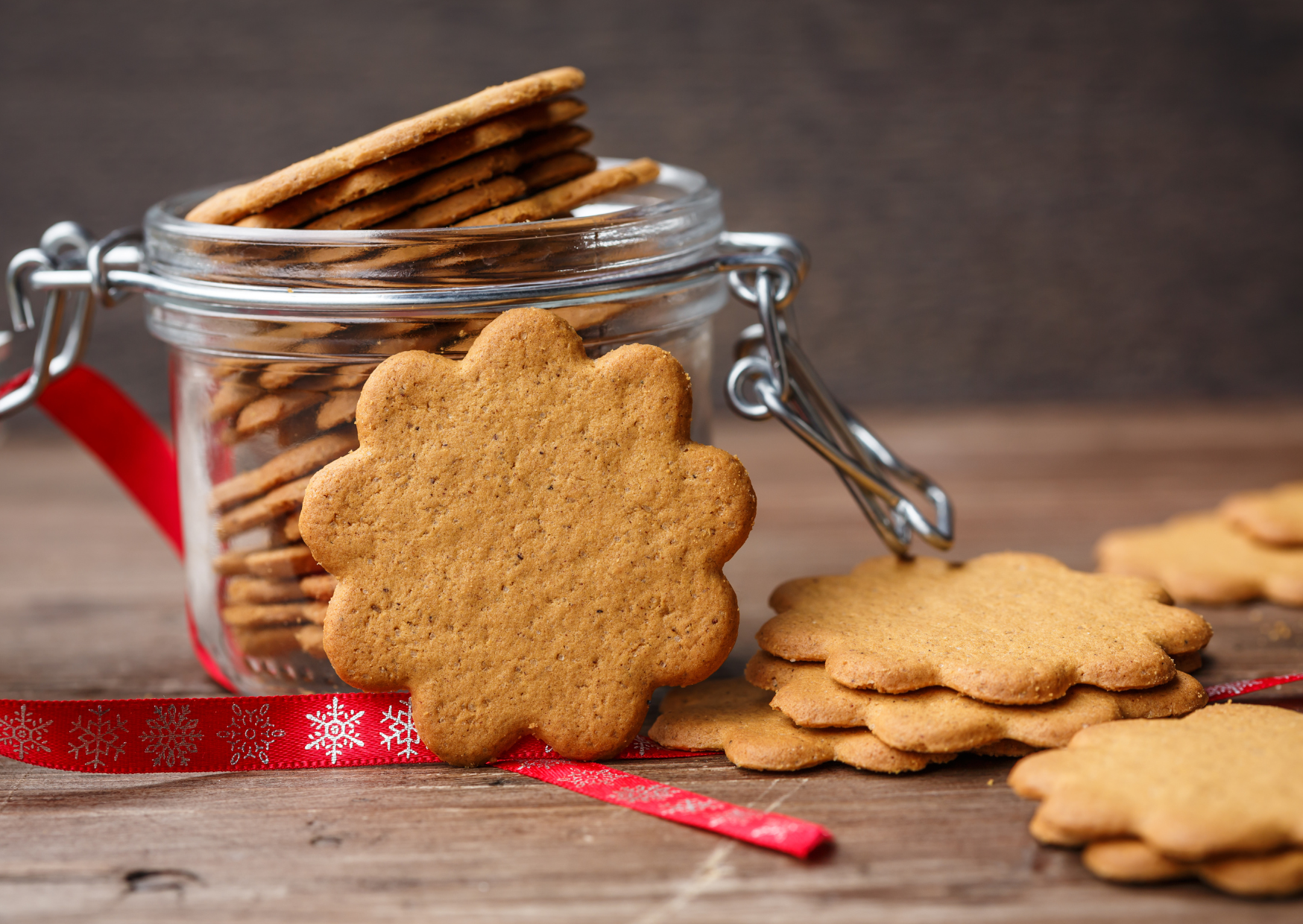
Thin ginger cookies that snap. Spices that smell like December. This is the cookie you bake when you want your house to smell like the holidays without lighting a candle that smells like a mall.
They’re also the cookie that teaches patience. Thin cookies need thin dough and a steady oven. If you roll them thick, you don’t get pepparkakor, you get ginger-ish biscuits.
Best for: big batches, decorating, gifting
Texture: thin, crisp
Key move: roll thin, chill well
Servings and timing
- Makes: 40 to 60
- Prep: 20 minutes
- Active: 20 minutes
- Rest: 1 to 2 hours chill (or overnight)
- Bake: 6 to 8 minutes
- Storage: 2 to 3 weeks airtight
Ingredients
- Butter 200 g (14 tbsp)
- Sugar 180 g (3/4 cup plus 2 tbsp)
- Golden syrup or honey 80 g (1/4 cup)
- Egg 1
- Flour 360 g (about 3 cups)
- Baking soda 1 tsp
- Cinnamon 2 tsp
- Ginger 1 1/2 tsp
- Cloves 1/2 tsp
- Salt 1/2 tsp
Method
- Melt butter, sugar, and syrup gently. Cool slightly.
- Whisk in egg.
- Mix dry ingredients, then combine into a dough.
- Chill at least 1 hour. Chill makes them rollable, not sticky misery.
- Roll very thin, about 2 to 3 mm. Cut shapes.
- Bake at 190°C (374°F) for 6 to 8 minutes. Cool completely for snap.
Substitutions
- No syrup: honey works.
- Want softer: roll thicker and bake slightly longer, but then you’re choosing a different cookie.
This is the “one afternoon” cookie that makes the biggest visual pile. You’ll feel rich in cookies, which is the kind of wealth December actually needs.
Italian Almond Biscotti (Cantucci style)
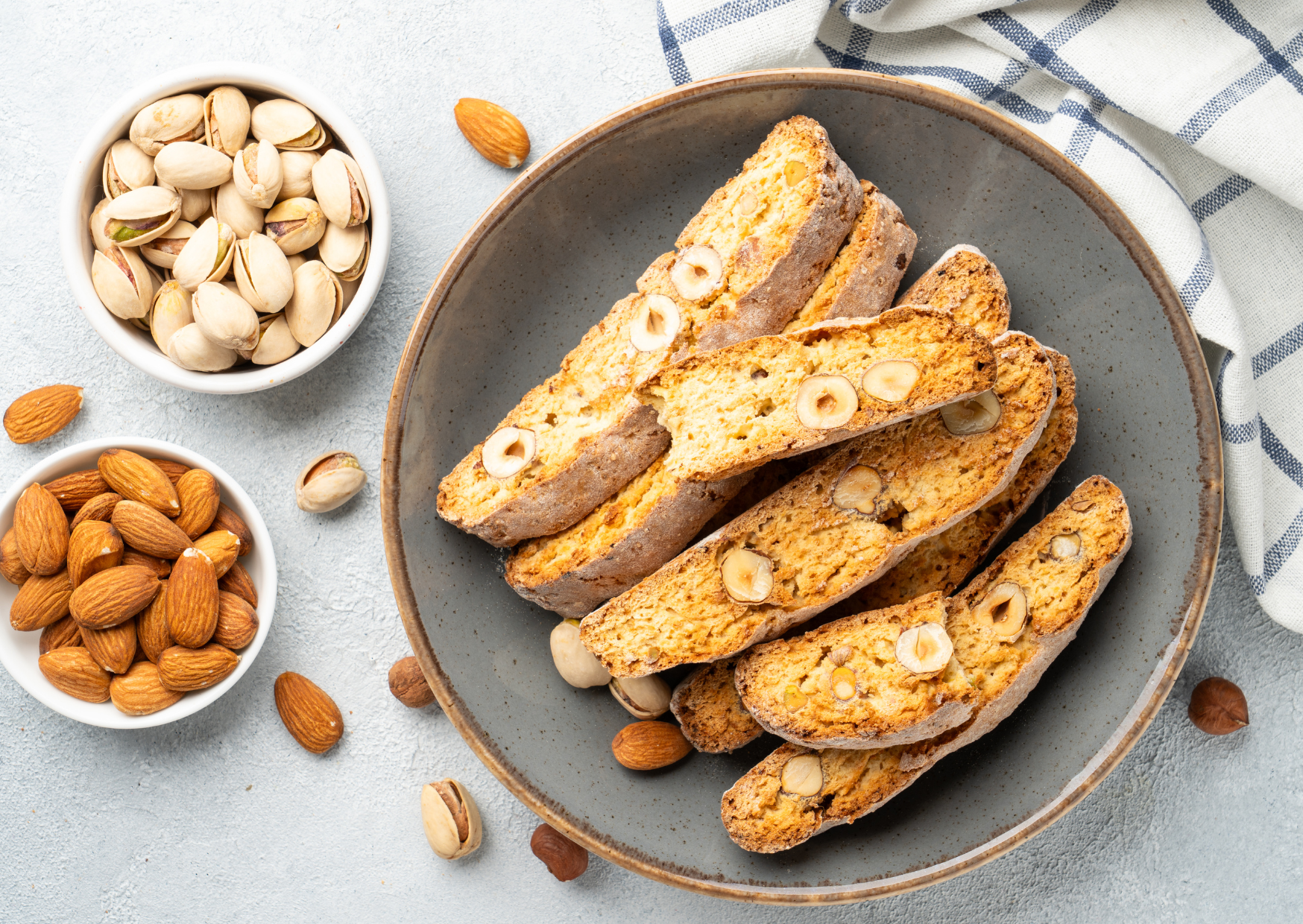
Biscotti are the opposite of delicate. They’re baked twice, meant to be crisp, and designed for dunking. That makes them perfect for gifting, shipping, storing, and generally surviving holiday life.
They also solve a very real problem: you want something homemade that lasts longer than 48 hours. Twice-baked means durable. You can make them now and still be eating them next week with coffee.
Servings and timing
- Makes: 20 to 30 biscotti
- Prep: 20 minutes
- Active: 25 minutes
- Rest: 10 minutes
- Bake: 25 minutes first bake, 10 to 15 minutes second bake
- Storage: 3 weeks airtight
Ingredients
- Flour 300 g (about 2 1/2 cups)
- Sugar 150 g (3/4 cup)
- Baking powder 1 tsp
- Salt 1/2 tsp
- Eggs 3
- Vanilla 1 tsp
- Whole almonds 150 g (1 cup)
- Optional: orange zest, anise, or a splash of almond extract
Method
- Mix flour, sugar, baking powder, salt.
- Add eggs and vanilla. Mix until dough forms. Fold in almonds.
- Shape into 2 logs on a lined tray.
- Bake at 180°C (350°F) for 25 minutes. Cool 10 minutes.
- Slice diagonally. Lay slices cut-side down.
- Bake again 10 to 15 minutes, flipping once, until crisp.
Substitutions
- Almonds to hazelnuts or pistachios.
- Add dried cranberries if you like a sweeter biscotti.
If you’re making cookie tins for friends, biscotti are the grown-up backbone. They fill space, they keep well, and they make coffee feel intentional.
How to bake all seven in one afternoon without losing your mind
Here’s a realistic timeline that works in a normal kitchen.
Hour 0 to 1:
Make Butterplätzchen dough and Vanillekipferl dough. Both go into the fridge. Start cooling space, clear counters. Clear counters equals calm.
Hour 1 to 2:
Mix amaretti dough (no chill stress) and polvorones dough. Chill polvorones. Start pepparkakor dough if you have time, or skip and bake it tomorrow. If you do pepparkakor today, it needs chill.
Hour 2 to 3:
Roll and cut Butterplätzchen, bake first trays. Roll and shape Vanillekipferl while trays bake. Keep oven cycling.
Hour 3 to 4:
Bake crescents, then bake amaretti. While those cool, shape and bake polvorones.
Hour 4 to 5:
Mix biscotti dough, first bake, cool briefly, slice, second bake. This is your last oven job.
Most people mess this up by trying to decorate everything. Don’t. If you want decorated cookies, decorate only the butter cookies. Leave the rest as they are. Powdered sugar, crackly tops, and spice snap cookies already look festive.
Storage and gifting tips:
- Let everything cool fully before tinning. Warm cookies sweat and soften.
- Use parchment between layers for powdered sugar cookies.
- If gifting, mix textures: one crisp (biscotti), one crumbly (sablés), one soft (amaretti), one spiced (pepparkakor).
And if you’re baking in Spain and planning to travel by car or train, these choices hold up. You’re not trying to transport frosted cupcakes like a fool. You’re transporting cookies that were designed for tins and movement.
At the end of the day, this is what European holiday baking is really about: a few strong recipes, repeated often, stored well, and shared without a performance.
You can bake one perfect cookie and post it online.
Or you can bake a pile of imperfect cookies, stack them in a tin, and watch people actually eat them.
That’s the better holiday.

About the Author: Ruben, co-founder of Gamintraveler.com since 2014, is a seasoned traveler from Spain who has explored over 100 countries since 2009. Known for his extensive travel adventures across South America, Europe, the US, Australia, New Zealand, Asia, and Africa, Ruben combines his passion for adventurous yet sustainable living with his love for cycling, highlighted by his remarkable 5-month bicycle journey from Spain to Norway. He currently resides in Spain, where he continues sharing his travel experiences with his partner, Rachel, and their son, Han.