
You can feel it before anyone says anything.
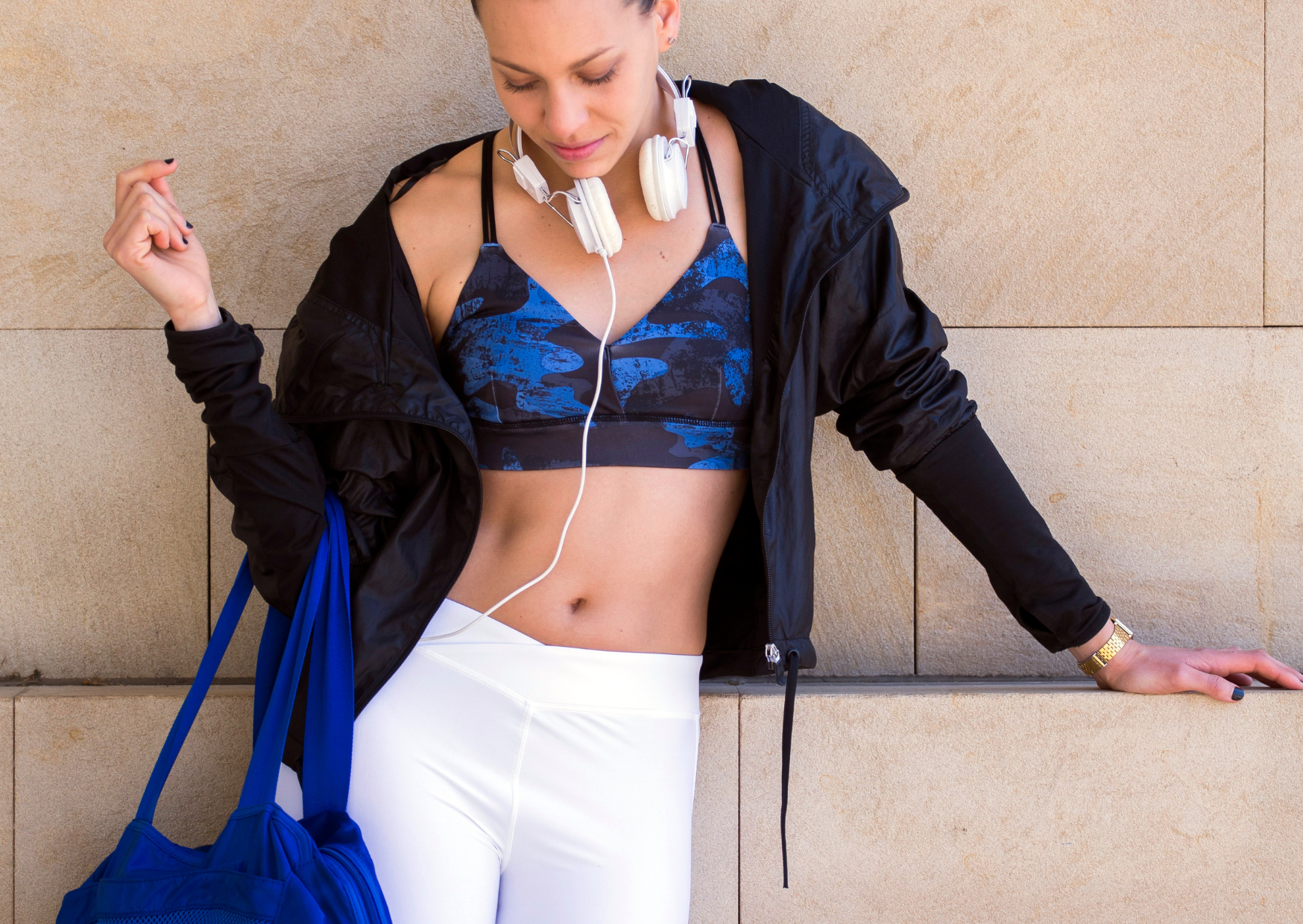
You step out in Italy in leggings and a performance hoodie, or a matching tracksuit you thought was “European enough,” and the room reads you in one second. Not in a hostile way. More like a quick sorting process.
Local. Tourist. Student. Someone going to the gym. Someone who got dressed in the dark.
And yes, sometimes, someone who’s not doing great.
That last one is the part Americans don’t see coming. In the U.S., athletic clothes are neutral. In many American cities, they’re almost a status signal. Busy. Healthy. Efficient. You have places to be.
In Italy, athletic clothes outside athletic contexts can read as the opposite: you either don’t know the social code, or you don’t care, or you’re in a rough patch.
The “homeless” line is exaggerated, but the underlying reality is real: clothes are a signal in Italy, and athleisure sends a different message than it does back home.
If you’re visiting for a week, this is mostly just a vibe issue. If you’re trying to blend in, date, rent an apartment, or be taken seriously in a work context, it can become a practical problem.
Italy isn’t anti-comfort, it’s pro-impression
The easiest mistake is to assume Italians are dressing up for strangers.
They’re not. They’re dressing up for themselves, and for the social environment they’re walking through. There’s a long-running cultural idea in Italy about presenting yourself well. It’s not just vanity. It’s manners, self-respect, and a belief that how you show up changes how the day goes.
This is why you’ll see someone running errands in a simple outfit that still looks considered. Clean shoes. A decent coat. Hair done enough to look awake. The outfit might be basic, but it’s rarely sloppy.
Americans often interpret this as “they’re fashionable.” Sometimes, yes. But more often it’s just not looking like you gave up.
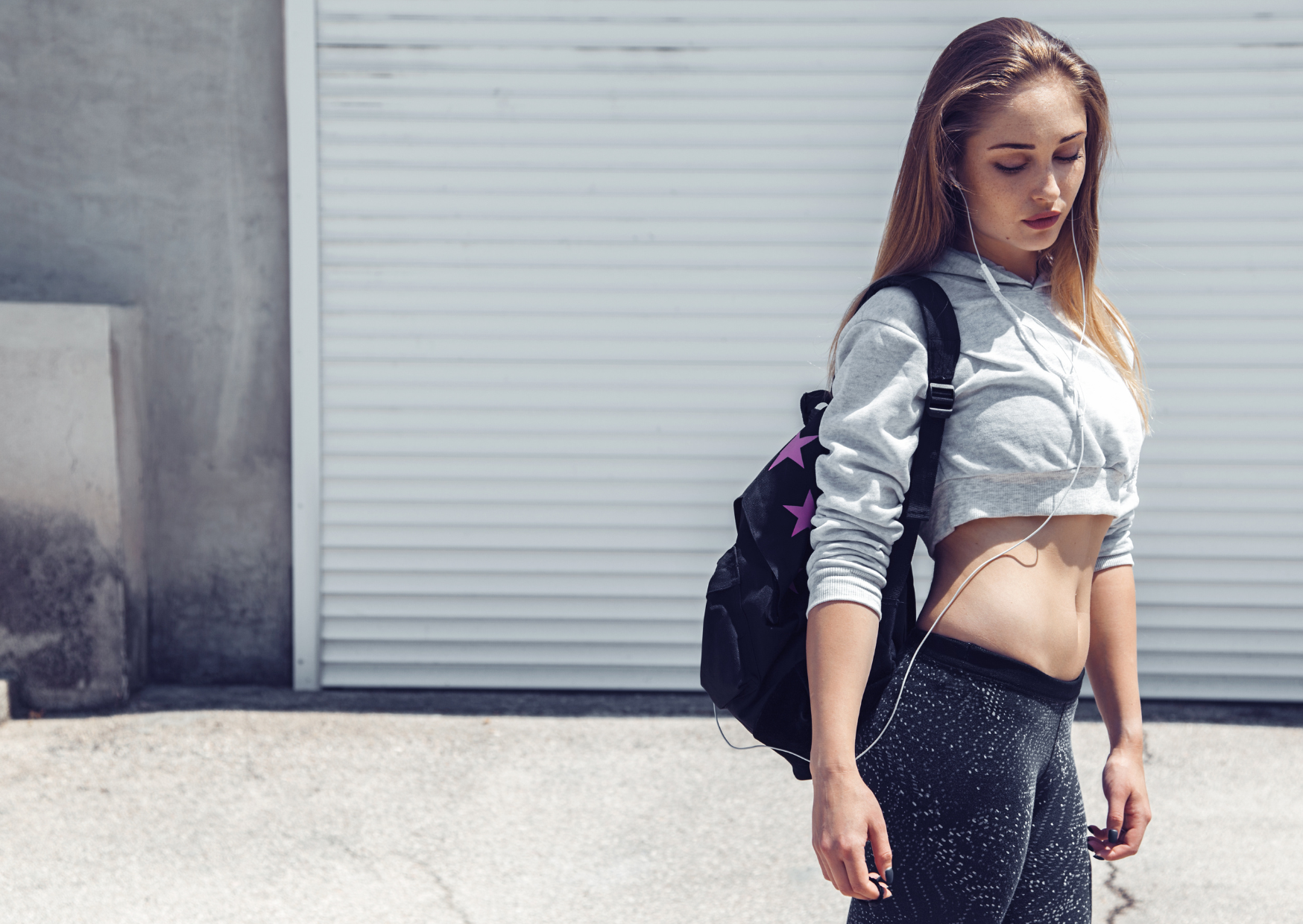
That’s where athletic clothes get tricky. A lot of athletic wear, especially the American kind, is built to say “I don’t need to try.” It’s stretch fabric, big logos, technical sneakers, and silhouettes that look like you’re mid-workout even when you’re holding a cappuccino.
In Italy, that can clash with the social baseline. People might not judge your taste. They might judge your state. Are you okay. Are you lost. Are you trying to be invisible. Are you expecting the world to adapt to you.
It’s also a context culture. Italians absolutely wear gym clothes. They wear them to the gym, to run, or to do something physical. When they’re done, they change.
So the issue is not “leggings are evil.” The issue is wrong context, wrong signal.
If you want to understand why it matters, stop thinking about comfort and start thinking about communication. In Italy, clothing communicates how seriously you take the moment you’re in, even if the moment is just buying bread.
What athletic clothes signal in Italian cities
Let’s translate the signals, because this is where the confusion lives.
In a lot of Italy, especially in cities, athletic clothes outside the gym commonly signal one of these things:
- Tourist who packed for convenience
- Student running between classes
- Someone heading to or from a workout
- Someone who is having a low-functioning day
- Someone who doesn’t understand the local code, or doesn’t care
Notice what’s missing: “successful professional” and “put-together adult.”
That’s why the title hits. People are not literally thinking “this person is homeless” in a precise way. It’s more that certain combinations, like baggy sweatpants, stained hoodie, beat-up running shoes, can read as socially fallen off. In an Italian context, that can slide into “rough situation” fast because the everyday baseline is more polished.
There’s also the tourist pattern Italians see constantly: people walking all day in performance clothes, sweat-wicking fabrics, hiking shoes, and a backpack that looks like they’re preparing to evacuate. It’s practical. It’s also a uniform. And uniforms get categorized.
Once you’re categorized as “tourist,” you’ll still get service. But you might get the simplified version. Less warmth, less patience, more transactional energy. In some places, you become a magnet for the people who hunt tourists, scammers, aggressive street sellers, the whole ecosystem.
In other words, the cost isn’t moral judgment. The cost is that you become easier to read, and not always in ways you like.
Italian style, in daily life, tends to aim for “normal but intentional.” Athletic wear often aims for “I don’t care.” Those are not the same thing.
So when you walk through Italy in full gym kit, you’re not offending anyone. You’re just choosing a signal that says I’m not participating.
Milan, Rome, Naples, and the regional reality check
Italy is not one mood.
Milan is more visually intense. It’s not that everyone is wearing designer labels. It’s that people look like they understand shape, fit, and proportion. A simple sweater and skirt combo can look expensive there because it’s styled cleanly.
Rome is more mixed. You’ll see plenty of tourists, plenty of locals who dress well, and plenty of people who are just trying to survive heat and stairs. But even in Rome, the locals tend to look “finished” in a way that’s hard to describe until you’ve seen it. It’s often good shoes and a real coat.
Naples has its own sharpness. More drama, more swagger, more “I’m going out even if I’m just going downstairs.” It’s not universal, but the vibe is less casual than Americans expect.
Then you have smaller towns where everyone knows everyone, and that’s where sloppy athletic wear can stand out even more. In a tourist neighborhood of a big city, nobody cares. In a smaller place, people notice because the social fabric is tighter.
Season also matters.
In summer, Italians will dress lighter, but still structured. Linen, cotton, clean sandals, dresses, crisp shirts. You might see more casual looks, but they’re rarely “gym casual.”
In winter, the difference becomes dramatic. A good coat in Italy is not a luxury, it’s a uniform. Sneakers might still be worn, but they’re clean and often more lifestyle than performance.
So yes, you can wear athletic clothes in Italy and survive. Tourists do it every day. But if you’re wondering why you feel like you’re being read as “not local,” it’s because you are. You’re wearing the tourist uniform.
The real consequences, beyond vibe
This is where Americans roll their eyes and then get annoyed when it keeps happening.
Clothes in Italy can change outcomes in small, cumulative ways.
In shops, you may notice less engagement. Not rude, just minimal. You’ll get what you asked for, but you won’t get extra help. That can matter when you’re buying anything that requires trust, like leather goods, cosmetics, tailoring, or even just trying to ask a complicated question in broken Italian.
In restaurants and cafés, you may get a slightly colder version of service, especially in places that run on regulars. Italians tend to like a calm social tone. Athletic clothes can read as rushed, distracted, or low-effort, and low-effort energy gets mirrored.
In social situations, it can be more direct. If you’re trying to meet people, date, or be taken seriously, athletic wear can undercut you before you speak. Italians often read appearance as part of your self-respect. They don’t separate “clothes” from “personality” as cleanly as Americans do.
There’s also a safety angle people rarely mention. Looking obviously foreign and casual can make you a target for pickpockets and street scams. Not because you deserve it. Because you look like someone who won’t push back and won’t recognize the pattern until it’s too late.
And if you’re doing bureaucracy, renting, dealing with banks, showing up to appointments, it matters even more. You don’t need to dress like you’re going to a wedding. But you do need to look like you take the appointment seriously. Appearance is credibility in a lot of European admin contexts.
So no, your leggings won’t get you arrested. But they can quietly downgrade your interactions, and over weeks, that becomes tiring.
What to wear instead that still feels comfortable

You do not need to turn into an Italian fashion person. You just need to stop wearing the loudest version of American athleisure.
The goal is “comfortable, but looks intentional.”
Here are swaps that work immediately:
- Leggings to straight-leg jeans or trousers with stretch. If you want comfort, pick a soft fabric, but keep the silhouette normal. Shape matters more than brand.
- Hoodie to a sweater, cardigan, or simple jacket. If you love hoodies, wear a clean, fitted one under a coat, not as the whole outfit.
- Running shoes to clean lifestyle sneakers. Something simple, low-profile, and not neon.
- Gym shorts to tailored shorts in summer, or longer, structured options that look like clothes, not training gear.
- Technical backpack to a smaller bag or crossbody that doesn’t scream “I am touring all day.”
If you’re a woman, a simple dress in Italy is the easiest cheat code. It’s one piece, comfortable, and it instantly reads more “local” than leggings and a hoodie.
If you’re a man, a fitted t-shirt with decent trousers and clean sneakers will get you farther than any performance outfit. Italians are not allergic to casual. They’re allergic to sloppy.
The highest-return item in Italy is the coat or jacket. A good outer layer makes even basic clothes look intentional. In winter, this is everything. In spring and fall, a trench or structured jacket does the same job.
And one unglamorous truth: keep your shoes clean. Italians notice shoes the way Americans notice teeth. Dirty sneakers ruin the whole look, no matter what else you’re wearing.
If you insist on athleisure, do it the Italian way
Sometimes you genuinely need athletic clothes. You’re traveling, you’re walking 20,000 steps, it’s hot, your body needs comfort. Fine.
Just tone it down.
Italian-adjacent athleisure tends to look like:
- monochrome
- clean
- fitted enough to look deliberate
- paired with a real coat or jacket
- minimal logos
- clean sneakers that look more street than sport
A matching tracksuit can actually work in Italy if it looks intentional and clean. What doesn’t work is the American “gym grab bag” look: old hoodie, random leggings, high-performance shoes, hair in a messy bun, and a backpack. That reads like you gave up.
If you want the simplest formula:
- all black or all navy
- one clean layer on top, like a coat or structured jacket
- one nice accessory, like a scarf or simple bag
That’s it. You don’t need to shop. You need to edit.
Also, timing matters. Early morning, near parks, near gyms, athletic wear is normal. Midday in a city center, it reads as tourist. Evening in a restaurant, it reads as you don’t understand the room.
So if you want to keep your athletic clothes, keep them in the right lanes. Context is the whole game.
Your first 7 days in Italy without feeling overdressed or underdressed
If you’re visiting soon, this is the simplest way to adapt without buying a new wardrobe.
Day 1: Remove the loudest item.
Pick one thing that screams “gym,” like performance leggings or a technical hoodie, and swap it for a normal clothing version. You’ll feel the difference immediately.
Day 2: Fix the shoes.
Wear clean, simple sneakers. If you only have running shoes, choose the least aggressive pair. No neon, no huge soles if you can avoid it. Shoes change the read.
Day 3: Add one structured layer.
A coat, jacket, or even a cardigan that looks like clothing, not workout gear. This is the easiest way to look intentional.
Day 4: Stop carrying your whole life on your back.
Smaller bag, fewer items. If you need a backpack, choose one that looks minimal, not tactical.
Day 5: One outfit that can enter a church or a nicer restaurant.
Not because you’re trying to impress anyone, but because you don’t want to be blocked by dress expectations. Have one “safe” outfit ready.
Day 6: Copy one local look you see.
Not the whole person, just one element. A scarf. A coat shape. A trouser cut. Imitation teaches fast.
Day 7: Keep comfort, but edit the signal.
If you need stretch, keep stretch. If you need sneakers, keep sneakers. Just stop wearing the full gym uniform outside the gym.
Do this for a week and you won’t suddenly become Italian, but you’ll stop feeling like you’re wearing a costume.
The choice you’re making, whether you admit it or not

This is what it comes down to.
You can dress for convenience and accept that Italy will treat you like a tourist. That might be a perfectly fine choice. If you’re there for three days and you don’t care, live your life.
Or you can dress like you understand the room, and you’ll get a quieter reward: smoother interactions, better service, fewer scam approaches, and a little more dignity in how people respond to you.
Italy is not a place where clothes are “just clothes.” They’re part of the social contract. The good news is you don’t have to spend money to respect it. You just have to stop wearing the outfit that says you opted out.
And if you’re wondering what Italians are actually reacting to, it’s not your leggings. It’s the message behind them.
I didn’t try today reads very differently in Italy than it does in America.

About the Author: Ruben, co-founder of Gamintraveler.com since 2014, is a seasoned traveler from Spain who has explored over 100 countries since 2009. Known for his extensive travel adventures across South America, Europe, the US, Australia, New Zealand, Asia, and Africa, Ruben combines his passion for adventurous yet sustainable living with his love for cycling, highlighted by his remarkable 5-month bicycle journey from Spain to Norway. He currently resides in Spain, where he continues sharing his travel experiences with his partner, Rachel, and their son, Han.