

You think you’re moving into a film. Then you realize the café is not your office, not your therapist, and not your unlimited refills living room.
The fantasy is clean.
You picture yourself in a European city, laptop open, cappuccino beside you, soft sunlight, and a calm life where nobody is in a hurry. You’ll write that book. You’ll read more. You’ll become the kind of person who has a “regular spot.”
Then you actually live here, and three things happen fast.
First, you learn that cafés are not designed around you. They are designed around locals, routines, and turnover. Second, you realize you don’t like what cafés do to your schedule when they’re part of real life, not vacation life. Third, you discover the quiet rule nobody tells you: the café is a social space, not a productivity space, and if you treat it like your personal lounge, the city will push back.
Living in Spain, I see Americans fall in love with café culture in week one, then start resenting it by month three. Not because Europeans are doing cafés “wrong.” Because the American expectations are built on a totally different service model, work culture, and idea of public space.
Here’s what actually changes when cafés stop being a cute backdrop and start being where you spend your real Tuesday afternoons.
The café fantasy is built on vacation timing

On vacation, cafés feel like freedom. You sit down, order something small, and time stretches. Nobody asks you to leave. Nobody drops a check. You can people-watch for an hour and it feels like self-care.
Living here is different because you’re not using cafés to fill leisure time. You’re using them to manage life.
That sounds small, but it changes everything.
When you live in Europe, you’re suddenly trying to do normal tasks inside a café. You want to answer emails. You want to make calls. You want to have a serious conversation. You want to plan your week. You want to sit there long enough that it starts feeling like an extension of your home.
That’s when the problems begin.
Because European cafés are often built around quick rituals, not extended stays. The espresso bar in Italy is a literal standing culture. Spanish bars often run on a rhythm where coffee is a short stop between errands, not a four-hour session. French cafés will let you sit, sure, but sitting comes with its own codes, and the codes do not include you turning the table into your personal coworking desk at peak hours.
Also, the “slow life” thing is not a universal promise. It’s context. In our area in Spain, you’ll see locals linger, but they linger when it fits their day, not because they’re performing leisure. They’re lingering because lunch is long, or because they’re meeting someone, or because it’s part of sobremesa.
Americans often try to import the café scene as a lifestyle solution for burnout. But cafés don’t replace community, structure, or purpose. They just give you a chair and a drink.
And if your plan is “I’ll feel less lonely because I’ll sit in cafés,” you might be disappointed. A café can be full and still feel isolating if you don’t have a reason to be there beyond hoping the vibe fixes your mood. Crowded is not connected.
The dream isn’t wrong. It’s just incomplete. Vacation timing makes cafés look like a permanent escape hatch. Real life reveals they’re a tool, and tools have limits.
The hidden rule: you’re renting the seat, not buying the coffee
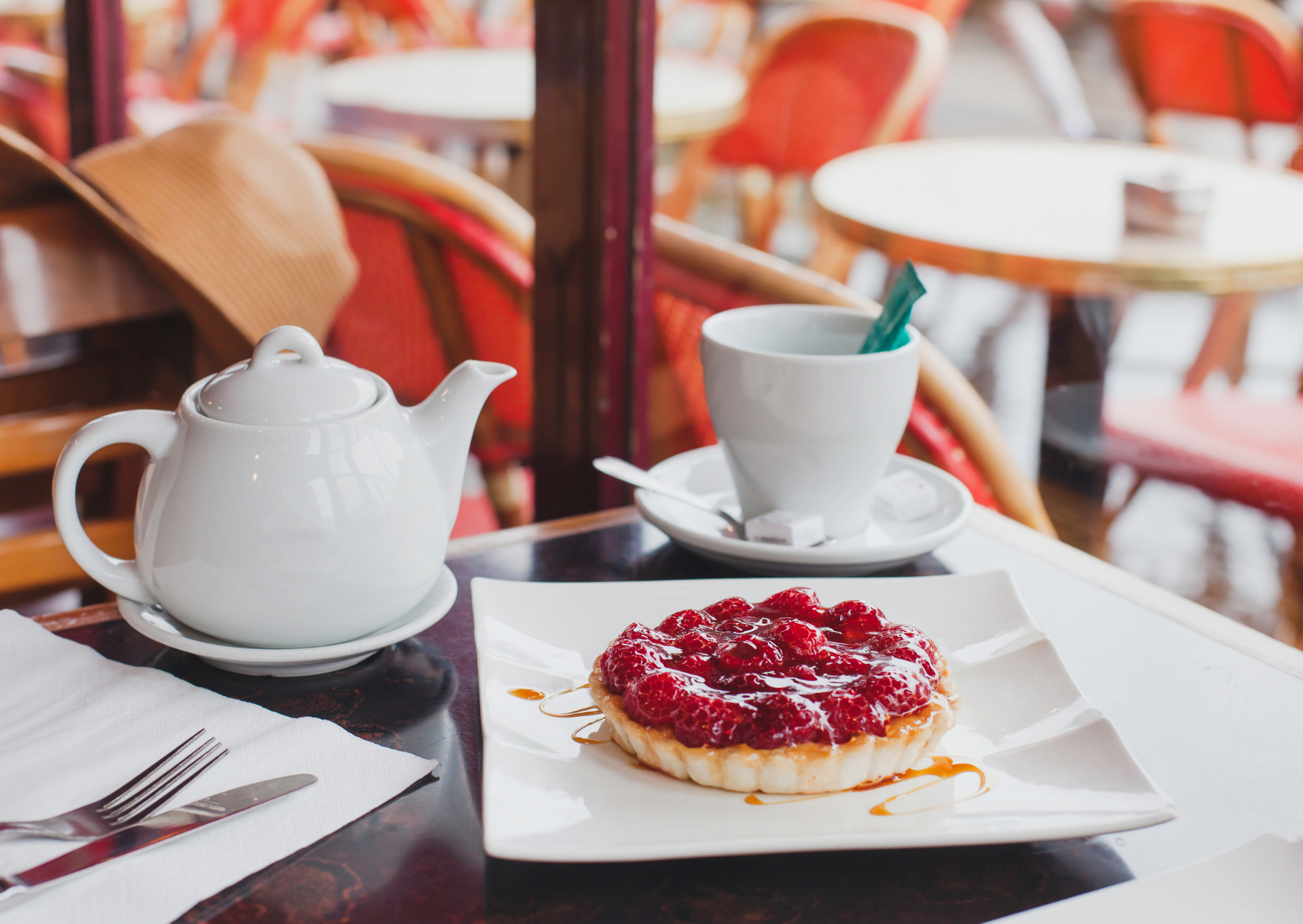
This is the core misunderstanding.
Americans think ordering a drink earns them a table for as long as they want, because that’s how American coffee shops quietly work. The margins, the tipping, the refill culture, the laptop culture, it all supports long stays.
In a lot of Europe, that’s not the deal.
When you sit in a café, you’re not just paying for the coffee. You’re paying for the space, the service, and the right to occupy that table. In some places, the price difference between standing at the bar and sitting at a table is the whole point. You’re paying for the chair.
That creates a different vibe. It’s why the service can feel hands-off. It’s why the staff is not rushing to flip your table, but also not treating you like a coworker who gets to camp there all afternoon on one small drink.
This is where Americans get irritated. They say the service is slow, or cold, or indifferent. What’s actually happening is: you’re in a system where you are expected to manage your own needs.
Want the bill? You ask. Need to order again? You make eye contact and signal. Want water? In some countries you need to request it, and it might not arrive automatically. Want another coffee? You order it, and nobody treats it as an “extra” because people do this all day.
So the café feels less “customer pampering” and more “public living room with rules.”
Once you understand the seat-rental idea, a lot of frustrations start making sense:
- You can sit for a long time, but you should keep ordering or choose off-peak hours.
- You can work, but you shouldn’t act surprised if the café discourages it when it’s busy.
- You can linger, but you should not treat the staff like your personal assistants.
There’s also a dignity piece. In many European places, cafés are treated as part of the neighborhood fabric. People come there to be seen, to talk, to read the paper, to take a breath between errands. Presence is the product, not endless customization.
So when an American arrives and tries to convert that into “my productivity station,” locals may not say anything, but the room will push back quietly. Less warmth. Less patience. Sometimes explicit rules.
It’s not personal. It’s just a different deal.
The money math: cheap coffee, expensive habit
Here’s where Americans get genuinely confused.
They hear that coffee is cheap in Europe. In many places, it is. In Spain, a basic coffee can still be in that everyday range that feels almost nostalgic compared to American prices. In Italy, the famous espresso-at-the-bar ritual is built around affordability. In France, you can absolutely have a simple café and not feel like you just bought a small appliance.
But the habit can still get expensive, especially for Americans trying to live the “café lifestyle” daily.
Because the real cost isn’t one espresso. It’s frequency, and it’s what cafés replace.
If you go to a café twice a day, every day, even a low-priced coffee becomes a meaningful monthly spend. Add pastries, add lunch, add the second drink because you’re still there, add the weekend brunch energy, and now you’re no longer “enjoying café culture.” You’re building a recurring bill.
This is where I see Americans slip in Spain.
They move here thinking they’ll save money because “coffee is €1.50,” then they start using cafés the way they used Target runs. A little treat, a little outing, a little mood lift. Then it becomes routine. Then it becomes identity. Then they’re spending more than they realize because the spending is small, frequent, and emotionally justified.
Also, café culture in Europe isn’t always “cheap.” Tourist zones, trendy specialty coffee, and the photogenic spots can be priced like any global city. Lisbon, Paris, Barcelona, and parts of Madrid have plenty of cafés where the bill looks closer to what you’d pay in the U.S., especially if you sit down and add food.
The practical move is treating café spending like a category, not a vibe.
A simple monthly check that keeps you sane:
- Coffee and small snacks, weekdays
- One longer café sit per week
- One pastry day, not five pastry days
- A hard ceiling for “cute cafés” that exist mainly for photos
If you want to feel the café life without resenting the bill, make it regular, not constant. Europeans often do cafés in small bursts, tied to real routines. Americans often try to turn it into an all-day lifestyle. The second approach gets expensive fast.
The service style: why it feels rude, and why it isn’t
Americans are used to service that checks on you. In cafés, especially, you’re used to ordering at the counter, getting your name called, and having clear steps that move the experience along.
In many European cafés, the vibe is different. It can feel like nobody is paying attention to you. Sometimes you sit down and nobody comes. Sometimes you stand there and the staff looks past you. Sometimes you want to pay and the bill does not magically arrive.
This is where Americans start saying Europeans are rude.
A more accurate translation: the interaction is less performative, and you are expected to participate.
In France, greeting matters. In Spain, signaling matters. In Italy, the bar rhythm matters. You don’t get constant check-ins because check-ins can feel intrusive in a culture where people are there to talk, not to be managed. You are allowed to sit without being interrupted. That’s the benefit. The cost is that you have to initiate.
In Spain, there’s also a specific friction Americans hit: you can sit there for a while and nobody brings the check because nobody is trying to push you out. So Americans sit there quietly getting angrier, thinking the staff forgot them. Then they leave annoyed and say Spanish service is slow.
Meanwhile the local move is: catch the waiter’s eye, ask politely, and pay when you’re ready. You leave when you decide, not when the system decides.
This is one of those adjustments that feels small but changes your whole experience. If you wait passively, you feel ignored. If you participate, it feels relaxed.
Also, in Europe, “friendly” is not always the default tone with strangers. Respect is. Professionalism is. The warmth often comes after you become a regular. If you want café culture to feel good, repetition matters. Same place, same time, same order. That’s how you stop being a random tourist and start being “someone who belongs here.”
Repetition makes you visible, and that visibility changes service more than any tip ever will.
The parts nobody posts: smoke, bathrooms, and noise
This is where the dream gets real.
A lot of Americans imagine cafés as cozy, quiet, clean third spaces. They picture a laptop-friendly corner, gentle music, and the smell of pastries.
Then they live here and realize European cafés are often loud, crowded, and deeply human. Chairs scraping. People talking over each other. Babies. Dogs. Football on the TV. Espresso machines hissing like they’re angry.
And the smoking. This one shocks people.
In many European cities, terraces are still smoking zones in practice, even when there are rules about indoor smoking. So you sit outside for the “European vibe” and you end up marinating in someone’s cigarette.
Americans can handle this for a week. Living it is different. It can make you hate the thing you thought you loved. You start avoiding terraces, but indoors can feel cramped or loud, and suddenly the café isn’t your peaceful ritual anymore.
Then there’s the bathroom reality. Some cafés have tiny bathrooms. Some require a key. Some are not the cleanest. Some are “customers only,” which is fair, but Americans sometimes expect a more open public restroom culture because they’re used to large chain spaces.
And noise. European cafés are social. People talk. They linger. They argue. They laugh. They take calls. The “quiet café to work in” exists, but it’s not the default.
So Americans start doing a weird mental negotiation:
- I want café culture.
- I want it without smoke.
- I want it without noise.
- I want it with laptop space and outlets.
- I want it with American customer service.
- I want it without feeling like I’m taking up space.
That’s not café culture. That’s an American co-working café fantasy.
This is why people end up hating it. Not because cafés are bad, but because the expectation is too specific. European cafés are public life, not curated life. If you need them to be silent, smoke-free, and productivity-oriented, you’re going to spend a lot of time disappointed.
The smarter approach is choosing cafés for what they are. Some are for conversation. Some are for quick coffee. Some are for work. Stop trying to make one café do everything.
The laptop myth and the crackdown you didn’t see coming
This is the part that makes digital nomads furious.
A lot of Americans move to Europe expecting to work from cafés the way they do in the U.S. They assume Wi-Fi will be everywhere, outlets will be available, and nobody will care if you stay for three hours.
Then they hit reality: many cafés do not want that.
Not always, not everywhere, but enough that it becomes a pattern. Some places restrict laptop use during peak hours. Some have signs. Some turn off Wi-Fi. Some simply make it uncomfortable, no outlets, tiny tables, chairs designed for short stays.
Why? Because a laptop customer can be a bad customer in a small European café. One person occupies a table that could seat two or four. They buy one drink. They stay a long time. They ask for the quiet corner. They take calls. They treat the café as an office, but they’re paying café prices.
In big cities, café owners have started pushing back because the math doesn’t work. A café is not a charity for remote workers. It’s a business trying to survive rent, staff costs, and rising ingredient prices.
So Americans who dreamed of “work from cafés in Europe” end up angry, and they frame it as Europeans being anti-remote-work. It’s not that. It’s that cafés are trying to protect their purpose as social spaces and revenue spaces.
Also, the European alternative to the café office is different. Coworking spaces exist. Libraries exist. Home is more normalized as a work base. The café is not obligated to be your workspace.
If you want the café work life, you can still do it. You just need to adapt:
- Work in cafés during off-peak hours.
- Choose places that clearly welcome laptops.
- Keep calls for outside.
- Order more than one drink if you’re staying.
- Be small, quiet, and low-maintenance.
Act like a guest, not an owner. That’s the whole trick.
And if that sounds annoying, it’s because you’re realizing the café was never meant to be your office. That was the fantasy.
The weekly rhythm that makes café culture feel good again
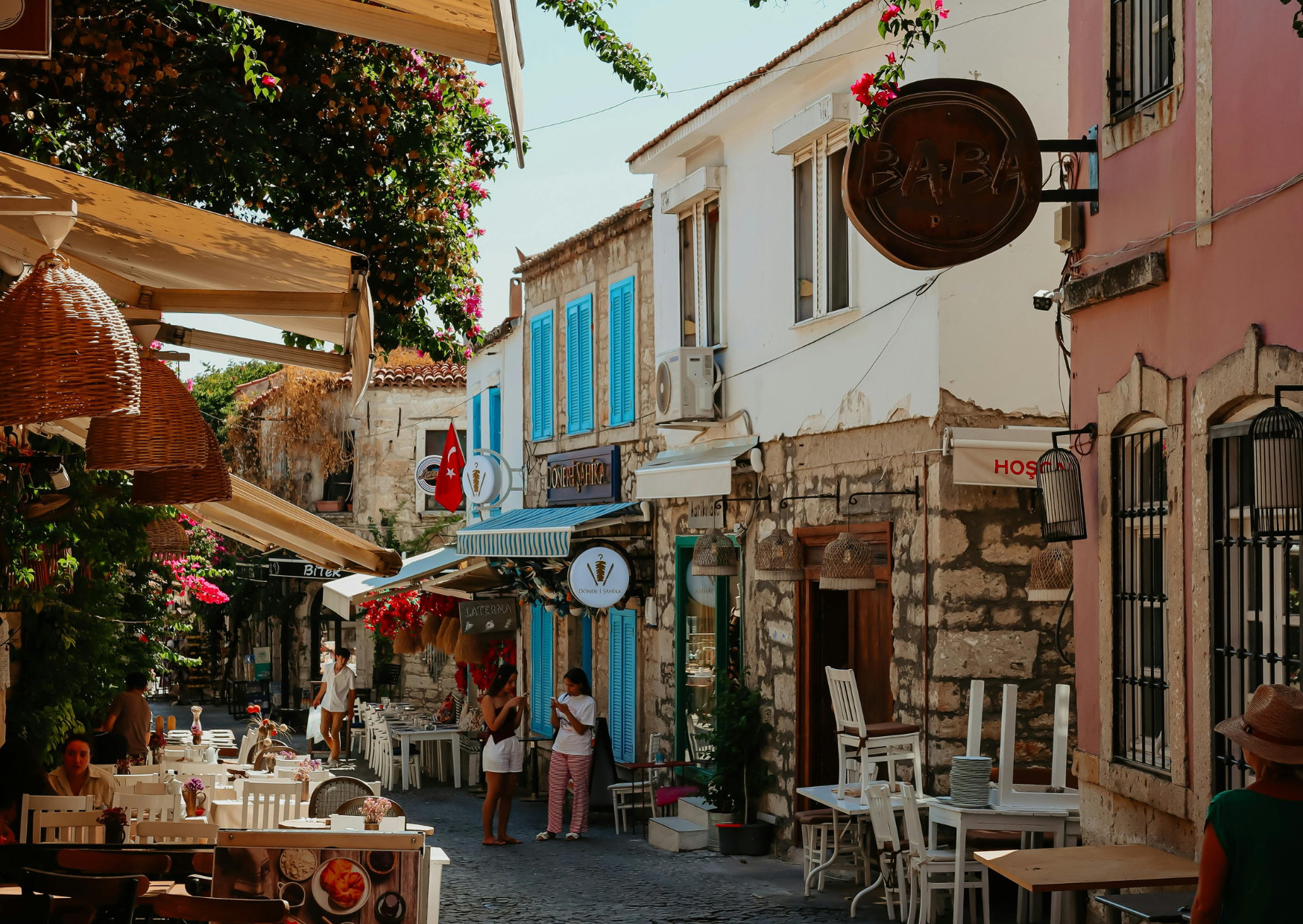
Here’s the more honest version of European café life, the one that actually holds up when you live here.
It’s not “sit in a café every day for hours.”
It’s something like this:
- Quick coffee while running errands.
- Longer café sit once or twice a week with someone, not alone.
- A weekend ritual, market first, then café.
- Occasional pastry, not daily pastry.
- A local spot you return to, so you become known.
In our Spanish life, cafés and bars are less about escaping your home and more about stitching your day together. You go for ten minutes. You go for thirty. You meet someone. You say hello to the same staff. You become part of the neighborhood texture.
That’s why the café dream works for locals. It’s integrated, not performative.
Americans often try to use cafés as a replacement for:
- community
- routine
- work-life boundaries
- emotional regulation
That’s too much pressure for a chair and a cortado.
If you treat cafés as punctuation instead of the whole sentence, you stop resenting them.
A practical weekly café plan that feels European without draining your budget:
- 3 quick coffees a week, standing or short sit
- 1 longer café session, but with a book or a person, not a laptop
- 1 “nice café” visit, the kind you would post, but cap it
- 0 to 2 work-from-café sessions, and only in laptop-friendly spots
That rhythm gives you the vibe without turning cafés into your main coping mechanism.
And it solves the big problem Americans don’t admit: living in cafés can make your apartment feel like a place you never want to be. Then you start spending money to avoid your own home. That’s a fast road to burnout in a prettier setting.
Your home has to work, or cafés become expensive avoidance.
Your first 7 days of café life without hating it

If you’re moving to Europe or already here and starting to feel irritated, do this for a week.
Day 1: Pick two cafés
One that’s fast and practical. One that’s pleasant for a longer sit. Stop expecting one place to meet every need.
Day 2: Learn the basic greeting and the payment rhythm
In France, start with “Bonjour.” In Spain, don’t expect the check to appear. In Italy, understand the bar flow. Participate in the system.
Day 3: Do one “standing coffee” on purpose
It resets your expectations. You realize café culture is often quick, not precious.
Day 4: Choose one “no laptop” café hour
Take a book, a notebook, or just your thoughts. It will feel uncomfortable if you were using cafés as distraction. That’s information.
Day 5: Set a weekly café budget
Make it boring. Make it real. Then enjoy it without guilt. A ceiling creates peace.
Day 6: Become a regular once
Go to the same place twice in a week, same time window. Order simply. Be polite. Watch what changes.
Day 7: One café meet-up, one café solo
If all your café time is solo, it can turn into lonely scrolling. If all your café time is social, it can turn into expensive socializing. Balance it.
After a week, most people feel the shift. They stop fighting the culture, and they start using it.
And if you still hate it after that, that’s also useful. It might mean you don’t want “European café culture.” You want the idea of it. Those are different.
The choice you’re actually making

Café culture is not a personality. It’s a tool.
You can chase the dream version, sit in cafés constantly, spend more than you planned, and slowly get irritated that nobody is giving you the exact American version of service and comfort.
Or you can do it the local way: smaller visits, better timing, clearer expectations, and a routine that treats cafés like part of life, not the solution to life.
Europe is not a movie set. It’s just places where people live.
When you accept that cafés are built for locals first, the dream becomes more realistic and a lot more enjoyable. Not magical. Not cinematic every day. But genuinely good.
And honestly, that’s the version worth keeping.

About the Author: Ruben, co-founder of Gamintraveler.com since 2014, is a seasoned traveler from Spain who has explored over 100 countries since 2009. Known for his extensive travel adventures across South America, Europe, the US, Australia, New Zealand, Asia, and Africa, Ruben combines his passion for adventurous yet sustainable living with his love for cycling, highlighted by his remarkable 5-month bicycle journey from Spain to Norway. He currently resides in Spain, where he continues sharing his travel experiences with his partner, Rachel, and their son, Han.