
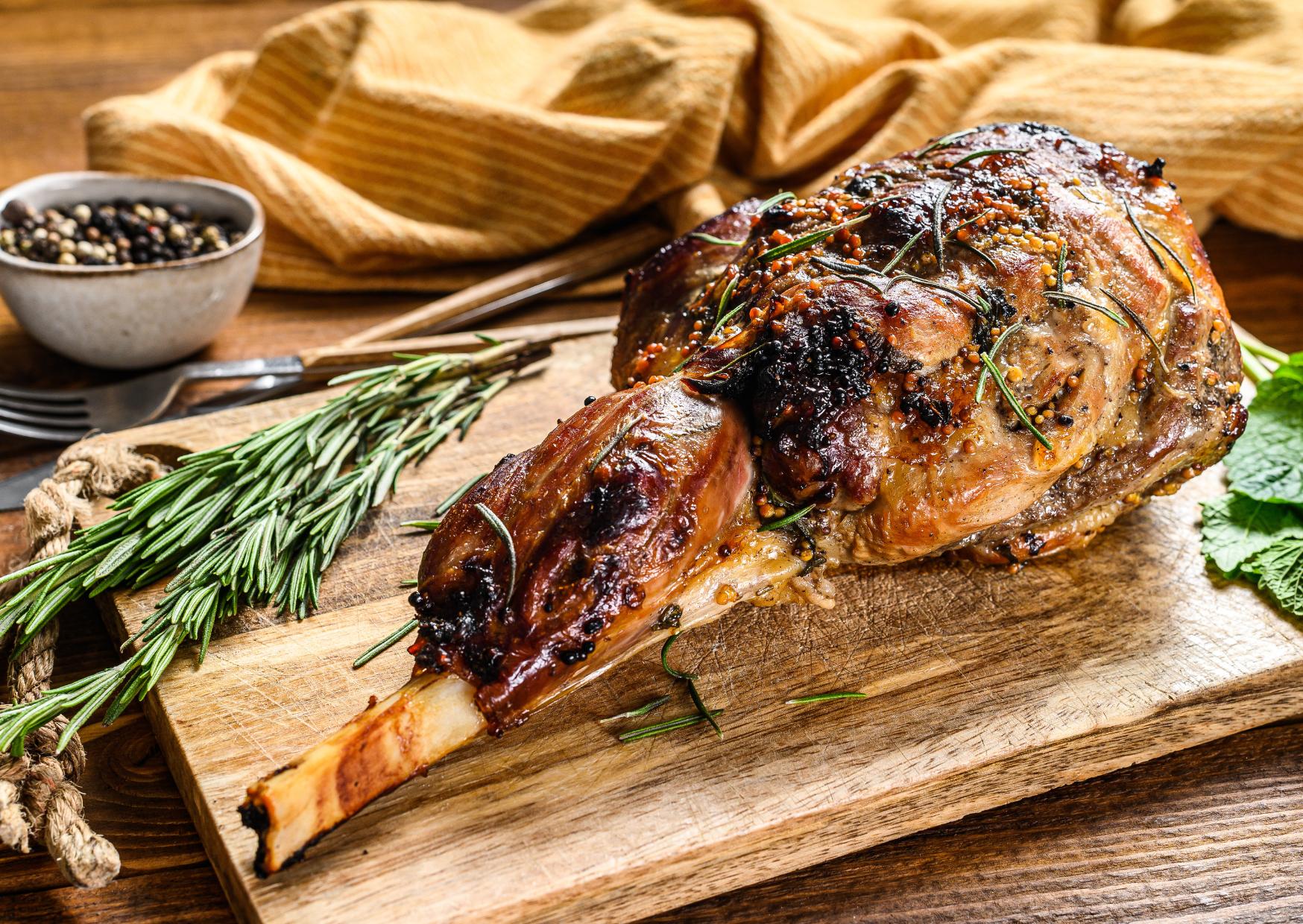
It’s the kind of meal that makes a whole house slow down. Five hours in the oven, one sealed pan, and suddenly everyone is hovering like it’s their job.
Every Easter, my friend does the same thing. She disappears into her kitchen early, the windows fog up, and by mid-afternoon the whole building smells like lemon, garlic, and something ancient and reassuring.
Then she opens the pan and the lamb is basically collapsing under its own good decisions.
It’s not “weeknight Greek.” It’s the holiday version: slow-cooked, tightly sealed, and designed for a table where people linger. The kind of dish that quietly bullies everyone into eating together, even the person who claimed they were “not that hungry.”
I asked for it for years, and she always shrugged it off like it was nothing. Then this year she finally said, fine, I’ll write it down, but you have to promise you’ll do it the right way.
The “right way” is simple: buy the correct cut, season it like you mean it, seal it tight, and let time do the work. The oven does the heavy lifting.
This is the recipe, plus the parts people skip: the cost reality, the timing, the leftovers, and the small decisions that keep it from turning dry.
Why this is an Easter dish and why it takes so long
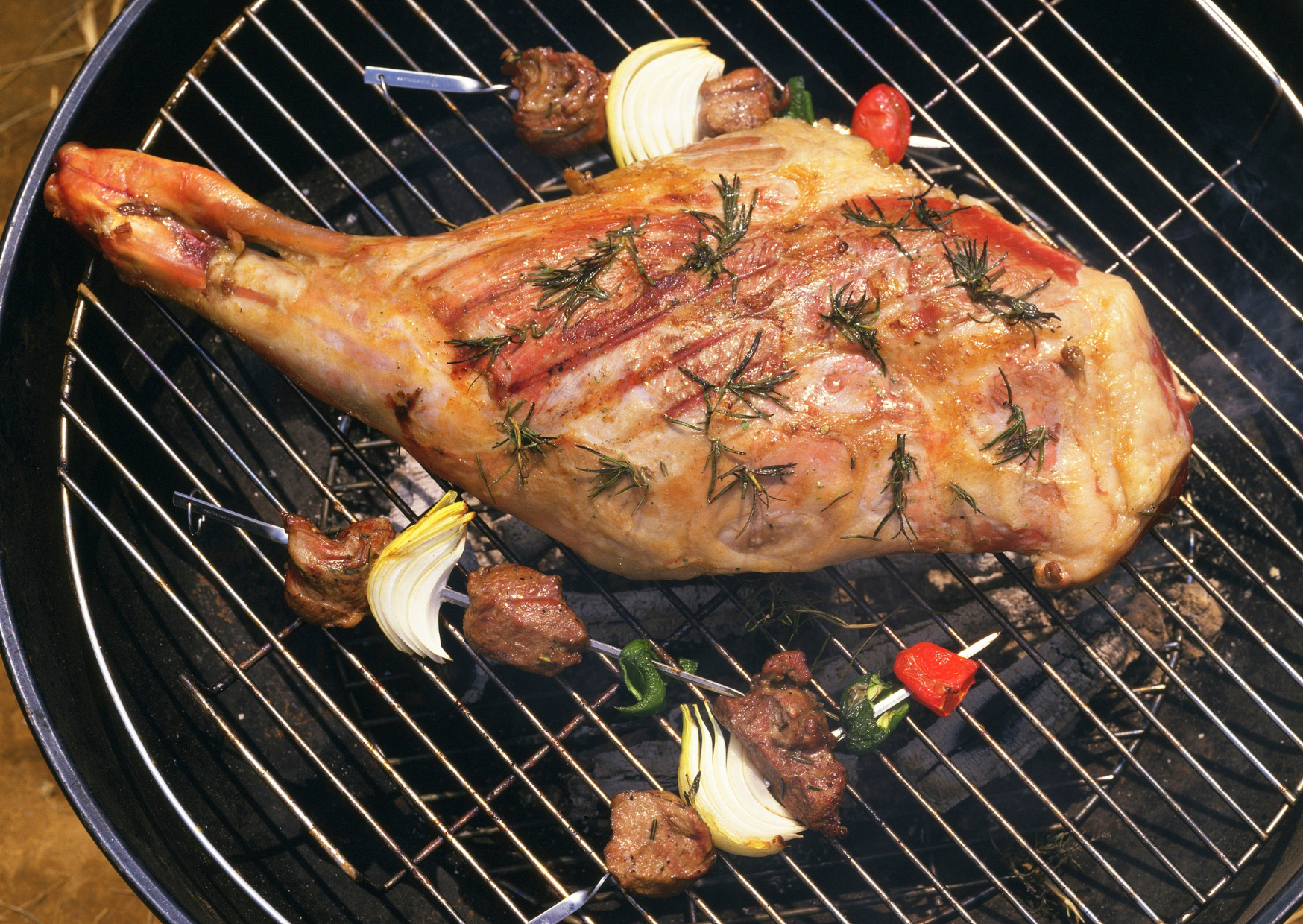
In Greece, lamb at Easter is not a random menu choice. It’s tradition with muscle behind it. Even if you don’t know the history, you can feel it in how people treat the meal. It’s communal. It’s slow. It’s built around the idea that food can hold a day together.
A lot of people think “Greek Easter lamb” means a whole lamb on a spit. That is one version, especially in villages and big family gatherings. But in real apartments, and in normal kitchens, you get versions like this: lamb cooked low and slow in a sealed pan with potatoes, lemon, garlic, oregano, and enough steam to keep everything tender.
That sealed cooking is the whole point. It gives you two things at once: tenderness from time, and moisture from the enclosed environment. The lamb isn’t fighting dry oven air for five hours. It’s essentially braising in its own juices.
And five hours is not for drama. It’s for physics.
Lamb shoulder, shank, and other working cuts have connective tissue. That connective tissue is exactly what makes the finished meat feel silky and rich, but only if you give it enough time to soften. If you rush it, you get meat that tastes good but chews like a punishment.
This is also why this dish is so popular for holidays. It’s not stressful cooking. It’s slow certainty. You set it up, you leave it alone, and it rewards you.
One more honest point: this is a dish that fits modern European life better than the spit version. We live in Spain, and plenty of families here do the same thing with their own traditions: one big Sunday or holiday roast that becomes meals for days. Easter lamb just happens to be Greece’s most delicious version of that strategy.
Buy the right cut or you’ll waste your Sunday
You can’t “technique” your way out of the wrong cut. If you choose a lean cut and try to cook it five hours, you’ll end up with dry meat and a bad attitude.
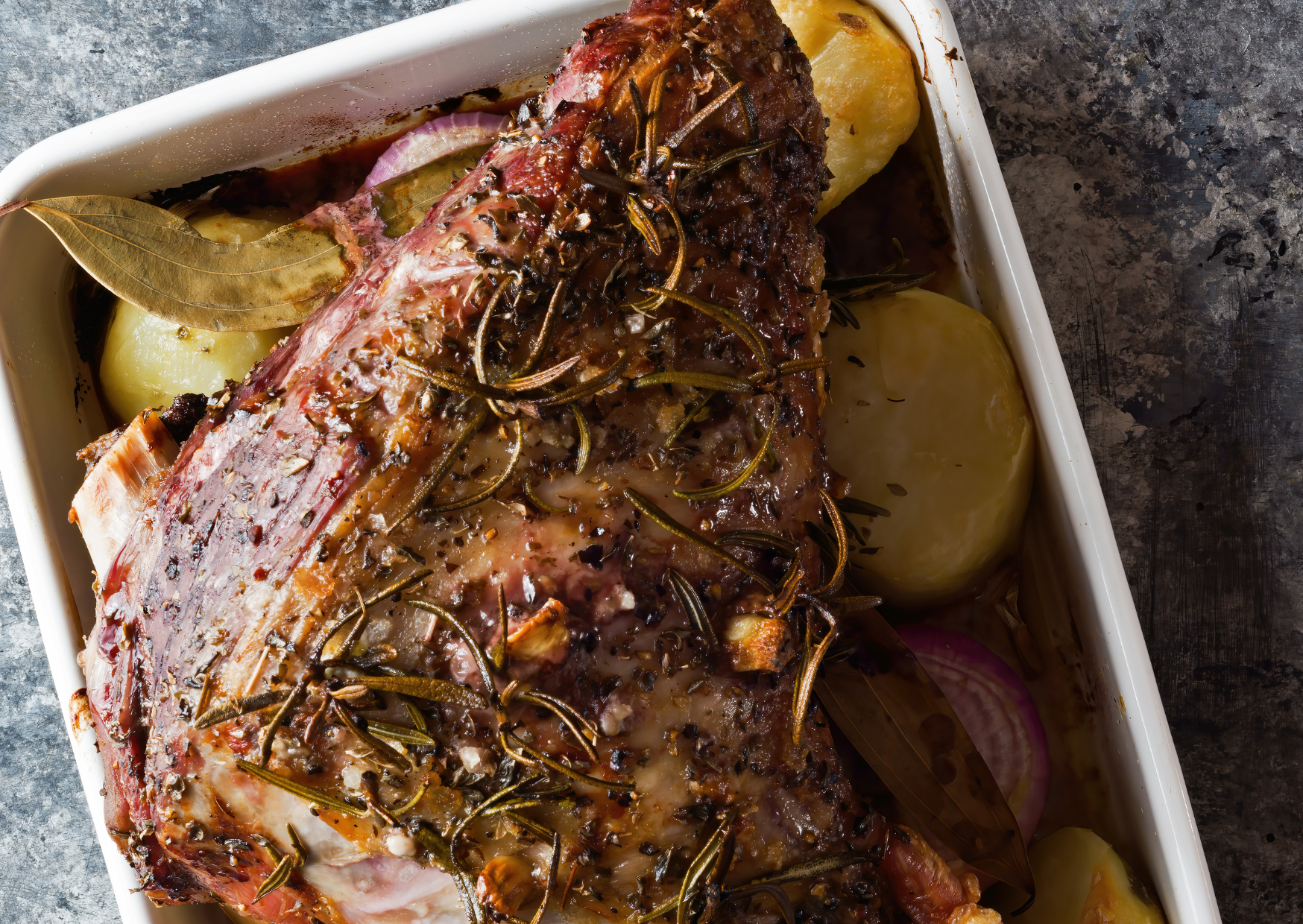
For this recipe, you want bone-in lamb shoulder if you can get it. Shoulder has enough fat and connective tissue to turn meltingly tender after hours of gentle heat. Bone-in also helps flavor and keeps the meat forgiving.
If you can’t find shoulder, these work:
- Lamb leg, but only if it has decent fat and you accept a less shreddable texture
- Lamb shanks, which get incredibly tender but cook a little differently
- Goat can work similarly if it’s common where you shop
Here’s the temperature truth that makes this make sense.
For basic food safety, lamb needs to reach a safe internal temperature. But for the texture you want here, you keep going well beyond that. Pull-apart tenderness usually lands when the meat has spent enough time hot for collagen to soften and turn silky.
So you’re cooking for two outcomes:
- Safe
- Fall-apart tender
That’s why this is not a “check at 70 minutes” recipe. This is a “give it the afternoon” recipe.
Cost-wise, lamb is not the cheapest protein in Europe anymore, and it varies wildly by country and butcher. In Spain, depending on cut and season, a 2 kg shoulder can be anywhere from “surprisingly reasonable” to “okay, that’s a holiday purchase.” The way to keep it sane is to treat it like a centerpiece that feeds multiple days.
A 2 kg bone-in shoulder typically feeds 6 to 8 people with potatoes and salad. If you turn leftovers into lunches, you can stretch it further. The leftovers are part of the deal, not an afterthought.
If you’re cooking for fewer people, don’t buy a tiny piece and keep the same five-hour timeline. Scale thoughtfully or freeze portions. The method loves a bigger cut because it stays moist.
The short shopping list and the prep that makes it easy
This dish looks impressive, but the ingredient list is almost aggressively normal.
What makes it taste like Easter is the combination: lemon, garlic, oregano, olive oil, and enough salt to wake everything up.
You can marinate overnight, and it’s worth it. But if you’re doing this on a real Sunday with real life, even a two-hour marinade at room temperature makes a difference.
Short shopping list (take this to the store): lamb shoulder (bone-in), potatoes, lemons, garlic, oregano, onions, tomatoes, feta (optional).
That’s it. Everything else is pantry.
A few practical choices that change the outcome:
- Waxy potatoes hold their shape better than fluffy ones
- Fresh oregano is great, but dried oregano is the real Greek backbone
- Lemons matter, use real juice, not bottled
- Garlic should be generous, this is not the moment to be shy
If you want to keep cost low, don’t get fancy with add-ons. The dish is built to be complete with potatoes and a salad. If you add feta, olives, or extra vegetables, do it because you love them, not because you think the recipe “needs” more.
Also, choose your pan before you start. You want a heavy roasting pan or a Dutch oven with a lid, something that can hold heat and seal well. If you don’t have a lid, foil works, but you need to seal it tight. Steam is your secret ingredient.
One more prep tip that saves you later: cut potatoes into big chunks, not small cubes. Small potatoes over five hours become mush. Big chunks stay tender without collapsing.
You’re going for a tray that opens like a miracle, not a pan of lamb-scented mash.
Ingredients and equipment
This is the exact build she uses, written like a real person cooks, not like a competition.
Servings and timing
- Serves: 6 to 8
- Prep time: 25 minutes
- Active time: 30 minutes total (spread out)
- Cook time: 5 hours
- Rest time: 20 to 30 minutes
- Optional marinating: 2 hours to overnight
Equipment
- Large roasting pan with a tight lid, or a Dutch oven
- Baking paper or parchment (optional but helpful)
- Heavy-duty foil (if no lid)
- Instant-read thermometer (recommended)
- Cutting board and knife
Ingredients
- Lamb shoulder, bone-in: 2 kg (about 4.4 lb)
- Potatoes: 1.2 kg (about 2.6 lb, roughly 8 cups chopped)
- Onions: 2 medium (about 300 g, 2 cups sliced)
- Garlic: 10 cloves (about 35 g)
- Lemons: 2 (about 120 ml juice, 1/2 cup)
- Olive oil: 80 ml (1/3 cup)
- Dried oregano: 2 tbsp
- Ground cinnamon: 1/2 tsp (optional, but this is her quiet trick)
- Bay leaves: 2
- Salt: 2 to 2 1/2 tsp (start here, adjust later)
- Black pepper: 2 tsp
- Water: 250 ml (1 cup)
- Cherry tomatoes: 250 g (about 2 cups), optional but great
- Feta: 150 g (about 1 cup crumbled), optional finishing
Substitutions that keep the spirit:
- Swap oregano plus thyme if that’s what you have
- Add rosemary if you love it, but don’t let it dominate
- Add sliced peppers or zucchini in the last hour if you want more veg
You’ll notice there’s nothing exotic here. The flavor comes from acid, fat, and time, not fancy ingredients.
The 5-hour method
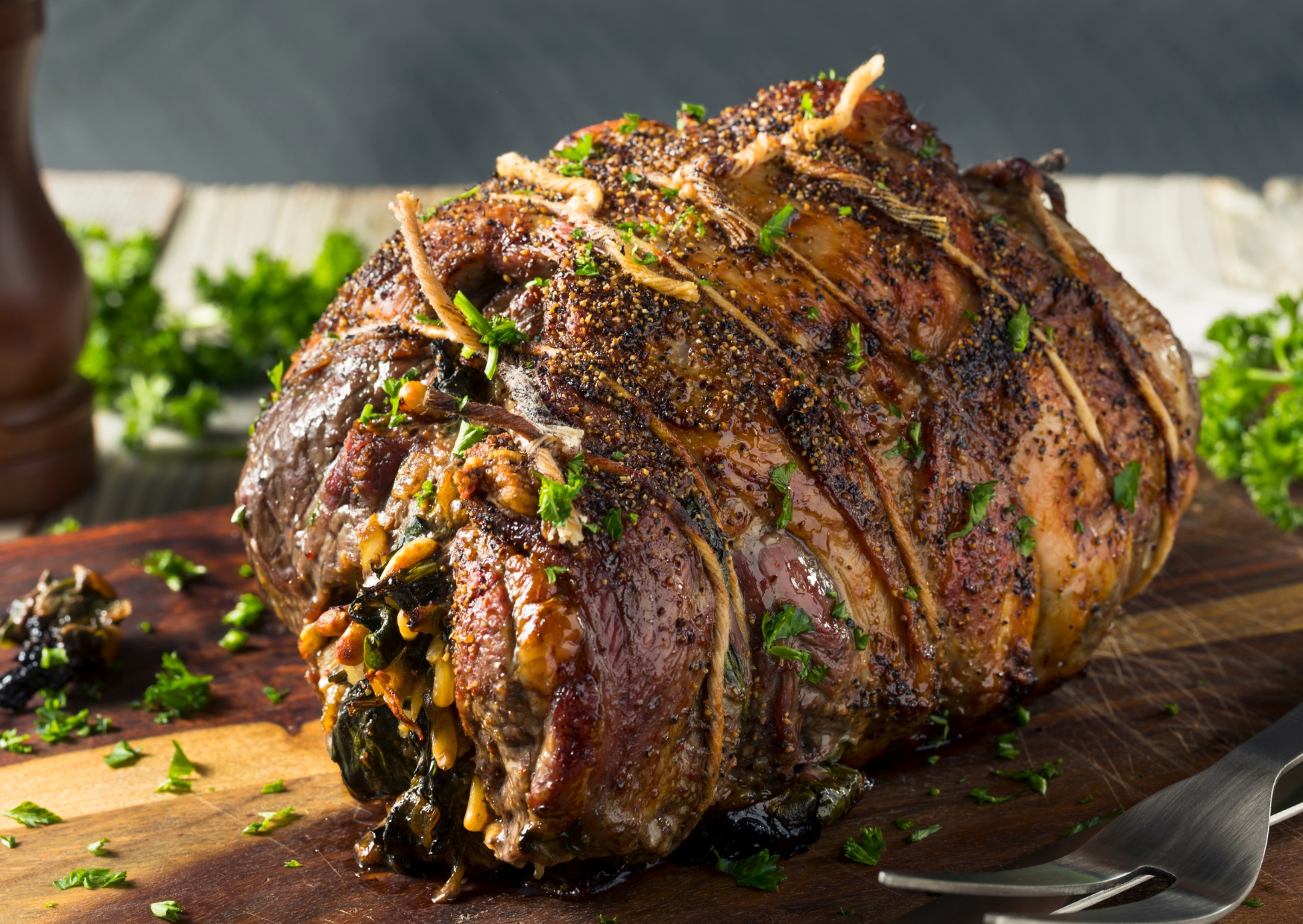
Step 1: Marinate
Pat lamb dry. In a bowl, mix olive oil, lemon juice, oregano, salt, pepper, cinnamon if using, and smashed garlic. Rub all over lamb, and get some into any creases.
Marinate 2 hours at room temperature, or overnight in the fridge. If refrigerated, pull it out 45 minutes before cooking so it’s not ice-cold.
Step 2: Build the pan
Heat oven to 160°C (320°F).
Toss potatoes and onions with a splash of olive oil, salt, pepper, and a little oregano. Scatter them in the bottom of the pan. Add bay leaves and tomatoes if using.
Place lamb on top. Pour in 250 ml (1 cup) water around the edges, not directly over the lamb.
Step 3: Seal and slow-cook
Cover with lid, or seal tightly with foil. If using foil, do two layers and crimp the edges hard. You want a real seal.
Cook at 160°C (320°F) for 4 hours.
At the 4-hour mark, check tenderness. The meat should be softening and pulling slightly from the bone.
Step 4: Finish for color
Turn oven up to 220°C (425°F). Uncover and cook 30 to 45 minutes until the top browns and potatoes get edges.
If you like feta, add it in the last 10 minutes so it warms and softens.
Step 5: Rest
Rest 20 to 30 minutes. This is not optional. Resting is texture.
Serve with lemon wedges and a big salad. In Greece it might be horta or something bitter. In Spain, a simple tomato salad does the job beautifully.
If you’re checking temperature, you’ll notice something: the meat is safe earlier than it is tender. This is a tenderness recipe, not a speed recipe. Keep going until a fork twists easily.
Why this works
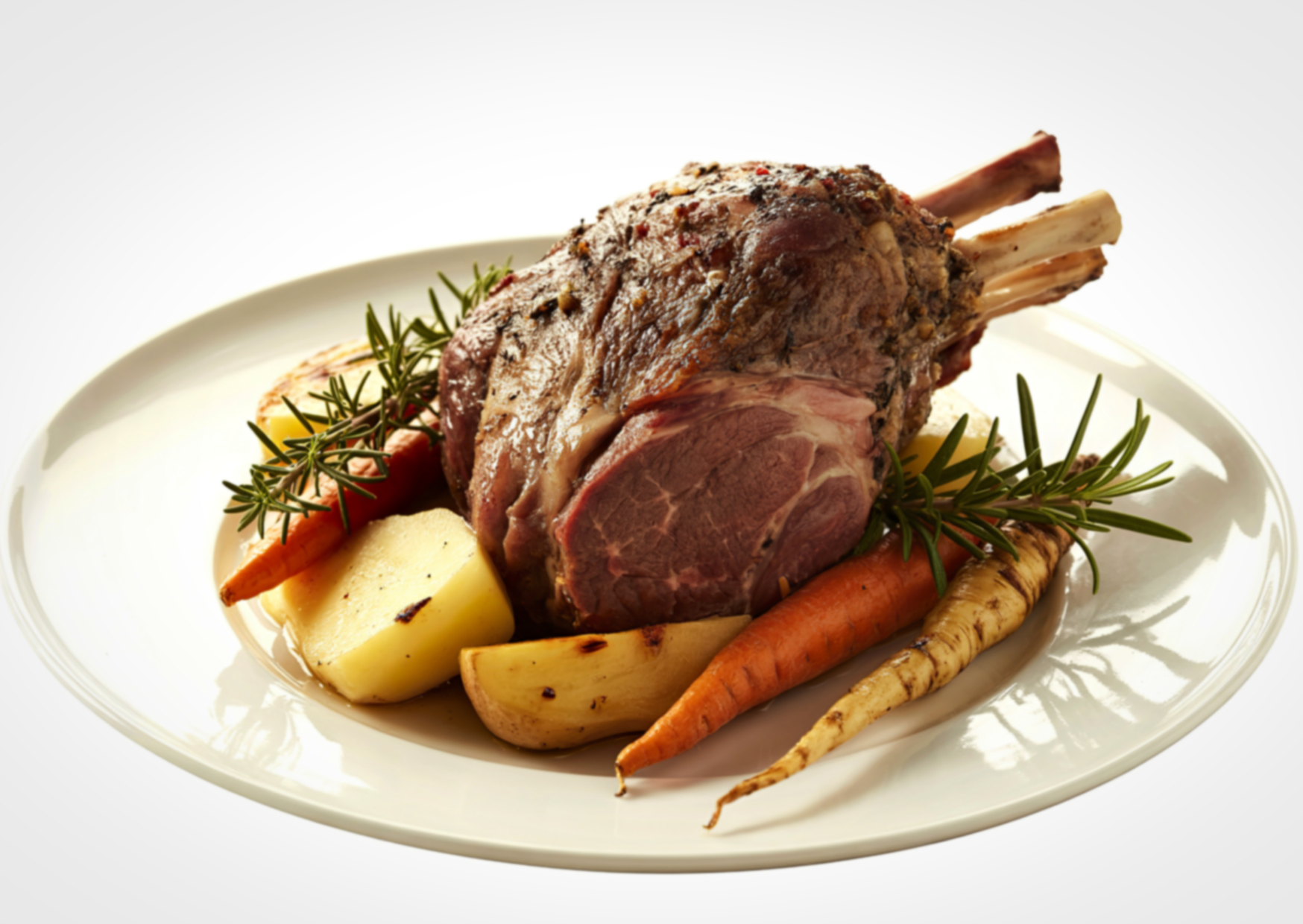
There are only three reasons this tastes like it took talent.
First, the sealed pan creates a moist environment so the lamb doesn’t dry out while it cooks for hours. The oven becomes gentle, not harsh. Moist heat is mercy.
Second, the lemon and garlic aren’t just flavor. They balance fat. Lamb is rich, and long-cooked lamb can feel heavy if you don’t have acid. The lemon keeps the whole thing bright, even when it’s deeply savory.
Third, the long time at moderate heat gives connective tissue a chance to soften gradually. That’s what turns a shoulder into something you can pull apart with a spoon. If you blast it hot and fast, you can cook lamb through but you can’t fake tenderness.
The potatoes matter too. They sit under the lamb, bathing in drippings and lemony liquid, becoming their own kind of reward. People always talk about “the meat.” In this dish, the potatoes are the second star.
One more quiet win: the spices are restrained. Oregano does most of the talking. Cinnamon sits in the background and makes people ask, what is that, without turning it into dessert.
This is why it’s such a good holiday dish. It tastes complete without needing a long ingredient list. It’s a one-pan flex, but it’s not showy.
Storage, reheating, and a 7-day plan for leftovers
This is where the “five hours” becomes a practical decision, not a dramatic one.
Storage
- Fridge: 4 days, tightly covered
- Freezer: 2 to 3 months, shredded meat freezes best
- Reheat: low oven or covered pan with a splash of water
Reheat it gently. If you microwave lamb hard, you’ll make it taste like yesterday. If you warm it slowly with a spoon of pan juices, it tastes like you planned your life.
Now the part people ignore: how to use leftovers without eating the same plate five times.
Here’s a week that actually works:
Day 1 (Sunday): Lamb, potatoes, salad, lemon. Go full Easter.
Day 2: Shredded lamb over rice with a cucumber yogurt sauce. Cold yogurt fixes rich meat.
Day 3: Lamb and potato hash, crisped in a pan, topped with a fried egg.
Day 4: Big salad with lamb, leftover potatoes, tomatoes, and a sharp vinaigrette.
Day 5: Pita night, lamb, onions, yogurt, and whatever crunchy veg you have.
Day 6: Soup cheat, simmer leftover lamb with chickpeas and greens for 20 minutes.
Day 7: Freeze what’s left in portions, future-you will thank you.
Health-wise, this is a rich dish. The Mediterranean part is not “eat lamb constantly.” The Mediterranean part is: eat it as a centerpiece, then spend the week eating vegetables, legumes, and smaller portions. A walk after a heavy Sunday meal also helps. Heavy food wants movement.
This is why this recipe works as a monthly tradition. It gives you pleasure, then it gives you structure.
The mistakes that make people swear off lamb
If someone tells you they “don’t like lamb,” it’s often because they had a bad version.
Here’s how people ruin this dish:
They buy a lean cut and cook it forever. That’s the fastest way to create dry, strong-tasting meat that feels aggressive.
They don’t seal the pan. If steam escapes, moisture escapes. Then you’re roasting, not slow-braising. Seal means tenderness.
They under-salt. Lamb needs proper seasoning, especially with potatoes absorbing everything. Salt is not decoration here.
They skip the acid. If you don’t use enough lemon, the richness becomes tiring fast.
They cook too hot too early. High heat is for browning at the end, not for the whole cook.
They don’t rest it. Resting is how the texture settles. If you shred it immediately, juices run and the meat feels drier.
And the big one: they expect it to be done on a clock. Five hours is a guide. Your lamb may need a little more. If the fork doesn’t twist easily, you’re not there yet. This is where people panic and crank heat, and then blame the recipe.
If you do it right, the meat becomes gentle. The flavor becomes deep but not loud. It tastes like a holiday without needing a crowd.
And if you do it once, you’ll understand why my friend makes it every Easter without fail. It’s not just food. It’s a day built around one decision.
That’s the kind of cooking that actually survives real life.

About the Author: Ruben, co-founder of Gamintraveler.com since 2014, is a seasoned traveler from Spain who has explored over 100 countries since 2009. Known for his extensive travel adventures across South America, Europe, the US, Australia, New Zealand, Asia, and Africa, Ruben combines his passion for adventurous yet sustainable living with his love for cycling, highlighted by his remarkable 5-month bicycle journey from Spain to Norway. He currently resides in Spain, where he continues sharing his travel experiences with his partner, Rachel, and their son, Han.