
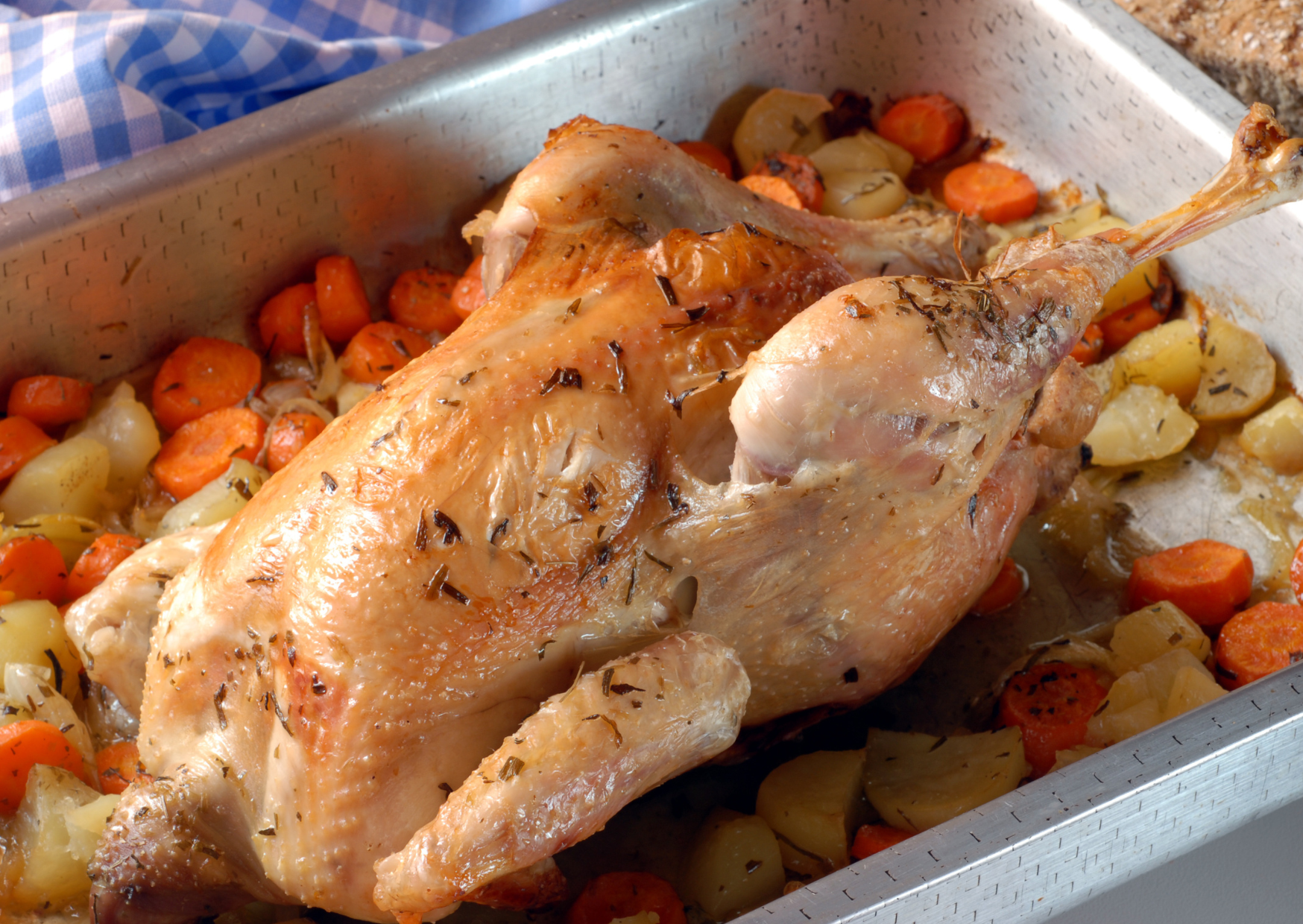
It’s not fancy. It’s just the one Sunday routine that turns one chicken into four calm meals, a pot of stock, and a week that stops hemorrhaging money.
Americans talk about “Sunday reset” like it’s candles and a fresh planner.
In a real house, Sunday reset is usually one question: what are we eating this week, and how do we make it stop being expensive?
This is the answer my family keeps requesting, once a month, like clockwork. A French-style Sunday roast chicken, but done in a way that gives you the second meal baked in. You roast the bird, you make a pan sauce, and then you turn the carcass into stock while the kitchen is already messy. It’s a whole Sunday, yes, but it buys you breathing room for days.
The funny part is that Americans dream of French cooking as complicated. This is not complicated. It’s methodical.
Also, we’re in Spain. This isn’t me cosplaying Provence. This is a Sunday routine that works in a Spanish kitchen with Spanish groceries, and it scratches the “French Sunday table” itch without needing a French village and a linen apron.
If you’ve ever stood in front of your fridge on a Tuesday thinking “I cannot cook again,” this is the recipe that makes that moment less dramatic.
What you’re actually making
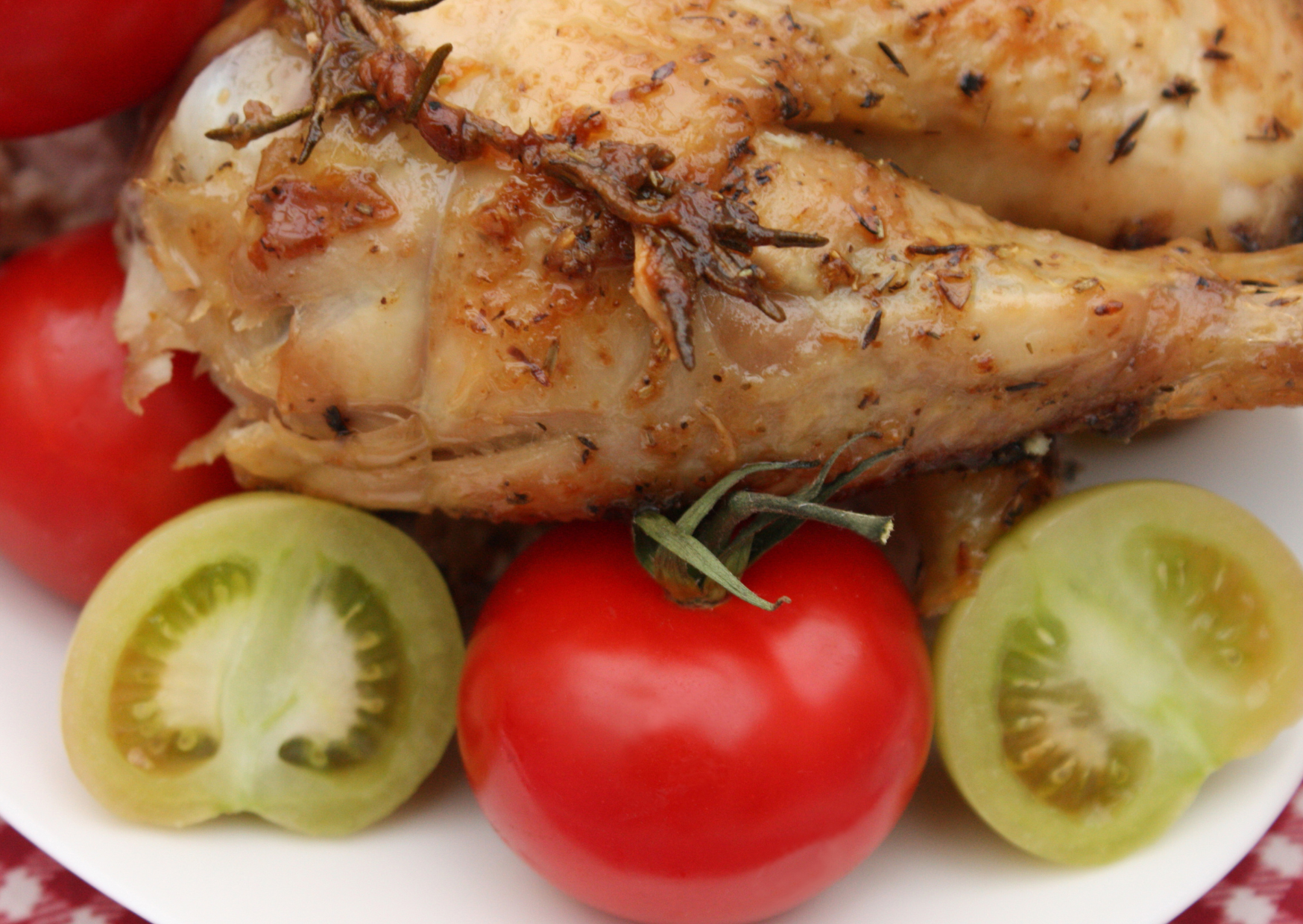
This is a classic French roast chicken in spirit, poulet rôti du dimanche, with potatoes in the pan and a real sauce made from what the chicken gives you. Then, while the bird rests and everyone “just takes a little piece,” you start a stock with the carcass.
That last part is why it takes all Sunday.
A roast chicken alone is an hour and a bit. A roast chicken plus stock is a project. Not a stressful project, but a real one. The payoff is that you end Sunday with:
- a chicken dinner that feels like an occasion
- a container of sauce you will guard with your life
- a pot of stock that turns random leftovers into actual meals
- enough chicken meat for sandwiches, salads, soup, and one “I can’t cook” night
This is the French part Americans miss. The Sunday chicken is not just dinner. It’s a system. One bird becomes structure.
And yes, you can do a shortcut version. If you don’t want stock, skip it. If you want the full Sunday payoff, do it once, then decide if it’s worth repeating.
In our house, it is. When the week gets busy, this is the difference between “we’re fine” and “why did we spend that much on delivery.”
Servings, timing, and equipment
Servings
- 6 servings for dinner if you serve potatoes and bread
- 8 to 10 servings total across the week once you factor leftovers and soup
Timing
- Day before: 10 minutes (dry brine)
- Sunday prep: 20 minutes
- Active cooking time: about 45 minutes total (hands-on)
- Roast time: 1 hour 15 minutes to 1 hour 40 minutes depending on bird size
- Rest time: 15 to 20 minutes
- Stock simmer time: 2 to 3 hours
- Total “Sunday involvement”: about 4 to 5 hours with lots of downtime
The key is that you’re not hovering for five hours. You’re just in and out of the kitchen with purpose.
Equipment
- Roasting pan or large ovenproof skillet
- Oven
- Instant-read thermometer (strongly recommended)
- Large pot for stock (6 liters is ideal)
- Fine strainer
- Cutting board and sharp knife
- Ladle and a spoon for skimming
- Optional: kitchen twine for tying legs (nice, not required)
If you have a thermometer, the whole thing gets calmer. Guessing is the enemy of juicy chicken.
Ingredients and the short shopping list
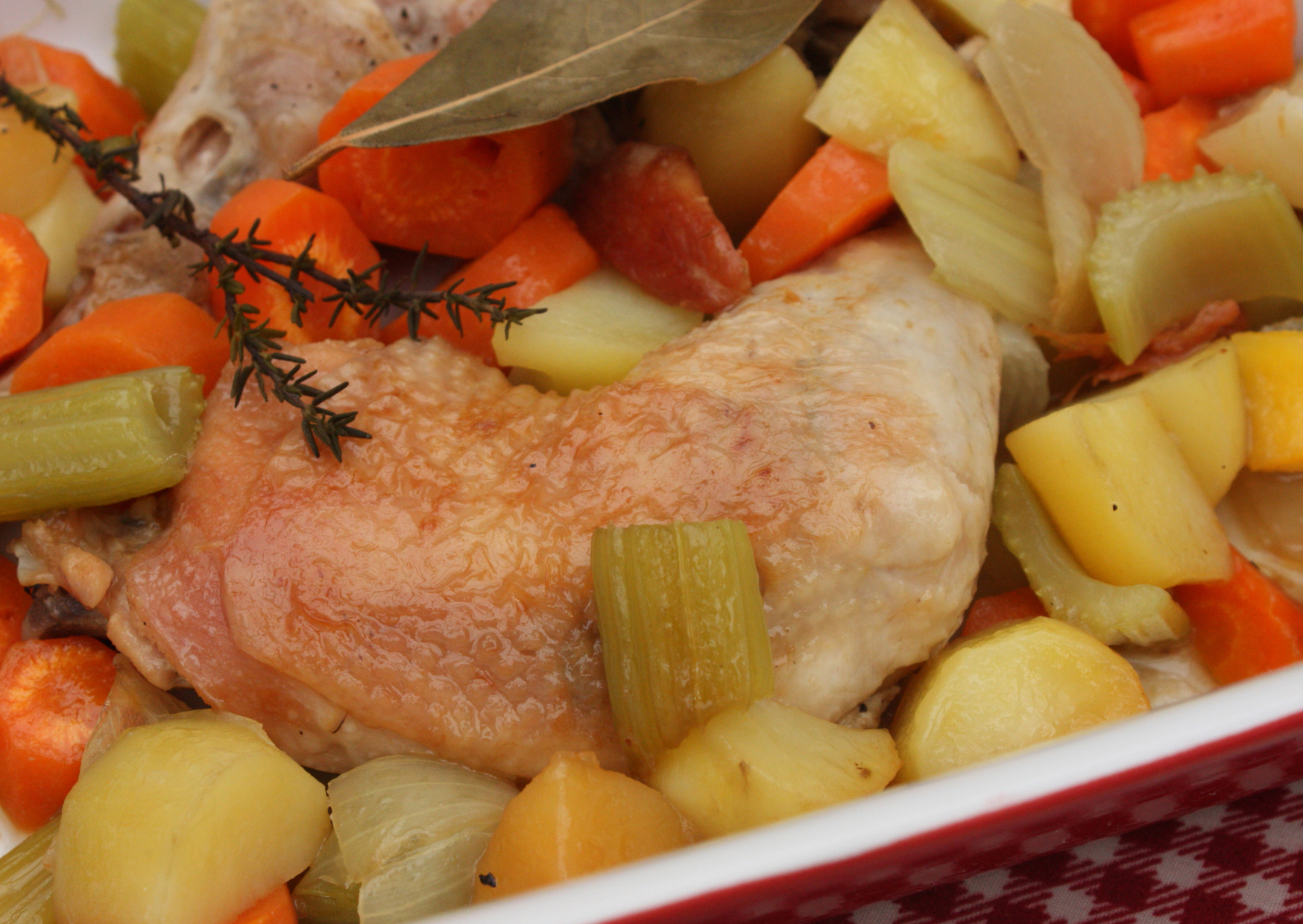
You’re going to laugh because the ingredient list is painfully normal. That’s the point.
Ingredients (for the roast)
- Whole chicken, 1.6 to 2.0 kg
- Potatoes, 1.2 kg, cut into big chunks
- Onion, 1 large (about 200 g), sliced
- Garlic, 1 head (yes, the whole head)
- Lemon, 1
- Fresh thyme, 6 to 8 sprigs (or 1 tsp dried)
- Bay leaf, 1
- Butter, 60 g
- Olive oil, 2 tbsp (30 ml)
- Salt, about 18 g total (roughly 1 tbsp plus 1 tsp, adjust to taste)
- Black pepper, 2 tsp
Ingredients (for the pan sauce)
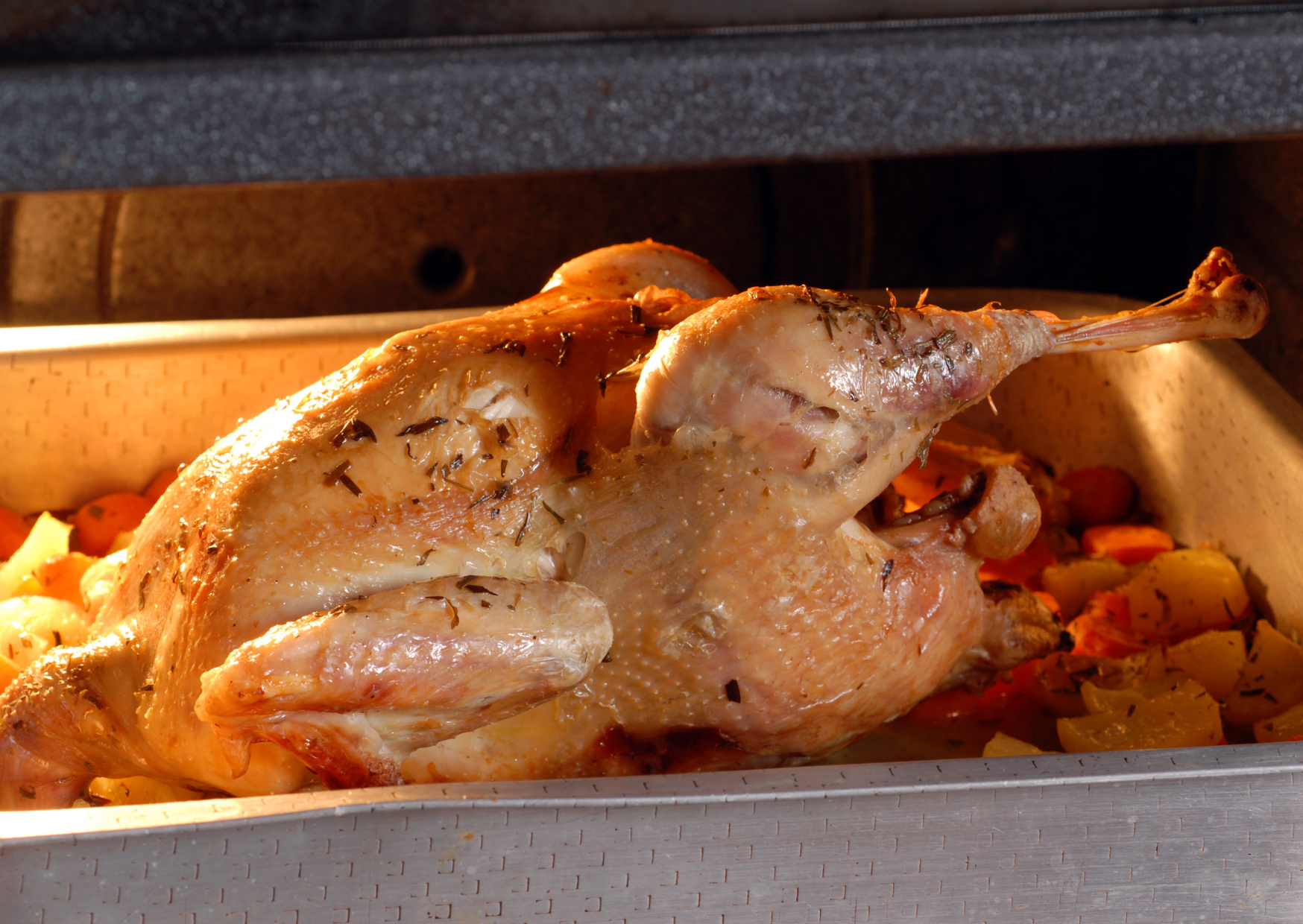
- White wine or dry vermouth, 150 ml
- Chicken stock or water, 250 ml
- Dijon mustard, 1 tsp (optional, but excellent)
- Flour, 1 tbsp (or skip and reduce longer)
Ingredients (for the stock)
- Carcass and bones from the roasted chicken
- 1 carrot (about 120 g)
- 1 celery stalk (about 60 g), optional
- 1/2 onion (about 100 g)
- 2 cloves garlic
- Bay leaf, 1
- Peppercorns, 6 to 8
- Water, 2.5 to 3 liters
Short shopping list (take this to the store):
Whole chicken, potatoes, onion, garlic, lemon, thyme, butter, white wine.
Everything else is pantry behavior.
Rough cost
This varies by city and by how you buy chicken, but here’s a realistic Spain-based range:
- Chicken 1.8 kg: €6 to €12
- Potatoes, onions, carrots, garlic, lemon: €3 to €5
- Butter and wine (if you’re buying them this week): €4 to €8
So you’re usually looking at €10 to €17 for the whole Sunday project, and you get dinner plus stock plus leftovers. Per serving, it’s still one of the best deals you can make at home.
And it feels like a real meal, not “budget food.” That matters.
The method
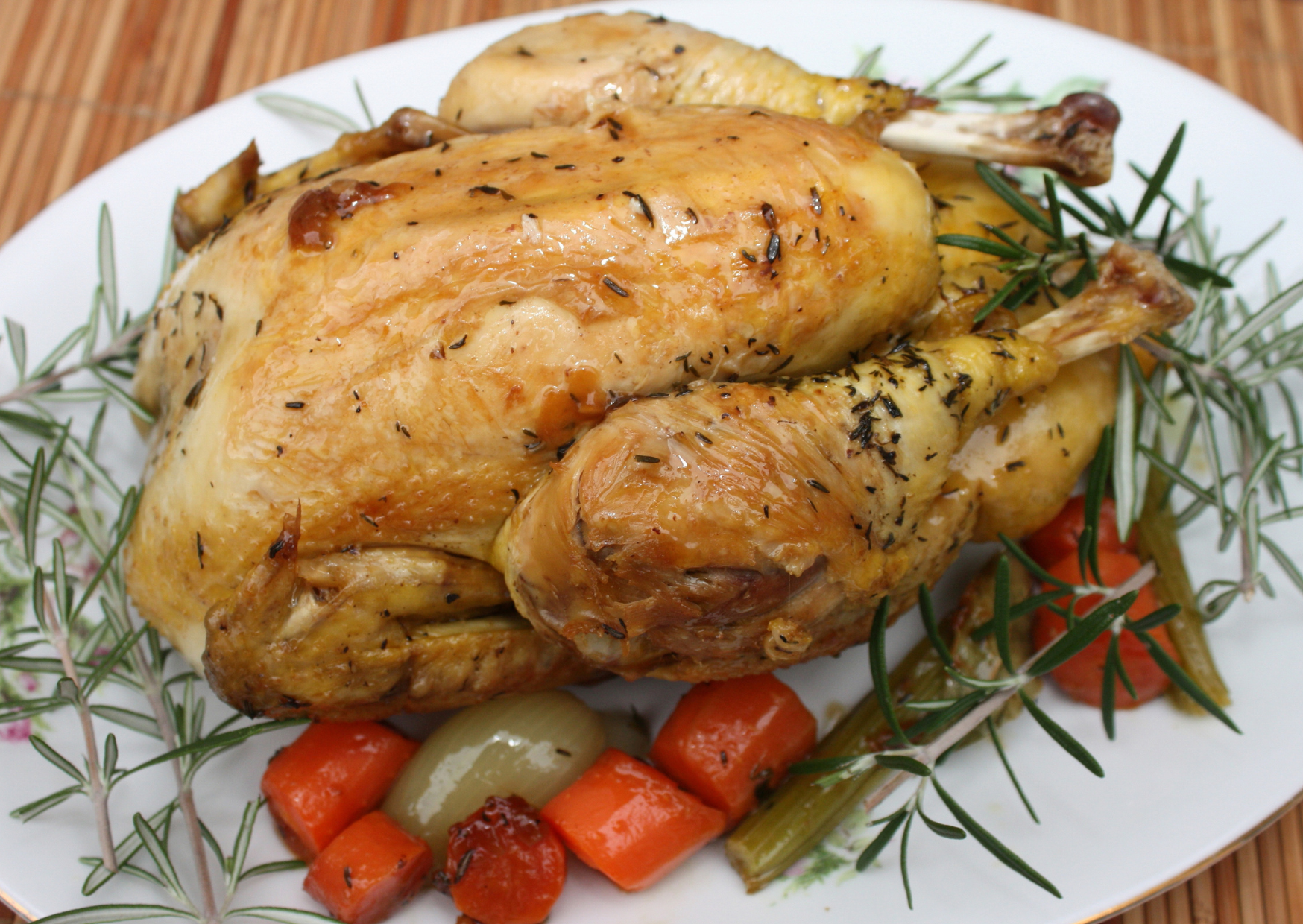
Step 1: Dry brine the day before
This is the part that makes the chicken taste like it came from someone who knows what they’re doing.
The day before, pat the chicken dry. Sprinkle salt all over it, including a bit inside the cavity. Put it on a plate in the fridge, uncovered, overnight.
Uncovered feels wrong if you didn’t grow up doing this. It works because it dries the skin and seasons the meat.
If you forget, you can still do the recipe. But the difference is real. Salt is your leverage.
Step 2: Sunday morning setup
Take the chicken out of the fridge 30 to 40 minutes before roasting. Not to “bring it to room temp” perfectly, just to take the icy edge off.
Heat oven to 220°C (425°F).
In your roasting pan, toss potatoes and sliced onion with olive oil, pepper, and a pinch of salt. Smash the garlic cloves lightly, keep them in their skins, and scatter them in. Add thyme and bay leaf.
Stuff the chicken cavity with lemon halves and a few thyme sprigs.
Rub butter all over the chicken. Yes, it’s a lot. This is French logic. Place the chicken on top of the potatoes.
Step 3: Roast
Roast at 220°C (425°F) for 20 minutes to set the skin.
Then lower to 190°C (375°F) and roast another 55 to 75 minutes depending on size.
Start checking temperature around the 1-hour mark. You want the thickest part of the breast and the thigh area to hit 74°C (165°F) for safety, measured without touching bone.
If you want juicier breast, you can pull it when the breast is around 71°C (160°F) and let carryover heat finish the job during resting, but do not guess. Use the thermometer.
Step 4: Rest, then carve
Move chicken to a board and let it rest 15 to 20 minutes. Potatoes can stay in the pan, covered loosely.
Carve into legs, thighs, wings, then slice breast. Keep the juices that collect on the board.
Step 5: Make the pan sauce
Put the roasting pan on the stove over medium heat. Spoon off excess fat, leave a few tablespoons.
Add flour, stir for 30 seconds.
Pour in wine and scrape the browned bits. Add stock or water, simmer 5 to 10 minutes until glossy. Stir in Dijon if using. Taste and adjust salt.
This sauce is why people suddenly act civilized at the table.
Step 6: Stock while you clean up
After dinner, or while people are still nibbling, pull remaining meat from the carcass. Save meat for the week. Put bones and carcass into a pot.
Add carrot, onion, celery if you have it, garlic, bay, peppercorns. Cover with water.
Bring just to a simmer, then lower heat. Simmer 2 to 3 hours. Skim foam if you feel like it. Strain, cool, then refrigerate.
This is the part that makes it a “Sunday recipe.” Stock is the hidden win.
Why this works
- Dry brining seasons deeply and dries the skin so it crisps.
- High heat first sets color, then lower heat finishes gently.
- Butter plus rendered chicken fat bastes the bird without you babysitting it.
- Pan sauce uses browned bits for flavor instead of adding expensive ingredients.
- Stock turns scraps into future meals, which is how French home cooking stays practical.
How to serve it like the French idea without being dramatic
You don’t need to stage a French countryside scene. You just need a table that makes the chicken feel like an event.
The easiest French-style plate is: chicken, potatoes, sauce, and something sharp on the side.
In Spain, we usually do a simple salad, lettuce, onion, maybe a grated carrot situation, dressed with olive oil and vinegar. The acidity makes the rich chicken feel lighter.
Bread is optional, but let’s be real, the sauce wants bread.
If you want to lean more French, add:
- a mustardy green salad
- a little jar of cornichons
- or a simple grated carrot salad with lemon
Nothing fancy. Just contrast.
And here’s the practical serving move that stops the meal from feeling heavy: keep the portions normal. Americans are used to giant chicken servings. In France, the roast is shared, and everyone gets a reasonable amount. That’s part of why the leftovers exist.
Also, do not serve every last piece on day one. Put some meat away on purpose. Future-you deserves it.
If you want the monthly ritual to stick, make it predictable:
- same weekend each month
- same shopping list
- same method
- same leftover plan
That repetition turns the recipe from a one-off project into a household tool. Predictable beats perfect.
Seven days of leftovers that do not feel like leftovers
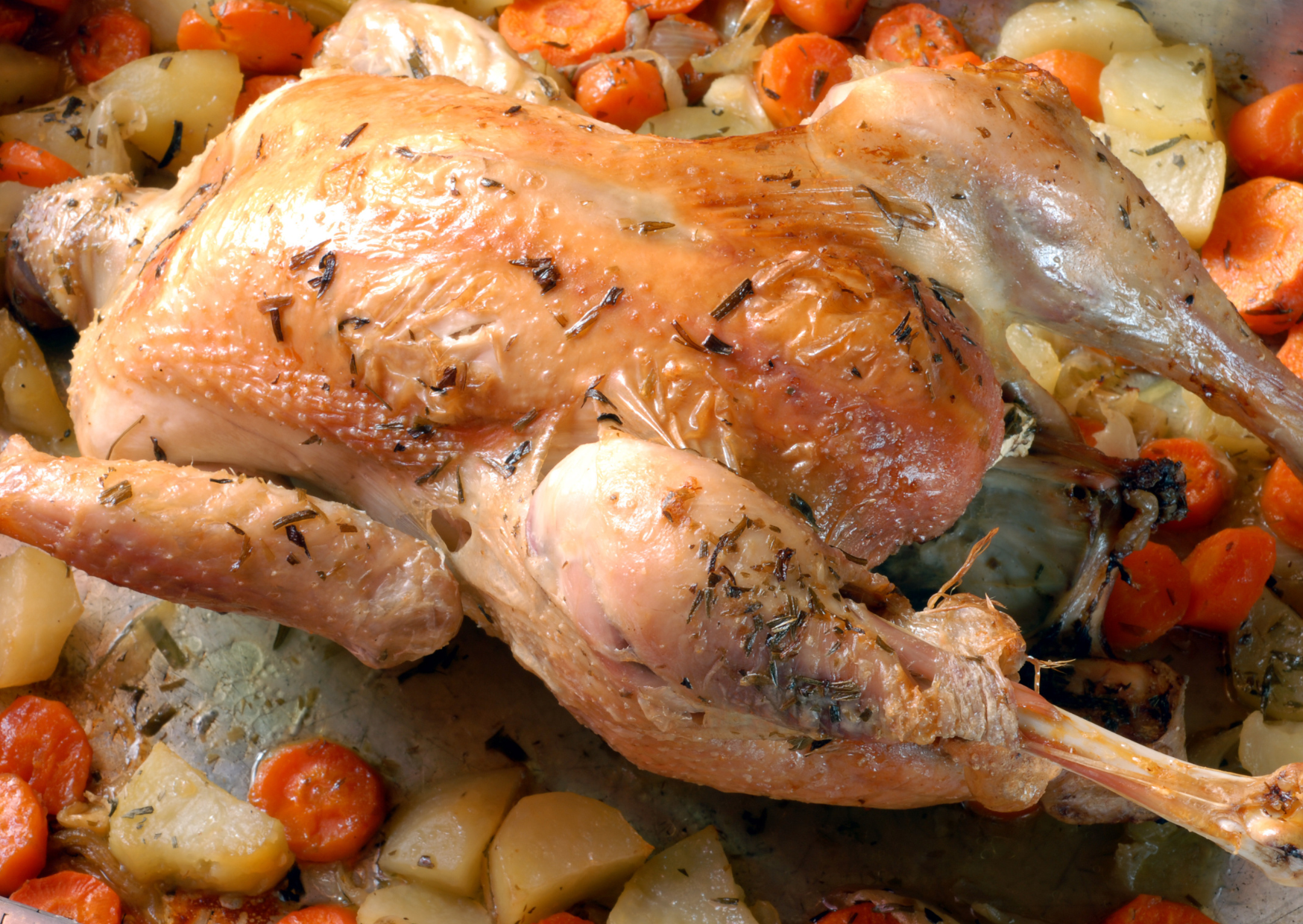
This is the part that justifies the Sunday time.
You’re going to get bored if you try to eat roast chicken five times in the same form. Don’t do that. Change the format, not the ingredient.
Day 1: Sunday dinner
Chicken, potatoes, pan sauce, salad.
Day 2: Chicken and stock soup
Simmer stock with carrots and potato cubes. Add shredded chicken at the end. Salt properly. Lemon to finish. Soup is the Tuesday fix.
Day 3: Sandwiches that feel like a meal
Shredded chicken, mustard, a little mayo if you want, sliced tomato, and something crunchy. Add pickles. Eat like a person with a plan.
Day 4: “French café” salad
Big salad bowl, chicken, boiled egg, potatoes if any are left, vinaigrette. It feels fancy and it’s basically fridge management.
Day 5: Rice bowl night
Warm stock, add garlic, use it to cook rice. Top with chicken, sautéed greens, and a squeeze of lemon. This tastes intentional with almost no effort.
Day 6: Chicken fat trick night
If you saved a spoon of chicken fat from the roasting pan, fry potatoes or vegetables in it. Add shredded chicken at the end. Fat is flavor, and it makes leftovers feel new.
Day 7: Freezer reset
Freeze a container of stock and a container of shredded chicken. That’s not meal prep content. That’s future survival.
Storage and food safety
- Roast chicken meat: 3 to 4 days in the fridge
- Stock: 4 days in the fridge, up to 3 months frozen
- Reheat chicken: gently, with a bit of stock or sauce to keep it from drying
If you’re a nervous re-heater, warm chicken in a covered pan with a splash of stock. Microwave works too, but covered and with moisture.
Substitutions and upgrades that stay sane
You can make this fancier, but don’t ruin it by overcomplicating.
If you can’t find thyme: rosemary works, bay plus black pepper still works.
If you don’t want wine: use extra stock and a teaspoon of vinegar or lemon to keep the sauce bright.
If you want more vegetables: add carrots, fennel, or leeks to the roasting pan, but keep chunks big so they don’t burn.
If you want extra crispy skin: pat the chicken dry again right before roasting, then leave it alone. Don’t keep opening the oven. Heat needs stability.
If you want a richer stock: add a splash of wine while simmering, or roast the bones briefly before simmering, but honestly, your roasted carcass already has flavor.
Also, buy the best chicken you can afford without turning it into a moral identity. A good bird helps, but the method matters more than the label.
Common mistakes that make people swear they “can’t cook chicken”
Roast chicken failures are weirdly predictable.
Mistake 1: No thermometer, just vibes.
That’s how you get dry breast and undercooked thigh in the same bird. Temperature is truth.
Mistake 2: Oversalting late instead of salting early.
Salt wants time. If you add it only at the end, you get salty skin and bland meat.
Mistake 3: Small potatoes that burn.
Keep them chunky. If they’re tiny, they’ll dry out while the chicken finishes.
Mistake 4: Burning paprika or herbs in the pan.
If you use dried herbs, keep them minimal. Fresh herbs handle heat better.
Mistake 5: Pouring off everything from the pan.
You need some fat and the browned bits for sauce. Don’t clean the pan like it offended you.
Mistake 6: Treating leftovers like punishment.
If you eat the same plate four nights in a row, you’ll hate the recipe. Change the format, keep the base.
If you avoid those mistakes, this becomes one of those recipes that feels like it came with the apartment. Not because it’s trendy. Because it works.
And once your family gets used to a monthly Sunday chicken, it starts to feel less like “cooking all day” and more like buying yourself a calmer week with one decision.
That’s what French home cooking is at its best. Not fancy, just smart.

About the Author: Ruben, co-founder of Gamintraveler.com since 2014, is a seasoned traveler from Spain who has explored over 100 countries since 2009. Known for his extensive travel adventures across South America, Europe, the US, Australia, New Zealand, Asia, and Africa, Ruben combines his passion for adventurous yet sustainable living with his love for cycling, highlighted by his remarkable 5-month bicycle journey from Spain to Norway. He currently resides in Spain, where he continues sharing his travel experiences with his partner, Rachel, and their son, Han.