
So I got tired of fighting my own pantry. For sixty days I stopped buying foods that would fail an average European ingredient list, cooked like a boring person, and carried on with work and family. No macros spreadsheet, no miracle powder. The scale dropped 31 pounds and my doctor signed off on stopping three daily meds that had become background noise in my life. I did not become a monk. I just changed the rules of entry for what could live in my kitchen.
Before we go, one sentence for safety. This is my experience, not medical advice, talk to your clinician before changing medications or diet. That done, here is the method, the grocery list, the swaps, the real numbers, and the mistakes you will make once, then never again.
Quick and Easy Tips
Focus on ingredient lists, not calorie counts or marketing claims.
Avoid products with artificial colors, flavor enhancers, or vague additives.
Build meals around basic ingredients and repeat them often to reduce decision fatigue.
Many Americans assume European food laws are stricter for political or cultural reasons. In reality, they’re built around precaution and transparency. Ingredients must prove safety before approval, not after widespread use.
Another uncomfortable truth is that much of American weight gain isn’t driven by overeating alone, but by how foods are engineered. Ultra-processed products encourage overconsumption by design, not by lack of willpower.
There’s also resistance to the idea that removing certain foods can improve health without active restriction. People often believe weight loss must involve struggle. This experience challenges that belief by showing how structure can replace effort.
What makes this topic controversial is responsibility. European systems place more accountability on manufacturers, while American systems place more burden on consumers. Eating only European-legal foods for 60 days exposed how much hidden labor Americans perform just to eat “normally” and how different things feel when that burden is lifted.
What “European-legal foods” meant for this experiment
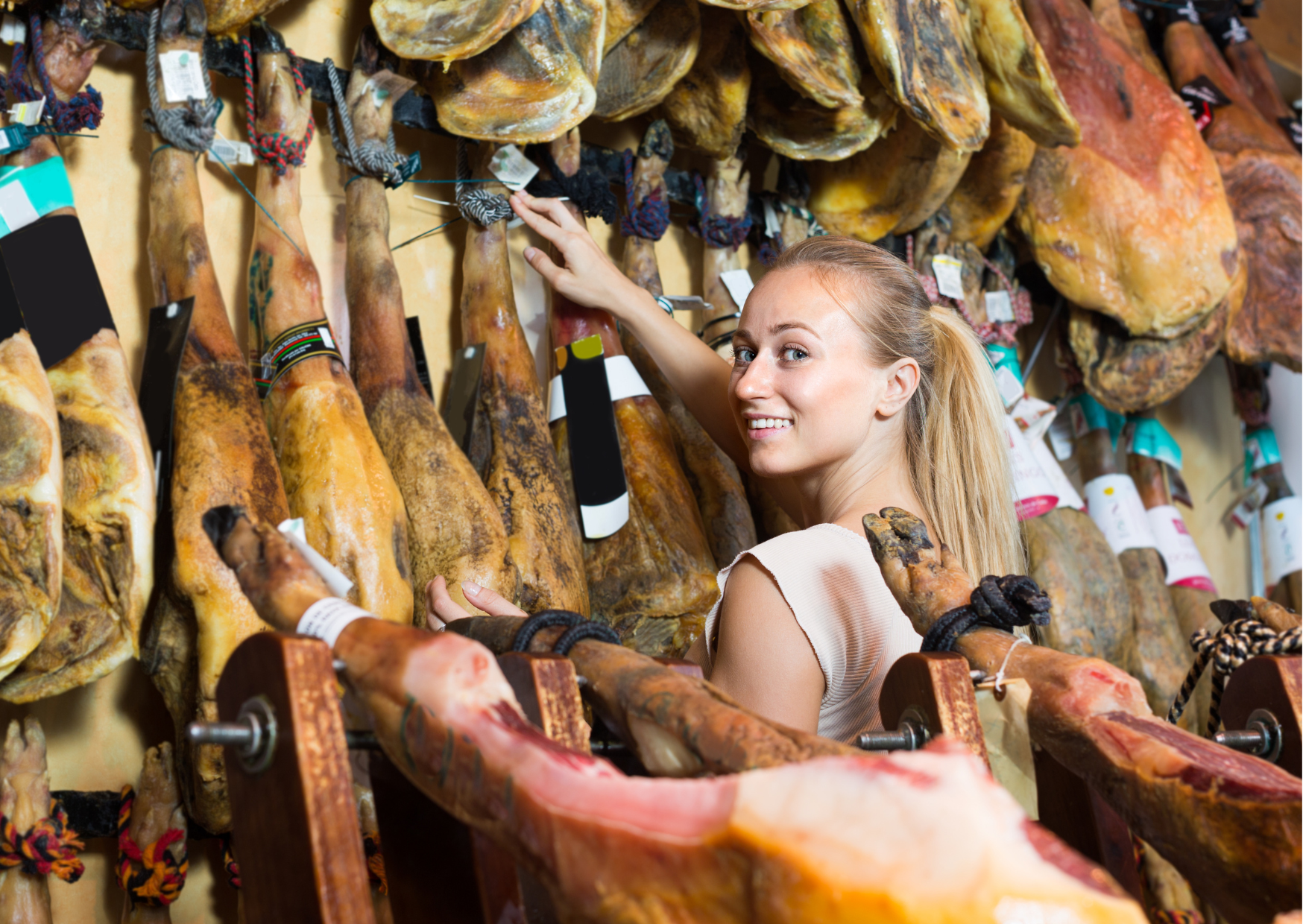
I did not fly a lawyer to my kitchen. I used simple filters that mirror how ordinary stores in Spain, France, Italy, and Germany label foods.
- If an additive is banned or severely restricted in the EU, I did not buy the U.S. version that uses it. That meant skipping dyes like Red 40 and some titanium dioxide candies, plus a few emulsifiers and preservatives that still show up in American packaged foods.
- If a product relied on artificial sweeteners as its main value, it failed. The EU allows several, but the spirit of the rule was whole foods first, sweeteners rarely.
- If the ingredient list looked like a chemistry worksheet, I moved on. Fewer lines, fewer surprises.
- If the protein or fat came from an obviously ultra-processed source, it had to earn its place. Sausages with a six-city roster of stabilizers did not make the cut.
I am not pretending this is a perfect legal definition. The point was to buy what a normal European supermarket considers normal, not to play courtroom with a cereal box. Bottom line, shorter labels and older foods won.
The short rules that actually made the change stick
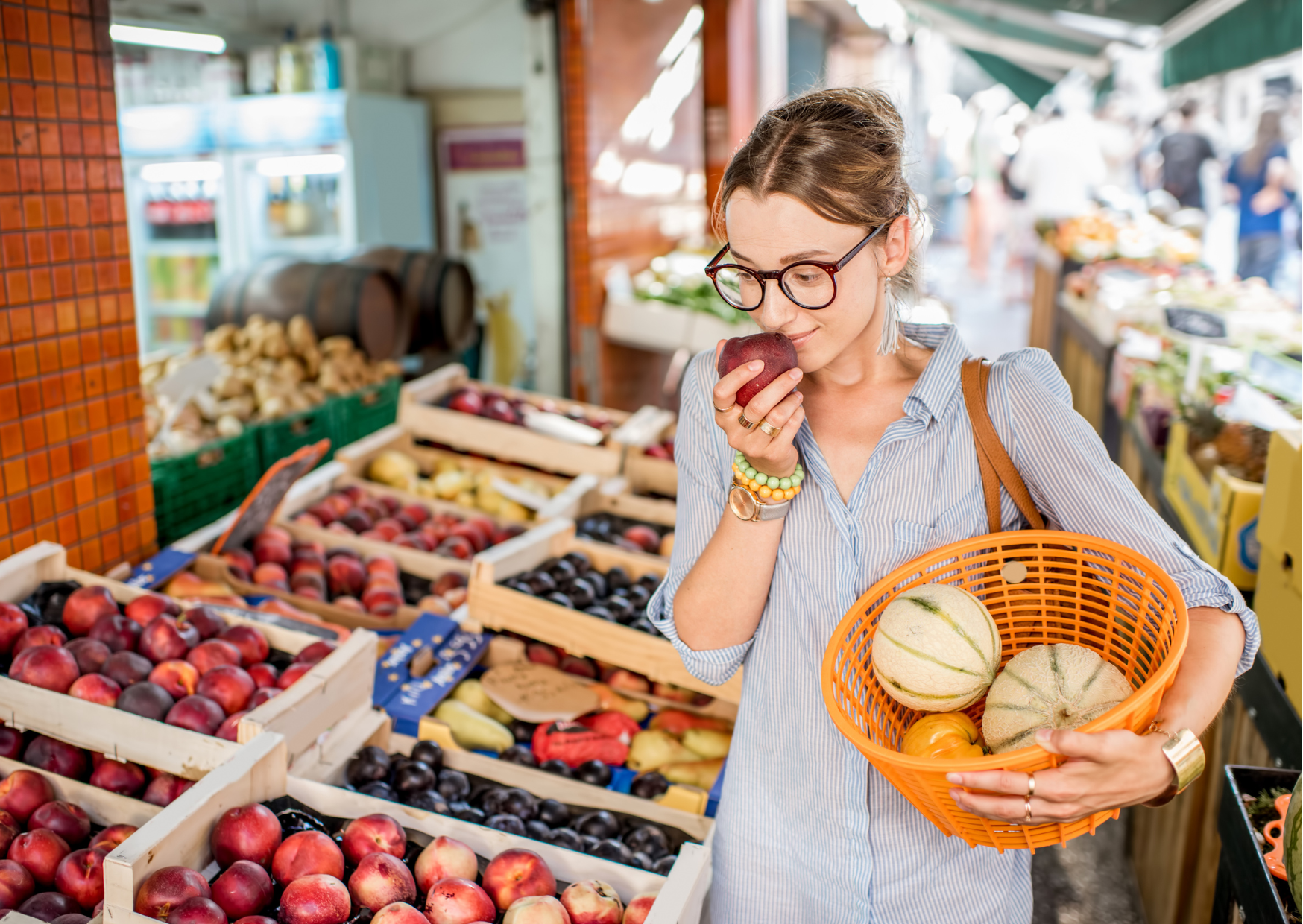
You do not need a book. You need five rules on your fridge.
- Shop the perimeter, then the short ingredients aisle. Vegetables, fruit, meat, fish, eggs, yogurt, cheese, bread with a short label.
- One sweet thing a day if you must, but it has to be an old-world sweet like fruit, dark chocolate, or a small pastry from a bakery with a human, not a factory wrapped object that glows neon.
- If you cannot pronounce three ingredients in a row, put it back unless you are buying mustard or vinegar.
- Eat at a table, three times a day, with at least one real lunch. Europeans win because they respect lunch.
- No late sugar, no fluorescent drinks, no diet soda as water. You know why.
Remember, you are shrinking the decision space. Rules remove the arguments that make you tired.
The grocery basket that ran two months without boredom
This is what stayed in rotation. It is not fancy. It works.
- Vegetables and fruit: tomatoes, peppers, onions, garlic, leafy greens, cucumbers, citrus, apples, berries when on sale. Frozen peas and spinach for speed.
- Proteins: eggs, sardines and mackerel in olive oil, chicken thighs, pork shoulder, beef once a week, legumes like chickpeas and lentils, plain Greek yogurt.
- Carbs that behave: potatoes, rice, oats, country bread with a clean label, pasta for family meals, nothing neon.
- Fats that taste like something: extra virgin olive oil, butter, nuts, seeds.
- Condiments with history: olive oil mayo, mustard, vinegar, tomato passata, olives, capers, hard cheese.
- Drinks: water, coffee, tea, a glass of table wine with lunch on weekends.
Key point, the cart looked like a European Tuesday. That is the whole trick.
What I stopped buying that hurt for four days, then felt easy
- Breakfast cereal that glitters. The colors moved to fruit and yogurt.
- Diet soda. Water and unsweetened tea took over. The first week was annoying, then my mouth calmed down.
- Protein bars with a thesis. I kept nuts and cheese around.
- Flavored yogurts with dessert sugar. Plain yogurt, honey if needed, fruit, done.
- Shelf-stable sauces with a novel. I made two quick sauces on Sundays and rotated them.
Remember, withdrawal is mostly palate training. You are not deprived, you are unlearning the algorithm.
The money math that surprised me
Two months is enough time to see if a routine is expensive or not.
- Groceries dropped about 18 to 25 percent because bakery bread, eggs, tinned fish, and legumes cost less than boxes that market themselves.
- Restaurants dropped quietly because a real lunch makes dinner smaller and simpler. If I ate out, I chose the place with three lunch plates and a chalkboard.
- Snacks fell into the cart less often because there was no aisle that felt like a toy store.
Bottom line, old food is cheaper. What costs money is novelty.
The daily structure that made the weight fall without counting

This was the skeleton. I stuck to it. Everything else was noise.
Breakfast
Coffee, water, something small. Often eggs and greens, or yogurt with fruit and a spoon of oats. No fluorescent cereal, no breakfast dessert. If I wanted bread, it was a slice with olive oil and tomato.
Lunch
The anchor. Protein, vegetables, a starch if needed. Thirty minutes at a table. If I ate like a grownup at lunch, dinner behaved.
Dinner
Soup, a small protein, a pile of greens, and bread if there was a reason. No late sugar. No late fireworks. If a treat was happening, it was earlier in the day.
A ten minute walk after dinner whether I wanted it or not. Movement closes the appetite, even if you do not care about steps.
Remember, hunger is a schedule, not a moral failing. Fix the clock and the cravings go quiet.
The swaps that made American favorites work inside European rules
I missed certain things. These edits kept me sane.
- Burgers: swapped the bun for country bread with a clean label, added tomato and onion, used mustard, skipped the fluorescent ketchup.
- Pasta: cooked the good stuff, smaller portion, more sauce with vegetables and olive oil. Parmesan for satisfaction.
- Tacos at home: corn tortillas, slow pork shoulder, salsa from real tomatoes and onion, avocado, lime. Bottled neon went in the bin.
- Pizza night: one pizza split with a salad and anchovies, not a solo pie. The dough mattered, the toppings were simple.
- Dessert: fruit, dark chocolate, or a bakery thing that does not pretend to be protein.
Key point, satisfaction lives in salt, fat, acid, and texture, not in thirty ingredients and a cartoon on a wrapper.
What changed physically in week blocks
I tracked this because I did not trust my own enthusiasm.
Week 1
My mouth felt off because the sweet dial was dropping. I was a little grumpy. Cravings were loud after dinner because that was when I used to snack. The walk and tea quieted it.
Week 2
Energy steadied in the afternoon. I stopped yawning at 16:00. The scale showed the first real drop, water weight plus reality. Clothes felt looser at the waist, not everywhere.
Week 3
My sleep got boring in the best way. Fewer wakes, faster return to sleep. Skin looked different because I was not dehydrating myself with caffeine and sweeteners. I stopped caring about soda.
Week 4
Hunger signals became honest. I stopped snacking between meals if lunch was proper. The ten minute walks moved from chore to habit.
Weeks 5 to 8
This is where the graph looks like a tidy slope. No heroic restrictions, just repetition. Social events were easy because European-legal foods live everywhere if you are not trying to set a record.
Remember, the line is not straight. Two days will stall and then it will move again.
The three medications I stopped, and how
I am not naming them because your body is not my body. The process matters more than the labels.
- I booked a check-in at day 30 and showed up with blood pressure readings, sleep notes, and what I had actually been eating.
- We agreed on a taper for one med and a trial stop for another with clear thresholds to reverse course.
- At day 60 we retested and tied the results to the plan. One med stayed off, one became optional, one went away.
Key point, stopping a pill is a decision with a grownup who knows your history. I did not do this in secret or on vibes.
A one week meal outline that fits real life
You can run this as written, no special store required.
Monday
Breakfast eggs and greens. Lunch lentil stew with carrots, olive oil, and lemon, slice of bread. Dinner tomato and cucumber salad with sardines in olive oil, yogurt with honey and walnuts if you need something sweet.
Tuesday
Breakfast yogurt, berries, spoon of oats. Lunch chicken thighs with potatoes and peppers, green salad. Dinner soup from Monday’s lentils thinned with stock, piece of cheese.
Wednesday
Breakfast toast with olive oil and tomato. Lunch pasta with zucchini, garlic, chili, and parmesan, small portion, big salad. Dinner omelet with herbs, side of roasted vegetables.
Thursday
Breakfast fruit and nuts. Lunch rice bowl with beans, salsa from chopped tomatoes and onion, avocado, squeeze of lime. Dinner fish, greens, boiled potatoes with olive oil and parsley.
Friday
Breakfast yogurt and fruit. Lunch burger at home on country bread with mustard, pickles, salad. Dinner anchovy and tomato toast, olives, sliced fennel.
Saturday
Breakfast coffee and eggs. Lunch family meal out, pick the simple plate, leave a little room. Dinner light, maybe broth and bread.
Sunday
Breakfast whatever feels nice but not insane. Lunch roast chicken with carrots and onions, potatoes under the bird. Dinner salad, cheese, fruit.
Remember, the win is repetition, not brilliance. If you have a favorite spice, use it until the jar is empty.
Eating out without blowing the rules
This was easier than I expected because the rule set is simple.
- Choose places that cook food, not assemble brands. A small trattoria beats a novelty burger chain.
- Order the thing with five ingredients, not the thing with fifteen sauces.
- Ask for olive oil and lemon, not a secret dressing.
- Share dessert or move it to the afternoon. Late sugar makes sleep rude.
If a server raises an eyebrow, smile and say you like simple food. People are kind when you are not trying to join a club.
What I told friends so they would not sabotage me
I kept it boring. “I am eating like a boring European for two months, fewer labels, more tables. If we go out, I will pick the place.” The fewer words you use, the less people try to fix you. If someone insisted on ordering neon, I let them. I did not make a speech. The results spoke louder.
What changed in my kitchen so this sticks
I stopped hiding the good things and started hiding the traps.
- Fruit bowl lived on the counter.
- Nuts moved to a jar with a scoop, not a bag.
- Olive oil bottle stayed where I cook, not in a high cabinet.
- Fluorescent items were not allowed in the house. If someone gifted them, they lived in a sealed bin for guests, not for me.
- A small cutting board stayed out. If a board is ready, vegetables appear. That sentence is more true than you think.
Key point, you are redesigning the environment, not your personality. Tiny frictions and tiny cues are the whole show.
Objections answered like an adult
“This is restrictive.”
No, it is selective. Restriction is a thousand no’s. Selection is a few yes’s that make the decision tree small.
“I cannot afford it.”
Look at your snack spend and delivery spend. Old food is cheap. Convenience is what drains your account.
“I travel.”
So do Europeans. Airports and train stations sell normal food if you walk ten meters past the bright thing.
“My kids.”
Feed them like small Europeans with a sense of humor. Bread, cheese, fruit, soups, pasta, yogurt with honey now and then. They will live.
The laboratory feeling without a lab
You can run this like a neat experiment if that helps your brain.
- Pick two blood markers you care about, maybe fasting glucose and triglycerides. Ask for numbers at day 0 and day 60.
- Take waist and hip measurements with a fabric tape.
- Photograph your pantry on day 0 and day 30.
- Write one line every night about sleep and cravings.
You will see patterns you cannot unsee. Once your body gets the joke, you will not want the old joke back.
Common mistakes and quick fixes
- Buying “healthy” ultra-processed products because the label is green. Fix: read the ingredients, not the font.
- Confusing low fat with good. Fix: use olive oil and eat a normal portion. Hunger disappears when food has texture and fat.
- Late snacking because dinner was a show. Fix: eat a proper lunch.
- Drinking diet soda as a hydration plan. Fix: water first, tea if you must, soda once a week if you care that much.
- Trying to be perfect, then breaking. Fix: be consistent and generous. European food culture forgives. That is why it works.
Remember, you are building a routine you can keep, not scoring points on the internet.
A seven day starter plan if you want to begin Monday
Day 1
Clear the kitchen. If an ingredient list looks like a magic trick, it leaves. Make a pot of lentils with onions, carrots, garlic, olive oil, and lemon.
Day 2
Buy eggs, sardines, yogurt, fruit, greens, potatoes, bread with a short label. Eat at the table.
Day 3
Walk ten minutes after dinner. Put your phone in a drawer at 21:30. You will hate me, then you will sleep.
Day 4
Cook chicken thighs with peppers and onions. Make extra. Lunch tomorrow is solved.
Day 5
Eat pasta with vegetables at lunch, small portion, big salad. Dinner is soup.
Day 6
Restaurant lunch with simple food, salad, bread. Skip late dessert. Night tea instead.
Day 7
Roast something that makes the house smell like a promise. Potatoes under the meat. Fruit for dessert. Bed.
Bottom line, seven normal days beat one perfect day repeated zero times.
What stayed after day 60 when the “experiment” ended
I kept the rules without thinking about them. The bright aisles lost their grip. Lunch stayed real. Dinner stayed light. I still eat cake at birthdays because humans do that. I just stopped letting factories write my week. That is the real win, the calendar changed, not my personality.
If you only keep three lines, keep these.
Buy foods a European grandmother would recognize, and read labels until they get short.
Eat a real lunch, eat a small dinner, walk ten minutes after.
Keep fluorescent things out of your house and you will stop having to resist them.
That is the mechanism. It is boring. It works.
What stood out most during these 60 days wasn’t the weight loss itself, but how unremarkable the process felt. There was no constant hunger, no obsession with portions, and no sense of punishment. Eating foods that meet European legal standards naturally reduced extremesn extremes in sweetness, processing, and ingredient lists.
Losing 31 pounds felt like a byproduct of consistency rather than effort. Meals were simpler, more predictable, and easier to stop eating when full. The absence of constant spikes and crashes made it easier to trust hunger cues again.
Coming off medications was not something I set out to do, but it revealed how interconnected food and daily function can be. When inflammation and instability decreased, other changes followed naturally. The experience reinforced how often food is treated as separate from health when it clearly isn’t.
What stayed with me most is sustainability. Nothing about this approach felt temporary. It didn’t rely on motivation or discipline, only on clearer standards for what qualified as food.

About the Author: Ruben, co-founder of Gamintraveler.com since 2014, is a seasoned traveler from Spain who has explored over 100 countries since 2009. Known for his extensive travel adventures across South America, Europe, the US, Australia, New Zealand, Asia, and Africa, Ruben combines his passion for adventurous yet sustainable living with his love for cycling, highlighted by his remarkable 5-month bicycle journey from Spain to Norway. He currently resides in Spain, where he continues sharing his travel experiences with his partner, Rachel, and their son, Han.