
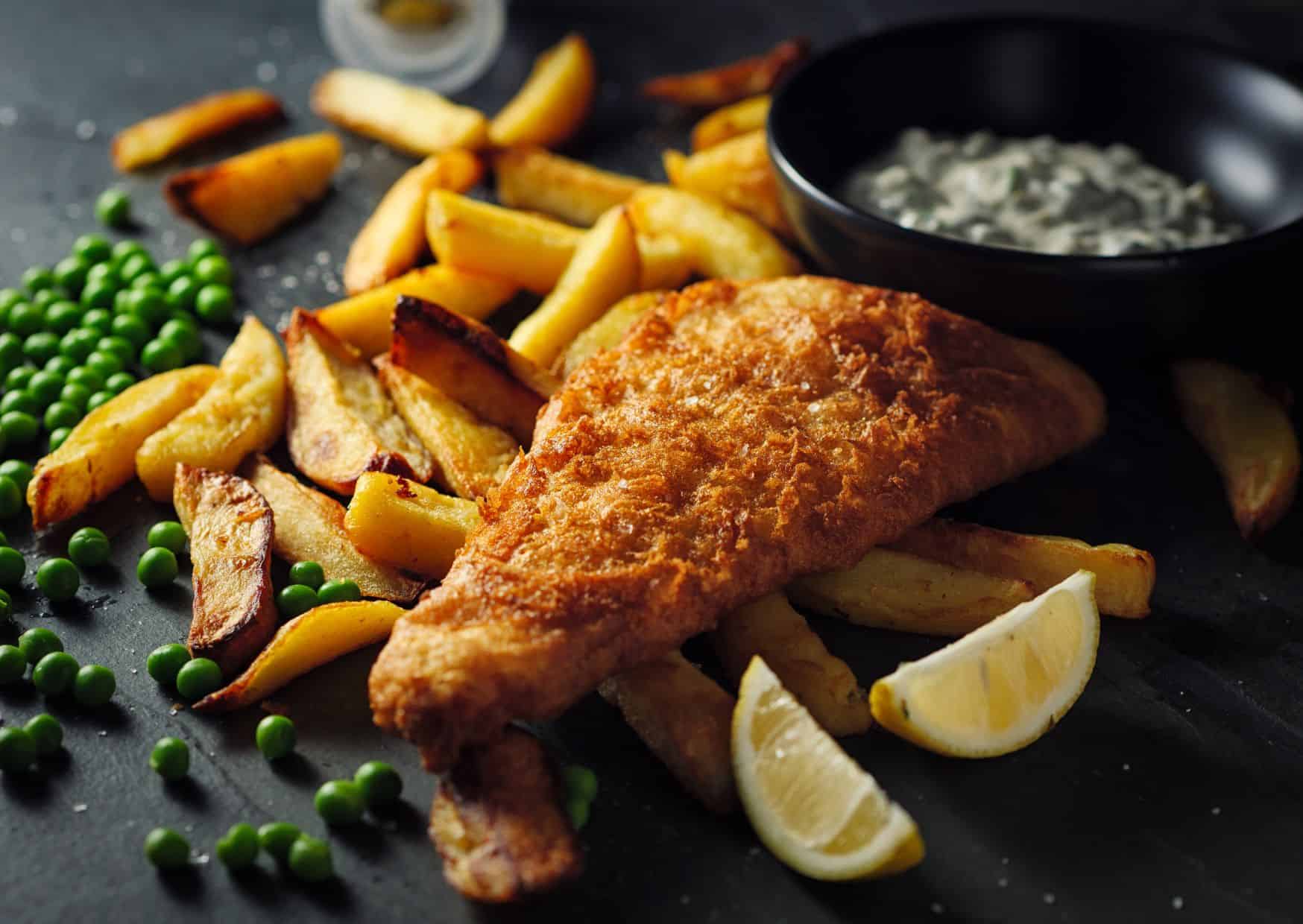
Fish and chips is the souvenir. British home food is the stuff that keeps people warm, fed, and weirdly loyal to their kitchens, built on potatoes, pastry, gravy, and quiet competence.
Fish and chips is what visitors order because it’s famous and because it photographs well. It’s also the easiest British dish to dismiss as “fried beige.”
The problem is that once you reduce British food to fish and chips, you miss the part that actually deserves respect: the home dinners. The pies that feed a family twice. The soups that taste better the next day. The roasts that turn into sandwiches, then stock, then a Monday night pie. The sauces that look plain until you realize plain is the point when the weather is rude.
If you’re American, the mental shift is simple. British comfort food is not trying to be light. It’s trying to be reliable. It’s designed for cold evenings, limited daylight, and kitchens where “what’s for dinner” has to be answered every single day.
Below are 10 dishes worth learning, one fully written recipe you can run this week, and a seven-night plan that uses leftovers like an adult instead of pretending you’ll cook fresh every day.
Why fish and chips gets all the attention, and British home food gets ignored
Fish and chips is loud. It’s shop food, takeaway food, tourist food. It has a brand.
British home cooking is quieter. It’s casseroles, pies, mash, roasts, and soups. It’s not always pretty, and it’s not designed for quick restaurant service. The best versions take time, and the payoff is depth, not flash.
There’s also a cultural misunderstanding. Americans often judge food by how it performs on the first bite. British food often wins on the second day. It’s built for leftovers on purpose, because that’s how households survive long weeks without eating out constantly.
British dishes also tend to rely on a few repeating principles:
- A solid base (potatoes, pastry, bread, rice, oats)
- One comforting protein (beef, lamb, chicken, sausage, beans)
- A sauce that ties everything together (gravy, béchamel, onion sauce, cider sauce)
- A practical vegetable (peas, carrots, cabbage, leeks)
It’s not glamorous. It’s systems cooking. And once you see it that way, you stop comparing it to Mediterranean food on the wrong terms.
The British pantry that makes these dishes cheap and repeatable
If you try to cook British food like a one-off project, it will feel heavy and expensive. If you stock your kitchen like a British household, it becomes very repeatable.
Pantry basics that show up across most of these dishes:
- Flour, baking powder, and oats
- Stock cubes or a decent stock base
- Worcestershire sauce, mustard, and vinegar
- Onion, garlic, carrots, and celery
- Potatoes, always potatoes
- Frozen peas and frozen spinach
- Butter and milk, plus a hard cheese if you want gratins
- Canned tomatoes and tomato paste
- Dried herbs (thyme, bay leaf), and black pepper
Fridge and freezer helpers that make “British weeknight” realistic:
- Sausages (fresh or frozen)
- Ground lamb or beef
- Chicken thighs
- Bacon or pancetta for flavor
- Puff pastry (store-bought is normal life, not cheating)
- A bag of mixed veg for soup days
Short shopping list (one week of British dinners):
- Potatoes (3 kg)
- Onions (1.5 kg), carrots (1 kg), celery (1 bunch)
- Leeks (3) and cabbage (1)
- Frozen peas (1 kg)
- Ground beef (750 g) or beef chunks (1 kg)
- Sausages (8 to 10)
- Chicken thighs (1 kg)
- Butter (250 g), milk (2 L), cheddar (200 g)
- Puff pastry (2 sheets)
- Flour (1 kg), oats (500 g)
- Stock cubes, mustard, Worcestershire sauce
- Eggs (6)
If you buy this once, you can make multiple dishes with overlapping ingredients. That’s where the cost drops. The overlap is the savings.
The 10 British dishes that deserve more respect
These are not novelty dishes. They are the ones people actually cook and repeat.
1) Cottage pie
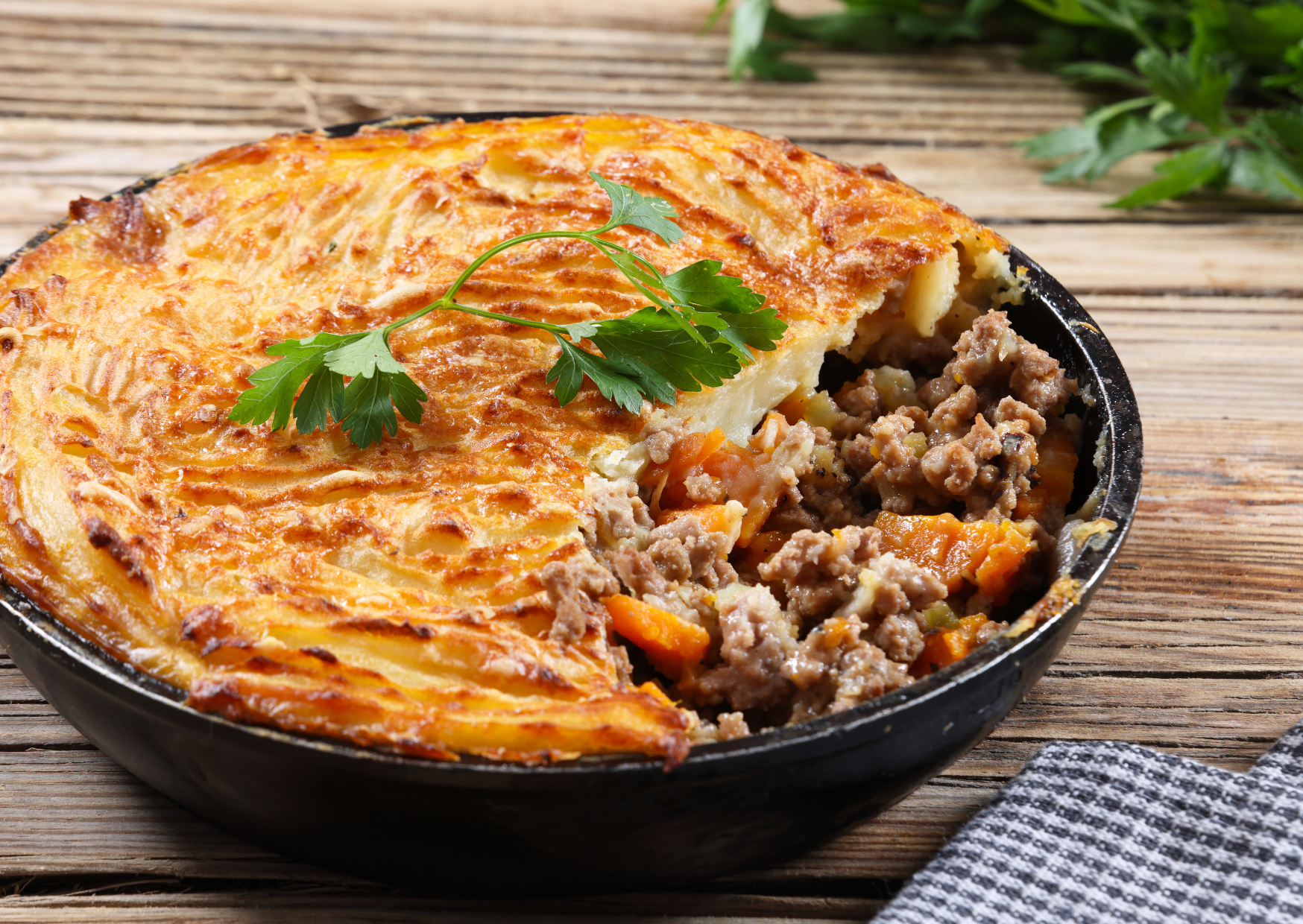
Ground beef in a rich gravy with carrots and peas, topped with mashed potato and baked until the top is golden. It’s a one-dish dinner that becomes lunch tomorrow.
Why it deserves respect: it’s engineered for leftovers and it tastes better after it rests.
2) Shepherd’s pie
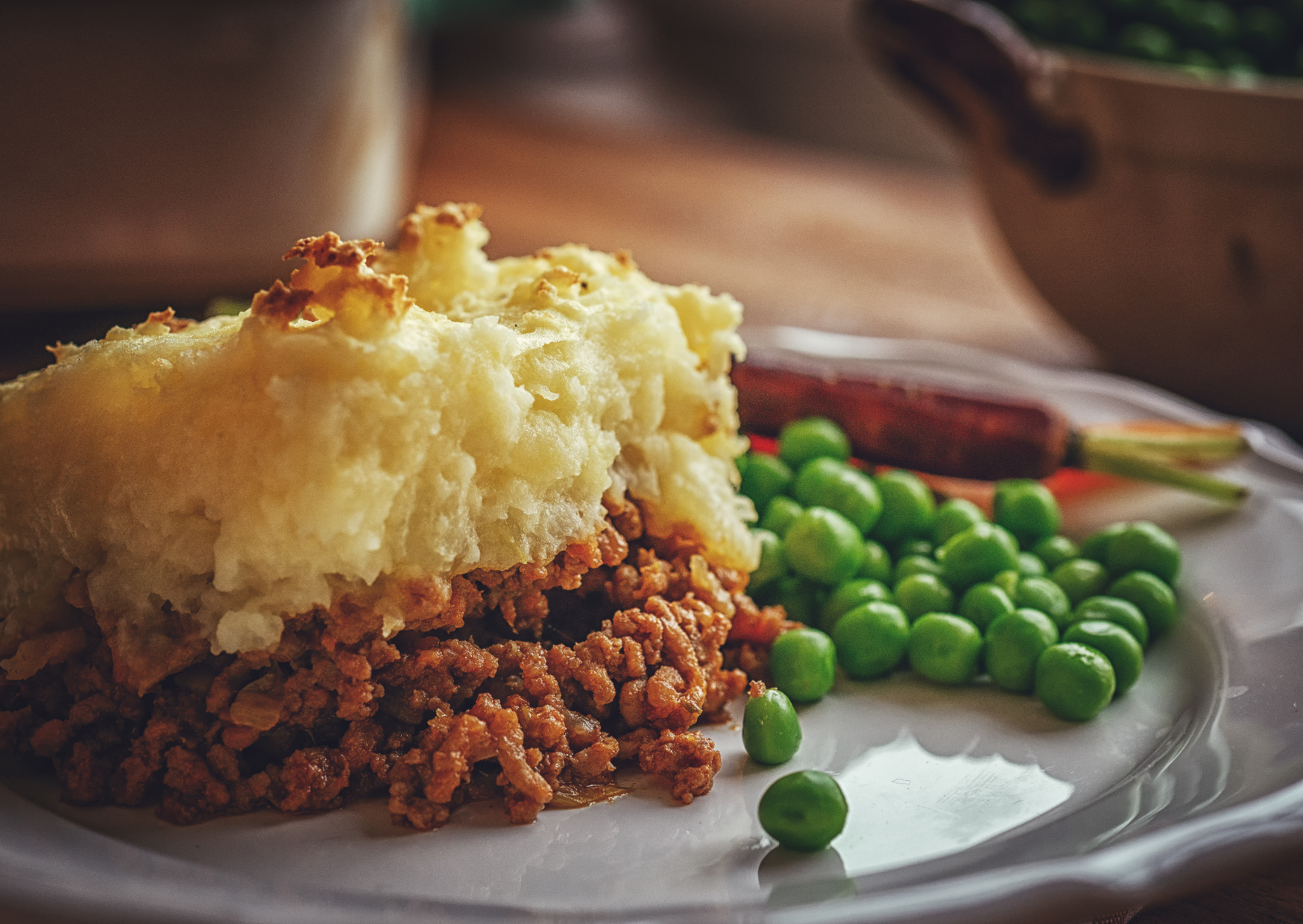
Same idea, but traditionally made with lamb. If you like deeper flavor and you don’t mind lamb, this is the version that feels the most “British.”
Why it deserves respect: lamb plus gravy plus potato is pure winter logic.
3) Sausage and mash with onion gravy
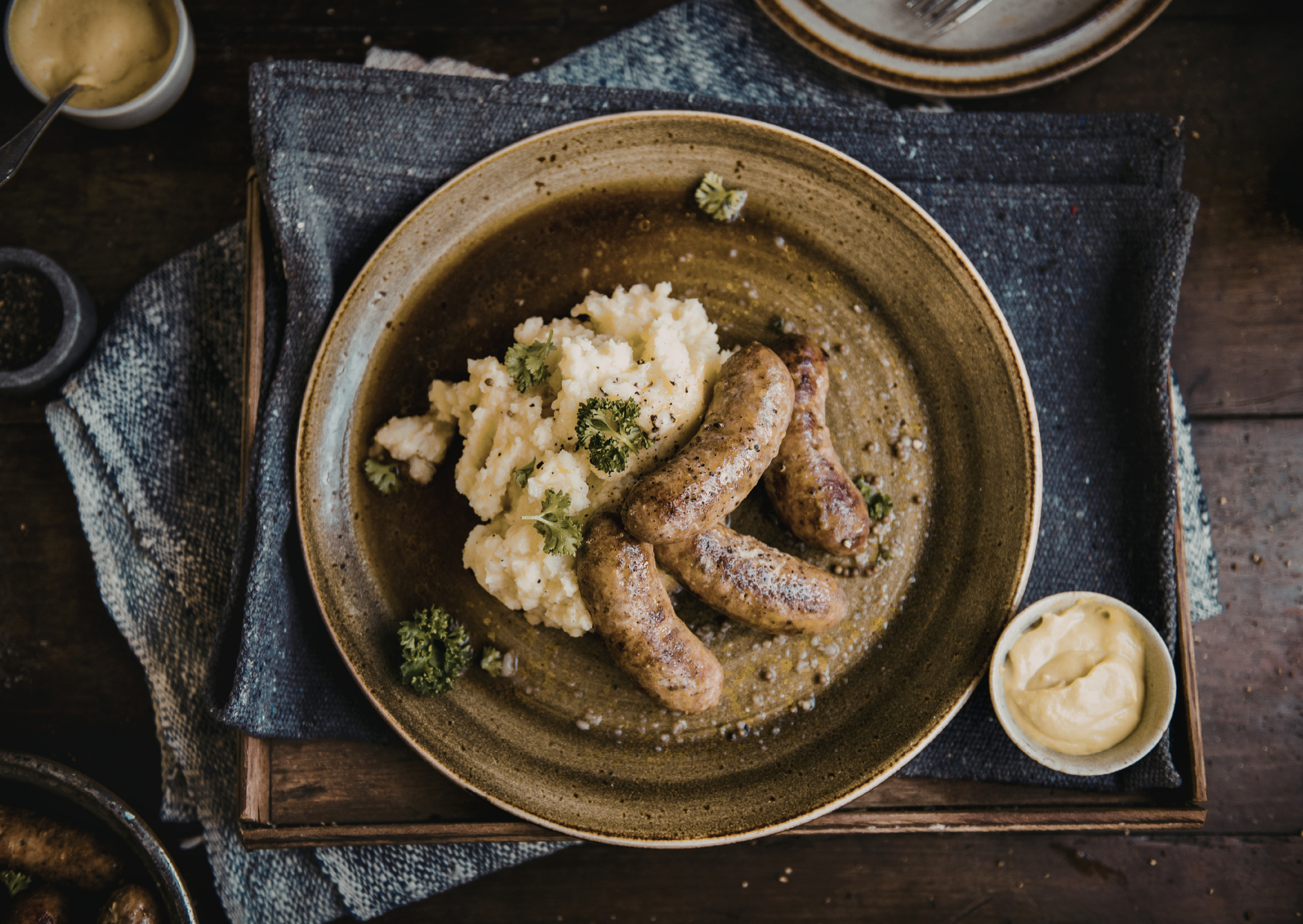
Sausages, creamy mash, and an onion gravy that makes it feel like a proper meal, not just “sausages on a plate.”
Why it deserves respect: a simple plate becomes real dinner because the gravy is the upgrade.
4) Steak and ale pie
Beef simmered slowly with onions and ale, tucked under pastry. This is the dish people mean when they say British pies are serious.
Why it deserves respect: you do the hard work once, then pastry does the rest.
5) Chicken and leek pie
Creamy chicken, leeks, and a little mustard under pastry. It’s softer than steak pie, and it’s one of the easiest pies to make feel elegant.
Why it deserves respect: it’s comfort food that still feels clean, and leeks make it taste expensive.
6) Toad in the hole
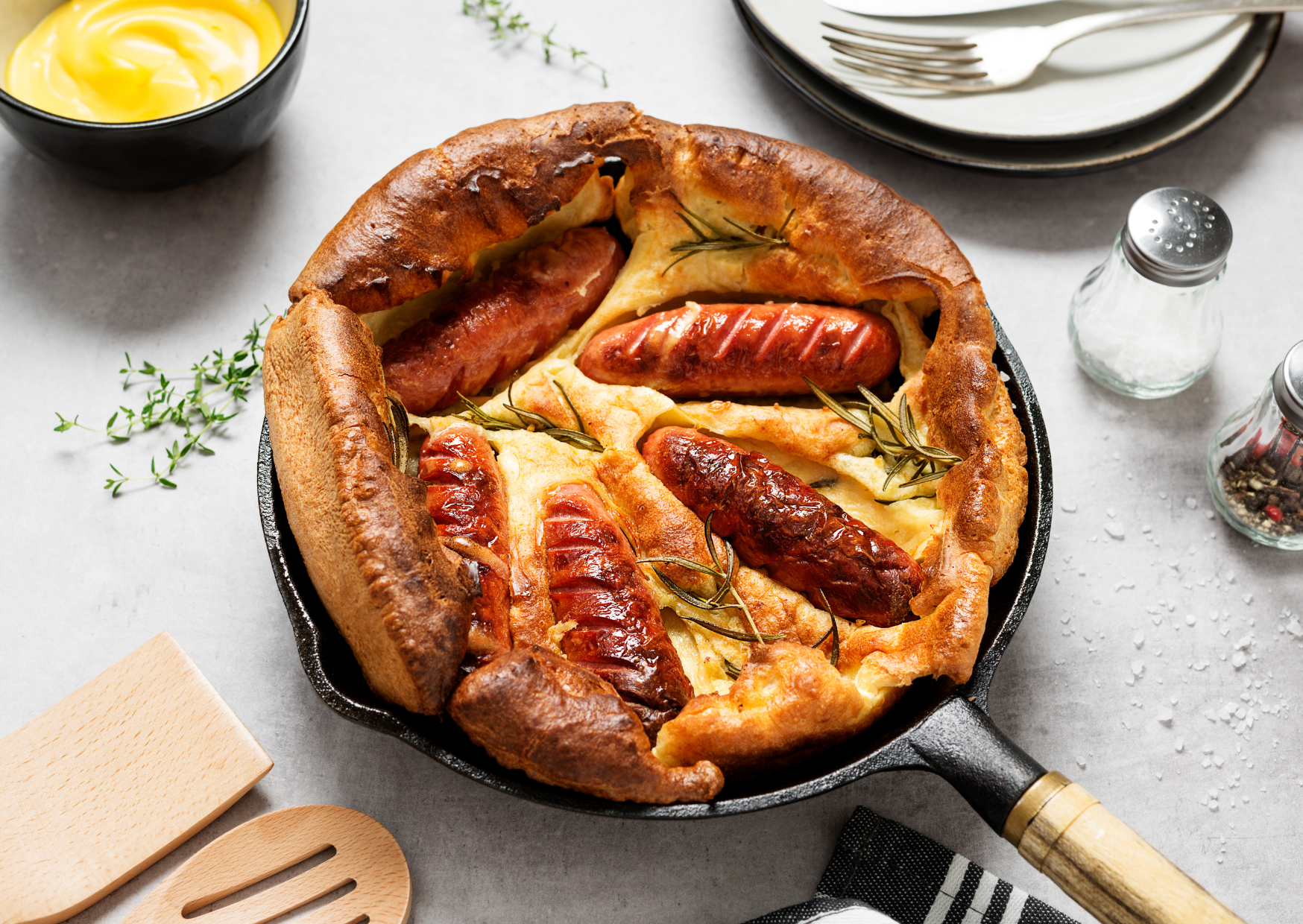
Sausages baked in a Yorkshire pudding batter. Sounds like a joke. Tastes like a warm, dramatic hug.
Why it deserves respect: it’s cheap, filling, and batter is the magic.
7) Lancashire hotpot
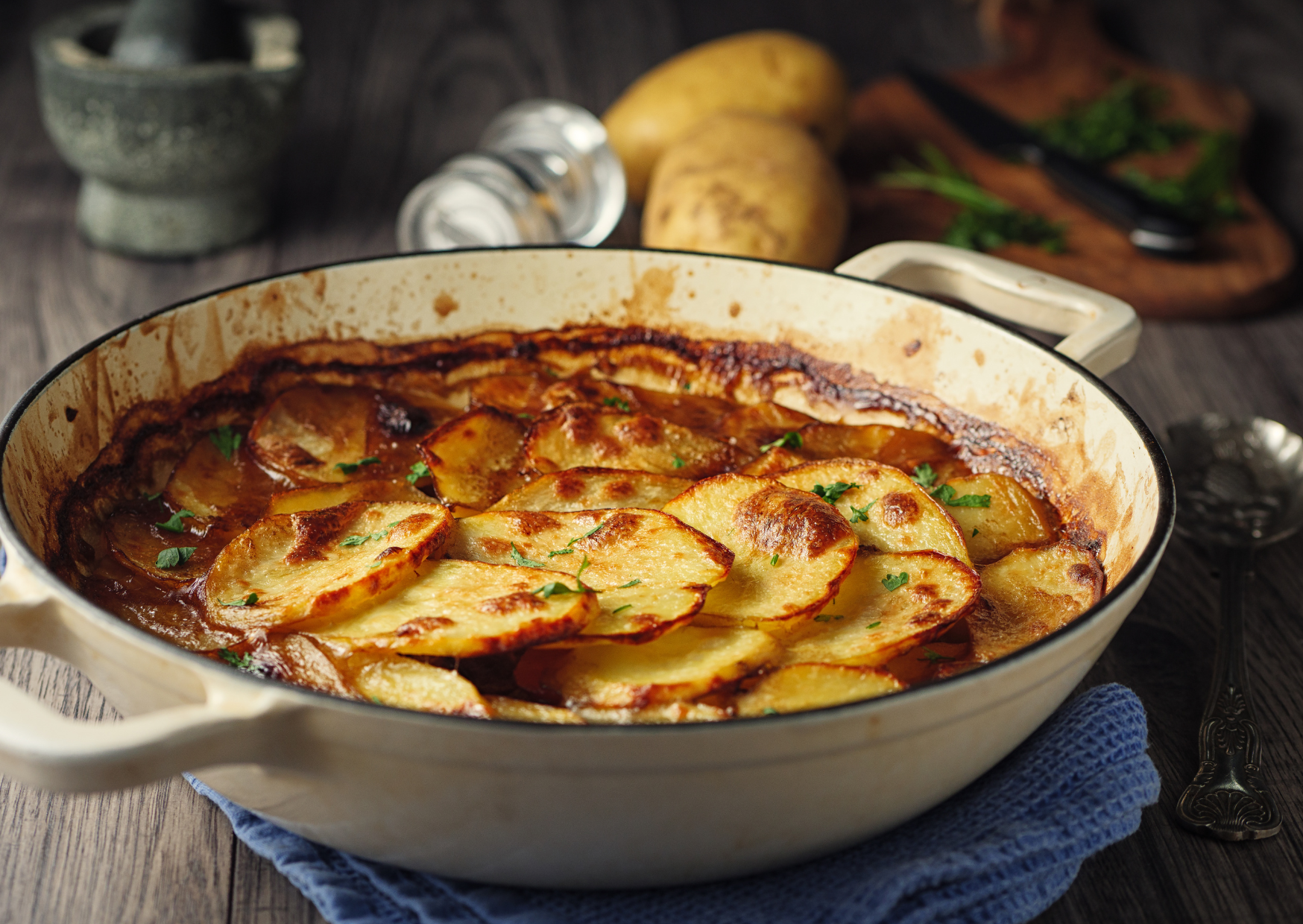
Slow-cooked lamb or beef with onions and carrots, topped with sliced potatoes that crisp on top while the bottom turns tender.
Why it deserves respect: it’s low-effort, high-reward, and the potato lid is a built-in side dish.
8) Leek and potato soup
Simple, deeply satisfying, and flexible. You can blend it smooth or keep it chunky. Add bacon if you want, or keep it vegetarian.
Why it deserves respect: it proves “plain” can be properly good when technique is right.
9) Ploughman’s-style supper
Not a single recipe, more like a British “assembled dinner”: cheddar, bread, pickles, apples, ham, maybe a boiled egg. It’s what people eat when they can’t cook another thing.
Why it deserves respect: it’s a meal that respects your fatigue and still tastes great. Assembly counts.
10) Sticky toffee pudding
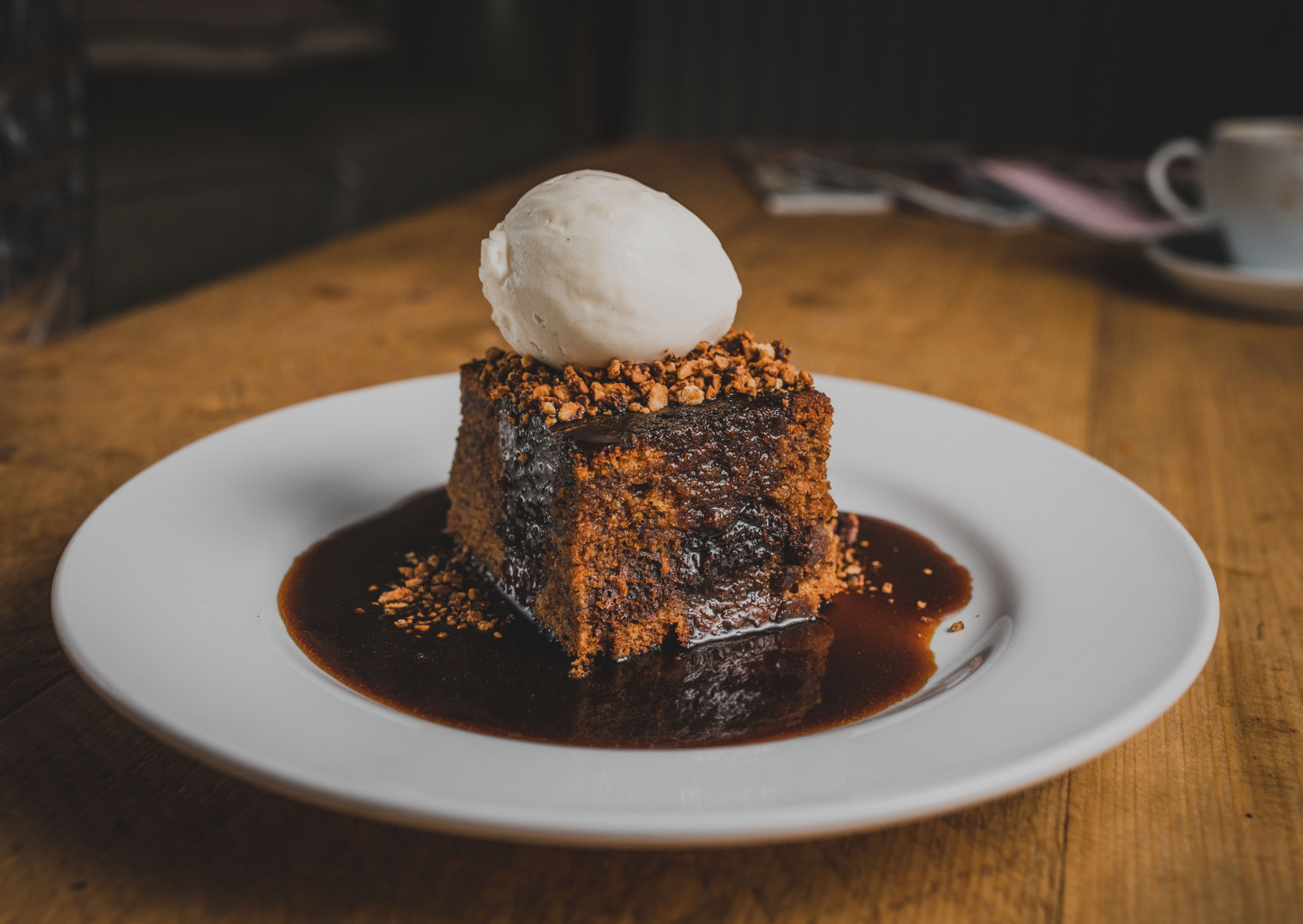
This is the dessert that makes British food critics calm down. A warm date sponge with toffee sauce. It’s not subtle and it’s not trying to be.
Why it deserves respect: it’s wildly comforting and it actually delivers.
If you learn just three from this list, pick one pie, one mash-based dinner, and one soup. That combo covers most real weeks.
The anchor recipe: Steak and ale pie
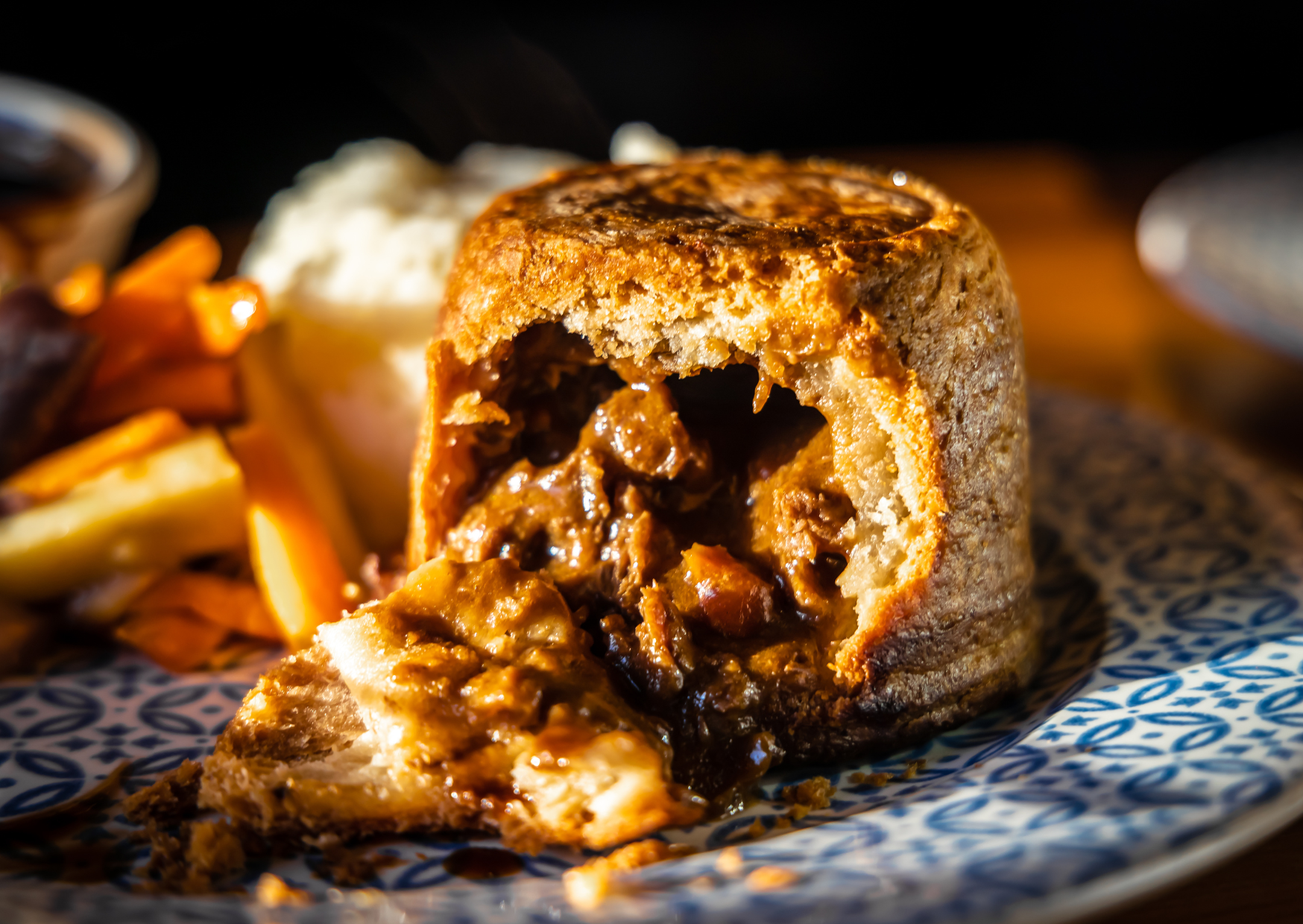
This is the one that converts skeptics. It’s also forgiving, because the stew base can be made ahead and the pastry hides a lot of sins.
Serves: 6
Prep time: 25 minutes
Active time: 35 minutes
Cook time: 2 hours 15 minutes
Rest time: 20 minutes
Total time: about 3 hours 15 minutes (less hands-on than it sounds)
Equipment: heavy pot or Dutch oven, baking dish or pie dish (about 24 cm), spoon, knife, baking tray
Oven: 200°C (390°F)
Storage: 4 days in the fridge
Freezing: stew base freezes 2 months, pastry is best baked fresh
Substitutions: swap ale for beef stock plus 1 tbsp malt vinegar, swap beef for mushrooms and lentils for a vegetarian version
Ingredients
For the filling:
- 1 kg beef chuck or stewing beef, cut into 3 cm cubes (about 2.2 lb)
- 2 tbsp all-purpose flour (about 16 g)
- 2 tsp salt, plus more to taste
- 1 tsp black pepper
- 2 tbsp oil (30 ml)
- 2 onions, sliced (about 300 g)
- 2 carrots, diced (about 200 g)
- 2 celery sticks, diced (about 100 g)
- 3 cloves garlic, minced
- 2 tbsp tomato paste (30 g)
- 330 ml brown ale (1 can, about 1 1/3 cups)
- 500 ml beef stock (2 cups)
- 1 tbsp Worcestershire sauce (15 ml)
- 1 tsp Dijon mustard (5 g)
- 2 bay leaves
- 1 tsp dried thyme (or 1 tbsp fresh)
- Optional: 150 g mushrooms, sliced (about 2 cups)
For the top:
- 1 sheet puff pastry, about 320 g
- 1 egg, beaten (for egg wash)
Method
- Brown the beef. Toss beef with flour, salt, and pepper. Heat oil in a heavy pot over medium-high. Brown in batches so it actually sears. Don’t overcrowd. This step builds flavor, and brown is flavor.
- Cook the vegetables. Lower heat to medium. Add onions, carrots, celery, and a pinch of salt. Cook 8 to 10 minutes until onions soften. Add garlic, cook 30 seconds.
- Build the sauce. Stir in tomato paste, cook 1 minute. Pour in ale and scrape the bottom. Add stock, Worcestershire, mustard, bay, thyme, and mushrooms if using.
- Simmer. Bring to a gentle simmer, cover partly, and cook about 2 hours until the beef is tender and the sauce is thick enough to coat a spoon. If it’s thin, simmer uncovered for the last 15 to 20 minutes.
- Cool slightly. Let filling rest 20 minutes. If you put boiling filling under pastry, the pastry can collapse.
- Top with pastry. Heat oven to 200°C (390°F). Pour filling into a pie dish. Lay puff pastry over the top and tuck edges. Cut a small vent. Brush with beaten egg.
- Bake. Bake 25 to 30 minutes until deep golden and puffed. Rest 10 minutes before serving.
Why this works
The filling is basically a stew with structure. Flour helps thicken, ale adds depth, and resting keeps the pastry crisp. Puff pastry gives you the “pie feeling” without making you learn shortcrust on a weeknight. Make-ahead filling is the cheat code.
What it costs, realistically, in a Spanish supermarket context
Prices vary by city and store, but a practical range for this pie is:
- Beef 1 kg: €10 to €16
- Ale and stock: €2 to €4
- Vegetables and pantry: €3 to €5
- Puff pastry: €2 to €4
Total: roughly €17 to €29 for 6 servings, or about €3 to €5 per portion. The British trick is that it also becomes tomorrow’s lunch, which is where the real savings show up.
Quick recipes for the other nine dishes
You don’t need a full novel for each one. You need the method and the ratios.
Cottage pie (beef)
- Cook onion, carrot, and garlic in butter or oil
- Add 750 g ground beef, brown well
- Add 2 tbsp tomato paste, 2 cups stock, 1 tbsp Worcestershire, and peas
- Simmer until thick
- Top with mash from 1.5 kg potatoes, bake at 200°C (390°F) for 25 minutes
The key is thick filling before baking, or it turns watery.
Shepherd’s pie (lamb)
Same as cottage pie, swap beef for lamb and add a pinch of rosemary. The lamb flavor is strong, so keep seasoning simple. Don’t drown it.
Sausage and mash with onion gravy
- Mash: 1.2 kg potatoes, lots of salt, butter, and warm milk
- Sausages: brown in a pan, finish in the oven if thick
- Gravy: slowly caramelize onions, add flour, whisk in stock, add mustard
The meal is average without gravy and brilliant with it. Gravy is respect.
Chicken and leek pie
- Cook leeks in butter until soft
- Add cooked chicken (leftover roast chicken works beautifully)
- Add a sauce: 2 tbsp flour, 2 cups milk, salt, pepper, mustard
- Top with puff pastry, bake 200°C (390°F) until golden
Leeks plus mustard is the flavor shortcut. Leeks carry the dish.
Toad in the hole
- Brown sausages in a baking dish
- Batter: 140 g flour (1 cup), 2 eggs, 200 ml milk (about 3/4 cup plus a splash), pinch salt
- Pour batter over hot sausages, bake 220°C (430°F) for 25 minutes without opening the oven
The only rule is don’t open the door early. Heat makes it rise.
Lancashire hotpot
- Brown lamb or beef lightly
- Layer onions and meat in a pot with stock and thyme
- Top with thin-sliced potatoes brushed with butter
- Bake covered 1.5 hours at 180°C (350°F), uncover 30 minutes to crisp
The potato top is the whole reason it works. Potato lid equals dinner.
Leek and potato soup
- Sweat leeks in butter, add potatoes and stock
- Simmer until tender, blend or not
- Finish with milk or a splash of cream if you want
Salt properly and it becomes far more than “vegetable soup.” Salt is the difference.
Ploughman’s-style supper
- Cheddar, bread, pickles, apples, and ham if you eat it
- Add a boiled egg and a handful of salad greens
If you want it to feel British, you need a sharp pickle. Pickle makes it a meal.
Sticky toffee pudding
- Date sponge baked in a small pan
- Warm toffee sauce poured over
This one isn’t for “health,” it’s for winter morale. Warm sauce fixes moods.
Pitfalls Americans hit when they try British food at home
British food gets a bad reputation because people cook it badly, then blame the cuisine.
Mistake 1: Undersalting
Many British dishes are built on potatoes and flour. If you don’t salt well, it tastes bland. Salt is structure.
Mistake 2: Rushing browning
Stews and pies need browning. If you skip it, you get “boiled meat” energy.
Mistake 3: Thin sauce under pastry
If your pie filling is soupy, your pastry turns sad. Thicken first, then top.
Mistake 4: Pretending mash is just mashed potatoes
Good mash needs butter and enough salt, and it needs hot milk, not cold. Mash is a craft.
Mistake 5: Trying to make everything “light” immediately
British food is built for comfort. If you reduce fat and sauce before you learn the baseline, you’ll end up with a dish that tastes like compromise.
Mistake 6: Forgetting the leftover plan
These dishes are designed to be cooked once and eaten twice. If you cook small portions, you lose the main advantage. Leftovers are the strategy.
Seven nights of British dinners that actually fit real life
This is the part most people need. Not “10 dishes to master,” but a week that uses overlap and keeps you from living in the kitchen.
Night 1: Steak and ale pie filling (make the stew base)
Eat a bowl of the stew with bread. Refrigerate the rest for tomorrow’s pie.
Night 2: Bake the steak and ale pie
Serve with peas or cabbage. Lunch tomorrow is solved.
Night 3: Leek and potato soup
Make a large pot. Add a grilled cheese on the side if you want it to feel complete.
Night 4: Sausage and mash with onion gravy
Cook extra onions and gravy. You’ll use it again.
Night 5: Toad in the hole
Use the same sausage pack. Serve with any veg that’s left.
Night 6: Cottage pie
Make a full dish. Refrigerate two portions. It reheats beautifully.
Night 7: Ploughman’s-style supper and sticky toffee pudding if you feel like it
This is the low-effort night that still feels like a meal. Assembly night saves weeks.
If you do this once, you’ll understand why British households rely on these foods. They’re not trying to impress. They’re trying to survive winter with some dignity.

About the Author: Ruben, co-founder of Gamintraveler.com since 2014, is a seasoned traveler from Spain who has explored over 100 countries since 2009. Known for his extensive travel adventures across South America, Europe, the US, Australia, New Zealand, Asia, and Africa, Ruben combines his passion for adventurous yet sustainable living with his love for cycling, highlighted by his remarkable 5-month bicycle journey from Spain to Norway. He currently resides in Spain, where he continues sharing his travel experiences with his partner, Rachel, and their son, Han.