

There is a certain grandmother you meet in coastal towns and hill villages from Liguria to Puglia. She knows every shopkeeper by name, eats a real lunch at one, walks to church at six, and sleeps like a cat in the warm hour after. She is soft around the edges, sharp in the eyes, and somehow remembers the full genealogy of four streets. People joke about the nap. People joke about the slow meals and the hanging laundry and the little paper lists. Meanwhile her mind works like a tidy kitchen. The habits that look old fashioned are doing daily brain care.
This is not a fairy tale about genes. Italy has dementia too, but far less of the brittle slide you see when life turns into processed food, solo screens, and permanent rush. If you want the short version, here it is. Italian grandmothers structure the day so the brain never goes hungry for blood, oxygen, or signals from other humans. They stack tiny practices that keep glucose steady, stress low, inflammation quiet, and memory networks busy. You can copy most of it in a city apartment and you do not need a Mediterranean passport.
Below is a clear translation of those practices, why they work, and how to try a month without making your house smell like a wellness store. I will also show what memory care costs when prevention fails, because money decides more than intentions. The goal is not guilt. The goal is to put the easy levers back where they belong.
Quick and Easy Tips
Build one daily ritual that involves conversation, focus, or memory rather than passive consumption.
Repeat routines instead of constantly seeking novelty; familiarity strengthens mental pathways.
Prioritize in-person interaction, even brief, over digital communication when possible.
The biggest discomfort for Americans is that this habit doesn’t look like “brain training.” There are no apps, metrics, or optimization strategies involved. It’s analog, repetitive, and resistant to productivity culture.
Another challenge is that American lifestyles often separate mental health from daily life. It’s treated as something to address with tools or professionals, not something shaped by everyday rhythm and social structure.
There’s also resistance to aging itself. Italian culture tends to integrate older adults into daily family and community life, while American culture often sidelines them. That separation reduces mental stimulation in subtle but significant ways.
What makes this topic controversial is that it suggests prevention is boring. It doesn’t sell transformation or quick fixes. It asks for consistency, presence, and humility qualities that don’t trend well, but quietly shape how the mind ages over time.
The habit everyone mocks first: the midday break
The nap is the punchline. People call it laziness or a waste of afternoon. Watch it closely and you see a rule. Lunch lands early afternoon, digestion begins, cortisol drops, the house cools, the phone stops shouting, and the brain gets a short reset. Twenty to thirty minutes. Not an hour, not a hibernation. After, there is a second day. Groceries, a visit, a little knitting, a walk, music while the sauce whispers.
Why the brain cares: short daytime sleep trims stress hormones and smooths blood sugar after the main meal, which protects small vessels and the hippocampus over time. The nap works because the rest of the day is not chaos. Windows open, shutters down, kettle ready. You do not have to sleep to win. Lying down with the phone in another room for twenty minutes still calms the switchboard.
Try it for one week. Eat a real lunch, set a timer for twenty minutes, breathe with slow nasal inhales, and give yourself permission to be boring. You will think more clearly at five than you do on your third coffee at three.
The food pattern that feeds the brain without a chart
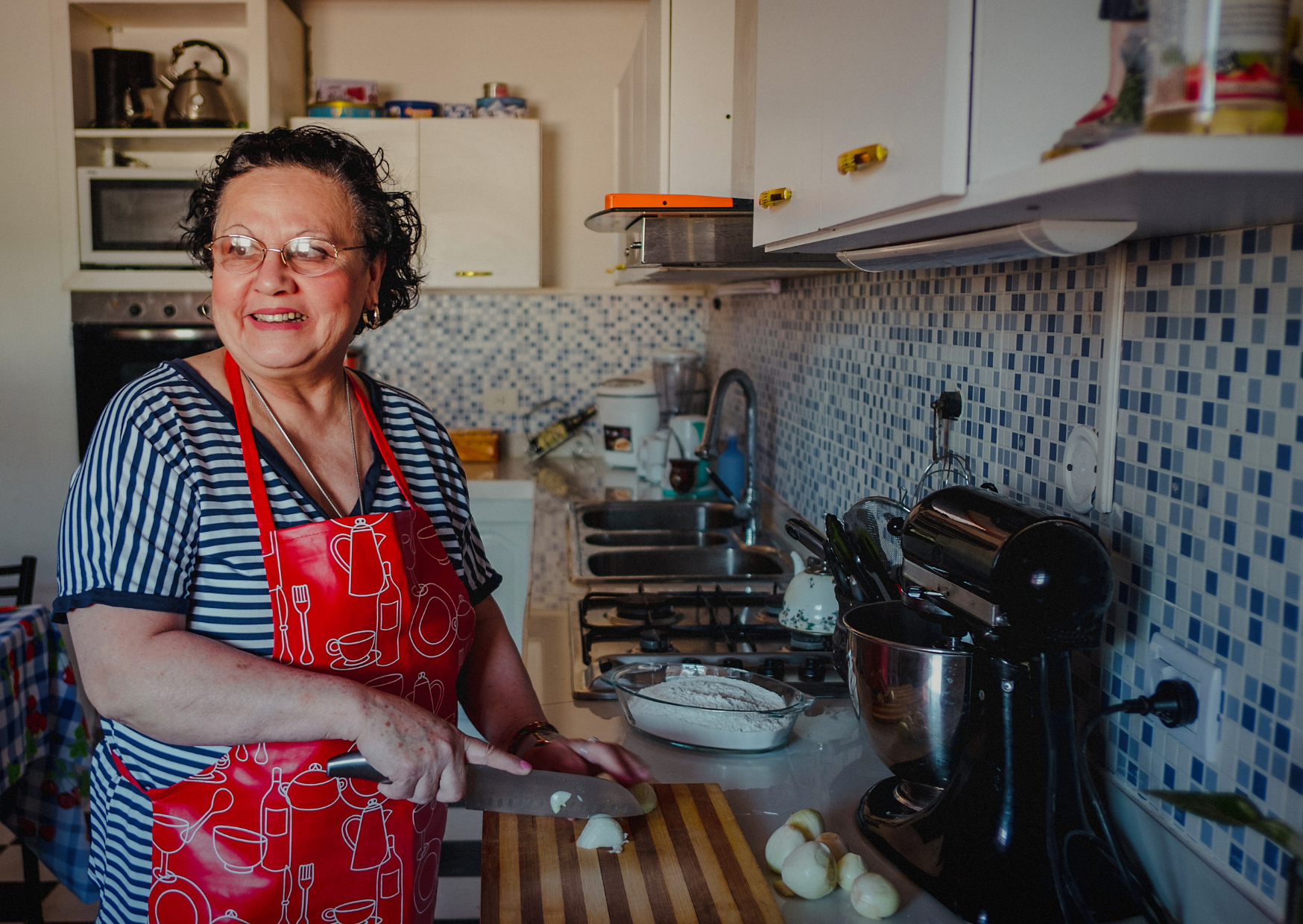
There is no macro math on the fridge. The plate tells the story. Soup first, vegetables that taste like themselves, legumes several times a week, small fish often, meat sometimes, olive oil everywhere, fruit for dessert. Bread with a short label. Cheese with a name and a place. Sugar shows up as a treat, not as a mood stabilizer.
Three things in that rhythm matter for memory.
First, olive oil plus vegetables every day means polyphenols and fiber that help the gut make the compounds your brain likes, while replacing seed oil blends that heat badly. Second, beans and lentils keep glucose gentle, which keeps energy steady where memory lives. Third, fruit ends the meal and tells the body to stop, which keeps snacking from turning your day into a roller coaster.
Do not complicate it. Cook a pot of lentils on Monday, a chickpea and greens soup on Wednesday, and buy sardines or hake once a week. Boring repetition is why grandmothers outlast trends.
The morning and evening walks that look like gossip
The tiny walk after coffee. The longer one after the main meal. Sometimes alone, often with a neighbor or a grandchild. Light movement after eating pushes blood and oxygen into the brain and keeps blood sugar from swinging. Add another walk before dinner, in the soft light, and you get two sessions of low intensity circulation without speeches or gym clothes. Along the way there is a stop to talk. The brain maps those faces and voices and stores them like spices.
The reason social movement matters is simple. People are puzzles. The brain lights up when it reads expressions, parses tones, remembers names, and plans replies. Ten minutes of that beats a supplement in every trial that actually matters. If you are alone, greet the shopkeeper anyway. Wave at the same dog every day. Routine social micro doses keep the memory gears oiled.
The church bench and the market ladder

Religion is optional. Structure is not. A weekly service or a steady market schedule gives two gift boxes to the brain. First, you recall sequences and shared words, which is memory practice disguised as community. Second, you belong to a room where age is normal, which lowers anxiety about decline. Fear ages the mind faster than birthdays.
At the market there is a standing ladder. Tomatoes arrive, then peppers, then figs, then bitter greens. You learn the order and follow it. Seasonality is a calendar you can eat. When the brain knows what is coming, it stops living in emergency protocols and starts doing maintenance.
The herbal cabinet in the kitchen
Italian kitchens hide simple medicine. Rosemary for roasted potatoes, sage for beans, bay for soups, parsley for fish, garlic to make vegetables interesting, lemon for everything. The brain does not need powders to function. It needs food that makes the next bite natural and keeps inflammation from running your life. Herbs do that without fanfare.
If you want one grandmother move that changes taste quickly, finish savory dishes with raw olive oil and lemon and throw chopped parsley on top. Skip bottled dressings. Let oil and acid wake the tongue and watch your vegetable intake soar. The less you fight your plate, the more the plate does the work you wanted a pill to do.
The small fish that keep big memories
Grandmothers pick sardines, anchovies, mackerel, hake, and cod because that is what the market has and what budgets accept. The brain reads those choices as a maintenance plan. Omega rich fish several times a week plus extra virgin olive oil supports brain cell membranes and lowers the chronic irritation that turns into brain fog later. It is not a magic trick. It is plumbing.
If you have never cooked sardines, buy them cleaned and grill for five minutes with lemon and salt. If you hate bones, choose hake or cod and steam it gently. Let fish taste like fish. Your brain prefers truth.
The light dinner that respects sleep
You will not see a heavy 21:30 plate in grandmother kitchens. Dinner is soup, a frittata, a salad with leftover beans, a little bread, fruit. Sleep arrives on time when dinner minds its manners. Deep sleep is where the brain clears waste and consolidates learning. Flood the night with food and you wake puffy and vague. Trim the night and memories arrange themselves.
One simple rule keeps the evening honest. Eat the big meal in daylight at least four days a week and keep dinner an hour earlier than you think you need. When you wake with a clear head two days in a row you will not want to go back.
The chore list that doubles as brain training
Laundry by hand now and then, shelling peas, mending, kneading, watering plants, sweeping outside the door, polishing a pair of shoes. These are not hobbies. They are coordinated tasks that demand sequence memory, fine motor control, and gentle patience. The brain thrives on crafts that finish. A day full of undone alerts breaks the mind into pieces.
Copy it by giving yourself two small physical tasks that always conclude. Water every plant and wipe the sink till it shines. Fold one drawer with care. Wash, dry, and put away the pot right now. Completion is the cheapest nootropic you will ever find.
The grandchild effect
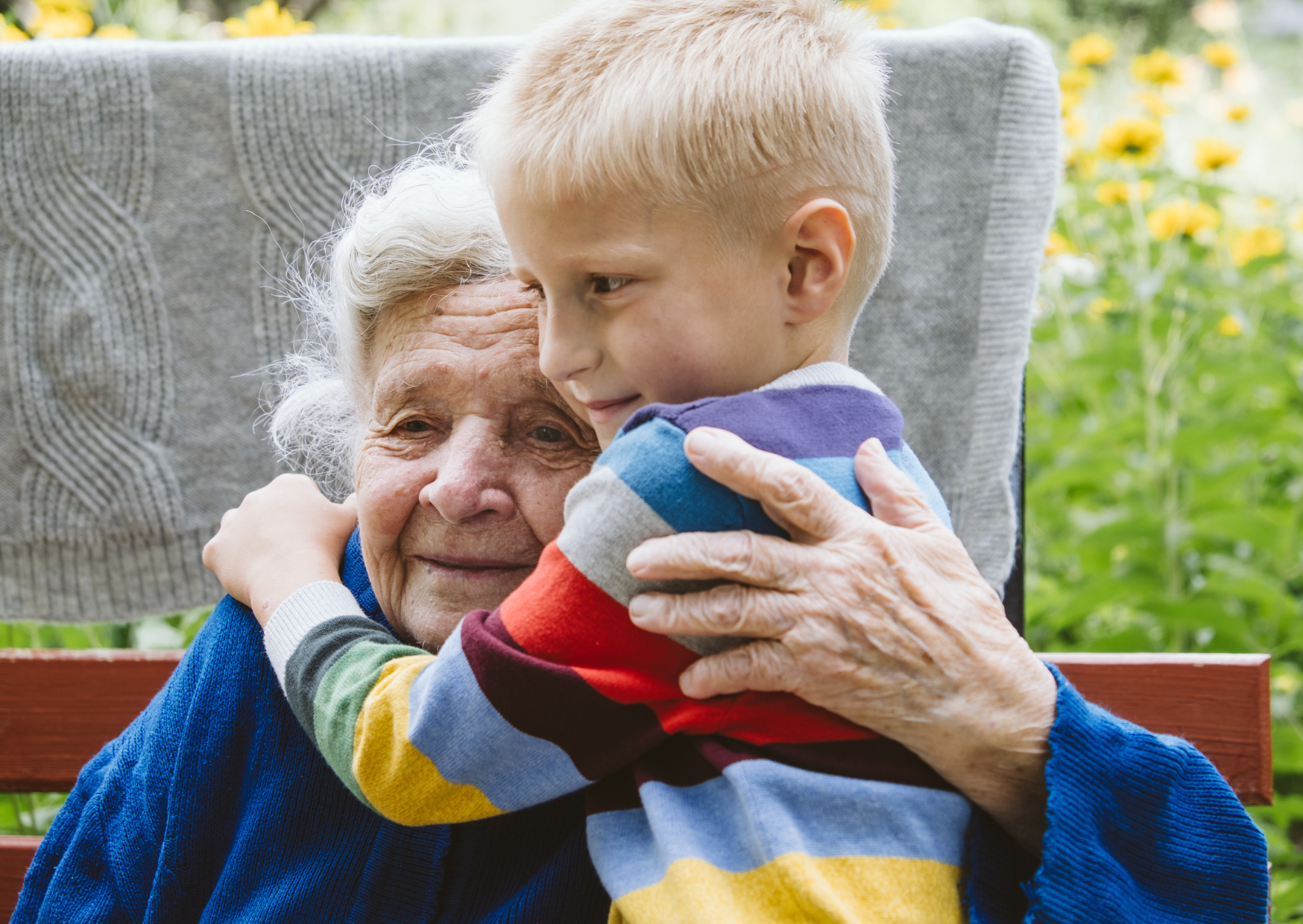
Children are brain vitamins without labels. Names to remember. Questions to answer. Routines that require you to be present, not perform. Italian grandmothers often do school pickup, afternoons at the park, and Sunday lunch with three generations. The schedule forces multi tasking in a friendly way. You count steps, watch a scooter, carry bread, answer a why, and plan dinner while moving through a street you know by heart. That is a cognition workout disguised as love.
If you do not have family nearby, borrow the pattern. Read at the library to the public group. Offer a weekly hour to a neighbor with a toddler. Being needed pulls the brain into the world.
The one habit Americans love to mock
Hanging laundry. People laugh at clotheslines. Watch the hands. Pinch, fold, shake, hang, sort by fabric, adjust for sun. While the joints work, the mind makes micro decisions. Which items face the courtyard. Which ones dry in shade to avoid yellowing. Where the breeze hits. It is a moving puzzle that smells like soap.
Everyone needs at least one ritual like this that fills twenty minutes with simple decisions. Polish your shoes. Prep vegetables with a knife you sharpen yourself. Oil a wooden spoon. Rituals teach the mind to love order. Order feeds memory.
The recipe that appears all week
Caldo verde with chickpeas is the grandmother soup that prevents snacking and gives the brain warm fuel without drama. Make a pot and let it appear as a first course for four days.
Caldo Verde con Ceci
Serves 6 for first courses
- 2 tablespoons extra virgin olive oil
- 1 large onion, finely chopped
- 2 cloves garlic, sliced
- 2 medium potatoes, peeled and diced
- 1 liter light vegetable stock or water
- 300 grams thinly sliced cavolo nero or savoy cabbage
- 400 grams cooked chickpeas, rinsed
- Sea salt and black pepper
- More olive oil and lemon to finish
Warm the oil and soften onion with a pinch of salt for eight minutes. Add garlic for one minute. Add potatoes and stock. Simmer till soft, mash a little against the side. Add cabbage and cook five minutes. Stir in chickpeas and heat through. Finish with oil and lemon. Soup first makes lunch behave.
Serve it before grilled fish, or before a frittata, or as dinner with bread and fruit. The brain prefers a week it can predict.
A 30 day grandmother plan you can run anywhere

The idea is to convert jokes into rails. Write this on paper. Put it near the kettle. Do not negotiate.
Week 1. Build the clock
- Big lunch four days, soup first.
- Ten minute walk after lunch every day.
- Twenty minute rest after lunch, phone in another room.
- Light dinner by 19:00 three days.
- One small craft that finishes, daily.
Week 2. Stock the kitchen like a nonna
- Buy 2 liters extra virgin olive oil.
- Fish twice, legumes twice.
- Bread with four ingredients only.
- Herbs you will actually use: rosemary, parsley, bay, sage.
- Fruit for dessert, nothing packaged.
Week 3. People and places
- Two fixed social windows. Library hour, church, club, or a neighbor visit.
- Market day the same day each week.
- Learn two names on your block.
- Call one younger person for a walk or a coffee you pay for.
Week 4. Sleep and reset
- No heavy dinners this week.
- Windows cracked at night if climate allows.
- Screens off one hour before bed and a warm rinse or a book.
- One afternoon in total silence with a slow task.
By day 30 your calendar will look lighter and your mornings will look sharper. Brains like rhythm more than effort.
The quiet science beneath the kitchen table
You do not have to memorize acronyms to accept common sense. Three threads run through every grandmother day.
- Vascular calm. Regular walks, soup first, olive oil, fish, and naps keep blood vessels resilient. Healthy vessels feed memory centers.
- Metabolic rhythm. Big meal in daylight, little meal at night, fruit instead of dessert, and ten minute post meal walks keep glucose quiet. Quiet glucose means steady energy for recall.
- Social and cognitive load. Names, rituals, lists, sequences, and small crafts keep networks in use. Neurons that fire together stay together.
If you want to ruin this picture, reverse the habits. Heavy late dinners, screens in bed, no social anchors, seed oil frying, constant snacks, and no movement after meals. The brain will cooperate for years, then it will show you the bill.
Cost of memory care if prevention fails
When families delay the cheap habits and hope, they meet the numbers. In many parts of the United States, memory care facilities commonly run five to nine thousand dollars per month depending on city and care level, with specialized units higher. Insurance gaps make those costs feel like gravity. In much of Italy, residential settings for elders with cognitive decline are far less expensive, often in the low thousands of euros monthly in smaller cities and towns, with public or charitable options lower and with long waits. None of this is cheap. All of it is cheaper than twenty years of drift.
The real comparison is colder. The grandmother pattern costs beans, fish, olive oil, shoes that can walk, a weekly schedule, and the humility to rest after lunch. That pattern is cheaper than one month of memory care in most big U.S. cities. Money is not the only reason to change. It is a very good backup reason.
If you only copy five moves this month
- Soup before lunch four days a week. Hunger stops shouting all afternoon.
- Walk ten minutes after your main meal. Circulation is thinking.
- Light dinner, early. Sleep fixes memories.
- Two social anchors on the calendar. People are brain practice.
- One ritual that finishes. Order is the friend of recall.
That is it. Five moves do more than fifty products.
Objections that arrive and the calm replies

“I do not have time to nap.”
You have time to close your eyes for fifteen minutes. Call it rest if nap sounds indulgent. Short resets pay back the hour by dinner.
“I hate fish.”
Eat beans twice and eggs once. Buy canned sardines in olive oil and eat half a tin with lemon and parsley on toast. Most people do not hate fish. They hate cheap fish cooked without love.
“No market near me.”
Pick two stores with the shortest labels. Buy what is in season and on offer. Seasonal shopping exists in every supermarket if you watch the prices.
“My family will not eat like this.”
Start with soup. Nobody complains about soup. Then add a walk after lunch. The rest follows when afternoons stop crashing. You do not need to announce a revolution.
A small day that looks like prevention
Coffee and a piece of fruit. Water the plants. Buy parsley, lemons, and greens. Soup for lunch, fish for the second plate, bread, and fruit. Twenty minute rest with eyes closed. A short call with a friend. Errand on foot. A little mending near the window. A light dinner at nineteen. A short walk. A book. Nothing about that day is glamorous. Everything about it protects memory.
If you grew up rolling your eyes at naps and slow lunches and laundry on a line, you can keep the jokes. You can also keep your brain. The daily habits people mock are the smartest part of Italy.
What stands out most about this daily habit isn’t that it’s complex or cutting-edge, but that it’s consistently practiced. Italian grandmothers don’t approach mental sharpness as something to fix later in life; it’s treated as something to maintain daily through routine, connection, and presence.
This habit works quietly. It doesn’t promise immunity from aging or guarantee outcomes, but it supports mental engagement in a way that feels natural rather than forced. Over time, those small, repeated behaviors add structure and stimulation that many modern lifestyles lack.
What Americans often mock as old-fashioned or unnecessary is actually intentional. Slowing down, repeating rituals, and engaging socially every day may look unproductive on the surface, but they create mental continuity that technology-heavy lives often disrupt.
The real lesson isn’t about copying a culture perfectly. It’s about recognizing that mental health is shaped by how days are lived, not just by what happens in emergencies or old age.

About the Author: Ruben, co-founder of Gamintraveler.com since 2014, is a seasoned traveler from Spain who has explored over 100 countries since 2009. Known for his extensive travel adventures across South America, Europe, the US, Australia, New Zealand, Asia, and Africa, Ruben combines his passion for adventurous yet sustainable living with his love for cycling, highlighted by his remarkable 5-month bicycle journey from Spain to Norway. He currently resides in Spain, where he continues sharing his travel experiences with his partner, Rachel, and their son, Han.