
If you swear you can eat bread all week in Rome and feel fine but puff up after two slices back home you’re not imagining it. The difference isn’t “magic European wheat.” It’s time, technique, and what’s not in the dough. Across much of Europe, everyday loaves rely on long fermentation and short ingredient lists, while a lot of mass-market American bread is optimized for speed more conditioners, quicker rises, softer crumb, longer shelf life. Your gut notices.
Want More Deep Dives into Everyday European Culture?
– Why Europeans Walk Everywhere (And Americans Should Too)
– How Europeans Actually Afford Living in Cities Without Six-Figure Salaries
– 9 ‘Luxury’ Items in America That Europeans Consider Basic Necessities
It’s not the continent—it’s the process
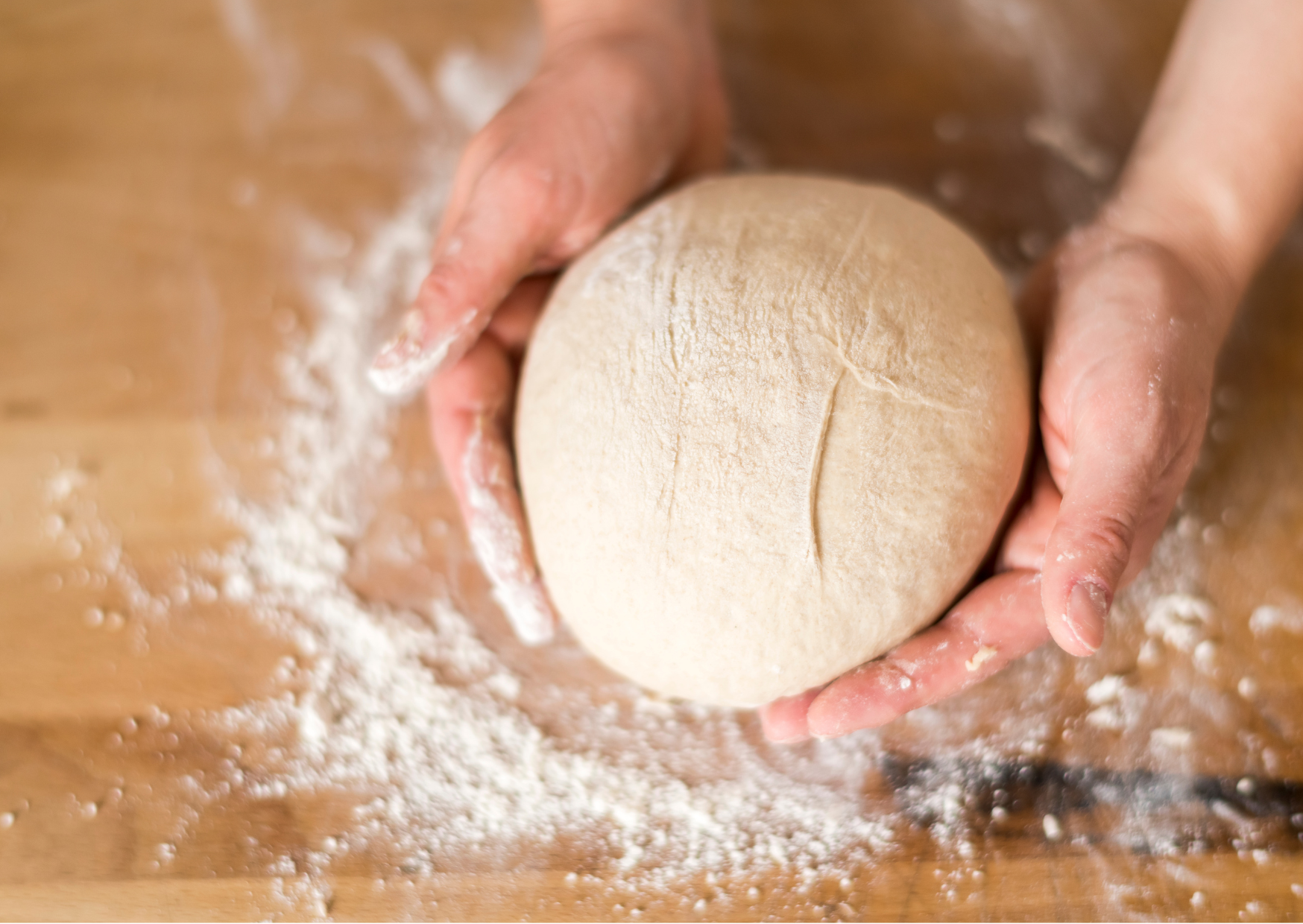
European bakers (industrial and artisanal) are more likely to give dough hours, even a day or two, to ferment. That time lets microbes do quiet but powerful work: break down fructans (FODMAPs), soften gluten structure, and acidify starches—all of which can translate to fewer post-meal fireworks. Key idea: longer fermentation = gentler bread. Why it matters: fructans drop, starch digests slower, crumb stays satisfying without the bloat.
What long fermentation isn’t: a cure for celiac disease. If you have celiac, no wheat bread is safe—full stop. For everyone else—especially the “wheat-sensitive but not celiac” crowd—time in the bowl can be the difference between a nice lunch and a tight waistband. Action step: choose sourdough or clearly long-fermented loaves when you can.
Fewer “helper” chemicals—more work done by yeast and bacteria
Two additives that shorten timelines in high-speed baking—potassium bromate (a dough strengthener) and azodicarbonamide (a flour treatment/dough conditioner)—are banned in the EU but still permitted in the U.S. (though many U.S. bakers and brands have voluntarily stopped using them). Europe leans on time and fermentation rather than aggressive oxidizers to create volume and resilience. Key facts: EU bans potassium bromate and ADA in food, U.S. allows them under limits, many U.S. labels avoid them anyway. Why it matters: less chemical “push” → more microbial “work” → easier chew with less fallout.
Flour bleaching agents that speed-whiten and tweak performance (e.g., chlorine or bromates) are not allowed in the EU, so mills and bakeries rely on natural aging or permitted treatments. The net effect is subtle but cumulative: fewer shortcut agents, more fermentation time, simpler formulas. Action step: scan labels—choose breads with flour, water, salt, leaven (plus seeds/whole grains) over laundry lists.
Fermentation isn’t romance—it changes the food
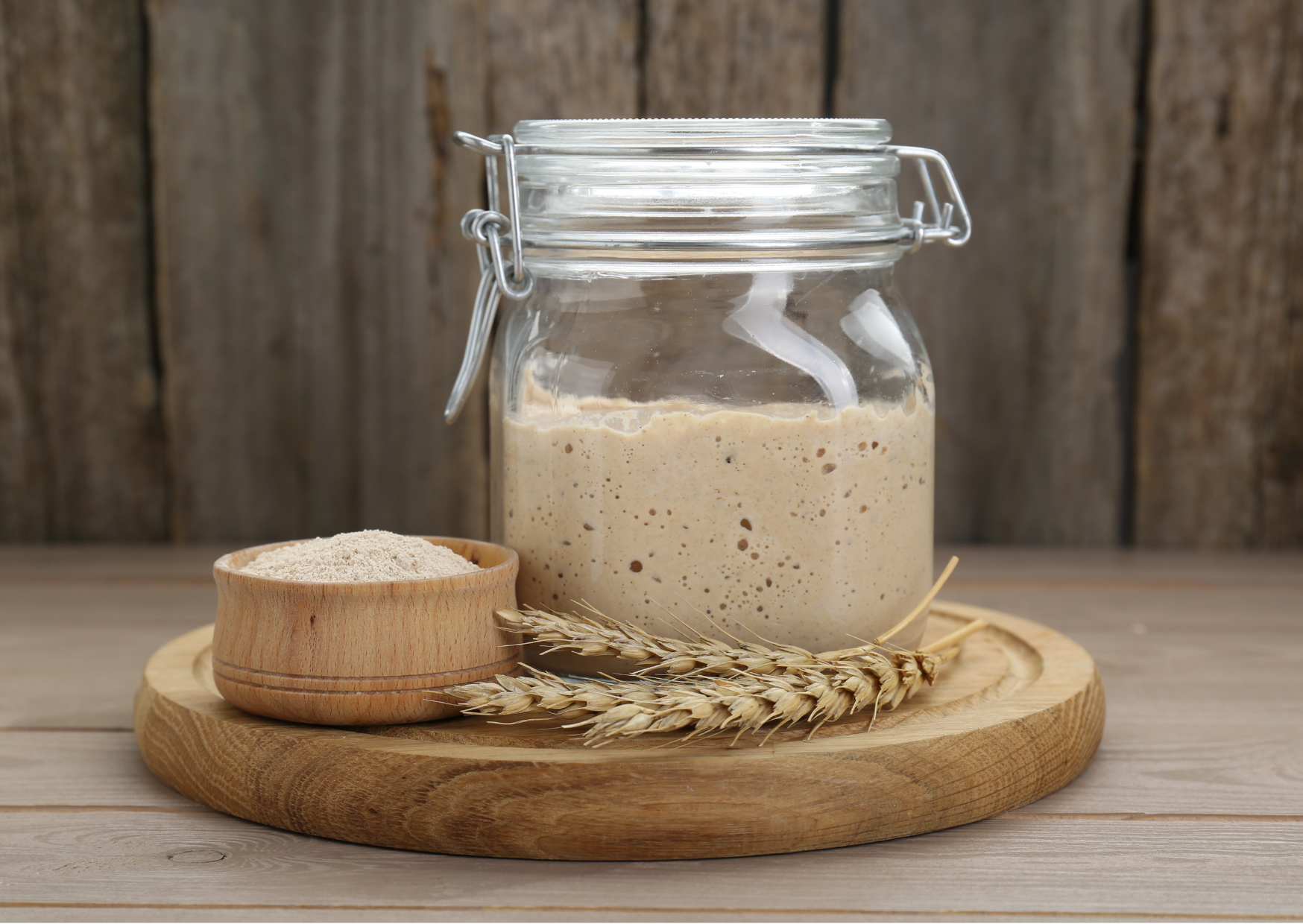
Long fermentation (especially sourdough) does three big things your body can feel: lowers FODMAPs, slows glucose spikes, and reduces phytic acid (which can improve mineral absorption). In controlled studies, extending fermentation significantly reduces fructans—the wheat carbohydrates that often drive gas and bloat in sensitive people—and slows starch digestion, lowering the glycemic response. Key wins: fewer FODMAPs, gentler blood sugar curve, minerals more available. Why it matters: less balloon effect, more steady energy, better “nutrient pay-off”.
Again, none of this “detoxes gluten,” and it doesn’t make wheat safe for celiac disease. But swapping a 48-hour sourdough for a 45-minute pan bread meaningfully changes what hits your gut.
The portion and the plate—how Europeans use bread
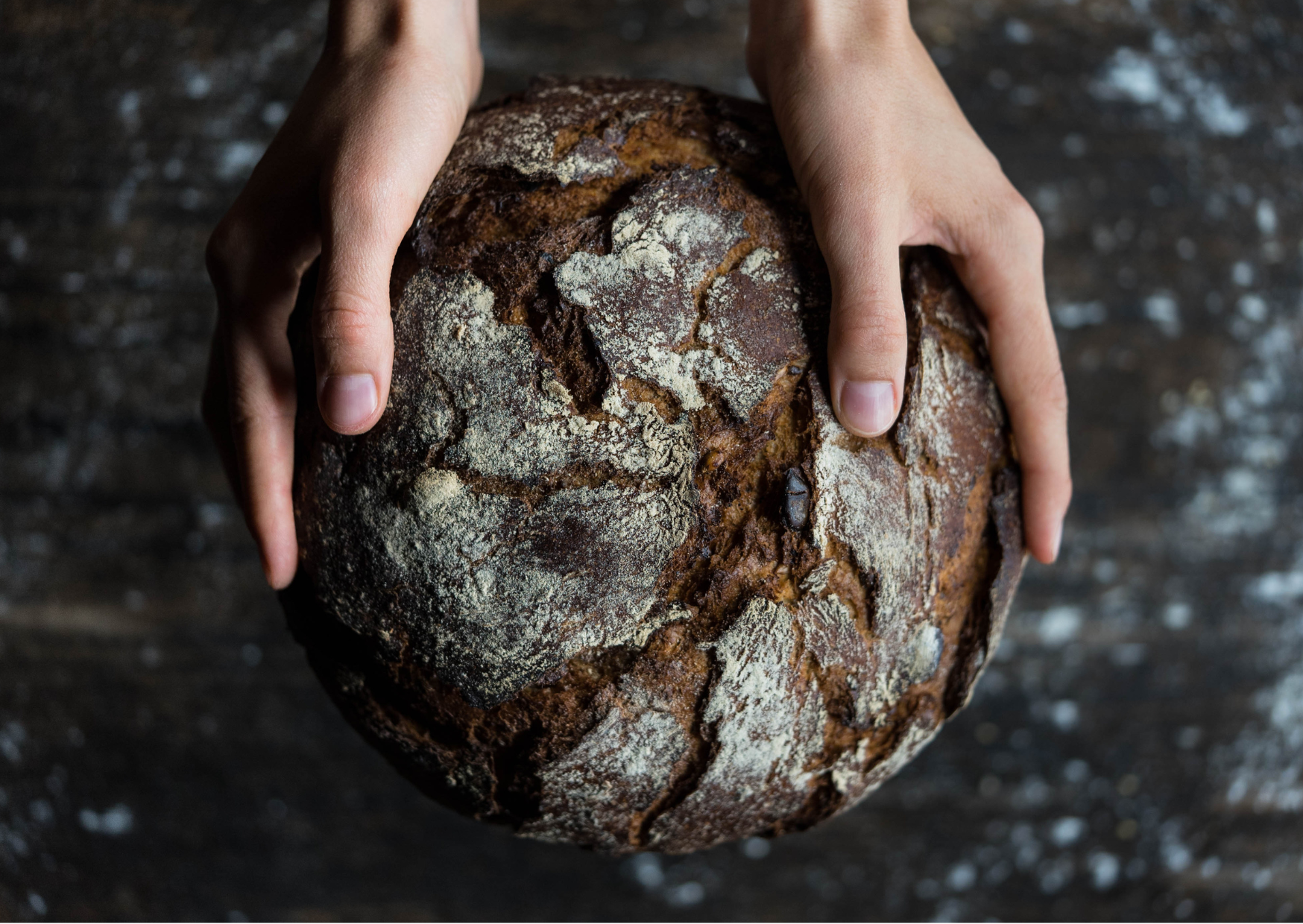
Bread in much of Europe shows up as an accompaniment, not the whole meal: a slice with olive oil, cheese, or cured fish, or a heel to scoop sauce. That pairing of acid + fat + protein further tempers starch digestion. Meanwhile, the loaf itself tends to be denser, crustier, less sweet, so you eat less to feel satisfied. Quick cues: thicker crust, tangy crumb, no sweetness. Why it matters: smaller portions satisfy, toppings dial down the spike, bloat risk falls.
Back home, a lot of packaged breads are subtly sweet and pillowy—easy to overeat, easy to spike. Try building your plate the European way and notice how quickly the “bread is bloating me” story starts to fade.
Not “magic wheat”—mostly milling and method
Yes, flour specs differ by country (ash content, protein, extraction), and those differences can tweak texture. But the bigger lever for digestion is method: hydration, fermentation time, acidity, and bake. A U.S. loaf made with long, cool fermentation and simple ingredients will feel European to your body. Anchor truth: time and acidity beat origin myths. Why it matters: you can recreate the effect in any kitchen, no passport required. Action step: bake (or buy) long-ferment bread and compare how you feel.
The 48-Hour “European Feel” Country Bread (with a 12-Hour fallback)
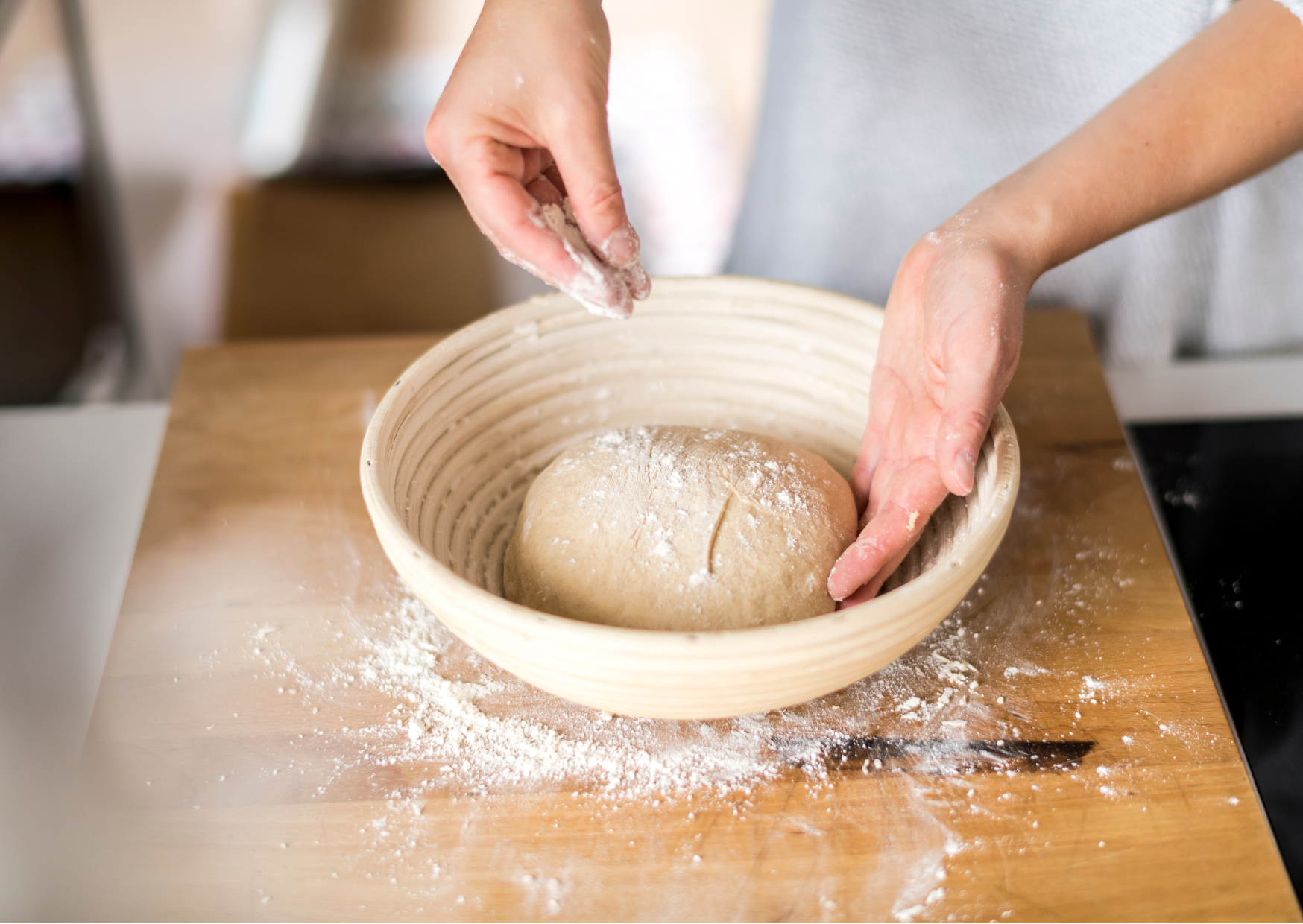
This is the viral-simple, no-gadget way to eat the way you did on vacation. Two paths: sourdough (best for FODMAP reduction) or “hybrid” tiny-yeast (nearly as good, easier for beginners). Promise: short ingredient list, hands-off time, bakery crust. Core benefits: long, cool ferment for digestibility, minimal yeast for flavor.
Ingredients (one large round, ~900 g baked weight)
- Bread flour 400 g (3¼ cups)
- Whole-grain flour 100 g (¾ cup) — wheat, spelt, or rye
- Water 375 g (1½ cups + 1 Tbsp), cool (about 20–22 °C / 68–72 °F)
- Fine sea salt 10 g (1¾ tsp)
- Option A — Sourdough: ripe starter 80 g (½ cup, 100% hydration)
- Option B — Hybrid: instant yeast ⅛ teaspoon (yes, that tiny) + 10 g honey (2 tsp) optional for browning
Equipment: a mixing bowl, a spatula, a 4–5 qt Dutch oven (or a sheet pan + steam pan), parchment, a fridge.
Day 1 — Morning (10 minutes): Mix + Autolyse
Bold checkpoints: no knead, shaggy dough is fine, rest does the work.
- In a bowl, whisk flours. Stir in water until no dry bits remain (it’ll look rough). Rest 30 minutes (autolyse).
- Add salt and your leavening: either sourdough starter or the tiny yeast (plus honey if using). Pinch and fold until combined.
Day 1 — Afternoon (5 minutes total): Folds
Bold checkpoints: 3–4 gentle folds, 30 minutes apart, smooths without kneading.
Every 30 minutes for 90–120 minutes, do a coil fold or stretch-and-fold: lift dough, tuck under, rotate. Dough will get bouncy.
Day 1 — Evening (2 minutes): Cold ferment
Bold checkpoints: cover, into the fridge, at least 12 hours, up to 36.
Shape lightly into a round in the bowl, cover, and chill overnight (12–24 hours). Longer = tangier and typically gentler on sensitive guts.
Day 2 — (or Day 3) Morning: Shape + Proof
Bold checkpoints: light hands, tight skin, finger dent test.
- Tip the cold dough onto a lightly floured surface. Pre-shape into a round; rest 20 minutes.
- Final shape into a taut ball. Place seam-side up in a floured bowl or banneton. Cover and proof 60–90 minutes at room temp (or 2–3 hours if very cool) until it slowly springs back when poked.
Bake
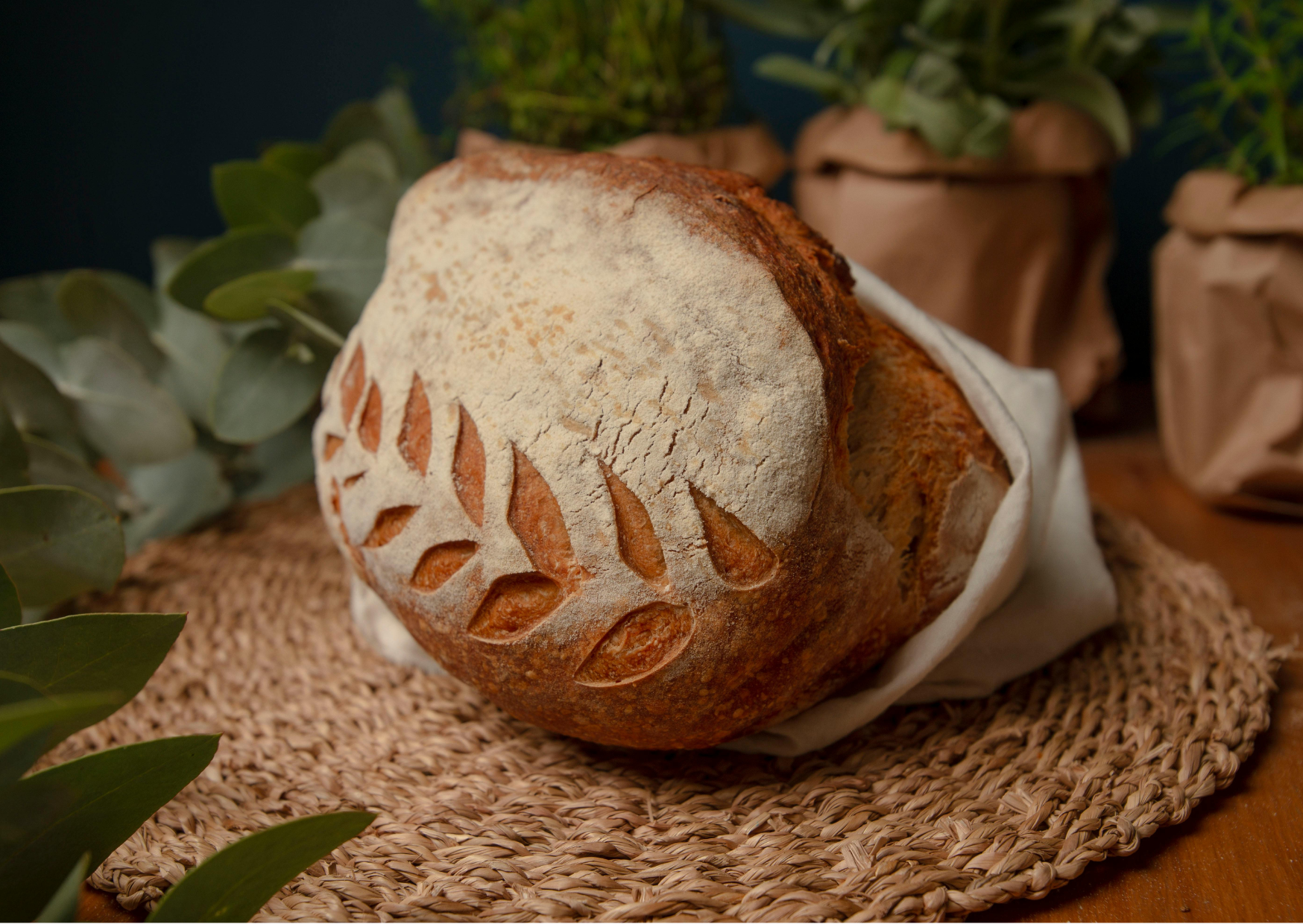
Bold checkpoints: preheat hard, steam matters, dark crust = flavor.
- Dutch-oven method: Preheat your Dutch oven at 250 °C / 480 °F for 30–45 minutes. Invert dough onto parchment, score 1–2 cm deep, drop into the pot, cover, bake 20 minutes. Uncover, lower to 230 °C / 450 °F, bake 20–25 minutes more until deeply browned.
- No-pot method: Preheat a baking stone/sheet at 250 °C / 480 °F and place a small empty metal pan on a lower rack. Load the loaf, pour 1 cup hot water into the pan for steam, close quickly. After 15 minutes, vent steam, reduce to 230 °C / 450 °F, bake 20–25 minutes.
Cool fully (at least 60 minutes) before cutting—steam finishes the crumb and keeps it moist.
For the truly sensitive: the 72-hour version
If you tolerate sourdough better, push the fridge time to 48–60 hours with Option A (sourdough). Longer, cool ferments further reduce fructans and raise acidity, which can help some sensitive eaters. Rule of thumb: more time, more tang, more tolerance—within reason.
Why this loaf often “feels” European in your body
Three reasons this recipe behaves differently from a hurry-up sandwich loaf: time, acidity, and simplicity. Long, cool fermentation gives the microbes time to digest fructans; sourdough or a cool environment adds organic acids that slow starch digestion and tighten crumb without additives; and the ingredient list stays short—flour, water, salt, leaven. Net result: satiating slices, smaller glucose swings, less gas. Action step: eat with olive oil or cheese to push digestion even gentler.
Troubleshooting (so the post stays shareable and bakeable)
- Loaf spreads (pancake effect) — dough was under-developed or over-proofed. Fix: add one more fold in the first two hours; shorten final proof.
- Sour is too strong — cut cold ferment to 12–18 hours, or switch to hybrid tiny-yeast.
- Crust too hard — bake 5 minutes less uncovered; store cut-side down on a board, not in plastic.
- Still feel bloated? — try sourdough path + longer cold; avoid adding sweeteners; pair with protein/fat. If symptoms persist, talk to a clinician—FODMAP intolerance and other GI issues are real.
Bold keepers: more folds = taller loaf, shorter proof = less spread, cool longer = gentler crumb.
Buying bread that behaves like this (when you don’t want to bake)
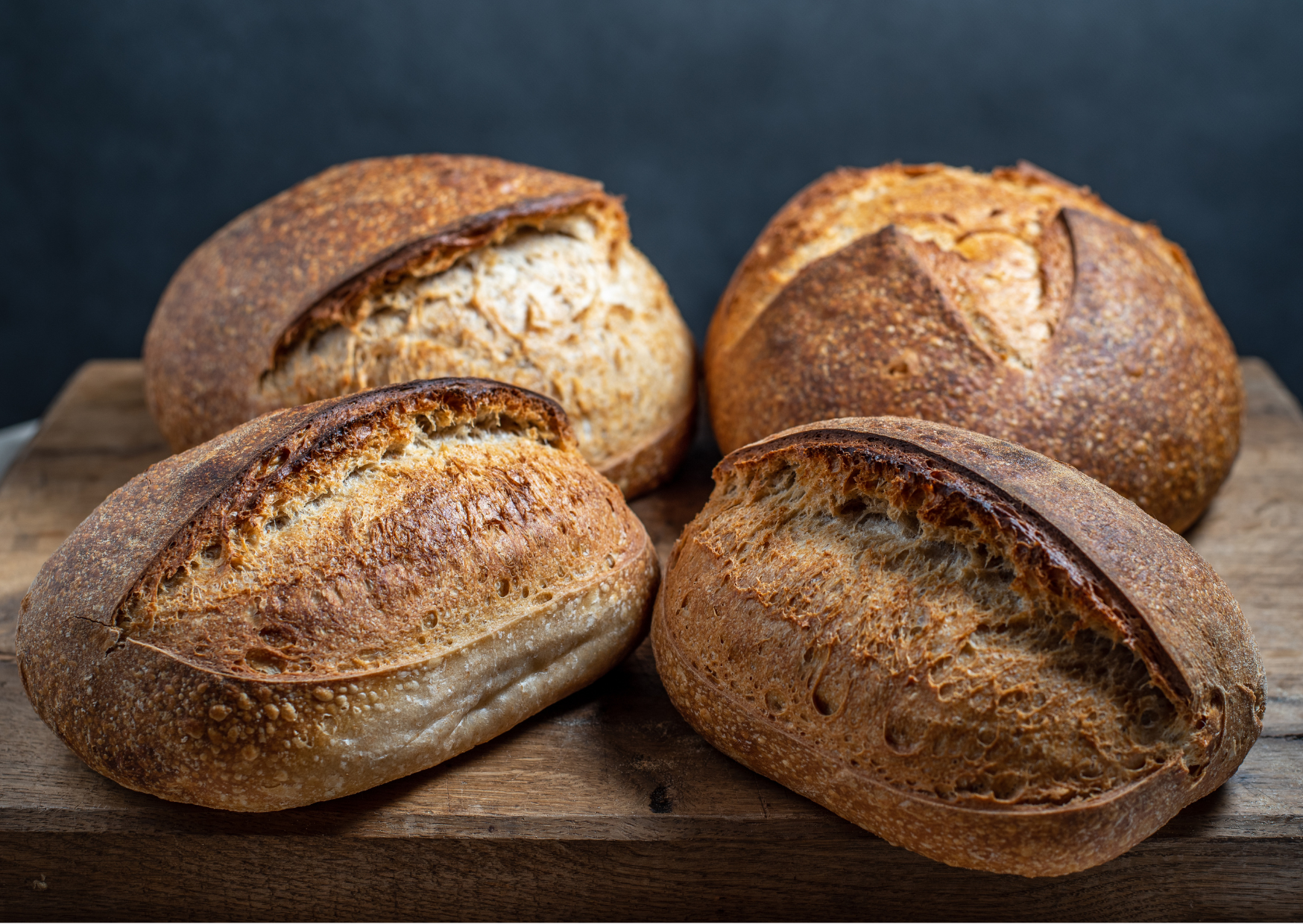
Look for four signals on a label or bakery sign: “sourdough”, “long-fermented / 24–48h”, no conditioners, and ingredient list ≤ five lines. In markets across Europe, that’s just…bread. In the U.S., it often means artisan bakeries or grocery sourdoughs that specify natural leaven. Key checks: starter listed, no ADA/bromate, no added sugars. Why it matters: the closer you are to flour-water-salt-leaven, the friendlier it tends to digest.
What this doesn’t explain—so we don’t oversell it
- Celiac disease: no amount of fermentation makes wheat safe.
- Individual triggers: some people react to wheat proteins, not just fructans.
- Context matters: walking miles on vacation, less snacking, and smaller restaurant portions also reduce “bloat load.”
Still, across studies and kitchens, long-ferment, additive-light bread consistently behaves better for many eaters than fast-fermented, conditioner-heavy bread. The recipe above lets you test that on your own terms.
A quick checklist to screenshot
Choose fermentation over fluff — sourdough or clearly long-fermented loaves.
Scan additives — skip potassium bromate, ADA, and long conditioner lists.
Pair smart — olive oil, cheese, eggs, anchovies—fat + protein calm starch.
If you loved bread in Europe, this is the operating system behind that feeling—time, acids, simplicity. Bake it once, notice how your body responds, and keep what works.
What becomes clear when comparing European and American bread is that the difference isn’t mystical or genetic it’s methodological. European bread prioritizes fermentation, time, and simplicity, while American bread often prioritizes speed, shelf life, and uniformity. Those priorities show up in how your body responds.
Bloating isn’t always a sign of intolerance; often it’s a reaction to how food is processed. When bread is rushed, heavily refined, or packed with additives, digestion becomes harder work. European bread tends to cooperate with the body instead of challenging it.
Another important realization is that bread quality changes eating behavior. Slower-digesting bread is more satisfying, which naturally reduces portion size and grazing. Feeling better after eating isn’t about discipline it’s about design.
Including a traditional bread recipe at home reinforces this lesson. When you bake bread the European way, the result feels familiar yet different: filling, calm, and far easier to digest. The experience reframes what bread can be.
Origin and History
Bread in Europe developed under very different conditions than in the United States. Long before industrial baking existed, European communities relied on natural fermentation to preserve dough and improve flavor. Time was not a constraint but a tool, allowing bacteria and yeast to transform grain slowly.
Sourdough methods became the norm across much of Europe not as a trend, but as necessity. Without commercial yeast or preservatives, bakers depended on wild fermentation to create structure, rise, and shelf life. These methods shaped how bread interacted with the body.
In contrast, American bread-making accelerated rapidly during industrialization. Speed, consistency, and scale became priorities as bakeries shifted toward mass production. Short fermentation replaced long rests, and additives were introduced to compensate for lost flavor and texture.
The result was a cultural split. European bread remained tied to tradition and digestion, while American bread evolved to meet distribution and convenience demands. Both are bread, but they serve very different purposes.
Many people assume bloating from bread means gluten intolerance. While gluten can be an issue for some, fermentation time often plays a larger role. Poorly fermented dough contains compounds that are harder to digest, regardless of gluten content.
Another misunderstood factor is ingredient simplicity. European bread typically uses flour, water, salt, and time. American bread often includes dough conditioners, sugars, and stabilizers that alter how the body processes it.
There’s also confusion around softness. In the U.S., soft bread is seen as desirable, while dense European loaves are sometimes labeled “heavy.” Ironically, the denser bread often digests more slowly and comfortably.
What makes this controversial is that it challenges the idea that discomfort is unavoidable. It suggests the problem isn’t bread itself, but how it’s made.
How Long It Takes to Prepare
European-style bread requires patience rather than constant effort. Active work usually takes less than 30 minutes spread across mixing and shaping.
The real time commitment is fermentation. Dough rests anywhere from 12 to 24 hours, allowing bacteria and yeast to break down starches and proteins naturally.
Baking itself takes 35 to 45 minutes, depending on loaf size and hydration. This stage is straightforward once fermentation is complete.
From start to finish, the process spans a day, but most of that time is hands-off. The payoff is consistency and digestibility rather than speed.
Serving Suggestions
European bread is meant to be sliced thinner and eaten more slowly. Smaller portions deliver satisfaction without heaviness.
It pairs best with meals rather than as a snack. Cheese, vegetables, soups, and proteins complement the bread without overwhelming digestion.
Butter and olive oil are used sparingly but intentionally, enhancing flavor rather than masking it.
Because of its structure, the bread stays fresh longer and toasts beautifully without drying out.

About the Author: Ruben, co-founder of Gamintraveler.com since 2014, is a seasoned traveler from Spain who has explored over 100 countries since 2009. Known for his extensive travel adventures across South America, Europe, the US, Australia, New Zealand, Asia, and Africa, Ruben combines his passion for adventurous yet sustainable living with his love for cycling, highlighted by his remarkable 5-month bicycle journey from Spain to Norway. He currently resides in Spain, where he continues sharing his travel experiences with his partner, Rachel, and their son, Han.
Steven Miller
Saturday 4th of October 2025
Ah yes, the fantasy land where every baguette is hand-tended for 48 hours by a kindly French baker. In reality? Europe has its share of factory loaves and plastic-bag bread aisles too. The difference is stricter rules on additives and a stronger bakery culture—not some magical continent-wide sourdough utopia.