

Here is the headache no one warns Americans about until it ruins a trip. You get your shiny EU entry sticker, land in Spain or Italy, start your permit process, then pop over to London for a long weekend because it feels close and cheap. Border control in the UK stamps you in. When you try to fly back to the EU, the airline refuses boarding or the Schengen officer shakes their head. Your passport now shows that you exited the Schengen Area and your single entry is finished. That one UK stamp just turned your legal stay into a puzzle you cannot solve at the gate.
This is not theory. It is the most common avoidable mistake we see from newcomers. The rule set is simple once you know it: single entry means one Schengen entry, not multiple, and leaving to a non-Schengen country uses that entry up unless your visa explicitly allows more entries or you hold a residence card or a valid re-entry authorisation from the country where you live. The UK is outside Schengen. So is Ireland. So is anywhere your Instagram weekend escapes to if it sits beyond the external border.
As of late 2025 the counters got stricter. The EU’s Entry and Exit System began in October 2025 and is phasing in through early 2026, which means your entries and exits are now recorded electronically rather than relying on smudged stamps. The software counts days and entries better than any of us do. If you used your one entry, it knows. If you overstayed, it knows. Habits from 2018 stop working in 2026.
Below is a plain guide to what that UK stamp really does, who is most at risk, how to travel safely while you wait on EU residence paperwork, and the exact phrases that calm airline staff when you do have the right document. Keep this close if you are on a single entry visa, a long stay D visa without your residence card in hand, or any short stay that says “01” under number of entries.
Quick and Easy Tips
Always confirm whether entering the UK affects your EU stay limits before crossing the border.
Track your days manually rather than relying on assumptions about resets or pauses.
If you hold an EU visa or long-stay permit, consult official guidance before adding UK travel to your itinerary.
Many travelers believe that since the UK is no longer part of the EU, travel between the two systems is automatically separate. In practice, border records, timestamps, and legal interpretations still overlap in ways that surprise people.
Another misconception is that a stamp is just a formality. In reality, stamps are legal markers that define where your time is counted and under which rules. One stamp can shift your status from resident to visitor without you realizing it.
There’s also confusion around “resetting” stays. Some assume leaving the EU even briefly resets visa clocks. That logic doesn’t apply when the destination is the UK and the visa in question has continuous-residency requirements.
What makes this topic controversial is how poorly it’s communicated. Travelers are expected to understand the consequences, yet guidance is scattered and inconsistent. The system isn’t broken it’s just unforgiving. Those who treat stamps casually often learn their importance the hard way.
Why the UK stamp kills your single entry
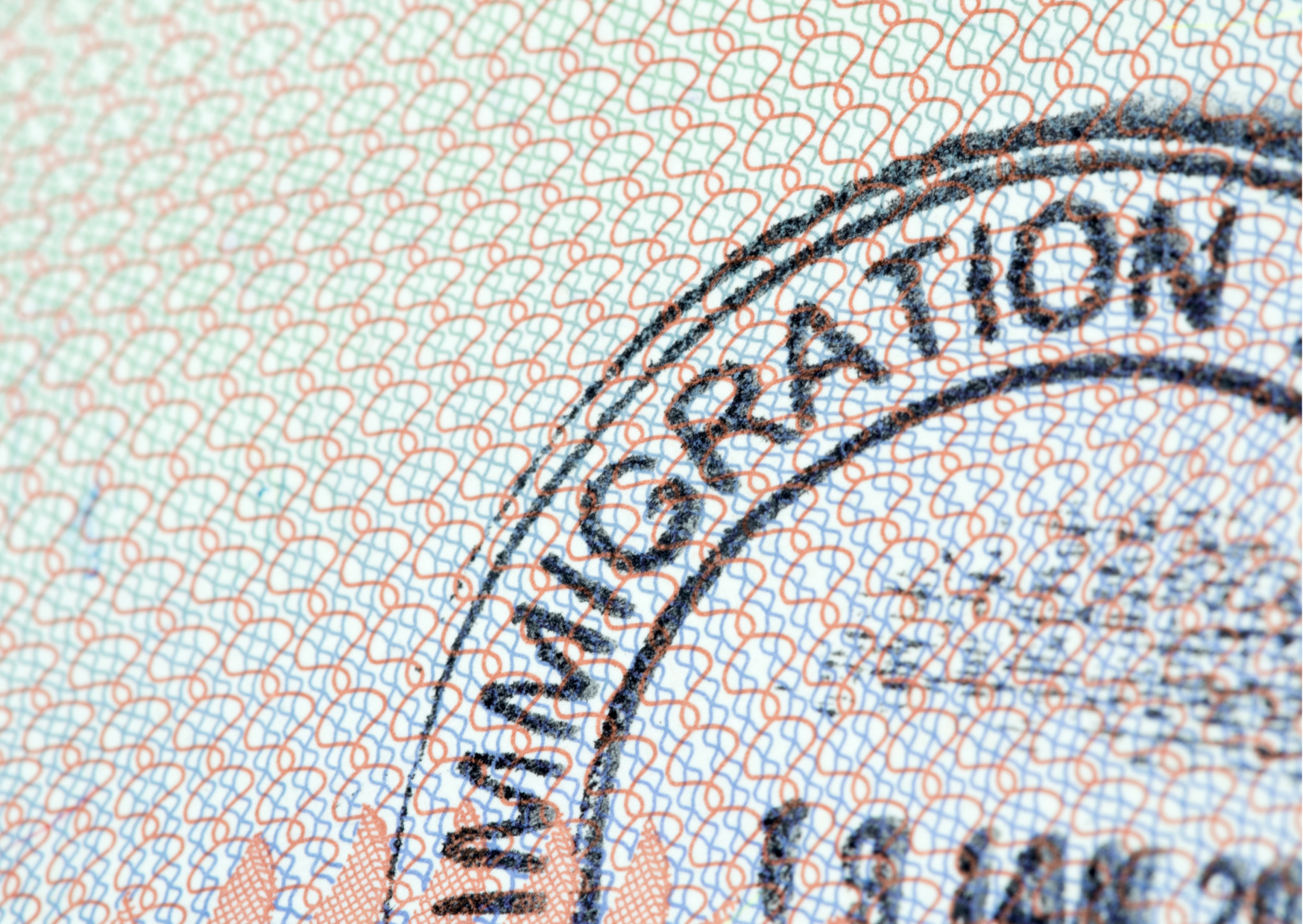
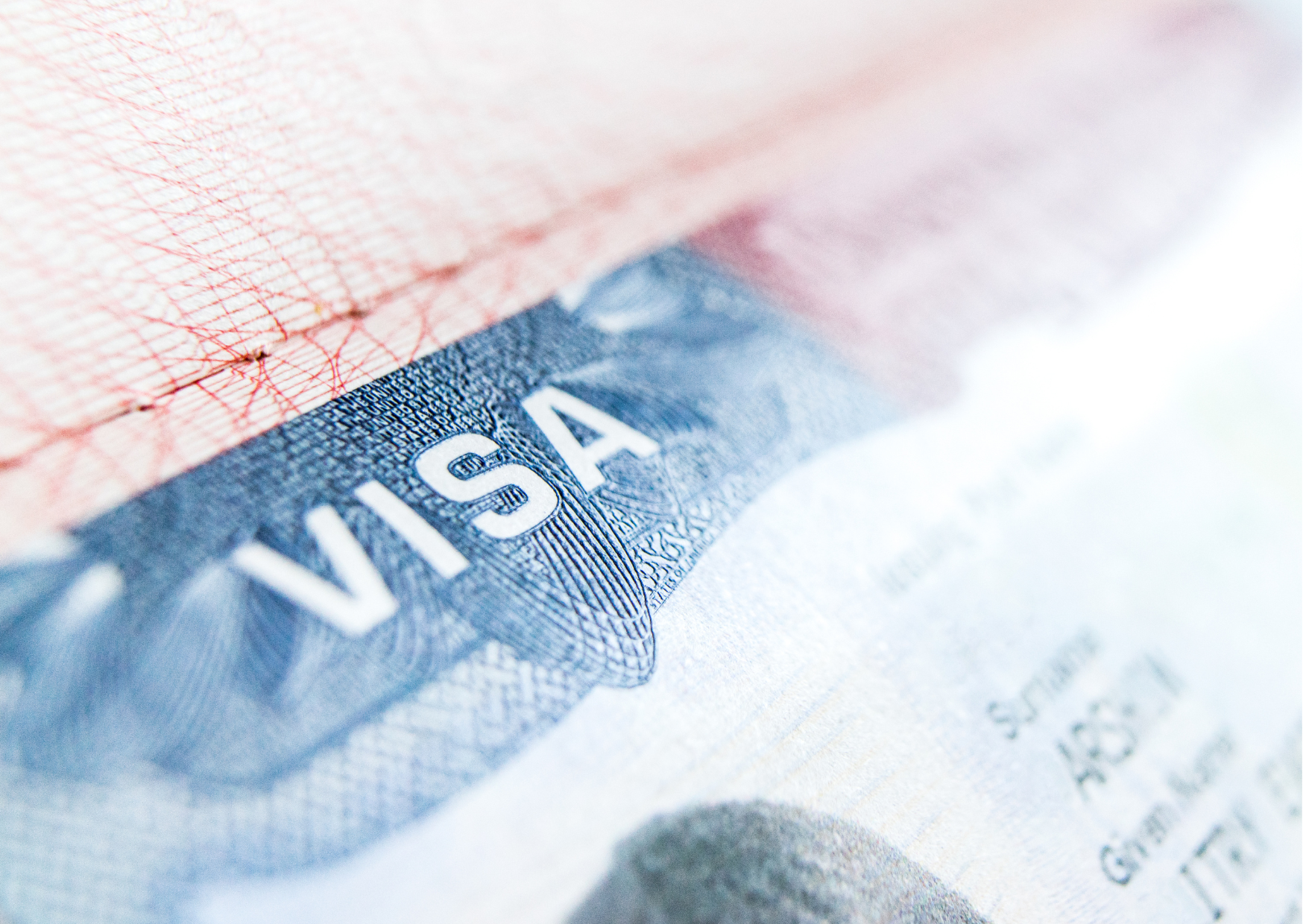
Look at your Schengen visa sticker. Under “Number of entries,” many first visas say “01.” That means exactly one entry into the Schengen Area for the validity period on the sticker. The moment you leave Schengen for the UK, that entry is consumed. To come back, you either need a visa that allows multiple entries, a residence permit card, or an official re-entry paper issued by your EU country. Without one of those, the airline will treat you as inadmissible for the return flight and refuse boarding. A single entry is not a hop on hop off ticket.
Embassy and visa outsourcing sites spell it bluntly when they list the FAQs: with a single entry visa you cannot leave and re-enter. If you do, you need a new visa or a document that legally replaces it for re-entry. People get burned because weekend trips to London look casual on a map and lethal on paper.
The D-visa trap: you arrived legally, then left too soon
A lot of long stay visas are printed as single entry stickers that let you enter the EU once to collect your residence card. Spain, Italy, Portugal, France, Germany all run some version of this. Until you collect the plastic card, your ability to cross the external border is fragile. If you leave to the UK before that card exists, your single entry may be over. That is why so many people return from London at check-in and get a no.
Spain is the clearest example. While you wait for the TIE or a renewal, you can request an Autorización de Regreso. It is a formal re-entry authorisation that keeps you safe for a short window, typically up to 90 days from issuance. With it, airlines and border officers have something to scan, and you can leave and come back even if your card is not yet printed or is being renewed. Without it, that UK stamp signals an exit you cannot undo. Do not leave Spain without it if your card is pending.
Other EU countries have their equivalents or issue temporary visas when your residence card is being made. The principle is the same. If your status is in process and you do not have the card, get a re-entry paper first. The UK weekend stands between you and your apartment keys.
What the new EES system changes for you in 2026
Until now, people occasionally skated by because stamps were messy and officers were busy. That is going away. The EU Entry and Exit System, launched on 12 October 2025 and rolling to full enforcement by spring 2026, records your first entry biometrics and then logs every exit and re-entry electronically. The database is built to count days and spot overstays. It also removes arguments about whether your single entry was used or not. If you exited to the UK, there is a record. If you try to re-enter without a right to do so, the gate will say no. Software replaced the shrug.
If you travel visa free as a tourist, nothing scary changed beyond the counting getting precise. If you travel on a single entry visa or a D-visa without your plastic card, everything changed because the old “maybe they won’t notice” plan no longer exists.
“But I am going to the EU, not entering Schengen in the UK”

That sentence reveals the confusion. The UK is not in Schengen and never was. A UK entry stamp proves you left Schengen, which is the only fact that matters for your single entry. If your Schengen visa or D-visa allowed one entry, you used it when you first came in. You used it up when you left. To return you need the legal right to re-enter, which is either a multiple entry visa, a residence card, or a re-entry authorisation. The United Kingdom is a separate frontier.
While we are here, days in the UK do not count toward Schengen days for tourists, and days in Ireland do not count either, because neither country is in Schengen. That is a blessing for the 90 in 180 calculation, but it does not revive a dead single entry. Two different problems. Two different answers.
Who actually gets blocked at the gate

Three patterns come up again and again.
New arrivals on a single entry long stay visa
You entered Spain or Italy to pick up a residence card. Your sticker says one entry. You leave to the UK before the card is collected. Your return segment gets denied because you no longer hold a valid document to enter Schengen. Fix would have been a re-entry authorisation filed before you left.
Short stay visitors on a single entry Schengen visa
Your C-visa says “01.” You tour Portugal and France, then hop to London to see friends and plan to fly Paris home. Your visa is spent. You need a fresh visa to re-enter Schengen unless your original was issued for multiple entries. Some consulates print many first timers as single entry. Read the sticker closely.
Residents during renewal windows
Your card expired and is renewing. You assume the renewal receipt is enough. You leave to the UK and discover that airlines want a formal re-entry letter or a temporary visa, not a receipt. Spain’s Autorización de Regreso exists for this problem and border police treat it as the golden ticket. Other countries have equivalents through their prefectures or immigration police.
The airline desk test: how they actually decide
Carriers get fined for transporting inadmissible passengers. Staff will look for one of three things before they let you board for a Schengen destination:
- Multiple entry visa still valid on the dates of travel.
- Residence card for a Schengen state within its validity period.
- Formal re-entry authorisation issued by the Schengen state you live in, valid for the return window.
If you show none of these and your passport reveals a recent UK entry, expect a denial. The staff are not being cruel. They are treating your UK stamp as proof that your single entry is finished.
The safe ways to visit London while your EU papers are fragile
You have options that do not end with you stuck in Heathrow buying an unexpected transatlantic ticket.
Delay the UK until you hold the plastic
Pick up your residence card first. Once you have it, you can exit and re-enter freely within the card’s validity and the rules of your visa type. That one step eliminates the single entry risk.
Get the re-entry authorisation
In Spain, apply for the Autorización de Regreso at the police station or foreigners office before you leave. It is typically valid up to 90 days from issuance and explicitly lets you exit and return while your card is in process or renewing. Carry the original document and present it with your passport. Other countries offer similar short permits under different names. No paper, no UK weekend.
Travel inside Schengen only
If you are desperate for a break, stay within the Schengen Area. Paris instead of London. Porto instead of Dublin. You never cross the external border, so your single entry remains untouched and your D-visa keeps doing its only job: letting you be in Schengen until your card exists.
Confirm your number of entries before buying tickets
Open your passport. Find the sticker. Under “Number of entries,” find 01, 02, or MULT. If you do not see MULT, assume a UK trip ends your ability to return unless you have a residence card or re-entry letter in hand. Read your own visa like your future depends on it. It does.
ETIAS is not your problem yet, but the calendar matters

For tourists who travel visa free, ETIAS is coming in late 2026 as a mandatory pre-travel authorisation. It is not a visa, but airlines will check it the same way they check ESTA for the United States. It will not rescue you from a single entry situation, and it does not replace a residence card or re-entry letter. It is simply another proof that your short stay is cleared. Mark your calendar for the change and do not confuse tools.
The 90 in 180 myth that sneaks into this conversation
People blend two different rules and get lost. The 90 days in any 180 days is a short stay counting rule for tourists and other non-resident visits. It does not say anything about the number of entries you are allowed. You could have plenty of days left and still be refused at the gate because your single entry visa does not allow you back after that UK weekend. These are separate tests. Pass both.
What to say at the counter when you do have the right paper
If you did the work and hold a valid re-entry authorisation or a residence card, keep your language boring and precise. Airline staff like clear documents and short sentences.
- “Here is my residence card for Spain. It is valid through next year.”
- “Here is my Autorización de Regreso. It authorises exit and re-entry while my card is in process. Return is within 90 days from issuance.”
- “My visa is multiple entry. Number of entries is MULT. Valid to January. Here is the sticker.”
Do not deliver a travel blog at the counter. Hand the paper. Show the dates. Ask if they need anything else. The faster you give staff what their checklist wants, the faster you get your boarding pass.
Edge cases people ask about every week
I used e-gates into the UK so I have no stamp. Am I safe
No. The EU exit was still recorded on the EU side or visible by UK entry data during checks. With EES rolling in, the electronic record is the record. Stamps are disappearing. The system will still show you left.
I am a tourist and my visa says MULT. Can I pop to London and return
Yes, as long as your multiple entry visa is valid and you still respect the 90 in 180 counting rule. Do your math before you go. Multiple entry solves the UK hop problem for tourists but not an overstay.
I have a UK visit planned, then Ireland, then back to Spain
Ireland is also outside Schengen and has its own rules. Its days do not count toward Schengen, which is useful. They also do not reset a single entry. Treat UK and Ireland the same for this purpose.
I am a resident. Do I still get stamps
EES is designed to replace stamps with electronic records for non-EU nationals. Residents still pass the external border, and your residence card is the key. Expect fewer stamps and more kiosks.
A one page checklist to avoid the UK stamp disaster
- Check your visa sticker. If entries show 01, do not leave Schengen until you hold a residence card or a valid re-entry authorisation.
- If you live in Spain and your card is pending or renewing, apply for the Autorización de Regreso before you travel. Carry the physical document.
- If you are a tourist, confirm your visa is multiple entry before booking London. Single entry means London ends your trip.
- Track your 90 in 180 days separately. Multiple entries do not protect you from overstays.
- Expect EES enforcement to tighten doors during 2026. The system records exits and entries even when stamps vanish.
A small story that explains the whole mess
A couple arrived in Madrid on D-visas in September. They filed fingerprints, the residence cards would be ready in six weeks, and they felt safe. Two weeks in, they flew to London for a concert because why not. The UK stamp proved exit. On the way back, the airline asked for a Schengen multiple entry visa, a residence card, or a Spanish re-entry authorisation. They had none. They ended up buying direct tickets to the United States and restarting the process from scratch, including another visa appointment. The concert was great. The month that followed was not.
That is the price of one casual stamp. You can avoid it with a single police appointment and a sheet of paper.
What to do tonight if you already booked London
There is still time to save the trip.
- Open your passport and check the number of entries on your visa. If it says MULT, relax and count your 90 day rule.
- If it says 01 and you are a resident in process or renewal, book the re-entry appointment now. In Spain, you want the Autorización de Regreso. In other countries, ask your prefecture or immigration police for the equivalent. Bring proof of your pending card and your travel dates.
- If you are a tourist on 01 and your flight is next week, change the destination to somewhere inside Schengen or move the UK to the end of your trip when you fly home from there.
- Print confirmations and carry the physical papers. Airlines like paper during outages. Border booths like paper when systems lag.
None of this is glamorous. All of it is cheaper than buying a last minute long haul ticket because a desk agent read your visa correctly.
The quiet rule that keeps your calendar clean all year
If your wallet does not yet contain a Schengen residence card, treat every non-Schengen weekend like a border crossing that needs paperwork. That mindset is boring, and it is what prevents chaos. Once your plastic card is in hand, Europe opens properly. Until then, play by the sticker on your passport.
Travel should feel spontaneous. Paperwork never will. Put the spontaneity inside the border and the paperwork at the edge. That single move protects your money, your lease, and your sanity in 2026 when the scanners replace the stamps.
What makes this issue so damaging is how easy it is to overlook. One routine border interaction, one stamp you barely glance at, can quietly undo months or years of careful visa planning. Most travelers assume visas operate independently; in reality, they often interact in ways that aren’t clearly explained.
This problem isn’t about punishment or intent. It’s about systems that track time, location, and legal status with precision, even when travelers don’t. Once a conflict is logged, fixing it is rarely quick or simple.
The most frustrating part is that many people only discover the issue when it’s too late during a renewal, an overstay review, or a denied entry. By then, explanations don’t carry much weight because the record already exists.
Understanding this stamp isn’t about fear. It’s about protecting mobility. When travel plans involve multiple jurisdictions, small details become decisive.

About the Author: Ruben, co-founder of Gamintraveler.com since 2014, is a seasoned traveler from Spain who has explored over 100 countries since 2009. Known for his extensive travel adventures across South America, Europe, the US, Australia, New Zealand, Asia, and Africa, Ruben combines his passion for adventurous yet sustainable living with his love for cycling, highlighted by his remarkable 5-month bicycle journey from Spain to Norway. He currently resides in Spain, where he continues sharing his travel experiences with his partner, Rachel, and their son, Han.