
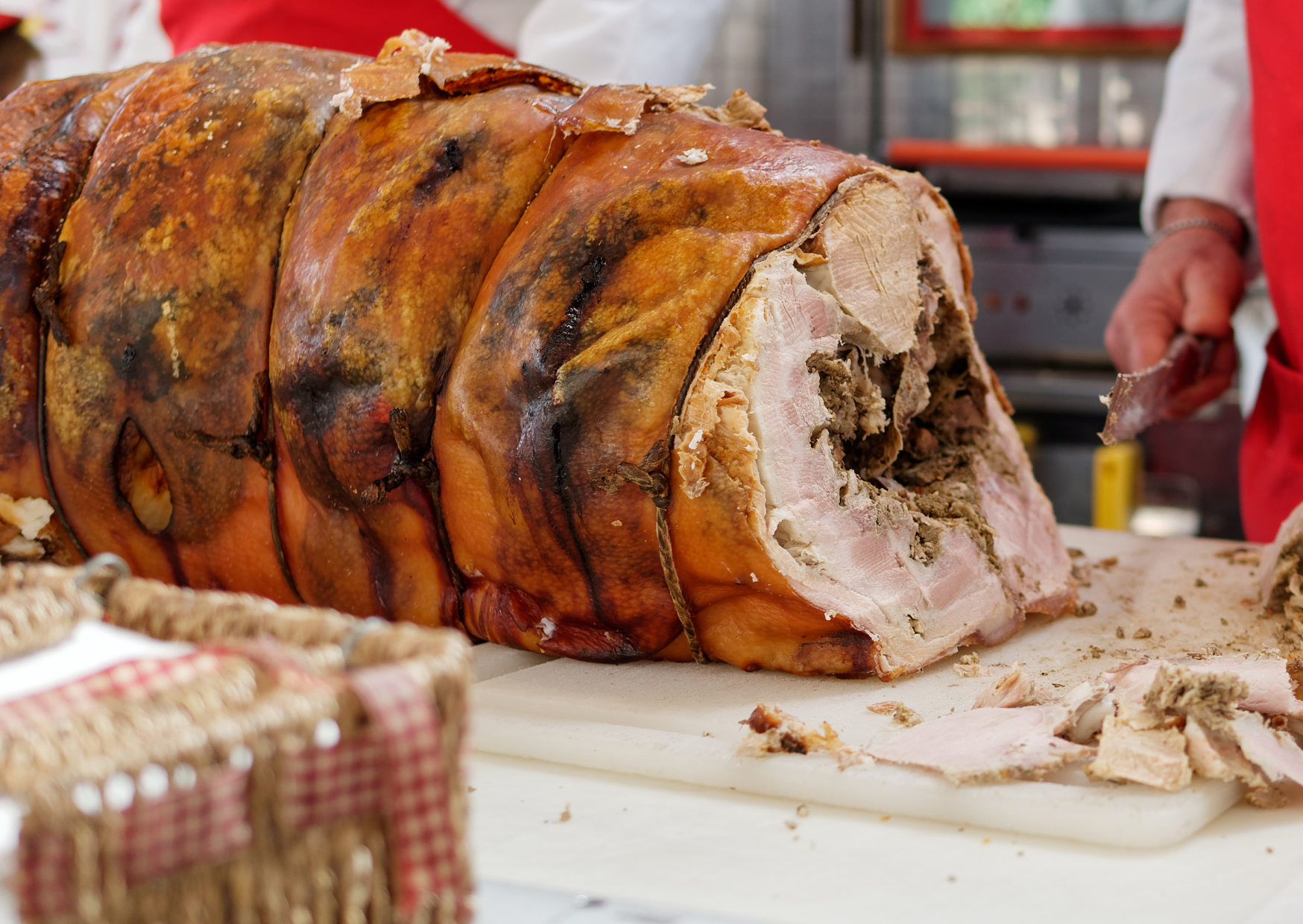
Six hours in a low oven turns a cheap, stubborn cut into Sunday-level meat, and the leftovers behave like a meal plan.
This is the kind of dinner Europeans quietly build their weeks around.
Not “quick,” not “healthy,” not “high-protein,” not whatever the internet is yelling today. Just a big, forgiving cut of pork that you salt, park in the oven, and forget about while life happens around it.
When Americans move for the food, they expect the romance to come from restaurants. The romance actually comes from pots like this. The house smells good. The meat makes its own sauce. Lunch tomorrow is handled. You stop negotiating with your fridge like it’s a hostile coworker.
Also, yes, the €8 part can be real, but only if you define it honestly. In Spain in December 2025, there were supermarkets listing fresh pork shoulder cuts around €4.99 to €5.49 per kg. A 1.6 kg piece can land right around €8 for the pork itself. The full pot, once you add onions, herbs, and a splash of wine, usually lands closer to €12–€16. Still, for 8 portions, it’s absurd value.
And the best part is that it doesn’t demand your attention. The whole method is slow heat and patience. You do a little setup, then you go live your life.
The Italian logic behind this kind of pork
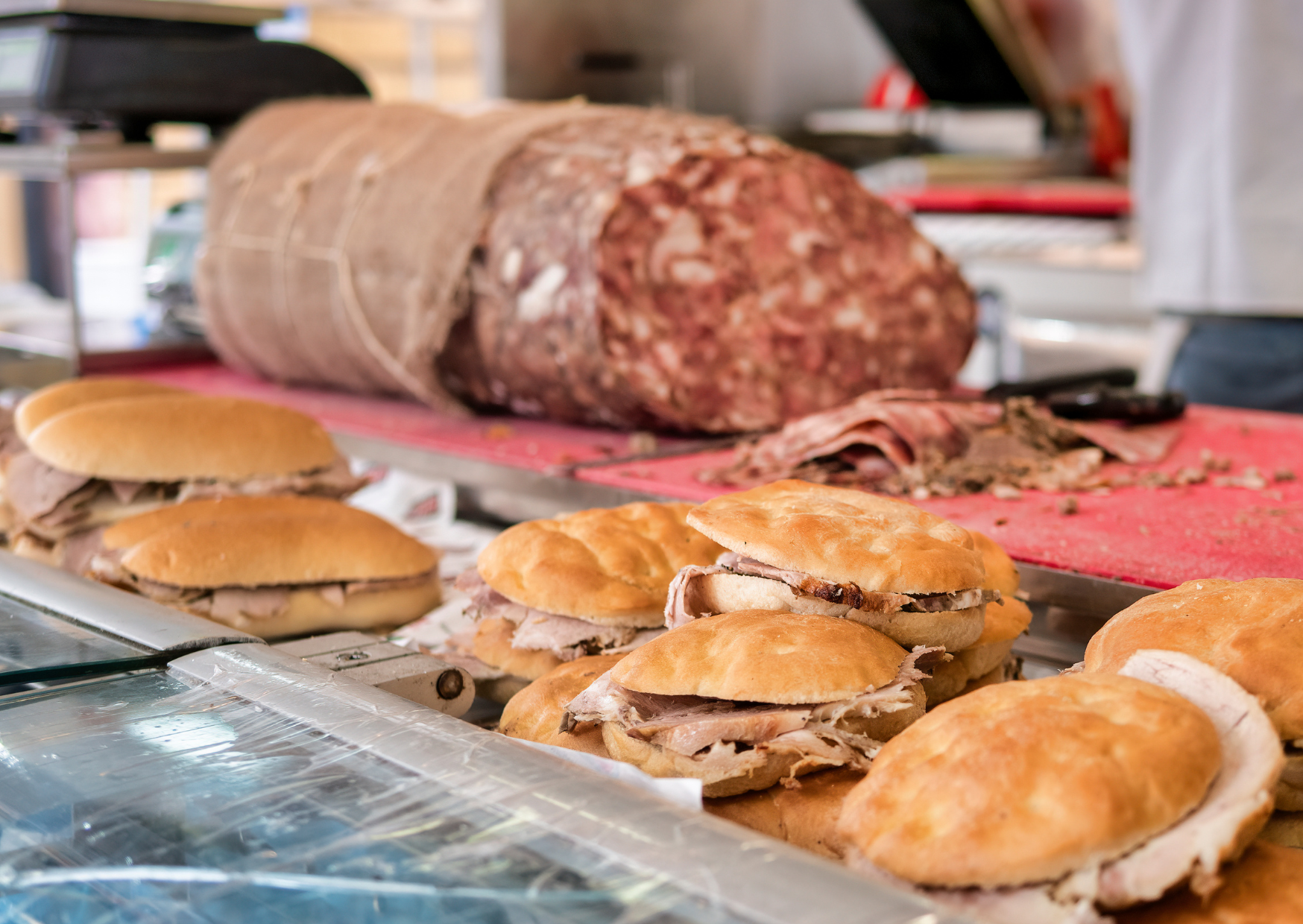
Italian home cooking has a certain stubborn wisdom. It doesn’t ask you to perform. It asks you to repeat.
Big cuts, simple aromatics, and time. That’s the trifecta. The flavors aren’t complicated, but they’re layered. Garlic doesn’t scream, it melts. Rosemary doesn’t decorate, it perfumes. Wine isn’t there to taste like wine, it’s there to make the meat taste like itself, only richer.
Americans often treat pork shoulder like a barbecue identity. In Italy, the same cut is treated like a practical tool. It’s what you cook when you want a calm table with minimal drama. It’s also what you cook when you want leftovers that do not feel like punishment.
The other Italian trick is accepting that the main meal is not always the thing you eat at night. Sometimes the big pot is made on a weekend afternoon, and the real payoff is lunch the next day. Lunch is value, dinner can be smaller, lighter, and less expensive because the heavy work was done earlier.
If you live in Spain like we do, this style fits perfectly. It matches the rhythm here too: markets, long lunches, and the idea that the kitchen is allowed to run in the background while you do other things.
So the “Italian” part of this dish isn’t a specific regional sauce you need to memorize. It’s the attitude: meat plus aromatics plus time, and you stop trying to rush it.
The cut to buy in Spain, and how €8 happens without lying
You want pork shoulder, but in Spain you’ll usually see it in a few forms: paleta fresca (shoulder), aguja (shoulder/neck area), sometimes boneless, sometimes with a bit of bone.
For this recipe, aim for 1.6 to 2.2 kg. Bigger is easier, because it’s harder to dry out, and you get leftovers that feel like a reward.
Here’s how the €8 headline can be true in real life: if you catch fresh shoulder around €4.99 per kg, a 1.6 kg piece is basically €8. If it’s €5.49 per kg, you’re closer to €8.80. Still fine. Still ridiculous for what it becomes after six hours.
Two buying rules that save you:
- Pick a piece with some fat. Fat is insurance in a long braise.
- Avoid ultra-lean “pretty” pieces. Shoulder is supposed to look a little chaotic.
If you can choose bone-in versus boneless, bone-in can taste deeper and stay juicier, but boneless is easier to slice and portion. Both work. What matters more is size and fat.
If you’re feeding people who want a cleaner bite, you can trim the hard outer fat cap slightly, but don’t go crazy. This recipe is not asking for diet food. It’s asking for meat that turns tender and glossy.
And don’t overthink the Italian angle. Italians aren’t importing special pork. They’re using what they have. If you’re in Spain, buy the best shoulder you can afford, salt it properly, and let the oven do the work.
The recipe
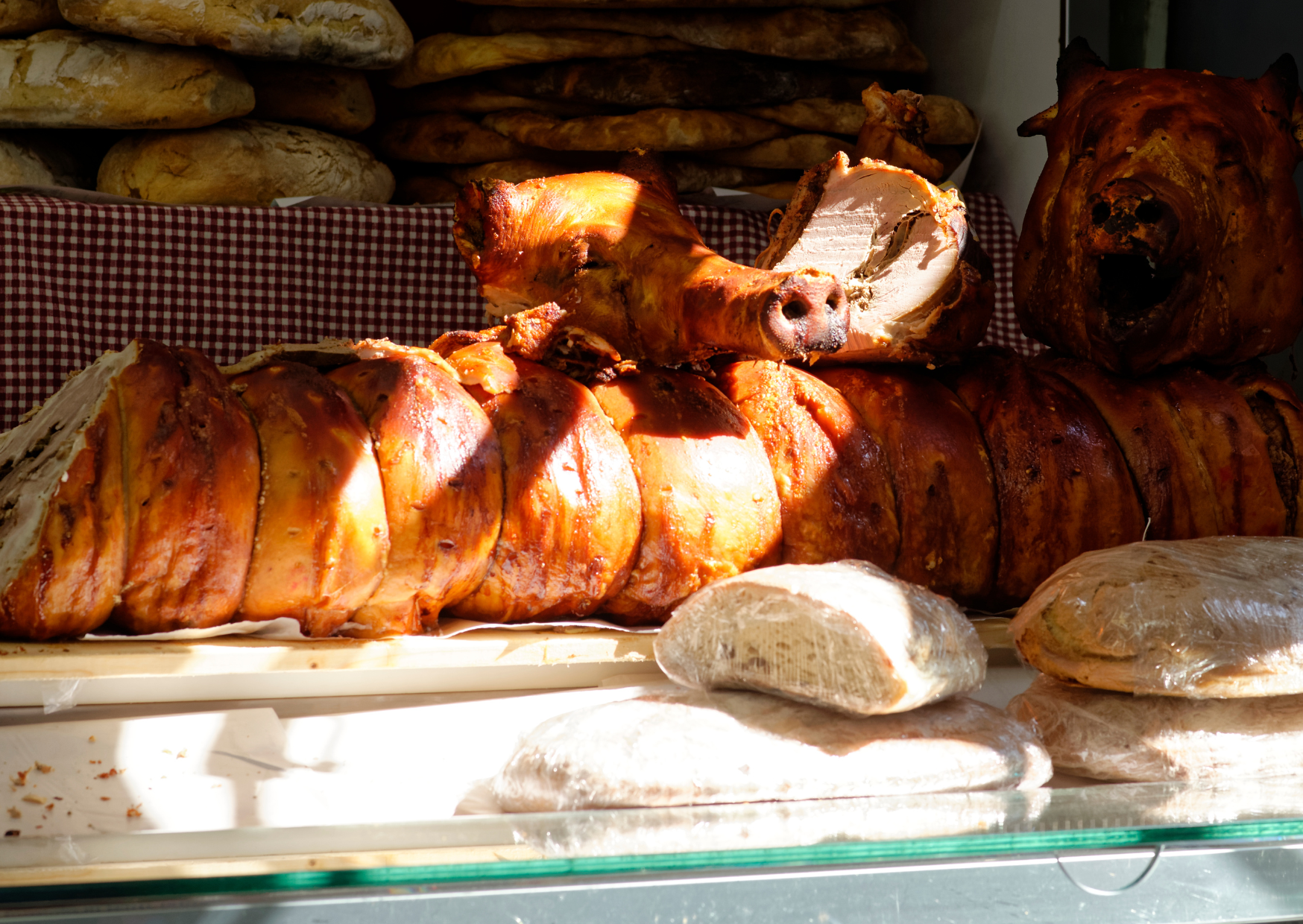
This is the version that works in a normal apartment kitchen, with a normal oven, and normal Spanish supermarket ingredients.
Servings and timing
- Serves: 8 (or 6 if people are hungry)
- Prep time: 20 minutes
- Active time: 25 to 35 minutes
- Oven time: 6 hours
- Rest time: 20 minutes
- Total: about 6 hours 40 minutes
- Storage: 4 days refrigerated
- Freezer: 3 months, portioned with sauce
- Oven temperature: 150°C (300°F)
Equipment
- Heavy Dutch oven or deep roasting pan with a tight lid
- Tongs
- Small bowl for seasoning paste
- Instant-read thermometer (recommended)
Ingredients
- Pork shoulder, 1.8 kg (about 4 lb)
- Salt, 18 g (about 1 tbsp)
- Black pepper, 2 tsp
- Garlic, 8 cloves, smashed
- Onion, 2 large (about 400 g), thick slices
- Carrots, 2 (about 200 g), chunks (optional but great)
- Fresh rosemary, 3 sprigs (or 2 tsp dried)
- Bay leaves, 2
- Tomato paste, 2 tbsp (30 g)
- White wine, 250 ml (1 cup)
- Chicken or pork stock, 500 ml (2 cups)
- Olive oil, 2 tbsp (30 ml)
- Lemon peel, 2 strips (optional, but very Italian in spirit)
- Chili flakes, 1/2 tsp (optional)
Method
- Heat oven to 150°C (300°F).
- Pat pork dry, then rub all over with salt and pepper. Let it sit 10 minutes while you prep veg. Dry surface browns better.
- Heat olive oil in your pot over medium-high. Brown the pork 3 to 4 minutes per side. This is not for perfection, it’s for flavor.
- Drop heat to medium. Add onions (and carrots if using). Stir 3 minutes until glossy. Add tomato paste, stir 1 minute.
- Pour in wine, scrape the bottom, simmer 2 minutes. Add stock, garlic, rosemary, bay, lemon peel, and chili if using.
- Return pork to the pot. Liquid should come about one-third to halfway up the meat. Cover tightly.
- Braise 6 hours in the oven. Do nothing. Check once at the 4-hour mark, just to make sure liquid is still present. Add a splash of water if needed. Low and slow is the whole point.
- Rest 20 minutes, then slice or shred.
Temperature note: pork is safe at 63°C (145°F) with a rest, but shoulder is happiest when it goes much higher, usually 90 to 95°C (195 to 203°F) if you want pull-apart tenderness. Use the thermometer for confidence, not perfection.
The shopping list you can actually take to the store
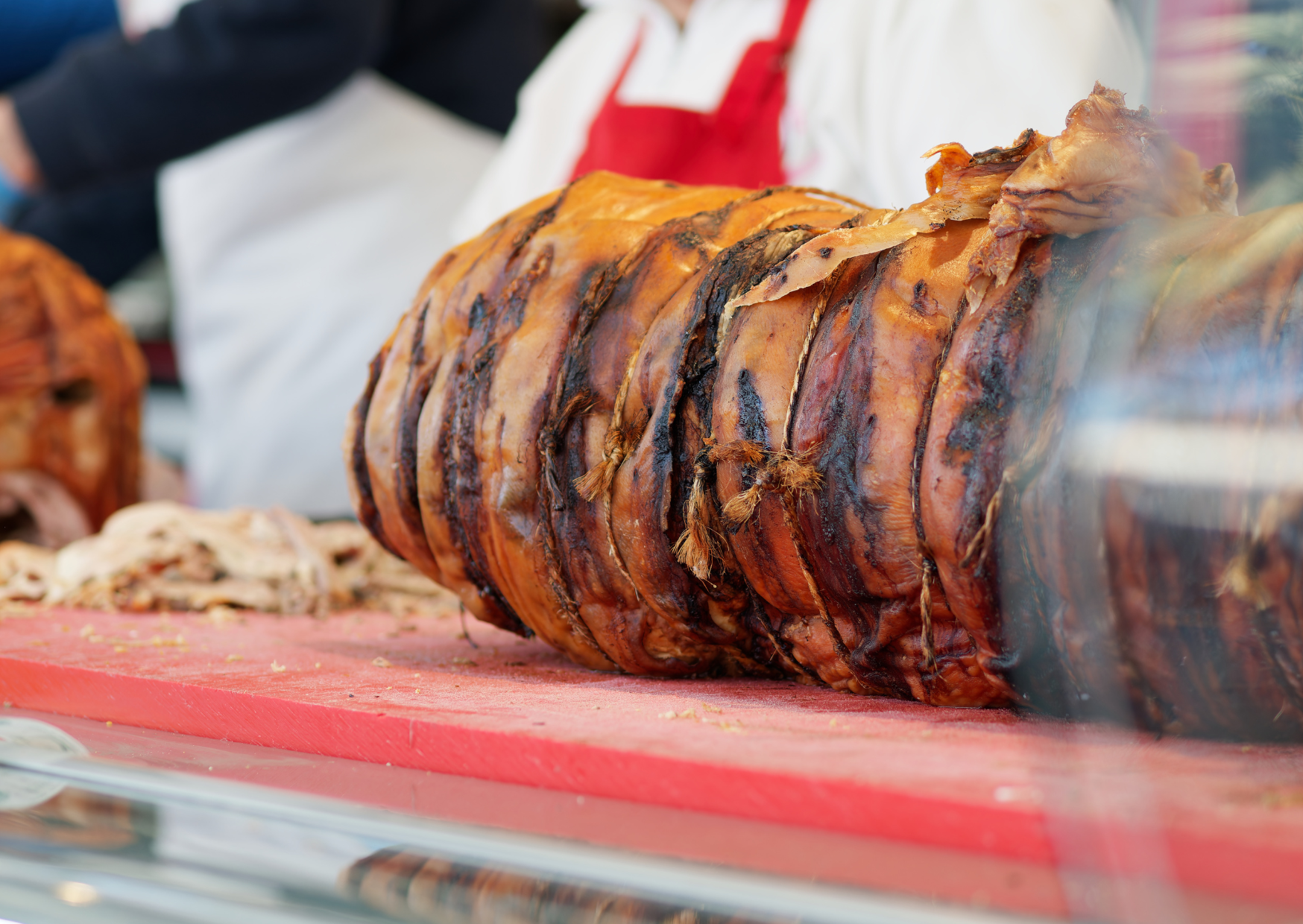
If you want this to feel easy, don’t improvise at the supermarket while hungry. That’s where budgets go to die.
Buy:
- Pork shoulder or aguja, about 1.8 kg
- 2 large onions
- Garlic
- Rosemary and bay (fresh or dried)
- Tomato paste
- A basic white wine you’d drink
- Stock cube or boxed stock
- Optional carrots and one lemon
That’s it. Boring groceries, serious result.
If you’re trying to keep the “€8 feeds 8” vibe honest, spend the money on the pork and keep everything else pantry-level. The wine does not need to be special. The stock does not need to be artisanal. This dish is built to be forgiving.
How to make it taste Italian, not just “soft pork”
Here’s what separates “tender meat” from “Italian Sunday energy.”
First, rosemary. Use enough that you can smell it when you open the lid, but not so much that it tastes like you licked a shrub. Two or three sprigs is the sweet spot for a 2 kg pot.
Second, acidity. Italian braises often have a quiet acidic note that keeps the richness from feeling heavy. That can be wine, a strip of lemon peel, or both. Lemon peel sounds small, but it changes the finish. It makes the sauce feel brighter without making it taste like lemon.
Third, the onions. Don’t rush them. Thick slices that slowly collapse into the sauce are part of the texture. They’re also the reason you can make a sauce without flour. Onions become sauce if you let them.
Fourth, salt at the end. Long braises mellow salt perception. Taste the sauce after the pork rests and adjust. This is where the dish goes from “good” to “why is this so good.”
Serving matters too. If you put this on a plate alone, it can feel like meat in gravy. If you serve it with polenta, potatoes, or bread, it becomes a proper table dish. Italians are good at giving sauce a job, not letting it sit there like a puddle.
And if you want it to feel more Italian without being fussy, do one more tiny move: chop parsley and sprinkle it on top. Not for garnish, for freshness. Fresh herbs reset the whole bite.
The calendar that makes a 6-hour braise feel effortless
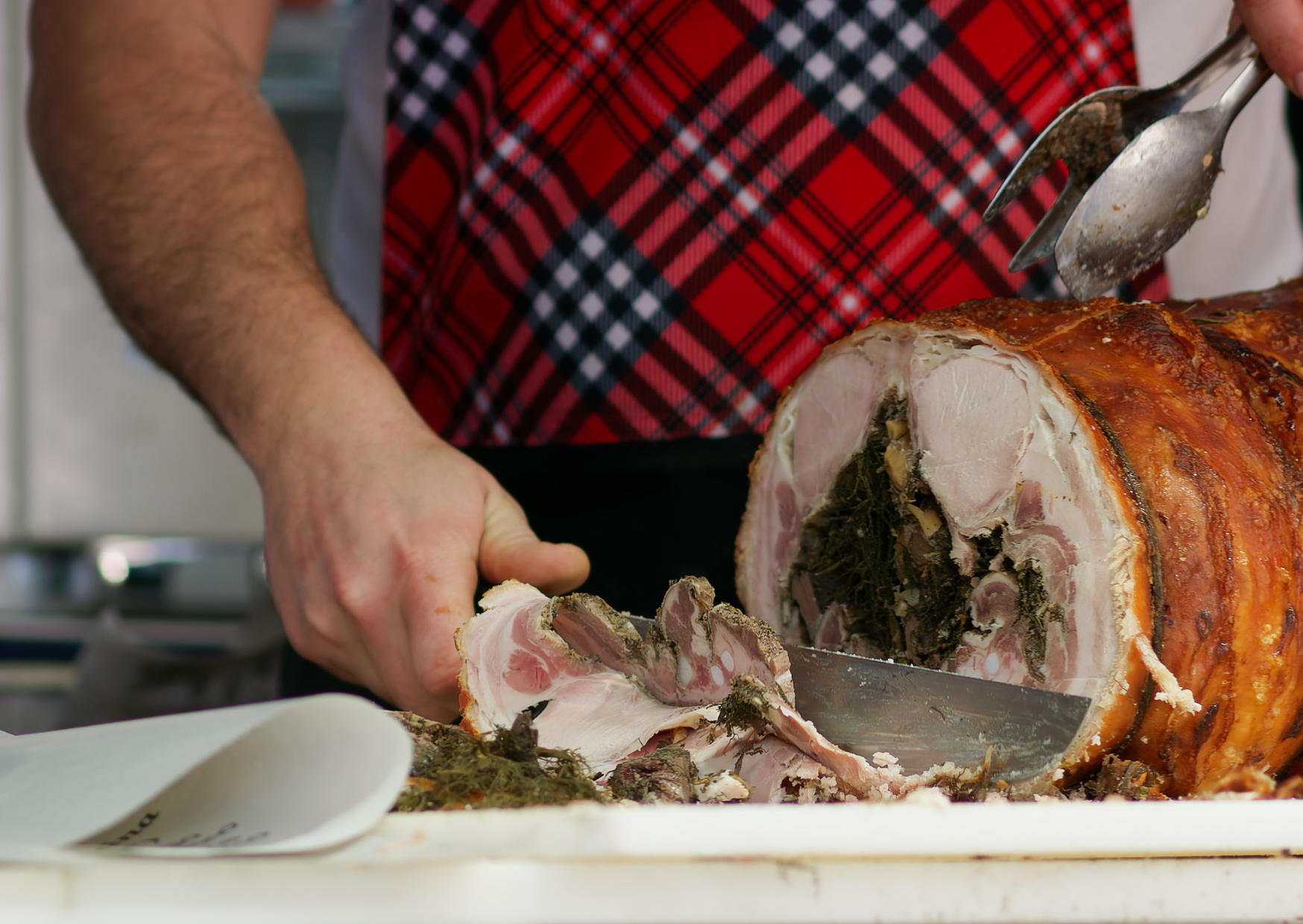
This is a recipe for people who think they “don’t have time to cook.” You do. You just don’t have time to stand at a stove for an hour on a Tuesday.
Here’s how this actually fits a normal weekend.
Start it at 10:30 or 11:00. The browning and setup is done by 11:30. The oven does the rest while you do laundry, go for a walk, meet someone for coffee, or just sit on the sofa like a person.
By late afternoon, you have a house that smells like you planned your life.
This is where the European rhythm quietly beats the American rhythm. You don’t need willpower. You need timing. Timing beats willpower because your future self is always tired, and future tired you deserves a plan.
If you’re in Spain, the schedule gets even easier: the long, slow cook aligns with late lunch culture. You can eat the main meal at 3:00, then keep dinner simple.
Also, this dish makes the next week cheaper because it’s reusable protein with built-in sauce. That matters more than the headline price. The way people save money in Europe is not one magical cheap grocery run. It’s having cooked food ready so you don’t spend on “we’re too tired” solutions.
So treat this like a weekly anchor. One pot, one afternoon, and suddenly your Monday and Tuesday are already handled.
The mistakes Americans make with this kind of dish
Most failures come from trying to make it faster.
Mistake 1: Cooking too hot
If you crank the oven, you’ll dry the exterior before the collagen has time to melt. You want gentle heat and patience. Low heat wins.
Mistake 2: Skipping browning
You can, but it won’t taste like much. Browning is the difference between flat sauce and deep sauce.
Mistake 3: Not using enough salt
Big cuts need real seasoning. If you under-salt, you’ll try to fix it later and it never quite lands.
Mistake 4: Using a cut that’s too lean
Loin is not shoulder. Loin is quick roast territory. Shoulder is braise territory.
Mistake 5: Letting the pot go dry
Check once during cooking. If your lid isn’t tight, add a splash of water or stock. A dry pot makes bitter sauce.
Mistake 6: Slicing too soon
Resting is not a chef ritual, it’s physics. Let it rest. Then slice. Resting keeps it juicy.
Mistake 7: Treating leftovers like an afterthought
This is where the value is. If you only plan one dinner, you’ll feel like six hours was a lot. If you plan three meals, you’ll feel like you hacked your week.
Leftovers and a 7-day plan that makes this worth the effort
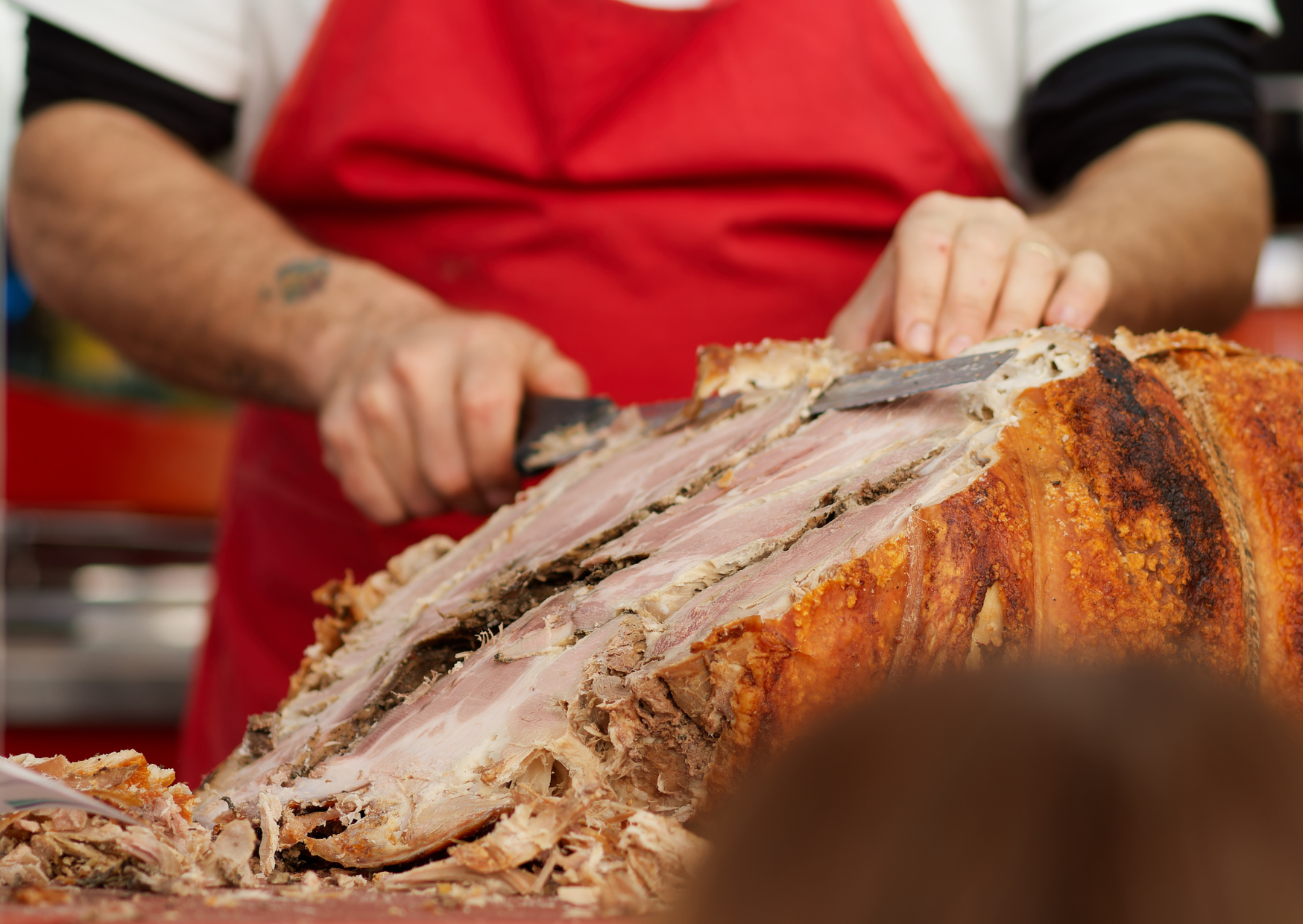
This is the part that turns the dish from “nice Sunday dinner” into a real-life system.
Day 1: Big dinner
Serve with polenta, mashed potatoes, or crusty bread. Save sauce.
Day 2: Sandwiches that taste unfair
Shred pork, warm it in sauce, pile into bread with something sharp like pickles or mustard.
Day 3: Pasta night
Toss shredded pork and sauce with pasta. Add parsley and black pepper. It turns into a ragù without the work.
Day 4: Rice bowl lunch
Rice, pork, a simple salad. Squeeze lemon. The acidity makes it feel fresh.
Day 5: Soup shortcut
Add stock to leftover sauce, throw in beans or chickpeas, simmer 15 minutes, then add pork at the end.
Day 6: Crispy bits
Pan-fry shredded pork until edges crisp, then eat with a fried egg and something green. Crisp edges make leftovers feel new.
Day 7: Freeze portions
Freeze in meal-sized containers with sauce. Future you will feel rich.
Storage notes: keep meat in sauce so it doesn’t dry out. Reheat gently, don’t boil it hard.
Substitutions: if you don’t want wine, use extra stock plus a splash of vinegar or lemon. If you want deeper flavor, use half white wine and half dry vermouth. If you want more heat, add chili flakes or a spoon of nduja if you can find it, but keep it restrained.
This is what Italian-style home cooking teaches you: you don’t cook to impress. You cook to make tomorrow easier.

About the Author: Ruben, co-founder of Gamintraveler.com since 2014, is a seasoned traveler from Spain who has explored over 100 countries since 2009. Known for his extensive travel adventures across South America, Europe, the US, Australia, New Zealand, Asia, and Africa, Ruben combines his passion for adventurous yet sustainable living with his love for cycling, highlighted by his remarkable 5-month bicycle journey from Spain to Norway. He currently resides in Spain, where he continues sharing his travel experiences with his partner, Rachel, and their son, Han.