
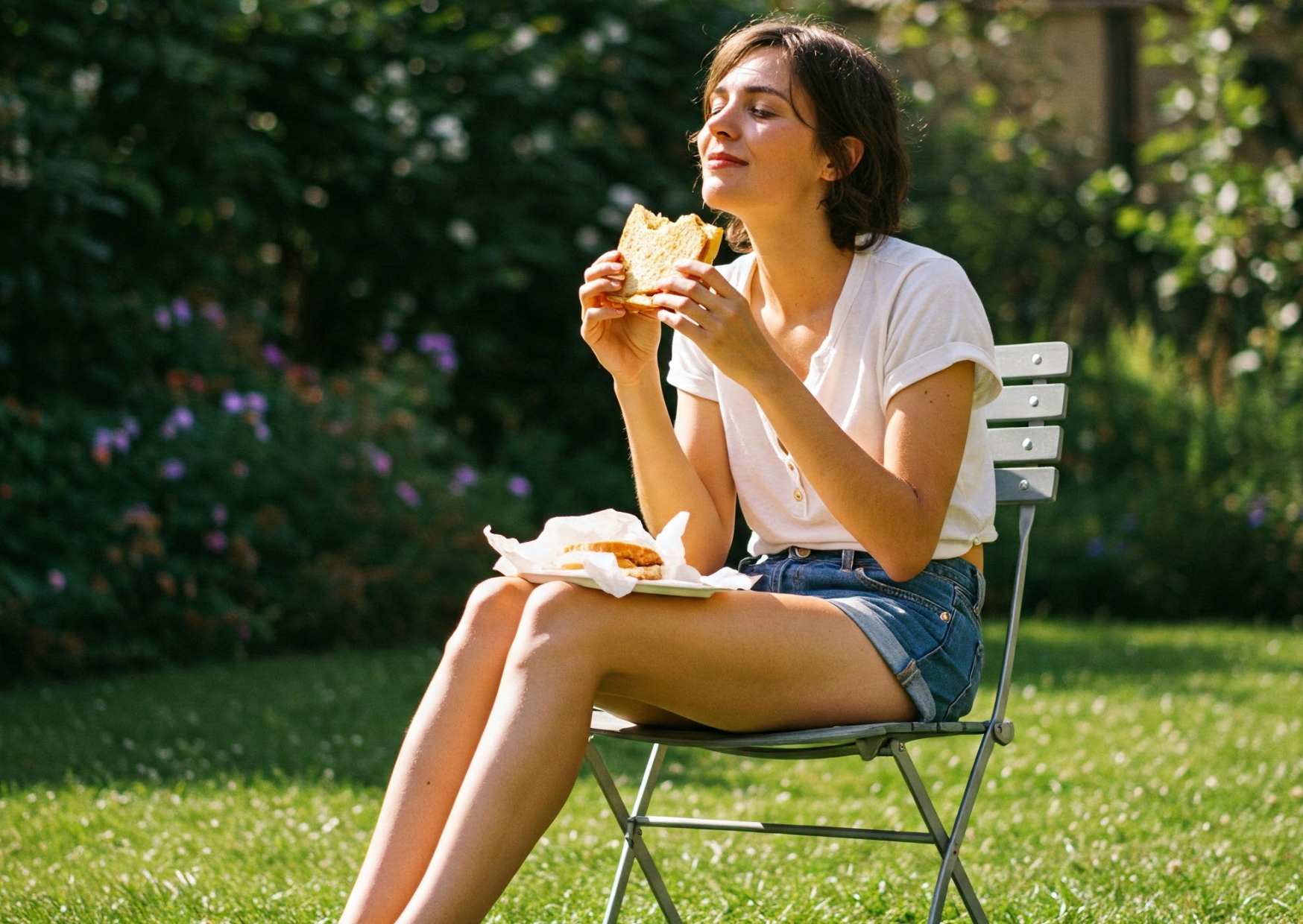
No macros, no apps, no cheat days. I copied a simple French rhythm I kept seeing in Paris and Lyon: a light start, a real lunch that carries the day, and a small early dinner that feels like a period, not a performance. Thirty days later the scale read 17 pounds down, clothes fit like they used to, and the 9 p.m. kitchen wander just stopped happening. It was not discipline. It was timing and sequence.
What follows is exactly how to run it, with the boring parts that make it work. If you want a trick, this is not it. If you want a routine that makes appetite quiet, keep reading. You change the clock, the clock changes the hunger.
What the “two-meal rule” actually means
French families do not eat like nutrition posters. They eat like people with jobs and kids. The two-meal rule is not intermittent fasting cosplay. It is a light morning start, a proper lunch in daylight, and a small early dinner that respects sleep. Coffee happens, bread exists, there is dessert sometimes, but everything lives in a sequence that keeps the day calm.
- Morning, light and fast: coffee after water, a yogurt or an egg or a slice of bread with a little butter and jam. Sometimes just the coffee. You are not trying to be hungry, you are trying to be steady.
- Lunch, the main event: soup first, a real plate next, fruit last. Sit down. When lunch carries the day, evenings stop auditioning for attention.
- Dinner, small and early: broth or soup, vegetables, a small protein if needed, and done. Sleep begins at dinner, not at bedtime.
No counting. No heroics. Sequence is the rule.
Quick and Easy Tips
Make the two meals substantial and balanced so you’re not tempted to compensate later.
Drink water or unsweetened coffee or tea between meals instead of grazing.
Keep meal times consistent to help your body anticipate and regulate hunger.
In the U.S., skipping meals is often framed as unhealthy or extreme. In France, structured eating is seen as protective. The difference lies in intention. The two-meal rule isn’t about restriction, but about eliminating constant intake.
Another uncomfortable truth is how much weight gain comes from snacking rather than meals. The French approach quietly removes that variable without labeling snacks as “bad.” When snacking disappears, calorie intake often drops naturally.
There’s also resistance to the idea that counting isn’t necessary. Many people believe weight loss must involve numbers to work. This rule challenges that belief by showing how behavior changes can regulate intake without math.
What makes this controversial is that it removes control from apps, trackers, and external rules and returns it to routine. For people conditioned to monitor every bite, trusting structure instead of tracking feels risky even when the results are undeniable.
Why it works when nothing else does
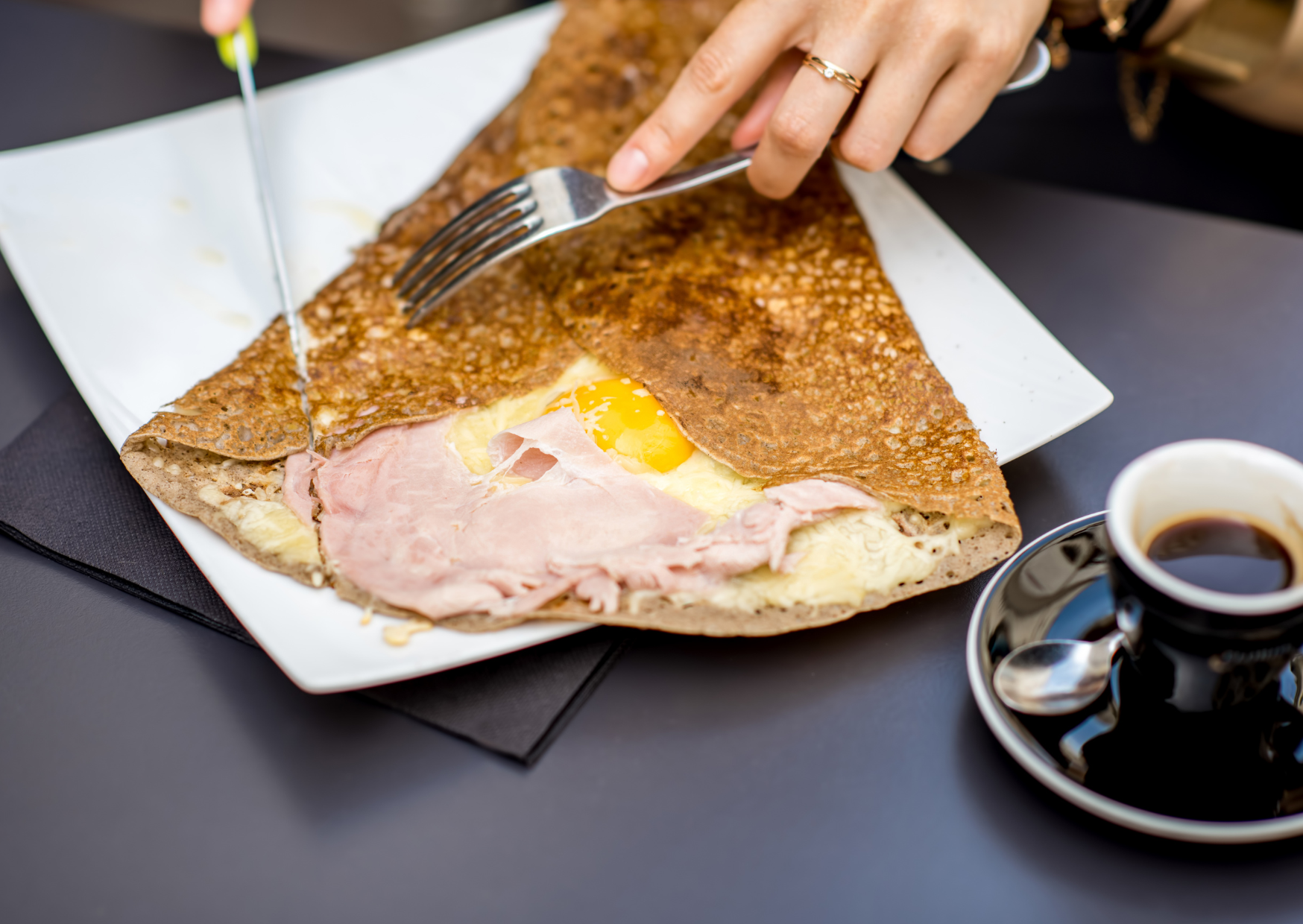
Most plans try to move willpower. This one moves the clock. Three mechanisms do the heavy lifting.
- Daylight digestion
You put the heaviest work in the sun. Your body handles calories better earlier, which quietly flattens the afternoon crash. Less crash, fewer snack negotiations. - Closure rituals
Soup first, fruit last, then a ten minute walk. Each step tells the brain the meal is over, so your appetite is not still talking at 21:00. You do not need motivation when your brain has a script. - Sleep protection
Small, early dinners mean your nervous system comes down on schedule. Heavy late meals steal sleep, then you chase energy with sugar, then the next day is lost. Fix the night and the next day behaves.
Timing is medicine you already own.
The numbers I tracked, and what changed
I kept it boring and measurable. Morning weigh-in, waist once a week, a three word note about sleep and hunger.
- Weight: 17.0 pounds down by day 30
- Waist: 4.2 inches down
- Average sleep: from 6 hours 20 minutes to 7 hours 15, fewer wake-ups
- Heartburn: gone by week two
- 4 p.m. crash: vanished after day seven
None of this required a new identity. It required moving lunch, shrinking dinner, and walking when the plate went down.
The one page rules that ran the month
I taped this to the cupboard. It did most of the work.
- Water, then coffee. No breakfast drama.
- Lunch in daylight at least four days a week. Soup first, plate, fruit last.
- Walk ten minutes after warm meals. Any direction.
- Dinner small and early, aim to finish by 19:30.
- Screens away by 21:30 twice a week to protect sleep.
- No snacks between meals unless you are shaky. If you are, eat fruit or yogurt and adjust lunch tomorrow.
- Restaurant rule: oil and lemon for salads, dessert at lunch only.
Change the day, not your character.
The two-week ramp that made it effortless
You do not need a perfect Monday. You need two steady weeks. Here is the exact ramp I used.
Week 1, install the shape
- Day 1: make a pot of vegetable soup for four lunches. This is your starter.
- Day 2: move lunch to 12:30, eat seated, fruit last.
- Day 3: walk ten minutes after lunch and dinner.
- Day 4: light dinner. Soup, egg, salad. Bed by 22:30.
- Day 5: repeat Day 2 and 3.
- Day 6: restaurant lunch, not dinner. Ask for oil and lemon.
- Day 7: small Sunday dinner, phone in a drawer at 21:30.
Week 2, reinforce and remove noise
- Make soup again. Add a beans lunch one day.
- Four daylight lunches minimum.
- Dessert lives at lunch, fruit most days, a real dessert once.
- Dinner ends by 19:30 five nights.
- Buy fruit for the table, not candy for the drawer.
- Keep the walks even if it rains. Umbrella solves it.
By day ten your evenings will be quiet. Quiet is the result you are actually chasing.
The French plate, translated to a normal kitchen
You do not need a cookbook. You need four repeatable lunches and four easy dinners that taste like food your grandparents would recognize.
Lunches, all serve two and cost like normal life
1) Soup and Hake With Potatoes
- Vegetable purée soup first.
- Pan-sear hake or cod in olive oil, 3 to 4 minutes per side. Boiled potatoes with parsley and lemon.
- Finish with a bitter salad, oil and vinegar, and fruit last.
Why it works: fat plus acid equals satiety, soup slows you down.
2) Lentil Salad Plate
- Cook lentils in salted water with a bay leaf.
- Toss warm with tomato, red onion, parsley, olive oil, sherry vinegar, salt.
- Add a boiled egg or a hunk of feta. Fruit last.
You get protein, fiber, and a finish that tells your brain the story is over.
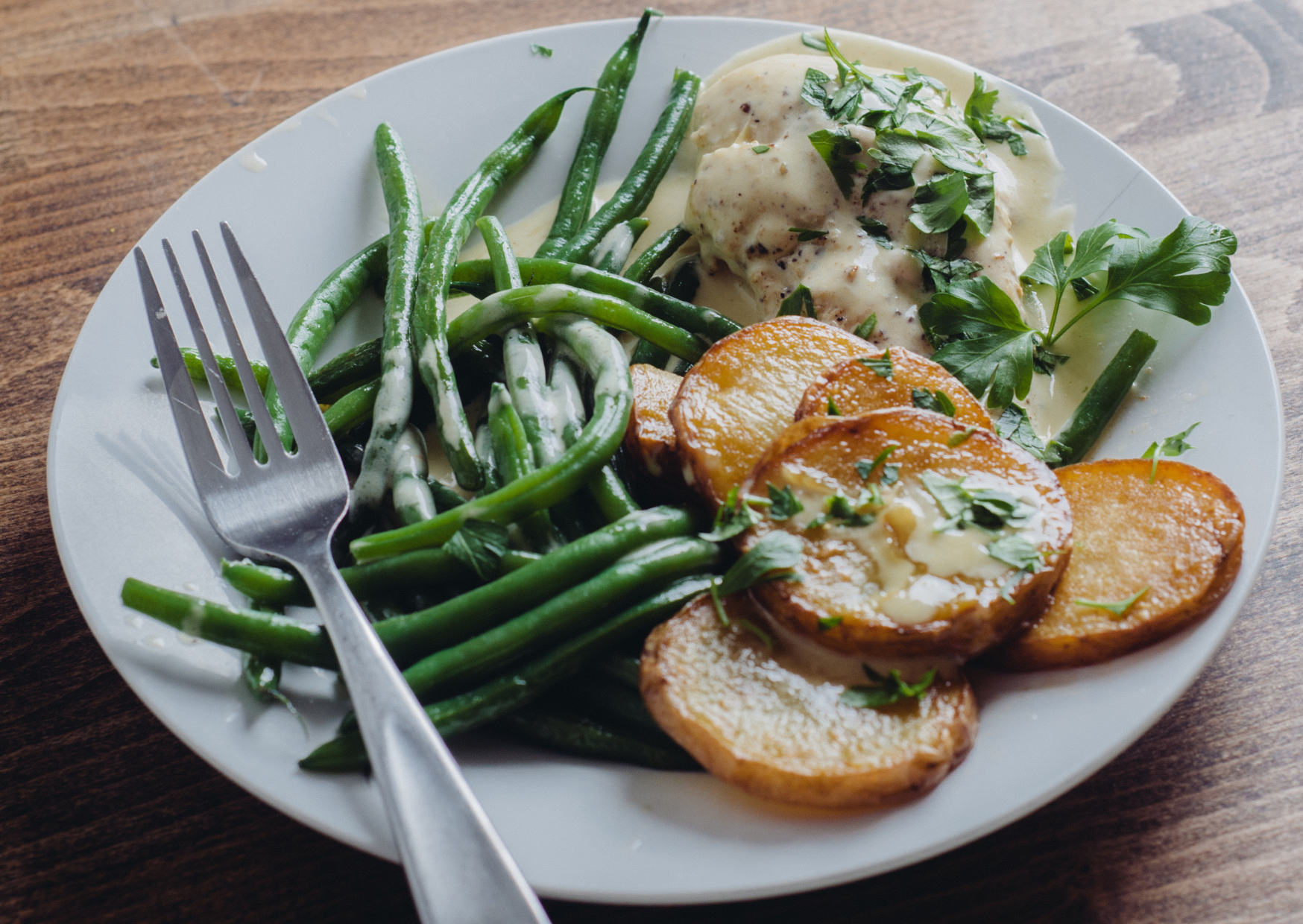
3) Chicken Thigh and Green Beans
- Roast thighs with salt and paprika.
- Blanch or sauté green beans with garlic and olive oil.
- A slice of bread if you want it. Fruit last.
Greens and oil end hunger, bread becomes decoration, not a crutch.
4) Sardines on Toast With Tomato
- Toast two good slices, rub with tomato or lay slices.
- Sardines in olive oil, lemon, pepper.
- Simple salad on the side, fruit last.
Omega-3 and acid calm appetite and mood.
Dinners, small and early
A) Vegetable Soup and Omelet
- Bowl of soup.
- Two-egg omelet with herbs and a handful of greens.
Small, warm, done.
B) Tomato-Cucumber Salad and Yogurt
- Tomatoes, cucumber, onion, olive oil, vinegar, salt.
- Bowl of yogurt with a drizzle of honey.
Dinner becomes a tidy afterthought.
C) Beans With Garlic and Lemon
- Warm chickpeas in olive oil with garlic, lemon, parsley.
- A few olives.
Fiber and fat carry you to morning.
D) Broth and Potatoes
- Clear broth with carrots and celery.
- Boiled potatoes with a small pat of butter and chives.
Sleep arrives on time.
Repeat favorites, not performances.
The grocery list that removed excuses

If these live at home, the rule runs itself.
- Olive oil, lemons, sherry or wine vinegar, Dijon
- Onions, garlic, potatoes, carrots, celery, tomatoes, cucumbers
- Leafy greens, green beans, fennel or endive
- Eggs, chicken thighs, hake or cod, sardines in olive oil
- Lentils, chickpeas, rice, a decent loaf
- Plain yogurt, fruit for the table
- Salt, pepper, paprika, bay, parsley
Short labels. Real food. When your kitchen is stocked, your calendar eats less money.
A 30-day timeline you can expect
You will not feel the same every week. That is fine. Here is the rough arc.
Days 1 to 5
Water weight moves. Evenings feel calmer. You miss late snacks by habit, not by need. Drink water, keep the walks.
Days 6 to 10
Sleep gets heavier, appetite organizes. If you are hungry at 16:00, your lunch was too light or too fast. Add a boiled potato or an egg to lunch tomorrow.
Days 11 to 15
First social tests. Say yes to a restaurant lunch, keep dinner small. Dessert belongs at lunch, not at night.
Days 16 to 21
Clothes loosen. You will feel like adding rules. Do not. Consistency beats novelty.
Days 22 to 30
Scale slows, inches keep moving. Small dinners feel normal. You are running a rhythm, not a sprint.
Edit lunch before you blame dinner.
Eating out without breaking the rule
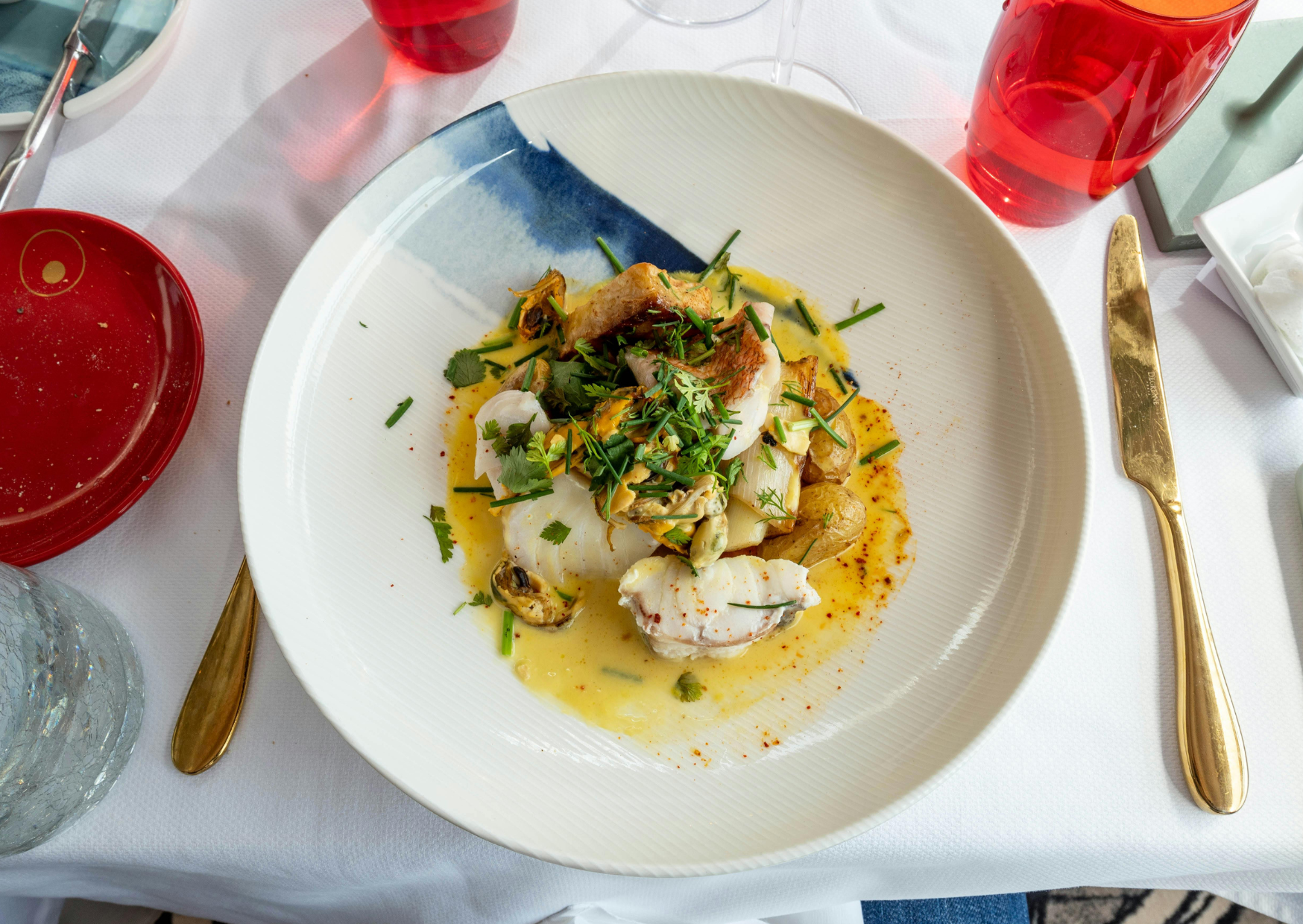
You can have friends and still lose weight. Use a few sentences that work anywhere.
- “We are doing the big meal at lunch.”
- “Salad with oil and lemon, main plate, fruit or one dessert to share.”
- “Dinner will be small at home.”
If the waiter pushes desserts at night, say yes once a week, then go back to fruit at lunch. One sweet at noon is calm, the same sweet at 22:00 is chaos.
Common mistakes, simple fixes
Mistake 1: breakfast turns into a second lunch
You make an omelet and toast and call it a “light start.” Fix it: one simple item only. Yogurt or an egg or a slice of bread. Done.
Mistake 2: lunch without fat
You eat leaves and air, then hunt at 16:00. Fix it: use olive oil like a condiment. Fat is not the enemy, noise is.
Mistake 3: late dinner by accident
Meetings, errands, kids. Fix it: keep soup in the fridge and bread on the counter. Eat a bowl and sleep. Small and early beats perfect and late.
Mistake 4: no walk
You sit after hot food and then you crash. Fix it: ten minutes, any direction. Movement is the closure ritual.
Mistake 5: snacking by fear
You snack because you are worried you might be hungry later. Fix it: trust tomorrow’s lunch. If you truly need something, eat fruit, then adjust lunch next time.
Fix sequence, not personality.
Why fruit at the end matters more than you think
Ending meals with fruit looks quaint. It is a signal. Sweetness tells your brain the story is finished, acid cleans up the palate, and water in the fruit slows any remaining hunger. The result is fewer evening raids, better sleep, and a cheaper grocery bill. You can make complicated desserts on weekends, but the daily default is an orange, a pear, or whatever is in season.
Dessert at lunch ends the day, dessert at night begins another one.
The light breakfast that does not backfire
If you do want breakfast, keep it quick and quiet. These are all one item, not a menu.
- Yogurt with a teaspoon of honey
- One egg, cooked any way
- A slice of bread with a little butter and jam
- Fruit, then coffee
Coffee after water, not before. Caffeine works better when you are not dehydrated.
The ten minute walk that actually happens
People fail here because they imagine a workout. The rule is smaller. Put on shoes, leave the house, walk five minutes, turn around. You can do it with a child, with a call, with a neighbor, or alone. If you ate a warm meal, you walk. The effect is ridiculous for the time spent. Glucose goes where it belongs, mood steadies, and you stop bargaining with snacks.
Movement is punctuation.
A week of plates you can copy without thinking
Here is a realistic rotation. Portions are human. Fruit ends lunch every day.
Monday
- Lunch: vegetable soup, hake with potatoes, bitter salad, orange
- Dinner: omelet with herbs, tomato salad
Tuesday
- Lunch: lentil salad with egg, endive and walnut, pear
- Dinner: broth, toast, yogurt
Wednesday
- Lunch: chicken thigh, green beans, small bread, apple
- Dinner: chickpeas with lemon and parsley
Thursday
- Lunch: sardines on toast with tomato, cucumber salad, grapes
- Dinner: vegetable soup, small baked potato with chives
Friday
- Lunch: tomato-lentil soup, small pasta with olive oil and Parmesan, clementines
- Dinner: fennel and orange salad, a little cheese, early
Saturday
- Lunch out: grilled fish, potatoes, side salad, shared dessert
- Dinner: broth or skip, early bed
Sunday
- Lunch: roast chicken, carrots, salad, fruit
- Dinner: vegetable soup, tea, quiet
remember: repeat the meals that make your evenings calm.
Cost reality, because budgets exist
Moving the main meal to lunch shifts spending in your favor.
- Soup for four lunches: 6 to 9 euros or similar dollars
- Two fish lunches at home: 10 to 14 total
- Beans, eggs, vegetables: the cheapest calories with the most satiety
- Dessert at lunch: fruit for the table, not packaged sweets at night
Two restaurant dinners replaced by one restaurant lunch and one small home dinner is often 50 to 90 saved per week. The money matters, but more important is what it does to your nights.
“But I train at night” and other objections
“I work out after work.”
Great. Eat lunch like a king, have a small pre-workout snack if needed, then a light protein soup after. Training does not require a heavy dinner.
“I cannot eat lunch at a table.”
You can eat soup and a plate from a container at 12:30. If you can scroll, you can sit.
“My family eats late.”
Keep them company and eat small. Bowls of soup, a salad, a little cheese. You do not need to match portions to belong.
“I travel for work.”
Make lunch your big meal on the road. Ask for oil and lemon, walk after, and eat soup or salad at night. Travel is easier at noon.
“I get hungry in the morning.”
Add a yogurt or an egg and move on. Hunger does not make you a failure. It is a data point for tomorrow’s lunch.
The fridge card you actually use
Write this on paper and tape it near your kettle.
- Lunch is the main meal four days a week, soup first, fruit last.
- Dinner ends by 19:30, small, warm, simple.
- Ten minute walk after warm meals.
- Water before coffee.
- Screens in a drawer two nights per week.
- Weigh in mornings, adjust lunch if afternoons feel noisy.
If the week behaves, keep the card. If it does not, edit lunch, not your spirit.
What changed besides the number on the scale
- Afternoons stopped asking for sugar.
- Sleep arrived when it should without arguing.
- Mood felt steady, not heroic.
- Grocery trips got simpler because ingredients repeated.
- Family dinners became conversations, not logistics.
None of this was dramatic. It was adult. And adult is what works.
Things You Can Do This Week
Make soup tonight, not on a perfect Sunday that never arrives. Choose two lunches you will eat seated in daylight. Put fruit on the table and stop hiding sweets in drawers. Plan a small early dinner for three nights. Walk ten minutes after warm meals. Park your phone by 21:30 twice and go to bed while you still like the day.
If next Thursday feels less hunted and your belt is kinder by the weekend, keep the rhythm. You did not become disciplined. You became scheduled. That is the quiet French trick.
What surprised me most wasn’t the speed of the weight loss, but how calm the process felt. The French two-meal rule didn’t demand willpower, tracking, or constant decision-making. By removing the noise around eating, it created a structure that my body quickly adapted to.
Instead of obsessing over what I couldn’t eat, I focused on eating well twice a day. Meals became intentional rather than reactive, and hunger stopped feeling urgent or emotional. That alone reduced overeating more than any rule I’d tried before.
The biggest change was psychological. When food wasn’t always an option, it stopped occupying so much mental space. I wasn’t “being good” or “cheating” I was just following a rhythm that made sense.
By the end of 30 days, the weight loss felt like a side effect, not the goal. What remained was a routine that felt sustainable, predictable, and surprisingly freeing.

About the Author: Ruben, co-founder of Gamintraveler.com since 2014, is a seasoned traveler from Spain who has explored over 100 countries since 2009. Known for his extensive travel adventures across South America, Europe, the US, Australia, New Zealand, Asia, and Africa, Ruben combines his passion for adventurous yet sustainable living with his love for cycling, highlighted by his remarkable 5-month bicycle journey from Spain to Norway. He currently resides in Spain, where he continues sharing his travel experiences with his partner, Rachel, and their son, Han.