
In the rolling hills of Tuscany, there’s a soup that embodies the heart of rustic Italian cooking: Zuppa di Farro. This hearty, comforting bowl is more than just a meal it’s a tradition that dates back to ancient Rome. Farro, the star ingredient, is a nutty, chewy grain packed with nutrients and revered in Italy for its staying power, flavor, and versatility.
Zuppa di Farro is not flashy. It’s humble, simple, and deeply satisfying just like the rural villages that perfected it over centuries. Made with seasonal vegetables, aromatic herbs, olive oil, and sometimes a bit of pancetta or beans, this soup warms you from the inside out. It’s the kind of dish that invites you to slow down, savor each spoonful, and reconnect with your food.
In this guide, you’ll learn how to make an authentic Tuscan-style Zuppa di Farro using traditional techniques and pantry-friendly ingredients. Whether you’re chasing a taste of Italy or just trying to eat more whole foods, this recipe is a cozy, flavorful way to nourish your body and soul.
Read here best Italian food, vegetarian food in Italy, best drinks in Italy and best breakfast in Italy
Read Here Things to know before visiting Italy and how to buy a sim card in Italy
BOOK YOUR TRAVEL INSURANCE
Two of our favorite travel insurance: Heymondo Vs Safetwing cheapest travel Insurance. You can get for $135 USD your Heymondo Travel Insurance with Heymondo discount code valid for 90 days. Read our full comparison of Genki vs Safetywing Travel Insurance Review and the comparison Heymondo vs Genki
Best Time to Eat and How to Partner
Zuppa di Farro shines brightest in fall and winter, when cooler temperatures call for something warming and wholesome. It’s ideal for lunch or dinner, especially when made ahead it tastes even better the next day after the flavors have had time to deepen and meld.
To complete the meal, serve it with a thick slice of toasted rustic bread, rubbed with garlic and drizzled with extra virgin olive oil. For a heartier spread, pair it with a wedge of Pecorino Toscano or a side of roasted root vegetables. If you’re enjoying it with wine, go for a medium-bodied Chianti or a dry Vermentino for contrast.
It also works beautifully as a first course before a meat or seafood main, especially in cooler months when comfort food reigns supreme.
While it may seem like a simple peasant soup, Zuppa di Farro stirs more debate than you’d expect. The first source of contention is the type of farro. Italians know there are three kinds—farro piccolo (einkorn), farro medio (emmer), and farro grande (spelt) but many recipes don’t specify, leading to mushy or undercooked results. In Tuscany, farro medio is the gold standard, but outside of Italy, you’ll often have to experiment.
Then there’s the issue of meat vs. no meat. Traditionalists insist the soup should remain vegetarian, focused on beans, vegetables, and grains. But in rural households, adding pancetta or broth from cured pork is common—and deeply tied to flavor and family traditions.
Finally, the concept of over-garnishing is frowned upon. While Americans may be tempted to top it with Parmesan, sour cream, or excess herbs, many Italians believe this distracts from the farro’s earthy simplicity. In Tuscany, less is more, and the soul of the soup lies in its authenticity, not embellishment.
How to Make Italian Zuppa di Farro
Zuppa di Farro Recipe Ingredients
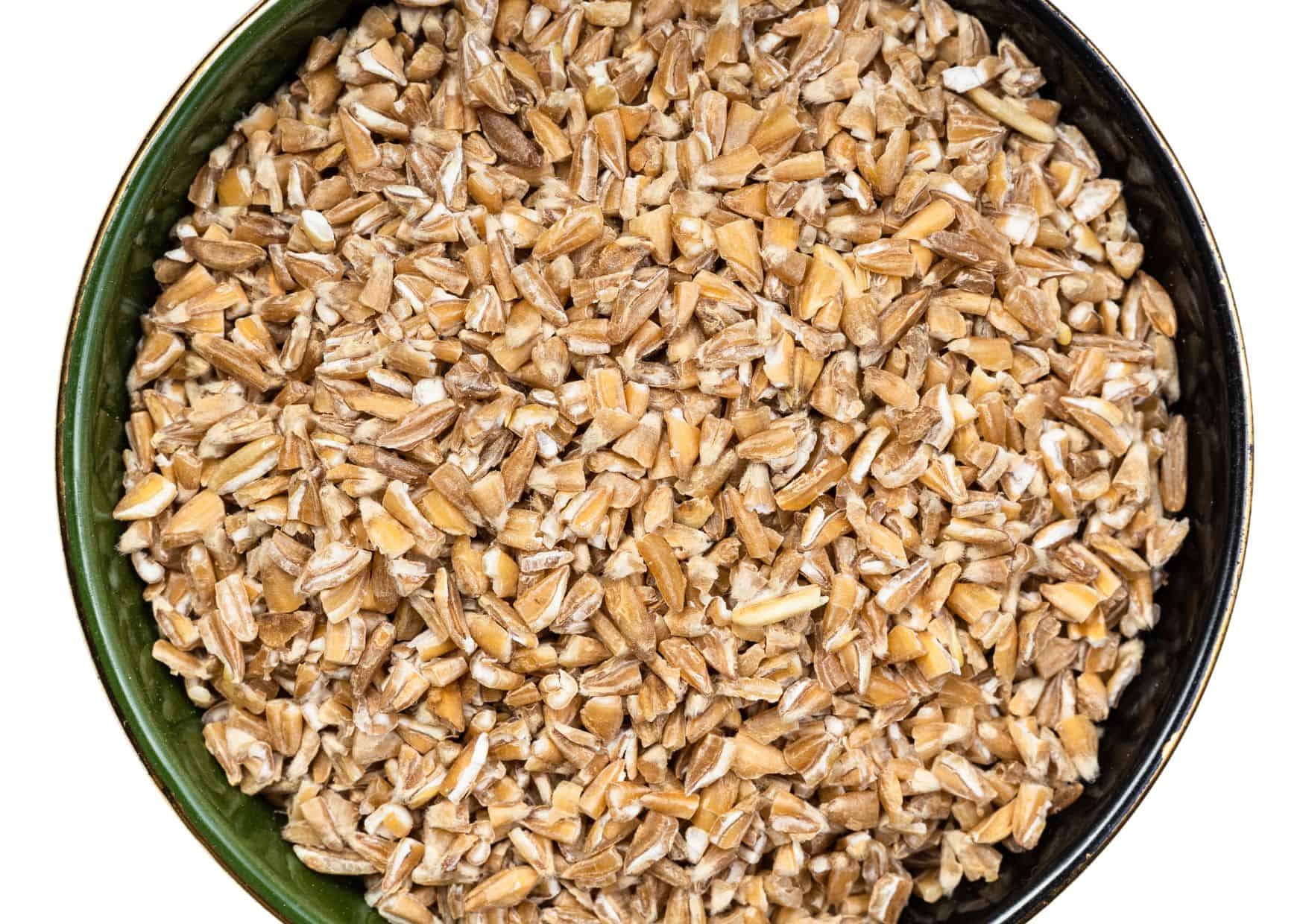
For the Soup:
Farro (spelt): 1 cup (200 g), rinsed
Dried cannellini beans (or canned): 1 cup (200 g) or 2 cups canned, rinsed and drained
Vegetable broth: 6 cups (1.5 liters)
Carrots: 2, diced
Celery stalks: 2, diced
Onion: 1 medium, finely chopped
Garlic: 2 cloves, minced
Canned diced tomatoes: 1 cup (240 ml)
Olive oil: 3 tablespoons
Fresh rosemary: 1 sprig
Bay leaf: 1
Salt and pepper: To taste
Optional Garnishes:
Fresh parsley: Chopped
Grated Parmesan cheese: For serving
Extra virgin olive oil: A drizzle for each bowl
Get the best deals for your home and kitchen needs
Step By Step How to Make Zuppa di Farro
Prepare the Beans
Soak them overnight in cold water. Drain and rinse, then boil in fresh water until tender (about 1–1.5 hours). Drain and set aside.
Sauté the Vegetables
Heat the olive oil in a large pot over medium heat. Add the onion, garlic, carrots, and celery. Sauté until softened and fragrant, about 5–7 minutes.
Stir in the diced tomatoes, rosemary, and bay leaf. Cook for 2–3 minutes to meld the flavors.
Cook the Soup
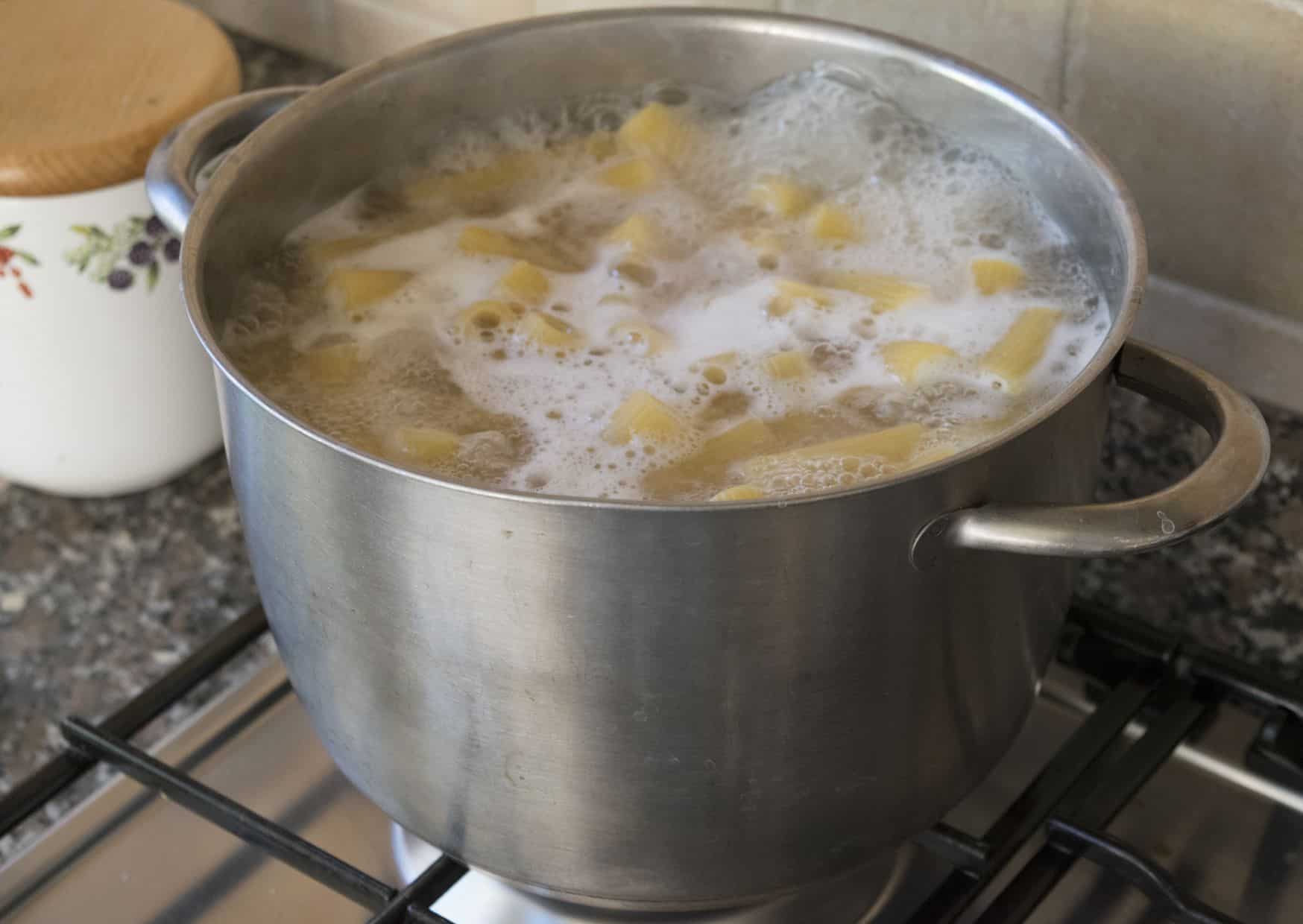
Add the rinsed farro and cooked or canned beans to the pot. Pour in the vegetable broth and bring to a boil.
Reduce the heat to low, cover, and let simmer for 30–40 minutes, or until the farro is tender but still chewy. Stir occasionally to prevent sticking.
Season and Finish
Remove the rosemary sprig and bay leaf. Season the soup with salt and pepper to taste. Adjust the consistency by adding more broth or water if needed.
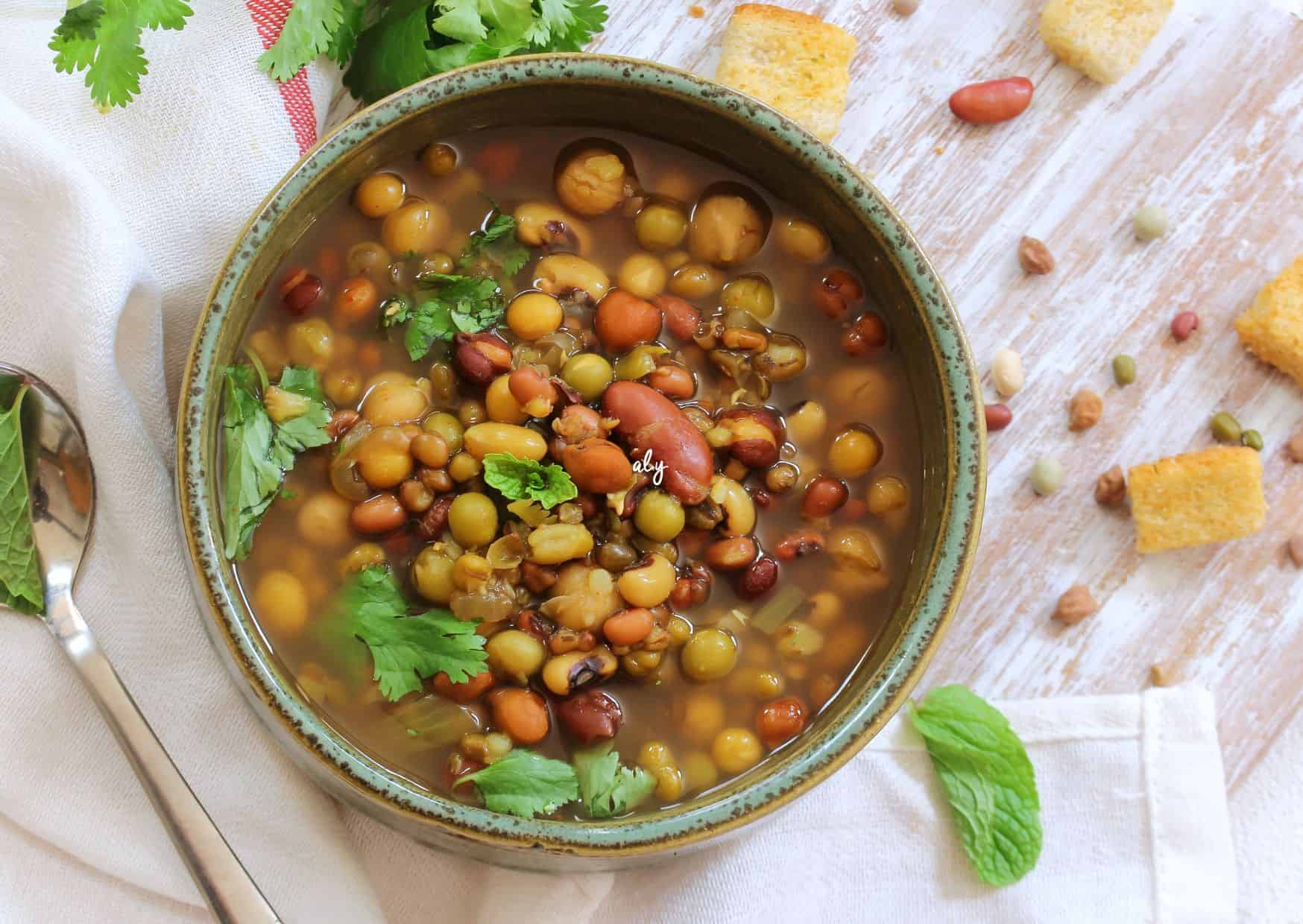
Serve
Ladle the soup into bowls. Garnish with fresh parsley, a sprinkle of grated Parmesan cheese, and a drizzle of extra virgin olive oil.
Tips To Make Zuppa di Farro
Pearled farro cooks faster (about 20–25 minutes) and doesn’t require soaking, while semi-pearled or whole farro may need soaking and longer cooking.
Blend a portion of the soup with an immersion blender and stir it back into the pot for a creamier texture. For added flavor, sauté a small amount of pancetta or bacon with the vegetables.
Feel free to add other vegetables like zucchini, kale, or spinach for variety. This soup stores well in the refrigerator for up to 3 days. Reheat with a splash of broth to loosen it up.
How Many Calories Have Zuppa di Farro
Calories: ~250–300 kcal
Protein: ~8–10 g
Carbohydrates: ~40–45 g
Fat: ~8–10 g
Fiber: ~6–8 g
Origin and History
Zuppa di farro traces its roots back to ancient Italy, long before the modern nation existed. Farro, the star grain of this soup, was a staple of the Roman Empire and one of the earliest cultivated grains in the Mediterranean region. Soldiers, farmers, and entire communities relied on farro because it was filling, resilient, and easy to store making it essential for daily survival.
As centuries passed, this humble grain remained deeply embedded in rural Italian cooking, especially in Tuscany and Umbria. Families used farro in soups, stews, and breads, turning simple ingredients into comforting meals that could feed large households. Zuppa di farro emerged as one of these traditional dishes: a slow-simmered blend of grains, vegetables, and herbs that warmed both the body and the spirit.
Today, this ancient soup continues to represent Italy’s deep connection to seasonal ingredients and slow-cooked traditions. While some dishes fade into history, zuppa di farro endures because it offers both nourishment and flavor. It stands as a reminder of how Italian cuisine finds richness not in luxury, but in simplicity done well.
One ongoing debate centers on what truly counts as “authentic” zuppa di farro. Some insist that only Tuscan farro and specific local beans should be used, while others argue that substitutions are perfectly acceptable. Purists claim that changing grains shifts the soup’s identity, but modern cooks appreciate the flexibility when certain ingredients aren’t available.
Another controversy involves the soup’s texture. Traditional versions are rustic and hearty, with whole farro grains adding chewiness. However, many updated recipes blend part of the soup into a smoother consistency. Critics argue this modern method dilutes the historical charm, while supporters believe it enhances creaminess and depth.
A final debate centers on its modern reputation as a “health food.” While farro is undeniably nutritious, Italians originally valued it for practicality, not trends. Some feel its new superfood status overshadows its cultural origins. Others argue that rediscovery even through modern wellness movements helps preserve ancient dishes and keep them relevant.
How Long You Take to Prepare
Preparing zuppa di farro isn’t complicated, but it does require time and patience. The prep stage chopping vegetables, rinsing the farro, and assembling ingredients takes around 20 to 30 minutes. This part sets the foundation for a deeply flavorful soup, especially when using fresh produce and good olive oil.
The cooking process generally takes between 60 and 90 minutes, depending on whether you use pearled or whole farro. Pearled farro cooks faster, while whole farro needs extra simmering to soften fully. During this time, the grains absorb the broth and release starches that naturally thicken the soup.
After the soup finishes cooking, it should rest for at least 10 minutes before serving. This brief pause allows the flavors to meld even further and helps the texture settle. In total, the entire process usually takes two hours a slow, intentional rhythm typical of Italian comfort cooking.
Serving Suggestions
Classic Style: Serve hot with a generous drizzle of high-quality olive oil and a sprinkle of grated Parmigiano-Reggiano. Pair with crusty rustic bread for a complete peasant-style meal.
Modern Twist: Add grilled chicken, white beans, or pancetta for a heartier variation that turns it into a full dinner.
As a Side Dish: Serve small bowls alongside roasted meats or fish for a nutrient-dense companion that outshines any side salad.
Chilled for Summer: Some variations of ribollita or zuppa di verdure can be served at room temperature in warmer months with a squeeze of lemon and fresh herbs.
Final Thoughts
This ancient Italian soup, often overlooked outside of Tuscany, is proof that simple food can still be powerful. Built on humble ingredients like leafy greens, beans, garlic, and olive oil, it’s not just hearty it’s a nutritional powerhouse. The beauty of this dish is its adaptability: it respects seasonality, minimizes waste, and satisfies deeply.
While kale has had its superfood moment, Italians have been quietly mastering soups like ribollita or minestra for centuries without the hype. These dishes are richer in flavor, loaded with fiber and antioxidants, and steeped in tradition that prioritizes balance over trendiness.
In the age of fast food and protein bars, this kind of cooking reminds us that wellness doesn’t need to be complicated or Instagrammable. Sometimes, all it takes is a pot, a few honest ingredients, and patience. If you want to eat like an Italian grandmother and feel good doing it start here.

About the Author: Ruben, co-founder of Gamintraveler.com since 2014, is a seasoned traveler from Spain who has explored over 100 countries since 2009. Known for his extensive travel adventures across South America, Europe, the US, Australia, New Zealand, Asia, and Africa, Ruben combines his passion for adventurous yet sustainable living with his love for cycling, highlighted by his remarkable 5-month bicycle journey from Spain to Norway. He currently resides in Spain, where he continues sharing his travel experiences with his partner, Rachel, and their son, Han.