
Tapas is what you eat out. Spanish home cooking is what keeps the week running, with cheap ingredients, repeatable methods, and leftovers that actually make sense.
Tapas is Spain’s greatest marketing trick. It makes visitors think Spanish people spend their lives hopping between bars, nibbling little plates, and somehow staying thin and happy forever.
Real life is less cinematic. Most families are trying to get dinner on the table without spending €60, and without turning Tuesday into a cooking show.
In Spanish homes, the food is quieter, more practical, and often too “normal” for restaurants. It’s stews, soups, tortillas, lentils, simple fish, and things that look beige until you taste them. It’s dishes designed for leftovers, not applause.
This guide is the version you can actually use. A short shopping list you can take to Mercadona or your local market, one core method you can repeat, and 15 dishes you’ll see in kitchens across Spain that rarely show up on a tapas crawl.
Why tapas isn’t home cooking
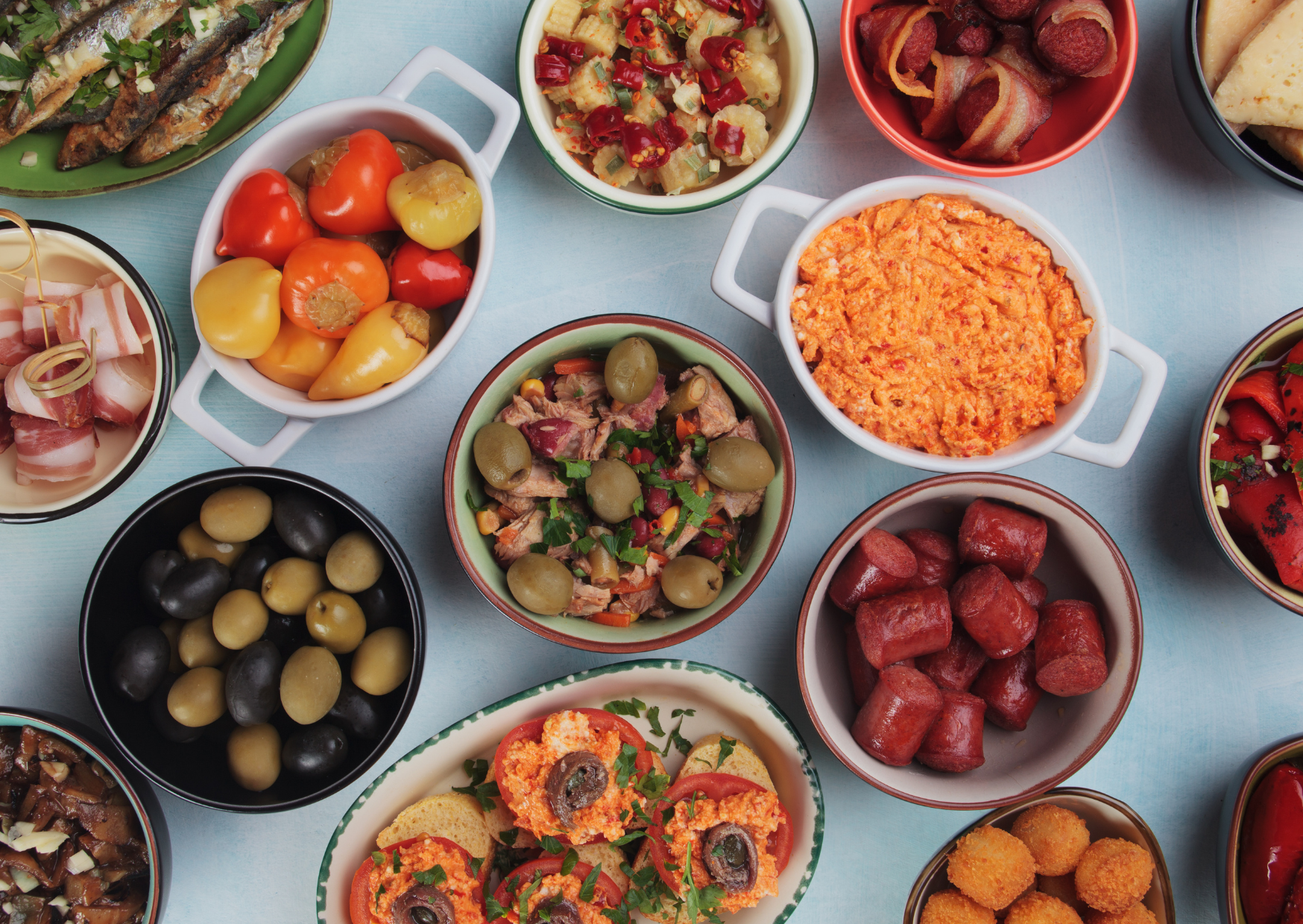
Tapas is social food. It’s built for bars: quick, salty, profitable, and easy to share. Home cooking has a different job. It has to feed you, stretch the budget, and work with the rhythm of school, work, and whatever life threw at you that day.
That’s why the overlap is smaller than Americans assume. Yes, tortilla exists in bars, and croquetas exist everywhere. But a lot of the actual weekly staples are not “tapas-shaped.” They’re pot-shaped.
Spanish home food also doesn’t apologize for repetition. The same lentils show up every week. The same soup base. The same roasted chicken that becomes croquettes or sandwiches the next day. Repetition is the system, not a failure of imagination.
Restaurants avoid many of these dishes for boring reasons:
- They take time and table space, and Spain’s restaurant economy is built on turnover.
- They rely on slow simmering and leftovers, which doesn’t match a menu built for predictable margins.
- They look unglamorous, and tourists don’t order “brown stew” when they can order “seafood rice.”
If you want Spain to feel affordable and sane, you need to stop chasing tapas as the default meal. Tapas is fun. Home food is what makes the month work.
The Spanish pantry that makes the week cheap
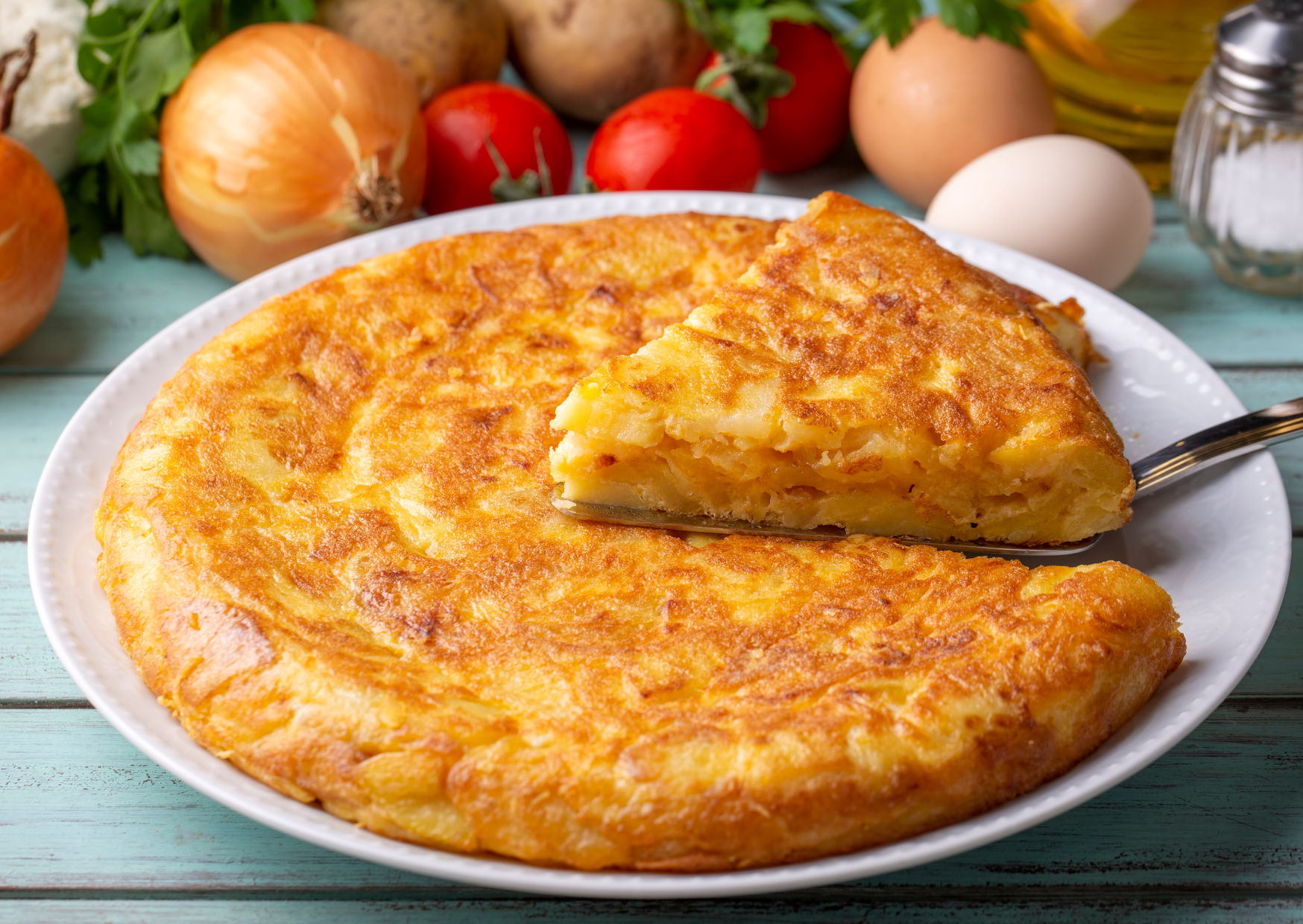
Spanish cooking feels easy when your kitchen is stocked the way Spanish kitchens are stocked. Not perfectly. Just functionally.
If you build a pantry around legumes, rice, pasta, canned fish, and a few flavor anchors, you can cook a very Spanish week without heroic effort.
The essentials that show up constantly:
- Olive oil, garlic, onions
- Canned tomato, tomato frito, or passata
- Smoked paprika and bay leaves
- Chickpeas, lentils, white beans
- Rice (short grain and long grain both have a role)
- Pasta and breadcrumbs
- Tuna, sardines, anchovies, or mackerel in tins
- Flour and eggs for tortillas, batters, and quick dinners
- A couple of cured items if you eat them: jamón, chorizo, or serrano bones for flavor
Fridge basics that unlock “Spanish” fast:
- Lemons
- Yogurt
- Seasonal vegetables
- A cheap protein you can portion, often chicken thighs
- Greens that survive, like spinach or chard
Freezer helpers that make weeknights realistic:
- Frozen peas
- Frozen spinach
- A bag of mixed seafood for brothy meals
- Bread, sliced and frozen, because Spain runs on bread
If you’re American, the mindset shift is this: Spanish home cooking is not “fresh ingredients every day.” It’s fresh plus pantry, and the pantry does half the work.
Short shopping list you can actually carry
Here’s a simple setup for 5–6 Spanish dinners plus leftovers:
- Eggs (12)
- Chicken thighs (1.2 to 1.5 kg)
- Lentils (500 g)
- Chickpeas (2 jars or 500 g dried)
- Rice (1 kg)
- Pasta (500 g)
- Onions (1 kg), garlic (1 head)
- Potatoes (2 kg)
- Carrots (500 g)
- Cabbage or greens (1 large)
- Canned tomato (2 cans)
- Tuna or sardines (4 tins)
- Olive oil, smoked paprika, bay leaves
- Lemons (3)
- Bread (2 loaves or 1 loaf plus frozen backup)
This is where Spain’s value shows up. When you stop shopping like every meal is a special occasion, the bill calms down.
The one method that makes Spanish home food feel easy
Most Spanish home dishes share a simple backbone: a base, a simmer, and a finishing touch.
The base is usually one of these:
- Sofrito: onion, garlic, tomato, olive oil
- A quick sauté of garlic and paprika
- A broth start: water plus bones, scraps, or a bouillon you trust
Then you build a pot around it. Beans, lentils, potatoes, rice, pasta, greens. If you do this well, you can rotate flavors all week without feeling like you’re cooking “different recipes.” You’re cooking the same system with different ingredients.
Three templates cover a huge chunk of Spanish home dinners:
- The pot of legumes
Sofrito, smoked paprika, lentils or chickpeas, carrots, potatoes, and a little cured meat if you want. Simmer and forget. Legumes are the budget anchor. - The egg dinner
Tortilla, revuelto, or eggs over sautéed greens, with bread. This is the Spanish “we’re tired” meal. - The fish plus something simple
A piece of fish, or tinned fish, plus salad, potatoes, or rice. Not fancy, just consistent. Simple protein wins when the week is busy.
If you can cook these three without thinking, you’re basically living like a Spanish household already.
8 weeknight dishes Spanish families actually cook
These are the Tuesday and Thursday meals. They’re common, forgiving, and built for normal kitchens.
1) Lentejas estofadas
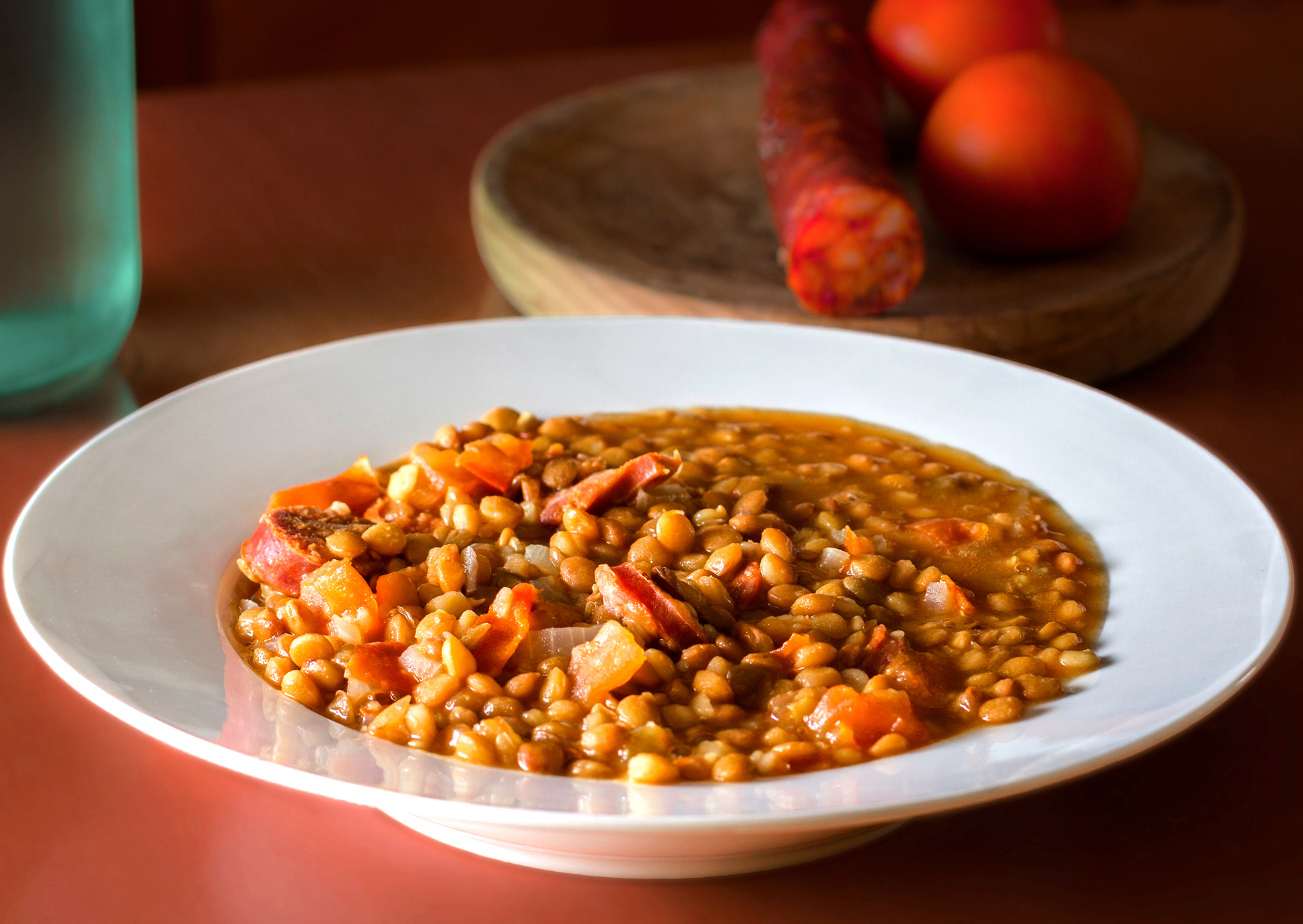
Lentils stewed with carrot, onion, potato, bay leaf, and often a little chorizo or jamón for depth. This is the dish that makes people say “Spain is cheap” and locals roll their eyes, because it’s not cheap, it’s smart.
2) Garbanzos con espinacas
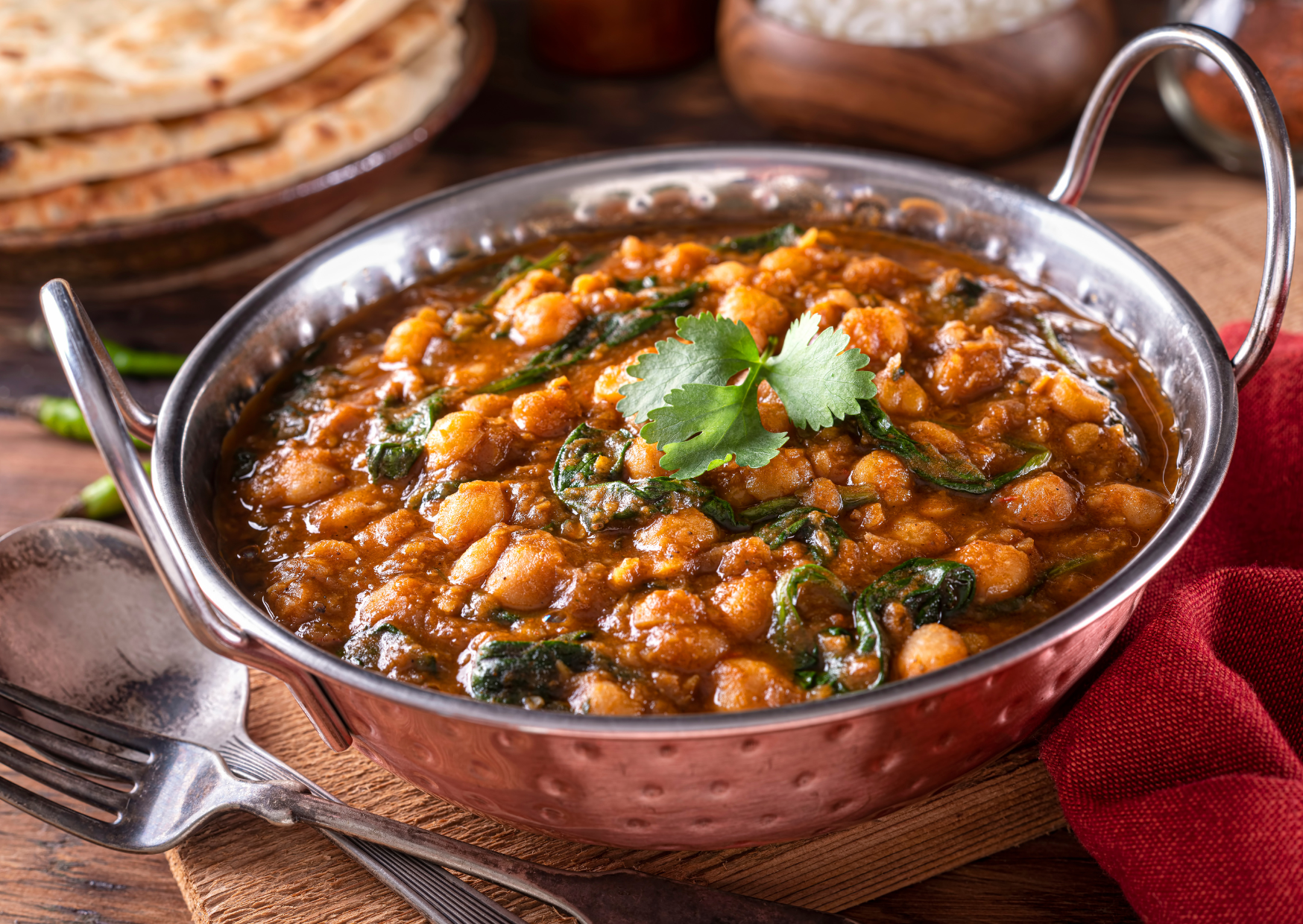
Chickpeas with spinach, garlic, paprika, and sometimes a little cumin. Often served with bread. It’s one of the best “fast but filling” meals in the Spanish canon.
3) Tortilla de patatas
The Spanish emergency meal that also happens to be iconic. People argue about onion because Spain loves a fight. At home, it’s about feeding people.
4) Sopa de ajo
Garlic soup with paprika, bread, and an egg poached or stirred in. It’s simple, warming, and very real life. Restaurants rarely push it because it looks humble. Humble is the point.
5) Pisto
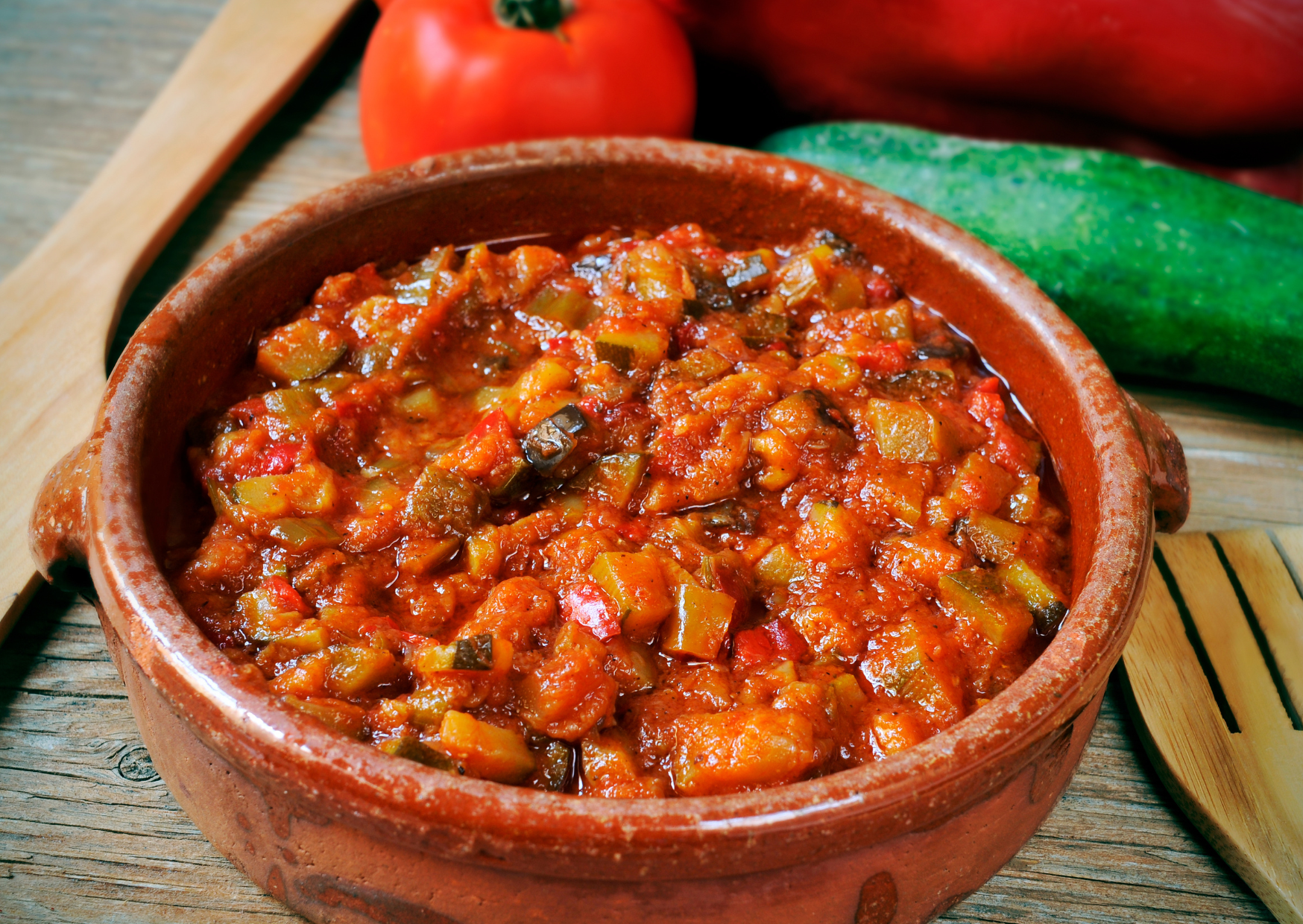
A Spanish vegetable stew, often served with an egg, or alongside meat or fish. It’s flexible and it’s a great way to use summer vegetables.
6) Patatas a la riojana
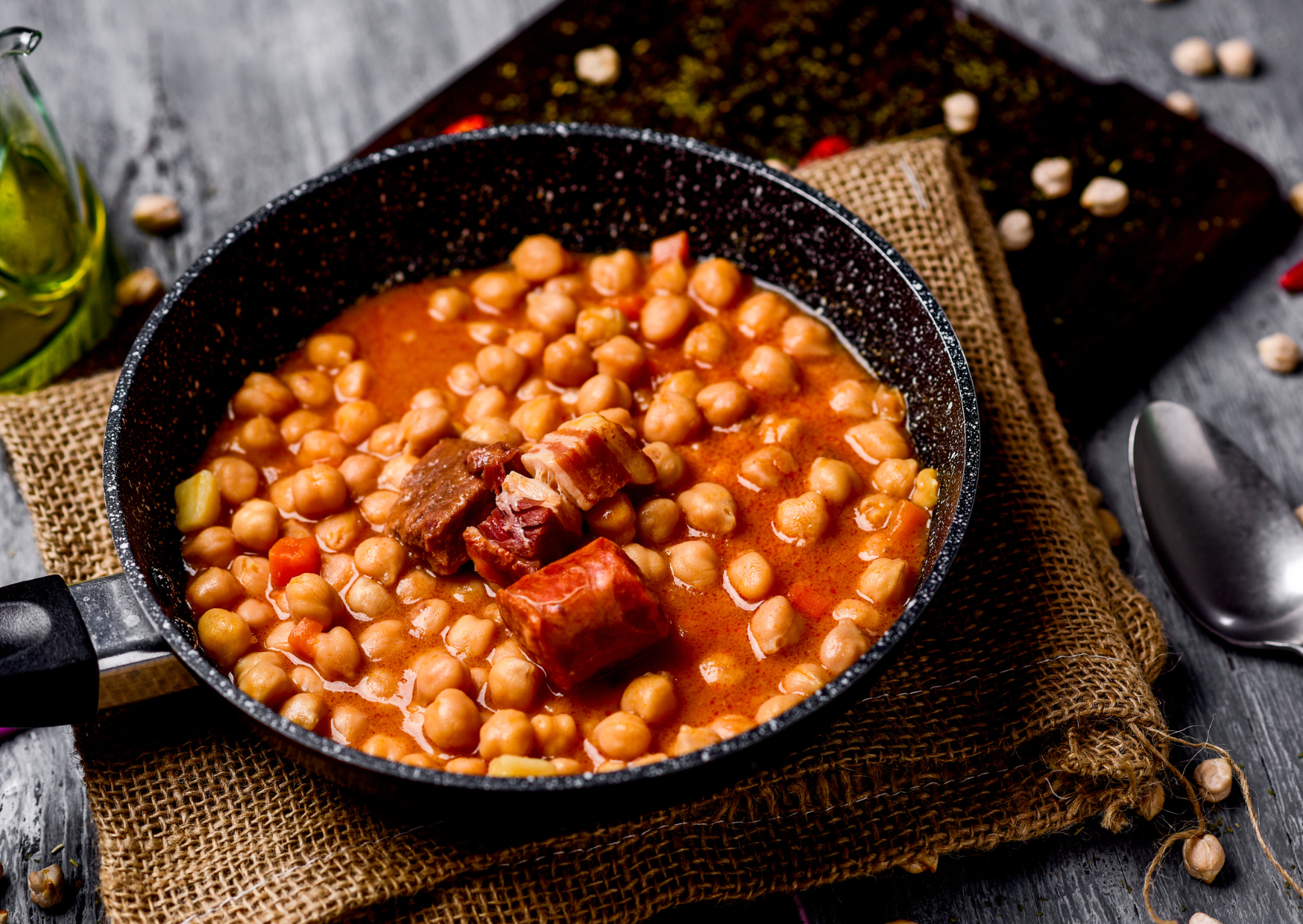
Potatoes stewed with paprika and chorizo, sometimes with peppers. It’s hearty, cheap relative to satisfaction, and built for cold nights.
7) Albóndigas en salsa
Meatballs in tomato sauce. Not fancy, but deeply comforting and very common in family kitchens. The sauce is the real value because it becomes tomorrow’s pasta.
8) Pasta con atún y tomate
This is not a tourist dish. It’s a real Spanish “we need dinner now” dish. Pasta, tomato sauce, canned tuna, olive oil, maybe olives or capers if you have them. Tinned fish is normal here.
A full recipe you can run this week
To make this guide useful, here’s one dish in full “home cooking” detail, with leftovers built in.
Tortilla de patatas, weeknight version
Serves: 4
Prep time: 15 minutes
Active time: 25 minutes
Rest time: 10 minutes
Total: about 50 minutes
Equipment: 24–26 cm nonstick pan, bowl, plate, spatula
Storage: 3 days in the fridge, great cold in a sandwich
Substitutions: add onions, swap some potato for zucchini, use olive oil or a mix of olive and neutral oil
Ingredients
- 700 g potatoes (about 1.5 lb, roughly 4 medium)
- 1 small onion, optional (about 120 g)
- 6 eggs
- 1 tsp salt, plus more to taste
- Olive oil, enough to coat and gently fry (about 150 ml, 2/3 cup)
Method
- Peel and slice potatoes thin, like coins. Salt lightly. If using onion, slice it thin too.
- Heat oil over medium. Add potatoes (and onion). Cook gently 15–18 minutes, stirring, until soft but not crisp. You’re confiting, not frying.
- Drain potatoes, saving a little oil. Let potatoes cool 3 minutes.
- Beat eggs with salt. Fold potatoes into eggs.
- Heat 1–2 tbsp reserved oil in the pan. Pour in mixture. Cook 3–4 minutes until the bottom sets.
- Flip using a plate, then cook 2–3 minutes on the other side for a slightly runny center, or longer if you prefer firm. Rest 10 minutes.
This is where Spain quietly wins: one tortilla becomes dinner, tomorrow’s lunch, and the snack that prevents late night chaos. Leftovers are the luxury.
7 “weekend pot” dishes that rarely show up as tapas
These are the meals that make Spanish families feel taken care of. They’re often cooked in larger batches, and they turn leftovers into a plan instead of a problem.
9) Cocido
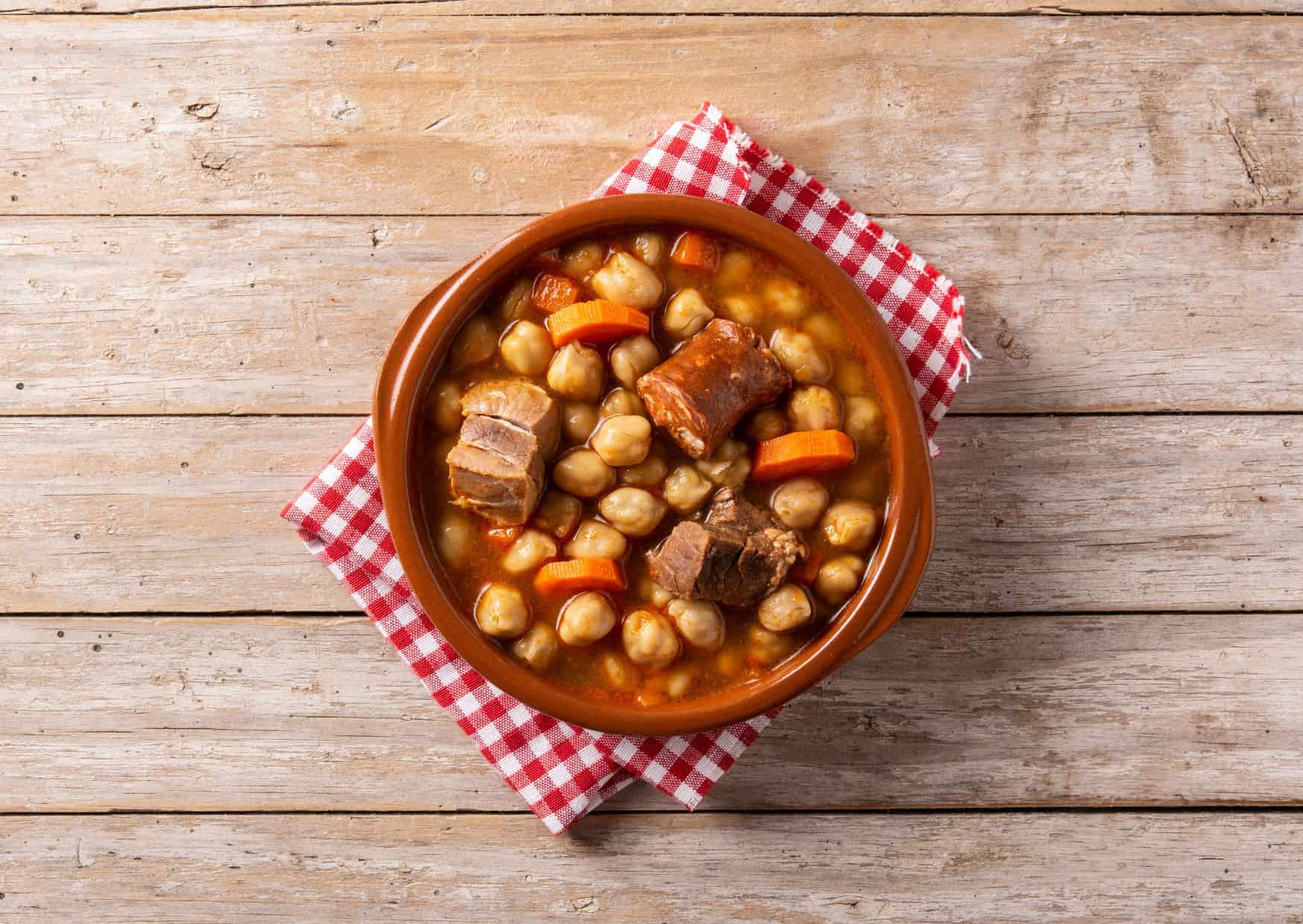
Every region has a version. Chickpeas, meat, bones, and vegetables simmered into something bigger than the sum of its parts. Restaurants sell it as a set menu. Homes cook it because it feeds you for days.
10) Fabada-style bean stew
Asturian-style beans with chorizo and morcilla, or a simpler home version with white beans and whatever cured meat is realistic. It’s heavy, yes. It’s also winter-proof comfort.
11) Caldo gallego
Greens, potatoes, beans, and often a bit of pork for flavor. It’s one of the most “Spain is not just sunny” dishes you can make.
12) Marmitako
Tuna and potato stew, traditionally Basque. It tastes like the sea without being a seafood splurge, because it’s often built around affordable cuts or canned tuna in home versions.
13) Arroz caldoso
Brothy rice with chicken, seafood, or whatever you have. It’s the Spanish answer to “we want something special but we’re not doing paella today.”
14) Pollo al ajillo
Garlic chicken, often served with potatoes or salad. Simple, aromatic, and absolutely a home classic. Restaurants serve it sometimes, but home versions are more generous and less styled.
15) Merluza en salsa verde
Hake in a green sauce of garlic, parsley, olive oil, and sometimes clams. It’s a dish that looks “restaurant,” but families cook it because it’s fast and the sauce is forgiving.
If you want the larger truth: Spanish home food is not defined by one dish. It’s defined by pots that turn into plans.
Mistakes Americans make when trying to “eat like Spain”
Most people don’t fail because they can’t cook. They fail because they import the wrong assumptions.
Mistake 1: Treating every meal like a production
Spanish home meals are often one main thing, plus bread, plus maybe a salad. If you try to do three-course American dinner energy, you’ll burn out.
Mistake 2: Skipping legumes
Americans often underuse beans and lentils, then wonder why Spain feels expensive. Legumes are the quiet foundation. Beans are not a side.
Mistake 3: Overspending on specialty ingredients
You don’t need fancy seafood every week. You need the pantry, a good sofrito, and a few reliable proteins.
Mistake 4: Not planning for leftovers
Spanish cooking assumes leftovers. If you cook single portions every night, you create more work and more waste.
Mistake 5: Chasing tapas instead of the weekly rhythm
Tapas is fun, but it’s not the system. The system is predictable lunches, simple dinners, and meals that reuse ingredients.
Mistake 6: Forgetting bread and simple salads
A bowl of lentils plus bread plus a tomato salad is a complete meal in Spain. Americans often try to “optimize” it into something else and lose the point.
Your first week of Spanish home cooking
If you want this to stick, don’t try to cook 15 new dishes. Run a sane week that reuses ingredients.
Day 1: Cook a pot of lentils
Eat it for dinner, and save two portions. One for lunch, one for freezing. Freeze future dinners.
Day 2: Tortilla night
Make a tortilla big enough for leftovers. Lunch tomorrow is solved.
Day 3: Chickpeas with spinach
Fast, cheap, filling. Serve with bread and lemon.
Day 4: Fish night
Hake, sardines, or tuna, plus salad and boiled potatoes. Keep it simple.
Day 5: Meatballs in tomato sauce
Make extra sauce. Tomorrow becomes pasta with sauce, or sauce over rice.
Day 6: Brothy rice
Use chicken stock or a quick stock base. Add peas, leftover chicken, or seafood.
Day 7: Leftover day
This is where you stop wasting money. Tortilla slice, lentils, rice, salad. Spanish kitchens don’t treat leftovers as failure. They treat them as planning.
If you do only one thing this week, build two defaults you can repeat without thinking. Spain works because the meals are repeatable, not because everyone is cooking something new every night.
The choice that makes this either easy or impossible
You can keep Spain as a bar experience. You can spend on tapas, wine, and little plates and call it culture. It’s fun, and it’s also how people quietly blow their budget.
Or you can learn the home meals that power Spanish life. The meals that don’t photograph well but make your week calmer, your grocery bill lower, and your evenings less chaotic.
If you’re American and you want the “European lifestyle” to feel real, this is the pivot. Not a fancy market haul. Not a chef’s table. Just a pantry that works, a few pots you can repeat, and the acceptance that boring food can be good when the rest of life is full.
Tapas will always be there when you want it.
Home cooking is what makes Spain sustainable.

About the Author: Ruben, co-founder of Gamintraveler.com since 2014, is a seasoned traveler from Spain who has explored over 100 countries since 2009. Known for his extensive travel adventures across South America, Europe, the US, Australia, New Zealand, Asia, and Africa, Ruben combines his passion for adventurous yet sustainable living with his love for cycling, highlighted by his remarkable 5-month bicycle journey from Spain to Norway. He currently resides in Spain, where he continues sharing his travel experiences with his partner, Rachel, and their son, Han.