
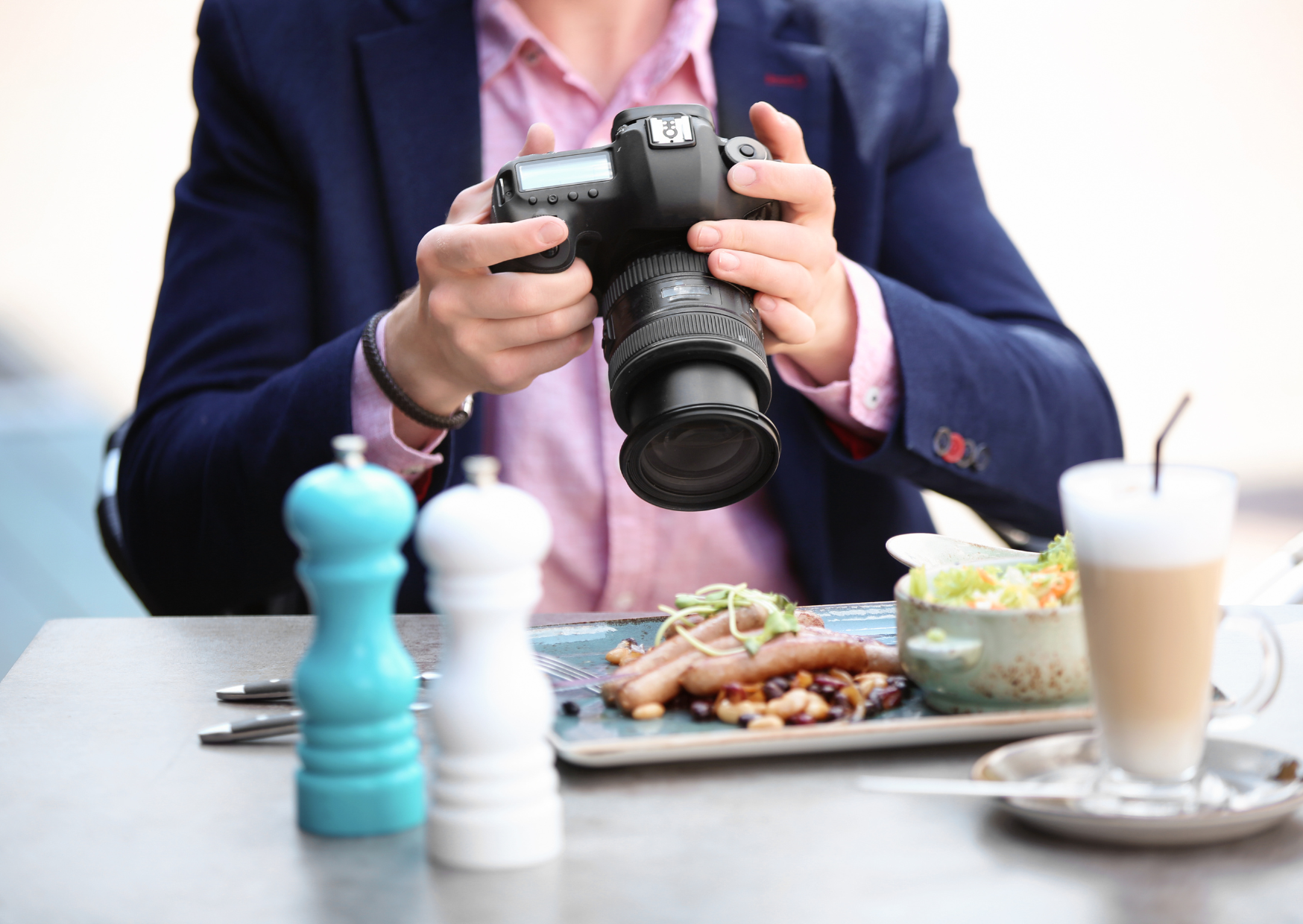
It’s not the photo. It’s the mini production that tells the room you’re about to turn dinner into content, and the staff will quietly protect the flow by helping everyone else first.
You sit down at a trattoria in Rome, Florence, Bologna, wherever. The waiter drops the plates. Everything smells like you made a correct life choice.
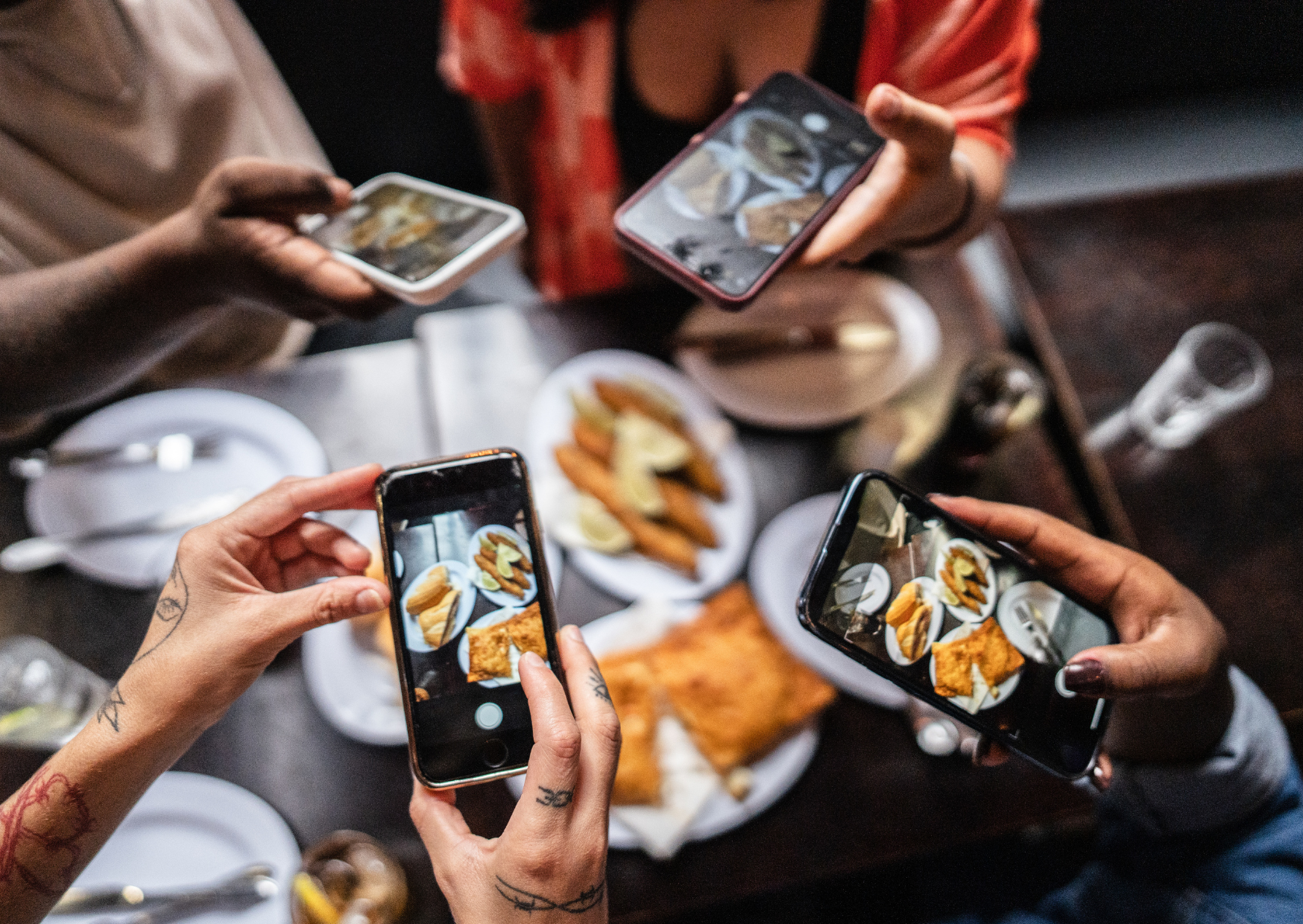
Then the phones come out.
Not one quick snap. The full sequence. Lift the fork. Rotate the plate. Ask your partner to stop breathing for a second because the light is better from their side. Hover your arm over the table like you’re filming a documentary about pasta. Someone turns on a light. Someone uses flash. Someone stands up.
In the U.S., this is normal. In Italy, it can trigger a very specific reaction from service staff: a quiet downgrade in priority. Not a tantrum. Not revenge. Just the practical decision to keep the restaurant moving and keep other tables comfortable, and deal with the “photo table” when there’s slack.
That’s how you end up feeling ignored.
And because Americans tend to moralize service, you assume the waiter is rude. The more boring truth is that you accidentally announced, “This table is going to take longer, ask for more, and require more patience.” So you get handled later.
If you want to take photos in Italy without getting served last, you can. You just need to understand what the phone signals in that room, and how Italian service actually works.
The moment the phone comes out, you change your table category
Italian restaurants have a fast internal sorting system. It’s not written down, but it’s real.
There are tables that are easy: they order, they eat, they enjoy, they ask for the bill when they’re ready. They don’t demand constant check-ins. They don’t create chaos in the aisle.
Then there are tables that are work: long questions, lots of substitutions, weird timing demands, special requests that break the kitchen rhythm.
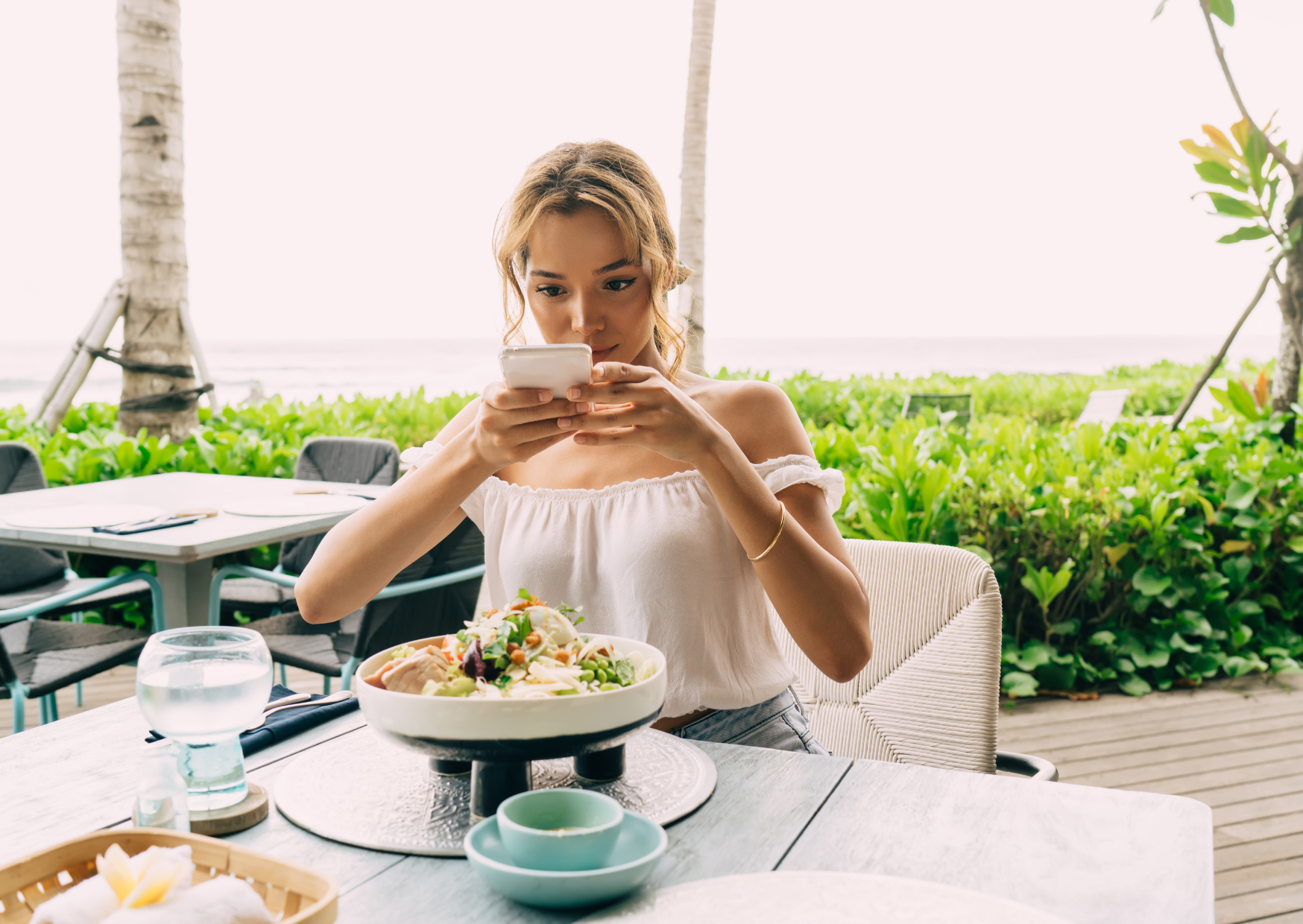
A table that turns dinner into a photoshoot often gets filed under high-maintenance table, even if you’re personally lovely.
Why? Because the behavior usually comes with predictable side effects.
People who photograph food are more likely to:
- delay the first bite, which delays the next course decisions
- ask the waiter to “hold on” while they shoot, even if the waiter is balancing hot plates
- block the aisle or the server’s approach because elbows and phones are everywhere
- send food back because it cooled while they were filming
- want explanations for every ingredient, because content needs a story
Again, not everyone. But the staff has seen enough to recognize patterns.
If you’re the only table doing it, you also stand out. Italian dining rooms are social. People notice. Staff notices doubly because they’re protecting the experience of everyone else.
So the waiter does what any rational person does in a busy environment. They give their attention to the tables that will move smoothly, and they circle back to the table that’s likely to be slower.
That’s the “serve you last” feeling. It’s not punishment. It’s triage disguised as attitude.
Italian service is not American service, and that’s where the misunderstanding starts
A lot of Americans are used to service that’s constantly present. Check-ins. Refills. “How is everything?” every seven minutes. The waiter is doing emotional labor and timeline management at the same time.
In Italy, the service style is usually more hands-off. You’re expected to ask for what you need. You’re expected to take your time. You’re expected to not be rushed out, and you’re expected to not demand constant hovering.
That sounds relaxing until you’re the person who wants attention right now.
Italian waiters also often won’t bring the bill until you ask, because dropping the check early can be seen as pushing you out. That alone makes many Americans feel “ignored,” when it’s actually the opposite: they’re leaving you alone on purpose.
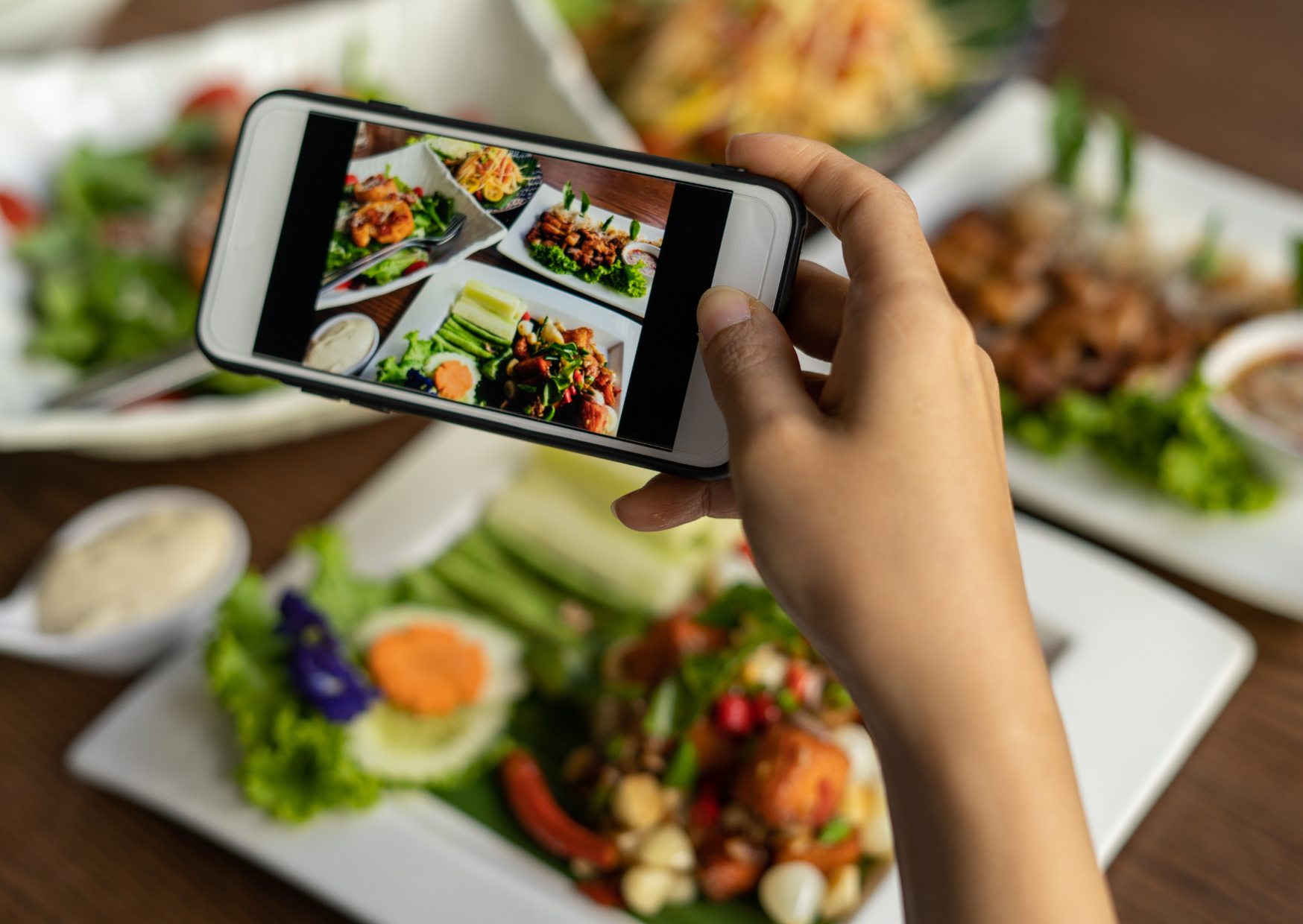
Now add a photo session.
If the staff already expects you to signal when you’re ready, and your table is busy creating content instead of eating, you create a timing fog. The waiter doesn’t know if you’re about to order the next course, or if you’re still filming your starter from six angles.
So they focus on other tables where the signals are clearer.
This is the hidden rule: in Italy, the staff responds to clear cues. Eye contact. A small hand lift. A polite “scusi.” A direct request. If your attention is in your phone, those cues disappear.
Also, Italian dining rooms often have tighter physical space than American restaurants. Small aisles. Tables close together. Servers doing a dance with hot plates. When you stand up for a top-down shot, you’re not being creative. You’re becoming furniture the staff has to dodge.
If you want Italian service to feel attentive, you have to be readable. Phone-first behavior makes you less readable.
What the food photo signals to Italians that you might not intend
Here’s the uncomfortable part: Italians have spent the last decade watching parts of their culture get turned into a theme park.
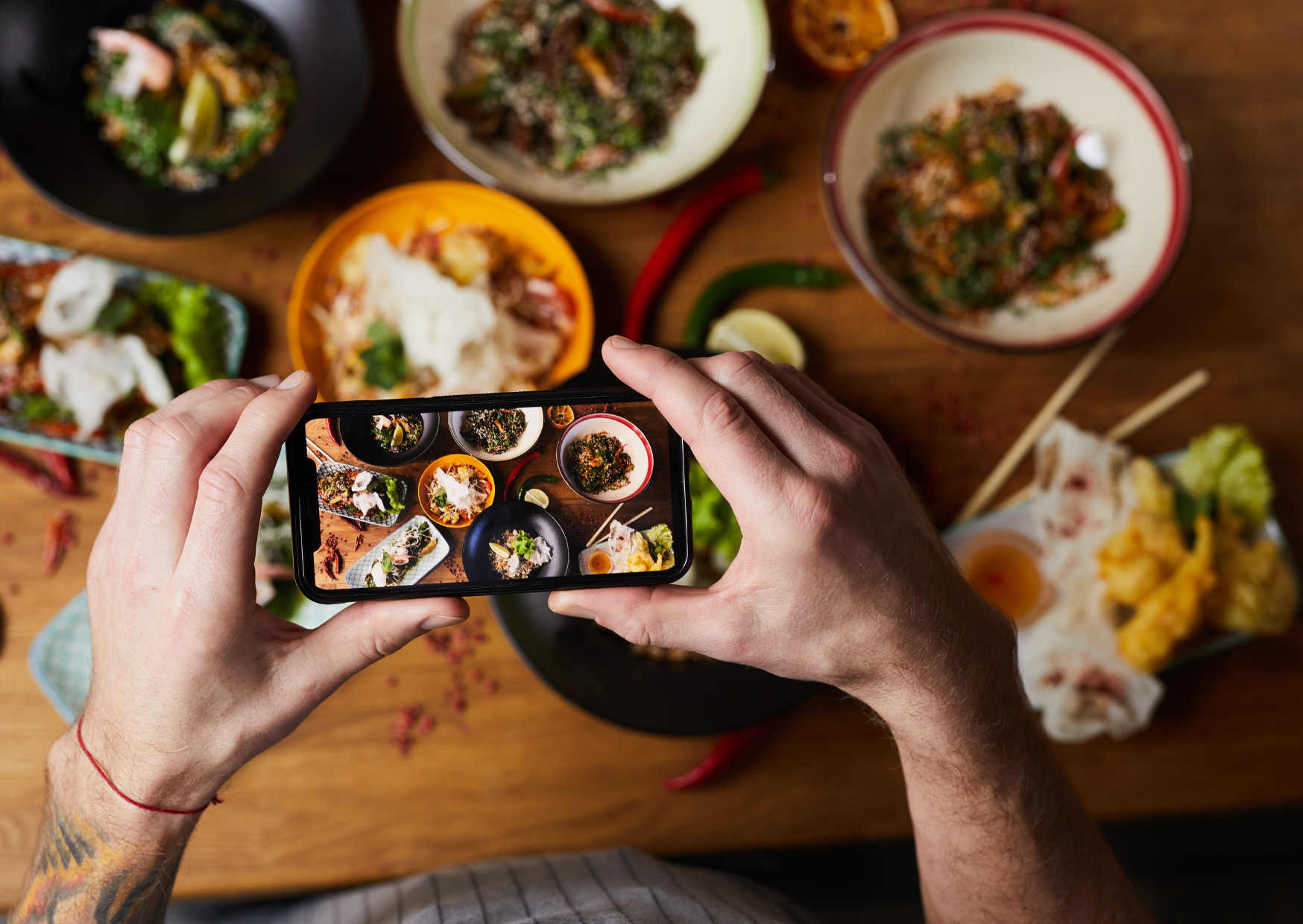
In tourist-heavy areas, food is one of the biggest battlegrounds. Restaurants have been shaped by social media demand. Whole menus have been built for photos. People line up for “viral” dishes and ignore everything else. Staff deal with customers who treat the meal like a stage.
So when you photograph your food, you can accidentally signal: I’m here for the performance, not the meal.
In some places, that’s welcomed because it’s free marketing. In plenty of places, especially old-school trattorias and small family-run spots, it’s tiring.
There’s also a privacy layer. Italy is not culturally enthusiastic about being filmed in public the way Americans are. People don’t love random cameras pointed around the room. Even if you’re “only photographing your plate,” you often capture other diners, staff, or children in the background. That can make people tense, and some establishments are sensitive about it.
You might think, I’m harmless. The staff might think, this person might post a review, post a video, post our staff, and then we’re dealing with a headache. So they keep distance.
And yes, some of this is class and generation. A younger waiter in Milan might be unfazed. A middle-aged owner in a small town might see phones as disrespectful. In tourist squares, staff might expect it. In neighborhood places, it can feel intrusive.
The key is not to become paranoid. The key is to understand that in Italy, being present at the table is a real value. When your first move is to document, you can look like you’re not there with them. You’re there with your audience.
Once you see it that way, the waiter’s behavior makes more sense.
How to take photos in Italy without getting deprioritized
If you want photos, take them. Just do it in a way that doesn’t hijack the room.
Here’s what works consistently:
- One quick photo, then eat.
The first 5 seconds are socially acceptable. The next 45 seconds starts to look like work for everyone. Take your shot, put the phone down, be a human again. - Never use flash.
Flash is the fastest way to announce you don’t care about anyone else’s evening. It also makes food look worse. It’s a lose-lose. - Don’t stand up.
No chair climbing. No hovering over the aisle. If you can’t get the angle seated, accept that the angle is not for you. - Don’t rearrange the plate.
In Italy, messing with a dish before tasting it can read as disrespectful. Also, the kitchen is busy. They plated it that way for a reason. Your content doesn’t outrank their craft. - Ask if you’re filming video.
A photo is one thing. Video, especially with panning and narration, is another. A simple “Posso fare una foto?” goes a long way if you’re unsure. You don’t need permission for every snap, but asking once sets a respectful tone. - Keep staff and other diners out of frame.
This is both good manners and common sense. It reduces tension immediately. - Signal normally when you need service.
Look up. Make eye contact. Use a polite “scusi.” If you stay buried in your phone and expect the waiter to read your mind, you’ll be waiting a long time.
If you follow these, you’ll notice something funny: staff often becomes friendlier. Not because they love photography, but because you’ve shown you’re not turning dinner into a production.
The goal is low-friction content. Quick, discreet, done.
The money math behind why “photo tables” get served later
Let’s talk about the unsexy economics, because this explains the behavior better than any etiquette lecture.
In many Italian restaurants, especially in cities, the business is built on turns. Not fast American flips where you’re rushed, but a predictable flow. Lunch service. Dinner service. Tables need to move, and staff needs to manage timing across dozens of people without losing control.
A table that slows down introduces risk:
- the kitchen backs up because courses don’t fire on time
- the dining room timing gets uneven, which annoys other guests
- staff gets stuck doing extra micro-attention for one table while other tables need basics
A table that photographs everything often slows down in tiny ways. Food hits the table and cools. Then someone complains it’s not hot. Then the kitchen remakes or reheats. That creates more staff time for the same revenue.
Also, in tourist areas, staff are under pressure. They’re dealing with language barriers, different expectations, and a higher chance of complaints or bad reviews. A phone can read as “review risk.” So they protect themselves by minimizing interaction and focusing on tables that feel straightforward.
Even in non-touristy spots, there’s a simple human response: if one table is doing something that looks like a project, the waiter will serve the tables that don’t look like projects first. That’s not cruelty. That’s work management.
This is why the smartest move is to be the easiest possible version of a photo person. Quick, discreet, grateful. You get your memory, and the staff doesn’t feel like you’re turning their shift into your studio.
Mistakes Americans make that make it worse
If you want the short list of behaviors that almost guarantee the “served last” experience, it’s these:
- Flash or phone light at the table
- Standing up to shoot
- Blocking the aisle while filming
- Asking the waiter to wait so you can take a shot
- Touching the food a lot before tasting
- Talking loudly to your phone like you’re hosting a show
- Filming other people without realizing it
- Posting in real time and tagging staff as if they agreed to be part of your content
You might be thinking, I would never do most of that. Good. But a lot of Americans slide into it without noticing because it’s normal at home, and because travel makes people perform.
Another common mistake is assuming that if one restaurant didn’t care, none will care. Italy is not one vibe. A beachside place in Positano is not the same as a family trattoria in Bologna. A tourist square in Rome is not the same as a neighborhood osteria where everyone knows the owner.
So the rule is: behave like you’re in someone else’s living room, not a set. Respect first, content second.
Your first week in Italy without looking like a walking tripod
If you want a simple reset that still lets you take photos, run this for seven days.
Day 1: Take one photo per course, max.
Train yourself out of the multi-angle loop. You’ll still capture memories, and you’ll eat before the food dies.
Day 2: Leave the flash off forever.
Make it a permanent rule. You don’t need it. Nobody wants it.
Day 3: Practice the “phone down” moment.
After the photo, put the phone away fully. Not face-up on the table like a pet you’re monitoring. Put it away. Be present.
Day 4: Learn one polite service cue.
Eye contact plus a small hand raise plus “scusi” is enough. Don’t wave. Don’t shout. Be calm and direct.
Day 5: Pick one meal to be phone-free.
Just one. Notice how the table feels. Notice how service often feels smoother when you’re not distracted.
Day 6: If you want video, ask.
Not dramatically. Just a quick question. It shows you understand you’re in a shared space.
Day 7: Choose your restaurant types wisely.
If you want content, do it in places that can handle it, larger restaurants, tourist-friendly spots, daylight terraces. Save the tiny, intimate places for being present. You’ll enjoy both more.
After a week, you’ll still have photos. You’ll just stop paying for them with awkward service.
And that’s the choice hiding under all of this. You can have the meal, or you can have the production. In Italy, the meal wins.

About the Author: Ruben, co-founder of Gamintraveler.com since 2014, is a seasoned traveler from Spain who has explored over 100 countries since 2009. Known for his extensive travel adventures across South America, Europe, the US, Australia, New Zealand, Asia, and Africa, Ruben combines his passion for adventurous yet sustainable living with his love for cycling, highlighted by his remarkable 5-month bicycle journey from Spain to Norway. He currently resides in Spain, where he continues sharing his travel experiences with his partner, Rachel, and their son, Han.