
It is not the hops or the label. It is the alcohol, the calories, and the way people drink that decide what shows up around your waist.
Walk into a beer hall in Munich and order a Helles. It tastes crisp, it sits around five percent alcohol, and it goes down easily with a plate of roast chicken or a soft pretzel. Walk into a taproom in the United States and order a flagship IPA. It often arrives at six to seven and a half percent alcohol, sometimes more, with a dense malt base and a bigger calorie load per glass.
One pint looks like the other. The difference is in the numbers, and the habits around the glass.
The myth says German beer is somehow “clean,” so it never leads to a belly. The reality is simpler. Alcohol contains energy, and most of beer’s calories come from alcohol first and carbohydrates second. If your weekly total lands in a surplus, your belt feels it, no matter the country on the label.
So why do many visitors notice fewer “beer bellies” among younger and middle-aged men in Germany than in similar American crowds? Part of it is the beer people choose and how strong it is. Part of it is the way they drink and move through the day. None of it is magic.
Below is a clear, practical breakdown of what actually shifts the outcome, plus easy ways to keep the fun and skip the gut wherever you live.
Want More Deep Dives into Other Cultures?
– Why Europeans Walk Everywhere (And Americans Should Too)
– How Europeans Actually Afford Living in Cities Without Six-Figure Salaries
– 9 ‘Luxury’ Items in America That Europeans Consider Basic Necessities
Quick Easy Tips
Choose beers with fewer additives and lower sugar content when possible.
Enjoy beer in moderation rather than in large quantities.
Pair beer with balanced, wholesome meals instead of processed snacks.
Stay active—regular movement plays a big role in maintaining a healthy weight.
Opt for craft or traditional brews over heavily processed commercial options.
Many Americans believe that beer itself is the main cause of belly fat, but this is an oversimplification. The real issue often lies in drinking habits, lifestyle choices, and the quality of the beer consumed. Mass-produced beers can contain higher sugar levels, preservatives, and other additives that contribute to bloating and weight gain.
Another misconception is that Germans drink less beer, when in fact, they often consume it more regularly. The key difference is moderation and the way it’s integrated into daily life rather than binge drinking. Beer is enjoyed slowly, often with food, and in a more social and balanced context.
Finally, there’s a cultural factor at play. In Germany, beer is treated as a beverage to savor, not as a means to get drunk quickly. This mindset shift has a real impact on consumption patterns and health outcomes, proving that the problem isn’t beer itself but how it’s consumed.
Beer belly is a calorie surplus, not a nationality
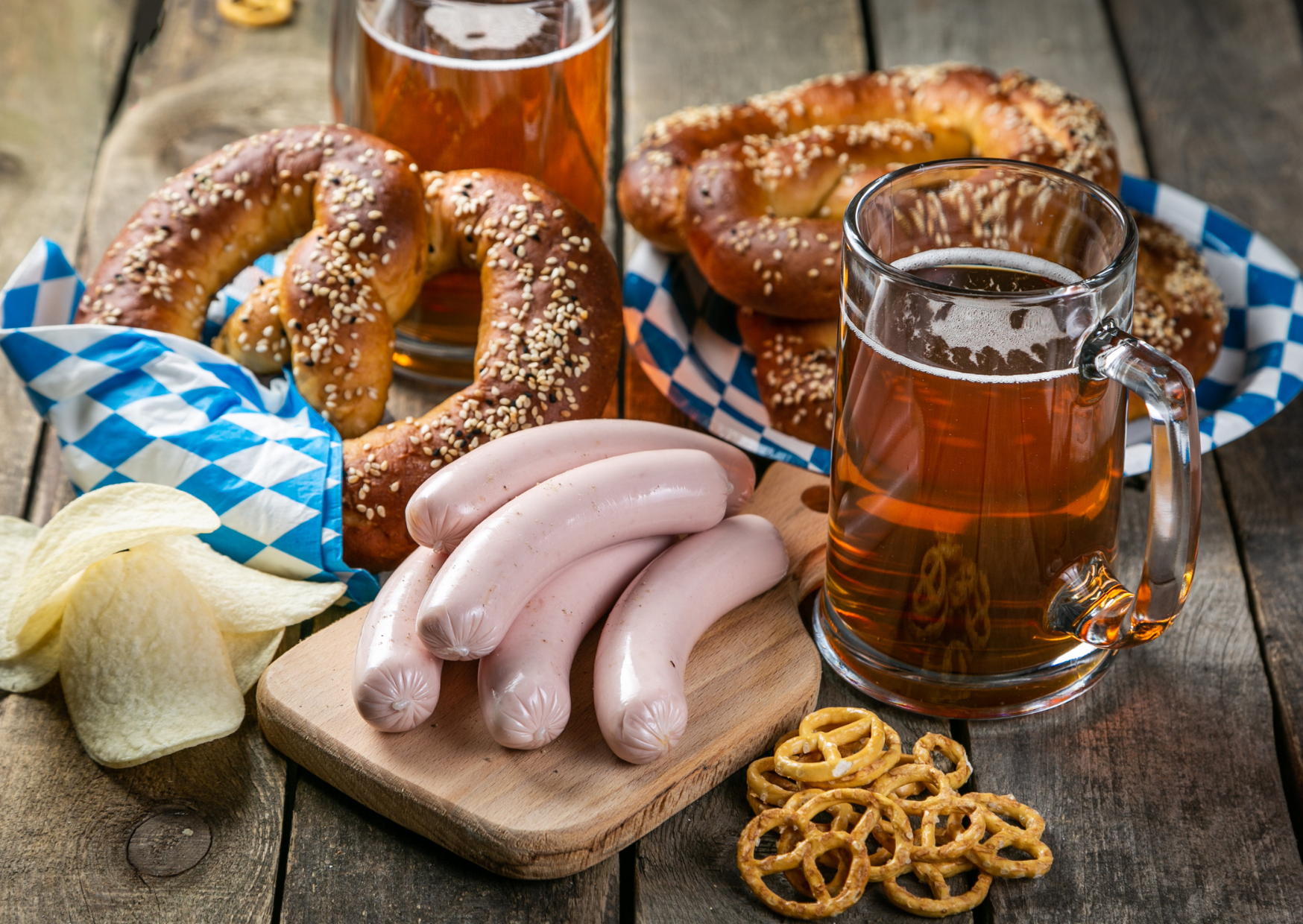
The idea that one country’s beer “causes belly fat” and another’s does not is a story people like to tell. Your body does not care about the flag. It cares about energy balance. Alcohol is energy dense, carbs add more, and surplus sticks to your midsection over time.
A quick rule of thumb helps. Alcohol provides roughly seven calories per gram, while carbohydrates provide about four. In beer, the bulk of calories comes from ethanol itself, then from the small amount of residual carbohydrate that fermentation leaves behind. If you routinely drink more alcohol calories than you burn, central fat climbs. Light or moderate intake is rarely the problem. Heavy and frequent intake is where weight gain and abdominal fat show up with consistency. Dose matters, frequency matters, weekly totals matter.
The quiet ABV gap that adds up
Put two common orders side by side. A German Pils or Helles usually sits near five percent alcohol by volume. Many American IPAs land between six point three and seven point five percent, and “double” or “imperial” versions often push much higher. Higher ABV means more alcohol calories per pour, American craft styles skew stronger, German staples cluster around five percent.
Now apply the calorie math in plain language. A half-liter of five percent lager delivers fewer alcohol calories than a sixteen-ounce pour of a seven percent IPA, even before you count carbohydrates. You feel the difference quickly at round two and round three. If your routine beer is stronger by one or two percentage points and you drink the same number of glasses, your weekly calorie total rises without any change in how “full” you feel. That is how a “beer belly” sneaks up.
Ingredients vs. calories: what the Purity Law really means
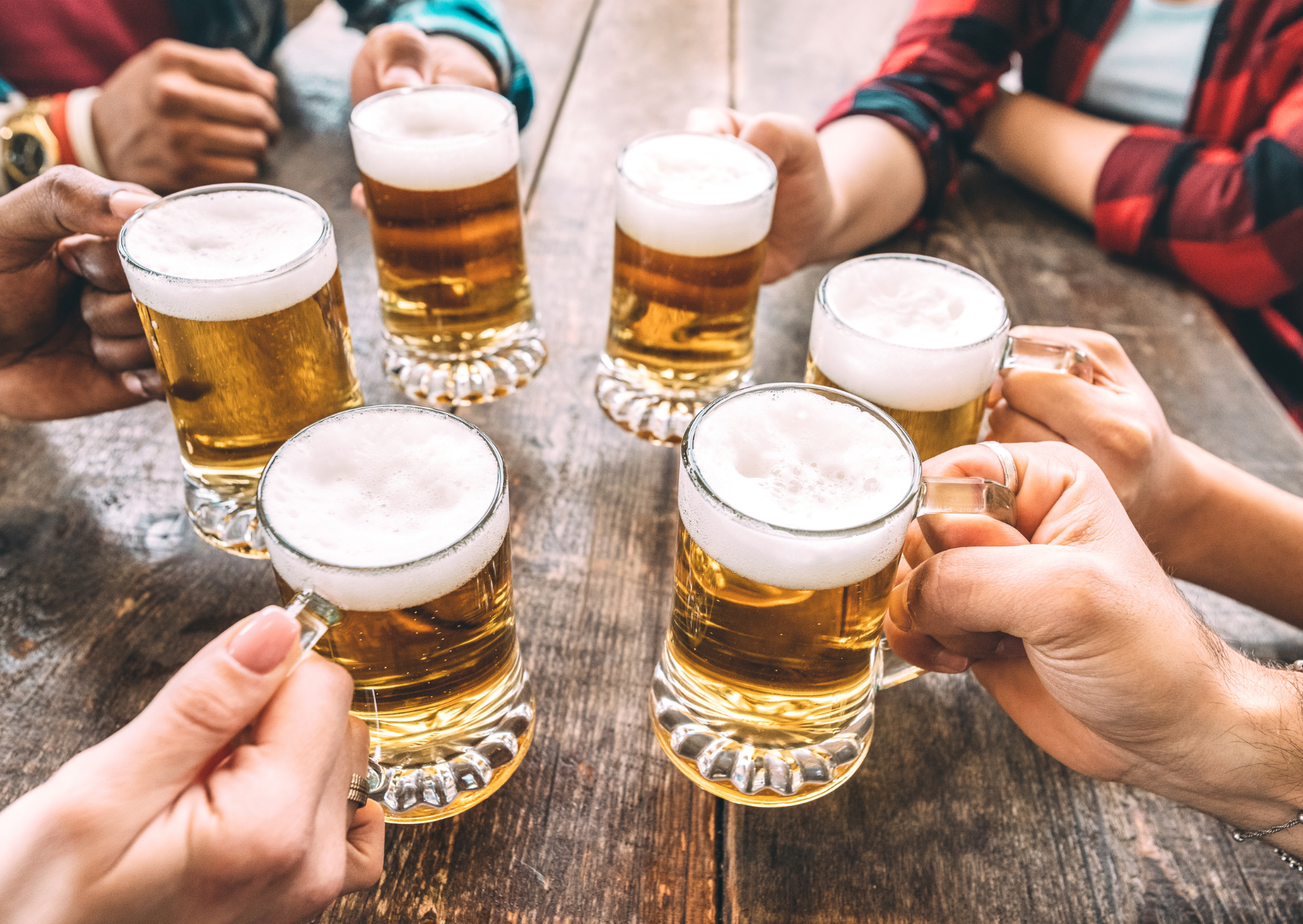
People love to credit the Bavarian Purity Law for leaner midsections. The Reinheitsgebot limited beer to water, barley, and hops in its early form, with yeast recognized later. Modern German beer regulation still reflects that heritage. It shapes flavor and expectations, not the math of weight gain. Purity rules influence what is in the glass, alcohol strength still drives calories, adjuncts are not the main culprit.
Yes, many American mass-market lagers use adjunct grains such as rice or corn. That does not automatically make them “fattening.” In practice, beers brewed to the same alcohol level land in a similar calorie range, adjunct or no adjunct. What sends calories up fast is stronger beer, bigger pours, and more rounds, not whether the grain bill included rice.
Germany’s tax nudge toward moderate strength
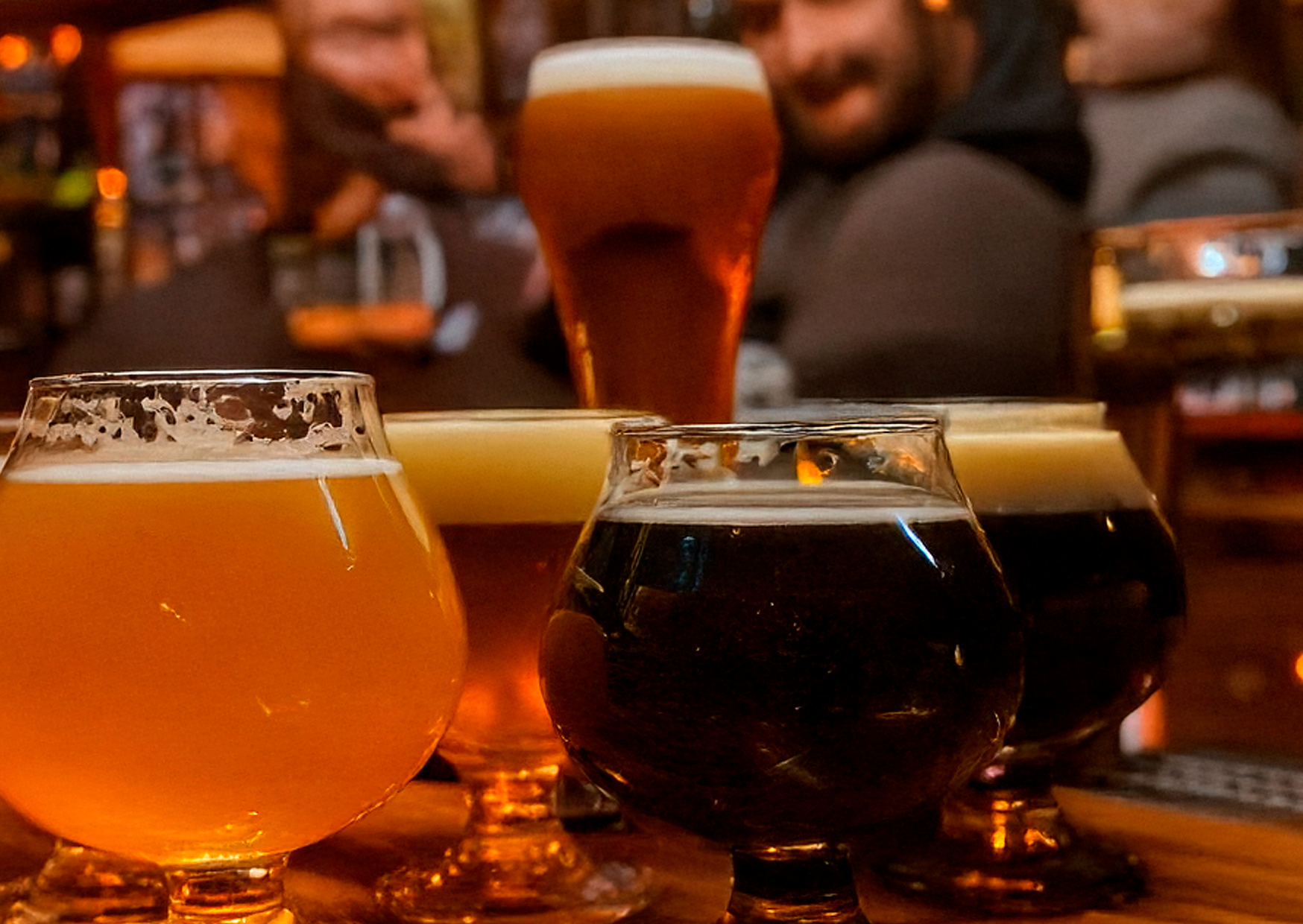
Germany taxes beer by its original gravity (the sugar concentration before fermentation), not directly by alcohol content. That structure tends to cluster everyday beers in a middle band of strength that consumers expect and breweries produce in scale. In plain numbers, most full-bodied German beers sit with original gravity levels that yield roughly four and a half to five and a half percent alcohol by volume. Gravity-based tax, typical ABV around five percent, moderate strength as the norm.
This does not stop high-strength beers, but it does make an everyday five percent lager the cultural default. In contrast, many U.S. tap lists center on stronger styles. If your “regular” is a seven percent IPA and your friend’s “regular” is a five percent Helles, identical drinking habits produce different waistline results over six months.
Drinking pattern beats brand loyalty
How you drink matters as much as what you drink. Light to moderate intake with meals shows a weak link to weight gain. Heavy episodic intake shows a stronger one, and it relates specifically to abdominal fat. Pace and context matter, binge patterns drive risk, meals blunt the hit.
In Germany, beer is often part of a sit-down meal, a social ritual that naturally slows the rate of drinking. There is also a large and growing habit of choosing non-alcoholic beer for weekday rounds and sports, which quietly cuts weekly alcohol calories without changing the social script. That one swap alone makes a difference over a season. Alcohol-free options are mainstream, weekday moderation is common, calories drop even when the glass looks the same.
The movement dividend you do not notice
The same night out has a different calorie outcome when your day includes more built-in walking and cycling. Germans take more trips by foot or bike than Americans, and regular use of a bicycle or pedelec is routine for many. Incidental activity is higher, transport doubles as exercise, small daily burns add up.
Even a few hundred extra steps per day shifts energy balance over a month. Population data consistently show the United States on the low end of walking for transport compared with Western Europe. If two people drink the same calories and one of them walks and cycles more as a matter of daily life, their long-term weight trends will not match. Move a bit more, drink the same, see a different outcome.
Sleep, timing, and the late-night spiral
Alcohol before bed shortens deep sleep and fragments the night. Poor sleep in turn nudges hunger hormones the wrong way the next day, which increases snacking and reduces dietary control. Over time, the combination favors central fat. Late drinks cut sleep quality, poor sleep raises appetite, belly fat tracks routine, not one weekend.
If your beer routine is tied to late meals and short nights, you will feel it at the belt faster than someone who drinks with dinner and sleeps well. This is not about one glass. It is about what you repeat.
A simple way to drink like a German and keep your waist
You do not need to move to Bavaria to get the benefit. Copy the structure, not the stereotype.
Order by strength, not by label. Aim for four to five percent, treat six to eight percent as occasional, split or skip anything in double-digit territory. Helles, Pils, Kölsch, Vienna lager, ordinary bitter, and a host of session ales all deliver taste with fewer alcohol calories per pour. The same logic applies to craft lagers and session IPAs in the United States.
Match rounds with food and water. Eat while you drink, add a glass of water between beers, keep sugary mixers and desserts to actual treats. Calories from snacks will always matter more than tiny differences in brewing rules.
Use alcohol-free swaps during the week. Germany normalizes that choice, and it works. Alkoholfrei has a real market share, taste has improved, weekly totals fall without social friction.
Plan your movement without overthinking it. Walk to the game, ride a bike for errands, or park once and do the rest on foot. Incidental steps count, routine beats intensity, consistency beats perfection.
Where the story is wrong and where it is right
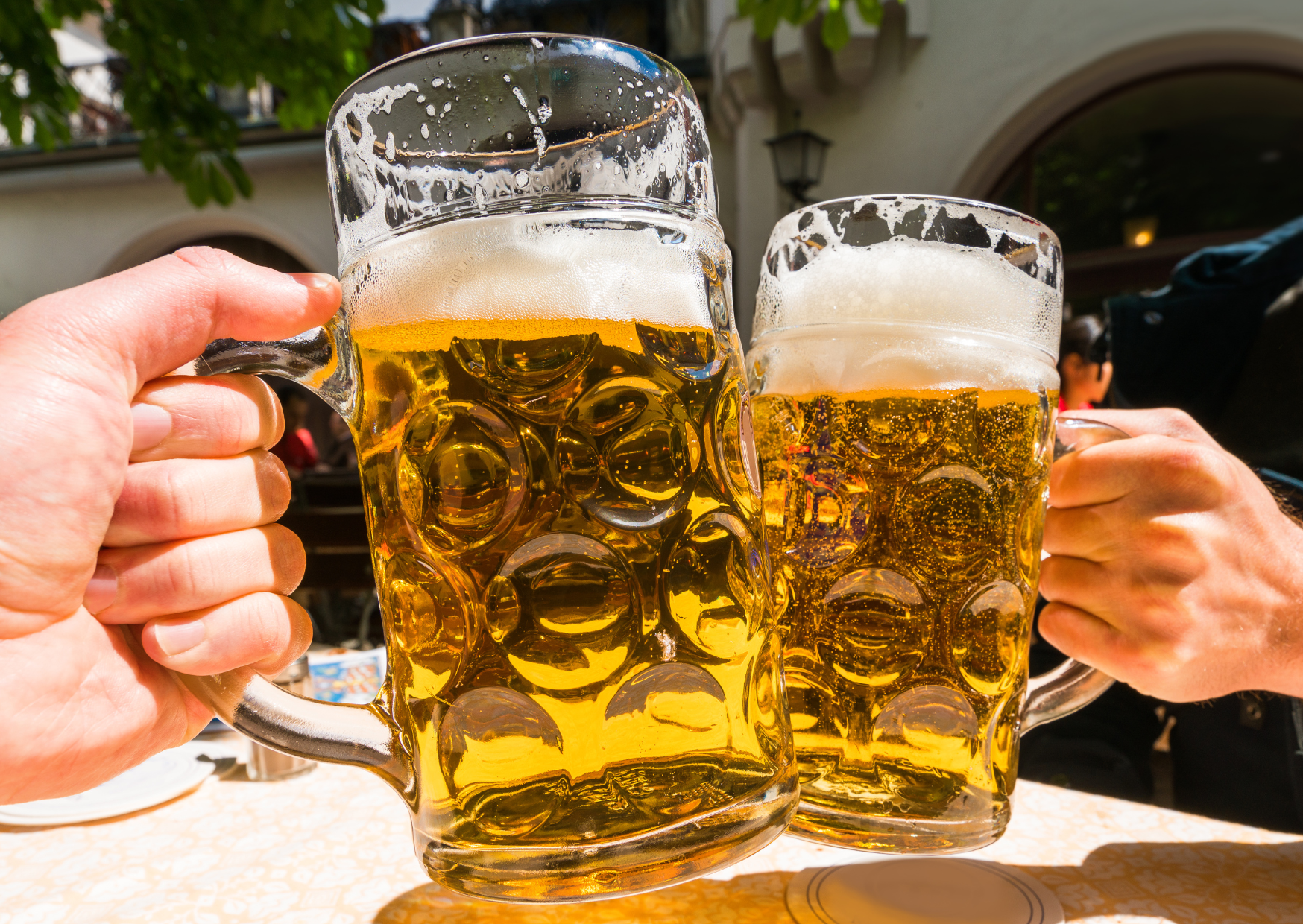
“German beer does not cause belly fat” is wrong on its face. Drink enough of any beer and your waist will respond. What is right is the cluster of habits that often surround a German pint. The typical ABV is moderate, the drinking context is slower and meal-based, non-alcoholic options are visible and socially normal.
In the United States, the typical craft pour is stronger, the serving sizes are familiar but generous, and late-night eating and short sleep make an easy calorie surplus. None of this is destiny. It is just a set of levers you can pull.
A quick, honest comparison you can feel this month
Try this simple swap for four weeks and watch what happens.
Keep your number of beer occasions the same, but shift most pours to four or five percent styles, drink them with food, use at least one alcohol-free round on work nights, and add two or three short errand walks per week. Lower strength, better context, more movement. If your belt feels looser, it is not because one country’s beer is a miracle. It is because you changed the math and the routine.
The bottom line from the bar table
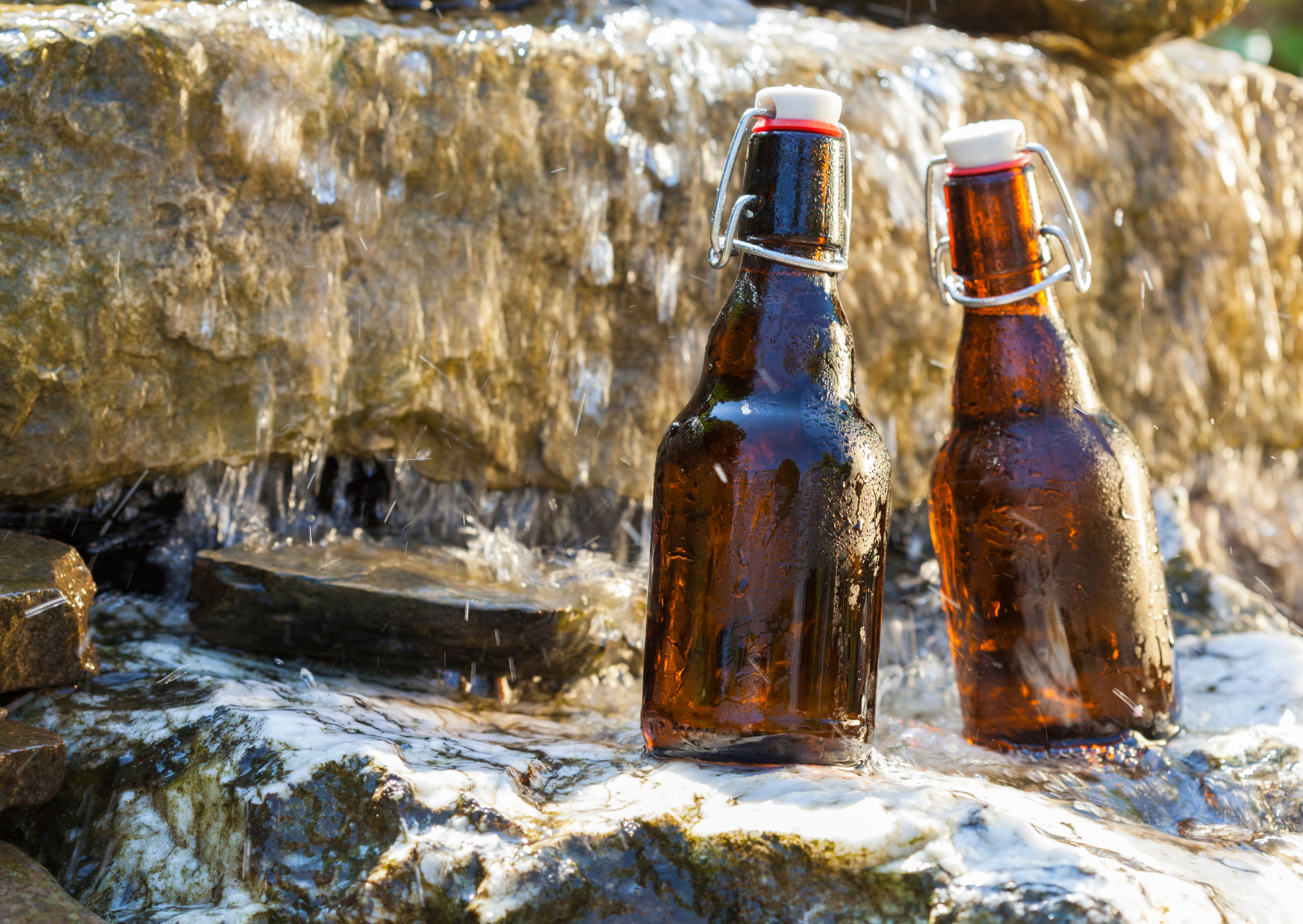
Beer does not “target” your belly because it is German or American. Your body responds to totals, patterns, and sleep. If you match German habits, you will get German-looking outcomes, even at your local U.S. taproom: moderate strength beers most of the time, slow and social drinking with real meals, easy movement built into your week, and smart use of alcohol-free options. Habits beat marketing, ABV beats mythology, consistency beats willpower.
German beer is typically brewed under strict purity laws, using only natural ingredients like water, malt, hops, and yeast. This means fewer additives, lower sugar levels, and a cleaner fermentation process compared to many mass-produced American beers. Combined with a more active lifestyle and moderate drinking habits, this contributes to fewer negative health effects.
In the end, it’s not just what you drink but how and when you drink it. The cultural approach to beer in Germany emphasizes quality over quantity, and that distinction makes all the difference.
Raise a glass to that.

About the Author: Ruben, co-founder of Gamintraveler.com since 2014, is a seasoned traveler from Spain who has explored over 100 countries since 2009. Known for his extensive travel adventures across South America, Europe, the US, Australia, New Zealand, Asia, and Africa, Ruben combines his passion for adventurous yet sustainable living with his love for cycling, highlighted by his remarkable 5-month bicycle journey from Spain to Norway. He currently resides in Spain, where he continues sharing his travel experiences with his partner, Rachel, and their son, Han.