
It’s not the peanut butter pretzels. It’s the feeling that you can fix a bad day instantly, at any hour, with one fluorescent aisle and a cart full of small comforts.
People move to Europe for the food and then get blindsided by the weirdest craving.
Not for ranch. Not for drive-thru. Not even for giant iced coffee.
They miss Trader Joe’s at 2 a.m.
They miss the permission to be slightly chaotic. To be tired, wired, a little sad, and still solve it by buying five clever snacks and a frozen dinner that tastes like you tried.
In Spain, you can eat beautifully. You can eat cheaply. You can eat fresh without making it a personality.
But if you’re used to American convenience culture, Europe’s food system can feel like it has one stubborn message: plan your life like an adult.
That message is usually good for your health and your wallet. It’s also the reason Americans who move for the food end up missing that one very specific American institution: the curated, late-night, dopamine-friendly grocery run.
This isn’t a nostalgia post. It’s a reality check, with fixes you can actually use.
The thing you miss is not a store, it’s an emergency exit
Trader Joe’s isn’t just a grocery store. It’s an emotional service.
When Americans say they miss it, what they often mean is: “I miss a place where I can buy a solution.”
Solution to hunger. Solution to stress. Solution to a bad week. Solution to “I don’t want to cook but I also don’t want to spend $45 on delivery.”
At 2 a.m., that’s not even about the specific products. It’s about instant repair.
Europe has plenty of food. Spain has food culture that is genuinely better for daily life. But Europe is less designed around the idea that you should be able to shop whenever your nervous system feels weird.
In much of Spain, the supermarket has a closing time that tells you to stop. Sundays are often limited. Smaller neighborhoods run on routines. Even in big cities, the late-night options tend to narrow to convenience stores, petrol stations, and whatever is open near nightlife.
So Americans land here, in a place with olives and jamón and beautiful tomatoes, and still feel an itch. That itch shows up at night, when the day is quiet and the brain starts negotiating.
In the U.S., you solve that itch by driving somewhere and buying a cart of small wins. In Europe, that option is not always there, and it forces you into one of two feelings: either you feel trapped, or you learn to build your own safety net.
The good news is that the fix is simple. The annoying news is that the fix requires you to become the person who thinks ahead.
Europe’s food life is built around neighborhoods, not 24-hour rescue missions

Here’s the structural difference Americans often miss.
In many U.S. places, the grocery store replaces the neighborhood. You drive to a big box, you do one big shop, and the store becomes the infrastructure.
In much of Europe, the neighborhood is the infrastructure. You have a supermarket, yes, but you also have small shops and markets and bakeries and a bar that functions like a community living room. You buy less at a time, more often. You walk. You know where the good fruit is. You know which place has the decent cheese when you need it.
That system produces better daily eating, but it also produces boundaries. Shops aren’t trying to be your midnight therapist.
And frankly, labor culture matters too. In a lot of Europe, the idea that someone should be stocking shelves at 2 a.m. so you can buy novelty snacks is not the default moral assumption. It exists in some forms, in some places, but it’s less baked into the mainstream.
So when Americans say “Europe is less convenient,” what they often mean is “Europe is less built to absorb my last-minute decisions.”
That isn’t always bad. It’s why people’s food often improves here without effort. Less constant shopping means fewer impulse purchases. Fewer impulse purchases means fewer sugar spirals. Fewer sugar spirals means fewer 3 p.m. crashes you treat with more sugar.
But the trade-off is real. If you rely on late-night convenience as part of your coping system, you will miss it.
That’s the core reveal: your food system is also your emotional system.
Trader Joe’s is a dopamine machine disguised as a grocery store
Let’s say the quiet part out loud.
Trader Joe’s works because it makes you feel smart and cared for at the same time.
Private label products that feel curated. Small packages that let you try something without committing. Snacks engineered to hit salty, sweet, crunchy, and nostalgic all at once. Frozen meals that taste better than they should. Seasonal items that create urgency without feeling gross about it.
This is not just “Americans like junk food.” Europeans have junk food too. This is about the way the store is designed to give you little bursts of delight.
If you moved to Europe for food culture, you might assume you’re trading up. In many ways you are. But you’re also losing a very specific kind of American convenience: curated novelty at scale.
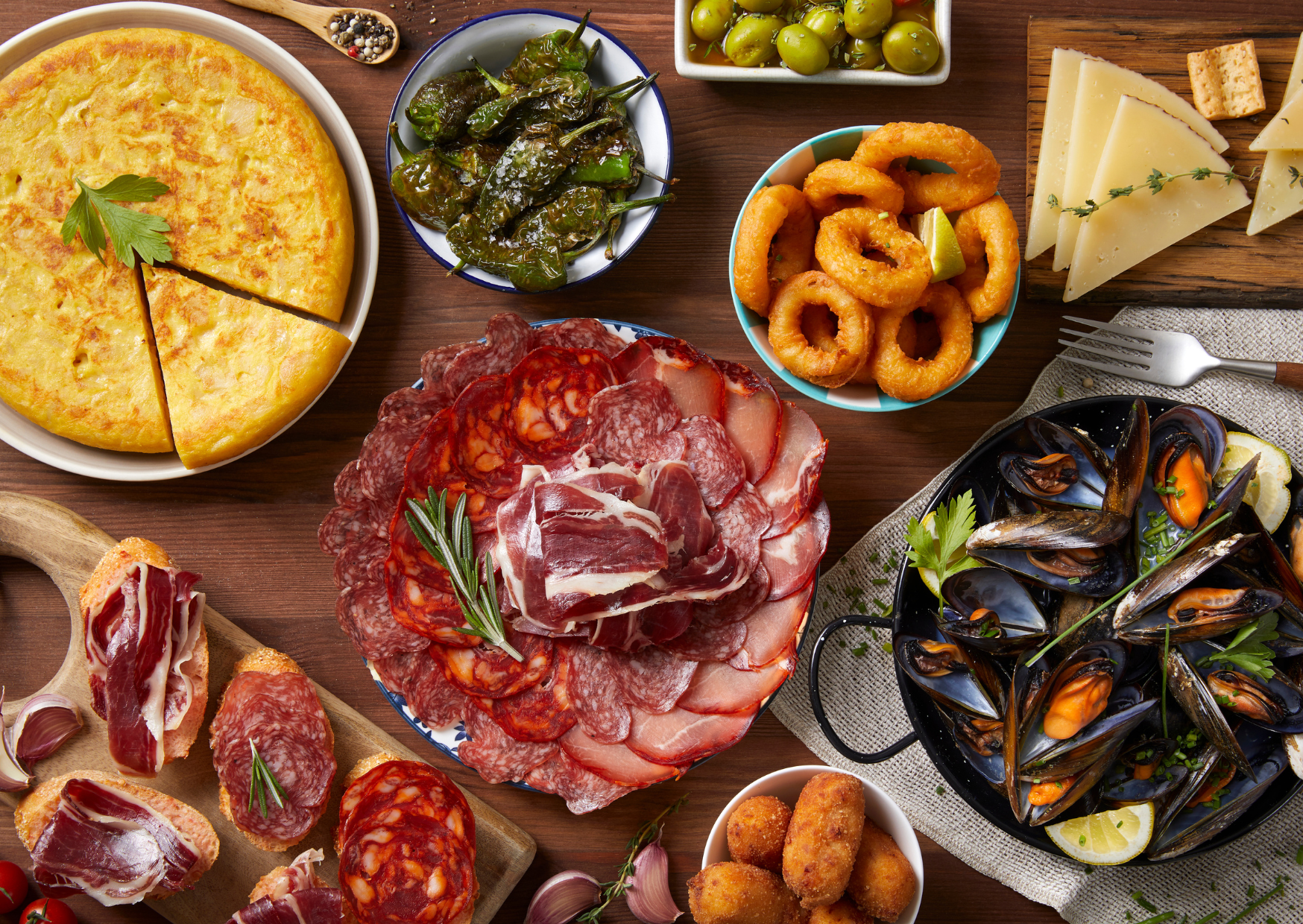
In Spain, you can buy excellent ingredients. You can buy great cheeses. You can buy jamón that will ruin you for deli ham forever. You can buy frozen croquetas and think you’ve found the cheat code.
But you don’t always get the same constant stream of “new fun things” packaged to feel like a reward.
So people start doing the weird substitution behavior:
- They over-order delivery because it’s the easiest late-night reward.
- They overbuy bakery sweets because it’s the closest “treat” available.
- They keep a stash of imported snacks and resent the price.
- They turn nighttime into a scavenger hunt for something that feels like the American fix.
This is why the Trader Joe’s craving shows up at night. Night is when you’re not making rational food decisions. Night is when you want a reward that doesn’t require planning.
If you understand that, you stop thinking the problem is “Europe doesn’t have good snacks.” Europe has plenty. The problem is that you lost a system designed to hand you reward on demand.
What Spain actually offers at 2 a.m., and why it feels unsatisfying
In Spain, late-night food exists. It’s just different.
Depending on the city and neighborhood, your 2 a.m. options might be:
- small convenience stores with basic snacks and drinks
- kebab shops, burger places, churros in certain areas
- petrol stations with packaged food
- late bars where you can get something simple, but not a curated grocery run
- vending machines in some locations
The gap isn’t “nothing is open.” The gap is that the late-night options are not built for the same mission.
In the U.S., late-night shopping often feels like control. You walk aisles. You browse. You choose. You come home with ten items that make tomorrow easier.
In Spain, late-night food is often transactional: you buy one thing and leave. The experience doesn’t give you that “I solved my life” feeling.
There’s also a practical problem for Americans: many of the late-night options are heavier. More fried. More bread. More “nightlife food.” It scratches hunger but doesn’t scratch the exact itch that Trader Joe’s scratches, which is “small clever comforts.”
A big part of living well here is learning the European alternative: you don’t rely on late-night shopping. You build a home base that can handle your tired moments.
That means two things:
- you keep a freezer stocked with easy wins
- you keep a pantry stocked with low-effort meals
And yes, this is where the American brain gets annoyed. Because the whole point of Trader Joe’s at 2 a.m. was not having to think ahead.
Welcome to Europe. It’s a better life in many ways, but it does ask you to be slightly more intentional.
The money math Americans don’t see until they move
Americans often think they’re moving for lower costs. Then they get here and think, “Why am I spending so much on random food?”
It’s usually because they replaced the Trader Joe’s system with more expensive coping.
Let’s put a realistic structure on it.
In the U.S., a “late-night fix” might be:
- a quick grocery run with $25 to $40 of snacks and frozen meals that stretch into tomorrow
- or a drive-thru run that costs $12 to $20
In Spain, the late-night fix often becomes:
- delivery, which can easily land at €18 to €35 for two people once you include fees and the “we might as well add something” behavior
- or overpriced convenience store snacks that don’t actually stock your kitchen for the next day
- or bar food that turns into “we also got drinks,” which is where budgets quietly bleed
So the financial reality is not that Spain is expensive. It’s that you lost a cheap coping mechanism and replaced it with a pricier one.
This is the obscene little difference people don’t budget for. Not groceries. Coping costs.
There’s also a second money layer: in Spain, because neighborhood shopping is common, you can spend less by buying less waste. But if you’re used to one big weekly shop and you don’t adjust, you end up with the worst of both worlds:
- you buy too much at once, then it goes bad
- you still order delivery because the fridge feels chaotic
That combination makes people think “Europe didn’t change my habits.” It did. It just exposed them.
If you want your European food life to feel easy and cheap, you need a system that replaces the Trader Joe’s safety net. That system is not glamorous. It’s practical.
The replacement plan that works: build a “European Trader Joe’s drawer”
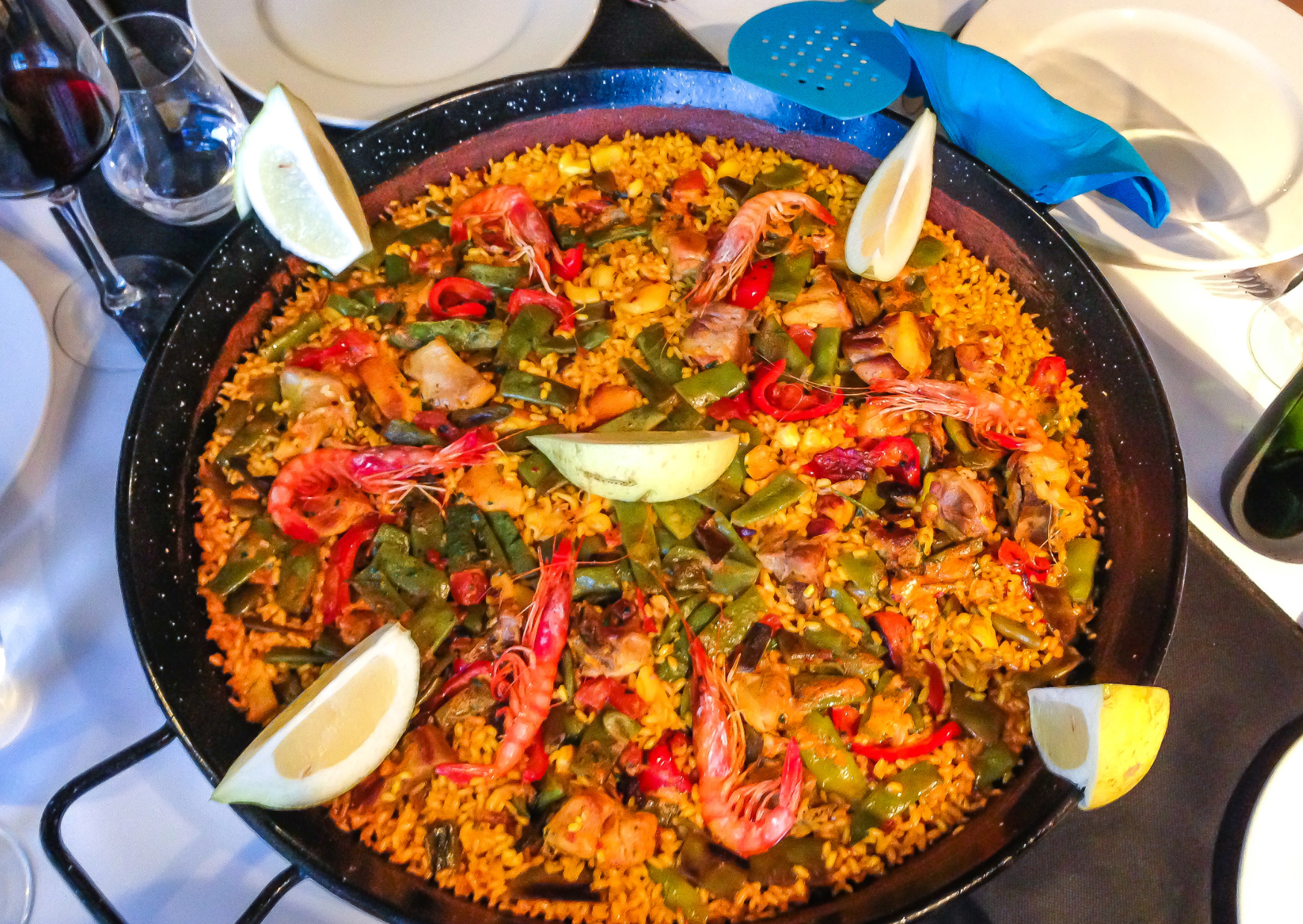
If you want to stop missing Trader Joe’s, you don’t need to become a saint. You need to build a small set of predictable comforts.
In our house in Spain, the version that works looks like this:
The freezer shelf
This is your “I can’t cook” insurance.
- frozen vegetables you actually like
- frozen seafood or chicken you can cook fast
- one or two frozen comfort items, croquetas, dumplings, pizza, whatever fits your life
- bread or tortillas you can pull out without a trip to the shop
The pantry corner
This is your “I can eat like a normal person without planning” kit.
- pasta, rice, and a good jar sauce or tomato base
- lentils, chickpeas, or white beans
- canned tuna or sardines
- olive oil, vinegar, mustard, spices
- crackers or good bread backup
The treat drawer
This is the part Americans pretend isn’t important and then blow money anyway.
- chocolate you like
- nuts
- one salty snack
- one sweet snack
- a couple of “fun” items you only eat when you’re tired
The goal isn’t to recreate Trader Joe’s product by product. The goal is to recreate the function: when you feel off at night, you can still take care of yourself without leaving the house.
This is where Europeans quietly win. They don’t need a 24-hour store because their kitchens are stocked for real life.
Once you build that, the craving changes. You stop missing Trader Joe’s at 2 a.m. because you don’t need a store to be your emergency plan.
Your home becomes the plan.
Pitfalls Americans hit when trying to “eat European”
These are the mistakes that keep the craving alive and keep budgets messy.
- You shop like a tourist
Fancy markets, specialty items, impulse treats. Fun, but not sustainable. - You don’t build a default dinner list
If you need to invent dinner every night, you will eventually pay for convenience. Defaults are freedom. - You underestimate how much you need snacks
If you’re used to American snacking, you will snack here too. Pretending you won’t just leads to late-night scavenging. - You don’t learn your neighborhood supply chain
Where is the late bakery. Where is the good fruit shop. Which supermarket has the best basics. Which place sells decent frozen items. This takes two weeks, and it saves you months of annoyance. - You rely on delivery as entertainment
Delivery becomes the new “fun.” That’s when money and health start sliding at the same time. - You treat planning like a personality flaw
In Europe, planning is not uptight. It’s how the system runs. The sooner you accept that, the sooner food stops feeling hard.
If you want a blunt phrase to remember: freedom requires stocking. That’s what Americans miss, not the brand.
Your first seven days to stop needing a 2 a.m. grocery run
If you’re newly in Europe, or you’re about to move, do this once. It’s the fastest way to remove the craving.
Day 1: Build two default dinners you can cook half-asleep
Examples: pasta plus tuna plus olive oil and lemon. Rice plus eggs plus frozen veg. Beans plus toast plus tomato. Don’t get fancy.
Day 2: Buy the freezer basics
Frozen veg, one protein, one comfort item. Make it boring. Make it repeatable.
Day 3: Buy the pantry anchors
Pasta, rice, two cans of beans, two cans of fish, one jar sauce, one good oil. This is your weeknight rescue kit.
Day 4: Create the treat drawer on purpose
Pick five items. Not twenty. Five. When you’re tired, you want fewer choices. Small stash, big relief.
Day 5: Identify your late options in your neighborhood
One place that’s open late. One place for emergencies. One pharmacy option. You don’t need a perfect map, you need familiarity.
Day 6: Run one night without delivery
Not as punishment. As proof you can. Make one default meal, eat your treat, and notice the craving drop.
Day 7: Set a weekly shop rhythm
Two smaller shops per week beats one massive shop for most newcomers. It reduces waste and keeps your kitchen usable.
After a week, you’ll still miss things. You’ll miss specific products. But the 2 a.m. panic will fade because you’ll have replaced the real function Trader Joe’s served.
The choice hiding underneath the craving
If you moved for the food, you’re not wrong. Europe, and Spain in particular, is better for daily eating in ways Americans often don’t understand until they live here.
But you can’t bring your old coping system and expect the new system to support it.
You have two choices.
You can keep trying to recreate American late-night or adapt to your newer, healthier lifestyle and stay healthier and happier. Your choice.

About the Author: Ruben, co-founder of Gamintraveler.com since 2014, is a seasoned traveler from Spain who has explored over 100 countries since 2009. Known for his extensive travel adventures across South America, Europe, the US, Australia, New Zealand, Asia, and Africa, Ruben combines his passion for adventurous yet sustainable living with his love for cycling, highlighted by his remarkable 5-month bicycle journey from Spain to Norway. He currently resides in Spain, where he continues sharing his travel experiences with his partner, Rachel, and their son, Han.