
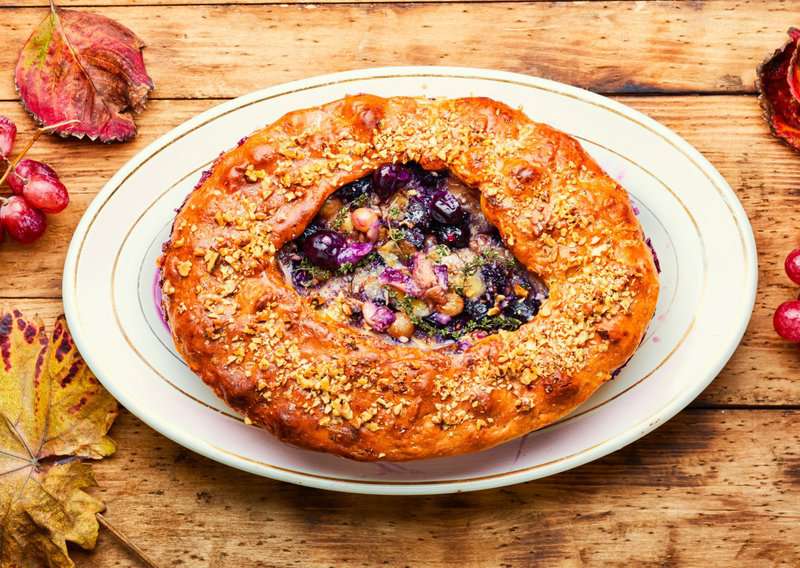
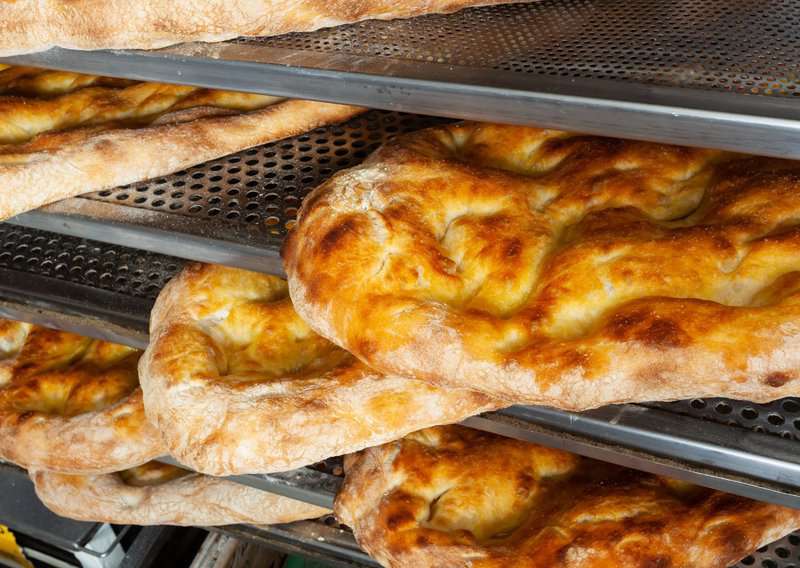
If you’ve ever strolled through the markets of Florence or Tuscany, chances are you’ve caught a whiff of schiacciata—a golden, crispy, olive oil-rich flatbread that locals devour like pizza never existed. While it may look similar to focaccia, schiacciata has its own bold identity, rooted in Tuscan tradition and rustic simplicity.
The name “schiacciata” means “squashed” or “flattened,” and that’s exactly what makes this bread so charming. Baked thin and often topped with olive oil, herbs, or even grapes (during harvest season), it’s chewy in the middle and delightfully crisp on the edges. Whether enjoyed plain or stuffed with meats and cheeses, it’s a staple of everyday life in Tuscany.
The best part? Making schiacciata at home is surprisingly easy, requiring just a few pantry staples and a bit of patience. Whether you’re craving authentic Italian street food or just want to upgrade your homemade bread game, schiacciata delivers rustic charm and real-deal flavor in every bite.
Read here best Italian food, vegetarian food in Italy, best drinks in Italy and best breakfast in Italy
BOOK YOUR TRAVEL INSURANCE
Two of our favorite travel insurance: Heymondo Vs Safetwing cheapest travel Insurance. You can get for $135 USD your Heymondo Travel Insurance with Heymondo discount code valid for 90 days. Read our full comparison of Genki vs Safetywing Travel Insurance Review and the comparison Heymondo vs Genki
Best Time to Eat Schiacciata
Schiacciata is incredibly versatile—it’s perfect fresh out of the oven as an appetizer, stuffed for lunch, or served alongside soups and stews for a hearty dinner. It’s also a hit at picnics or weekend brunches, especially when sliced into wedges and paired with wine or charcuterie.
How to Partner It
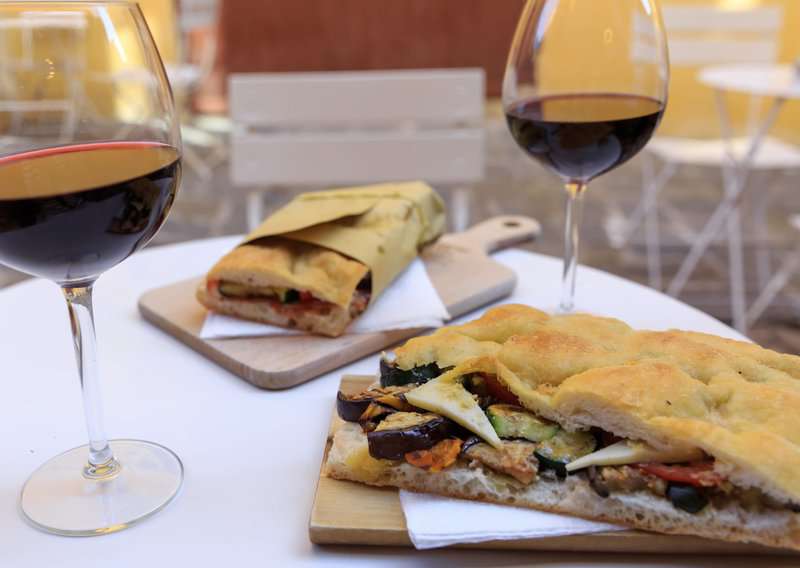
Pair schiacciata with salty cured meats like prosciutto, mortadella, or finocchiona. Add aged cheeses (like pecorino or parmigiano), or keep it simple with fresh tomato and basil. For drinks, a dry Chianti or a crisp white wine enhances its olive oil-forward flavor. Sweet schiacciata (with grapes or figs) pairs beautifully with a dessert wine or even black coffee.
Despite its deep regional roots, schiacciata is often overshadowed by its cousin focaccia—especially outside of Italy. Many assume they’re the same thing, but Tuscans would disagree. Schiacciata is typically thinner, crispier, and less doughy, with a strong emphasis on olive oil and salt rather than fluffiness. The controversy? Some Italians claim it’s been wrongly “rebranded” abroad to fit focaccia’s popularity.
There’s also tension around sweet vs. savory schiacciata. In Tuscany, schiacciata all’uva—made with red grapes during the harvest season—is considered a seasonal delicacy. But to non-Italians, sweet bread with seeds and olive oil can seem confusing. Some chefs outside Italy have even tried to modernize it by adding chocolate or nuts, sparking debate about when tradition becomes innovation—or cultural dilution.
And finally, there’s the rising debate about artisan vs. convenience. Many traditional bakers believe schiacciata should be hand-kneaded, slow-fermented, and wood-fired—anything less is, to them, a shortcut. But home bakers around the world are adapting the process with modern tools and ingredients. The result? Delicious schiacciata, even if it’s not Nonna-approved.
How to Make Schiacciata
Schiacciata Recipe Ingredients
500 grams (about 4 cups) all-purpose flour
1 packet (7 grams) active dry yeast
1 teaspoon sugar
1 1/2 teaspoons salt
300 ml (about 1 1/4 cups) warm water
60 ml (1/4 cup) extra virgin olive oil, plus extra for drizzling
Coarse sea salt, for sprinkling
Optional: Fresh rosemary leaves
Get the best deals for your home and kitchen needs
Step By Step How to Make Schiacciata
Prepare the Yeast Mixture
In a small bowl, dissolve the yeast and sugar in the warm water. Let it sit for about 5-10 minutes, until frothy, indicating that the yeast is active.
Make the Dough
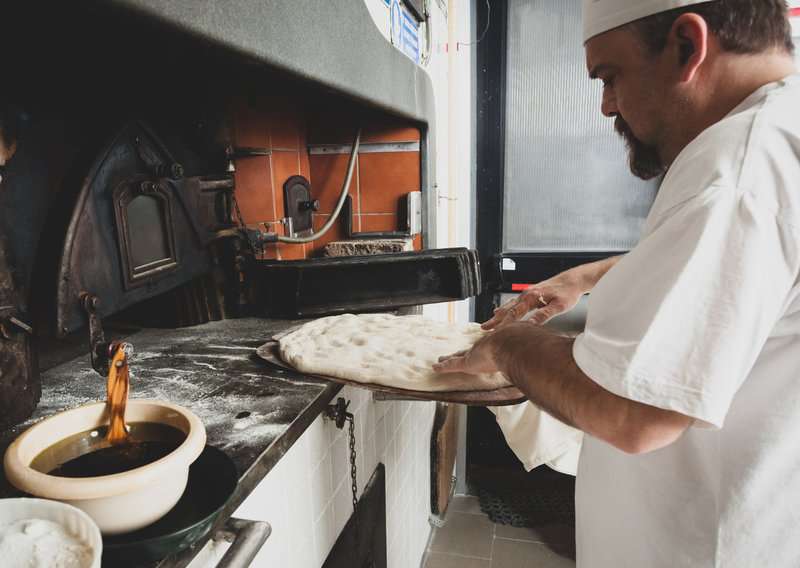
In a large mixing bowl, combine the flour and salt. Make a well in the center and pour in the yeast mixture along with 1/4 cup of olive oil. Mix with a spoon or your hands until a dough begins to form, then transfer it to a floured surface and knead for about 10 minutes, or until smooth and elastic.
Place the dough in a lightly oiled bowl, cover with a damp cloth, and let it rise in a warm place for about 1 hour, or until doubled in size.
Shape and Second Rise
Punch down the dough and transfer it to a lightly oiled baking sheet. Stretch it out to a rectangle, about 1/2 inch thick.
Let the dough rise for another 30 minutes, uncovered.
Add Toppings and Bake
Preheat the oven to 425°F (220°C). Gently press your fingertips into the dough to create dimples. Drizzle with more olive oil and sprinkle with coarse sea salt and rosemary if using. Bake in the preheated oven for 20-25 minutes, or until golden brown and crisp.
Cool and Serve
Remove from the oven and let cool slightly on a wire rack. Best served warm.
Tips To Make Schiacciata
Kneading the dough adequately is crucial for developing gluten, which gives the bread its texture. Ensure the water is warm (not hot) to activate the yeast without killing it, which should create a frothy mixture.
Using high-quality extra virgin olive oil will greatly enhance the flavor of your schiacciata. Make sure your oven is properly preheated before baking for an evenly baked surface.
How Many Calories Has A Schiacciata
The entire recipe makes a large schiacciata that can serve approximately 8 people. A single serving (1/8th of the entire recipe) contains roughly 270-300 calories, depending primarily on the amount of olive oil used and additional toppings.
Origin and History
Long before focaccia became Italy’s international bread star, schiacciata was quietly winning hearts across Tuscany. The name schiacciata literally means “squashed” or “flattened,” describing how the dough is pressed down before baking. It’s a rustic, olive oil–infused flatbread that embodies everything Italian cooking stands for simplicity, local ingredients, and irresistible flavor. While it shares similarities with focaccia, schiacciata has a character all its own: thinner, saltier, and often baked until slightly crisp around the edges.
The origins of schiacciata date back to the rural hills of Tuscany, where farmers would bake it daily as a humble table bread. Using basic pantry staples flour, water, yeast, olive oil, and salt—families would prepare it early in the morning to serve with lunch or dinner. Olive oil from local mills was brushed generously over the dough, both to add flavor and to keep it moist through the day’s heat. In some regions, variations like schiacciata con l’uva emerged, incorporating grapes during harvest season for a sweet, fragrant twist.
Over time, schiacciata became a staple of Tuscan bakeries and markets. While focaccia conquered Liguria and beyond, schiacciata remained proudly local, cherished by those who knew its secret: its crisp yet chewy texture and deep olive oil aroma make it the perfect base for sandwiches or a simple snack with cured meats and cheese. Today, food lovers around the world are finally starting to discover what Tuscans have known for centuries this humble bread might just outshine focaccia.
The growing popularity of schiacciata has sparked plenty of debate especially among Italians. The first controversy is regional pride. Tuscans claim schiacciata as uniquely theirs, distinct from Ligurian focaccia, yet visitors often confuse the two. While both are flatbreads made with olive oil, Tuscans insist schiacciata is thinner, crispier, and more rustic. Ligurians, on the other hand, argue that focaccia’s soft, pillowy texture is the gold standard. The debate has become something of a friendly culinary rivalry that shows no signs of cooling down.
Another point of contention lies in the toppings or lack thereof. Traditionalists argue that true schiacciata should be minimalistic, seasoned only with olive oil and coarse sea salt. However, modern bakers have begun experimenting with rosemary, tomatoes, onions, and even cheese. Purists call these additions a betrayal of authenticity, while others see them as natural evolution. As with many Italian dishes, every household and village swears their version is the “real” one.
Finally, there’s the question of sweetness. The grape-filled schiacciata con l’uva divides even the most loyal Tuscan food lovers. Some consider it a dessert, others a snack, and some say it’s neither it’s simply schiacciata celebrating the grape harvest. This ongoing debate highlights what makes Italian cuisine so dynamic: deep-rooted tradition mixed with endless personal expression.
How Long You Take to Prepare
Making schiacciata at home is surprisingly easy but requires patience. The process takes around 2 to 3 hours in total, though most of that time is spent waiting for the dough to rise. Start by mixing flour, warm water, yeast, olive oil, and a pinch of salt until you form a soft dough. Knead for about 10 minutes until smooth and elastic this step helps create that perfect chewy texture.
Once the dough is ready, let it rest in a warm place for about 1 hour to 90 minutes, or until it doubles in size. Then, press it gently into a baking pan coated with olive oil, flattening it evenly this is where its name, “schiacciata,” comes to life. Dimple the surface with your fingertips, drizzle more olive oil over the top, and sprinkle generously with sea salt.
Bake the schiacciata in a preheated oven at 400°F (200°C) for about 20 to 25 minutes, or until golden brown and crisp at the edges. The aroma that fills your kitchen is reason enough to make it again and again. Allow it to cool slightly before slicing, though many Italians will tell you it’s best eaten warm, when the olive oil still glistens on the surface.
Serving Suggestions
Schiacciata’s versatility is part of its charm. Serve it warm with a drizzle of olive oil and a few slices of prosciutto for an authentic Tuscan snack. It also makes an exceptional sandwich base try filling it with mortadella, pecorino, and arugula for a simple yet sophisticated lunch. If you prefer something heartier, layer it with roasted vegetables or grilled chicken for a rustic meal that feels straight out of an Italian farmhouse.
For a classic Tuscan experience, pair schiacciata with antipasti olives, cured meats, and cheese. Its subtle saltiness and crispy bite complement everything from rich salami to creamy ricotta. During the harvest season, a slice of schiacciata con l’uva served with a glass of Vin Santo (sweet dessert wine) offers a perfect balance of savory and sweet.
Whether served as a side, snack, or centerpiece, schiacciata shines in any setting. It’s a bread that doesn’t demand attention yet always steals the show. Its simplicity invites endless pairing possibilities, and its texture crisp on the outside, soft within makes it unforgettable.
Final Thoughts
Schiacciata is proof that sometimes the simplest dishes hold the most flavor and heart. While focaccia may have claimed global fame, schiacciata remains Italy’s understated masterpiece a bread born from olive oil, flour, and love. It represents the very essence of Tuscan cooking: humble ingredients elevated by care, time, and tradition.
Making it at home isn’t just about baking bread it’s about connecting to Italy’s rural past, where every loaf told a story of family and community. The act of kneading, waiting, and sharing brings a touch of that warmth into your own kitchen. And once you taste its golden crust and airy center, you’ll understand why Tuscans never needed another kind of bread.
In the end, schiacciata is more than food it’s a feeling. It’s comfort in its purest form, a bite of Italy’s heart and soul. So move over, focaccia this humble Tuscan bread is finally ready for its moment in the spotlight.

About the Author: Ruben, co-founder of Gamintraveler.com since 2014, is a seasoned traveler from Spain who has explored over 100 countries since 2009. Known for his extensive travel adventures across South America, Europe, the US, Australia, New Zealand, Asia, and Africa, Ruben combines his passion for adventurous yet sustainable living with his love for cycling, highlighted by his remarkable 5-month bicycle journey from Spain to Norway. He currently resides in Spain, where he continues sharing his travel experiences with his partner, Rachel, and their son, Han.