
When it comes to hearty Italian comfort food, few dishes are as rich and elegant as Brasato al Barolo. This iconic Piedmontese specialty features beef braised slowly in Barolo wine, one of Italy’s finest reds, along with vegetables, herbs, and spices. The result is a melt-in-your-mouth tender roast enveloped in a deep, velvety sauce that feels both rustic and luxurious.
Brasato al Barolo is more than just a stew; it is a celebration of Piedmont’s culinary heritage. Barolo, known as the “king of wines,” brings layers of complex flavor to the beef, infusing it with aromas of dark fruits, earth, and spice. Traditionally served during winter holidays, Sunday family meals, or festive gatherings, this dish transforms a simple cut of meat into an unforgettable feast.
In this recipe guide, you will learn how to make authentic Brasato al Barolo at home, capturing its depth and elegance with easy-to-follow steps. Whether you’re planning a cozy winter dinner or want to impress guests with a classic from Northern Italy, this dish is guaranteed to leave everyone at the table asking for seconds.
Read here best Italian food, vegetarian food in Italy, best drinks in Italy and best breakfast in Italy
Read Here Things to know before visiting Italy and how to buy a sim card in Italy
BOOK YOUR TRAVEL INSURANCE
Two of our favorite travel insurance: Heymondo Vs Safetwing cheapest travel Insurance. You can get for $135 USD your Heymondo Travel Insurance with Heymondo discount code valid for 90 days. Read our full comparison of Genki vs Safetywing Travel Insurance Review and the comparison Heymondo vs Genki
Best Time to Eat and How to Partner
Brasato al Barolo is traditionally enjoyed as a Sunday lunch or festive dinner, especially during autumn and winter months when slow-cooked, hearty dishes warm both body and soul. It’s a centerpiece meal ideal for gatherings with family or friends.
To serve Brasato al Barolo like a true Piedmontese feast, pair it with creamy polenta or buttery mashed potatoes, which soak up the rich wine sauce beautifully. Serve alongside bagna cauda (warm anchovy-garlic dip with vegetables) or a simple radicchio salad with balsamic to balance the dish’s richness. Naturally, this meal demands a glass of Barolo wine itself or a structured Nebbiolo red to mirror and enhance the stew’s flavors.
One controversial truth about Brasato al Barolo is that many Italian home cooks and restaurants now use cheaper wines instead of true Barolo to reduce costs. While substitutions with Nebbiolo or Barbera still produce delicious results, purists argue that only Barolo achieves the dish’s authentic depth, aroma, and regional integrity, as the wine’s robust tannins soften the beef while adding a signature complexity.
Another often misunderstood aspect is preparation time. Many people rush the braising process, thinking a few hours is enough. Traditional Brasato al Barolo is slow-cooked for up to 6-8 hours, sometimes marinated overnight, to fully tenderize the beef and integrate the wine’s flavors. Shortening this process turns it into an ordinary pot roast, missing the luxurious, melt-in-your-mouth texture that defines this dish.
Finally, there is debate even in Italy about serving accompaniments. While many tourists expect pasta with every Italian dish, locals in Piedmont never serve Brasato al Barolo with pasta. It is always paired with polenta, mashed potatoes, or crusty bread, as its intense sauce deserves something hearty to absorb it, not a competing carbohydrate.
How to Make Italian Brasato al Barolo
Italian Brasato al Barolo Recipe Ingredients
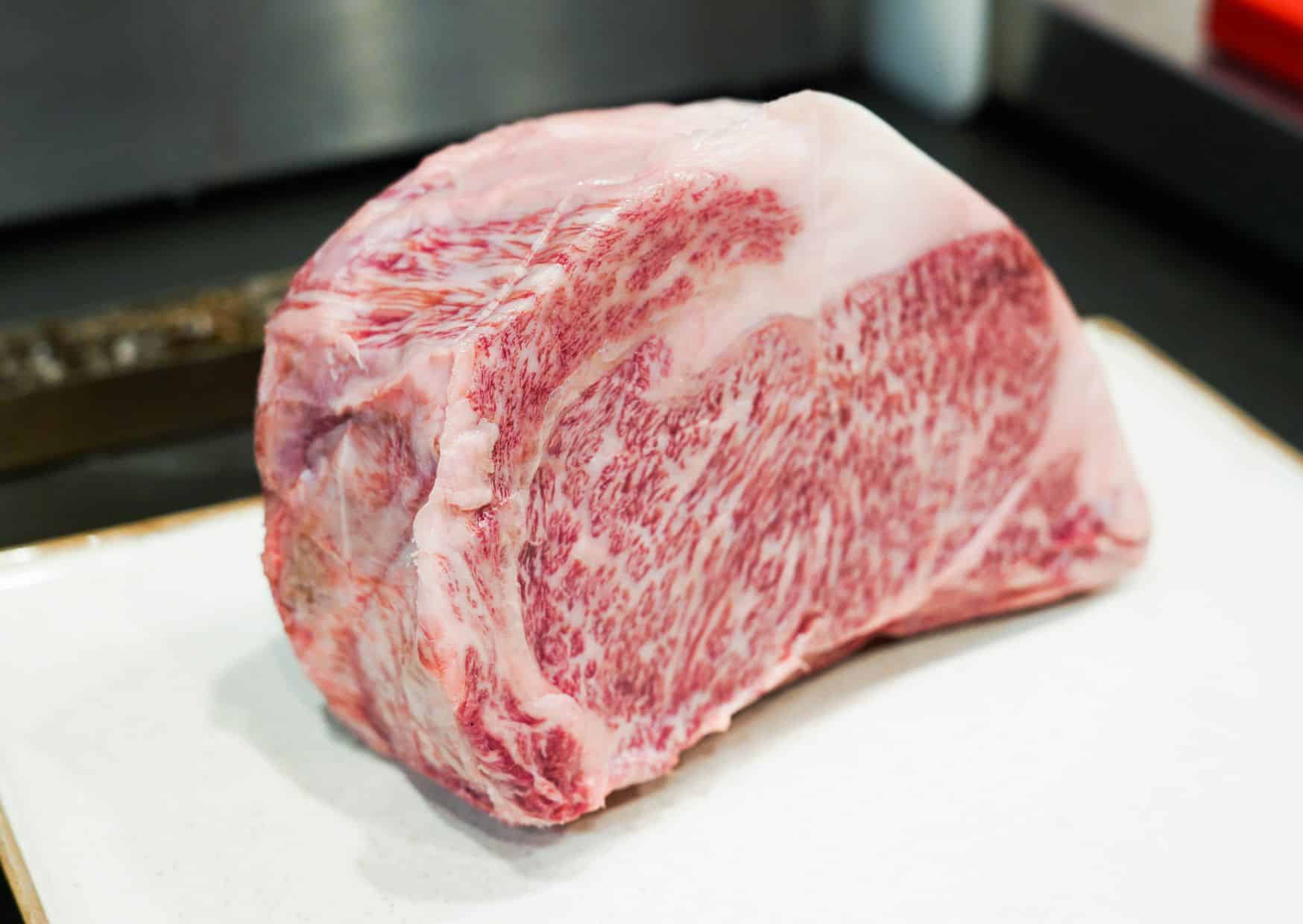
For the Beef:
Beef chuck or brisket: 1.5–2 kg (3–4 lbs)
Barolo wine: 750 ml (1 bottle; you can substitute with another full-bodied red wine like Nebbiolo or Barbera)
Carrots: 2, chopped
Celery stalks: 2, chopped
Onion: 1 large, chopped
Garlic: 2–3 cloves, crushed
Bay leaves: 2
Fresh rosemary: 2 sprigs
Fresh thyme: 2 sprigs
Cloves: 3
Cinnamon stick: 1 small piece
Olive oil: 3 tablespoons
Butter: 2 tablespoons
Beef or vegetable stock: 1 cup (250 ml)
Salt and pepper: To taste
For Thickening (Optional):
Flour or cornstarch: 1–2 tablespoons (if needed to thicken the sauce)
Get the best deals for your home and kitchen needs
Step By Step How to Make Italian Brasato al Barolo
Marinate the Beef
Place the beef in a large container or bowl. Add the chopped carrots, celery, onion, garlic, bay leaves, rosemary, thyme, cloves, and cinnamon stick.
Pour the entire bottle of Barolo wine over the beef and vegetables. Cover and refrigerate for at least 12 hours, preferably overnight, to allow the flavors to infuse.
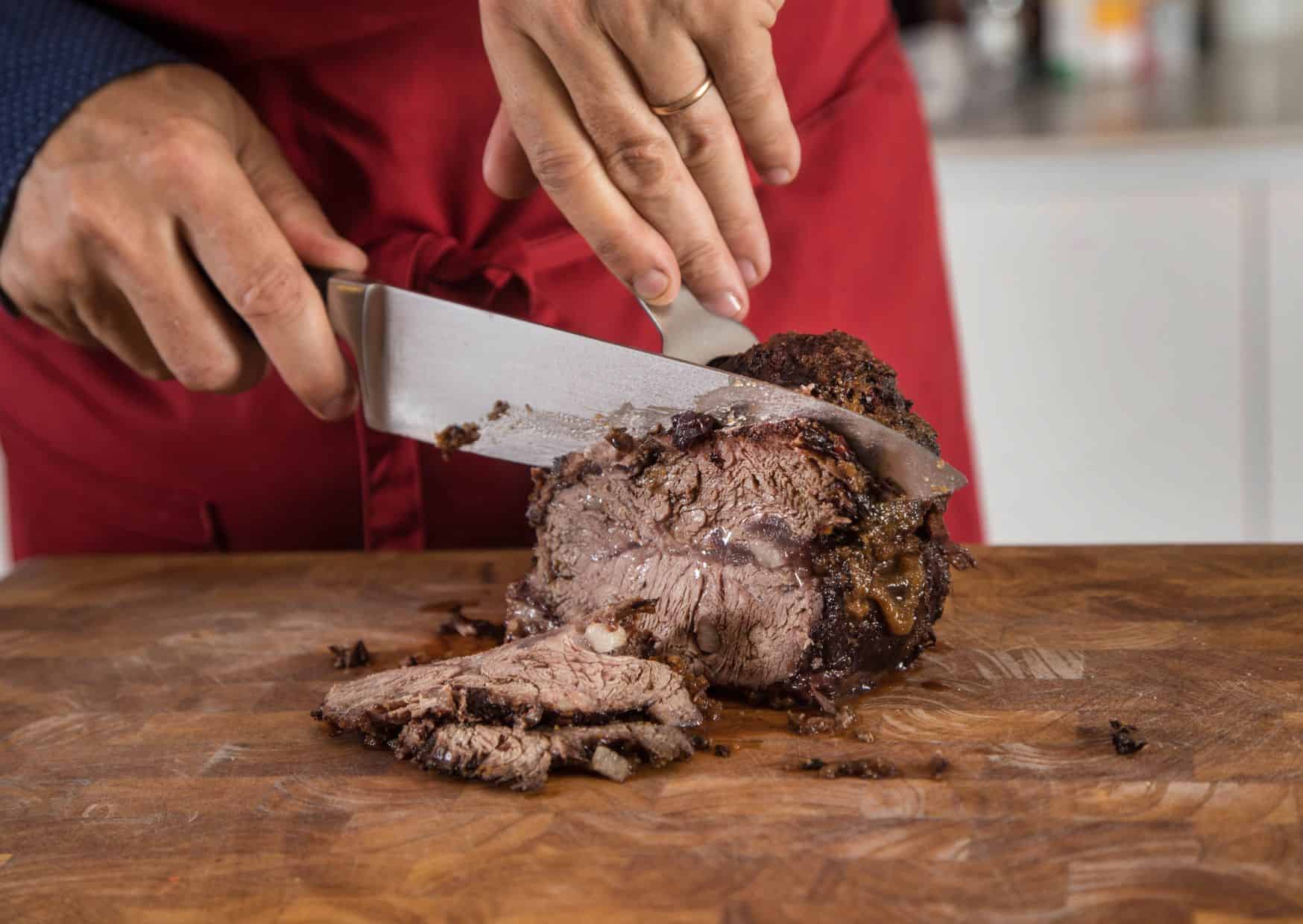
Sear the Beef
Remove the beef from the marinade and pat it dry with paper towels. Reserve the marinade. Heat olive oil and butter in a large Dutch oven or heavy pot over medium-high heat. Sear the beef on all sides until browned, about 2–3 minutes per side. Remove the beef and set aside.
Prepare the Base
In the same pot, add the vegetables from the marinade and sauté for 5–7 minutes until softened. Pour in the marinade (including the wine) and bring it to a gentle simmer, scraping up any browned bits from the bottom of the pot.
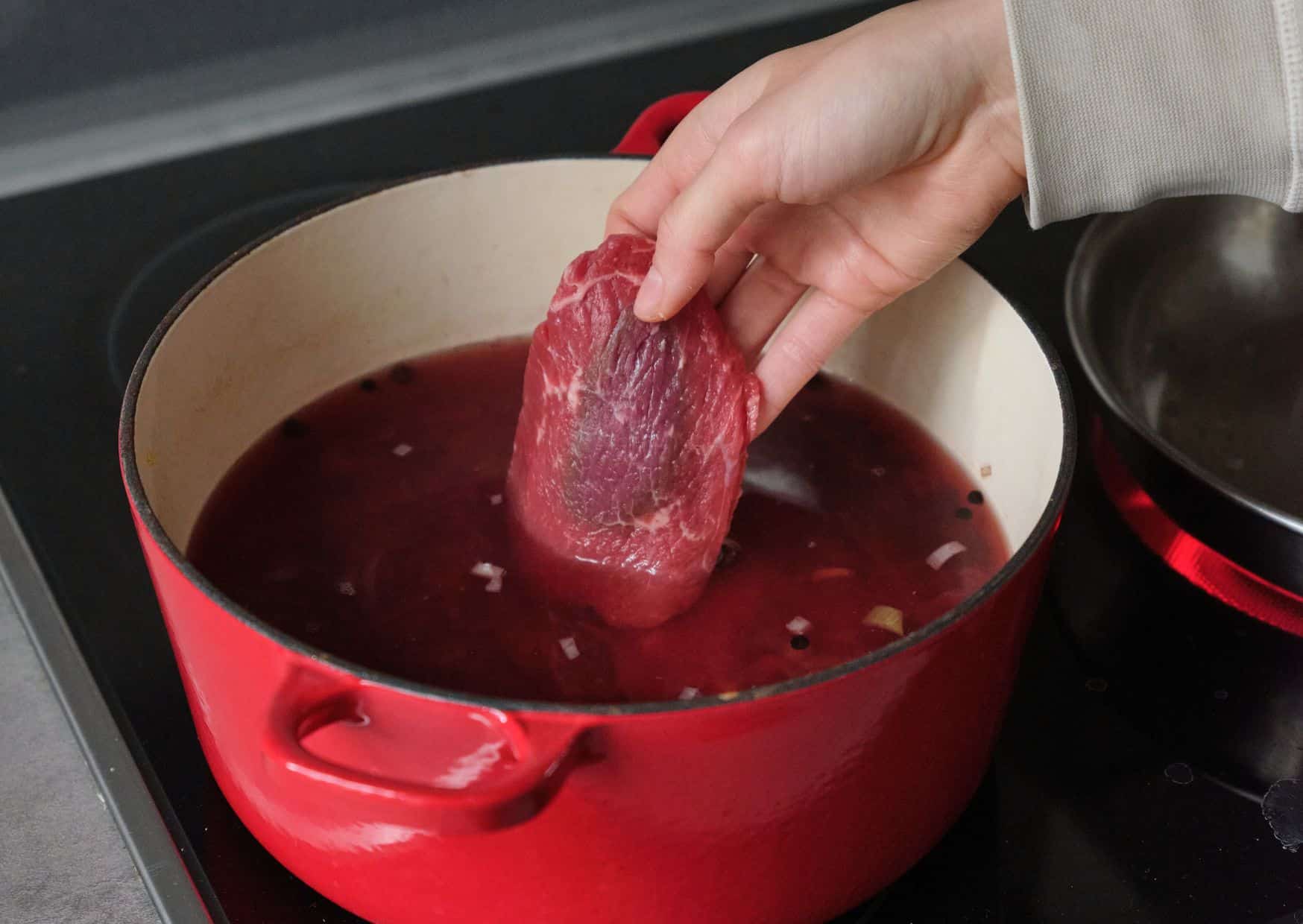
Braise the Beef
Return the seared beef to the pot. Add the beef or vegetable stock to ensure the liquid covers about three-quarters of the beef.
Cover the pot with a lid and simmer on low heat for 2.5–3 hours, turning the beef occasionally. Alternatively, you can cook it in a preheated oven at 160°C (320°F).
Make the Sauce
Once the beef is tender, remove it from the pot and set aside, keeping it warm. Strain the cooking liquid through a fine-mesh sieve, pressing down on the vegetables to extract maximum flavor. Discard the solids.
Return the liquid to the pot and simmer to reduce it until slightly thickened. If you prefer a thicker sauce, whisk in 1–2 tablespoons of flour or cornstarch mixed with a bit of water.
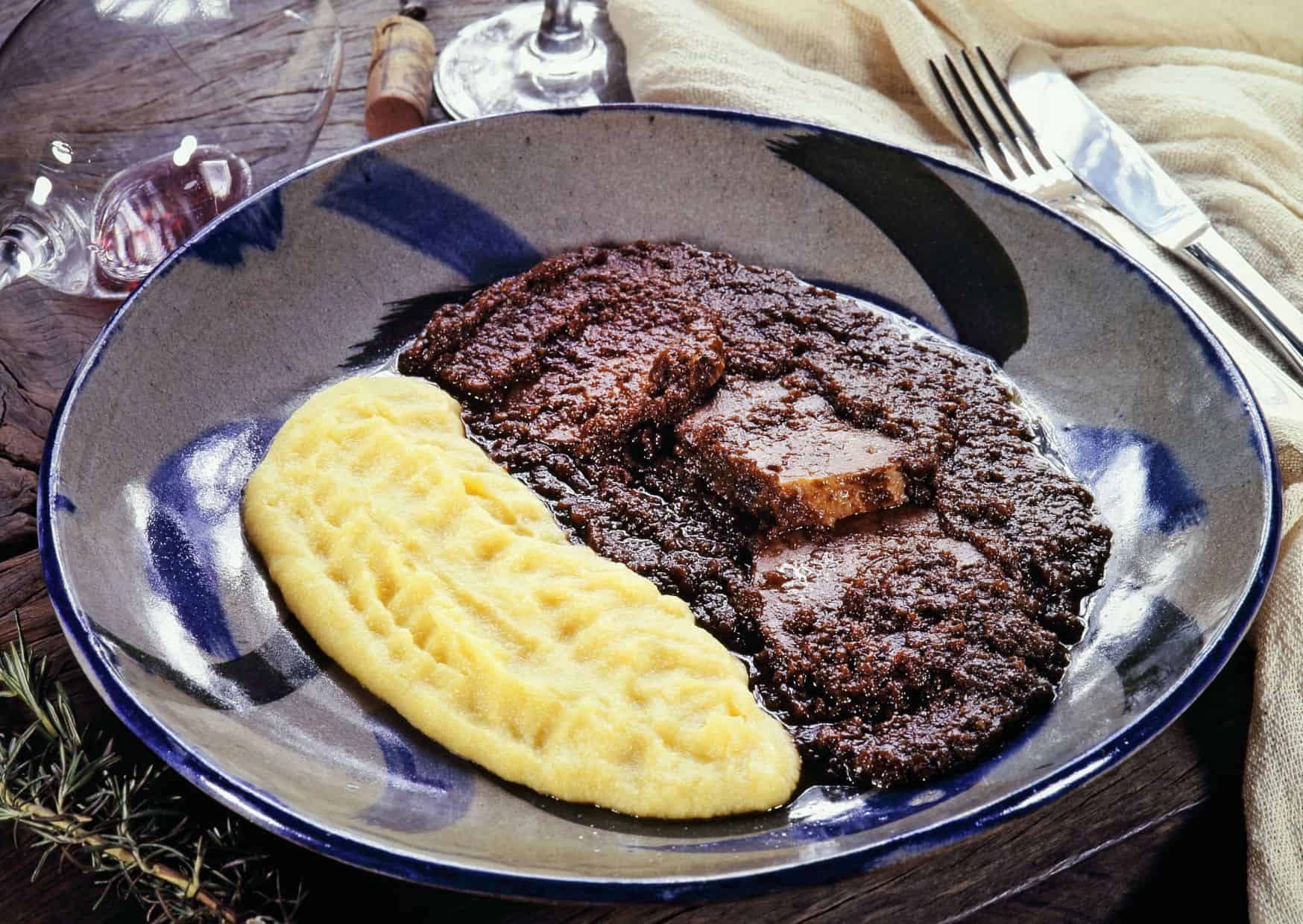
Serve
Slice the beef and arrange it on a serving platter. Spoon the rich Barolo sauce over the beef. Garnish with fresh rosemary or thyme, if desired.
Tips To Make Italian Brasato al Barolo
Use well-marbled cuts like chuck roast or brisket for tender, flavorful results.
Barolo wine is traditional, but any robust red wine will work. Avoid cheap or overly sweet wines. The longer the marination, the deeper the flavor infusion.
Slow cooking is essential to break down the beef and develop a rich sauce. Brasato al Barolo pairs beautifully with creamy polenta, mashed potatoes, or buttered noodles.
How Many Calories Have Brasato al Barolo
Calories: ~500–550 kcal
Protein: ~40 g
Carbohydrates: ~10–12 g
Fat: ~30–35 g
Fiber: ~3 g
Origin and History
Brasato al Barolo comes from the Piedmont region in northern Italy, an area known for fog-covered hills, truffle-rich forests, and some of the world’s most prized wines. This dish began as a rustic preparation in local farmhouses, where slow-cooking was essential for transforming tough cuts of beef into something tender and flavorful. The key difference in Piedmont was that wine wasn’t just for drinking. It was abundant, and families used it to elevate everyday ingredients into special-occasion meals.
Barolo wine—often called the king of Italian reds—became the star ingredient. Historically, not every household had access to top-tier bottles, but winemakers often had leftover or imperfect batches, and those became the cooking wine that gave Brasato its deep color and rich fragrance. Over time, as Barolo gained prestige, the stew became associated with celebration and hospitality, served at holidays and family gatherings.
By the twentieth century, Brasato al Barolo had transformed from rural comfort food into a symbol of Piedmontese culinary identity. Chefs refined the recipe, pairing it with regional staples like polenta and creamy mashed potatoes. Today, it sits proudly beside other northern Italian classics, a reminder that Italy’s most indulgent dishes often have the humblest beginnings.
The biggest debate surrounding Brasato al Barolo is whether it’s “authentic” to use actual Barolo in the stew. Some insist that a wine this expensive should never touch a pot, arguing that good but affordable Nebbiolo works just as well. Others believe the dish isn’t truly Brasato al Barolo unless Barolo itself is used, even if it feels indulgent. This argument divides home cooks and chefs alike, each convinced their version carries the real tradition.
Another point of contention is the marinating process. Traditionalists argue that the beef must sit overnight in red wine with aromatics to absorb maximum flavor. Modern cooks claim that long marinades aren’t necessary if the stew simmers for hours. Both methods produce excellent results, but each side believes their approach yields the deeper, more complex flavor.
Regional cooks also disagree on texture. Should the sauce be smooth and velvety, strained to perfection? Or should it remain rustic, with visible bits of vegetables and herbs? Piedmontese families often defend their style passionately, which proves that Brasato isn’t just a recipe—it’s a piece of culinary identity shaped by generations.
How Long You Take to Prepare
Brasato al Barolo is a long, slow process, but almost all of it is hands-off. If you choose the traditional path, marinating the beef overnight takes about 12 hours. This step infuses the meat with wine and aromatics, giving the stew its characteristic depth. It also helps soften tougher cuts like chuck or brisket.
Cooking itself takes around 3 to 4 hours. First, you sear the beef to develop a deep crust, then sauté aromatics such as onions, celery, and carrots. The wine deglazes the pot, lifting all the flavorful browned bits before the beef returns to the stew. The pot then simmers gently until the meat becomes tender enough to cut with a spoon. This slow cooking transforms inexpensive cuts into something luxurious.
Finishing the stew typically takes another 10 to 15 minutes. The sauce is reduced until thick and glossy, and some cooks choose to blend or strain it for extra smoothness. While Brasato al Barolo demands patience, the reward is a dish that tastes like you spent all day in the kitchen—even though most of the time the pot cooks itself.
Serving Suggestions
Brasato al Barolo is traditionally paired with creamy polenta, which absorbs the wine-rich sauce beautifully. The soft texture contrasts with the tender beef, creating a balanced and comforting meal. But mashed potatoes—particularly silky, buttery ones—are just as traditional in Piedmontese homes, especially during colder months.
For a lighter accompaniment, roasted root vegetables like carrots, parsnips, or fennel bring earthy sweetness that complements the stew’s richness. A simple green salad dressed with olive oil and lemon cuts through the heaviness and refreshes the palate between bites.
If you want to elevate the dish further, serve it with a glass of Barolo or another Nebbiolo-based wine. The flavors echo each other, enhancing both the stew and the wine. A loaf of crusty bread is essential for mopping up the last of the sauce, ensuring nothing goes to waste.
Final Thoughts
Brasato al Barolo embodies everything Italian comfort food stands for: simple ingredients, slow cooking, and deep respect for regional tradition. You don’t need complicated techniques or luxury ingredients beyond the wine itself. The magic comes from patience, good aromatics, and the willingness to let time do the work.
Making this dish at home connects you to Piedmontese kitchens where generations perfected the balance of tenderness, acidity, and richness. It’s the kind of recipe that brings family and friends to the table, invites conversation, and fills the house with aromas that feel nostalgic even if it’s your first time cooking it.
In the end, Brasato al Barolo proves that luxury in cooking isn’t about extravagance—it’s about care. When you slow down, choose quality ingredients, and let a dish develop its character naturally, you’re rewarded with a meal that feels both comforting and sophisticated. And once you master it, you’ll understand why Italians hold this stew so close to their hearts.

About the Author: Ruben, co-founder of Gamintraveler.com since 2014, is a seasoned traveler from Spain who has explored over 100 countries since 2009. Known for his extensive travel adventures across South America, Europe, the US, Australia, New Zealand, Asia, and Africa, Ruben combines his passion for adventurous yet sustainable living with his love for cycling, highlighted by his remarkable 5-month bicycle journey from Spain to Norway. He currently resides in Spain, where he continues sharing his travel experiences with his partner, Rachel, and their son, Han.
Carroll brickenkamp
Monday 22nd of September 2025
how many servings does recipe make?