
It’s not a crime. It’s a social tell. In Italy, milk coffee is coded as breakfast, and the timing puts you in a box before you’ve even paid.
You step into a bar in Italy at 11:07. The place is doing its daily choreography: coins on the counter, tiny cups appearing and disappearing, the espresso machine hissing like it’s in charge of the room.
You order a cappuccino because you want something comforting and familiar.
Nothing explodes. Nobody lectures you. You get your drink.
But you feel it anyway. That half-second pause. The polite smile that lands a little colder than it needs to. The sense that you’ve been filed under “tourist brain” before you’ve even taken your first sip.
That’s what this is about. Not morality. Not snobbery. Instant sorting.
The “11am rule” is really the milk clock
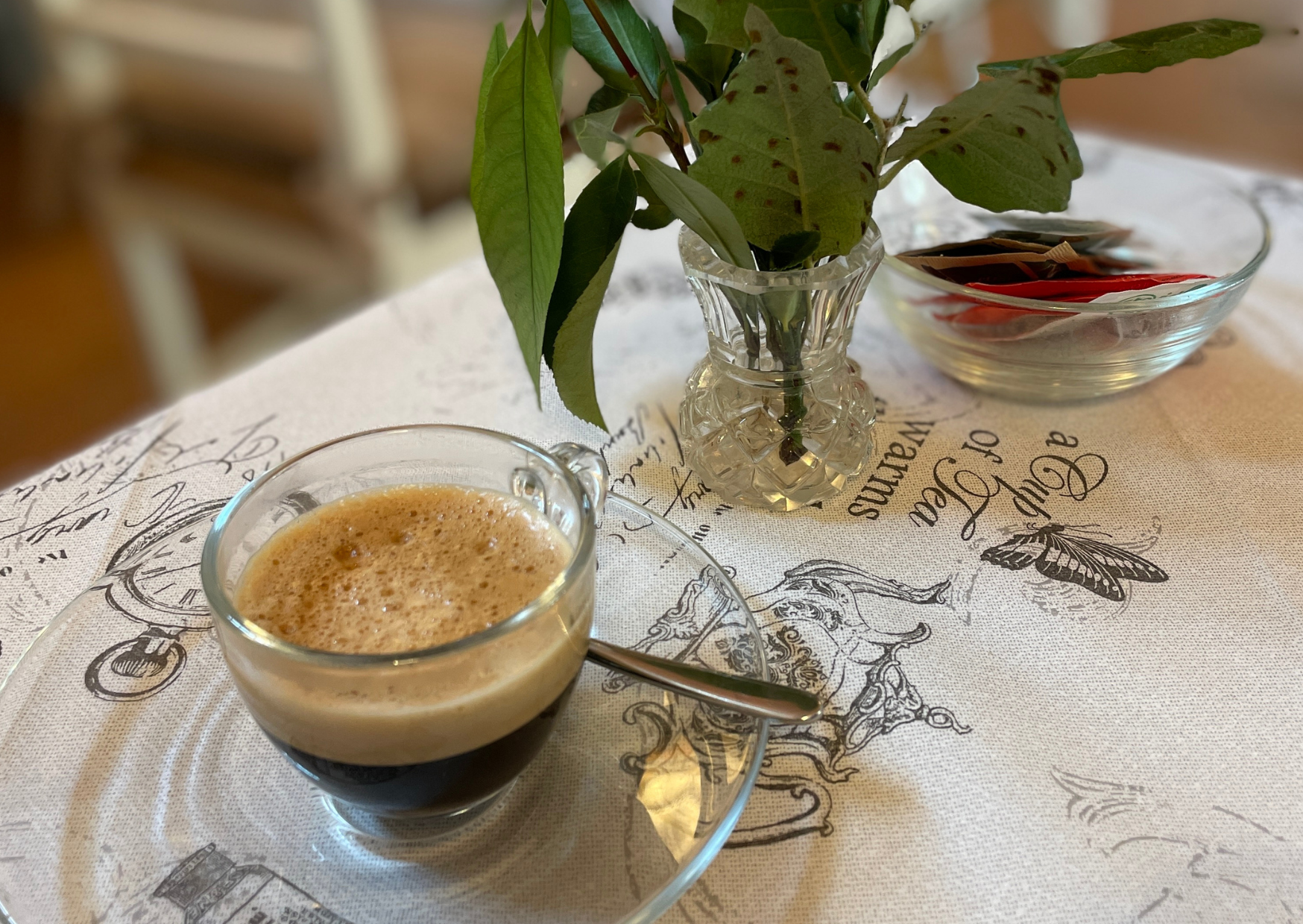
Italians don’t treat coffee as one category. They treat it like a schedule.
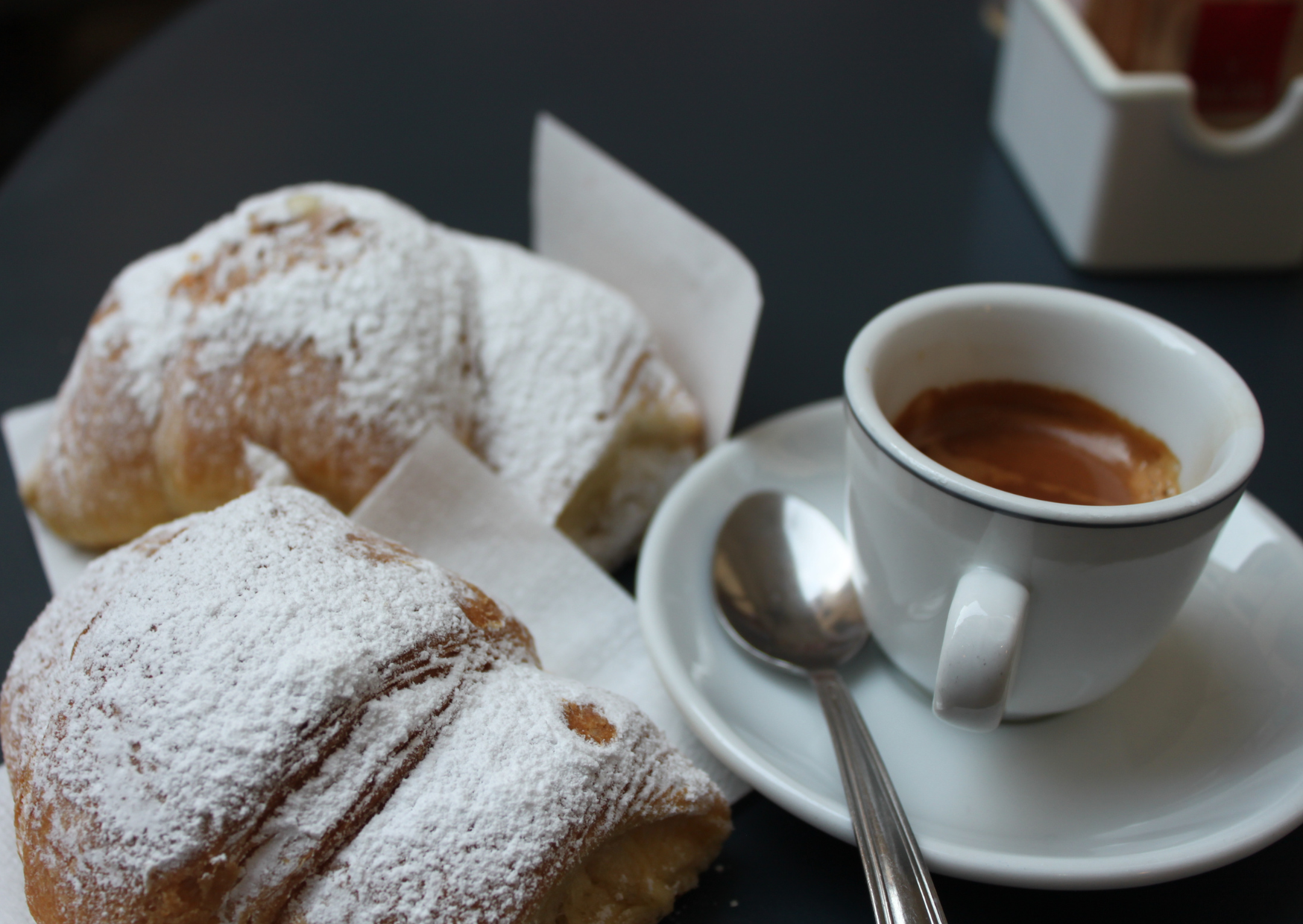
In a lot of Italy, cappuccino is part of breakfast the way orange juice and cereal are in the U.S., except it’s taken fast, usually with something sweet. Cornetto, brioche, a simple pastry, maybe nothing at all. The milk is the point. It’s a soft landing for the day.
After breakfast, coffee changes jobs. It becomes sharp, small, and functional. Espresso is not “a beverage experience,” it’s punctuation. A reset. A two-minute social stop.
So when you order cappuccino after 11, you’re not breaking a sacred law. You’re ordering a breakfast-coded drink during the part of the day when locals have already switched categories. Milk belongs to morning is the real rule. The clock is just a shortcut.
Also, the time isn’t universal. In some places the side-eye starts earlier. In others, nobody cares. In tourist-heavy zones, staff has seen every possible coffee choice and they’ll serve whatever you want without a blink.
But even there, the signal still lands. Italians are excellent at reading tiny cues. What you order tells them whether you understand local rhythm, or whether you’re dragging your home defaults across the border and hoping nobody notices.
If you want the simplest way to hold it in your head: cappuccino is breakfast culture, espresso is all-day culture. And Italians care about culture more than rules.
What you’re “saying” when you order it late
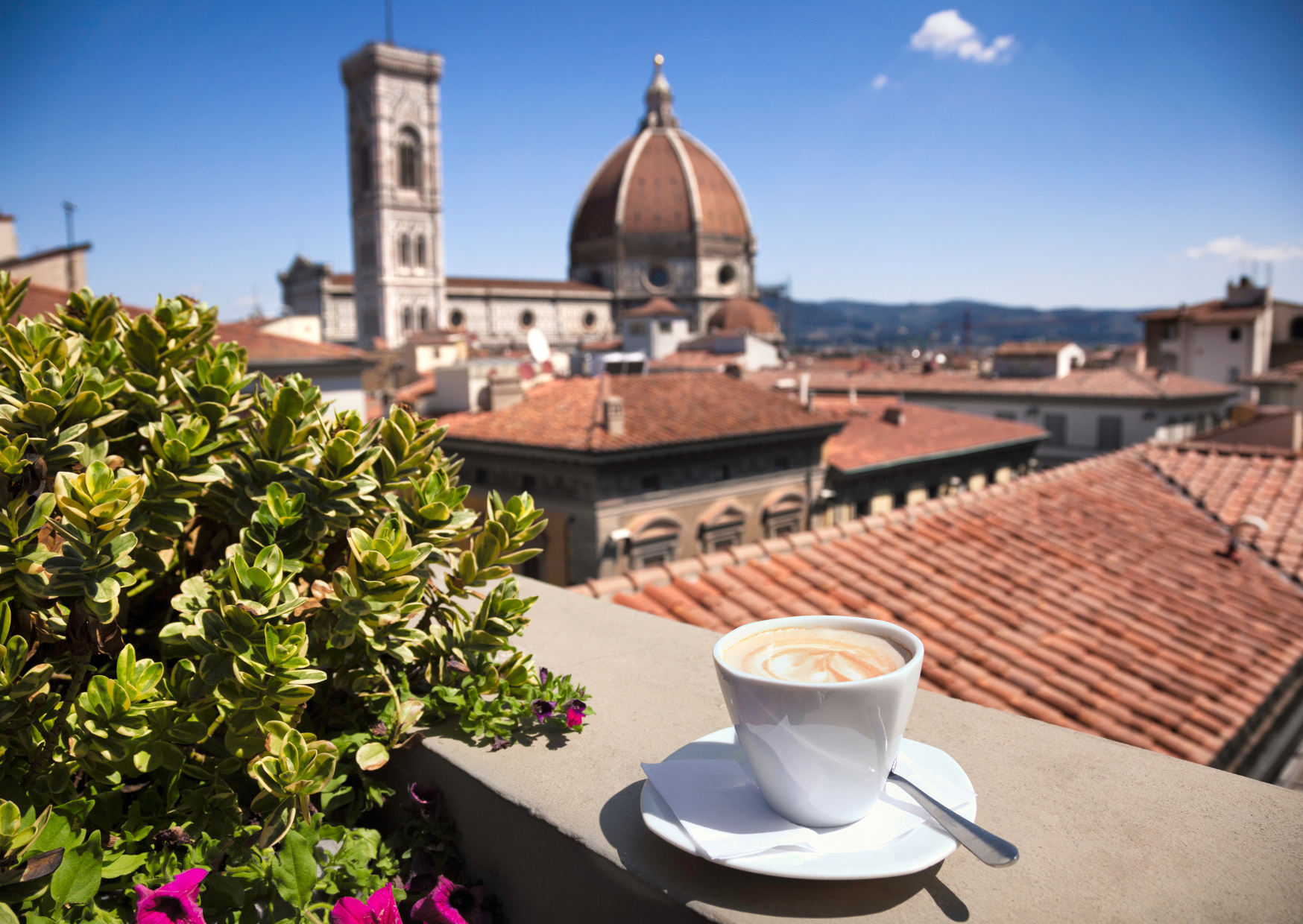
Most Americans think the judgment is about taste. Like Italians are offended you dared to enjoy foam at noon.
It’s not that.
The judgment is about whether you know the room.
Ordering a cappuccino after 11 often shows up bundled with other tourist tells: uncertainty at the register, long explanations, ordering in English with a question mark at the end, asking for it to go, looking around for a table like you’re choosing a restaurant. So the cappuccino becomes a shorthand. Tourist package deal.
And there’s a second layer: digestion beliefs. You’ll hear Italians talk about milk being “heavy” after meals. Some people really mean it. Some people repeat it because it’s the phrase everyone uses. Either way, the cultural idea exists, and it reinforces the timing. Morning milk feels normal. Post-lunch milk feels wrong.
The consequence is subtle but real: once you’re flagged as an outsider, you’re more likely to get outsider service. Not rude service. Just less smooth service.
In Italy, smoothness is everything. The barista who sees you as part of the flow will move you through the system quickly and warmly. The barista who sees you as a potential complication will keep things safe and minimal. Fewer jokes. Fewer shortcuts. Less of that feeling that you belong.
So yes, the cappuccino after 11 can get you judged. The deeper issue is that it tells people you’re not fluent in the local tempo. And in Italy, tempo is a language.
The bar itself is a machine, and Americans step in front of it
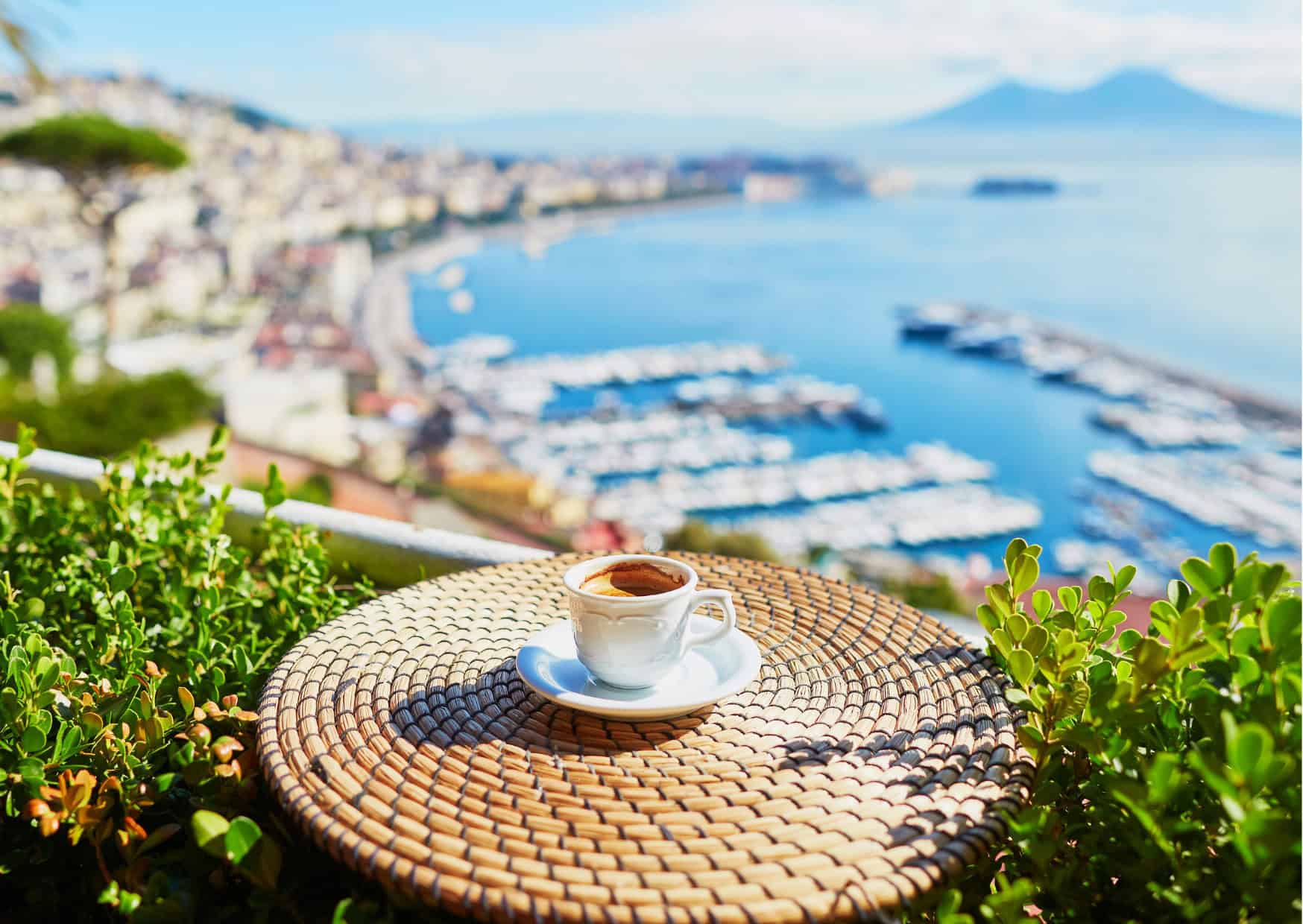
If you want to stop feeling watched in Italian bars, focus less on the milk and more on the mechanics.
The bar is built for speed. Most people are not sitting. They’re standing at the counter, drinking quickly, and leaving. That’s not because Italians hate comfort. It’s because the bar is a daily utility, not a lounge.
Two things throw Americans immediately:
First, payment flow. In many places you either pay first at the cassa, get a receipt (scontrino), and then order at the counter, or you order first and pay after. There’s no universal rule across the entire country. The trick is to look at what locals are holding. If you see little receipts in hands, you pay first. If everyone is ordering straight at the bar, you follow that.
Second, the counter culture. Ordering “al banco” is not just a location. It’s a mode. Stand, order, drink, leave. If you sit “al tavolo,” it can cost more, and it changes the vibe from quick utility to sitting service. Americans often sit by default because they’re trained to treat coffee as a long experience.
In Italy, lingering is not wrong, but you choose the right place for it. A commuter bar near a station is not where you open your laptop and start a new chapter of your life.
So when an American orders cappuccino at 11:15 and then also sits down and asks for water and stays 40 minutes, the cappuccino gets blamed for what is really a tempo mismatch. Fast is polite in many Italian bar contexts.
If you want milk after 11, here’s how locals actually do it
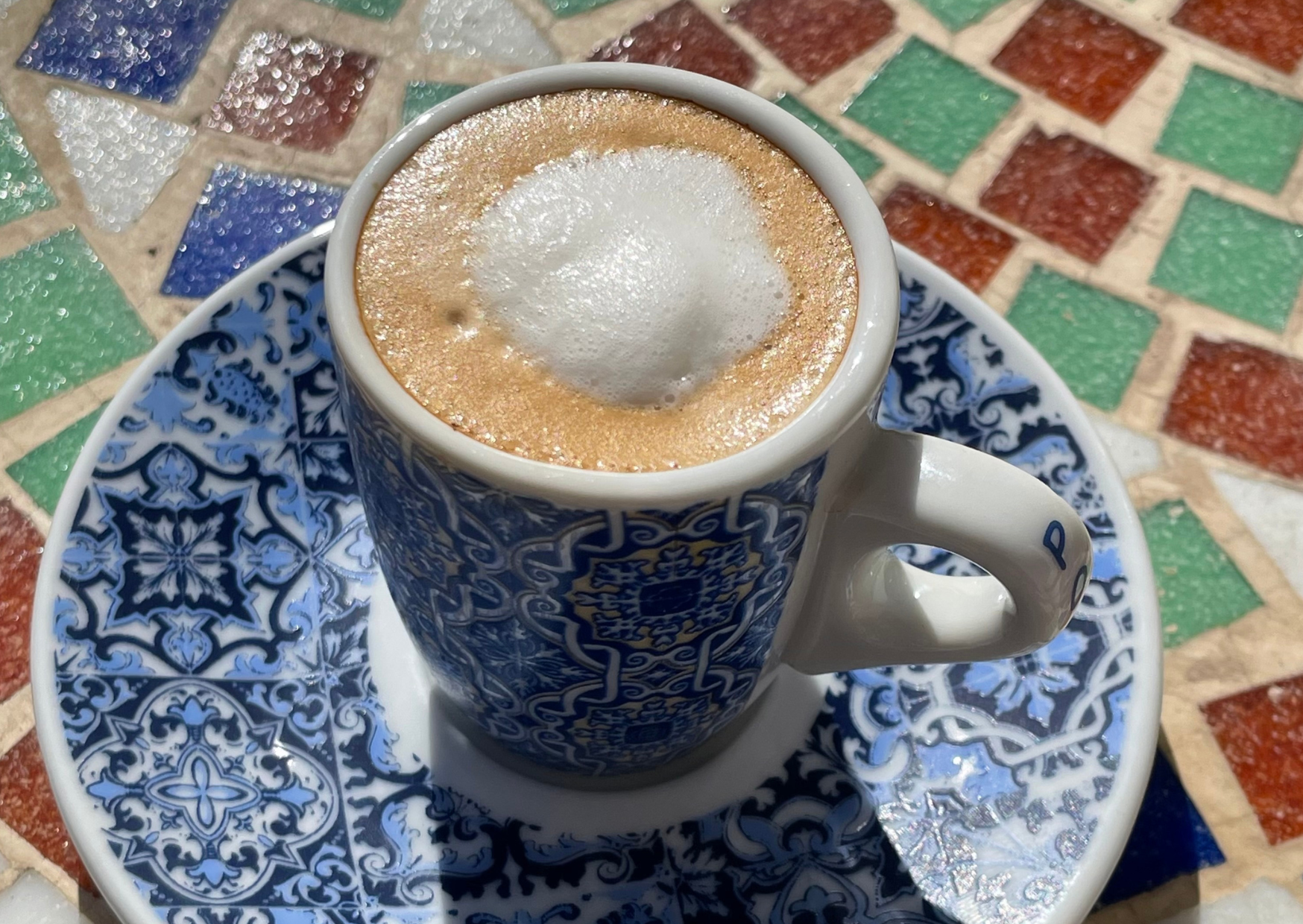
Some people genuinely prefer milk in coffee. Fine. The goal is not to force everyone into espresso suffering.
The goal is to order milk in a shape that doesn’t clang.
The most useful option is a macchiato. Espresso “stained” with a little milk or foam. It’s small, it’s still in the espresso family, and it doesn’t scream breakfast. Macchiato is the compromise drink.
You’ll also hear variations depending on region and bar style. In some places you’ll see “marocchino” or “espressino,” especially in northern cities. Those are smaller and still feel like espresso culture, not breakfast culture.
If you want something bigger, you can ask for an americano or a lungo and add a small amount of milk if it’s available. It’s not the most Italian thing, but it keeps you out of the “why are you having breakfast after lunch?” lane.
One important trap: language. In Italian, latte means milk. If you walk into a bar and confidently order “a latte,” you may get a glass of milk, and the barista will not feel bad about it.
If you truly want a milky drink later in the day and you don’t care about blending in, order the cappuccino. You’ll get it. Just understand what you’re trading: comfort for camouflage. Italians do this too sometimes. They just don’t do it often, and they know they’re going against the grain.
The tourist tells that matter more than the cappuccino
If you’re trying to avoid being clocked immediately, cappuccino timing is not even the loudest signal. Americans fixate on it because it’s easy to repeat.
The bigger tells are behavioral.
Customizing like you’re building a sandwich. Alternative milks, extra foam instructions, temperature requests, flavored syrup vibes. Italy’s coffee culture is built around a small set of standard drinks. Minimalism reads as competence.
Ordering like it’s a confession. “Hi, sorry, can I maybe get…” Italians tend to order directly, even when they’re polite. A simple “un caffè, grazie” is warm and normal.
Asking for it to go. Some bars will do it, but coffee is designed to be consumed inside the bar ecosystem. Carrying it around is not the default.
Camping. Laptop open, bags spread out, turning a busy bar into an office. In some modern specialty cafés, it’s fine. In many traditional bars, it’s weird.
Sitting without understanding price logic. If you sit at a table in a tourist-heavy area, the price can jump. That’s not a scam in the Italian context, it’s how service is priced. If you want the cheap, fast version, you drink at the counter.
And yes, ordering cappuccino after 11 can stack on top of all of this and complete the picture. But if you fix the rhythm and the behavior, the coffee choice matters less than people online pretend.
A 7-day Italian coffee reset that actually sticks
If you’re going to Italy soon, or you’re already there and keep feeling slightly off-key, do a simple reset week. Not to cosplay as a local. Just to stop feeling like you’re constantly interrupting the flow.
Day 1: Order one espresso. Just once. “Un caffè, grazie.” Drink it at the counter. Leave. Your brain needs to feel how fast this interaction is supposed to be.
Day 2: Try a macchiato mid-morning. Notice how it gives you softness without turning the drink into breakfast theater.
Day 3: Watch the payment rhythm before you move. Look for receipts. Look for the cassa. Follow what people are doing. Observation beats confidence.
Day 4: Pick one bar near where you’re staying and go twice. Same time. Same order. You’ll feel the difference immediately. Repetition makes you visible in the least cringe way.
Day 5: Have cappuccino only at breakfast. No drama. It’s not deprivation. It’s matching the category.
Day 6: Choose one place where sitting is clearly normal and have your slow coffee there. Separate “slow café” from “fast bar” in your mind.
Day 7: Decide what you actually want from coffee in Italy. Comfort, caffeine, ritual, belonging. Then order based on your goal, not your habit.
After this, you can break any rule you want. The point is that you’ll be breaking it knowingly, not accidentally.
The real choice is small: comfort or camouflage
This is what Italy does well. It makes tiny choices feel meaningful.
Cappuccino after 11 is one of those choices. It’s not dangerous. It’s not rude. It just tells a story about you, fast.
If you want comfort, order what you like and enjoy your trip. Italy will still feed you, caffeinate you, and look beautiful while you do it.
If you want to blend in, let the local rhythm change you a little. Order the smaller drinks. Stand at the counter. Speak in short phrases. Don’t customize your way into a spotlight.
Both options are fine. Just don’t be surprised by the consequence.
In Italy, people are not judging your taste. They’re reading whether you understand the room. And the room is always watching.

About the Author: Ruben, co-founder of Gamintraveler.com since 2014, is a seasoned traveler from Spain who has explored over 100 countries since 2009. Known for his extensive travel adventures across South America, Europe, the US, Australia, New Zealand, Asia, and Africa, Ruben combines his passion for adventurous yet sustainable living with his love for cycling, highlighted by his remarkable 5-month bicycle journey from Spain to Norway. He currently resides in Spain, where he continues sharing his travel experiences with his partner, Rachel, and their son, Han.