
For many Americans, nudity is often associated with sexuality, privacy, or even taboo. In contrast, much of Europe embraces nudity as a natural and non-sexual aspect of daily life. This cultural divergence can be surprising and sometimes shocking for American visitors. Understanding these differences can foster greater cultural appreciation and reduce potential misunderstandings.
If you’re an American traveling to Europe for the first time, don’t be surprised if your idea of “modesty” doesn’t quite line up with what you see on the beach, in spas, or even on public television. In many parts of Europe, nudity is treated with a level of casualness and normalcy that can feel jarring to Americans. It’s not about being provocative or pushing boundaries it’s just culturally understood that the human body isn’t something to hide or be ashamed of. This difference in mindset often leads to moments of cultural misunderstanding or even quiet embarrassment for unprepared visitors.
From German saunas where swimsuits are actually forbidden, to French and Spanish beaches where topless sunbathing is completely standard, Europeans often view nudity as a neutral part of life not a moral or sexual statement. That’s a sharp contrast to American attitudes, where nudity is more often associated with either indecency or intimacy. These differing approaches stem from historical, legal, and religious influences that have shaped how each society views the human body.
But the good news is, you don’t need to feel out of place just informed. With a little cultural awareness and some open-mindedness, you can adapt to these norms respectfully and without awkwardness. Embracing these differences can also lead to a more enriching travel experience, where you understand not just how people live, but why they live that way.
Read Here European Things that terrify Americans and American Habits that make Europeans Cringe
Read here how to pack for Europe and Best eSIM for Europe
BOOK YOUR TRAVEL INSURANCE
Two of our favorite travel insurance: Heymondo Vs Safetwing cheapest travel Insurance. You can get for $135 USD your Heymondo Travel Insurance with Heymondo discount code valid for 90 days. Read our full comparison of Genki vs Safetywing Travel Insurance Review and the comparison Heymondo vs Genki
Quick Tips to “Act Normal” Around European Nudity
Don’t Stare: Nudity isn’t a spectacle. Treat it like you would any other normal part of the environment.
Follow the Locals: In spas or saunas, if everyone’s nude, don’t insist on wearing a swimsuit—it may be more inappropriate than not.
Don’t Sexualize: Most public nudity in Europe is non-sexual. Avoid making comments or jokes that might come off as immature or disrespectful.
Know Where It’s Allowed: Nudity is usually limited to beaches, spas, or specific naturist zones. Respect boundaries where clothing is expected.
Be Chill: If you’re surprised, that’s okay—but don’t make a scene. A calm attitude goes a long way in showing cultural respect.
One controversial issue is how Europeans normalize nudity in public spaces while many Americans view it as indecent. Topless sunbathing, co-ed saunas, or communal changing areas are common across Europe, but U.S. visitors often see these practices as shocking. The difference reflects deep cultural contrasts around modesty and body acceptance.
Another debate centers on body image. Europeans tend to emphasize comfort and self-acceptance, showing a wider range of bodies without shame. By contrast, American culture often ties nudity to idealized beauty standards, leaving people more self-conscious. Critics argue that European openness fosters healthier attitudes, while others see it as too permissive.
Finally, there’s tension around globalization. Some worry that American prudishness, amplified by media and global tourism, could influence European norms over time. Others argue that Europe’s long history of body-positive traditions will remain strong, challenging Americans to reconsider their own cultural conditioning.
1. Nudity as a Natural State, Not a Sexual One

In many European cultures, nudity is viewed through a lens of naturalism rather than sexuality. For instance, Germany’s Freikörperkultur (Free Body Culture) promotes communal nudity in nature as a means to foster freedom, health, and equality.
This movement, which dates back to the early 20th century, encourages activities like nude sunbathing, swimming, and hiking, emphasizing a connection with nature and the human body without sexual connotations.
2. Topless Sunbathing Is Commonplace

In countries like France, Spain, and Italy, topless sunbathing is widely accepted and practiced. Beaches often have designated areas—or even entire beaches—where nudity is permitted, and it’s not unusual to see people of all ages and body types enjoying the sun without swimsuits. This openness contrasts with many American beaches, where such practices might be frowned upon or even prohibited.
3. Communal Nudity in Saunas and Spas
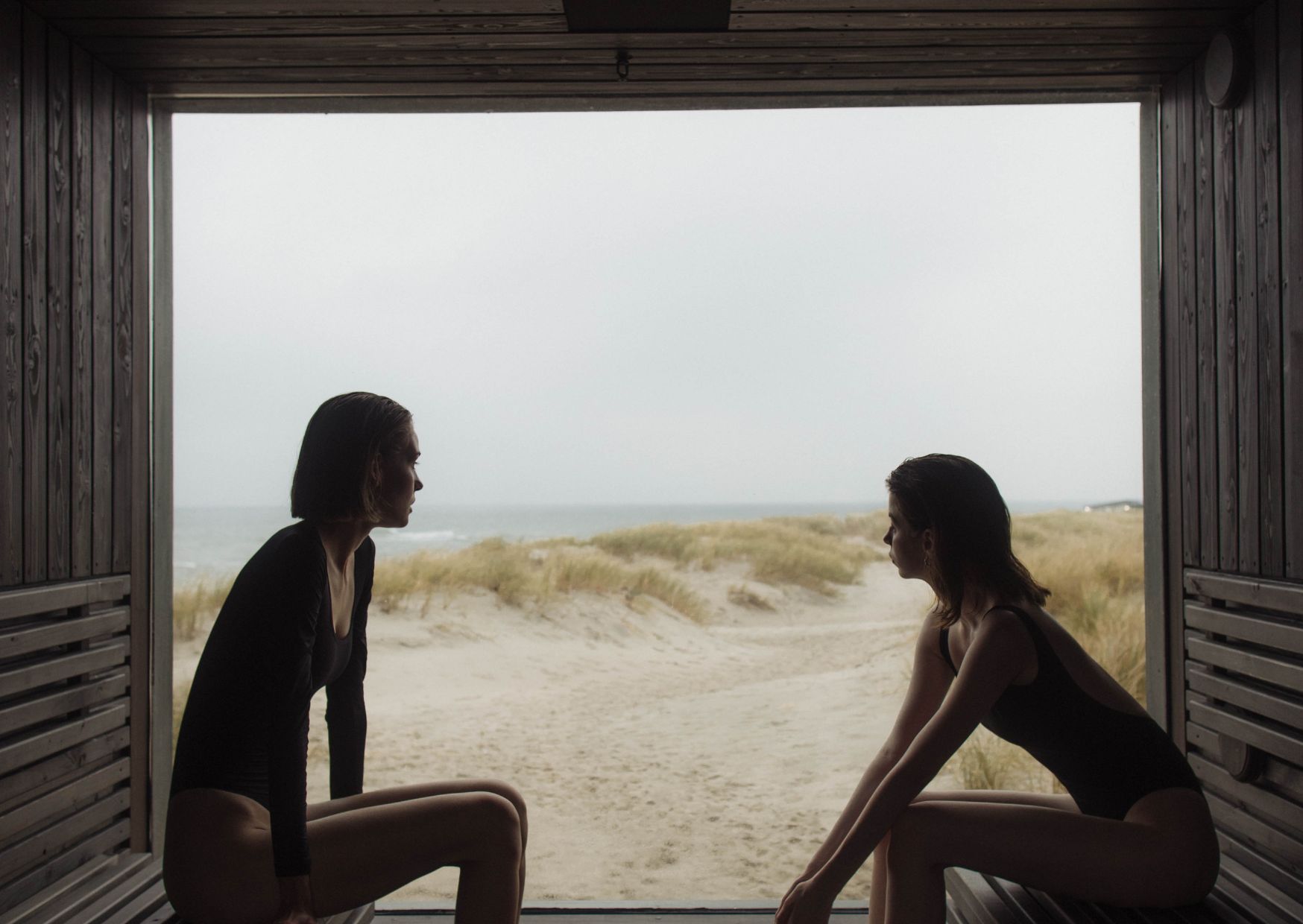
In Scandinavian countries, communal nude saunas are a longstanding tradition. Families and friends of all ages and genders gather in saunas without clothing, viewing the practice as a means of relaxation and socialization rather than anything erotic. Similarly, in Germany, mixed-gender nude saunas are common, and wearing a swimsuit in such settings might be considered unusual.
4. Legal Frameworks Supporting Public Nudity

Many European countries have legal frameworks that are more permissive regarding public nudity. For example, in Spain, public nudity is legal in many regions, and it’s not uncommon to see individuals sunbathing or swimming nude on public beaches. In Germany, public nudity is tolerated in designated areas, and there are numerous naturist clubs and resorts.
5. Media and Advertising Reflect Comfort with Nudity
European media often features nudity in a non-sexualized manner. Television programs, advertisements, and even public service announcements may include nudity without controversy. This contrasts with American media, where nudity is often censored or associated with adult content.
6. Cultural Attitudes Toward the Human Body
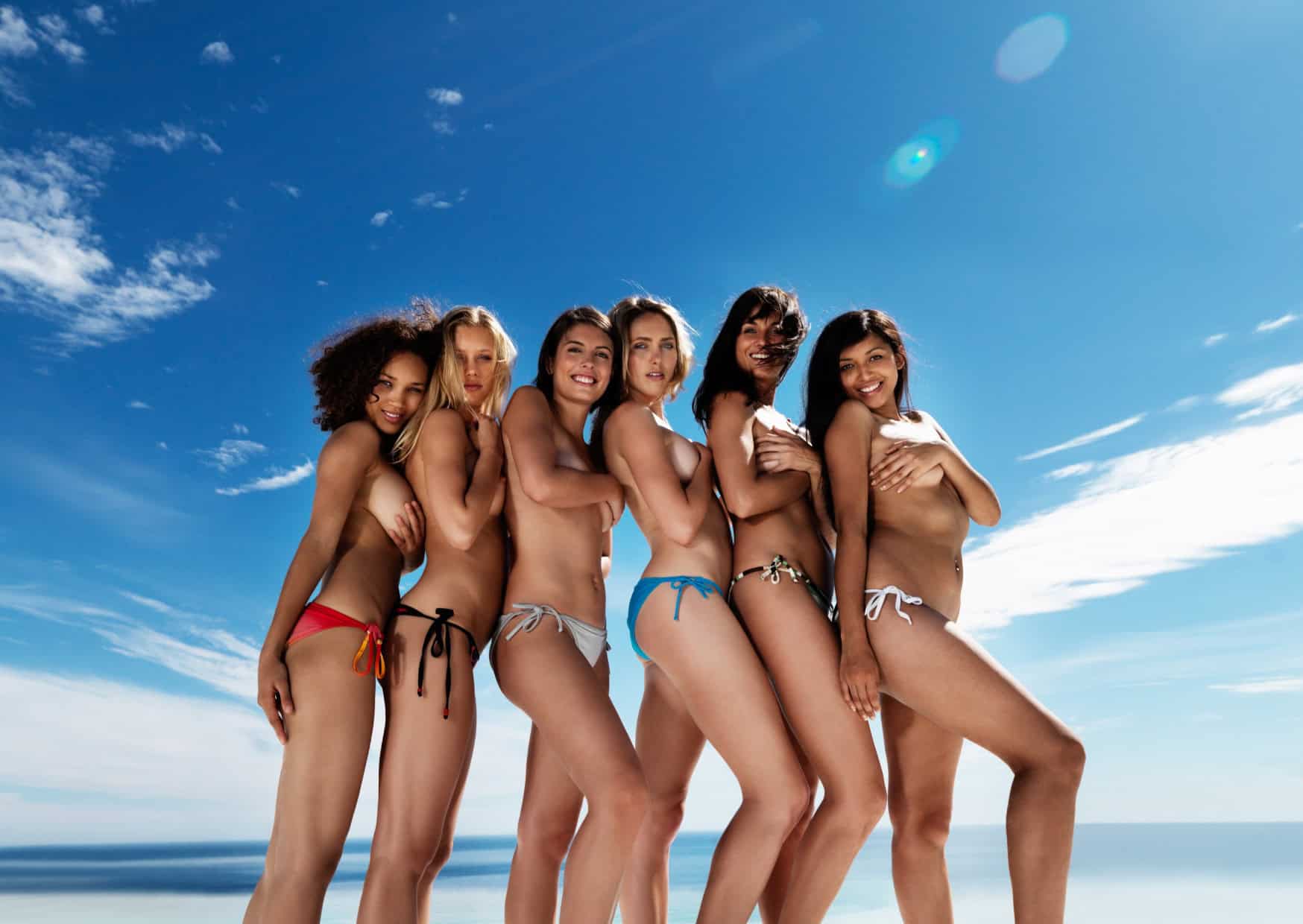
European cultures often promote body positivity and acceptance. There’s a recognition that bodies come in all shapes and sizes, and there’s less emphasis on achieving a specific aesthetic ideal. This attitude contributes to a more relaxed approach to nudity, where individuals feel comfortable in their own skin and less judged by others.
7. Historical and Philosophical Roots
The European approach to nudity has historical roots in movements that emphasized natural living and freedom. For instance, the Freikörperkultur in Germany emerged from a desire to return to nature and promote health and wellness. These philosophies continue to influence contemporary attitudes toward nudity in Europe.
en.wikipedia.org
8. Differences in Privacy and Dignity Concepts

European societies often view privacy as a matter of dignity, allowing individuals to be nude in public spaces without being subjected to judgment or intrusion. In contrast, American concepts of privacy are more tied to individual liberty, with a focus on protecting oneself from government interference, which can lead to more restrictive views on public nudity.
andreaskluth.org
9. Impact on American Visitors
For American travelers, encountering Europe’s relaxed attitudes toward nudity can be both surprising and enlightening. It challenges ingrained notions of modesty and prompts reflection on cultural norms surrounding the body. Some visitors may feel uncomfortable or shocked initially, but many come to appreciate the freedom and acceptance that characterize the European approach.
Conclusion
Nudity is more than a cultural quirk—it reflects how societies view freedom, comfort, and the human body itself. Europeans often treat it as ordinary and natural, while Americans tend to attach moral or legal weight to the same actions. Neither perspective is inherently wrong, but the contrast is striking.
For American visitors, these differences can feel surprising, even uncomfortable. Yet they also present an opportunity to reflect on how culture shapes attitudes toward modesty and self-image. Encountering new norms can be a catalyst for growth and greater understanding.
Ultimately, the European approach to nudity invites a broader conversation about acceptance and perspective. By respecting these cultural differences, travelers can move past initial shock and embrace the diversity of how people around the world live comfortably in their own skin.
Europe’s approach to nudity offers a compelling contrast to American norms, highlighting the influence of cultural attitudes on perceptions of the human body.
By normalizing nudity in appropriate contexts, European societies promote body acceptance, reduce shame, and foster a sense of freedom and equality. For American visitors, experiencing this cultural difference can be eye-opening, prompting a reevaluation of deeply held beliefs about modesty, sexuality, and the human form.

About the Author: Ruben, co-founder of Gamintraveler.com since 2014, is a seasoned traveler from Spain who has explored over 100 countries since 2009. Known for his extensive travel adventures across South America, Europe, the US, Australia, New Zealand, Asia, and Africa, Ruben combines his passion for adventurous yet sustainable living with his love for cycling, highlighted by his remarkable 5-month bicycle journey from Spain to Norway. He currently resides in Spain, where he continues sharing his travel experiences with his partner, Rachel, and their son, Han.