
If you can order a small beer, stand at the bar, and move in short rounds, Madrid will feed you for the price of your drinks.
Arrive in Madrid at that golden hour when shutters lift and the breeze cools the streets. Step into a narrow bar where the counter is bright with steel trays. Order a caña and watch what happens without you asking. A small plate lands beside the glass. Maybe tortilla, maybe a bocadillito with jamón, maybe a spoon of rice with a piece of chicken. You did not order food. You still got fed.
This is not every bar and not every neighborhood. It is a living habit that survives in traditional spots, the kind where regulars still trade small rounds and light talk. If you learn the route and the rhythm, two or three stops can add up to a full dinner that rides along with your drinks.
Below is the clear plan. Where it works, what to order, how to move, and how to do it respectfully so you are a welcome guest tomorrow as well.
Want More Deep Dives into Other Cultures?
– Why Europeans Walk Everywhere (And Americans Should Too)
– How Europeans Actually Afford Living in Cities Without Six-Figure Salaries
– 9 ‘Luxury’ Items in America That Europeans Consider Basic Necessities
Quick and Easy Tips
Order drinks one at a time rather than all at once, as tapas are typically served per round.
Seek out neighborhood bars slightly away from major tourist zones, where the tradition is more likely to be intact.
Eat standing at the bar when possible; these spots often serve the best tapas and follow the most authentic customs.
Many travelers assume free tapas are a tourist gimmick, but the reality is the opposite. In Madrid, free tapas are rooted in competition and loyalty, not marketing. Bars offer food to encourage patrons to stay longer and return regularly, especially in areas dense with options.
Another misunderstood aspect is portion expectation. Visitors sometimes feel disappointed by the size of free tapas, expecting a full meal on a single plate. The system only works when you understand that dinner is built across multiple stops, not consumed in one sitting.
What makes this topic controversial is that the tradition is slowly fading in certain neighborhoods due to rising rents and changing business models. Some locals worry that as prices increase and tourism grows, free tapas may become rarer. Knowing where and how to participate respectfully helps preserve a tradition that has defined Madrid’s food culture for generations.
How free tapas really works in Madrid
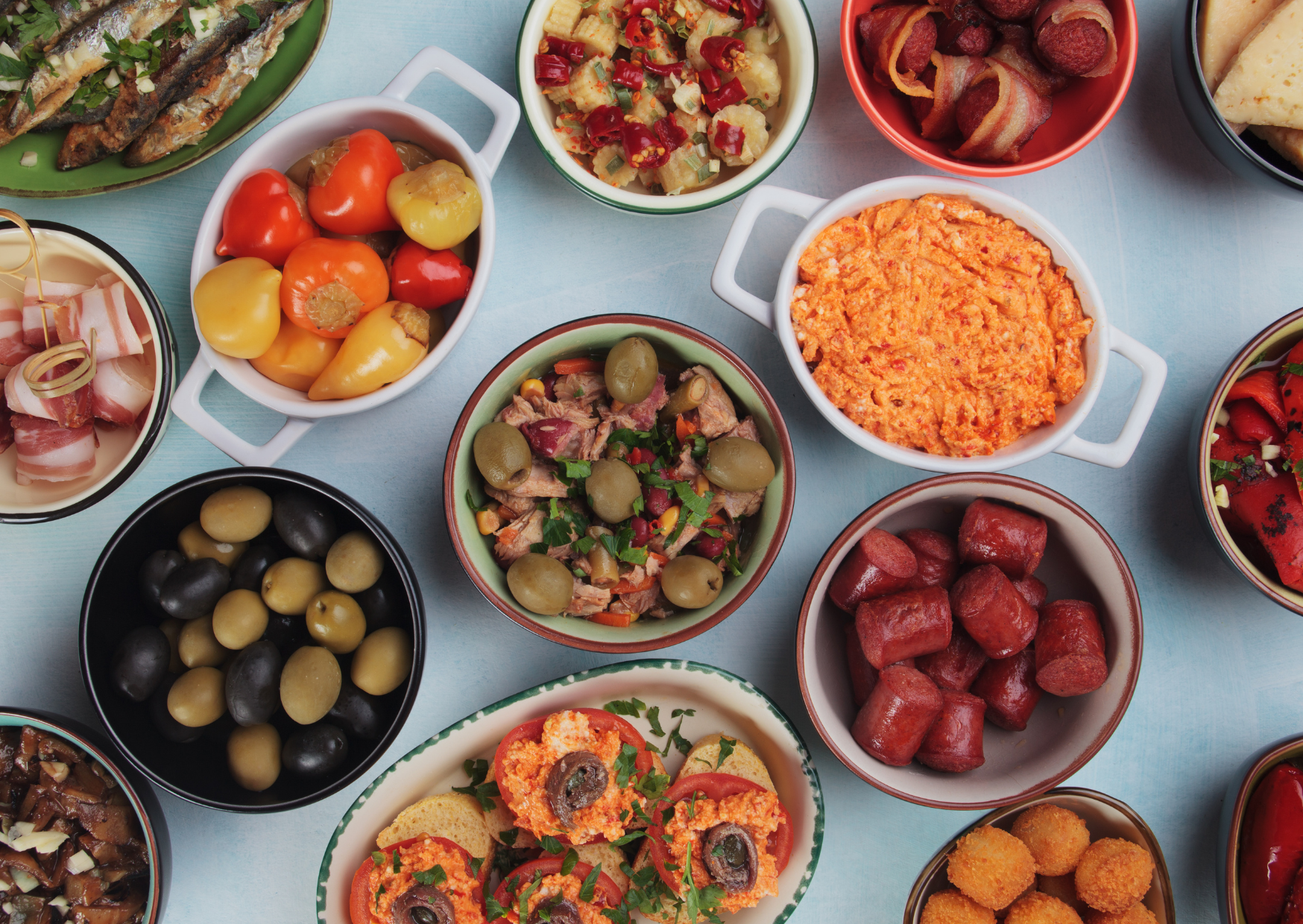
Madrid is not Granada. The free tapa with every drink is not universal in the capital, yet it is common enough that you can build a night around it. The rule of thumb is simple: order a drink, stand at the bar, let the tapa arrive. Some bars will let you choose, many will not, and the size often grows as you stay for a second round.
The drink is the ticket. A caña is a small draft that stays cold, a doble is larger, a tinto de verano is a summer red with lemon soda, and vermut is the pre meal favorite on weekends. If a place does the free tapa routine, it appears with the glass and changes with each round. Keep your order simple, finish the drink, and decide whether to repeat or move to the next stop.
There are quiet rules that make this work for everyone. Stand instead of taking a table unless you plan to linger and order more. Avoid the terrace if you want a tapa because outdoor seating often comes with a surcharge and no free food. Order in rounds rather than nursing one drink for an hour. The bar feeds you because you keep the room moving. That is the unwritten exchange.
Where the habit still lives
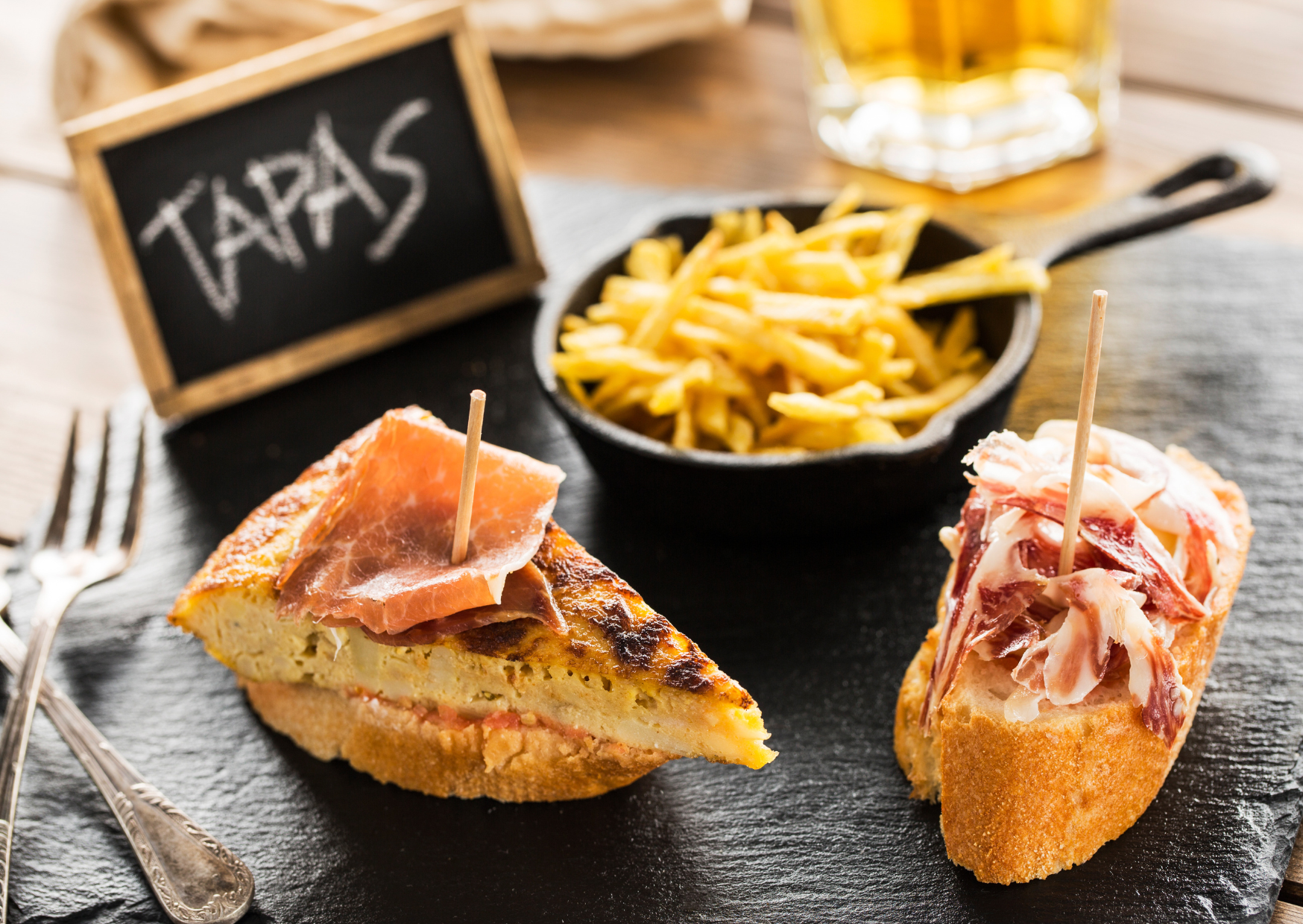
Pockets of Madrid hold to the tradition, and the city keeps inventing new spins that echo the old idea. You are looking for lively counters on side streets where prices are printed, drinks are modest, and the plates look like staff meals in miniature.
Around Gran Vía and Chueca, you will still find bars that drop generous plates with each round. Some are famous for volume more than finesse, and that is part of the fun. The formula is consistent. Short beer, heaped plate, crowd that eats standing. Local guides continue to group these bars together so first timers can see the routine without guessing.
In Lavapiés and Embajadores, the mix shifts and the rooms feel more local. Independent sites keep publishing how to order like a madrileño, and many traditional places in these blocks still send a tapa with a drink, especially before dinner or late afternoon. Watch the counter and copy what regulars do. Neighborhood bars, modest prices, tapas that change with the round.
On the west bank of the Manzanares, Puerta del Ángel has gone viral for spots that refill plates from an inside counter when you buy a drink. That format is unusual and it proves the point that the city keeps renewing the habit. Crowd energy, short pours, snacks that keep coming.
Even Spanish media have highlighted central bars serving XXL tapas with each beer, often for a few euros a round. These are showy examples, yet they sit on the same base idea: the drink buys a small meal that changes each time. Large tapas with small beers, central locations, repeat rounds to see variety.
None of this cancels the truth that in Madrid you will also find places that charge for each bite or skip tapas entirely. That is why the route matters. You are choosing bars that still treat the drink as a ticket.
The free dinner formula that actually fills you
Think in rounds, not courses. Two or three stops, one or two drinks at each, and you will have eaten more than enough to call it dinner.
Start early by Madrid standards, around eight to nine in the evening, when bars are busy but not stuffed. At the first stop, order a caña and eat whatever lands. If the room feels good and the second round promises a different tapa, repeat once. You now have two small plates and a drink or two in you for very little money.
Walk ten minutes to a bar in the same neighborhood that runs the same habit. Order another small drink. If you are with a friend, switch orders so you see different tapas on the second round. By the end of the second stop you have likely eaten a starch, a protein, and a vegetable in some form. If you want fruit, Madrid’s kiosks still sell cheap pieces late into the evening. That finishes the night as lightly as a dessert.
You can save money by choosing small beers over cocktails, by standing at the counter, and by moving after one or two rounds so you keep the plates varied. The secret is not to nickel and dime. The secret is to fit your plan to the room. If the tapa is generous, stay. If it is tiny, say gracias and move to the next door that looks alive.
How to order like a madrileño without sounding lost
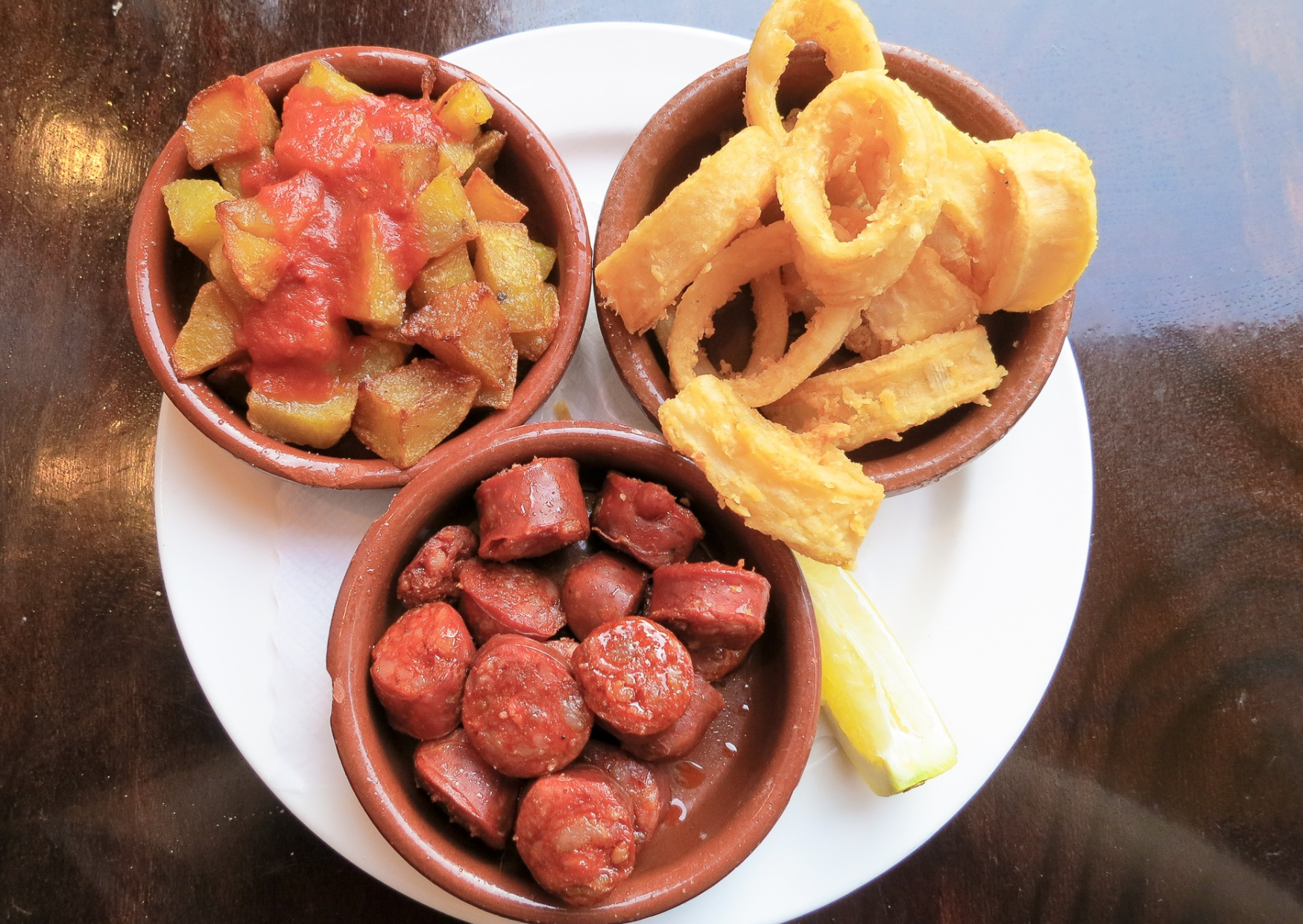
Bar Spanish is compact. Use the right size words and the staff will know you are here to play the local game respectfully.
Begin with hola and eye contact. Ask for una caña por favor if you want the short draft. If you prefer wine, una copa de tinto does the job. On hot days, un tinto de verano keeps the heat off your head. If you like vermouth, un vermut de grifo on ice with an orange slice is the weekend ritual. Keep it simple. The point is rhythm, not recipes.
Stay at the barra if you are chasing tapas with each drink. If you are invited to sit, confirm gently by asking aquí ponéis tapa con la bebida. Do not haggle or demand a specific plate. The charm here is that you do not pick, the bar does. If you want a sure thing, order a ración of the house specialty and pay for it. That sits beside your free tapa and turns the table into a feast.
Pay in short rounds, not once at the end of a long stay with one drink. Say la cuenta cuando puedas and leave a small coin if the service was kind. Spain does not revolve around tipping, yet a little change is a friendly gesture when staff kept the plates coming.
Finally, remember the terrace rule. Outdoor tables often bring a surcharge and many bars do not pair free tapas with terrace drinks. If you want the free dinner routine, stay inside, enjoy the noise, and eat standing like everyone else who knows what they are doing.
When the trick works best and when it will not
This habit is real, yet it has limits. Set your expectations and you will always feel lucky rather than disappointed.
It works best in traditional bars with a busy counter, in early evening before packed dinner hours, and in neighborhoods where locals still build dinner from short rounds. It is strongest on weekends, especially vermouth hour before lunch and again in the evening when friends meet before a late meal. In these windows plates are ready, cooks are active, and the room is feeding itself in cycles.
It falters in fine dining, in tourist corridors where rent demands full price menus, and at terraces where the seat is the product. It also thins out very late at night, when kitchens slow and bars shift to pure drinks. On heavy football nights or during festivals you may see the habit bend, because capacity pushes the staff toward speed.
Madrid also holds events that formalize the spirit with cheap set tapas and a drink at many doors. Those weeks are the easiest time to hop from bar to bar and try everything in one evening without guessing where to go. When you see posters in a neighborhood announcing a tapas route, that is your signal to clear your calendar and eat with the city.
If you hit a run of places where nothing appears with your drink, do not assume the tradition is a myth. You walked the wrong blocks or sat outside. Adjust course. The bars that keep the flame are still there.
A respectful playbook so the welcome never wears out
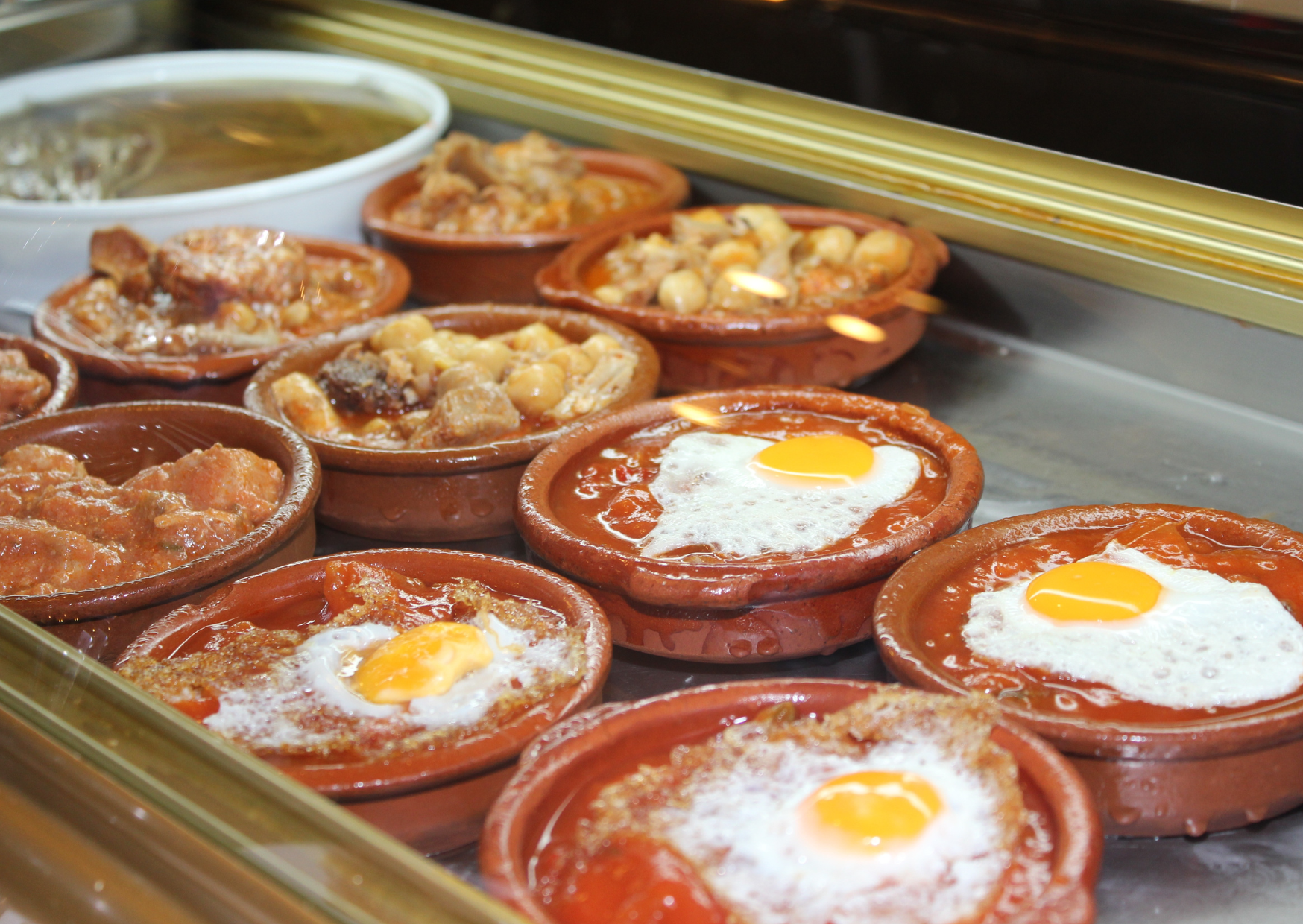
Free tapas are not “free” in the sense of costless. The bar trades food for energy. You get fed because you help the room turn. Act like a local and the door stays open to you.
Keep your order simple so staff can move. Finish the plate before you order again so the counter stays clear. Do not hoard space at the bar if you plan to have only one drink. Ask for the house specialty if you want to pay a little and support the kitchen while you follow the tapas trail. It might be bravas, it might be boquerones, it might be a half ration of tortilla. One small order can anchor a group and raise your welcome.
Mind the volume and the mess. Spanish bars are loud in a friendly way, not in a shouting way. Drop napkins in the bin even if the floor looks like confetti from another era. Say gracias when the plate lands. Say hasta luego when you leave. The ritual matters as much as the money.
Most of all, go where the room wants you. If a place is cramped with families at the counter and you sense that adding another body would be a squeeze, try the bar next door. Madrid is dense with choices. Your best nights come when you let the city lead.
A sample route that fills you for the price of drinks
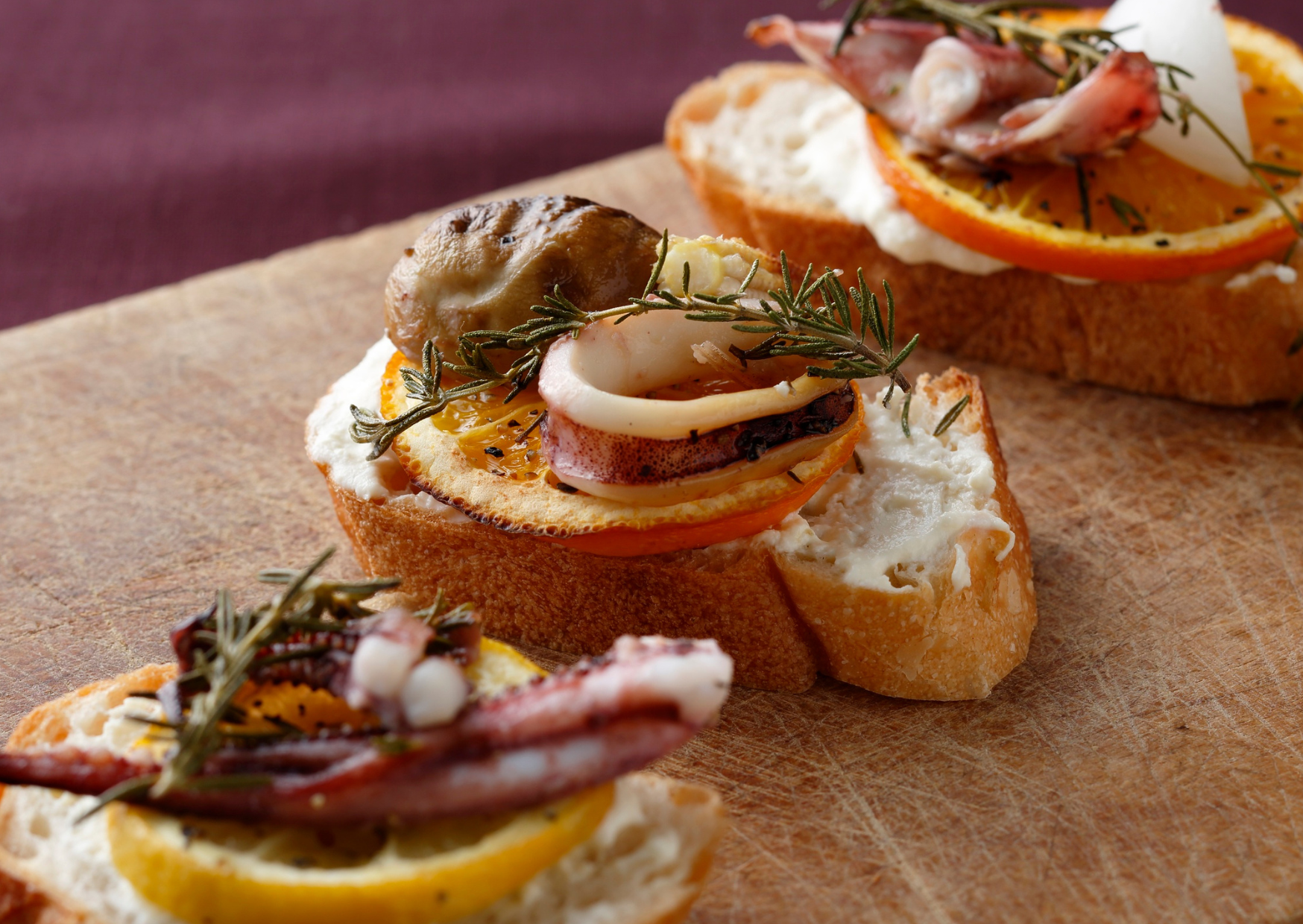
A single evening near the center can feed two people comfortably with three stops, four or five drinks in total, and no need for a formal dinner. Study the map in the afternoon, then let your senses take over.
Start near Gran Vía on a side street that hums at eight. Order two cañas at a bar known for piling plates with each drink. Eat whatever arrives. If you get croquetas and potatoes, share and linger for a second round to see the next plate. Two small rounds, two plates, bill still small.
Walk ten minutes to Lavapiés. Choose a neighborhood bar with a full counter and regulars in the doorway. Order a tinto de verano and a doble. If the plate looks light, pay for a half ration of the house dish to support the room and keep your dinner complete. Order what locals drink, add one paid dish, enjoy the mix.
Cross the river to Puerta del Ángel if you still have space and energy. Order one more small drink and taste whatever appears. Some spots here have become known for very generous spreads with each consumición, and the walk back across the bridge at night is its own reward. Short drink, crowded plate, city view home.
You just made a full dinner from three counters and a handful of euros, which is exactly what locals have done for a century. Tomorrow you can do it again in a different order and never see the same plate twice.
Why this works in Madrid in the first place
The custom survives because it fits the city’s economics and social habits. Small beers keep people clear headed. Short rounds keep the bar alive. A free plate with each drink turns a quick stop into a tiny meal that lets friends make a night from conversations, not courses. The house wins on volume, you win on value, and the room wins on atmosphere.
Madrid still publishes lists of bars where the tradition is strong, and local press highlights places that go bigger than most. Even modern guides aimed at newcomers explain that many traditional spots will place food beside your glass without a word. The advice keeps repeating because the habit keeps working. Drink first, tapa included, move in rounds.
Treat it as a shared ritual and it will feel like the smartest dinner you ever had for the price of a few small drinks.
What makes Madrid’s tapas culture so special isn’t just the food, but the philosophy behind it. Eating this way turns dinner into a social ritual rather than a formal meal. Instead of sitting down for one large plate, locals move, talk, and share, letting the evening unfold naturally without rushing or overindulging.
This tradition also reshapes how value is perceived. In Madrid, food isn’t always treated as a transaction but as part of hospitality. A small plate served with a drink isn’t a promotion or a trick—it’s a reflection of a long-standing custom that prioritizes community and return customers over short-term profit.
For visitors, understanding this secret changes the entire dining experience. Once you stop looking for a single restaurant to “have dinner” and start embracing the rhythm of tapas hopping, Madrid becomes one of the most affordable and enjoyable food cities in Europe.

About the Author: Ruben, co-founder of Gamintraveler.com since 2014, is a seasoned traveler from Spain who has explored over 100 countries since 2009. Known for his extensive travel adventures across South America, Europe, the US, Australia, New Zealand, Asia, and Africa, Ruben combines his passion for adventurous yet sustainable living with his love for cycling, highlighted by his remarkable 5-month bicycle journey from Spain to Norway. He currently resides in Spain, where he continues sharing his travel experiences with his partner, Rachel, and their son, Han.