
You slice a dense, fragrant loaf, top it with something savory, and realize you feel steady instead of sleepy.
German rye is not a novelty bread. It is a daily food designed to keep you even through hours of real work. The secret is not a secret. Whole rye, coarse particles, and natural sourdough change how starch behaves in your body. The result is a loaf that delivers slow fuel instead of a sugar rush and crash.
If your reference point is a soft American wheat sandwich bread, the contrast is sharp. That loaf is mostly refined flour, very fine particles, fast yeast, and often a whisper of sugar or syrup for color. It chews like air and vanishes like it too. German rye, especially Roggenvollkornbrot and its cousins, asks you to chew, then pays you back with even energy and real satiety.
Below is a clear map of what makes German rye different, how it behaves compared with standard wheat bread, and a recipe you can bake on a weekday, no drama. At the end, you will know how to keep slices on hand that make breakfast calm and lunch honest.
What German Rye Is, And Why It Feels Different
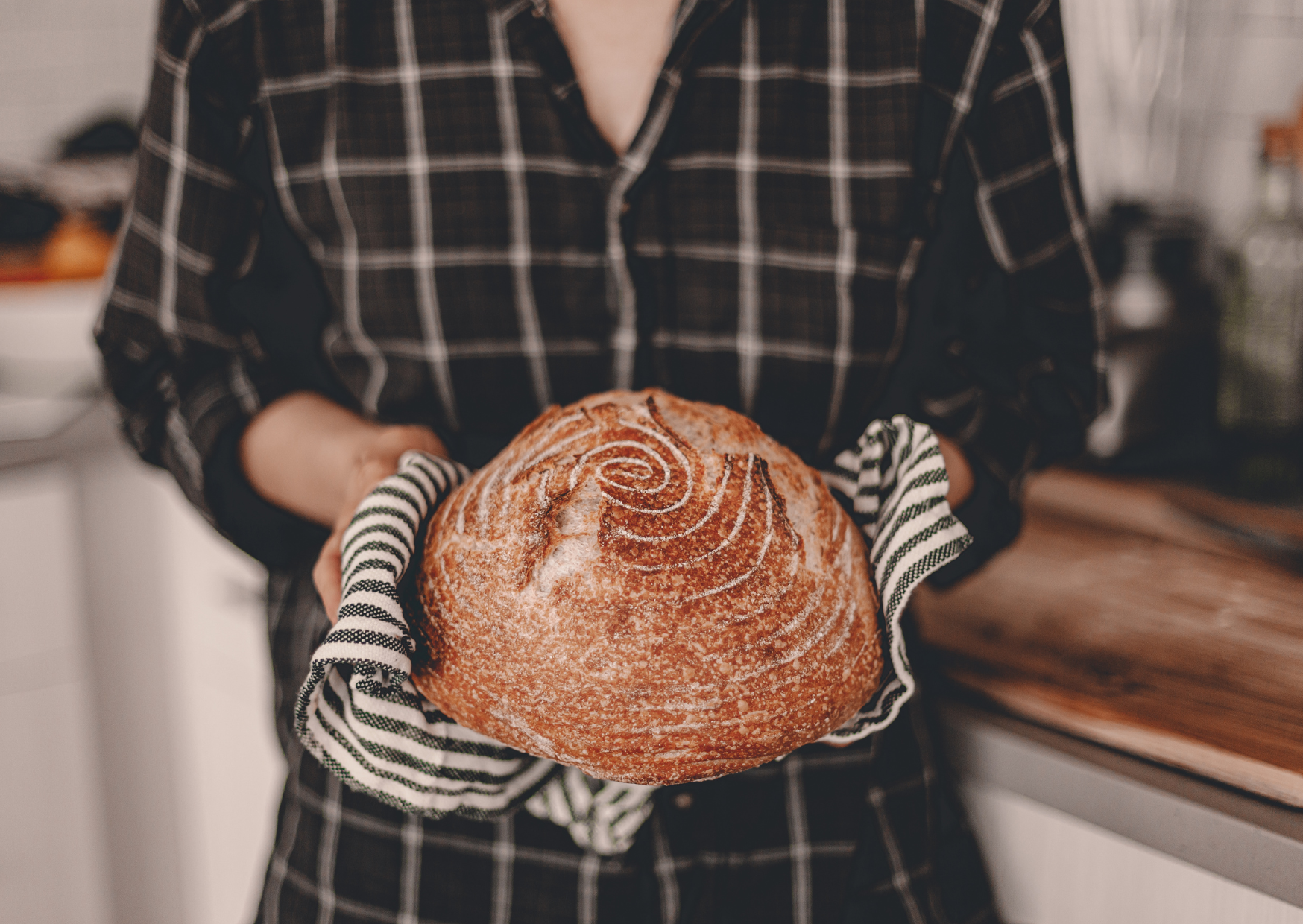
German rye bread is a family of loaves anchored by rye grain and sourdough acidity. In the German food code, a bread labeled Roggenvollkornbrot must be at least 90 percent rye whole grain, bran and germ included. Bakers reach that with rye flours and coarse meals, add water and salt, and rely on sourdough for proper rise and crumb. The same framework recognizes other rye types, from seed-studded loaves to low-and-slow pumpernickel. The common thread is whole grain and acidity, not dye or molasses.
Rye behaves differently than wheat in a mixer and in your body. The flour is rich in arabinoxylans and other fibers that bind water and thicken the dough. Gluten is present but weak, so bakers use pans to support shape. The moisture stays inside a dense crumb for days, the slices cut thin, and the chew is satisfying without being heavy.
That texture is not just a style. It shifts metabolism. Coarse particles slow access to starch. Acids from the sourdough, especially lactic and acetic, help slow amylase, the enzyme that breaks starch to sugar. The fiber matrix physically shields starch granules and drags out digestion. The combination pushes your post-meal rise toward gentler glucose curves and, in many studies, lower insulin demand than similar wheat breads.
All of this explains the classic pairing advice. Put fat and protein on rye, not jam. The bread is already doing the slow-down work. Give it toppings that keep the slope smooth.
How It Compares With American Wheat Bread
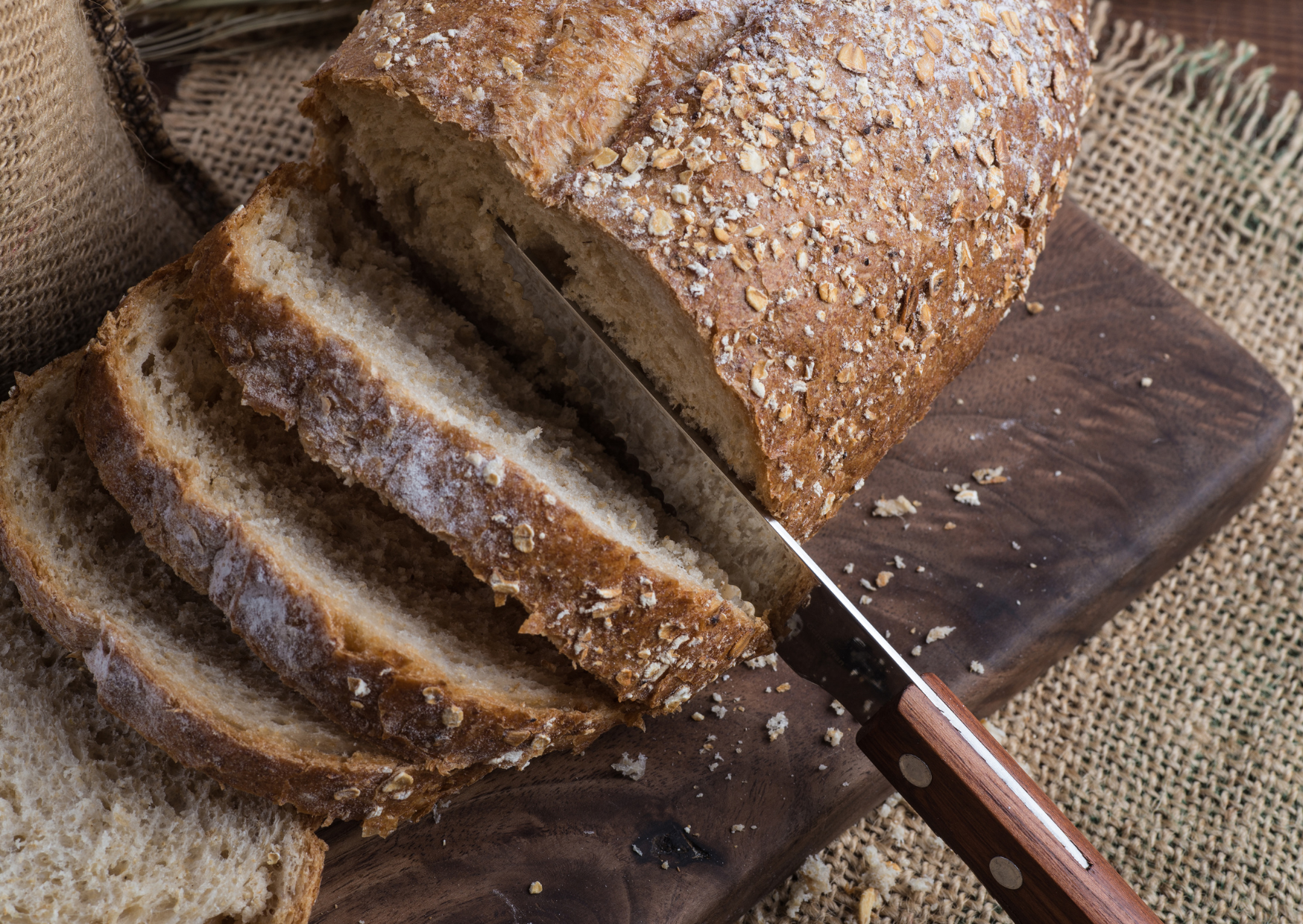
Most commercial American sandwich loaves are built for softness and speed. Finely milled refined flour, quick fermentation, added oil or sugar for color, and high hydration make a loaf that slices beautifully and disappears fast. For people who like a pillowy bite, that is the point. The metabolic cost shows up an hour later when hunger returns early.
Switch two variables and the picture changes. Whole grain raises fiber and micronutrients, and particle size matters as much as the ingredient list. Coarser grinds and visible grains blunt the post-meal rise by making enzymes work. Add sourdough fermentation, and you bring acidity that further slows digestion. These are not wellness buzzwords, they are physical levers a baker can pull.
When scientists test real breads, the pattern is consistent. Whole-grain rye breads with intact grains and seeds tend to produce lower or gentler responses than refined wheat breads. Sourdough loaves that keep the grain coarse often perform better than soft, yeasted wheat loaves, even when calories match. Not every rye loaf is magic. A fluffy rye-wheat mix can react like wheat. The design matters, which is why the recipe below sticks to whole rye, coarse texture, and real sourdough rather than flavoring agents and shortcuts.
Recipe: Everyday German Rye “Vollkornbrot” You Can Bake On A Weeknight
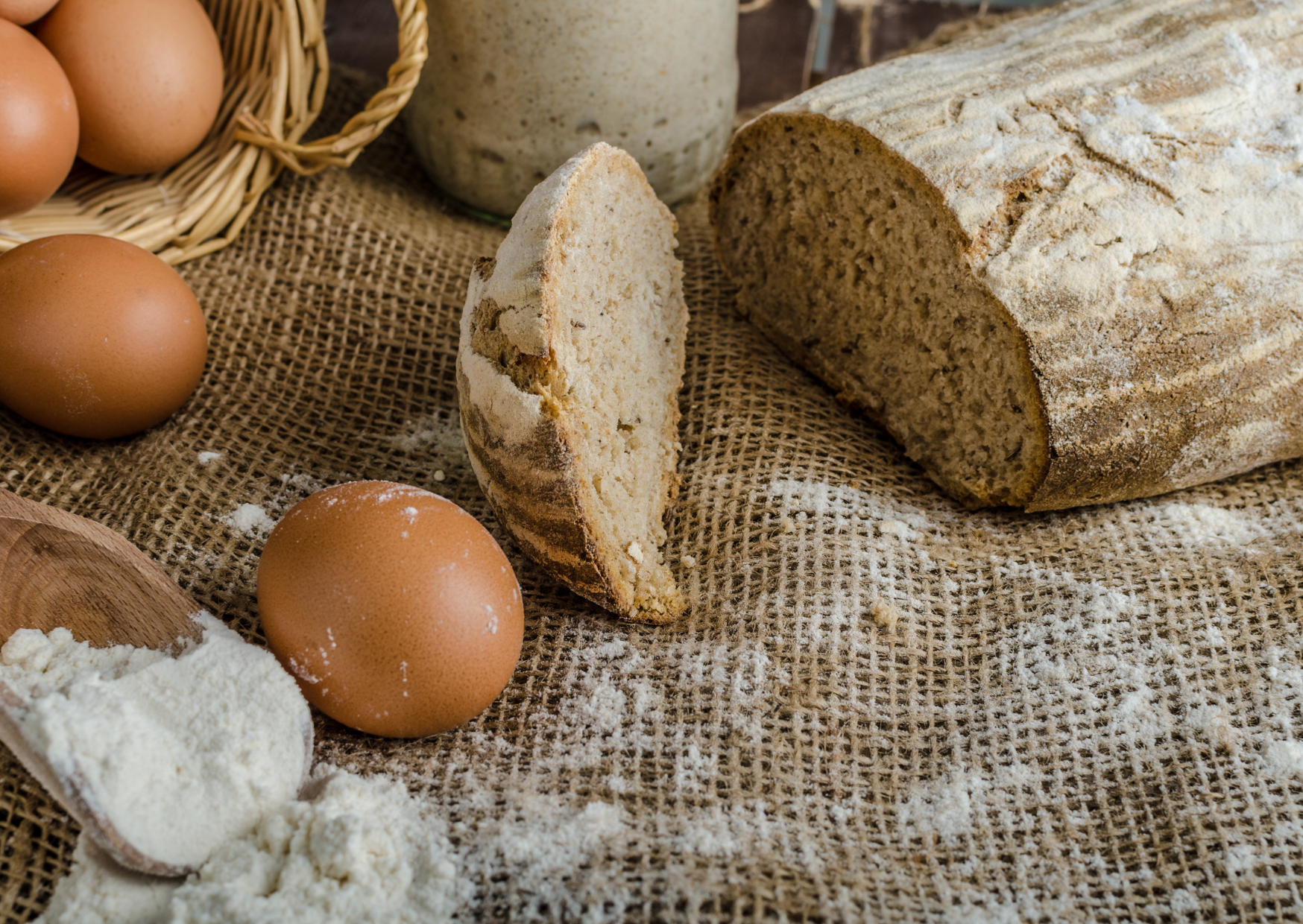
You do not need a wood oven or a black-loaf apprenticeship. You need a pan, a scale, a jar of active rye starter, and a plan. This formula makes one tall 9×4 inch pan loaf or one 26×10 cm Kastenform. The crumb is moist and sliceable after a full rest. It freezes perfectly.
Equipment
9×4 inch loaf pan or 26×10 cm Kastenform, parchment, mixing bowl, sturdy spoon or dough whisk, digital scale, thermometer if you have one, cooling rack.
Ingredients
Rye sour build, morning of bake day
- 120 g ripe rye sourdough starter at 100 percent hydration, fed within 24 hours
- 200 g whole rye flour, medium to coarse grind
- 200 g warm water, about 30–32 °C
Soaker, optional but helpful for moisture and texture
- 120 g cracked rye (Roggenschrot) or coarse whole rye flour
- 180 g boiling water
- 20 g sunflower seeds, optional
- 10 g flaxseed, optional
Final dough, early evening
- All of the rye sour built above
- All of the soaker, cooled to room temp
- 200 g whole rye flour
- 120 g water, room temp, plus up to 20 g more if very dry flour
- 10 g fine salt
- 15 g rye malt syrup or honey, optional for color and fermentation support
- 5 g caraway seeds, optional
Timeline
- Morning, mix sour and soaker, let the sour rise 6–8 hours at room temp, cover the soaker and leave on the counter.
- Evening, mix the final dough, fill the pan, proof 45–75 minutes, bake about 65–75 minutes.
- Cool at least 12 hours, ideally 18–24 hours, before slicing.
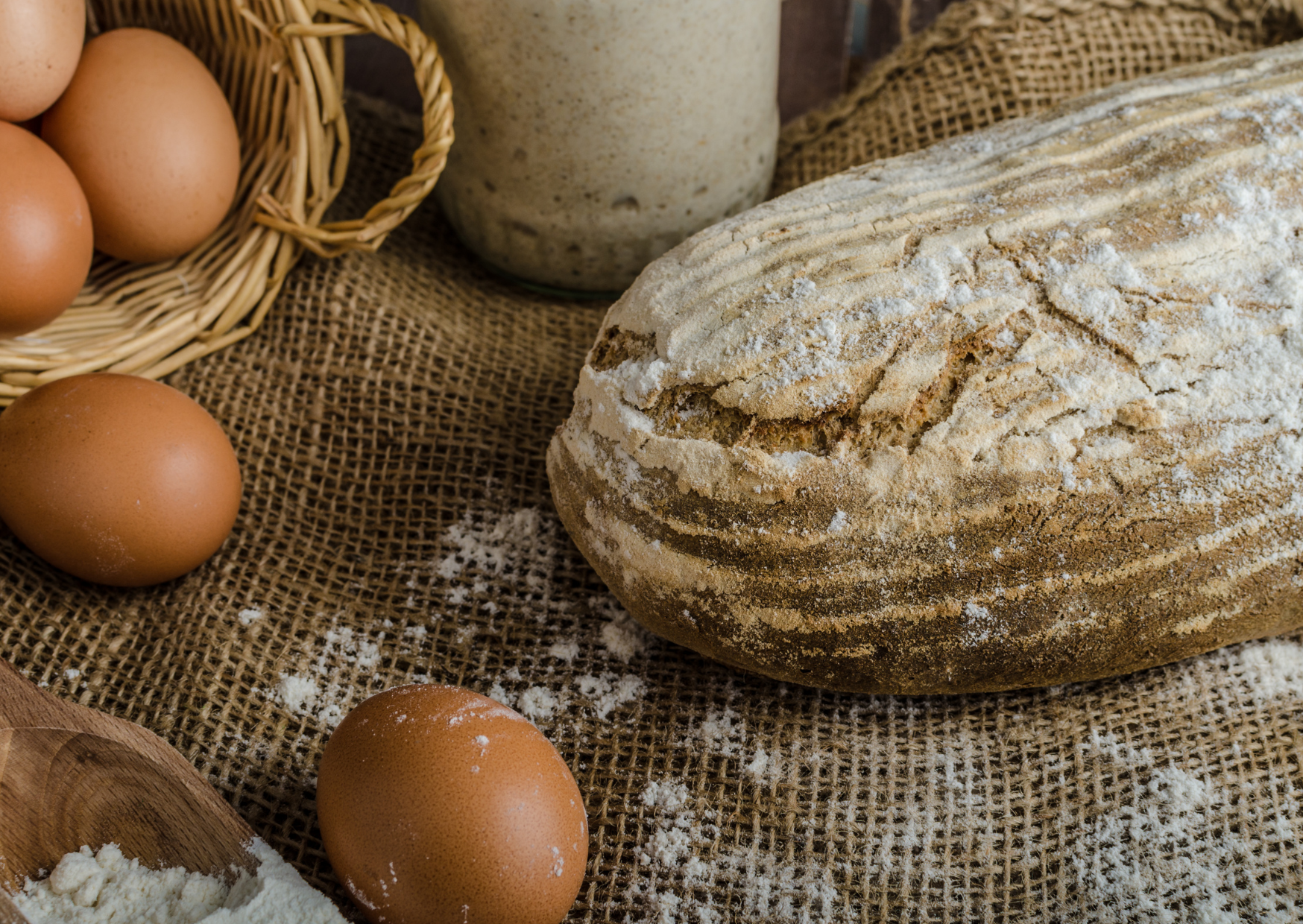
Method
- Build the sour. Stir starter, rye flour, and warm water until smooth. The paste will be thick. Cover and leave at room temperature until puffy and aromatic, 6–8 hours. It should dome slightly and smell fruity, not sharp.
- Make the soaker. Pour boiling water over the cracked rye and seeds, stir, cover, and let cool. This pre-hydrates tough particles and gives the loaf moisture for days.
- Mix the final dough. In a large bowl, combine the sour, the cooled soaker, rye flour, water, salt, and optional syrup and caraway. Stir with a spoon until no dry bits remain. Rye is a paste more than a dough. Resist the urge to knead. If it feels crumbly, add up to 20 g water, a tablespoon at a time. You want a heavy, sticky batter.
- Pan and smooth. Line the pan with parchment. Scrape in the paste, then wet a spatula or your hand and smooth the top. A damp tool prevents sticking. For a classic look, sprinkle a few sunflower seeds on top or smooth completely flat.
- Proof. Cover the pan lightly. Let rise at room temperature until the surface shows pinholes and lifts about 10–15 percent. In a warm kitchen this can be 45 minutes. In a cool one, closer to 75. Rye does not spring like wheat in the oven, so do not underproof.
- Bake hot, then steady. Heat the oven to 230 °C. Slide in the pan and bake 15 minutes. Lower to 205 °C and bake another 50–60 minutes. Internal temperature should reach 98–100 °C. If the top colors too fast, tent with parchment.
- Cure the crumb. This is the part that makes most people rush and regret it. Turn out the loaf. Cool on a rack until barely warm, then wrap in a clean towel or paper and let rest until the next day. The starches set, the moisture equalizes, and the knife will glide cleanly instead of tearing a gummy crumb.
- Slice thin. Cut 4–6 mm slices with a sharp, serrated knife. Store at room temperature for two days wrapped in paper, then refrigerate or freeze slices in a bag. Toasting brings out aroma, and toasting from frozen works well.
Why this recipe is built this way
- Rye sour: Lowers pH for structure and keeps enzymes in check. Your crumb stays sliceable instead of sticky.
- Soaker: Hydrates coarse particles so the loaf stays moist and cuts cleanly for days.
- Pan bake: Rye’s gluten is weak. A pan gives you height without collapse.
- Long rest: The interior finishes setting off heat. Patience is non-negotiable.
Why This Loaf Behaves Better In Your Body
You are not hacking your metabolism. You are changing the bread.
Acidity slows enzymes. Sourdough fermentation raises lactic and acetic acids. That lower pH slows the enzymes that clip starch chains into glucose. Several controlled trials and reviews show sourdough breads can deliver flatter post-meal curves than comparable straight-yeasted loaves, especially when paired with whole grains.
Fiber and structure matter. Whole rye is rich in soluble and insoluble fibers that increase viscosity in the gut and delay gastric emptying. The effect is small and steady rather than dramatic, exactly what you feel as even energy across the morning.
Particle size is not trivia. Coarser flours and visible kernels reduce the surface area available to enzymes. When researchers compare coarse whole-grain breads to breads made from very fine whole-grain flours, the coarse versions often produce lower acute responses, particularly in people with impaired glucose tolerance.
Rye often reduces insulin demand. Multiple trials with rye breads show lower post-prandial insulin needs compared to wheat controls, sometimes with similar glucose curves. Lower insulin for the same glucose area means the food demanded less hormonal effort to handle.
Cooling helps. When bread cools after baking, some starch retrogrades into forms that resist digestion and behave more like fiber. Freezing slices and toasting later further nudges that process. It is not a miracle, just a small, useful nudge.
Put those pieces together and you have a loaf that supports steadier mornings without weird ingredients. It is grain, water, salt, time, and a living culture doing the work for you.
Variations You Can Trust
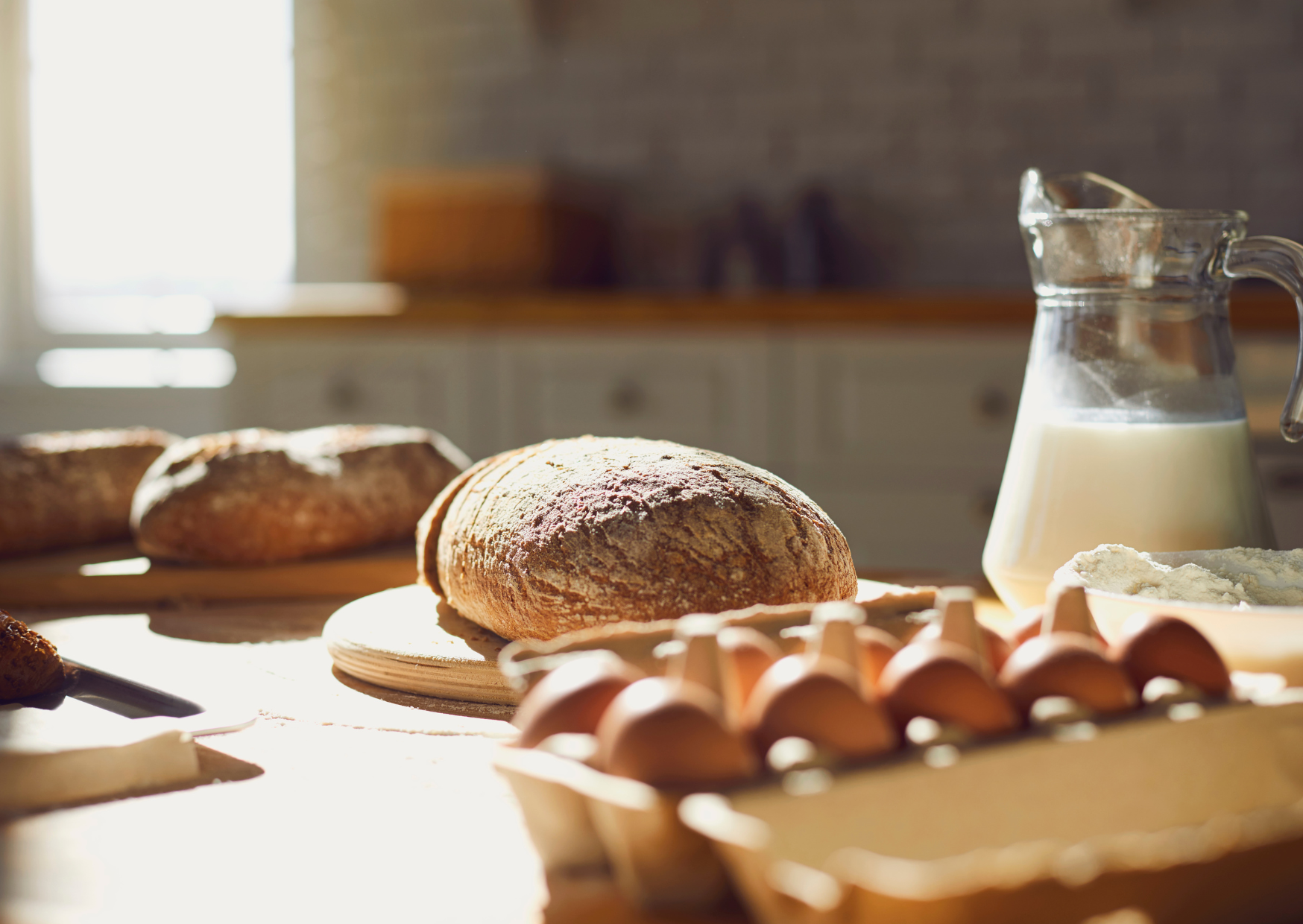
You can dial this family of breads toward your taste without losing the effect. Keep three rules in mind: whole grain, coarse texture, sourdough first.
Schwarzbrot, seed-forward. Add 80–120 g sunflower seeds and 40 g flaxseed to the soaker, and boost water accordingly. Expect a slightly heavier crumb and a nutty flavor. Keep the proof short so the seeds do not float.
Pumpernickel, low and slow. For a more traditional Westphalian profile, swap half the flour for coarse rye meal, skip sweeteners, and bake in a covered pan at 150–160 °C for 12–16 hours. The gentle, wet heat darkens the loaf naturally and creates a deep aroma. Slice even thinner. This is a weekend project, not a Tuesday night.
Mischbrot, if you need a softer landing. If 100 percent rye feels like too much at first, build a 60:40 rye to whole-wheat mix. Keep the sourdough portion rye-heavy to protect structure. The loaf will rise a little higher and slice more softly, still far away from a sweet sandwich bread.
Flavor accents. Classic caraway is gentle at 5 g. Coriander and fennel work in tiny amounts. Do not add molasses for color unless you also keep sourdough strong. Color without acidity gets you the look without the structure.
Altus, the baker’s trick. Save stale slices, cube, soak in hot water, and work into the final paste for a more complex crumb. Add up to 20 percent of flour weight. This is how German bakers carry yesterday’s loaf into today’s.
What Can Go Wrong (and How to Fix It)
Gummy interior, knife drags.
Cause, the loaf was cut too soon or the dough rose too far and collapsed. Fix, bake to 98–100 °C internal, then cool at least 12 hours. If the center still seems wet after the rest, toast slices well and shorten proof next time.
Sunken top.
Cause, overproofing or too much water. Fix, shorten the final rise. The surface should show tiny pinholes, not a dome. Measure water carefully, especially if your flour is fine.
Crumb breaks or crumbles.
Cause, too dry, too little acidity, or too coarse without a soaker. Fix, use the soaker and keep the sourdough active. A splash more water in the final mix can rescue a dry bag of flour.
Loaf sticks to the pan.
Cause, parchment slipped or oil alone failed. Fix, line fully with parchment. If stuck, let the loaf cool until just warm, run a thin spatula along the sides, and be patient.
Loaf tastes too sour.
Cause, very long sour build or warm kitchen. Fix, build the sour for the shorter end of the window, or feed your starter the night before so it is milder. Honey or malt syrup softens perception without turning the loaf sweet.
No rise, dense pessimist.
Cause, weak starter. Fix, feed your rye starter twice at room temperature during the day before you bake. Rye starters wake quickly when fed on rye flour and warm water.
Cracking top.
Cause, dry surface or rapid early heat. Fix, smooth with wet hands and, if your oven runs hot, lower the first stage to 220 °C and bake a touch longer.
How To Eat It, Store It, And Keep It Working For You
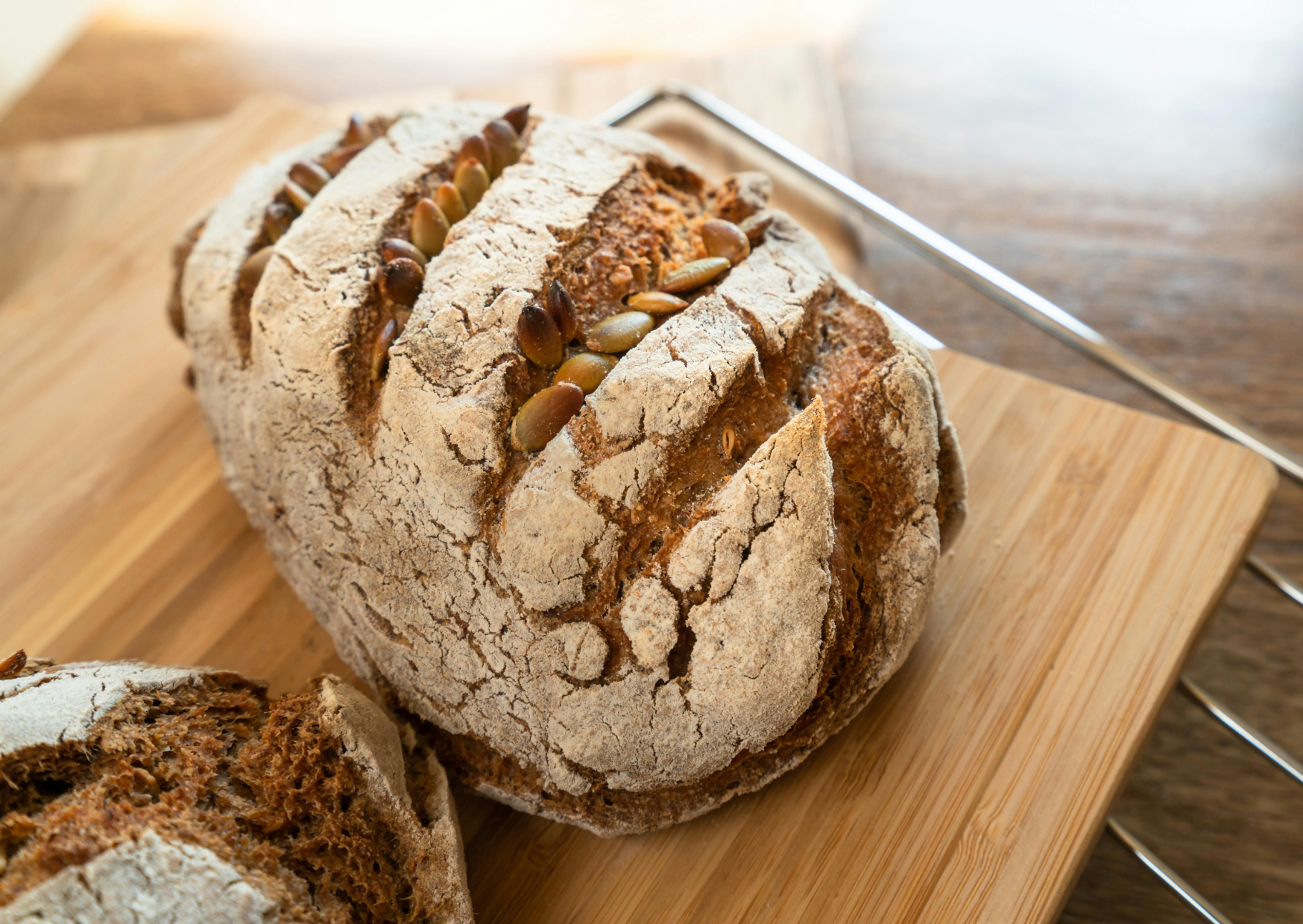
Slice thin. German rye is meant to be narrow and tall. Thin slices give you the chew and the control.
Top it like a meal. Think protein and fat, not candy. Cured salmon with quark or Greek yogurt and chives, smoked mackerel with lemon and pepper, a thin swipe of butter under sliced egg, fresh cheese and cucumber, hummus and roasted peppers, turkey and mustard. The bread is the slow base, the toppings keep the slope steady.
Make open-faced normal. One good slice with real toppings is lunch. You do not need a double decker to feel full. If you want a second, make it vegetables forward.
Toast late in the week. Rye keeps moisture. By day three, toasting turns that moisture into aroma. Toasting from frozen works well and plays into the retrograded starch bonus.
Freeze smart. As soon as the loaf finishes its 12–24 hour rest, slice it. Freeze in stacks of four between parchment. Pull what you need, then back to the freezer. Waste stays at zero.
Take the win at breakfast. One slice with a savory topping and coffee often pushes hunger back by a full hour compared with soft wheat toast. The point is not austerity. It is a breakfast that behaves.
Read labels when you buy. If you buy instead of bake, look for Vollkorn, Roggen, and Sauerteig high on the ingredient list. Avoid loaves that use coloring or sweeteners for a dark look without whole grain.
What This Means For You
You do not have to give up bread to get a calmer morning. You have to change the bread architecture. German rye gives you the blueprint. Whole rye, coarse grind, real sourdough, long rest. Bake it in a pan, slice it thin, top it like a meal, then watch how your day feels.
It is not a trick. It is an older, better design that matches how your body handles starch. Put this loaf in your freezer and you will start reaching for it on autopilot, because it tastes like food and acts like a friend.
Origin and History
German rye bread has its roots in geography and necessity. Rye thrives in colder, harsher climates where wheat struggles, making it a natural staple across much of Northern and Central Europe. Over centuries, German bakers refined methods that worked with rye’s dense structure rather than trying to imitate lighter wheat breads.
Because rye behaves differently from wheat, German bread culture evolved around long fermentation and slow baking. Sourdough starters became essential, not trendy, allowing rye to become digestible and stable. These techniques weren’t optional—they were required for the bread to work at all.
Bread in Germany was never meant to be soft or fleeting. It was designed to last several days, sometimes a week, without preservatives. Dense crumb, thick crust, and deep flavor were signs of quality, not flaws.
This tradition created hundreds of regional rye breads, each reflecting local conditions and preferences. What unites them is patience. German rye bread was built for nourishment and endurance, not speed or mass appeal.
The biggest controversy comes from comparison. In the U.S., bread is often judged by softness and sweetness, leading many to assume dense rye is “heavy” or difficult to digest. In reality, traditional rye bread behaves very differently in the body than refined wheat bread.
Another misunderstanding is the role of carbohydrates. Many assume all bread affects blood sugar the same way. German rye bread challenges this assumption because fermentation, fiber, and structure all influence how quickly carbohydrates are absorbed.
There’s also confusion around ingredients. American rye-style breads often include mostly wheat flour with coloring or flavoring added. These products share a name but not a nutritional profile, leading to misleading comparisons.
What makes the topic controversial is that it questions modern bread-making priorities. Speed, shelf life, and uniform texture often override how bread actually functions as food.
How Long It Takes to Prepare
Traditional German rye bread cannot be rushed. Active preparation time may only take 20 to 30 minutes, but fermentation stretches across many hours or even days. This slow process is central to the bread’s structure and behavior.
The sourdough starter develops gradually, allowing acids to break down compounds in the rye that would otherwise interfere with digestion and texture. Skipping this step produces bread that looks similar but performs very differently.
Baking itself takes longer than wheat bread due to rye’s density. Lower temperatures and extended bake times ensure the loaf sets properly without drying out.
From start to finish, making authentic rye bread is a commitment. What it trades in convenience, it returns in consistency, flavor, and stability.
Serving Suggestions
German rye bread is sliced thin, not stacked thick. Its density delivers satisfaction in smaller portions, making it ideal for open-faced sandwiches rather than towering builds.
It pairs naturally with savory foods such as cheese, cured fish, eggs, and vegetables. These combinations slow eating and enhance fullness rather than encouraging overconsumption.
Butter is used sparingly but intentionally, complementing the bread’s acidity and depth. Sweet toppings are rare and typically restrained.
Rye bread is often eaten slowly, as part of structured meals rather than on the go. This context matters as much as the bread itself.
Final Thoughts
German rye bread behaves differently because it is made differently. Its impact isn’t accidental—it’s the result of centuries of trial, error, and adaptation to environment.
Comparing it directly to American wheat bread reveals how processing changes food’s role in the body. Refinement and speed prioritize texture and shelf life, while traditional rye prioritizes function.
This isn’t about declaring one bread superior in all situations. It’s about understanding that not all bread is interchangeable, even if it looks similar on the plate.
German rye bread reminds us that traditional methods often solved problems long before modern nutrition labels tried to explain them. When bread is treated as food rather than filler, the difference is noticeable well beyond the first bite.

About the Author: Ruben, co-founder of Gamintraveler.com since 2014, is a seasoned traveler from Spain who has explored over 100 countries since 2009. Known for his extensive travel adventures across South America, Europe, the US, Australia, New Zealand, Asia, and Africa, Ruben combines his passion for adventurous yet sustainable living with his love for cycling, highlighted by his remarkable 5-month bicycle journey from Spain to Norway. He currently resides in Spain, where he continues sharing his travel experiences with his partner, Rachel, and their son, Han.