
I stopped fearing pasta. I started cooking and eating it like an Italian. With a few precise rules, my afternoon spikes flattened, evening cravings dropped, and I kept pasta in my life without a glucose roller coaster. Here is the exact routine, why it works, and how to copy it.
I did not change cuisines. I changed sequence, portion, and texture.
I took my cues from how Italians actually eat pasta at home. Smaller portions, cooked al dente, paired with vegetables and protein, dressed with olive oil, and eaten at lunch more than at night. I added three modern tweaks from the science: vegetables first, a 10 minute walk after eating, and cooling leftovers to build more resistant starch.
As of September 2025, there is solid evidence behind each of those levers. Pasta’s structure naturally slows starch release. Cooking it firm to the bite lowers its glycemic impact. Cooling and reheating can further blunt the rise. Vegetables before starch and a short walk right after a meal reduce post-meal glucose. The Mediterranean pattern that wraps all this together is still associated with better glycemic control. I used that science to design a routine that felt like dinner in Rome and behaved like a measured experiment.
Want More Deep Dives into Other Cultures?
– 9 Italian Style Rules That Instantly Outshine American Fashion
– Why Europeans Walk Everywhere (And Americans Should Too)
– How Europeans Actually Afford Living in Cities Without Six-Figure Salaries
– 9 ‘Luxury’ Items in America That Europeans Consider Basic Necessities
Why Pasta Can Work When Bread Does Not
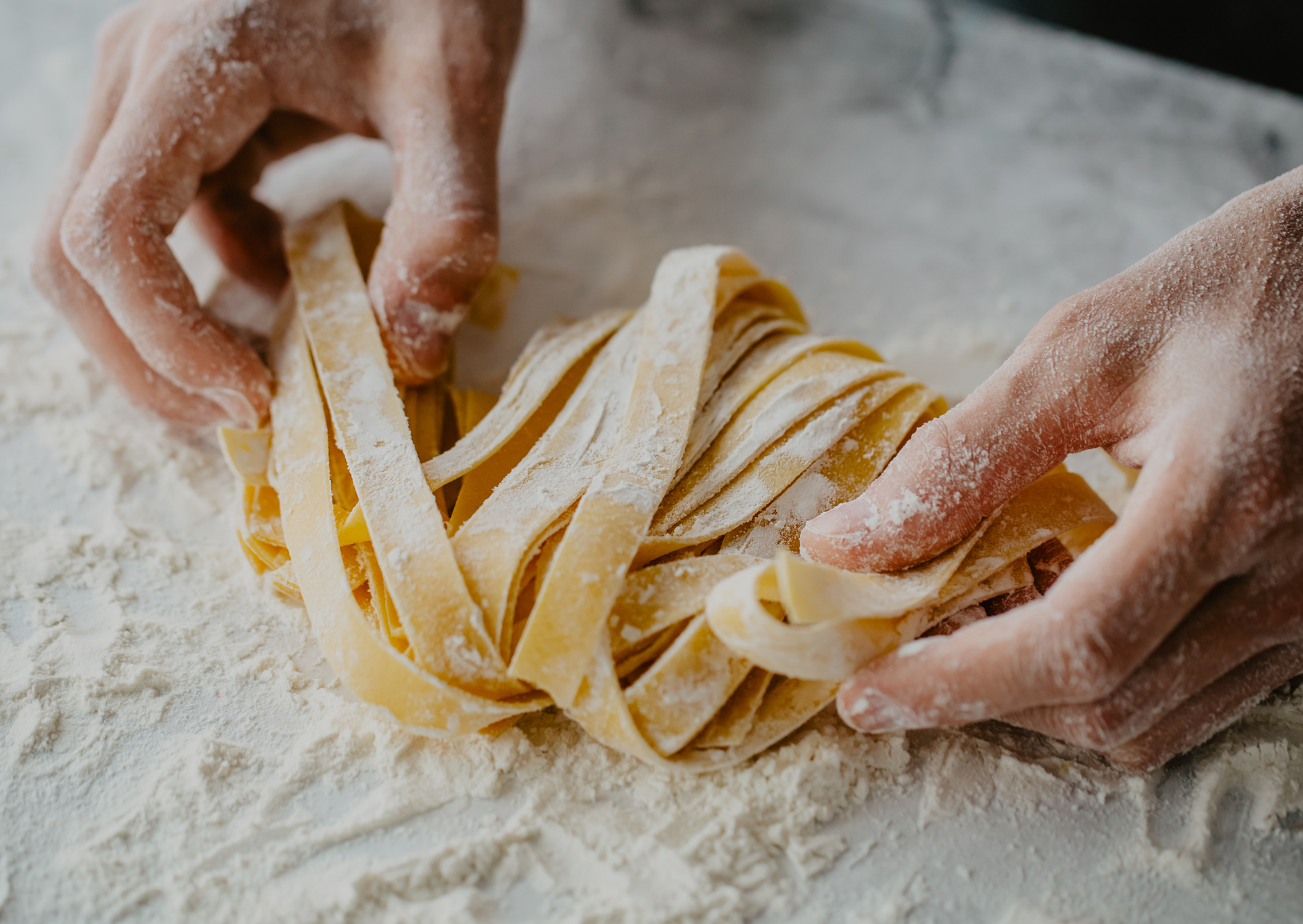
The reason pasta behaves is structure. Pasta’s starch granules are trapped in a compact protein network, which slows digestion and keeps the glycemic index in the low to medium range compared with many breads and rice. Cook it longer, the network relaxes, and the glucose rise climbs. Cook it al dente, and you keep that built-in brake. Structure slows glucose, al dente protects it, overcooking erases it.
Two more facts helped me relax. First, across updated GI tables, pasta consistently sits lower than most white breads and many rice varieties. Second, you can push it further with cooling. Starches that are cooked, then chilled, form more resistant starch, which your gut treats more like fiber. Reheating that pasta does not undo the entire benefit. In at least one controlled study, reheated pasta brought a quicker return toward baseline than the same pasta eaten hot the first time. Chill builds resistance, reheat keeps gains, GI stays tame.
None of this is license to eat a mixing bowl of spaghetti. Glycemic load still matters. I solved that with portioning like an Italian, not like a tourist.
Quick and Easy Tips
Eat pasta as part of a full meal with vegetables, protein, and fat rather than on its own.
Keep portions moderate and eat slowly to allow satiety signals to catch up.
Avoid snacking on carbs between meals so digestion and insulin response can reset.
In the U.S., pasta is often blamed outright for blood sugar issues, while Italians rarely treat it as dangerous. The difference lies in structure. Italian meals are composed intentionally, with pasta rarely eaten in isolation or oversized portions.
Another uncomfortable truth is that many blood sugar problems come from eating patterns, not single foods. Skipped meals, rushed eating, and constant grazing create instability that gets wrongly attributed to carbs alone.
There’s also resistance to the idea that pleasure and health can coexist. Italian food culture doesn’t separate enjoyment from nourishment. This challenges the belief that managing blood sugar requires deprivation.
What makes this controversial is that it undermines extremes. It suggests that control doesn’t come from cutting foods out, but from understanding how they function in real meals. For those conditioned to fear pasta, that idea can feel counterintuitive even threatening but the results speak for themselves.
The Six Italian Pasta Rules I Followed
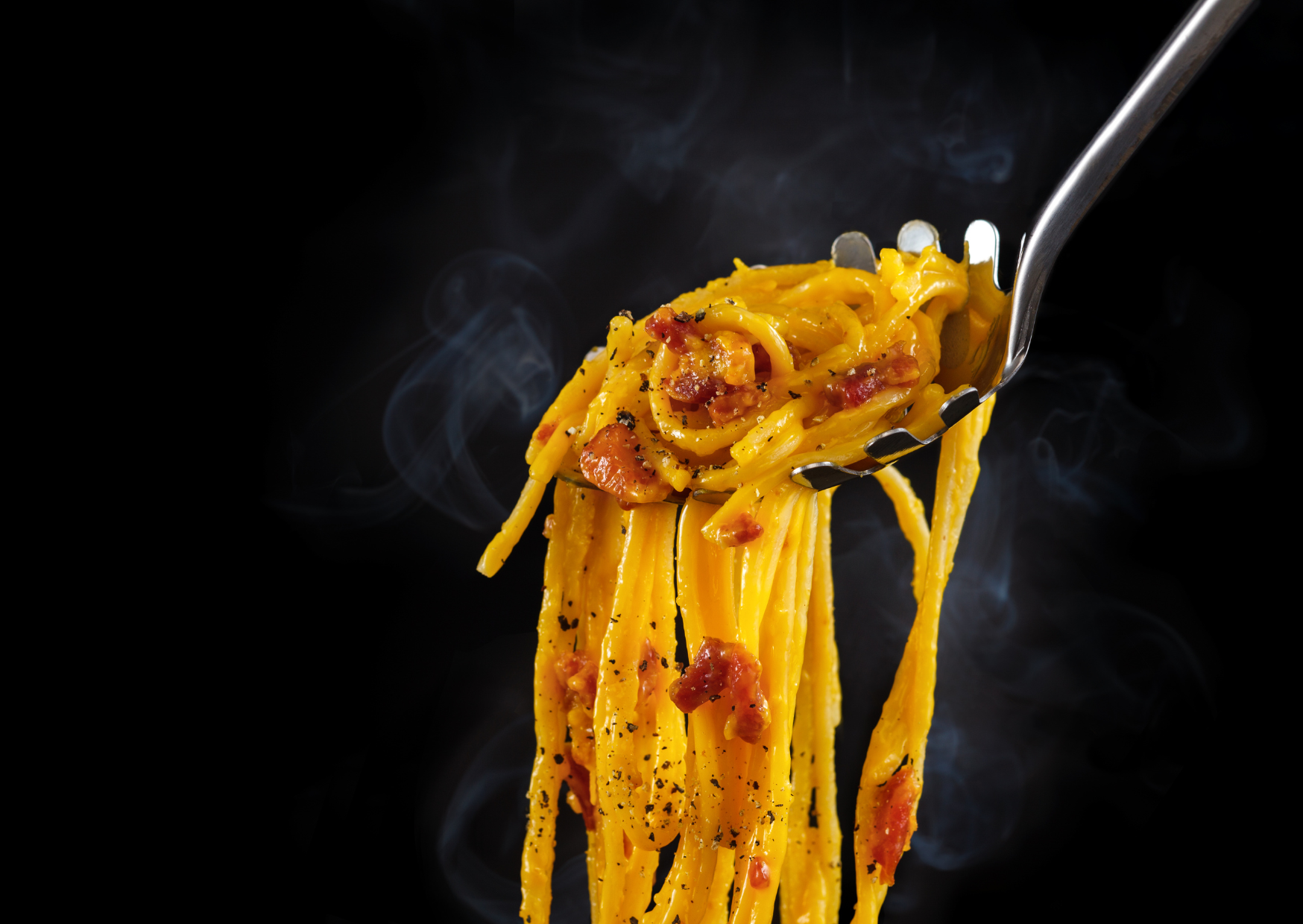
These are the rules that stabilized my numbers. They are simple, repeatable, and they travel well.
Rule 1: 80 grams dry, not a mountain.
In Italy, a standard adult portion for dry pasta as a primo is about 80 g. I weigh it once, then eyeball with the same bowl. When pasta is not the only course, this is enough to satisfy without spiking. Portion discipline first, primo mindset, no second heap.
Rule 2: Cook strictly al dente.
I pull pasta 1 to 2 minutes before the box says done, then finish the last minute in the sauce so the surface absorbs flavor and stays firm. Al dente has a lower glycemic impact than fully soft. Stop early, finish in sauce, keep the bite.
Rule 3: Treat sauce as a condiment, not a stew.
Italian plates shine with coating, not pooling. I keep sauces concentrated, vegetable heavy, and salt and olive oil do the lifting instead of sugar. This keeps the carb portion modest while the plate feels generous.
Rule 4: Pair pasta with fiber, protein, and olive oil.
Legumes, leafy vegetables, seafood, eggs, or a little cheese plus extra-virgin olive oil. The fat and protein slow gastric emptying and have been shown to attenuate the early glucose rise when EVOO replaces butter or low fat. Add fiber and protein, finish with EVOO, skip butter bombs.
Rule 5: Build vinegar into the dish or the side.
A small splash in a salad or pan sauce slightly lowers post-meal glucose in trials, particularly with higher-GI meals. I do not drink it straight. I let food carry it. Acid helps, salad first, no shots.
Rule 6: Chill leftovers on purpose.
I cook extra, chill overnight, then reheat. The cool-down makes some starch resistant, and reheating keeps a chunk of that benefit while improving texture. Cold pasta salads also work. Cook, chill, reheat, or serve cold, use yesterday to help today.
The Order And Timing That Flattened My Curve
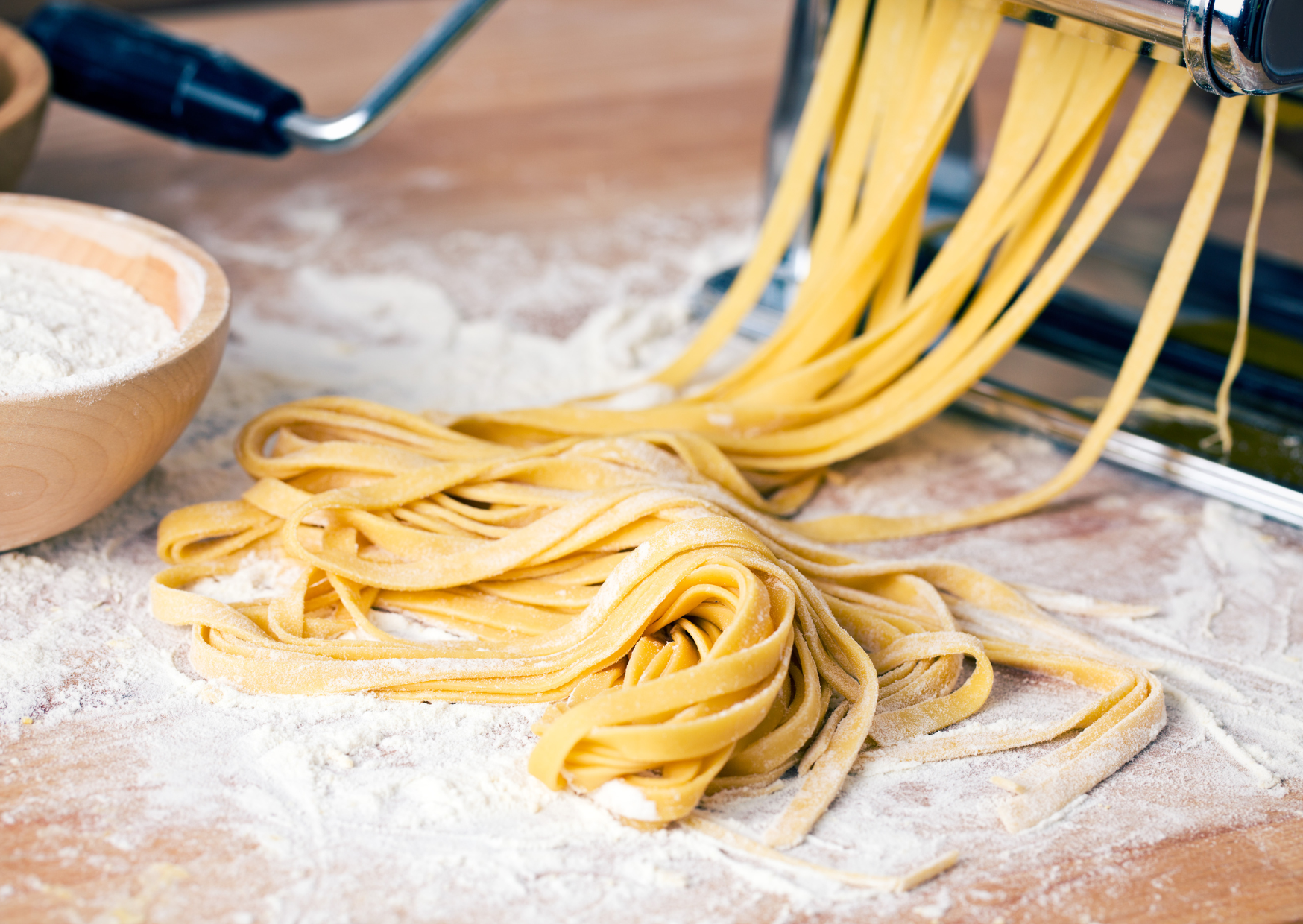
I stopped letting pasta be the first thing my fork touched. I borrowed two consistent tricks.
Vegetables first, carbs last.
Starting meals with a plate of vegetables and some protein lowers the glucose and insulin response compared with eating the same foods in the reverse order. I eat a small salad or sautéed greens, then pasta. The difference shows up on a meter and in how I feel an hour later. Veg first, starch last, same meal, calmer curve.
Walk ten minutes within twenty minutes of finishing.
A 10 minute walk right after eating can lower the peak glucose more than waiting for a longer stroll later. This is the easiest win in the entire routine and the most reliable way I found to smooth dinner. Walk now, not later, small dose, big effect.
I also shifted pasta to lunch twice on weekdays. A bigger midday meal and a lighter evening is standard in many Italian homes and aligns with broader Mediterranean patterns associated with better glycemic control when the whole diet matches. On days I did pasta at lunch, my sleep was better and my late-night cravings disappeared. Lunch center, light night, better sleep.
Cooking Details That Matter More Than You Think
You do not need a culinary degree. You need to respect the physics.
Shape and structure affect digestibility.
Pasta shapes with thicker walls and stronger gluten networks resist breakdown longer. Processing that preserves that network increases slowly digestible starch, which maps to a lower glycemic response in vivo. You do not have to memorize p-values. Just know that well-made pasta cooked right behaves better than flimsy, overcooked pasta. Denser network, slower starch, steadier numbers.
Cook in plenty of salted water, then finish in the pan.
Boil hard, salt properly, and pull early. The last minute in the sauce tightens texture and reduces the risk of overcooking. Overcooking increases starch availability and raises glycemic response. Big pot, early pull, pan finish.
Cool for resistant starch, then reheat gently.
When I make extra, I chill it flat so it cools fast. Next day I reheat in a pan with a splash of water and sauce. Studies show that cooking, cooling, and reheating pasta can change the post-prandial pattern in your favor, with a faster return toward baseline. Cold pasta salads also deliver more resistant starch. Cool fast, reheat smart, use the fridge as a tool.
Choose add-ins that help, not hurt.
Olive oil beats butter for post-meal glucose in high-GI settings. Nuts, chickpeas, tuna, or eggs in the sauce all slow the curve. Processed meats push the other way and are linked with higher diabetes risk over time. EVOO and legumes in, processed meats out, taste stays up.
How I Portion Like An Italian Without Feeling Deprived
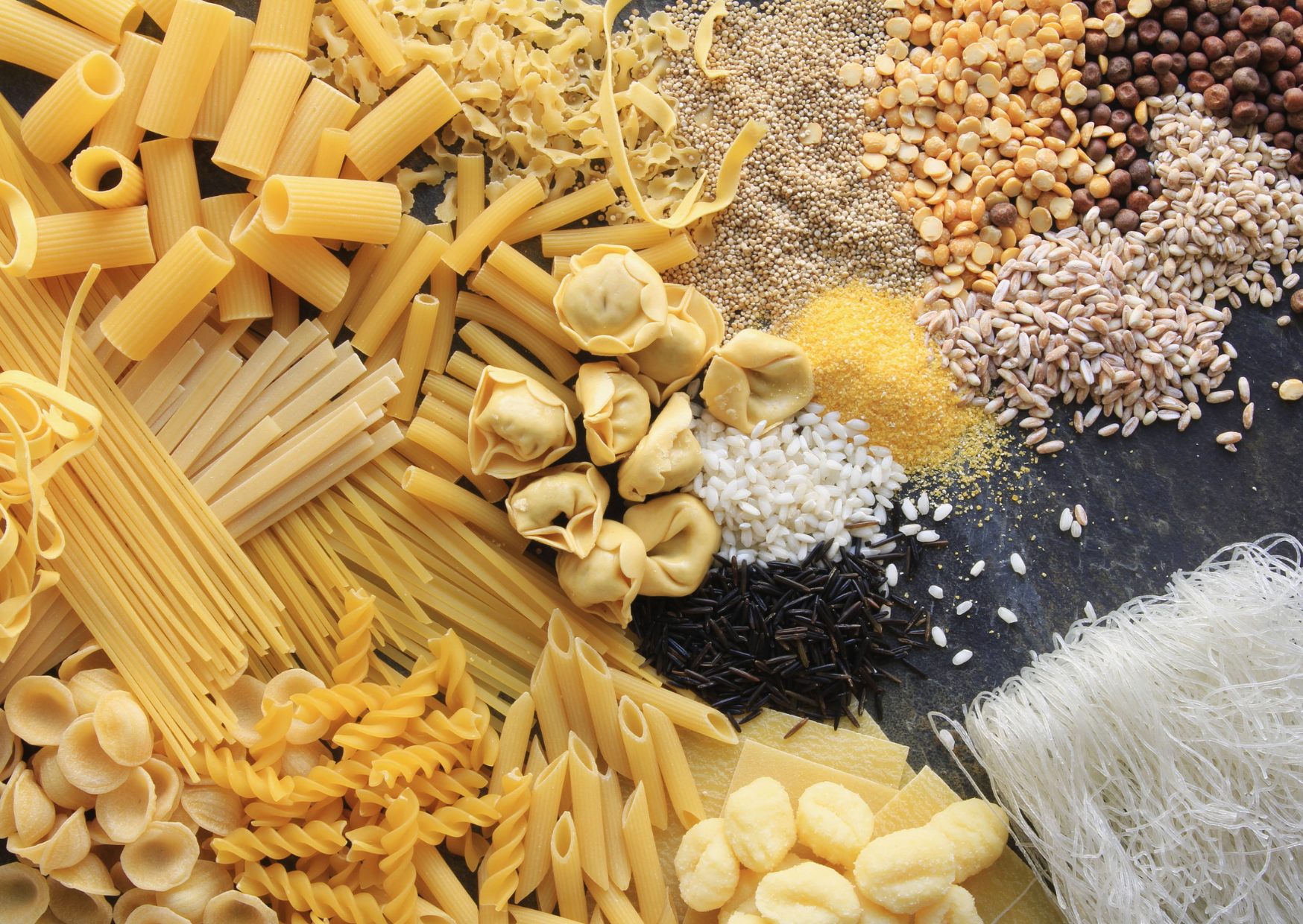
The trick was not eating less food. It was moving volume to vegetables and protein and keeping pasta in its lane.
Use the 80 g rule and build a plate around it.
Italy’s portion standards list 80 g dry pasta as a typical adult serving within a meal. I measure it once, then trust the look in a wide bowl. I add a double handful of vegetables and a modest protein. The bowl looks full, the math stays sane. Fixed pasta, flexible veg, protein as anchor.
Make pasta a primo, not the whole meal.
If I want more food, I add a second course of fish, eggs, or lean meat and a side of greens. That is the Italian rhythm and it keeps carbs controlled without feeling frugal. Primo plus secondo, volume without spikes.
Skip bread when pasta is on the table.
Bread and pasta together stack the load. I pick one. If I want bread, I make a panzanella-style salad and keep the pasta for another day.
Fruit after, not dessert sugar.
A peach or a yogurt after a pasta lunch plays nice with my meter. A sweet dessert does not. I save desserts for non-pasta days.
Know your numbers if you use a meter.
Portion control shows up clearly on a CGM or finger stick. The same 80 g al dente portion behaves predictably. Double it and the curve tells the truth.
European guidance echoes the Italian portion. For starchy foods, 60 to 80 g of dry pasta or rice is a typical serving. Hearing that from policy tables helped me stick to it on weekends. Standards match habits, habits win.
What I Order In Restaurants So I Can Enjoy Pasta And Keep Control
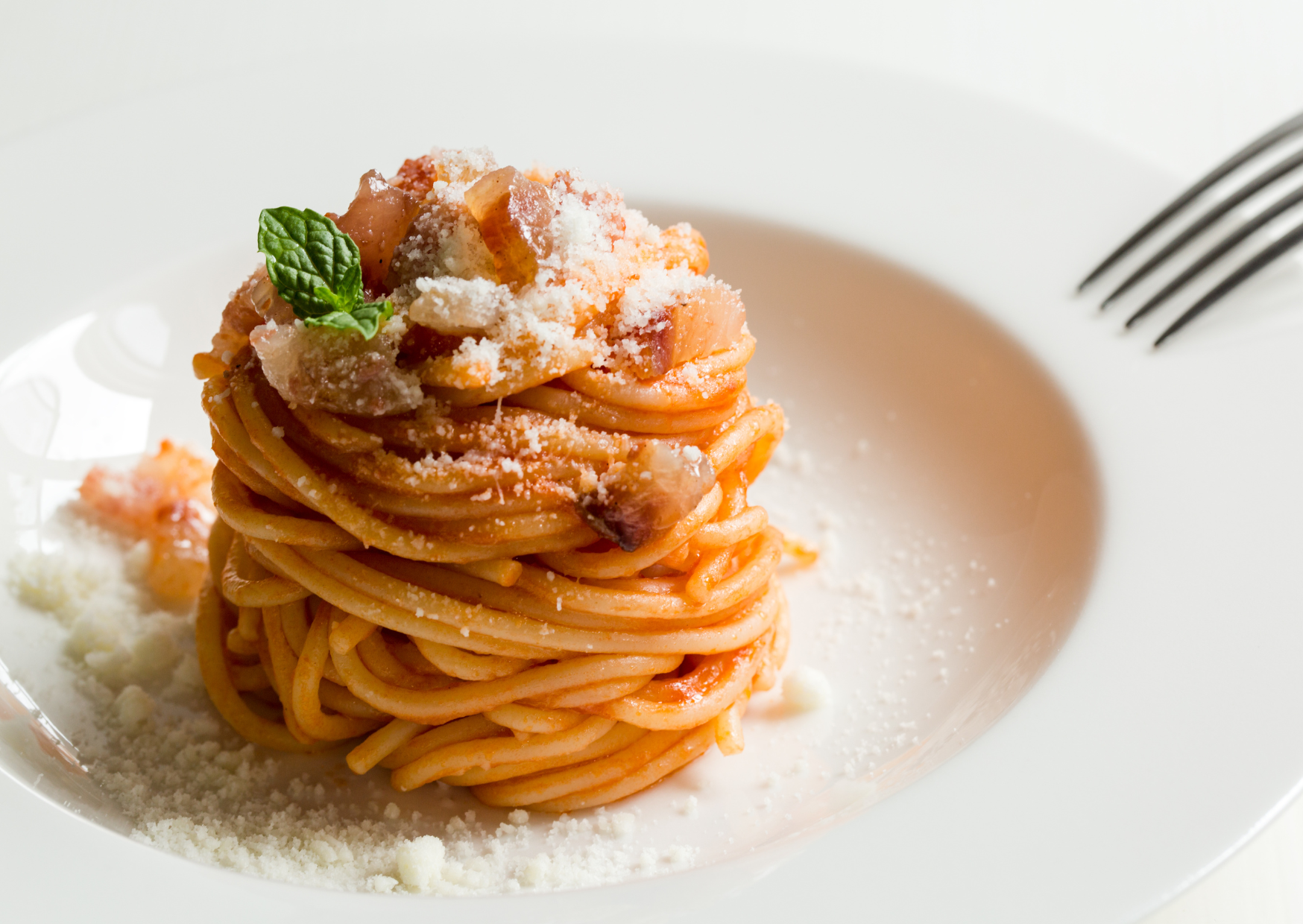
Travel does not have to blow your routine. I use three simple moves.
Ask for al dente and pick the right sauce.
Tomato-based, vegetable-rich sauces beat creamier ones for glucose and energy. I ask for al dente politely and I eat slowly.
Start with a salad in vinegar dressing.
A small salad with vinegar first blunts the rise. I let the server bring bread for the table and simply do not eat it if pasta is coming. Acid and greens first, bread later or never.
Walk right after paying.
A 10 minute stroll around the block after lunch ends up being the most reliable tool I have. The difference in the afternoon is obvious. Move now, enjoy more later.
A Two-Week Pasta Reset You Can Actually Finish
If you want to test this without turning your life upside down, here is a clean two-week plan.
Week 1: learn the mechanics
- Pick two pasta days, preferably lunch.
- Portion 80 g dry, cook al dente, finish in a tomato or vegetable sauce.
- Eat a vinegared salad first.
- Add fish, eggs, or legumes.
- Walk 10 minutes within twenty minutes of finishing.
- No bread with pasta.
- Chill any leftovers flat and reheat the next day for lunch or make a cold salad.
Week 2: add variety and sequencing
- Keep two pasta lunches. Add a third if Week 1 was smooth.
- Swap one sauce to a legume-forward option, for example pasta e ceci.
- On non-pasta days, keep vegetables first and walks after meals so the routine sticks.
- Track how you feel at 90 minutes. Less sleepiness and fewer cravings are the best signals that your curve is flattening.
If you use a glucose meter, test the same pasta two ways: overcooked on day one and al dente on day two with a walk. Seeing the difference beats any paragraph.
When These Rules Are Not For You
This is personal experience plus research, not medical advice. Work with your clinician if you have diabetes, prediabetes, or any medical condition that affects glucose control.
- If your clinician has you on a specific carb plan, prioritize that guidance.
- If you are managing gastroparesis or similar conditions, high fiber and fat timing may need customization.
- If you are pregnant or on medications that can cause hypoglycemia, do not overhaul your routine without professional input.
- If pasta triggers symptoms regardless of portion or timing, skip it. You are not failing. You are listening.
For most people looking to stabilize energy and post-meal numbers, the combination of portion, al dente, vegetables first, olive oil, vinegar, cooling leftovers, and a short walk is practical and safe. It feels like dinner, not like a diet.
What This Means For You
You do not have to ban pasta to steady your blood sugar. You have to treat it like Italians do and use a few simple tricks the science supports. Keep the portion sane. Cook al dente and finish in the pan. Start meals with vegetables and a little protein. Lean on olive oil and a splash of vinegar. Chill and reheat leftovers. Walk ten minutes after you eat. Put pasta at lunch when you can and keep dinner light.
Do that for two weeks and you will probably feel the difference before you ever look at a number. The routine is small, the payoff is big, and you still get to twirl your fork.
What surprised me most was that pasta itself was never the problem. The issue was how, when, and with what it was eaten. Following Italian pasta rules reframed pasta as part of a structured meal rather than a standalone carb hit, and that shift changed everything.
These rules didn’t require restriction or replacement. There was no eliminating pasta, no special products, and no constant monitoring. Instead, the focus was on balance, pacing, and context, which quietly reduced blood sugar volatility without feeling like a diet.
The biggest mental shift was letting go of fear. Pasta stopped being something to “manage” and became something predictable. Once meals were consistent and intentional, my body responded with fewer spikes and crashes.
What stayed with me most is how sustainable this felt. There was no endpoint or burnout. It wasn’t a fix it was a rhythm that could be maintained long-term.

About the Author: Ruben, co-founder of Gamintraveler.com since 2014, is a seasoned traveler from Spain who has explored over 100 countries since 2009. Known for his extensive travel adventures across South America, Europe, the US, Australia, New Zealand, Asia, and Africa, Ruben combines his passion for adventurous yet sustainable living with his love for cycling, highlighted by his remarkable 5-month bicycle journey from Spain to Norway. He currently resides in Spain, where he continues sharing his travel experiences with his partner, Rachel, and their son, Han.