
And why it has nothing to do with dirt, and everything to do with design, water, and cultural priorities
Walk into an average bathroom in Spain — whether it’s in a friend’s home, a café in Madrid, or a roadside rest stop — and you might see something that instantly unsettles American visitors.
It’s not the tile. Not the plumbing. Not the towel arrangement.
It’s the bidet.
That separate low-slung ceramic basin next to the toilet isn’t a footbath or an oddly placed sink. It’s for cleaning after you use the bathroom.
And yes — many Spaniards use it daily.
For Americans raised in a culture where “toilet paper does the job,” the idea of using water to clean yourself after going to the bathroom can feel at best foreign, and at worst… disturbing.
But the Spanish approach isn’t strange. It’s strategic. And it’s not about being exotic or old-fashioned — it’s about health, cleanliness, plumbing, and respecting shared space.
Here’s why the Spanish bidet habit persists in 2025, and why Americans might want to rethink what they consider revolting.
Want More Deep Dives into Everyday European Culture?
– Why Europeans Walk Everywhere (And Americans Should Too)
– How Europeans Actually Afford Living in Cities Without Six-Figure Salaries
– 9 ‘Luxury’ Items in America That Europeans Consider Basic Necessities
Quick Easy Tips
If you’re visiting Spain, approach the bidet with an open mind. Start by using it as a supplement rather than a replacement, combining paper and water for added comfort.
Bring travel wipes if you’re hesitant about using new bathroom fixtures. They offer familiarity while still supporting better hygiene on the go.
Focus on the environmental impact. Switching to water-based cleaning methods, even occasionally, reduces paper waste and can be a small step toward sustainable living.
One of the biggest cultural clashes between Spain and the United States comes from the bidet. In Spain, using a bidet after the toilet is seen as the standard for hygiene, while many Americans find the idea confusing or even unsanitary. The divide isn’t about cleanliness itself, but about which method feels “normal.”
Another controversial point is paper versus water. Americans are accustomed to relying almost exclusively on toilet paper, while Spaniards argue that water is far more hygienic and environmentally friendly. The clash highlights deeper values—convenience and habit on one side, versus sustainability and tradition on the other.
Finally, there’s the question of modernization. Younger Spaniards embrace bidet alternatives like handheld sprayers, while many Americans still resist adopting them, despite rising awareness. This resistance often sparks heated debates about whether cultural discomfort should outweigh practical benefits.
1. The Bidet Isn’t a Relic — It’s a Hygiene Upgrade
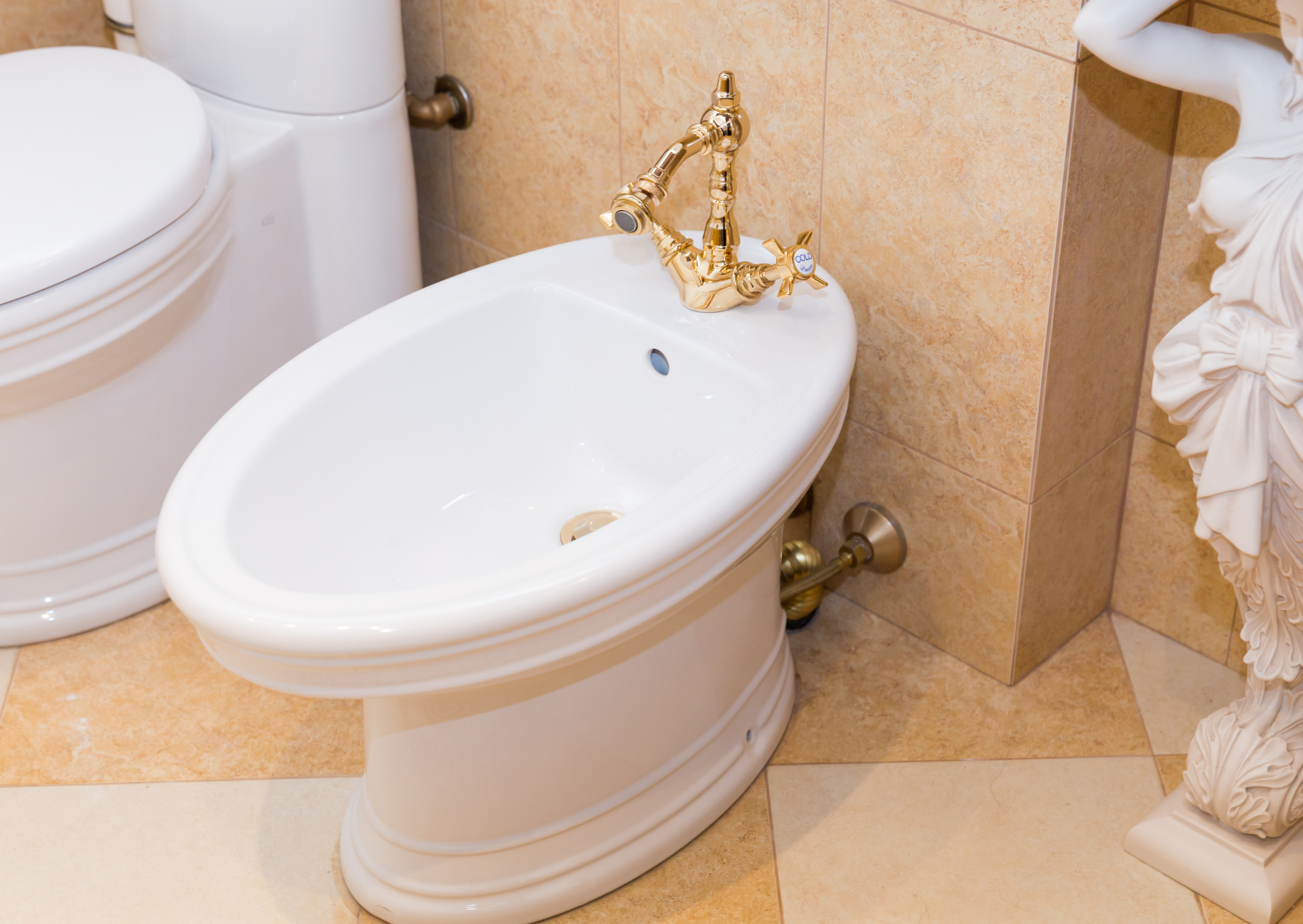
In the U.S., bidets are still viewed as niche — a luxury hotel amenity, a European eccentricity, or an optional add-on in high-end homes.
But in Spain, they’re part of the basic household layout.
Bidets have been common in Spanish homes for decades, and while newer apartments may skip the built-in version in favor of modern bidet attachments or toilet-integrated sprays, the habit hasn’t disappeared. People still prefer water over paper for cleaning — and many can’t imagine going back.
To an outsider, it might look like overkill. But from the Spanish perspective, relying solely on dry paper is the odd — even unclean — choice.
The logic is simple: if you wouldn’t clean your hands with a dry napkin after getting them dirty, why would you do that anywhere else?
2. Toilet Paper Alone Is Considered Incomplete
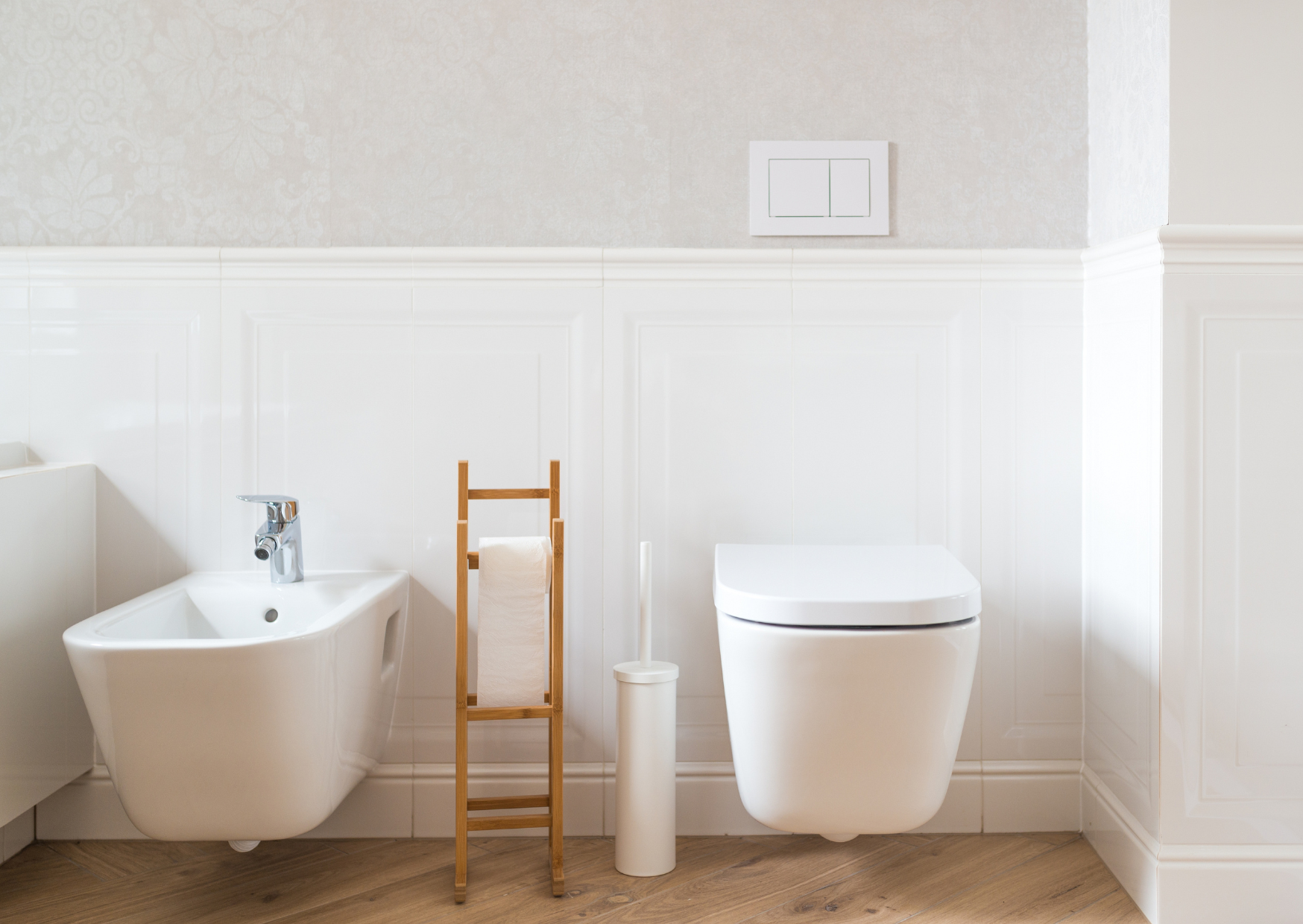
In Spain, and much of southern Europe, toilet paper is just one part of the process — not the final step.
Water is seen as essential for feeling fully clean.
This belief isn’t limited to the elderly or traditionalists. Even younger Spaniards who’ve spent time abroad often return with renewed appreciation for their home bathrooms. The bidet (or now more often, the bidet spray) remains a point of comfort, not embarrassment.
Meanwhile, many Americans still associate any conversation around post-toilet hygiene with discomfort. The idea of washing is often met with resistance or laughter — as if discussing it at all is improper.
In Spanish homes, it’s simply normal.
3. Cleanliness and Modesty Aren’t Opposites
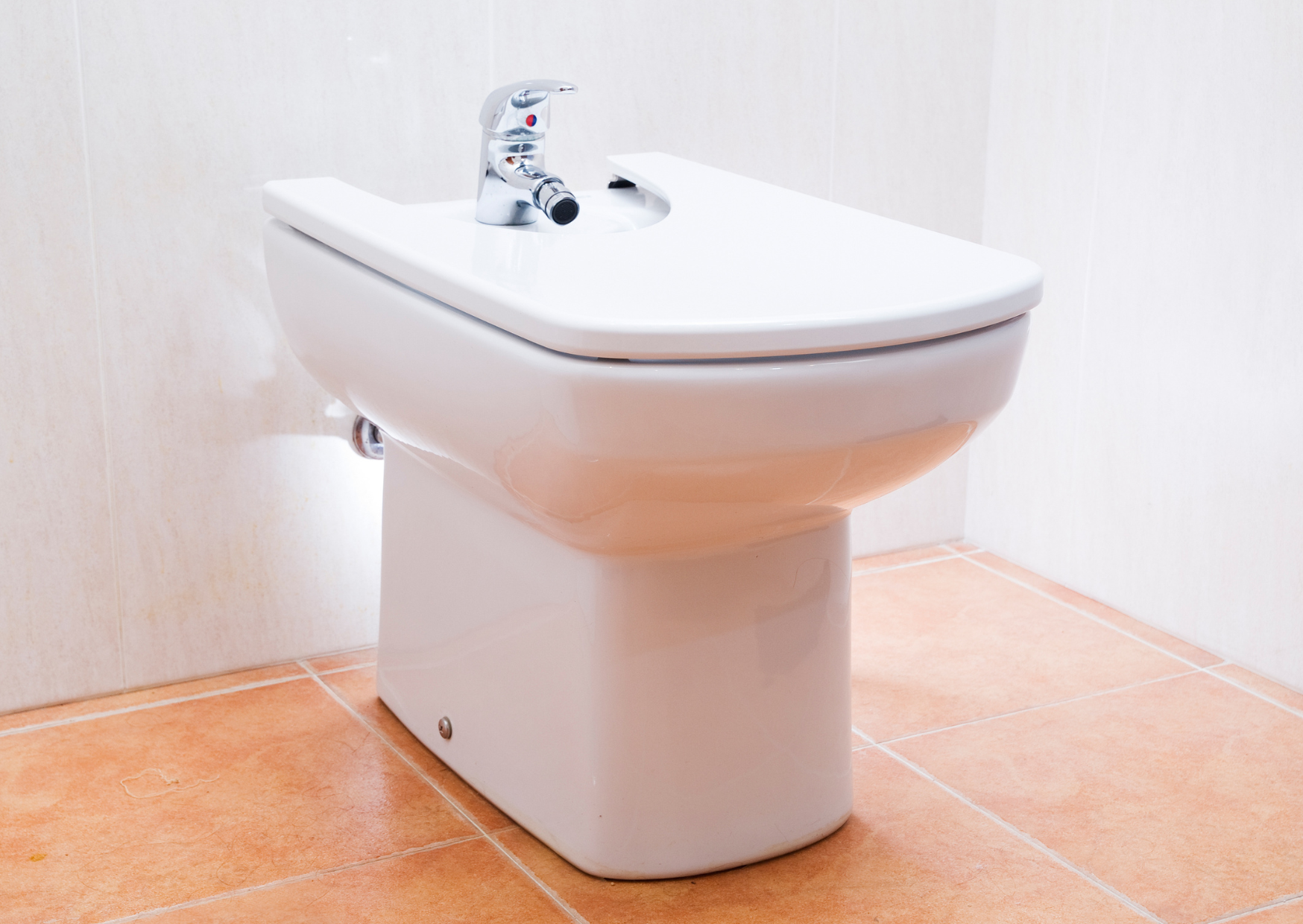
In American bathroom culture, discretion is everything.
Don’t talk about it. Don’t hear it. Don’t smell it. Don’t imagine it.
In Spain, bathrooms are still private — but the body is not treated with quite the same nervous modesty. Cleaning oneself is not seen as taboo or embarrassing. It’s part of the day. Like brushing your teeth. Like showering. You do it thoroughly, with water.
This doesn’t mean Spaniards discuss their toilet habits over lunch. But they don’t cloak basic hygiene in awkward silence either.
Where Americans might feel shame, Spaniards feel normal.
4. Plumbing Systems Reward the Practice
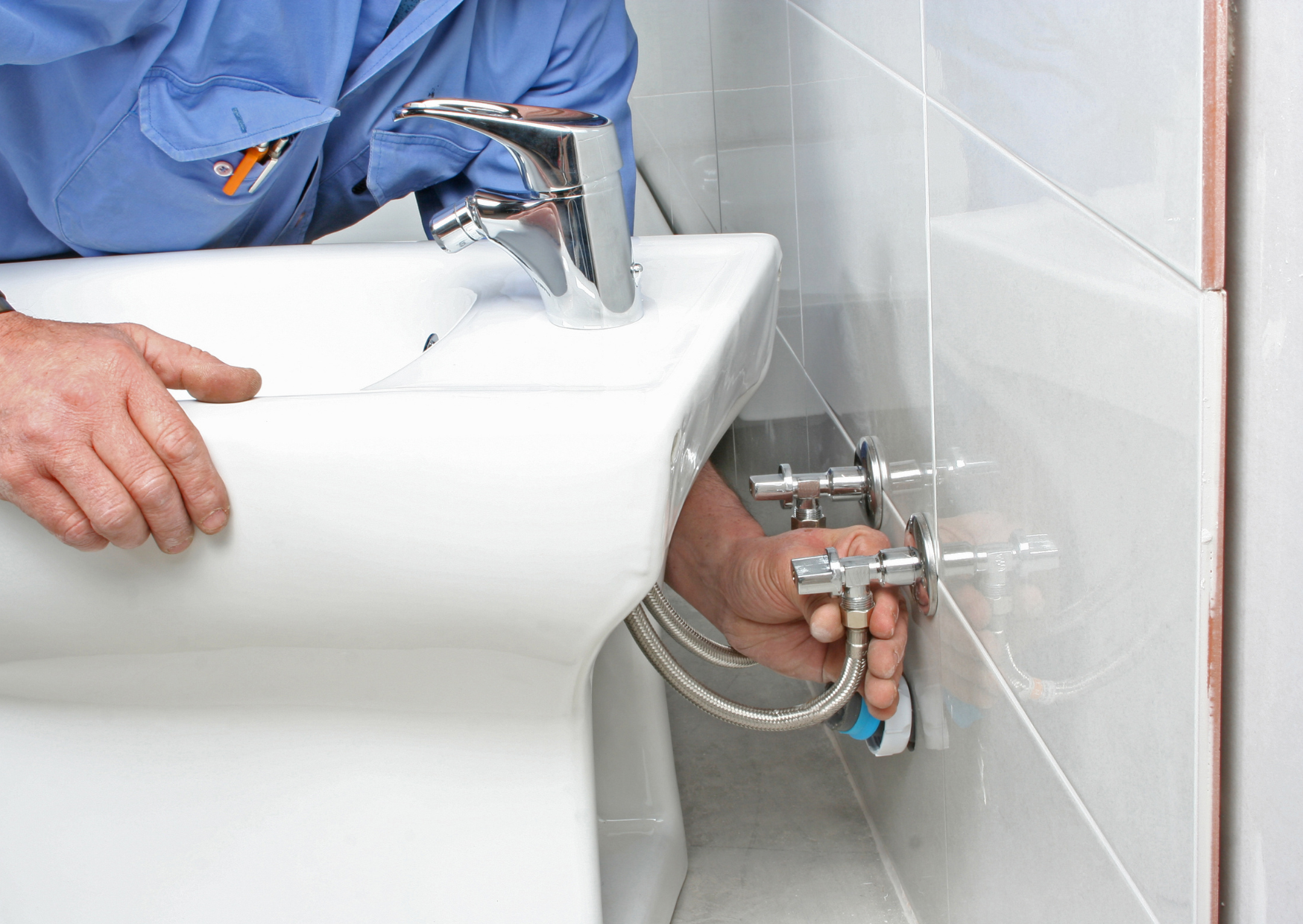
Here’s something often overlooked: Spanish sewage systems — especially in older towns — aren’t built for massive amounts of toilet paper.
That’s why in many bathrooms across Spain, you’ll see a small bin next to the toilet. Used toilet paper often goes there, not into the bowl. (Yes, even in homes.)
To an American, this can feel unsanitary or even shocking. But to locals, it’s just practical. Flushing paper clogs pipes. Pipes cost money. Bins don’t.
Using a bidet or water jet instead of wiping extensively actually reduces the amount of paper needed — or eliminates it altogether.
So in reality, the “gross” habit many visitors react to is actually the cleanest option for both people and infrastructure.
5. It’s a Ritual of Self-Respect
For many Spaniards — especially older generations — using a bidet is tied to dignity and routine. It’s something you do not just for cleanliness, but for comfort and respect for yourself and those around you.
It’s the feeling of being fresh, especially on hot days.
It’s a mark of civilization, not shame.
And in a country where 35°C summers are normal and sweat is part of life, washing more — not less — just makes sense.
Americans may find the bidet habit unsettling, but the Spanish approach is based on logic, not exoticism.
You clean what’s dirty. You wash what needs washing. There’s nothing revolting about that.
6. It’s Not Just for Bathroom Use
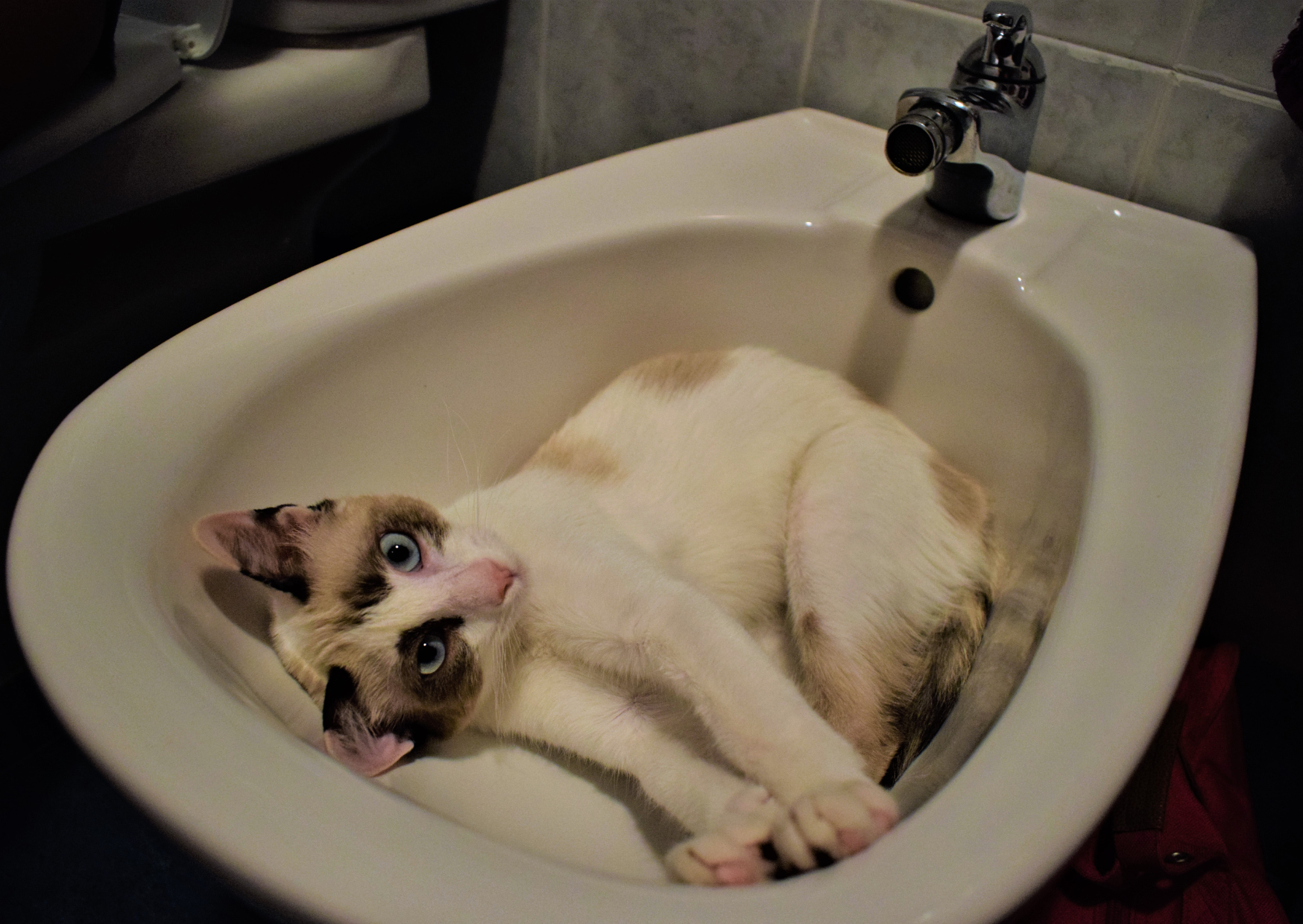
Another misconception about bidets in Spain is that they’re only used for post-toilet hygiene.
In fact, many households use them for:
- Washing feet before bed or after the beach
- Cooling off during hot afternoons
- Rinsing small laundry items
- Freshening up after long days
The bidet becomes a multi-purpose hygiene tool, not a single-use fixture.
And unlike in the U.S., where bidets are usually electronic or require complicated installation, the classic Spanish model is simple: a tap, a basin, and a towel nearby.
This accessibility means the practice continues quietly — generation after generation.
7. Visitors Are Often Unprepared
Here’s a common story among American tourists in Spain: they check into a rental apartment, spot the bidet, feel confused, laugh, and move on.
Sometimes they ask what it’s for. Sometimes they don’t.
But rarely do they use it.
The cultural distance is so wide that even when given the option, most Americans simply skip it — clinging to toilet paper as the known solution.
Others try it, awkwardly. And then — quietly — admit it felt great.
This resistance to trying something new, even when it makes practical sense, is part of what maintains the gap between Spanish and American bathroom culture.
8. Modern Bathrooms Are Changing — But the Habit Remains
As bathroom designs modernize, and as water conservation becomes more important, traditional ceramic bidets are becoming less common in new Spanish homes.
But that doesn’t mean the habit is fading.
Instead, it’s shifting to:
- Bidet sprayers
- Integrated toilet-bidet combos
- Portable bidet bottles
- Smart toilet attachments
Young people aren’t abandoning the principle — they’re updating the tool.
Meanwhile, in the U.S., similar products are marketed as wellness upgrades or eco-friendly gadgets. But in Spain, they’re just the next evolution of what’s always been common sense.
9. Americans Are Slowly Catching On
In recent years, interest in bidets has risen in the U.S., especially during toilet paper shortages and growing awareness around personal hygiene.
But cultural resistance remains strong.
In Spain, there’s no need to sell anyone on the idea. No influencer campaigns. No “clean butt” branding. Just bathrooms with bidets and people who use them.
To outsiders, it still feels strange.
To locals, the American obsession with not washing is what’s truly revolting.
Final Thought: It’s Not About the Device — It’s About the Mentality
The difference between American and Spanish bathroom culture isn’t just ceramic versus paper. It’s mindset.
In Spain, the human body is not a source of shame. It’s a part of life that deserves care.
And the bathroom isn’t a place to rush through with minimal contact. It’s a space for reset, refreshment, and respect — for yourself, and for those who use the space after you.
So the next time you see a bidet in Spain, don’t laugh. Don’t cringe. Don’t look away.
Look closer.
It may just be the cleanest habit you’ve ever dismissed.
What seems revolting to one culture can feel perfectly natural in another. The bathroom habits of Spain remind us that hygiene practices are deeply cultural, shaped by history, tradition, and values rather than universal truths.
Americans may initially resist, but many who try water-based cleaning methods find them more comfortable and effective. The hesitation often comes less from practicality and more from cultural conditioning.
Ultimately, the bidet debate is a lesson in perspective. By questioning why we find certain habits “strange,” we open the door to understanding and even adopting practices that could improve comfort, health, and sustainability.

About the Author: Ruben, co-founder of Gamintraveler.com since 2014, is a seasoned traveler from Spain who has explored over 100 countries since 2009. Known for his extensive travel adventures across South America, Europe, the US, Australia, New Zealand, Asia, and Africa, Ruben combines his passion for adventurous yet sustainable living with his love for cycling, highlighted by his remarkable 5-month bicycle journey from Spain to Norway. He currently resides in Spain, where he continues sharing his travel experiences with his partner, Rachel, and their son, Han.
Bidet4Lyfe
Sunday 1st of June 2025
I went "bidet" around 2018 and have never looked back. Now TP alone feels gross and unsanitary. During the pandemic, I bought a 6 pack of TP right before the lockdown. Thanks to my bidet, it lasted for 9 months!
I camp quite a bit and use a bidet bottle, which works wonders even in the bush.