

If you’ve spent five minutes in relocation forums, you’ve seen the same panic post. Day 83. A calendar full of cheap flights. A suitcase that never gets fully unpacked. And a realization nobody wants to say out loud.
Europe does not reward vague plans.
In December 2025, most Americans still smash into the same wall: the Schengen short-stay limit, which is usually 90 days in any 180-day period. You can be charming, solvent, and well-intentioned, and the math still wins.
So this is the grown-up version of the conversation. Not “visa hacks.” Not “border runs.” Not a romantic fantasy where you just keep moving until the rules get tired.
This is 11 countries in and around Europe where an American can set up a clean, legal 12-month stay, either because you get a true 365-day allowance, or because there’s a straightforward long-stay visa or residence permit that doesn’t require you to live like a fugitive with a carry-on.
The 90-day wall that ruins everyone’s “soft launch”
Here’s what trips people up. Americans land in Europe thinking they’re doing a “trial year.” What they’re actually doing is a 90-day tryout with consequences.
Schengen is not a country. It’s a shared border zone. Spain, France, Italy, Greece, and a lot of the places Americans want to “try for a while” live inside that one shared countdown. You don’t get 90 days per country. You get one shared allotment across the whole zone.
That’s why the classic plan fails: “We’ll start in Spain, pop to France, then Italy, then Portugal.” Cute itinerary. Same counter.
And this is where the weird emotional part kicks in. People are not bad at travel, they’re bad at logistics that don’t feel like travel. The countdown doesn’t care if you’re visiting your future neighborhood or taking a last-minute weekend in Paris. Days are days.
If you want a year in Europe that doesn’t include constant spreadsheet anxiety, you need one of two things:
You need a place where Americans can stay 365 days without a visa, or you need a long-stay visa or residence permit that covers a year in a single go.
Everything else is improvisation, and improvisation is expensive.
Pick your lane before you pick your city
The easiest way to stop getting lost is to decide what kind of “year” you’re actually trying to live.
There are three lanes, and mixing them is where people get sloppy.
Lane 1 is the true 365-day countries. Show up, follow the entry rules, and you have room to breathe. No consulate appointments, no stamp collecting, no pretending a month is a year.
Lane 2 is the digital nomad lane. You can keep earning from abroad, prove the income, and get a permit designed for exactly this. This is the lane for remote workers who want one base, one lease, one routine.
Lane 3 is the “no local job” lane. Retirees, financially independent people, sabbaticals, slow travel. These visas typically do not allow working locally, and in some cases they don’t allow work at all. But they do allow something Americans crave: calendar stability.
Pick the lane first, then pick the country inside it. If you pick a city first, you’ll contort yourself into the wrong visa category, and that’s how people end up spending their first year in Europe doing paperwork instead of living.
Two places where Americans actually get 365 days without paperwork drama

These are the simple ones. They’re not “easier” in every way, but they are clean.
1) Georgia (the country)
Americans can enter and stay up to 365 days without a visa. That’s the headline. It’s also why so many remote workers quietly use Tbilisi as their reset point when they want a year without consulate chess. A full year is a full year, not a Schengen-style ration.
2) Albania
Yes, Albania. Americans can stay up to one year without a residence permit, and you will meet plenty of people using it as a serious base, not just a beach month. It’s outside Schengen, so it doesn’t burn your Schengen days, and it’s one of the few places where the rules match what Americans think Europe is going to be like.
Two practical notes that matter more than Instagram:
First, these aren’t “fake Europe.” They’re real countries with real border discretion. Showing up with zero plan and weird answers can still get you turned around. Legality doesn’t replace credibility.
Second, the lifestyle fit is different. Georgia and Albania work brilliantly for the person who wants a year of calm, low cost living, and a “new normal.” They can feel isolating for the person who actually wanted Paris, Barcelona, or Florence and is trying to pretend they didn’t.
Five digital nomad permits that buy you a clean 12 months
If you work remotely and can prove income, this is the lane that’s quietly saving people from the 90-day trap.
These programs vary, but they all share a basic deal: work for non-local clients or employers, show you can support yourself, carry health insurance, and get a permit that lets you stay long enough to stop living out of your calendar app.
1) Croatia (digital nomad temporary stay)
Croatia’s program explicitly defines what a digital nomad is, and it allows temporary stay for up to a maximum of 18 months. The income requirement is not subtle: the ministry notes a current minimum of €3,295 per month, or proof of €39,540 available if you intend to stay 12 months. That’s designed to attract high earners, not “I can make it work” dreamers. Also, pay attention to the re-application timing rules. This is not an endless loop.
2) Estonia (digital nomad visa)
Estonia is unusually clear about the number: the official guidance lists an income threshold of €4,500 net per month. If you meet it, Estonia is a surprisingly efficient base for a year, especially for people who like systems, not vibes. It’s not cheap in the way Albania is cheap, but it’s orderly, and order is a form of comfort.
3) Greece (digital nomad visa)
Greece’s own foreign ministry communications have pointed to €3,500 per month as the required steady income for the digital nomad visa, and the visa is framed as up to twelve months. Greece is also one of the few places where the lifestyle can look like a fantasy while the paperwork feels like a government office, because it is. The big reality check is that Greece wants higher earners. The beach is not the requirement, the bank statement is.
4) Hungary (White Card for digital nomads)
Hungary’s official “White Card” factsheet gets very specific: you’re considered to have sufficient resources if your monthly legal income is €3,000 net for at least 6 months prior to entry, and the permit validity is maximized at 1 year, with the possibility to extend once for another year. This is a good option for someone who wants a central European base and can hit the number. It’s not the right fit if you need a warm coastal “retirement brain” year.
5) Malta (Nomad Residence Permit)
Malta’s program is blunt about eligibility: you need a minimum gross yearly income of €42,000. Malta is small, English-friendly, and logistically easy compared to some larger countries, and that attracts a certain profile: people who want frictionless daily life more than they want big-city culture.
A theme you should notice: these digital nomad programs mostly target people earning what many locals do not. That’s not a moral judgment, it’s the design. If you are under these thresholds, you’ll spend a year fighting the system instead of living in it.
Four “no local job” visas that work for retirees and slow travelers

If you’re 45 to 65 and thinking “I don’t want to work in Europe, I want to live,” this is the lane you should understand.
These are often called visitor, non-lucrative, or elective residence pathways. They can be fantastic. They can also be emotionally frustrating for Americans who are used to earning wherever they are.
The upside is obvious: you get the year.
The trade-off is also obvious: the conditions matter, and “working remotely anyway” is not something you should treat casually when the visa conditions prohibit it.
1) France (long-stay visitor visa, VLS-TS)
France has a long-stay “visitor” option for stays over 3 months where you’re not engaging in professional activity during your stay, and the long-stay visa framework generally covers visas valid between 3 and 12 months. France is a strong choice for people who want a culturally rich year, can show resources, and are comfortable with French administration. A French year is not “easy,” but it can be deeply satisfying if you want a real local routine.
2) Spain (non-lucrative residence visa)
Spain’s non-lucrative visa is the classic option for retirees and financially independent people. It’s built for people who can support themselves without working in Spain. Spain is also where people get emotionally whiplashed because the lifestyle feels relaxed while the paperwork is very much not. Once you’re in Spain, there are steps like applying for your foreigner identity card within set windows. Spain is wonderful, but it punishes laziness in documents.
3) Italy (elective residence)
Italy’s elective residence path exists for financially independent people, and consulates lay out the required documents and the expectation of resources and accommodation. It’s often associated with retirees, but it can also work for sabbaticals if you truly have the funds and the patience. Italy is the country where Americans fall in love with the idea, then learn that Italian bureaucracy does not care about your love story.
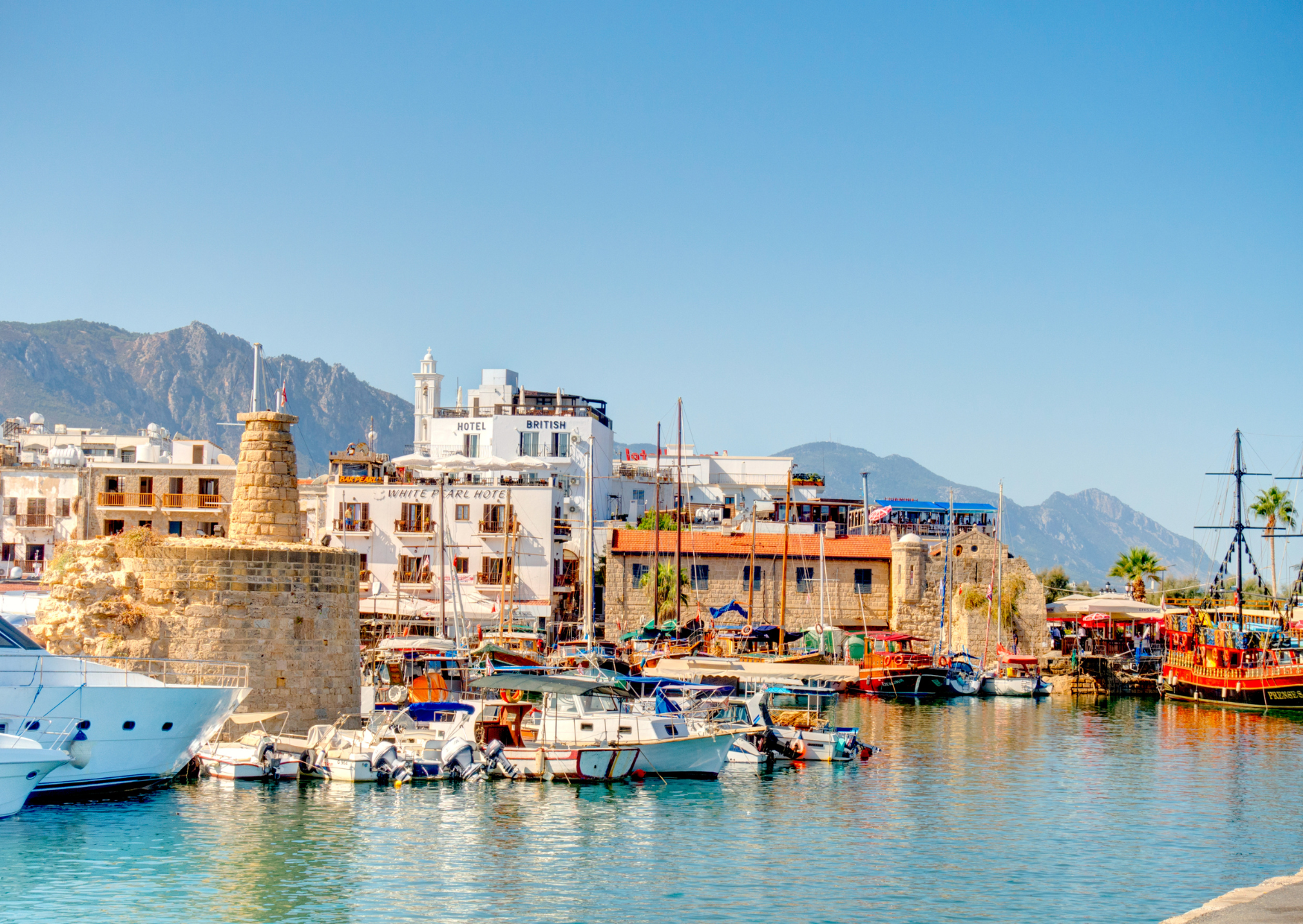
4) Cyprus (visitor temporary residence permit)
Cyprus is unusually explicit: visitors are granted a first temporary residence permit of one year, and the government notes that holders cannot carry out economic activity in Cyprus. Cyprus also publishes categories and income guidance in other parts of its migration information. If you want sun, a slower rhythm, and a year that feels “Mediterranean but manageable,” Cyprus can work, especially for people who want to live quietly and not chase big-city life.
If you’re reading this and thinking “So which one is best?” the honest answer is: the one whose conditions match your actual behavior. The worst visa is the one you’ll ignore.
The money math that keeps your year from turning into an emergency
This is the part Americans skip because it’s boring, and boredom is not clickable. But boredom is how you survive a year abroad.
A one-year plan needs a real annual budget, not a “monthly rent estimate.” Your enemies are the one-offs. Deposits, translations, courier fees, private insurance, upfront rent, furniture basics, transport during your landing month, and the little administrative hits that come in waves.
Here are three realistic spending bands people can actually use. These are not luxury, and they are not poverty cosplay. They are “normal adult” numbers.
Band A, low-cost base year (Georgia, Albania, parts of the Balkans)
Think €1,600 to €2,300 per month all-in for a single person living simply, more if you insist on Western-style comforts. Rent is the main swing factor, not groceries. Your buffer needs to cover flights, private healthcare moments, and the “I need to move apartments” surprise.
Band B, comfortable Mediterranean year (Spain, Greece, Portugal, Cyprus, southern Italy outside hot zones)
Think €2,400 to €3,500 per month for one person living well, eating normally, and not treating every inconvenience like an emergency. Couples can do this efficiently if they share housing and don’t rebuild an American spending pattern inside Europe.
Band C, Western capital reality (Paris, parts of France, nicer parts of Malta, prime areas in big cities)
Think €3,500 to €5,000 per month depending on rent and how many “small upgrades” you allow to become permanent. This is where people light money on fire without noticing, because it’s all “just a little more.”
The boring rule that saves people is this: build a separate line item for setup costs, and treat it like rent. Your first month is not a normal month.
If you want a year that feels calm, your money needs two things: a stable monthly baseline and a serious buffer. The buffer isn’t optional. It’s what keeps a single bad week from turning into “we have to go home.”
Pitfalls most Americans stumble into when they try to stretch Europe

These are the mistakes that create drama, not because people are foolish, but because they assume Europe works like domestic U.S. travel.
Treating Schengen like a vibe.
It’s math. Use the calculator, not your feelings.
Assuming “visa-free” means “question-free.”
Border officers can still ask what you’re doing and why you’re there. Have a coherent story and documents that match it.
Picking the country based on fantasy, then forcing the visa.
If you need to work remotely and your chosen visa category says no work, you’re building stress into your life from day one.
Underestimating health insurance and proof requirements.
Even when the program is friendly, you’re usually expected to show coverage and money.
Ignoring the calendar of bureaucracy.
Appointments, validations, local cards, renewals, and deadlines are not optional extras. Timing beats willpower, and willpower loses in government buildings.
Budgeting like a tourist.
If you budget like you’re on vacation, you will go broke like you’re on vacation.
A clean year abroad isn’t hard because Europe is hostile. It’s hard because adults hate admin, and admin is the cost of doing this legally.
Your first 7 days to set up a legal 12-month stay
If you want this to be real, do these steps in order. Not in “someday” order.
Day 1
Pick your lane. Visa-free year, digital nomad, or no-local-job. Write it down. Don’t drift.
Day 2
Choose two countries, not twelve. One primary, one backup. If your first choice fails at the consulate, you should not be reinventing your whole life in a panic.
Day 3
Write your minimum income proof plan. Bank statements, contracts, pension letters, dividends, whatever applies. Make it neat. Governments love neat.
Day 4
Price your first month like a separate project. Deposits, short-term lodging, insurance, document fees, transport, and the inevitable “we need a printer now” costs.
Day 5
Decide your housing approach. Temporary base first, then longer lease, or commit upfront. Either can work, but pretending you’ll “figure it out later” is how people bleed money.
Day 6
Get your documentation stack in one place, physical and digital. Passport copies, proof of income, health coverage, background checks if needed, and translations if your country requires them.
Day 7
Book one appointment or submit one application. One. A real action that starts the clock. Otherwise you’re just consuming content and calling it planning.
A year abroad is not a mood board. It’s a sequence of decisions. Make the first one clean, and everything gets easier.

About the Author: Ruben, co-founder of Gamintraveler.com since 2014, is a seasoned traveler from Spain who has explored over 100 countries since 2009. Known for his extensive travel adventures across South America, Europe, the US, Australia, New Zealand, Asia, and Africa, Ruben combines his passion for adventurous yet sustainable living with his love for cycling, highlighted by his remarkable 5-month bicycle journey from Spain to Norway. He currently resides in Spain, where he continues sharing his travel experiences with his partner, Rachel, and their son, Han.