
Imagine a cold night in Lyon: a shallow dish comes to the table, edges bubbling, slices of pumpkin sinking into a custardy cream under a thin cap of Comté. You eat, feel warm, then feel nothing at all. No heart race, no throat burn, no sugar jitters.
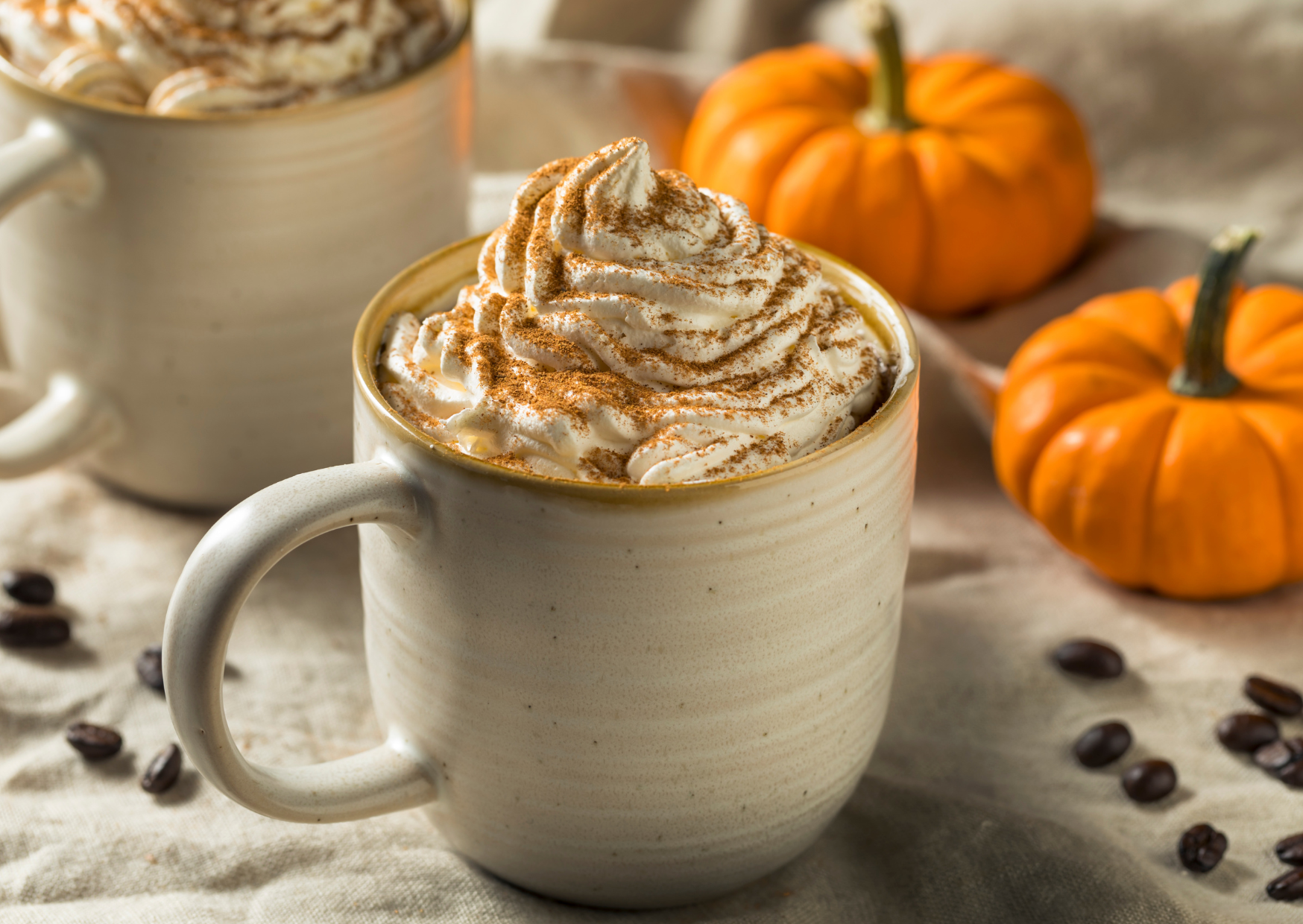
On the way home the street smells like roasted chestnuts. You pass a coffee chain and watch a stream of cups leave the counter, lids dusted with pumpkin spice. Inside those cups is dessert you can sip. It tastes great, then it hits. A tall round of milk-syrup-foam that spikes fast and fades fast, with a label that reads like a candy bar.
This isn’t about virtue. It is about structure. A French pumpkin gratin is a savory dish built from pumpkin, eggs, cream, and cheese, eaten at a table with other food. Most pumpkin drinks are sweet beverages built from syrups, stabilizers, and a heavy sugar load, often consumed on an empty stomach. One pattern tends to be quiet in the body. The other often provokes a post-meal inflammatory response tied to big glucose and triglyceride swings, especially for people already on that edge. The good news is practical. You can keep the flavor of October and skip the fallout.
This is general information, not medical advice.
What A French Pumpkin Gratin Actually Is
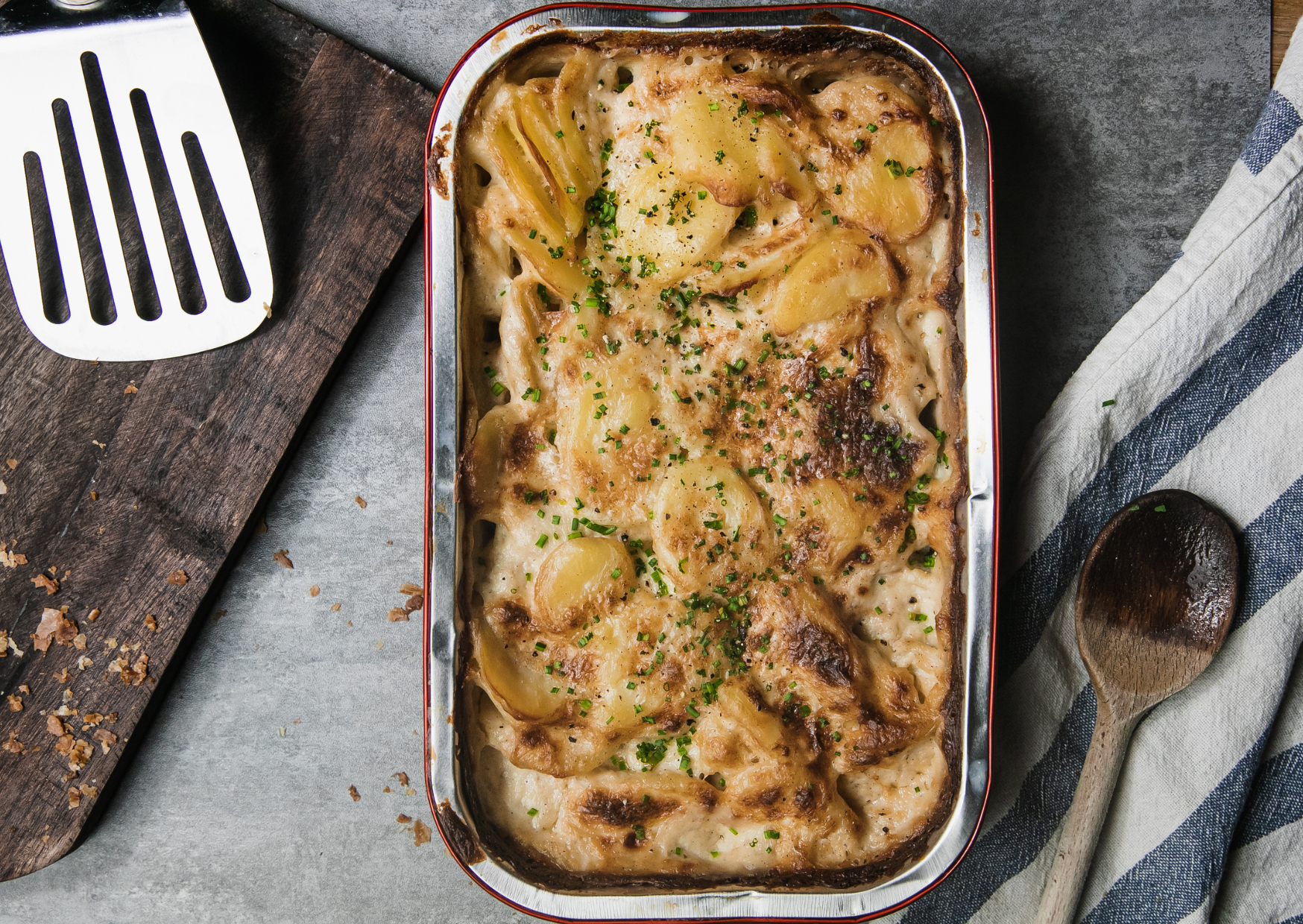
French home cooks have a dozen names for it, usually gratin de potimarron or gratin de courge. The method is old and boring in the best way. Steam or roast the squash, fold it with eggs and cream, season with nutmeg and garlic, top with a little grated cheese, then bake until set. No spices to hide. No thickeners. No added sugar. Savory, not sweet, that is the point.
Regional recipes vary, but the backbone is consistent. Brittany growers recommend potimarron because its chestnut flavor carries without much cheese, and classic home recipes use cream plus eggs to make a soft custard that holds its shape when you cut it. Simple lists look like this: pumpkin or red kuri squash, eggs, crème fraîche, a little grated Comté or Gruyère, salt, pepper, nutmeg. Nothing more clever than that.
Two choices matter for your body. First, the dish has no free sugar. Second, it is eaten as part of a meal, often with a salad or meat, which means protein and fat are already on board when starch lands. That context is why a square of gratin tends to sit quietly instead of lighting you up.
Scan-hooks: savory custard, no syrups, served with a meal.
What’s Inside The Pumpkin Drinks Americans Love
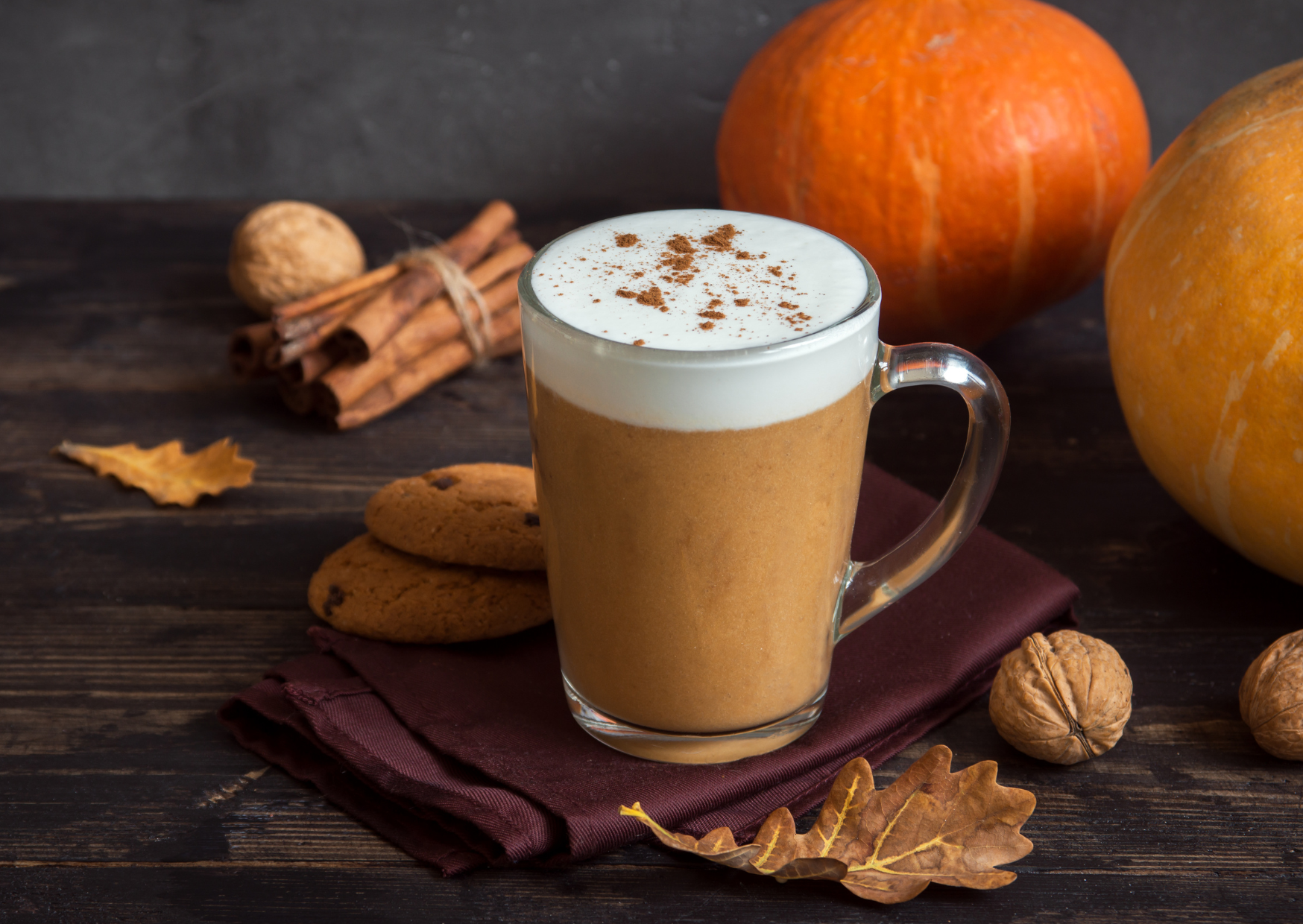
Starbucks is the easiest example because the numbers are public and the drinks are everywhere.
- Pumpkin Spice Latte, grande, hot, 2% milk, with whipped cream: about 390 calories and 50 g sugar. Ingredients include milk, pumpkin spice sauce and whipped cream. The sauce is made from sugar, condensed skim milk, pumpkin purée, and small amounts of color, natural flavors and potassium sorbate for preservation.
- Iced Pumpkin Spice Latte, grande: about 370 calories and 45 g sugar. Same flavor base, different temperature and dilution.
- Pumpkin Cream Cold Brew, grande: about 250 calories and 31 g sugar, thanks to vanilla syrup plus the pumpkin cold foam. Lower than the latte, still a dessert-level sugar load for a drink.
- Iced Pumpkin Cream Chai, grande: about 460 calories and 66 g sugar. This one stacks syrup on syrup and reads like liquid pie.
Bottled and grocery versions tilt further toward stabilizers and thickeners. A ready-to-drink Starbucks Pumpkin Spice Latte lists carrageenan on the label as a thickener. That matters if you are trying to avoid additives in daily drinks.
None of this makes a coffee chain the villain. It is simply the architecture of a seasonal beverage category: syrups for flavor, preservatives so the sauce survives, cold foam stabilized to sit on top, and enough sugar to make it taste like dessert even when poured over ice. The result is a sweet drink that hits the bloodstream quickly for most people.
Scan-hooks: 45 to 66 g sugar, syrup base, stabilized foams.
Why The Drinks Often Provoke Inflammation And The Gratin Usually Doesn’t
You do not need a lab to feel the difference. You do need to name the mechanics.
1) Big sugar spikes drive acute inflammatory signals. Clinical and population work shows that post-meal glucose and triglyceride peaks are strongly associated with short-term rises in inflammatory markers like IL-6 and GlycA over the six hours after eating. Put a high-sugar, high-fat sweet drink into a fasted body and you push those peaks. Multiple trials and large postprandial studies have documented that pattern. It does not mean a latte causes a disease by itself. It does mean spikes raise inflammatory tone in the short term, especially in people who already spike easily.
2) Additives can add friction for some people. The science here is evolving, so be precise. Emulsifiers and thickeners like carboxymethylcellulose and polysorbate 80 have repeatedly altered the gut microbiota and promoted intestinal inflammation in animal models. A controlled human feeding study with CMC reported lower microbiome diversity, altered metabolites, and more post-meal abdominal discomfort during the exposure window. Not all emulsifiers behave the same and not all pumpkin drinks contain them, but bottled coffee drinks and stabilized foams commonly use gums, emulsifiers, or carrageenan to hold texture. If you consume them daily, you are increasing exposure to a class of additives that some human and mechanistic studies link to gut irritation and inflammatory signaling.
3) Drinking dessert is fast delivery. Liquid calories empty faster than solids. A sweet latte or cold brew with foam is already dissolved, so absorption moves quickly. A savory gratin is a solid, high-protein, high-fat food with fiber from squash. The gastric emptying rate is slower, the glycemic load per serving is lower, and you are typically not fasting when you eat it. Result: fewer spikes, less downstream inflammatory chatter.
4) Context counts. In France, the gratin usually sits inside a meal that also includes salad, olive oil, meat or legumes. In chains, pumpkin drinks often replace breakfast or become a stand-alone snack. The same ingredients behave differently when dropped into these different contexts.
Scan-hooks: spike equals signal, additives add friction, liquid calories run fast, meal context matters.
What The French Dish Does Instead: A Quieter Metabolic Profile
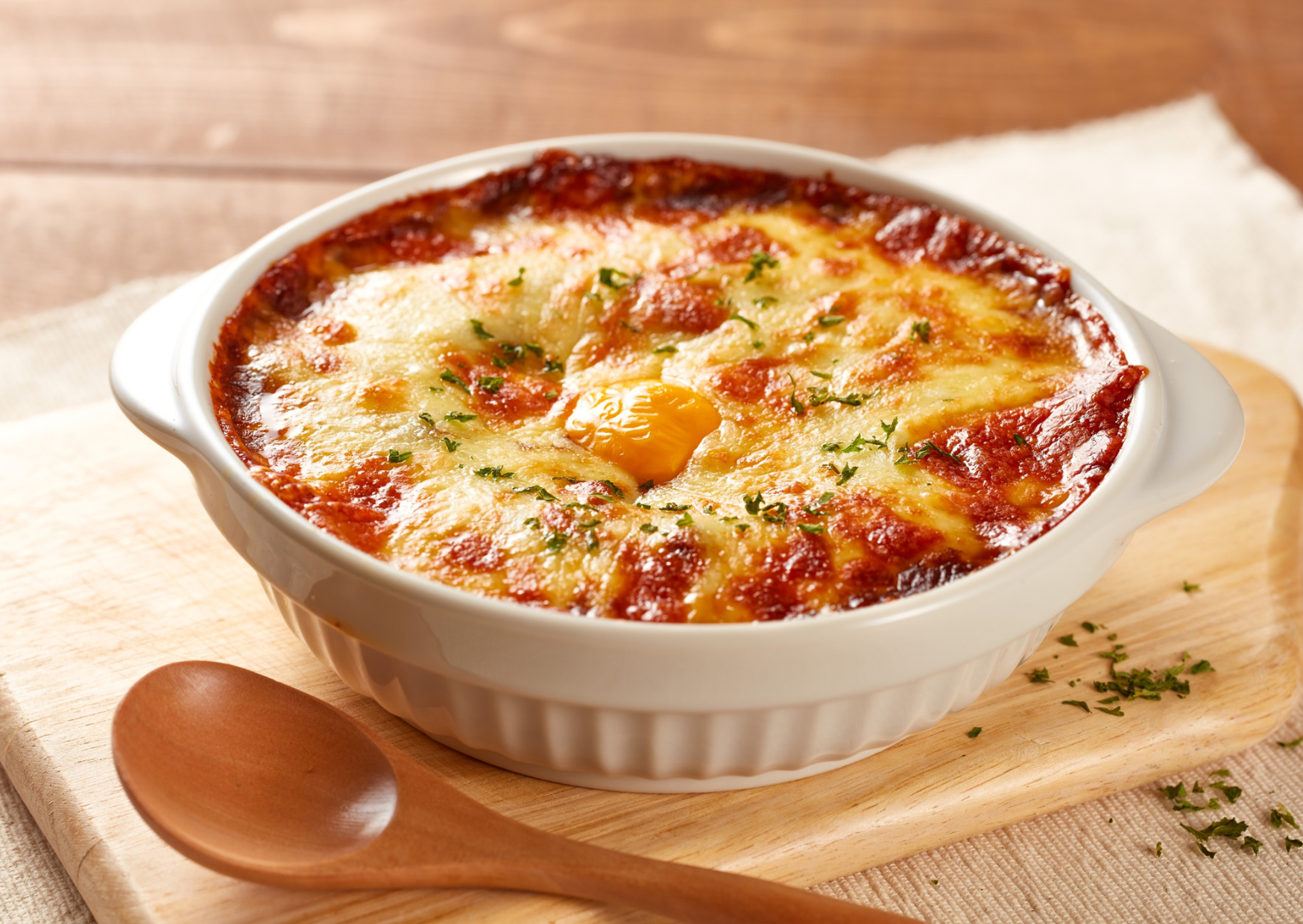
A slice of gratin is not a miracle food. It is just a better-built one for this problem.
- No added sugar. Pumpkin is slightly sweet. The dish does not need more.
- Dairy matrix. Casein and fat from milk or cream slow gastric emptying and blunt glucose rise when eaten with starch. Reviews and trials show that dairy proteins can reduce the acute glycemic response in mixed meals.
- Fiber and water in squash. The vegetable brings volume without much carbohydrate.
- Protein from eggs and cheese. Protein further flattens the curve by slowing digestion and shifting the hormonal response to the meal.
- Solid food, eaten last. Dessert in many European homes follows a full plate. When you put a small savory dish at the end, the peak flatteners are already working.
This combination is why a gratin feels warm and then goes quiet. The same seasonal spice profile, none of the syrup timing.
Scan-hooks: no added sugar, protein plus fat, solid plate not a cup.
The Practical Playbook: A French Pumpkin Gratin You Can Make Tonight
This is a classic French build with pantry-level ingredients and no special gear. It makes dinner for four or a side for six. It also reheats the way Tuesday needs it to.
Gratin de Potimarron, Weeknight Method
Scan-hooks: simple custard, no sugar, small squares satisfy.
You need
- 1.2 kg pumpkin or red kuri squash, peeled if not red kuri, sliced 1 cm thick
- 2 tbsp olive oil
- 1 small garlic clove, minced
- 250 ml crème fraîche or heavy cream
- 250 ml whole milk
- 3 large eggs
- 120 g grated Comté or Gruyère, divided
- 1 tsp salt, black pepper to taste
- A few gratings of nutmeg
Method
- Roast the pumpkin. Heat oven to 200 C. Toss slices with olive oil and a pinch of salt. Spread on a tray and roast 18 to 22 minutes until tender but not collapsing. This drives off water and deepens flavor.
- Make the custard. Whisk eggs with cream, milk, garlic, salt, pepper, and nutmeg. Stir in half the cheese.
- Assemble. Layer pumpkin into a 28 cm shallow baking dish. Pour over custard. Scatter the remaining cheese on top.
- Bake. Lower oven to 180 C. Bake 25 to 35 minutes until just set in the center and golden at the edges. Rest 10 minutes before cutting.
Why it works. You built a high-protein, high-fat, low-free-sugar dish, then baked the water out of the squash so a small portion tastes complete. French growers, magazines, and home recipes use this same ratio set, cream plus eggs plus cheese, because it delivers a soft set without flour or starch.
Make-it-yours variations
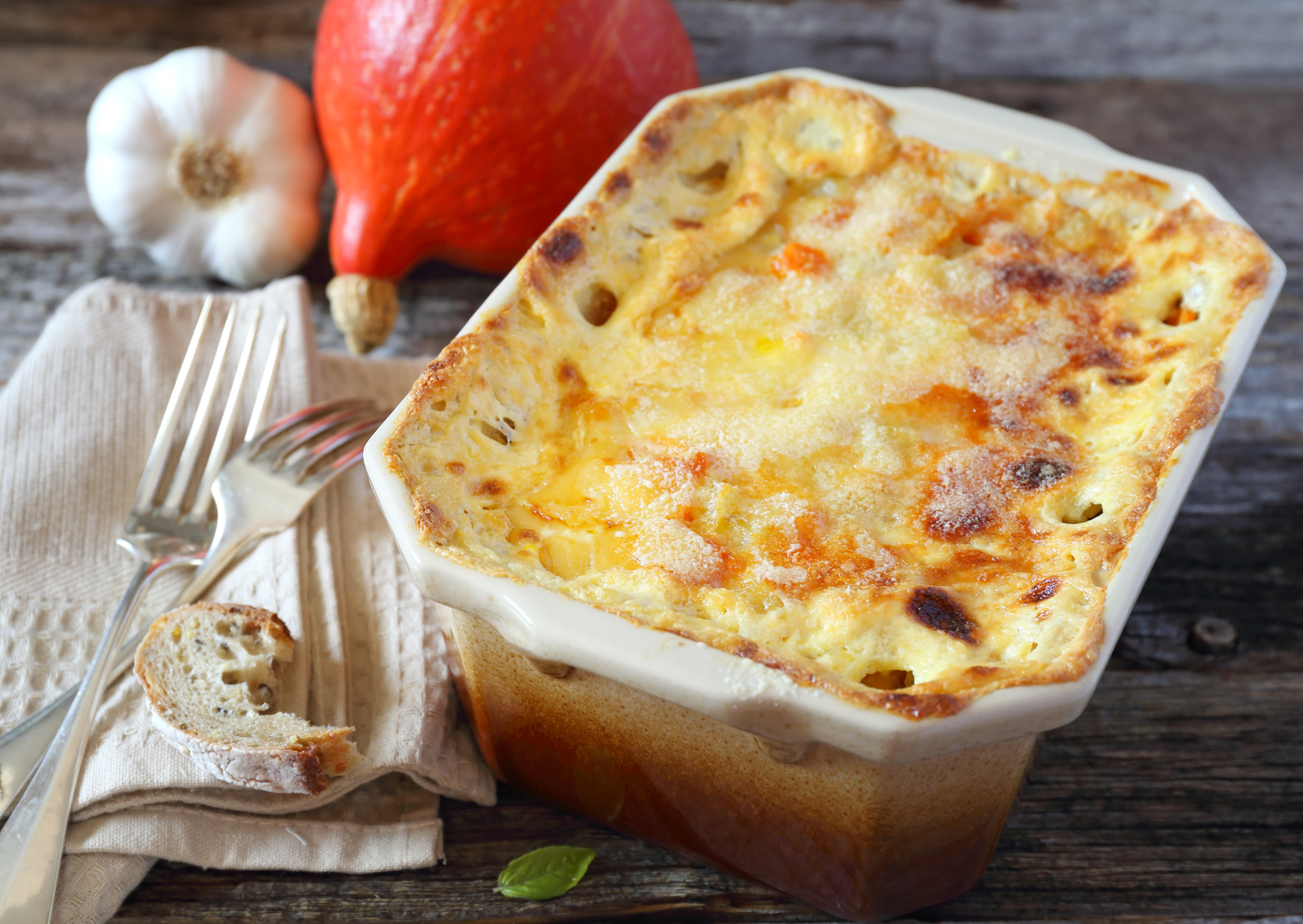
- Lean dairy: swap in 200 ml whole milk + 200 ml evaporated milk for the cream, or 300 ml whole milk plus 150 g ricotta. Texture stays custardy, fat drops a notch.
- Herb lift: add thyme leaves or chives to the custard.
- Protein bump: scatter lardons or chickpeas between layers.
- Crust: toss 30 g fresh breadcrumbs with a teaspoon of olive oil, sprinkle on top with the cheese for extra crunch.
Portion and timing
Cut small squares. Eat with other food. If you want sweet after, choose fruit. The goal is a satisfying savory dessert-equivalent that closes the meal without a surge.
If You Want The Pumpkin Drink Flavor Without The Spike
You can shift a coffee treat toward the French pattern in three moves.
1) Cut the syrup and add real dairy. Order the pumpkin drink with half the pumps and no whipped cream. Ask for whole milk rather than a sweet non-dairy base. Whole milk’s protein and fat slow the hit compared with syrup-heavy builds. Starbucks’ own nutrition shows that sugar sits in the syrup first, so reducing pumps drops the load fastest.
2) Pair it with food. Drink it after a small savory plate or carry nuts or a yogurt and take five bites first. The post-meal rise is smaller when protein and fat lead.
3) Switch formats. If you want pumpkin on ice, the Pumpkin Cream Cold Brew has significantly less sugar than the chai and the hot latte. It is still a dessert, just a smaller one.
You are not chasing perfection. You are changing the context so a treat behaves less like a firecracker.
Edge Cases, Red Flags, And Realistic Tradeoffs
“But cream and cheese are inflammatory too.” High-fat meals can raise post-meal triglycerides and IL-6 in some studies, which is why portion size and context matter. The French help is not that cream is magical. It is that a small savory square with protein and fat and no free sugar, after a meal, usually provokes less acute inflammatory signaling than a sweet, fast drink in a fasted state. If cream bothers you, use lighter dairy and keep the protein.
“Are the additives the real culprit.” For many people, sugar and timing are the main story. Emulsifier science is still developing. Controlled human trials with CMC show microbiome changes and more discomfort over short periods, and animal work points to low-grade inflammation with some emulsifiers, but not all. You do not need fear to win here. You need fewer stabilized sweet drinks in daily life.
“I need dairy-free.” Use coconut cream plus almond milk in the gratin, add 2 tsp cornstarch to the custard so it sets, and season assertively. You lose the dairy matrix, but you keep the savory, solid-food pattern that flattens the curve.
“I want dessert.” Make baked apples or poached pears and serve a tablespoon of crème fraîche on top. Dessert lives. The spike shrinks.
“I only want coffee.” Then make the coffee black and eat the gratin. The season still tastes like cinnamon at your table.
Regional And Seasonal Differences You Can Borrow
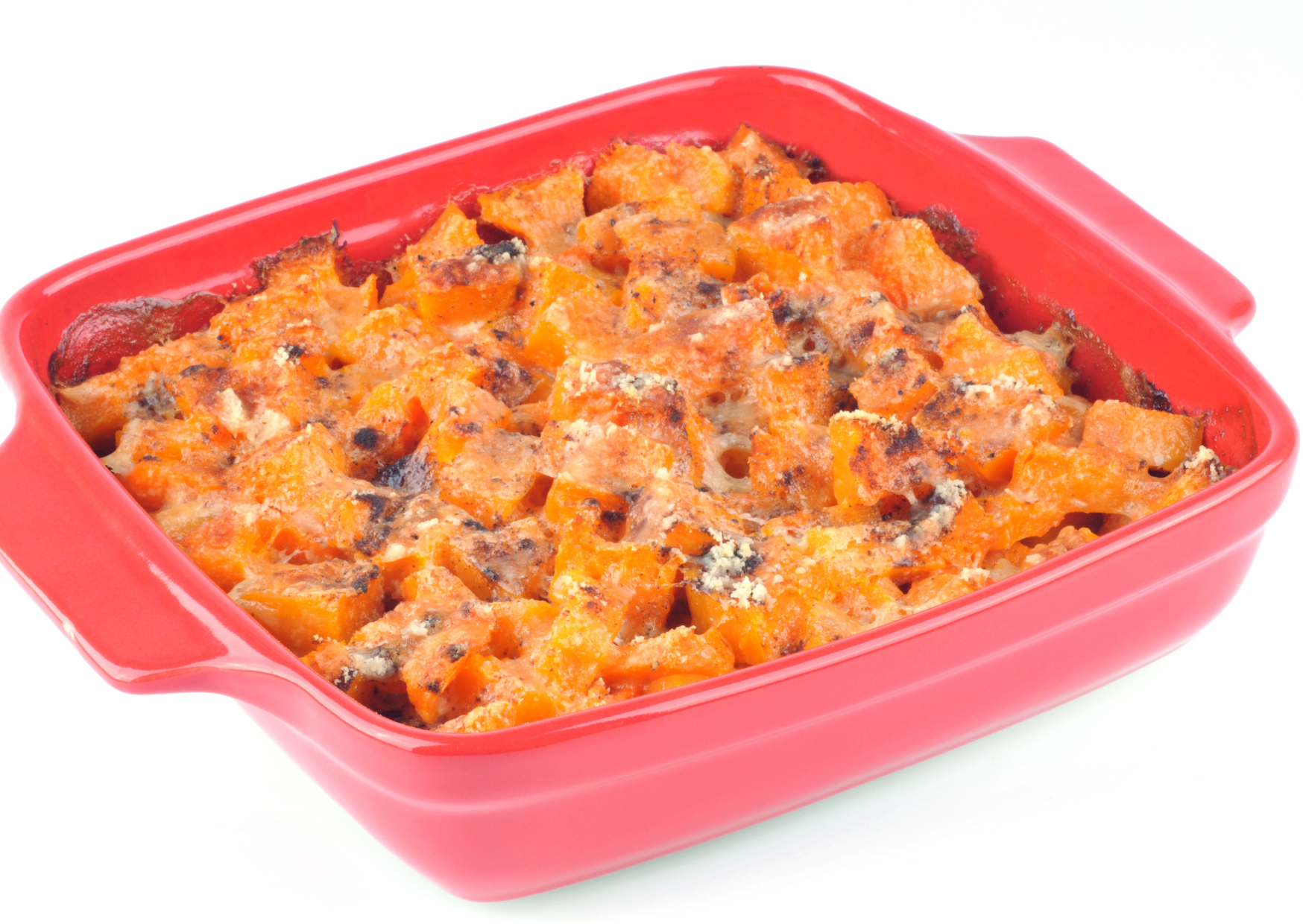
Potimarron vs butternut. The red kuri that French cooks love has a nutty, chestnut tone, and the skin softens well. Butternut is fine in the U.S., slightly sweeter, a little more water. Roast a few minutes longer to reduce moisture.
Cheese matters. Comté melts cleanly and adds umami without oil slicks. Gruyère is a perfect stand-in. Go light. You want a thin, browned layer, not a lasagna.
Spice is small. Nutmeg and black pepper are traditional. If you want a whisper of cinnamon to echo October, add a pinch to the custard. Keep it subtle. This is not pie.
Breadcrumbs or no. Country cooks sometimes scatter fresh breadcrumbs for texture. City cooks skip them for a neater cut. Both work.
With what. Serve with a bright salad dressed with olive oil and vinegar or beside roast chicken. The acid and protein complete the set.
What This Means For You
You do not need to choose between flavor and feeling decent. A French pumpkin gratin is the same season with a different structure. The dish is savory, solid, and slow. The popular drinks are sweet, liquid, and fast. One pattern tends to avoid the short-term inflammatory surge that follows sugar and stabilized foams, the other often invites it.
If you want the quiet version of fall, put a small square of gratin on the table two nights this week. If you want the cup, reduce the pumps, skip the whip, and drink it after lunch, not on an empty stomach. The flavor you love stays. The fallout shrinks.
Origin and History
Pumpkin gratin has long been part of rustic French cooking, especially in regions where squash varieties were reliable winter staples. These dishes were developed to be filling, warming, and digestible, using simple techniques that respected the natural sweetness of vegetables rather than amplifying it. Pumpkin and squash were baked slowly with dairy, herbs, and occasionally cheese, creating depth without excess.
French gratins emerged from a broader tradition of oven-based dishes meant to stretch ingredients and nourish families through colder months. The goal was balance: fat for satiety, vegetables for substance, and gentle cooking to soften fibers. Sugar played almost no role in these preparations, as sweetness came from the vegetables themselves.
Over time, pumpkin gratin became associated with home kitchens rather than cafes or seasonal promotions. It wasn’t a novelty or a limited-time indulgence, but a dependable dish eaten repeatedly without overwhelming the body. That context matters when comparing it to modern pumpkin-flavored products.
The French approach treats pumpkin as food first, not flavoring. This distinction explains why the dish feels grounding rather than stimulating, and why it fits into daily meals rather than standing out as a once-a-year spectacle.
The controversy begins with how “pumpkin” is interpreted. In many American products, pumpkin flavor is less about the vegetable and more about sugar, syrups, refined carbohydrates, and concentrated spices. The pumpkin itself is often minimal or absent.
French pumpkin gratin challenges the assumption that discomfort comes from pumpkin as an ingredient. Instead, it suggests that processing level, sugar load, and liquid calories play a far bigger role in how the body responds to food. This idea can be uncomfortable in a culture that equates seasonal flavors with health halos.
Another point of tension is dairy. American wellness narratives often blame cream or cheese for inflammation, yet traditional French cooking uses these ingredients in moderation and in solid foods, not sweetened beverages. The form matters as much as the ingredient.
What makes this comparison controversial is that it reframes inflammation as a product of formulation, not flavor. Pumpkin isn’t the problem. How it’s transformed, sweetened, and consumed rapidly is where the difference lies.
How Long It Takes to Prepare
French pumpkin gratin is not a fast-food recipe, but it’s far from complicated. Preparation typically takes about 15 minutes of active work, mainly peeling, slicing, and assembling ingredients in a baking dish.
The cooking happens slowly in the oven, usually 35 to 45 minutes. This gentle heat allows the pumpkin to soften gradually and meld with dairy and seasoning without scorching or separating. Time does the work, not constant attention.
Unlike blended drinks or processed mixes, the gratin requires patience rather than precision. There’s no exact sweetness to calibrate or texture to engineer. The dish settles into itself as it cooks.
From start to finish, it fits comfortably into an evening routine. The slower pace is intentional, reinforcing the difference between nourishment designed for digestion and products designed for speed.
Serving Suggestions
Pumpkin gratin is typically served as a side dish alongside protein or as a light main with salad and bread. It’s meant to complement a meal, not dominate it with sweetness or intensity.
Portion size matters. The dish is rich enough to satisfy without being heavy when served appropriately. Small servings encourage appreciation rather than overload.
Herbs like thyme or nutmeg are used sparingly, enhancing aroma without overwhelming the pumpkin’s natural flavor. The result is warmth, not stimulation.
Leftovers reheat well and often taste better the next day, as flavors continue to settle. This durability contrasts sharply with pumpkin drinks, which are designed for immediate consumption only.
Final Thoughts
French pumpkin gratin doesn’t feel comforting by accident. It’s the result of tradition, restraint, and an understanding of how ingredients behave together over time. The dish works with the body rather than pushing it into overdrive.
The difference between this gratin and pumpkin-flavored drinks isn’t cultural snobbery—it’s structural. One is solid food, gently cooked, with balanced fat and fiber. The other is a sweetened liquid designed to be consumed quickly.
This comparison highlights a broader lesson about modern eating. Inflammation isn’t always about the ingredient we blame most. It’s often about speed, concentration, and processing.
Pumpkin has nourished people for centuries without issue. When prepared thoughtfully, it still does. The French gratin reminds us that comfort food doesn’t have to come with consequences when it respects both tradition and the body.

About the Author: Ruben, co-founder of Gamintraveler.com since 2014, is a seasoned traveler from Spain who has explored over 100 countries since 2009. Known for his extensive travel adventures across South America, Europe, the US, Australia, New Zealand, Asia, and Africa, Ruben combines his passion for adventurous yet sustainable living with his love for cycling, highlighted by his remarkable 5-month bicycle journey from Spain to Norway. He currently resides in Spain, where he continues sharing his travel experiences with his partner, Rachel, and their son, Han.