
Not a miracle hack. A routine that actually fits a late-evening culture. She kept dinner at 10 p.m. like Spaniards, but made it smaller, walked right after, and shifted most of her day’s food to lunch. The scale moved 12 pounds in six weeks. Here is exactly how she did it, why it worked, and how to copy it without wrecking your sleep or blood sugar.
She refused to eat at 6 p.m.
Work ran late. Friends met at 9:30. Restaurants were still full at 10. She wanted a plan that respected the Spanish clock without turning nights into metabolic chaos.
So she changed what dinner was, not when it was.
She made lunch the anchor, kept dinner light and fast to digest, walked 10 minutes within twenty minutes of finishing, and sequenced food so vegetables came first, starches last. She kept the same Mediterranean foods. She moved them to better hours. Six weeks later, the scale said minus 12. Her sleep improved and the midafternoon slump disappeared.
As of September 2025, studies are clear that loading energy earlier improves glucose handling, and that late heavy dinners impair it. But if your life runs late, you can still do well by front-loading lunch, shrinking dinner, and moving right after you eat. The biology is stubborn. Your routine can be smarter.
Want More Deep Dives into Other Cultures?
– 9 Italian Style Rules That Instantly Outshine American Fashion
– Why Europeans Walk Everywhere (And Americans Should Too)
– How Europeans Actually Afford Living in Cities Without Six-Figure Salaries
– 9 ‘Luxury’ Items in America That Europeans Consider Basic Necessities
Quick and Easy Tips
Shift your main meal earlier in the day so dinner doesn’t become the largest calorie load.
Avoid constant snacking between meals to allow real hunger signals to return.
Eat dinner slowly and without distractions, regardless of the time on the clock.
In the U.S., eating late is often blamed for weight gain, but that belief ignores context. Late-night eating becomes problematic when it’s paired with heavy snacking, ultra-processed foods, and irregular meal timing. Spanish eating culture doesn’t include those patterns.
Another uncomfortable truth is that many Americans eat too little earlier in the day. Skipping or minimizing lunch leads to overeating later, regardless of the clock. Spanish schedules prioritize a substantial midday meal, which stabilizes appetite.
There’s also a misunderstanding around metabolism. While timing matters, consistency matters more. The body adapts to regular schedules, even if they differ from conventional norms. Irregular eating is often more disruptive than late eating.
What makes this topic controversial is that it challenges deeply ingrained diet rules. It suggests that weight gain isn’t caused by late dinners alone, but by mismatched routines, rushed meals, and constant food availability. Changing the clock didn’t cause the weight loss changing the structure did.
The Spanish Clock, Translated For Your Metabolism

Spain eats late. Dinner peaks around 9:30 to 10:30 p.m. in many cities. That is not opinion. It is how the evening works. Lunch is the main meal and often lands around 14:00. If you copy only the late dinner and skip the big midday meal, you will feel it. If you copy the whole rhythm with tweaks, your body cooperates. Late is normal, lunch is king, dinner is lighter.
Here is the translation that made the difference:
- Lunch is where the calories live. That matches circadian biology that handles carbs and insulin better earlier.
- Dinner is small and simple, even if it starts at 22:00.
- Vegetables first inside each meal.
- Walk 10 minutes after the biggest meal, and again after late dinners when possible.
- No snacks after dinner. The overnight fast starts when the plate hits the sink.
That is the entire spine of the plan. You can change ingredients. Do not change the spine.
The Exact Six-Week Routine She Followed

This is the schedule that produced the 12-pound drop. Keep the format, swap in your foods.
Breakfast, 07:30–08:00 (small and steady)
- Greek yogurt with berries and walnuts, or two eggs with tomatoes and olive oil
- Coffee earlier in the morning, not at night
Second bite, 11:00 (if hungry)
- A tangerine or a small piece of cheese and cucumbers
Lunch, 13:30–14:00 (the main meal)
- Half the plate vegetables: salad or cooked greens
- A palm of protein: fish, chicken, eggs, or beans
- A small starch: potatoes, rice, or pasta
- Olive oil and lemon, fruit or yogurt to finish
- Vegetables first, starch last, always
Walk, 14:15–14:30
- 10 minutes at an easy pace before going back to work
Merienda, 17:30–18:00 (Spanish-style snack)
- A small yogurt, a handful of almonds, or a slice of tortilla with salad
- Enough to keep dinner modest, not enough to make you sleepy
Dinner, 21:45–22:15 (late, by design, light, on purpose)
- Soup, salad with beans or tuna, or a two-egg omelet with greens
- If pasta is on the table, order a half portion, eat vegetables first, taste the pasta last
- Skip bread unless dinner has no starch
Walk, 22:20–22:35
- 10 minutes around the block
- Water at home, then kitchen closed
Bed, consistent lights-out
- Aim for 7+ hours. Sleep is the quiet multiplier on weight loss
What did not change
Calories did not crash. She ate Mediterranean foods she actually likes. The shift was timing, sequence, and portion at dinner.
Why This Worked Even Though Dinner Was Late

Your body handles glucose worse at night. That is well documented. Late, heavy dinners impair overnight glucose and fat metabolism compared with earlier eating. So why did a 10 p.m. dinner not backfire here. Three reasons.
1) Lunch carried the load.
Most energy landed midday, when insulin sensitivity is better. That alone improves post-meal numbers compared with back-loading calories. Studies show greater energy after 17:00 is associated with poorer glucose tolerance independent of total calories. The fix is not magic. It is moving energy earlier. Big lunch beats big dinner.
2) Dinner was small, protein and vegetable led.
Late dinner is not the villain. Late heavy dinner is. Keeping dinner light and lower in starch meant less to process when hormones and clock hands were not on your side. Acute trials show late dinners can impair overnight glycemic control. We defused that by making dinner small and simple.
3) Movement acted like a lever.
A 10 minute walk right after eating lowered peak glucose more than waiting for a longer walk later. That small post-dinner stroll reduced the worst of late-night spikes and made sleep easier. Move now, not later, is the rule that held up in 2025 data.
Layer in vegetables first at meals and you get another bump in control without changing ingredients. Order matters. Sequence is free.
The Six Rules That Make Late Dinner Safe
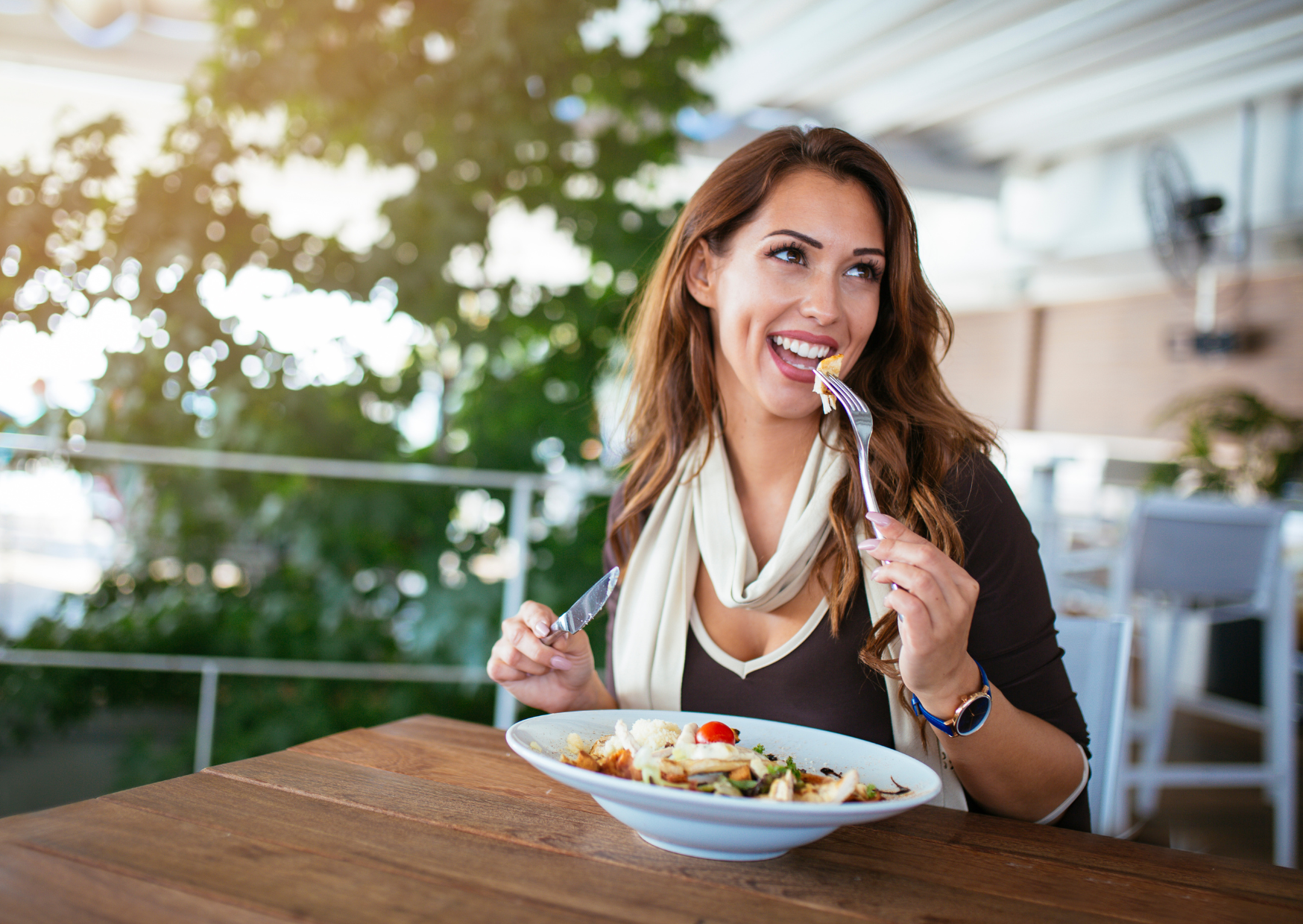
If your schedule is Spanish, these are the nonnegotiables.
Rule 1: Make lunch the biggest meal.
Aim for half the plate vegetables, a palm of protein, and a modest starch. Eat unhurried. If you get this right, dinner practically shrinks itself. Big lunch, small dinner is the engine.
Rule 2: Keep dinner light even if it is late.
Soup, salad with beans or tuna, or an omelet with greens. If you eat pasta, eat less and eat vegetables first. Heavy + late is the bad combination. Late + light is survivable.
Rule 3: Walk 10 minutes immediately after your biggest meal.
Lunch is ideal. If dinner is late, walk again after dinner. A short walk now beats a long walk later for glucose control. Movement right after is nonnegotiable.
Rule 4: Sequence your plate.
Vegetables first, protein second, starch last. You will blunt the glucose curve with no math.
Rule 5: No post-dinner snacks.
Finish dinner, walk, water, bed. Even in Spain, the kitchen closes at home.
Rule 6: Protect sleep.
Keep caffeine earlier and screens down before bed. Hormones that govern hunger and satiety follow sleep. Good sleep makes late dinners less risky.
What She Ate: A Two-Week Menu You Can Steal
This is not a recipe book. It is a pattern. Use it as a loop.
Week 1
Mon
- Lunch: Lentil stew, green salad, small slice of bread
- Dinner: Tomato and white-bean soup, olives, cucumber salad
- Walks: 14:15 and 22:20
Tue
- Lunch: Grilled sardines, roasted potatoes, arugula salad
- Dinner: Spinach omelet, tomato salad
- Walks: 14:15 and 22:20
Wed
- Lunch: Chicken thighs, peppers and onions, rice
- Dinner: Gazpacho, half-portion pasta with zucchini
- Walks: 14:15 and 22:20
Thu
- Lunch: Pasta e ceci, bitter greens salad, orange
- Dinner: Tuna and cannellini beans over greens
- Walks: 14:15 and 22:20
Fri
- Lunch: Hake, green beans, potatoes, lemon and olive oil
- Dinner: Tortilla española slice with salad
- Walks: 14:15 and 22:20
Sat
- Lunch out: Menu del día, vegetables first, split dessert
- Dinner late with friends: Salad, grilled squid, skip bread
- Walks: after both meals
Sun
- Lunch long: Roast chicken, big salad, small potatoes
- Dinner: Yogurt with walnuts and fruit
- Walk: 10 minutes after lunch
Week 2 repeats the shape with different proteins and vegetables. Keep vegetables first, walks, and light dinner as the constants.
If You Dine Out At 10 p.m., Do This

You can enjoy late nights and still wake up well. Use these scripts at the table.
- Vegetables first. Order a salad or grilled vegetables to start. Eat all of it.
- Protein second. Fish, eggs, or chicken over a pile of greens.
- Starch last. Share the pasta or potatoes and have a few forkfuls at the end.
- Split dessert. Two bites are enough.
- Walk the block. Even in dress shoes. The walk is part of dinner now.
When you cannot control the menu, control the sequence and the walk. That carries most of the benefit when the hour is not negotiable.
Common Snags, Fast Fixes
You get ravenous at 21:00.
Your lunch was too small or too low in protein. Fix lunch, not dinner. Add legumes or fish and double the vegetables.
Friends push bread and extra wine.
Keep bread for lunches with no starch. Alternate water and wine at dinner. You will feel better at 07:00.
You snack after dinner.
Close the kitchen. Leave sparkling water or tea out and brush your teeth right after the walk. It is a tiny psychological lock.
You work shifts.
If dinner lands even later, keep it lighter and move lunch earlier. The rule is the same: more at midday, less at night, walk after.
Will Everyone Lose 12 Pounds In Six Weeks
No. Biology varies, medications differ, and weight loss is not linear. Two honest caveats:
- Studies favor earlier eating for glucose and fat metabolism. If you can dine earlier, do it. If you cannot, late + light + walk is the workable compromise that protects you.
- Weight loss here came from adherence. She ate foods she liked, did not count every gram, and kept the routine on weekends. Consistency beat perfection.
If you take glucose-lowering medications, have pre-diabetes or diabetes, or are pregnant, loop in your clinician before you overhaul timing. Adjustments may be needed.
Final Notes
You do not have to abandon dinner with friends to feel better and lose weight. You have to move calories earlier, keep dinner light even if late, sequence vegetables first, and walk for 10 minutes right after you eat. That lets you live on a Spanish clock without paying the usual price of late, heavy nights.
Try it for two weeks. If your mornings feel clearer and your belt moves a notch, keep going for six. The clock on the wall can stay Spanish. The plan on your plate just needs to be smarter.
What makes this story compelling isn’t the late dinner hour itself, but what it replaced. Eating at 10 PM like Spaniards came with an entirely different daily rhythm larger lunches, lighter snacking, slower meals, and less constant grazing. The weight loss was a side effect of structure, not a magic trick.
This experience highlights how timing interacts with behavior. Late dinners in Spain aren’t paired with chaotic eating all day; they’re supported by intentional meals and long gaps between them. When those patterns change, the body often responds in unexpected ways.
It also challenges the idea that weight loss must feel restrictive. Instead of cutting foods or counting calories, this shift focused on alignment eating when hungry, stopping when satisfied, and letting routine do the work.
The biggest takeaway isn’t that everyone should eat at 10 PM. It’s that questioning rigid food rules can open the door to healthier, more sustainable habits.

About the Author: Ruben, co-founder of Gamintraveler.com since 2014, is a seasoned traveler from Spain who has explored over 100 countries since 2009. Known for his extensive travel adventures across South America, Europe, the US, Australia, New Zealand, Asia, and Africa, Ruben combines his passion for adventurous yet sustainable living with his love for cycling, highlighted by his remarkable 5-month bicycle journey from Spain to Norway. He currently resides in Spain, where he continues sharing his travel experiences with his partner, Rachel, and their son, Han.