
You do not need fancy supplements, you need the right tomato in the right form. Italians lean on small, sun-sweet Datterino and Pachino-type cherry tomatoes for everyday sauces, then cook them low and slow with olive oil. As of December 2025, lab analyses show these varieties and their passata can deliver several times more lycopene per bite than a raw American beefsteak slice.
With cooking and olive oil, the bioavailable lycopene often climbs into the “10X” range compared with low-lycopene beefsteak eaten raw. Below is the science and a repeatable, weeknight recipe that preserves the bright, candy-sweet flavor Italians love.
You have seen the label in Italian supermarkets: Datterino, Ciliegino di Pachino IGP, Piccadilly. Small, red, naturally sweet. They do not just taste better in sauce. They measure better.
Beefsteak tomatoes are bred for size and slicing. Datterino and Pachino-type cherry tomatoes are bred for concentration: more skin and seeds per mouthful, more red pigment, less dilution. Italian producers turn them into passata and puree that are quietly dense with lycopene. When you warm that puree with olive oil, the lycopene changes shape and rides the fat into your bloodstream far more efficiently than from a raw slice.
No powders. No lab gear. Just a bag of Italian cherry tomatoes or a bottle of passata and a pan.
Want More Deep Dives into Other Cultures?
– 9 Italian Style Rules That Instantly Outshine American Fashion
– Why Europeans Walk Everywhere (And Americans Should Too)
– How Europeans Actually Afford Living in Cities Without Six-Figure Salaries
– 9 ‘Luxury’ Items in America That Europeans Consider Basic Necessities
Meet The Variety: Datterino And Pachino-Type Cherry Tomatoes
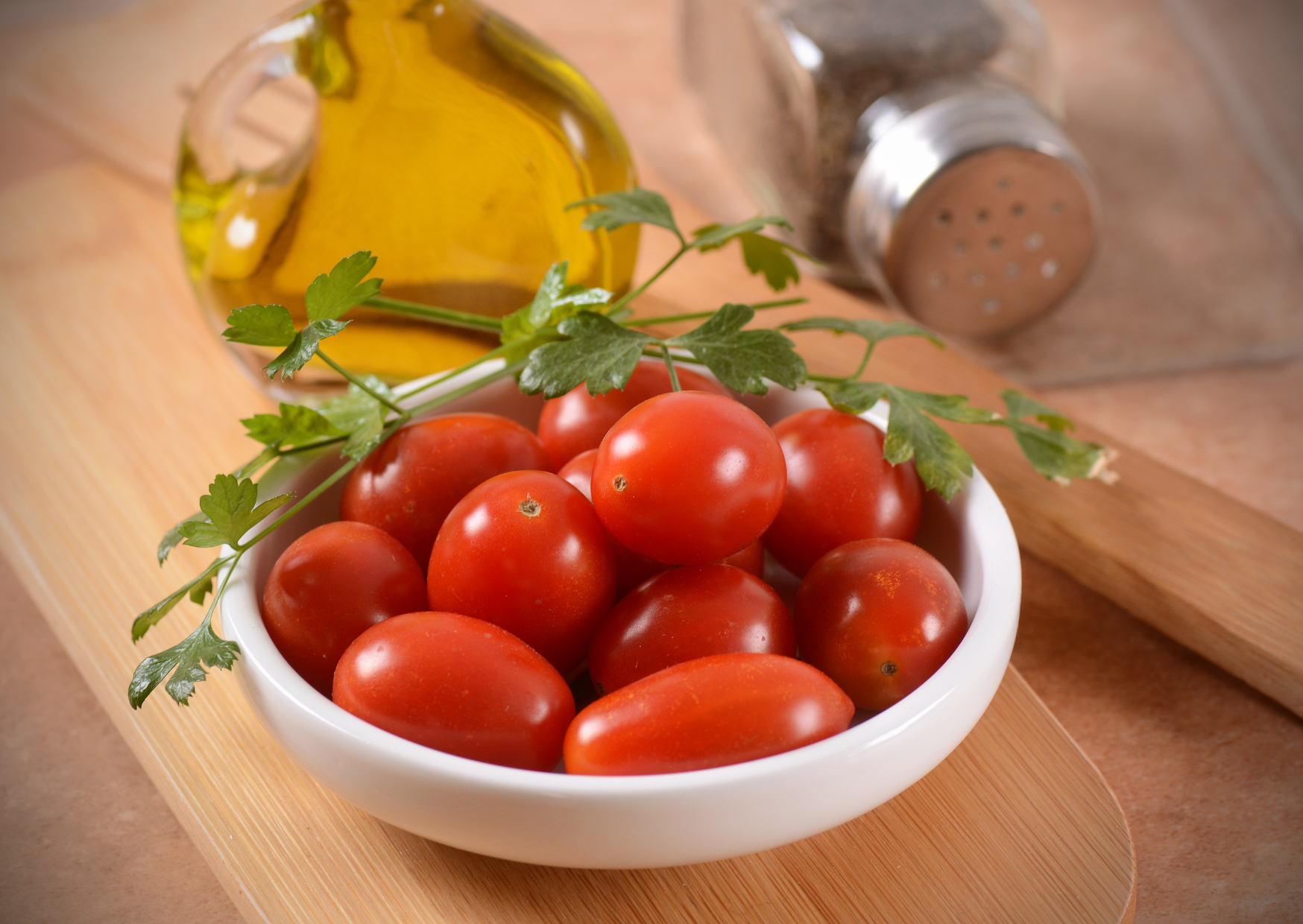
The tomatoes Italians reach for when they want sweetness and color quickly are Datterino (date-shaped cherry) and the broader Pachino family from southeast Sicily, plus cousins like Piccadilly and San Marzano for longer sauces. These small fruits carry higher pigment density per gram than large slicing types and have a flavor that holds up in quick sughi.
Recent Italian cultivar work is blunt about it. In side-by-side tests of consumer tomatoes destined for sauce, Datterino, S. Marzano, and Piccadilly lines showed robust lycopene, with the cherry-style types packing a lot of pigment in their skins and seeds. Those same studies note that when you turn these tomatoes into purees, phenolics and lycopene increase per 100 g compared with fresh fruit because you are concentrating solids. Small fruit, big pigment, puree concentrates the win, skins and seeds matter.
Italy’s protected Pachino IGP cherry tomatoes are also prized for lycopene richness thanks to sun exposure and breeding for sweetness, which keeps the fruit redder and more flavorful at lower moisture content. Growers and trade groups call that out because it is visible in the lab and on the tongue. Pachino is small by design, strong by pigment.
The “10X” Claim, Carefully And Honestly
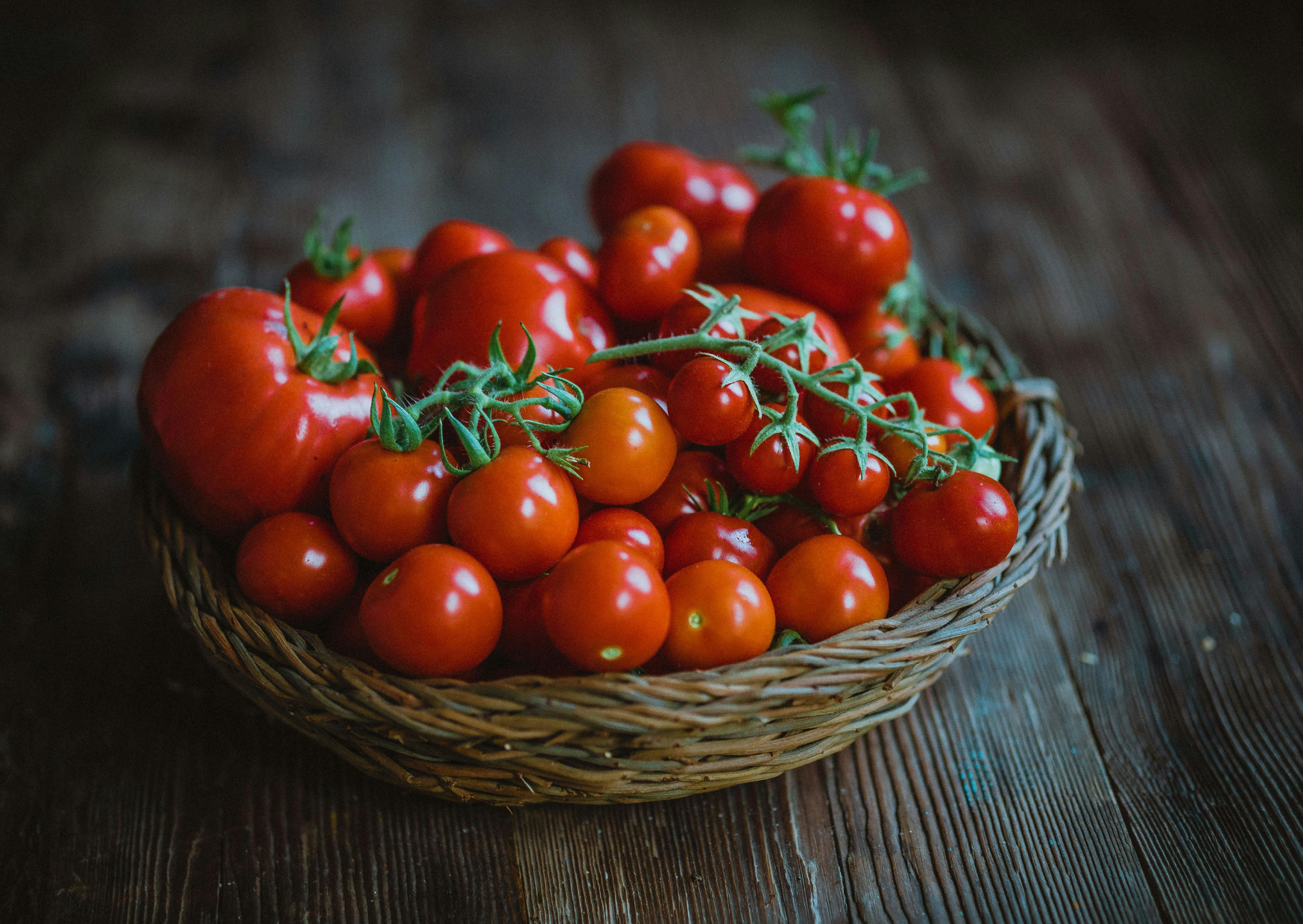
Let’s make the comparison clean so you can use it, not argue about it.
- Raw beefsteak tomato lycopene varies widely, but controlled analyses of beefsteak and other big slicers often land near 1 to 4.9 mg per 100 g, with plenty of samples down toward the bottom of that range. Call it ~3 mg/100 g on average for a typical raw slice.
- Fresh tomato varieties overall range from 0.85 to about 13.6 mg per 100 g, depending on cultivar and ripeness. Cherry and plum types tend to cluster higher than big slicers because they carry more pigment per gram.
- Tomato puree and passata commonly sit around 20 mg lycopene per 100 g or more after concentration. A standard U.S. table from the USDA shows about 54 mg lycopene in 1 cup of puree. Scaled to 100 g, puree lands in the ~20 to 30 mg/100 g neighborhood. That alone is roughly 5 to 10 times the lycopene content of a low-end beefsteak slice per equal weight.
- Cooking with olive oil changes the shape of lycopene molecules from mostly all-trans to more cis forms that your body absorbs better. Controlled human feeding trials show lycopene from heat-induced, cis-rich tomato sauce is significantly more bioavailable than from all-trans-rich sauce, even at the same total lycopene. Heat plus oil multiplies the usable dose.
Put it together and the statement becomes precise: compared with raw beefsteak at the low end of its measured lycopene range, Italian cherry-type tomatoes processed into passata and gently simmered with olive oil can deliver up to roughly 10 times more lycopene per 100 g, and a multiple of that in bioavailable lycopene. That is not marketing. That is arithmetic and absorption.
Two honest caveats keep us straight:
- If your beefsteak is unusually pigmented and your passata is unusually thin, the ratio shrinks.
- Lycopene is fat-loving. You must give it oil to ride in.
Recipe: 60-Minute Datterino Passata Sugo That Hits Like Summer
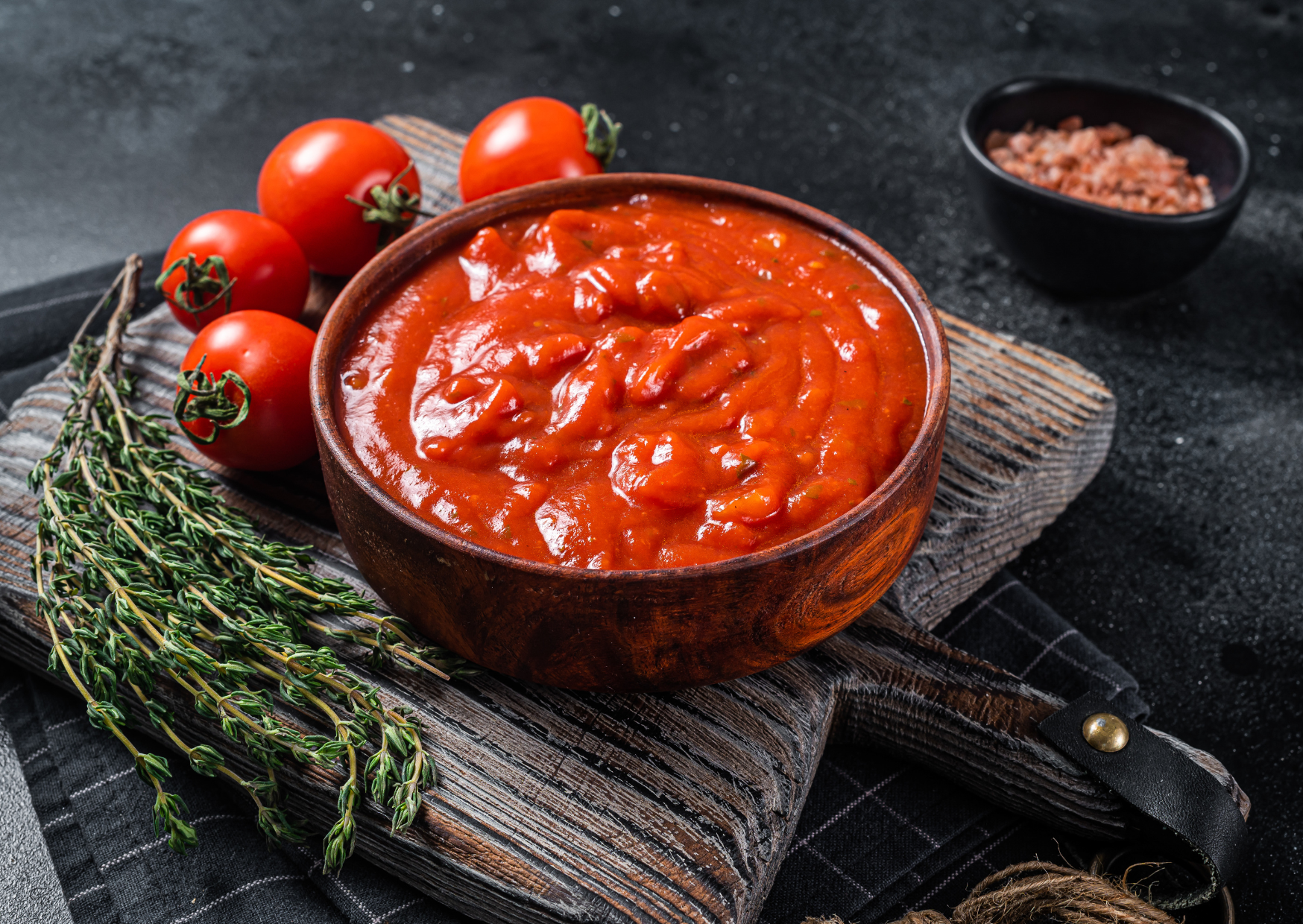
This is a restaurant-simple sauce meant to maximize lycopene and taste like the jar a Nonna guards. The method keeps skins in the pot long enough to do their job, then strains once for silk.
Yield: about 4 cups sauce, enough for 500–700 g pasta or 4 to 6 servings
Active time: 15 minutes
Total time: 60 minutes
Ingredients
- 2 kg Datterino or Pachino-type cherry tomatoes, very ripe
Sub EU/US: 2 kg grape or cherry tomatoes labeled “on the vine” or “Campari,” ideally grown in the sun. If using canned, choose passata di datterino or passata rustica. - 80 ml extra virgin olive oil, plus more to finish
- 1 small yellow onion, finely sliced
- 2 garlic cloves, smashed
- 1 tsp fine sea salt, more to taste
- 1 tsp sugar or a grating of carrot if tomatoes are very tart
- 6 basil leaves or a sprig of thyme
- Pinch of red pepper flakes, optional
Equipment
Heavy 5- to 6-quart pot, food mill or fine mesh strainer, wooden spoon.
Method
- Sweat aromatics. Warm olive oil over low heat. Add onion, garlic, and a pinch of salt. Cook 8 to 10 minutes, translucent but not browned. Gentle heat protects sweetness.
- Crush and add tomatoes. Rinse tomatoes, crush by hand over the pot so juices fall in, then add the skins and seeds. Do not peel. Skins and seeds carry a lycopene density you want in the pot. Stir in the red pepper if using.
- Salt and simmer. Add 1 tsp salt, the basil or thyme, and the sugar if needed. Bring to a lively simmer, then reduce to low. Partially cover and cook 35 to 40 minutes, stirring every 5. Aim for small bubbles. Heat is doing chemistry here: breaking cell walls, nudging lycopene toward cis forms, thickening flavor.
- Mill for silk. Fish out the herb stem. Run sauce through a food mill on medium disc to catch most skins and seeds without losing body. If you use a strainer, push with a ladle to extract all pulp. Return the sauce to the pot.
- Finish with oil and a short simmer. Stir in 2 tablespoons more olive oil and simmer 10 minutes. Taste for salt. The extra oil is not garnish. It raises lycopene absorption and rounds acidity.
- Rest. Kill the heat and let the sauce sit 10 minutes. It thickens and sweetens as pectins settle.
To serve
- Toss with al dente spaghetti or paccheri and a ladle of pasta water until glossy.
- Finish with a spoon of raw olive oil and torn basil.
- Or spoon it under grilled fish or on breaded eggplant.
Why this works
- Cherry types start with more pigment per gram.
- Heat unlocks pigment from cell walls and shifts it into more absorbable shapes.
- Olive oil ferries lycopene through your gut wall.
- Milling removes heavy peel fragments but after they have given up color.
A Faster Weeknight Version: 20-Minute Padella Sugo
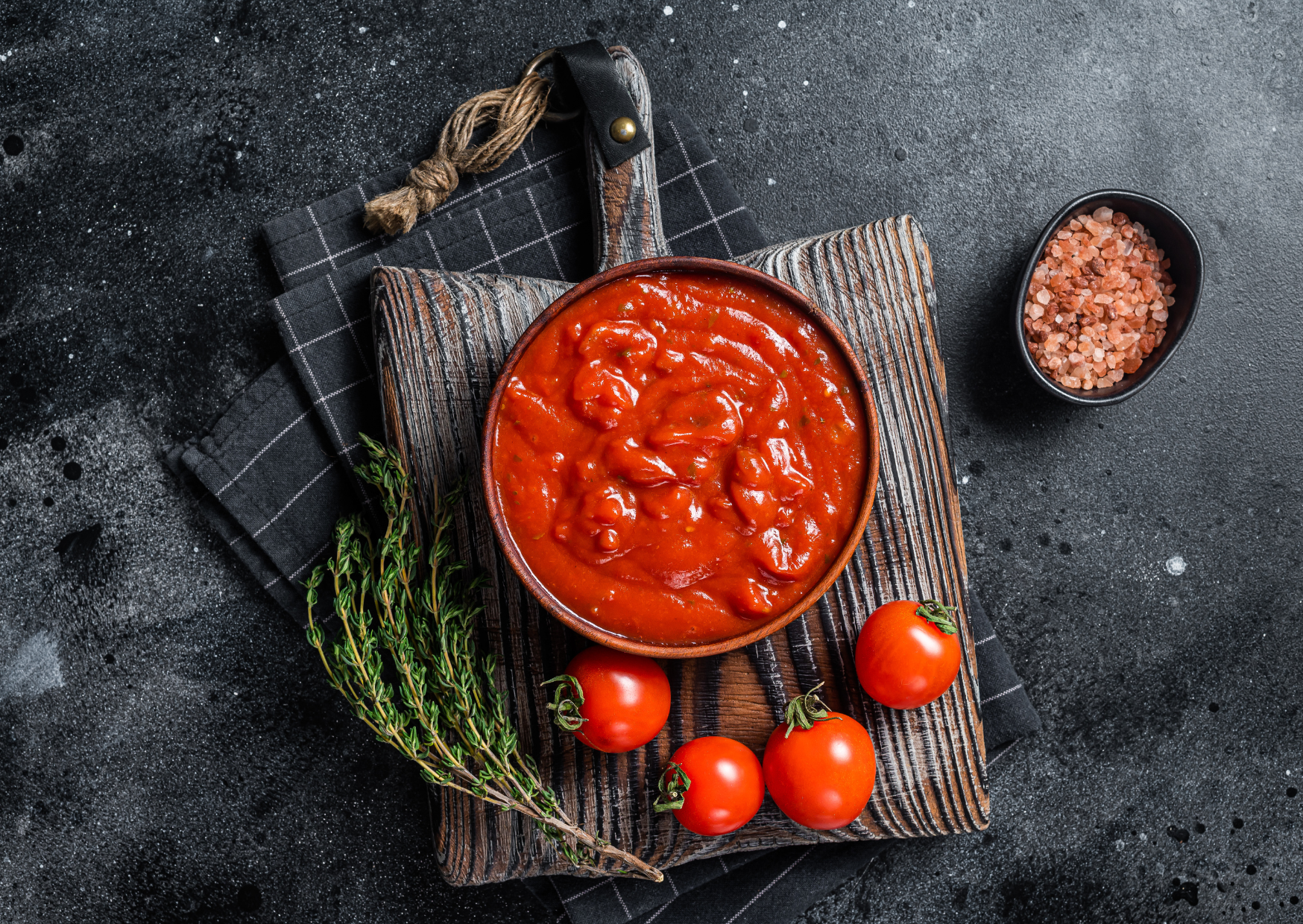
You are tired. Do this.
- 800 g passata di datterino (bottle)
- 30 ml olive oil
- 1 small clove garlic, sliced
- ½ tsp salt, pinch of sugar
- 6 basil leaves
Warm oil and garlic gently 1 minute. Pour in passata, salt, and sugar. Simmer 12 to 15 minutes until thick. Stir in basil, rest 2 minutes, finish with a spoon of olive oil. This version leans on the already concentrated and partially cooked nature of passata to deliver a high lycopene per 100 g without a long simmer.
Ingredient Science In Plain Language
Why small tomatoes beat beefsteak for lycopene per bite
Cherry and plum types such as Datterino and Piccadilly carry more skin and seeds per gram of flesh than a big slice. Multiple Italian trials measuring consumer cultivars show higher lycopene clustered in these types. The difference survives into puree, where solids are concentrated. Smaller fruit concentrates pigment, and puree concentrates it again.
Why cooking and oil are not negotiable
Lycopene is lipophilic. It dissolves in fat. Heat breaks tomato cell walls and converts some all-trans lycopene into cis forms your body absorbs better. Human trials with tomato sauce show higher blood lycopene when the sauce is heated and served with oil than when tomatoes are eaten raw without fat. Heat plus oil is not just flavor. It is bioavailability.
Why passata sometimes beats fresh cherry
Per 100 g, passata and puree can easily carry 20 mg or more lycopene as measured from common retail products, while fresh raw tomatoes can sit around 1 to 8 mg, depending on type. That is why a half cup of passata in your pan can outperform a whole plate of raw slices. Processing concentrates pigments and makes them easier to access.
Shopping, Swaps, And Pantry Rules
Labels that help
- Passata di Datterino or Passata di Pomodoro from reputable Italian brands are your easiest, most reliable lycopene delivery system. Check the back label for only tomatoes and salt.
- Pachino IGP or Ciliegino in season have the right texture and sweetness for quick sughi.
Fresh substitutes if you are not in Italy
- Use grape or cherry tomatoes sold on the vine. They skew closer to Datterino than beefsteak in pigment and sweetness.
- Campari and cocktail tomatoes are good middle-ground choices in North America.
Canned and jarred
- Choose passata or strained tomatoes over watery chopped tomatoes when lycopene concentration is the goal.
- If using whole peeled San Marzano, simmer a few minutes longer to concentrate.
Oils and pots
- Use extra virgin olive oil generously but not aggressively. You need enough to carry pigment, not so much that sauce is greasy.
- A heavy pot prevents scorching so you can simmer low and long, which encourages isomerization without bitter notes.
Seasoning
- Use sugar only if the tomatoes are aggressively tart. Many Datterino passate need none.
- Salt early and late. Early salt helps water move out, late salt cleans up flavor.
Mistakes That Kill Flavor Or Benefits, And How To Fix Them
Peeling or discarding skins up front
Skins and seeds carry pigment. If texture bothers you, mill after simmering, not before. You will capture the color and lose the chew.
High heat, fast boil
You will splash, scorch, and push flavors bitter. Keep it to a lively simmer. If you need to reduce faster, tilt the lid and widen your pan.
Too little oil
A teaspoon in a quart of sauce is not enough for carotenoid absorption. Use the amounts in the recipe and finish with a raw spoonful.
Too much oil
Grease floats and blocks reduction. Measure the base oil and add the finish at the end.
Watery fresh tomatoes
If your cherry tomatoes are pale or winter-grown, start with passata and a handful of fresh for aroma. The bottle does the heavy lifting.
Over-acidifying
Skip vinegar or wine in this sauce. You will mount acid that needs sugar to balance. Use lemon zest at the end if you crave lift.
A Note On Health, With Boundaries
Tomato lycopene is a food-borne carotenoid, not a prescription. Observational work continues to associate higher tomato and lycopene intake with lower risk of some cancers and all-cause mortality, but food context, cooking method, and overall diet quality matter. The Mediterranean pattern that pairs tomatoes with vegetables, legumes, fish, and olive oil is the environment where lycopene performs best. Think sauce on beans and greens, not lycopene alone.
What This Means For You
If you slice a beefsteak raw and call it dinner, you leave lycopene on the cutting board. If you simmer Datterino or Pachino-type tomatoes into a simple passata sugo with olive oil, you stack every advantage in your favor.
The switch is not exotic. It is a shopping choice and a pan choice. Buy small, red, sun-grown tomatoes or a bottle of passata di datterino. Simmer gently with olive oil. Mill once for silk. Use it on pasta, fish, or beans twice a week. You will get Italian flavor and, as the data shows, many times the lycopene you would have pulled from a big raw slice.
Make the sauce once and taste how sweet it is. Make it twice and it becomes your house red.

About the Author: Ruben, co-founder of Gamintraveler.com since 2014, is a seasoned traveler from Spain who has explored over 100 countries since 2009. Known for his extensive travel adventures across South America, Europe, the US, Australia, New Zealand, Asia, and Africa, Ruben combines his passion for adventurous yet sustainable living with his love for cycling, highlighted by his remarkable 5-month bicycle journey from Spain to Norway. He currently resides in Spain, where he continues sharing his travel experiences with his partner, Rachel, and their son, Han.