
If you have steady income from investments or property and a real plan to live in Italy, this little known visa can open the door, without tying up millions in an investor program.
You hear a lot about “golden visas.” They sound glamorous, then you see the price tag and close the tab.
Italy has another path. It is older, quieter, and designed for people who can live on passive income rather than a job. It is the Elective Residence Visa, called residenza elettiva in Italian.
As of December 2025, the rules still center on three pillars, stable non-employment income, suitable housing in Italy, and private health insurance. There is no work permitted on this status, not even remote work for a foreign company. For the right profile, that tradeoff is exactly the point.
Below is your field guide, written for movers who want clean steps, real numbers, and no fluff.
Want More Deep Dives into Other Cultures?
– 9 Italian Style Rules That Instantly Outshine American Fashion
– Why Europeans Walk Everywhere (And Americans Should Too)
– How Europeans Actually Afford Living in Cities Without Six-Figure Salaries
– 9 ‘Luxury’ Items in America That Europeans Consider Basic Necessities
The biggest advantage of the Elective Residence Visa is simplicity. There’s no requirement to buy real estate, invest large sums, or create jobs. Instead, applicants must demonstrate stable, passive income and the ability to live without burdening the Italian system.
This visa also offers flexibility. It allows residents to choose where they live, how they structure their days, and what kind of life they build. For many, this freedom is more valuable than fast-track residency tied to financial commitments.
Another reason to consider it is cost. Compared to Golden Visas, which often require six-figure investments, the Elective Residence Visa relies on financial planning rather than capital outlay. That makes it achievable for a broader range of people.
Finally, the visa encourages intentional living. Because it requires preparation and proof of stability, applicants often arrive in Italy with a clearer sense of purpose. This leads to smoother integration and a more sustainable expat experience.
1) What It Is, And Why It Flies Under The Radar
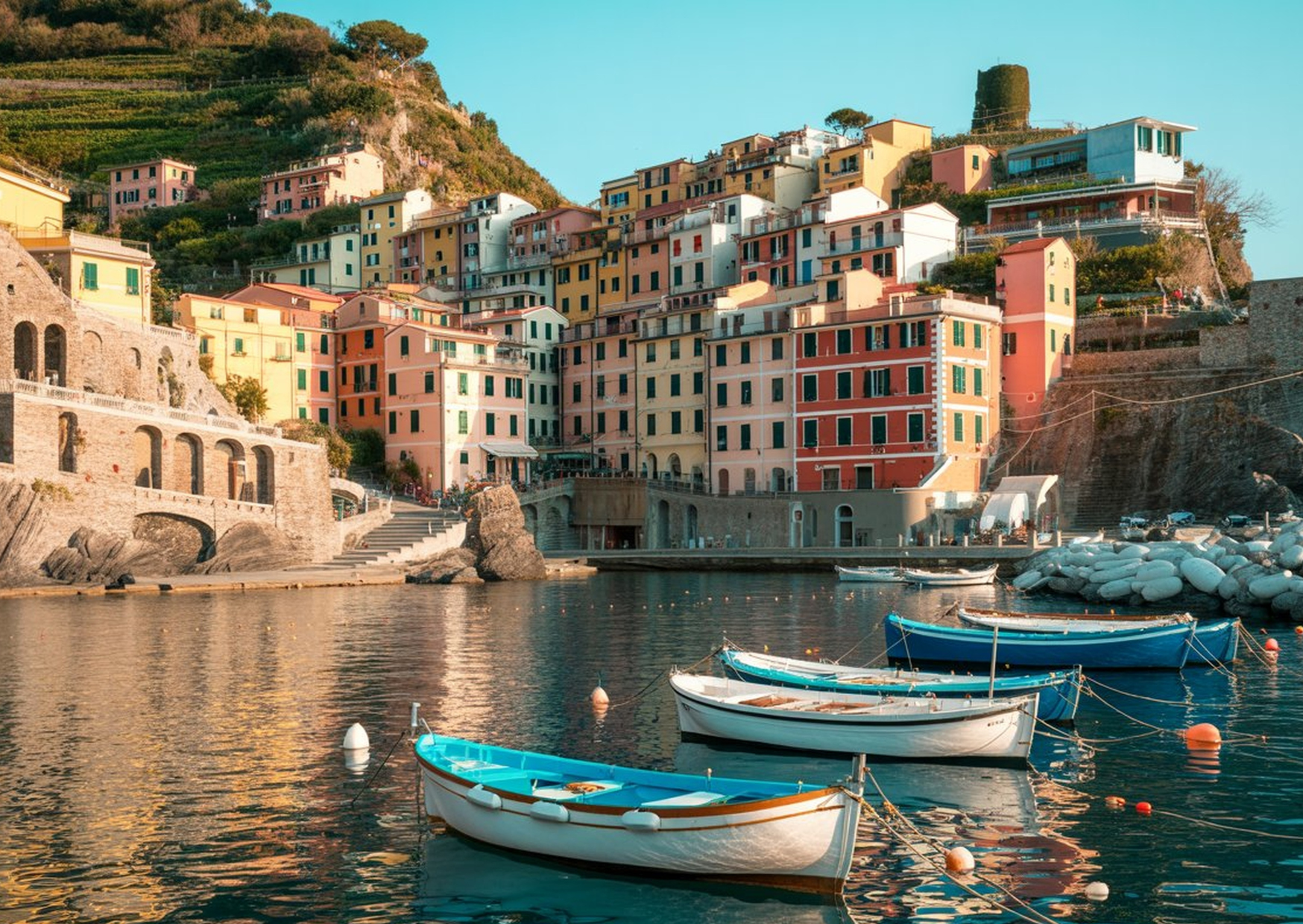
The Elective Residence Visa is a national long stay visa for non EU citizens who want to live in Italy without working. Consulates describe it plainly, it is for applicants with high self sustaining income and financial assets who intend to move permanently, and it does not allow the recipient to work.
Why is it lesser known? It is not marketed like the investor route. There is no headline investment. The requirements sit on consulate pages, with small print about income sources, housing paperwork, and insurance. People miss it because they are hunting for “digital nomad,” “self employment,” or “golden visa,” and the wording “elective residence” sounds like a retirement niche. In practice, many successful applicants are retirees and financially independent families, but not only retirees.
If your lifestyle already runs on dividends, rental income, pensions, or annuities, this visa is deliberately simple, no capital lockup and a clear expectation that you will actually live in Italy. After arrival, you apply for a residence permit within eight days at the Questura, the local police office, just like other long stay categories.
2) The Numbers, Side By Side With The Golden Visa
Here is how the math compares as of September 2025.
For the Elective Residence Visa, most consulates still point to about €31,000 per year in documented passive income for a single applicant, higher for couples and families. The Boston consulate lists “circa €31,000 yearly per applicant,” and other official checklists echo the same floor while stressing passive sources, not salary. Expect the bar to be applied conservatively above the minimum.
For the Golden Visa (Investor Visa for Italy), the government’s program sets investment choices, €2,000,000 in Italian government bonds, €500,000 in an Italian company, €250,000 in an innovative startup, or €1,000,000 as a philanthropic donation. There is also a formal nulla osta process before the visa, handled by the Investor Visa for Italy committee. This is a great fit for some investors, but the entry ticket is a large capital commitment.
If your goal is residence without employment, and you already have documented passive income, the elective route is usually the lighter lift. No fixed capital investment, but a steady, provable income stream, suitable housing, insurance, and a genuine intention to reside.
3) Who Qualifies, And What Counts As Income
Consulates emphasize stable, recurring income that is not tied to employment. Typical examples are pensions, annuities, property rental income, dividends, and returns on investments. Salary does not qualify, because the status bans work. Law firms and guides that specialize in this category repeat the same message, you must support yourself without working in Italy. For couples, the common pattern is roughly €38,000 to €40,000 combined, with increments for dependents, though each post may set its own bar.
Three cautions help applicants clear the bar. First, show history, not just a one month snapshot. Provide previous year tax returns, several months of bank and brokerage statements, and documents that tie deposits to their sources. Second, separate passive from active income in your presentation. Third, keep in mind that consulates will read “remote work” as work, even if the employer is abroad, which is not allowed on this visa. Official guidance is unambiguous that the visa “does not allow the recipient to work.”
Family members can be included if the family income supports them. Many practitioners note a spouse can accompany the main applicant when the income threshold is met for the household. The principle is simple, Italy wants residents who will not seek employment or rely on local welfare.
4) The Practical Playbook, From Consulate To Keys In Hand

Think of the process in four stages, prepare, apply, enter, settle.
Prepare. Secure housing first, a registered long term lease or property deed in Italy. Consulates specify what they accept. Short term bookings are not accepted. Buy private health insurance that covers all medical expenses for the first year. Pull together financial records that show stable passive income above your consulate’s floor. If you are applying from the United States, many consulates require an FBI background check, apostilled and translated. Check your post’s checklist before you book your appointment.
Apply. Book with the consulate that has jurisdiction over your legal residence. Bring the long stay visa application, photo, passport, housing proof, insurance, financials, background check where required, and the fee. Some consulates indicate processing can take up to 90 days. You will leave your passport if the visa is approved.
Enter. Travel to Italy within the validity window on the visa. Within eight days of arrival, apply for your permesso di soggiorno at the Questura. Keep copies of everything and your receipts. The first permit is typically issued for one year.
Settle. Register your local address with the comune, open utilities, and keep your insurance current. Plan for renewal well before the expiry date. Renewals look at the same pillars, income, housing, insurance, and genuine residence. If you maintain continuous legal residence for five years, you can apply for the EU long term residence permit. After ten years of legal residence, you can pursue citizenship by naturalization if you meet the other legal criteria.
5) Paperwork That Trips People Up, And How To Avoid It

Three weak spots cause most refusals.
First, housing that is not acceptable. Many posts require either a property deed or a registered lease. A booking confirmation is not enough. Make sure your lease is long term, properly registered, and shows your name. Paris and other posts spell this out in their lists.
Second, income that looks like work. A consultancy contract or a stream of invoices will be read as employment or self employment. If you plan to keep working remotely, Italy has a separate Digital Nomad or Remote Worker visa with its own criteria. The elective route is for passive income. Consulate language is clear that the visa does not allow work.
Third, insurance that does not meet scope. Posts often require private health insurance that covers one hundred percent of medical expenses for the full first year. Policies with reimbursement caps or limited territory get rejected. Verify coverage letters carefully before your appointment.
Two more practical points. Some consulates now ask for an FBI background check with fingerprints for U.S. applicants, which requires lead time for the apostille. Do not guess, read your consulate’s current checklist. Finally, expect the income threshold to be treated as a floor, not a target. Submitting well above the minimum, with clean documentation, raises approval odds.
6) The Digital Nomad Option, And Why It Is Different

Italy also created a Digital Nomad or Remote Worker visa in April 2024. It is meant for highly skilled freelancers and employees who work for clients or employers outside Italy. It is a work based status, which is why its money test is framed differently from passive income. As of 2024, consulates described the minimum lawful income as at least €24,789 per year, tied to healthcare thresholds, and many summaries round that figure to about €28,000. It also requires six months of relevant experience, insurance, a clean record, and accommodation. If you want to keep working, look at that category instead. If you want to live on passive income, stick with Elective Residence.
The key is to align your documents with the right story. Presenting remote work contracts to an elective residence desk invites a refusal. Presenting passive income streams to a digital nomad desk will not fit either. Choose the lane that matches your life and document accordingly.
7) Golden Visa Reality Check, And Why Elective Wins For Many
For some investors, the Investor Visa for Italy is perfect. It gives a clear legal base tied to a significant Italian investment, with a well defined pre approval process. The investment menu is public and unchanged in 2025, €2,000,000 in government bonds, €500,000 in a company, €250,000 in an innovative startup, or €1,000,000 as a philanthropic donation. If your strategy includes investing in Italy anyway, it can be elegant.
But if your goal is to live in Italy without managing a new investment on top, the elective residence route demands no new capital, only proof that your existing passive income can support you. Many families find that simpler and more aligned with their financial plan.
Both paths can lead toward permanence if you truly settle. Long term residents can apply for the EU long term permit after five years of continuous legal stay. Naturalization by residency is a ten year path for non EU nationals. The difference is how you qualify at the start, income versus investment.
8) Costs, Timelines, And What Life Admin Looks Like After Arrival
Plan a budget for consular fees, translations, apostilles, and insurance. The premium is the housing commitment, a registered lease or purchase. Processing times vary by post, and several consulates state that decisions can take up to 90 days. Build that into your planning window so you can enter before your lease start date.
On arrival, the first weeks have three tasks. File for your permesso di soggiorno within eight days, enroll with your comune at your Italian address, and set reminders for renewal well before expiry. Keep your insurance continuous for the first year. If you later qualify for the national health service, seek local guidance, since some elective residents choose to continue private coverage for simplicity.
Two tax notes to keep you out of trouble. First, if you live in Italy more than 183 days in a calendar year, you are likely a tax resident under Italian rules, which triggers worldwide income taxation. Second, Italy offers special regimes for new residents in specific cases, such as flat tax options on foreign income, which may or may not make sense for you. Speak with a qualified advisor before you move funds or change residency. This is general information, not tax advice.
9) What This Means For You
If you are financially independent and do not need to work, the Elective Residence Visa is Italy’s most accessible long stay door. It rewards people who can document passive income, set up a real home, and commit to living in the country. It asks for organization, not a seven figure wire. If you are still working and want Italy on your calendar, the Digital Nomad or Remote Worker visa may be the cleaner fit. If you are an investor with strategic reasons to place capital in Italy, the Investor Visa belongs on your list.
Pick the lane that matches your life, build your file around that story, and give yourself enough runway for the housing, insurance, background checks, and appointment lead times. The payoff is a legal, renewable foothold in Italy that can mature into permanence if you build a life there.
Final Thoughts
The Italian Elective Residence Visa isn’t a loophole or a shortcut it’s a legitimate pathway designed for a specific lifestyle. Its quiet reputation doesn’t reflect its value, only how rarely it’s discussed.
Many people assume moving to Italy requires either extreme wealth or complex bureaucracy. This visa challenges that assumption by offering a middle ground built on self-reliance rather than investment.
Like any residency process, it requires patience, organization, and realistic expectations. But for the right person, it’s far more attainable than widely promoted alternatives.
Knowing this option exists empowers people to plan differently. Instead of chasing flashy programs, they can choose a route that aligns with how they actually want to live. Sometimes the best opportunities aren’t hidden they’re simply not advertised.

About the Author: Ruben, co-founder of Gamintraveler.com since 2014, is a seasoned traveler from Spain who has explored over 100 countries since 2009. Known for his extensive travel adventures across South America, Europe, the US, Australia, New Zealand, Asia, and Africa, Ruben combines his passion for adventurous yet sustainable living with his love for cycling, highlighted by his remarkable 5-month bicycle journey from Spain to Norway. He currently resides in Spain, where he continues sharing his travel experiences with his partner, Rachel, and their son, Han.