
I asked for a cappuccino at 2:17 p.m. The barista paused, the regulars looked up, and the room held its breath. Ten seconds later, I understood why Rome treats milk after noon as a different drink entirely, and how to order coffee here without turning the café into a theater.
It was a bright weekday, the kind that makes the marble look cleaner than usual and the newspapers seem more serious.
I wanted comfort. I ordered a cappuccino.
The barista blinked. Someone at the counter muttered “dopo pranzo.” The cashier, kind but firm, suggested un caffè. It was not rudeness. It was etiquette colliding with habit. In Rome, milk is morning. Afternoon is espresso, or at most a small stain of milk. What Americans read as “preference,” Romans hear as digestion, craft, and time of day.
You can drink whatever you like. You will enjoy it more if you understand the rules of the room and the words that fit those rules. Below is the translator’s guide: what “no milk after noon” actually means, how cappuccino is defined in Italy, why the price changes at the counter versus the table, how specialty cafés are bending the old code, and the exact phrases that get you the cup you want without the silent opera.
Want More Deep Dives into Other Cultures?
– 9 Italian Style Rules That Instantly Outshine American Fashion
– Why Europeans Walk Everywhere (And Americans Should Too)
– How Europeans Actually Afford Living in Cities Without Six-Figure Salaries
– 9 ‘Luxury’ Items in America That Europeans Consider Basic Necessities
Quick and Easy Tips
Order cappuccino only in the morning, typically before 11 a.m., when milk-based coffee is considered appropriate.
After lunch, switch to espresso, macchiato, or caffè lungo, which align with Italian digestive habits.
If you want milk later in the day, ordering a macchiato is a quieter, more culturally accepted compromise.
Many Americans assume the cappuccino rule is about snobbery or rigid tradition. In reality, it’s rooted in digestion. Italians believe milk later in the day is heavy and interferes with meals, especially lunch and dinner.
Another misunderstood point is choice versus respect. Italians know tourists can order whatever they want. The silence comes not from offense, but surprise like watching someone wear winter boots to the beach. It’s unexpected, not illegal.
What makes this topic controversial is that it challenges the idea that customer preference always comes first. In Italy, food culture isn’t built around customization, but shared understanding. Ordering against that rhythm doesn’t cause outrage it simply signals that you’re playing by a different cultural rulebook.
The Rule You Tripped, And What Romans Think You Meant
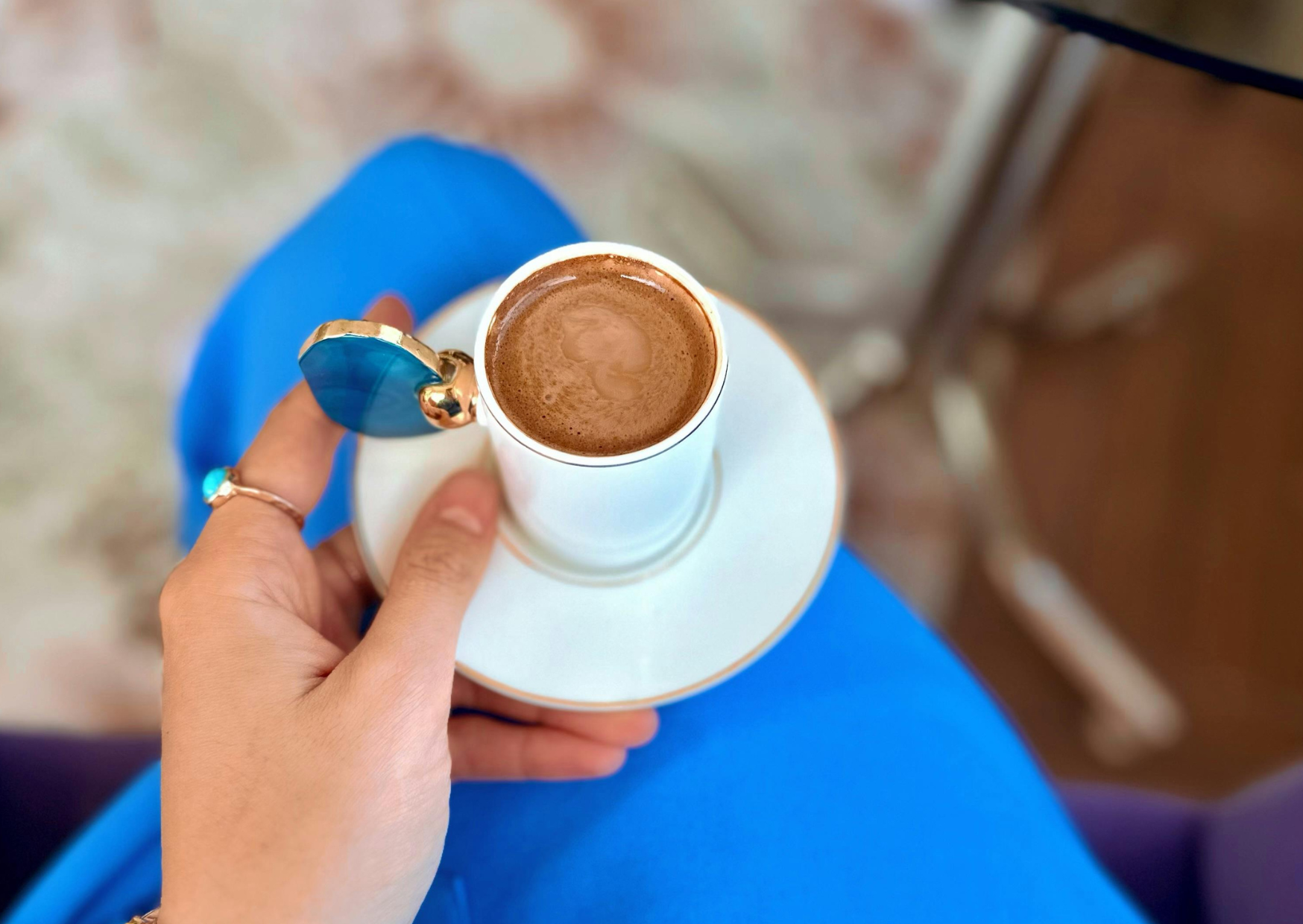
The unwritten code is simple: milk-forward drinks live in the morning. After lunch, locals shift to espresso or to espresso with a trace of milk. Ask for cappuccino in the afternoon and the room assumes one of three things: you just landed, you ate nothing at lunch, or you are about to have a rough nap.
The why is cultural more than medical. Many Italians believe milk after a meal sits heavy and slows you down; dessert is for later, coffee is for now. A cappuccino is breakfast: coffee, milk, foam, sometimes a cornetto. After lunch, a cappuccino reads as childhood or tourist. That is why staff will gently redirect you to a caffè (espresso), a macchiato (espresso “stained” with a teaspoon of foam), or a marocchino (tiny, cocoa-dusted, still mostly espresso). They are not gatekeeping. They are keeping the room in its lane. Morning equals milk, afternoon equals coffee, digestion drives the script.
There is also a practical layer. Italian bars are built for speed. Workers step in, order, drink, step out. Milk drinks take seconds longer, foam collapses fast, and the bar runs on rhythm. At noon plus one, the machine shifts to tiny cups, tiny checks, and a line that never stops. A cappuccino at 2 p.m. is not sinful. It is off-beat.
What A Real Cappuccino Is Here, And Why Size Matters
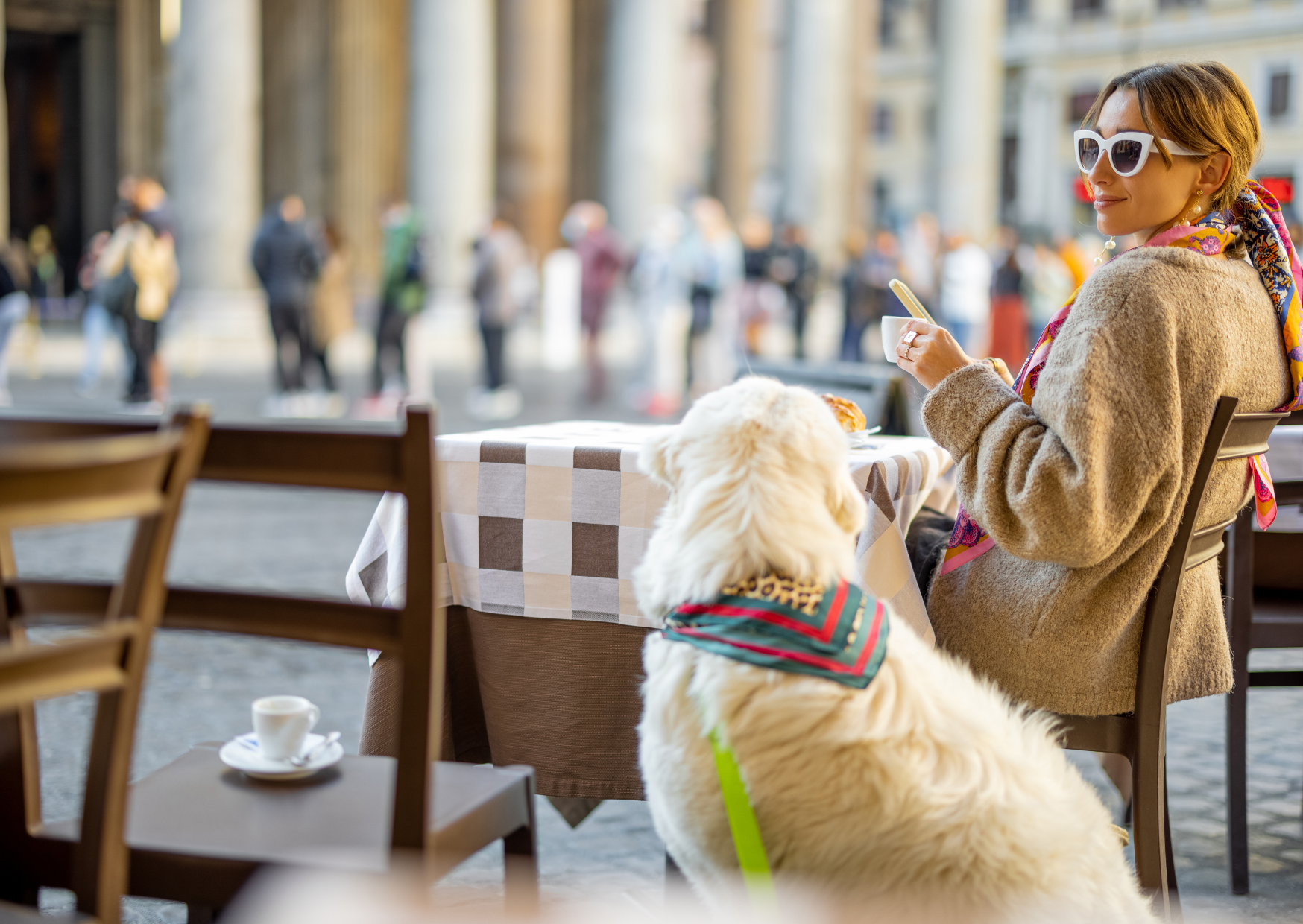
In Italy, a cappuccino is not a “style.” It is a ratio. The Istituto Espresso Italiano’s certified formula is 25 ml espresso topped with about 100 ml of steamed, foamed milk. The cup is small by U.S. standards, about 150 to 180 ml. The foam is glossy, the milk is sweet from proper steaming, and the drink reads as one warm thing, not layers. Defined ratio, small cup, no flavors, no cinnamon blizzard.
This precision explains two common surprises. First, if you ask for a 16-ounce cappuccino, you will not get one. You will get a latte-like drink because otherwise the ratio would demand multiple shots. Second, if you ask for extra hot or bone dry, the bar may shrug; the recipe is codified, not a canvas. In Rome, craft is repeatability. You will taste that most clearly before 11.
Specialty cafés complicate the picture by offering modern variations and alternative milks all day. Rome now has third-wave spots that happily pull cappuccinos at 4 p.m. and pour tulips on top. But step into a classic bar in a residential neighborhood at that hour, and you are in the old code. Know which room you are in. Trad bars follow the ratio and the clock, specialty bars bend both.
Prices, The Counter, And Why Your Bill Doubled At The Table
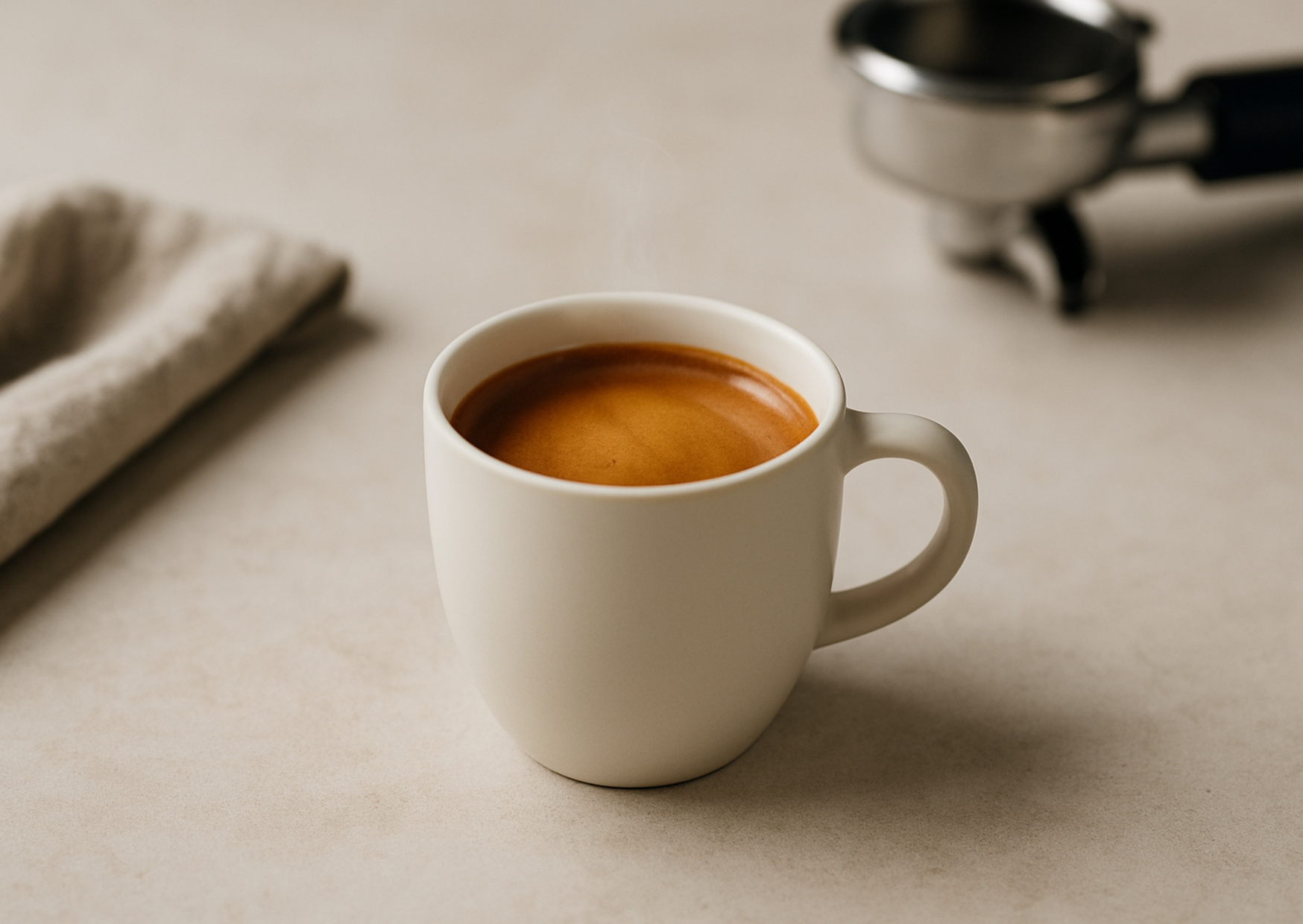
The second shock for Americans is the price jump when you sit. Italian cafés run on a two-tier system: al banco (standing at the counter) and al tavolo (table service). At the bar, prices are low and fixed so the city’s pulse keeps moving. At a table, the price is higher because someone serves you, clears you, and you occupy a seat. Both price lists must be posted. This is not a scam when printed; it is the law’s way of separating a quick bar from a mini-restaurant moment. Stand and save, sit and spend, both must be listed.
A third micro-rule trips visitors: some Roman bars want you to pay first at the cashier, then slide the scontrino (receipt) to the barista. Others bill you after. Watch the regulars or ask, “Si paga prima o dopo.” You will look instantly local. Ticket first in some bars, tab after in others; the receipt is the passport.
The Afternoon Menu That Actually Fits The Room
If you truly want milk after noon, you can have it. But if what you want is a gentler coffee with the feel of a cappuccino without the social friction, order one of these and watch the café relax.
Caffè macchiato. Espresso “stained” with a spoon of foam. It delivers crema, a whisper of sweetness, and no belly bomb. Order it caldo if you like it a touch hotter. This is the most afternoon-proof compromise.
Marocchino. A tiny glass with cocoa on the bottom, espresso, and a bit of foam. It is still mostly coffee but reads like a treat. Perfect at 3 p.m. if your sweet tooth is loud.
Caffè shakerato or caffè freddo in hot weather. Shaken over ice with sugar or simple syrup, or pulled and chilled. Both are standard summer orders that offend no one at any hour.
Latte macchiato if you really want milk more than coffee. It is a glass of warm milk “stained” with espresso. Ask for it and you are telling the bar you mean milk forward on purpose. Do not just say “latte.” In Italy that is milk. You will get a glass of it, cold.
Un caffè corretto if you are leaning evening. An espresso “corrected” with a splash of grappa or sambuca. It is not milk, but it is the locals’ way of saying the clock has moved.
These choices solve the cultural problem and keep the texture you wanted. You will also finish in two minutes and feel completely in rhythm with the room.
Scripts That Prevent The Silence
Half of café life is choreography. The other half is phrasing. Use these short lines and you will get what you want with a nod instead of a pause.
You want a cappuccino, but you want to be polite.
“Capito, però oggi preferisco un cappuccino, per favore.”
I get it, but today I’d prefer a cappuccino, please.
You want something milkish but lighter.
“Un macchiato caldo, grazie.”
A hot macchiato, please.
You want it stronger, still small.
“Un macchiato, poco latte.”
A macchiato with just a touch of milk.
You want milk and you are owning it.
“Un latte macchiato, grazie.”
A milk-forward drink “stained” with espresso.
You want to sit, and you accept the price.
“Ci sediamo, al tavolo, per favore.”
We’ll sit at a table, please.
(Expect the table price. It will be on the list.)
You are unsure about paying order.
“Si paga prima o dopo.”
Do we pay before or after.
Two extra moves help: place cash and receipt where the barista can see them, and drink at the bar unless you explicitly ask for al tavolo. The ritual is the point. The coffee is the souvenir.
Why The Room Reacts: Digestion, Craft, And The Workday Cadence
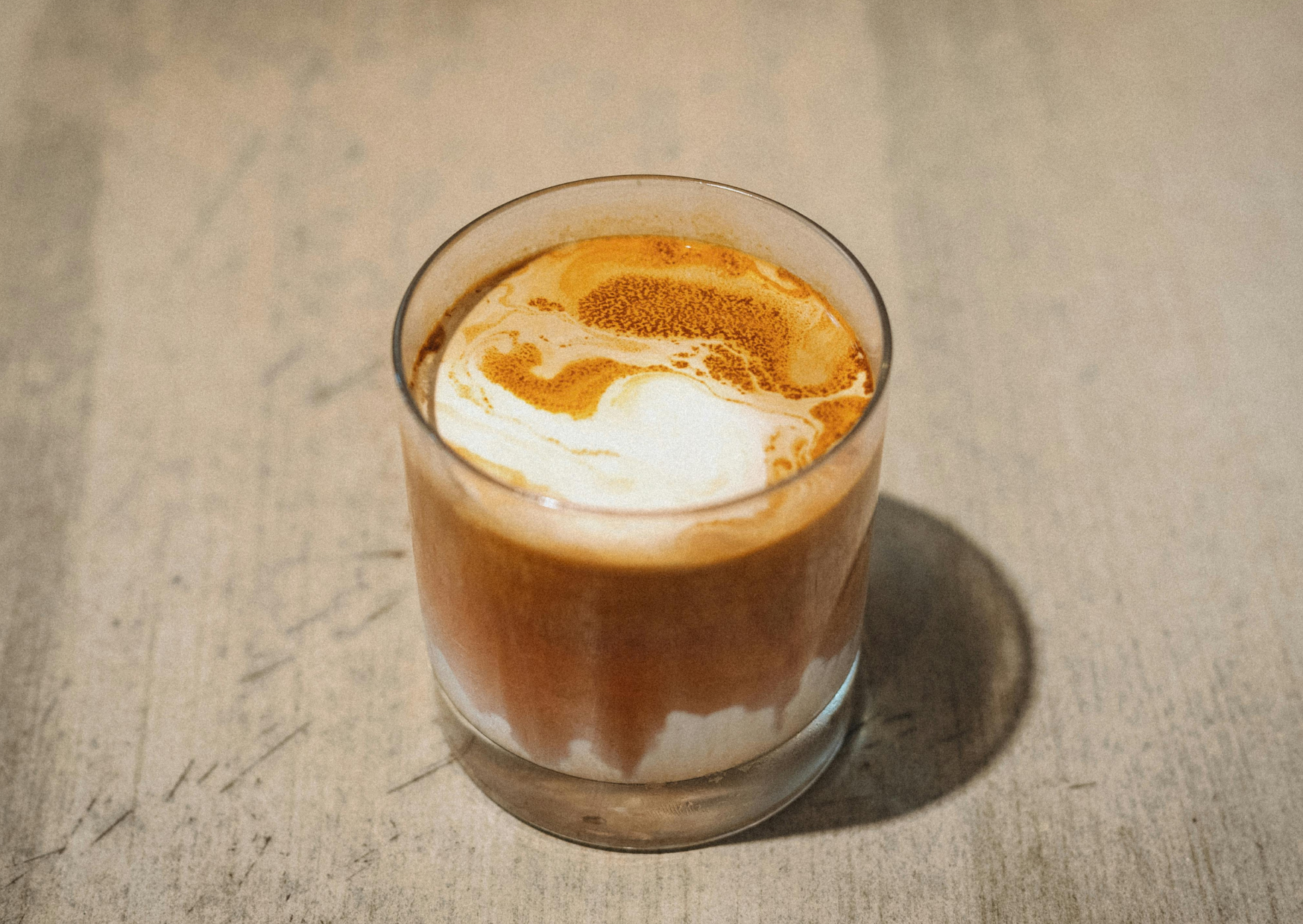
The late-milk taboo is folklore dressed as health advice. Doctors will tell you that milk does not “block” digestion. Romans will tell you they feel better when the coffee after lunch is small and black. Both can be true. Milk is filling. Lunch here leans savory and structured. People go back to work. The espresso cuts through. The cappuccino invites a nap. Comfort versus clarity is the choice the room hears you making.
There is also the craft pride. An à regola d’arte cappuccino is a breakfast achievement: tight foam, sweet milk, a clean 25 ml shot, a cup that stays warm long enough to finish a cornetto. After lunch, the test switches to cupping a straight shot with the crema intact, or mastering a shakerato that pours like silk. You are not just ordering a beverage; you are asking the bar to switch gears.
Rome’s workday reinforces all of this. Mornings are a bar ballet: click, tamp, pull, steam, swipe, repeat. Afternoons are espresso lanes with a few macchiati and a social mix of quick chats and headlines. A milk order after noon is like asking for breakfast at a pizzeria at 10 p.m. Sure, someone can make you an omelet. But that is not why you came here.
The New Reality: Specialty Cafés And Touristy Zones Are Loosening The Code
All of the above is true. So is this: Rome in 2025 has a small but real specialty-coffee scene, and it runs on a different clock. These cafés pour cappuccinos all day, serve alternative milks, and treat coffee like wine tasting: origins, roasts, pour-overs, tasting notes. If you crave a midafternoon cappuccino with oat milk and latte art, go to a third-wave bar. You will get a smile, not a pause. Room matters as much as rules.
Tourist-heavy areas near the big sights are also more flexible. The staff there have learned that scolding visitors is bad for business. You might get your cappuccino after lunch without a word. You will also likely pay table prices even if you hover, and the drink will be built to global expectations rather than the IEI ratio. Decide what you want: purist or easy. Rome offers both.
How To Read The Price Board Like A Local
The chalkboard or printed sheet near the bar is your friend. Here is how to scan it in three seconds.
Al banco: Look for caffè at a low fixed price. That tells you you’re reading the counter list. Cappuccino will be higher than espresso. Prices here are for standing and are usually very reasonable.
Al tavolo: There will be a separate column or sheet with higher prices. This is not a surprise charge if posted; it is the law’s way of signaling service. Ask “al banco o al tavolo” if you are unsure, and point to the board if in doubt. Posted equals legit, printed equals enforceable, you choose the tier.
If the bar runs a pay-first system, you will see a small cassa with a line for tickets. If there is no cashier, you pay the barista after. When in doubt, watch the person in front of you once, then do exactly that.
The Mini Field Guide To Italian Coffee Names You’ll Actually Use
You do not need a glossary the size of a menu. You need six words that map to the way Romans drink.
Caffè: A single espresso. If you say nothing else, this is what arrives.
Doppio: A double. Stronger, longer; perfect when the afternoon is a hill.
Macchiato: Espresso with a spoon of foam. Afternoon-friendly milk.
Cappuccino: Espresso with steamed milk and foam. Morning drink by default. Defined ratio in Italy.
Marocchino: Small, sweet-leaning, cocoa-kissed espresso. A tiny treat.
Latte macchiato: Warm milk “stained” with espresso. Ask for this if you truly want more milk than coffee. Do not say just “latte,” or you will get milk.
That is all you need to stay in rhythm all day.
A Two-Day Reset That Teaches Your Mouth The Local Clock
If you want to feel the culture rather than fight it, try this simple reset the next time you are in Rome.
Day 1
- 08:30: Cappuccino al banco with a cornetto. Watch the line work and mimic it.
- 12:30: After lunch, ask for un caffè. Stand. Two sips, done.
- 15:30: Macchiato or marocchino. See how it scratches the itch for foam without the nap.
- 17:00: Walk by a specialty café. If you crave a cappuccino, get one there and notice how the vibe differs.
Day 2
- 09:00: Cappuccino again, this time al tavolo. Compare the price and the pace.
- 14:00: Try a caffè shakerato if it is hot; freddo if you prefer it simple.
- After dinner: Un caffè only. Notice how you sleep when evening coffee is small and straight.
By the end you will have tasted the why behind the rule, not just the rule. You may still want a cappuccino at 2:17 p.m. But you will know which door to walk through and what to say when you get there.
What This Means For You

Rome is not policing your cup. It is protecting a rhythm. If you step into a classic bar, you are stepping into a dance built on speed, small cups, and a morning love affair with milk that ends before the lunch plates are cleared. Respect the room and the room gives you its best. Order cappuccino in the morning and espresso or macchiato after. If you truly want milk in the afternoon, ask for a latte macchiato or find a specialty café and relax. Read the price board, choose bar or table on purpose, and follow the ticket ritual when it exists.
Do that and no one goes silent when you speak. The barista smiles, the regulars go back to their newspapers, and you get what you came for: a small cup that tastes exactly like the city around it.
What made the moment so striking wasn’t embarrassment, but realization. The silence in the café wasn’t judgmental; it was cultural. Italians weren’t offended by the cappuccino itself, but by what it represented—a misunderstanding of how food and drink fit into the rhythm of the day.
This experience highlights how deeply ingrained food customs are in Italy. Coffee isn’t just a beverage choice; it’s tied to digestion, timing, and tradition. When those unwritten rules are broken, it stands out in a way tourists rarely anticipate.
The takeaway isn’t that visitors must follow every local rule perfectly. It’s that small choices, like when and how you order coffee, can instantly mark you as someone who understands the culture—or someone who doesn’t.

About the Author: Ruben, co-founder of Gamintraveler.com since 2014, is a seasoned traveler from Spain who has explored over 100 countries since 2009. Known for his extensive travel adventures across South America, Europe, the US, Australia, New Zealand, Asia, and Africa, Ruben combines his passion for adventurous yet sustainable living with his love for cycling, highlighted by his remarkable 5-month bicycle journey from Spain to Norway. He currently resides in Spain, where he continues sharing his travel experiences with his partner, Rachel, and their son, Han.