
In Spain, cheap food is smart food. As of December 2025, a week’s worth of lentils, chickpeas, rice, sardines, eggs, vegetables, fruit, and olive oil can still be bought for about €12 per person. The same foods line up almost exactly with the Mediterranean diet—the eating pattern that lowers heart disease and diabetes risk. Americans, meanwhile, spend thousands per year managing those conditions with prescriptions and hospital bills. Here is the history, the math, the science, the recipes, and how to adapt this €12 model wherever you shop.
The Grocery Store Divide
Picture two carts.
In a Madrid Mercadona, a family loads a kilo of lentils, chickpeas, rice, eggs, sardines, seasonal vegetables, and a five-liter tin of olive oil. Their receipt: €48 for four people for the week.
In an Ohio Costco, a family with $52—the same money—walks out with frozen pizzas, soda, chips, and a tray of chicken breasts. Calories, yes. Nutrients, not much.
Spain’s cesta básica proves that cheap food can be protective. America’s default cart shows how cheap food often drives disease.
Quick and Easy Tips
Shop seasonal produce and local staples rather than imported or packaged foods marketed as “healthy.”
Build meals around legumes, vegetables, and grains, using meat more as a flavoring than a centerpiece.
Cook simple dishes repeatedly instead of constantly chasing variety through processed foods.
The most controversial idea is that health doesn’t have to be expensive. In the U.S., wellness is often framed as something you buy programs, products, and treatments rather than something you build daily through routine eating habits.
Another uncomfortable truth is that many American food systems prioritize convenience over nourishment. Highly processed foods are cheap upfront but costly over time, creating a cycle where people pay later to address issues that food quietly contributed to.
There’s also resistance to repetition. American culture values choice and abundance, while Spanish grocery habits embrace simplicity and routine. Eating similar foods weekly is often seen as restrictive, even though it supports stability and digestion.
What challenges people most is realizing that prevention doesn’t feel dramatic. It doesn’t come with before-and-after photos or bold promises. It looks like a modest grocery basket, consistent meals, and fewer problems down the line an approach that feels almost too simple to trust.
How Spain Learned to Stretch €12 Into Health
Spain’s low-cost eating culture didn’t emerge overnight. It’s the legacy of crises and adaptation.
- Post–Civil War (1940s–50s): Rationing forced families to stretch beans, rice, and bread. Olive oil was rationed, but legumes became a survival cornerstone.
- Supermarket boom (1980s): Chains like Mercadona and Lidl democratized bulk dry goods, making lentils and chickpeas household standards.
- 2008 financial crash: Families cut meat and leaned heavily on legumes, sardines, and olive oil. Old “crisis food” became normal again.
- 2020s inflation: While Americans panicked over grocery bills, Spaniards already had a model: cheap staples + seasonal produce.
The cultural outcome: resilience foods became health foods. The same habits that saved money became the same ones Mediterranean researchers now praise.
What €12 Actually Buys You
An updated 2025 basket looks like this:
- 1 kg dry lentils — €1.50
- 1 kg dry chickpeas — €1.80
- 1 kg rice — €1.20
- 500 g pasta — €0.80
- 10 eggs — €1.70
- 1 L milk — €0.95
- 1 L extra virgin olive oil — €4.50 (lasts ~3 weeks; ≈ €1.50 per week)
- 1 kg seasonal vegetables — €2.50
- 4 tins sardines in olive oil — €3.20
- 1 kg seasonal fruit — €2.20
≈ €12 per person per week.
This basket is not austere—it’s versatile. It yields hot stews, salads, omelets, soups, and even desserts.
Regional Baskets: Spain Is Not Monolithic
Andalusia
- Chickpeas dominate, cooked with spinach (garbanzos con espinacas).
- Olive oil is cheapest here, harvested locally.
- Oranges often fill the fruit slot.
Catalonia
- Rice features heavily (arròs a la cubana).
- Markets overflow with peppers, zucchini, and aubergine.
Galicia
- Conservas (tinned fish) are cultural. Mussels, sardines, and mackerel are staples.
- Beans and potatoes form the starch base.
Asturias
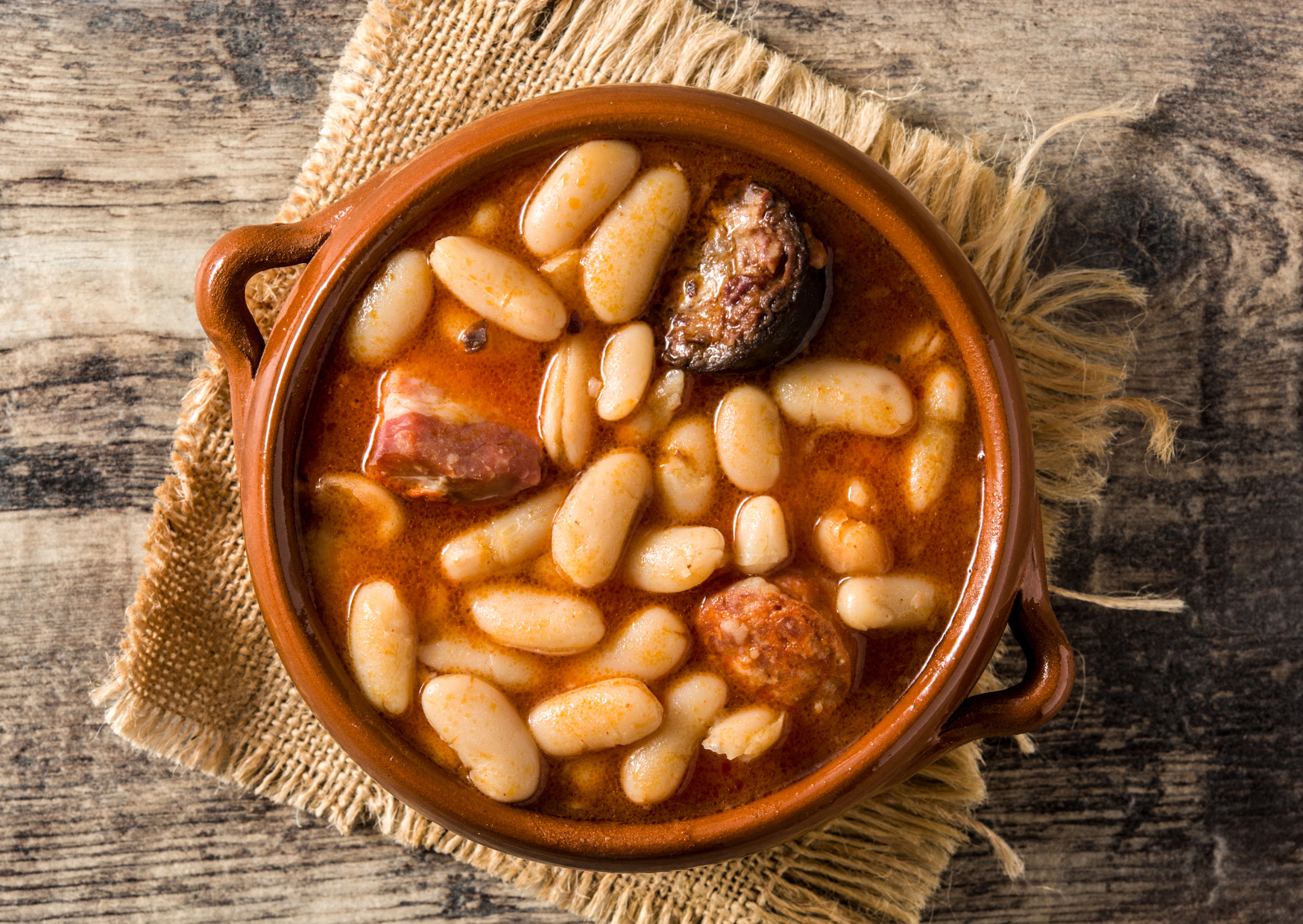
- Fabada asturiana is iconic. On lean weeks, families cook fabada pobre—beans with onion, paprika, and oil.
Across regions, the template holds: legumes + grains + seasonal produce + olive oil + preserved fish.
The Science: Why the Basket Prevents Chronic Disease
The €12 list maps almost exactly onto the evidence base.
Lentils & Chickpeas
- Lower LDL cholesterol through soluble fiber.
- Stabilize blood sugar via slow starch digestion.
- High in plant protein and iron.
Olive Oil
- Central to the PREDIMED trial (7,400 Spaniards, 5 years).
- Result: 30% reduction in major cardiovascular events for olive-oil-rich diets.
Sardines
- Omega-3 fatty acids lower inflammation and support heart rhythm stability.
- Bones supply calcium.
Eggs
- Affordable complete protein.
- Balanced by legumes, not replacing them.
Vegetables & Fruit
- Antioxidants reduce oxidative stress.
- Potassium regulates blood pressure.
Numbers that matter: Mediterranean-style diets reduce cardiovascular risk by 25–30%, type 2 diabetes incidence by ~20%, and all-cause mortality by ~10%. Those savings dwarf prescription costs.
Eight Recipes From €12
1. Lentejas Guisadas (Lentil Stew)
Lentils simmered with carrot, onion, paprika, and olive oil. Comfort food for €0.50 per serving.
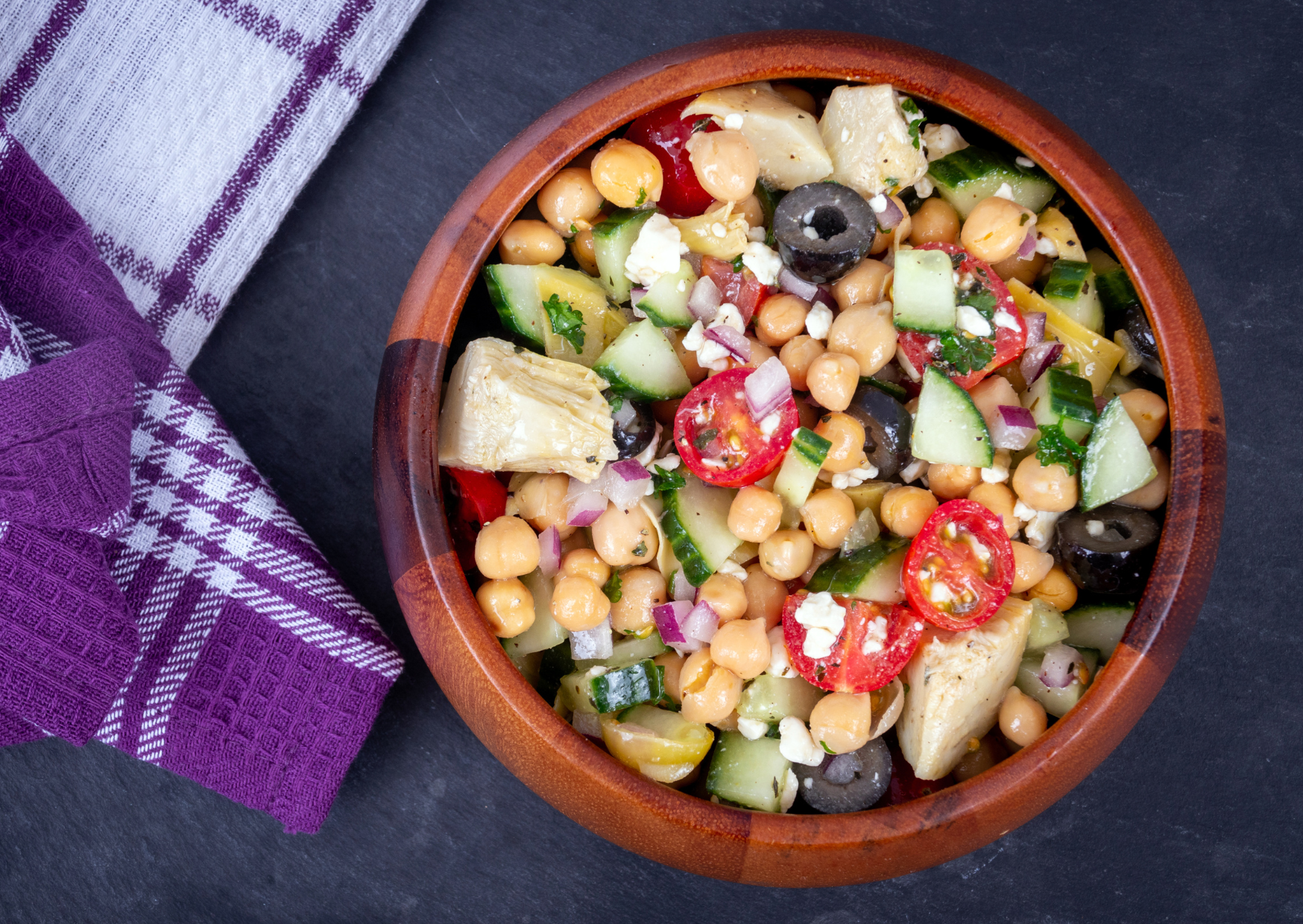
2. Chickpea Salad With Lemon
Cooked chickpeas tossed with tomato, onion, olive oil, and lemon. Served chilled.
3. Sardine Rice With Zucchini
Rice folded with tinned sardines and sautéed zucchini, seasoned with paprika.
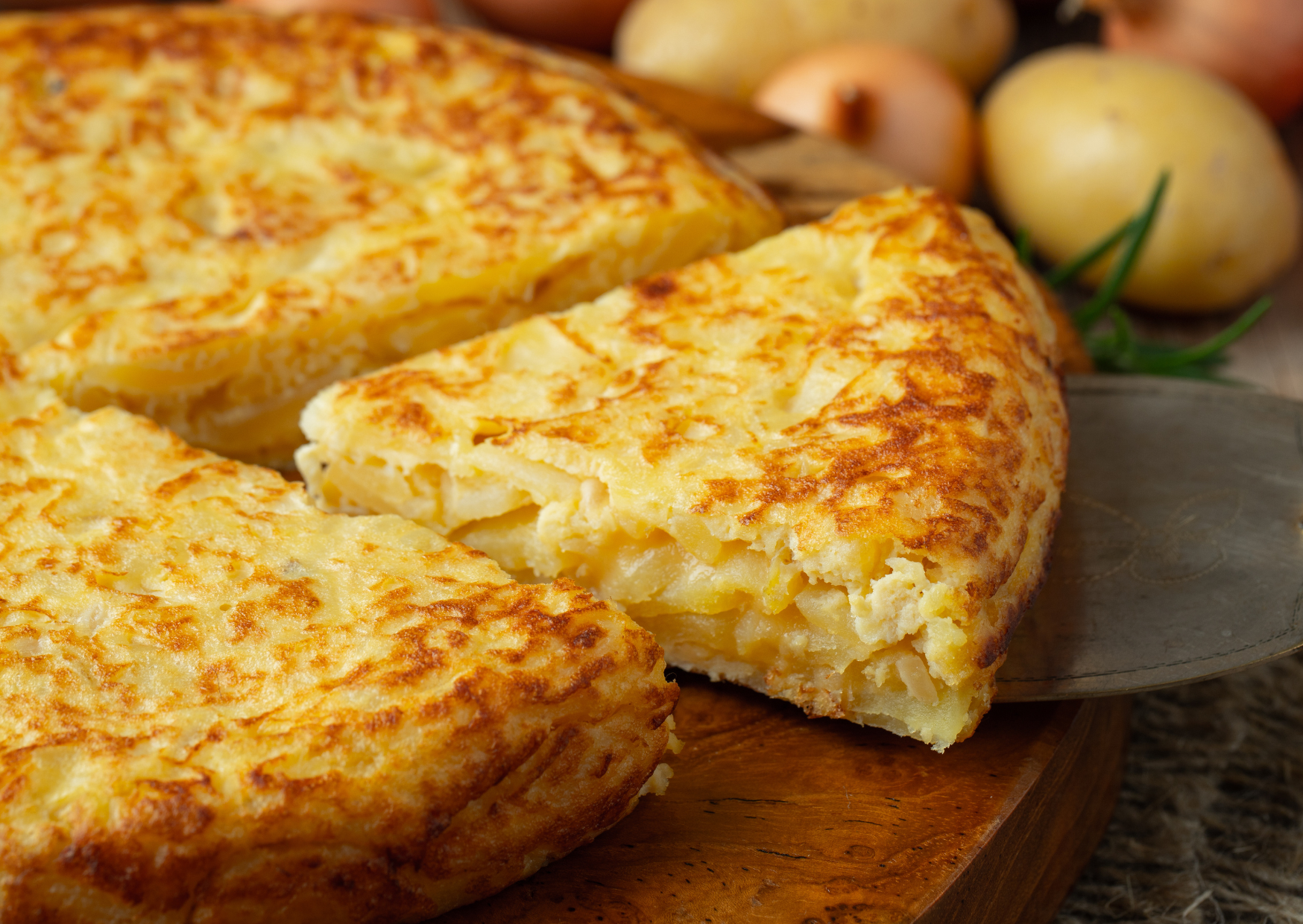
4. Tortilla Española
Eggs, potato, and onion cooked slowly in olive oil into a thick omelet.
5. Gazpacho Andaluz
Tomatoes, cucumber, garlic, and olive oil blended into a cold soup. Cheap, refreshing, nutrient-dense.
6. Fabada Pobre (Poor Man’s Bean Stew)
White beans simmered with onion, paprika, and oil. Filling, deeply flavored.
7. Arroz con Leche (Rice Pudding)
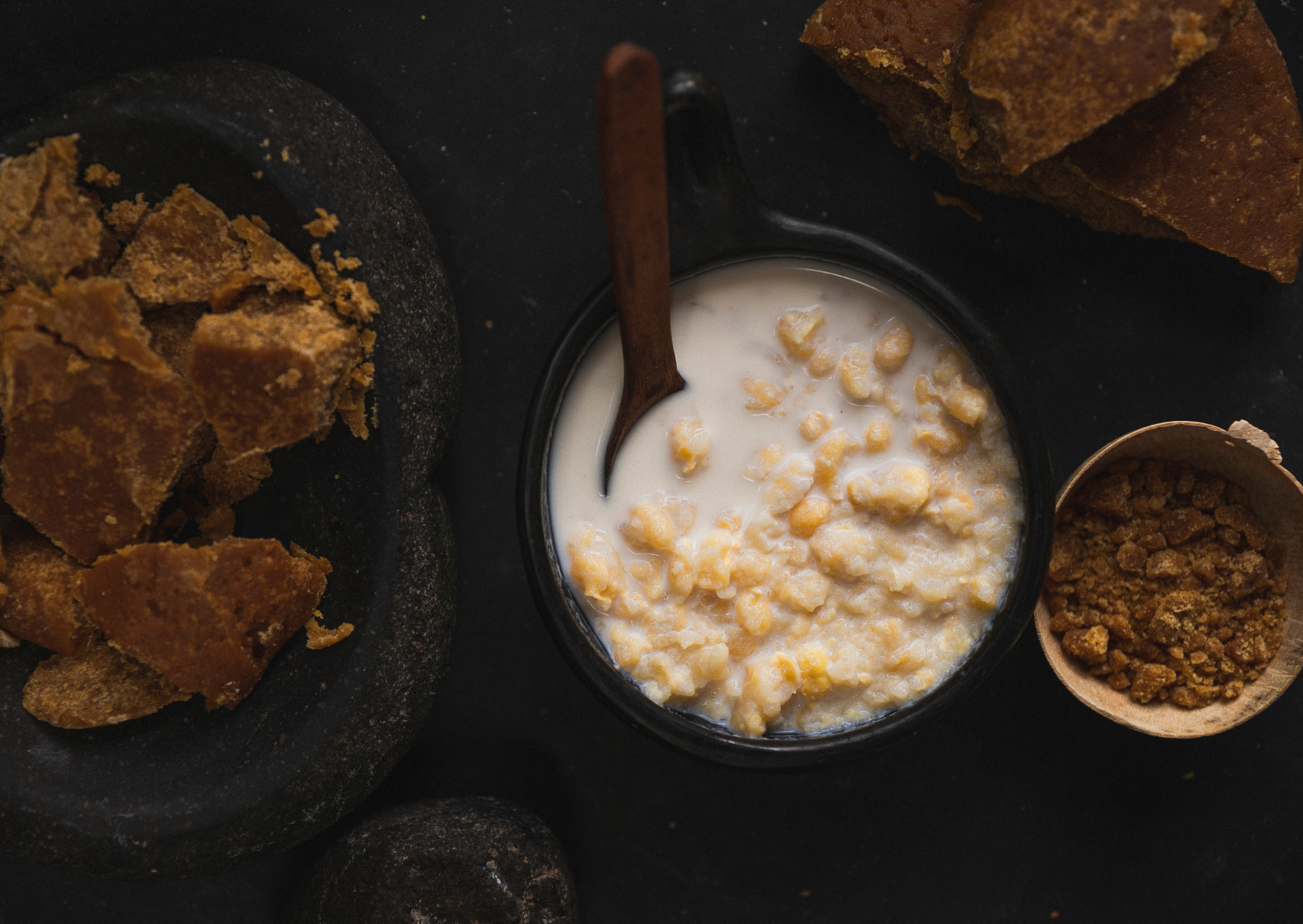
Rice, milk, sugar, lemon zest, and cinnamon boiled into a dessert for pennies.
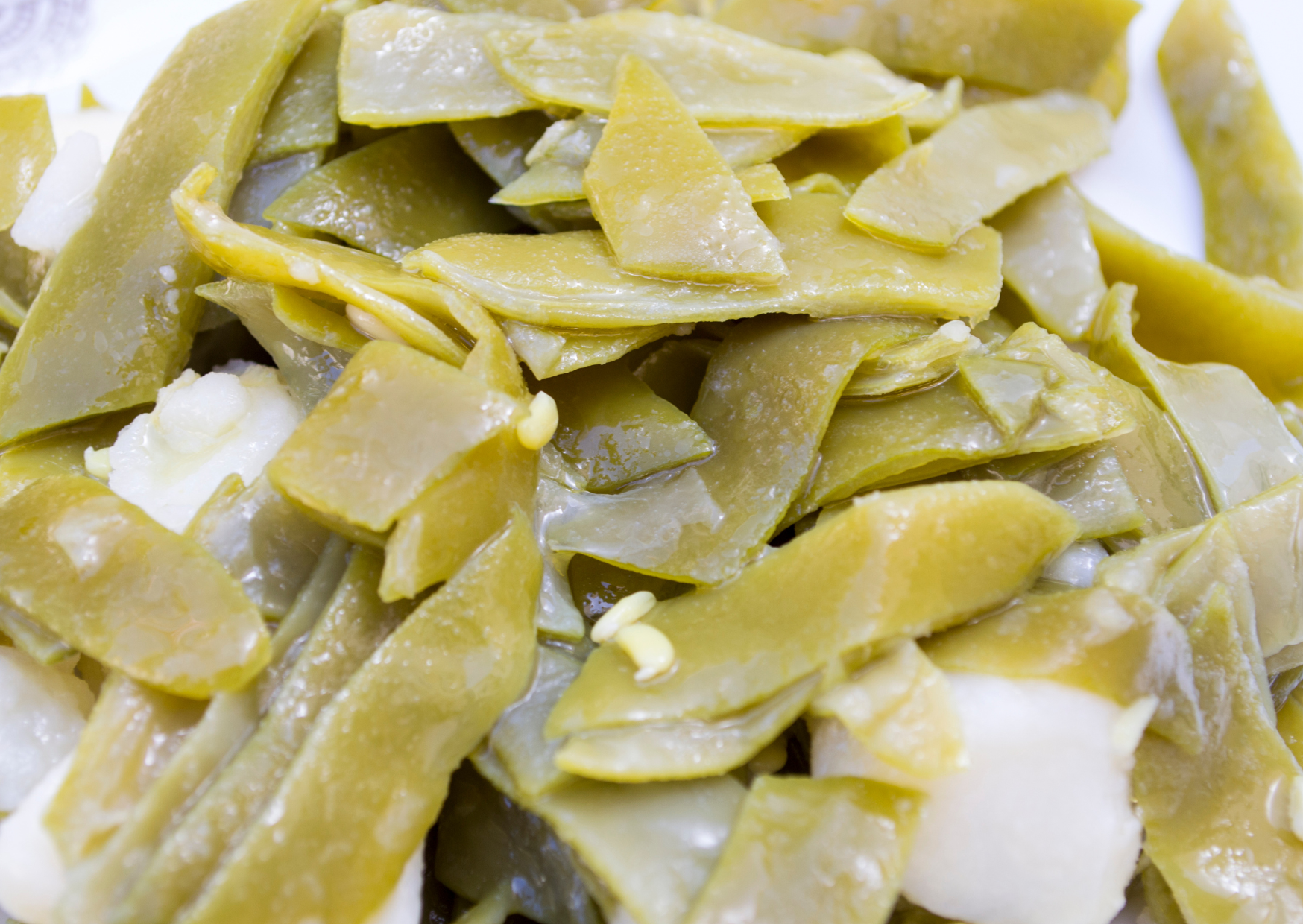
8. Ensalada de Judías Verdes (Green Bean Salad)
Boiled green beans and hard-boiled eggs dressed with olive oil and vinegar.
Each recipe ties to one or two staples, stretches portions, and makes the basket feel abundant.
U.S. Contrast: What $12 Buys
In a typical 2025 U.S. supermarket, $12 buys:
- 2 frozen pizzas
- 1 bag of chips
- 2 liters of soda
Calories: ~4,000. Protein: minimal. Fiber: nearly zero.
Spain’s €12 basket: ~14,000 calories, 400 g protein, 250 g fiber, abundant vitamins and minerals.
Same money. Different outcomes.
How Spaniards Stretch €12 Further
- Store brands: OCU finds private-label beans nutritionally identical to brands at half the price.
- Market produce: Local stalls undercut supermarkets on fruit and veg.
- Bulk oil: Families buy five-liter tins, dropping cost to ~€1 per person per week.
- Tin fish rotation: Sardines, tuna, mackerel—all in olive oil.
How Americans Can Adapt
1. Buy dried beans. At $2/lb, still one of the cheapest proteins in the U.S.
2. Trust sardines. Trader Joe’s and Aldi sell tins for under $2.
3. Switch oils. 3-liter olive oil tins cut cost per ounce.
4. Seasonal produce only. Cabbage in January, tomatoes in July.
5. Learn 2 legume dishes. Rotate lentil stew and chickpea salad weekly
Case Study: A Cleveland Household Tests the Basket
A four-person family normally spends $180 a week. Processed snacks, meat-heavy meals, soda.
Switching to Spanish basket logic: legumes, sardines, rice, olive oil, eggs, seasonal veg.
- New shop: $110 per week.
- Savings: $70/week = $3,640 per year.
- Nutrition: doubled fiber, halved saturated fat.
After 6 months: lower cholesterol, steady weight loss, less food waste.
Common Mistakes to Avoid
- Buying overpriced “Mediterranean” imports. A $6 can of chickpeas defeats the point.
- Skipping salt. Leads to bland legumes and diet failure.
- Believing olive oil is “too expensive.” Bulk cuts cost drastically.
- Overloading meat. The math breaks if meat dominates.
Seasonal Flexibility
- Spring: peas, strawberries, asparagus.
- Summer: tomatoes, cucumbers, melons.
- Autumn: squash, grapes, persimmons.
- Winter: cabbage, citrus, root vegetables.
Seasonal swaps keep costs down and nutrient density high.
When the Usual Rules Don’t Apply
Madrid café culture means some families spend more than €12. In Barcelona, dining out inflates budgets. But the €12 benchmark endures because dry goods and oil remain cheap everywhere.
In the U.S., regional variation is real. Beans may cost more in New England than Texas. Olive oil fluctuates by tariff. But the structure holds: legumes, grains, veg, oil, fish beat processed food every time.
What This Means for You
The €12 Spanish basket is not a trick. It’s the legacy of thrift that became the science of longevity. Americans cannot copy Spanish supermarket prices exactly. But they can copy the logic:
- Build meals around legumes and rice.
- Keep sardines and tuna tins on hand.
- Make olive oil the fat of choice.
- Buy seasonal produce, not forced imports.
- Treat eggs as versatile anchors, not main events.
Spain shows the cheapest cart can also be the healthiest. America shows the cheapest cart can become the costliest once medical bills arrive.
The choice is not abstract. It’s €12 now, or thousands later.
What makes this Spanish grocery list so powerful isn’t the price, but the philosophy behind it. Instead of chasing superfoods or supplements, it focuses on basic ingredients eaten consistently and prepared simply. The result is a diet that quietly supports the body rather than reacting to problems after they appear.
This approach highlights a major difference in how health is treated. In Spain, everyday food is seen as the first line of defense, not a reward or an afterthought. When meals are built around staples like legumes, vegetables, olive oil, and seasonal produce, long-term balance becomes normal rather than exceptional.
The low cost is not accidental. These foods are affordable because they are foundational, not trendy. They’ve remained staples for generations precisely because they work, both nutritionally and economically.
Ultimately, the list isn’t a miracle cure or a strict plan. It’s a reminder that prevention often looks boring, repetitive, and humble and that’s exactly why it’s effective.

About the Author: Ruben, co-founder of Gamintraveler.com since 2014, is a seasoned traveler from Spain who has explored over 100 countries since 2009. Known for his extensive travel adventures across South America, Europe, the US, Australia, New Zealand, Asia, and Africa, Ruben combines his passion for adventurous yet sustainable living with his love for cycling, highlighted by his remarkable 5-month bicycle journey from Spain to Norway. He currently resides in Spain, where he continues sharing his travel experiences with his partner, Rachel, and their son, Han.