
It is not romance. It is timing. French boulangers start before dawn, stretch fermentation across the night, and follow a sequence of autolyse, gentle mixing, slow proof, and blistering deck-oven heat. As of December 2025, that workflow is protected by law for “traditional” loaves and celebrated by UNESCO for good reason. Below is the exact schedule, the science, and a home recipe that mimics the 3 a.m. cadence without quitting your day job.
The best French bread is not an ingredient list.
It is a clock and a culture.
A typical artisan shop fires up between 2 a.m. and 4 a.m., so the first fournée is ready when the city wakes. The night is not optional theater. It is how long fermentation does its work while you sleep, building aroma compounds and digestible structure factories cannot emulate with speed mixing and improvers. That is why the baguette de tradition is regulated in France and why the know-how is on UNESCO’s cultural heritage list. The rules do not protect nostalgia. They protect a production rhythm that makes bread taste like something.
Below you will see the real baker’s timeline translated for home ovens, the role of autolyse and preferments like poolish, and a 24-hour plan you can run Thursday night to Friday morning. You will also see, point by point, why industrial workflows that compress fermentation or lean on additives cannot reproduce the same flavor or texture, even when the crumb looks similar. Time is the ingredient. The rest is mechanics.
Want More Deep Dives into Other Cultures?
– 9 Italian Style Rules That Instantly Outshine American Fashion
– Why Europeans Walk Everywhere (And Americans Should Too)
– How Europeans Actually Afford Living in Cities Without Six-Figure Salaries
– 9 ‘Luxury’ Items in America That Europeans Consider Basic Necessities
What French Bakers Do Before Sunrise
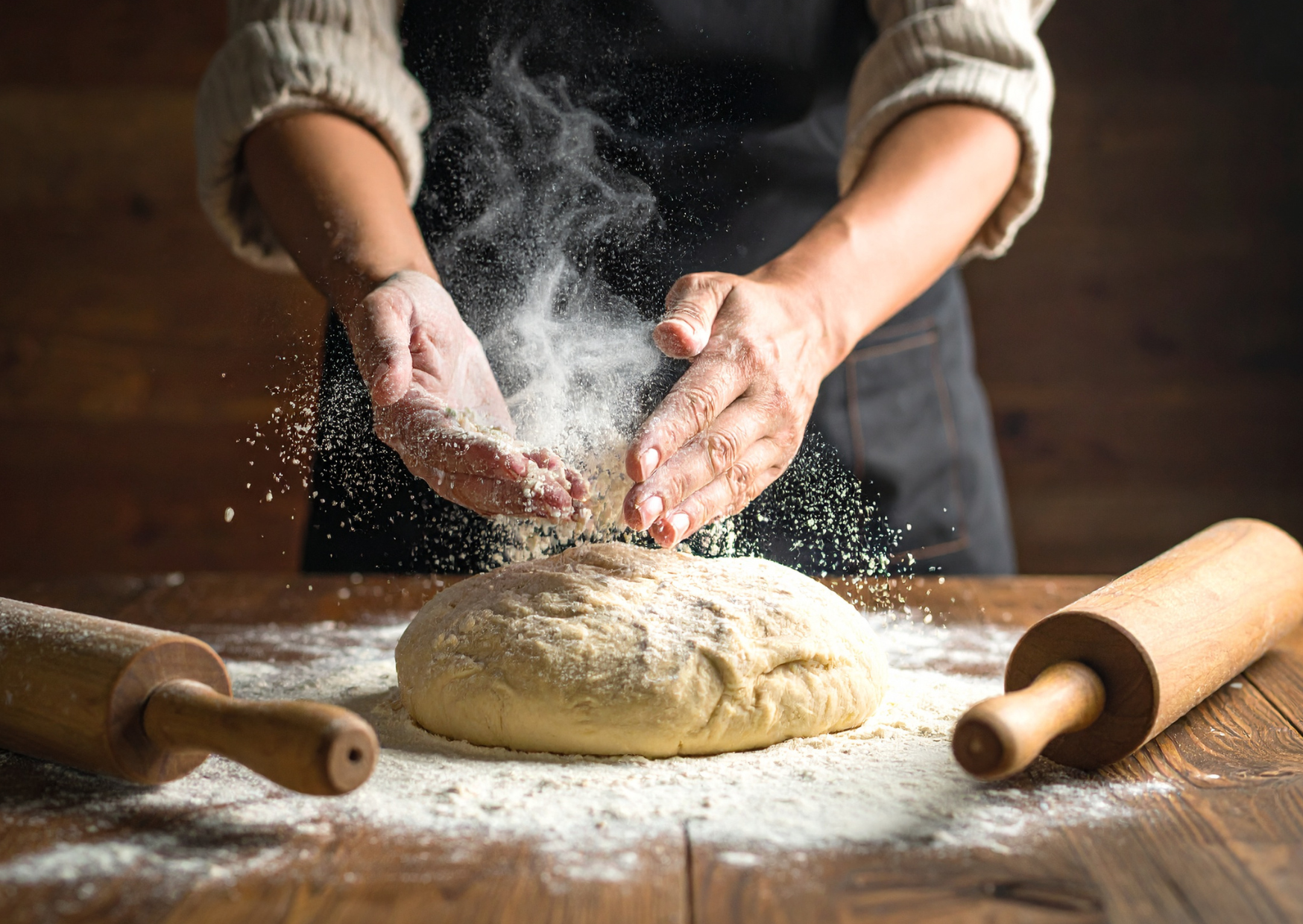
The schedule is not quaint. It is process control. Three levers dominate: preferment, autolyse, cold or slow bulk, then hot bake. Night work exists to fit those steps before morning service. Most boulangers start around 3–4 a.m. so the first rack hits the counter by 7–8 a.m., with viennoiserie staggered earlier. That start time is normal, not heroic. Laws in France even define night work and compensate it in many bakery agreements. The rhythm survives because the bread demands it.
Why the clock matters:
- Preferments like poolish build acidity and aroma at room temperature while bakers sleep. Poolish traces back to Central Europe, adopted by Viennese bakers, then spread into France in the 19th century. Flavor from time, not from packets.
- Autolyse is a brief rest of flour and water before adding yeast or salt. Developed and popularized by Prof. Raymond Calvel in 1974, it improves extensibility and flavor while reducing oxidation from overmixing. Quiet rest beats violent mixing.
- Long, cool fermentation increases volatile aroma compounds and organic acids that give crumb depth and crust perfume. Short, hot proofs cannot replicate the same bouquet. Aromatics ride the hours.
Shop reality at 3 a.m.:
The room is scaled so multiple doughs can be at different proof stages. A baker benches one batch while another is dividing and a third is in the oven. The cadence is built around oven decks and loading peels, not around recipes. It works because the dough was made to wait overnight, not forced to rush.
Why Factories Cannot Fake It With Speed And Additives
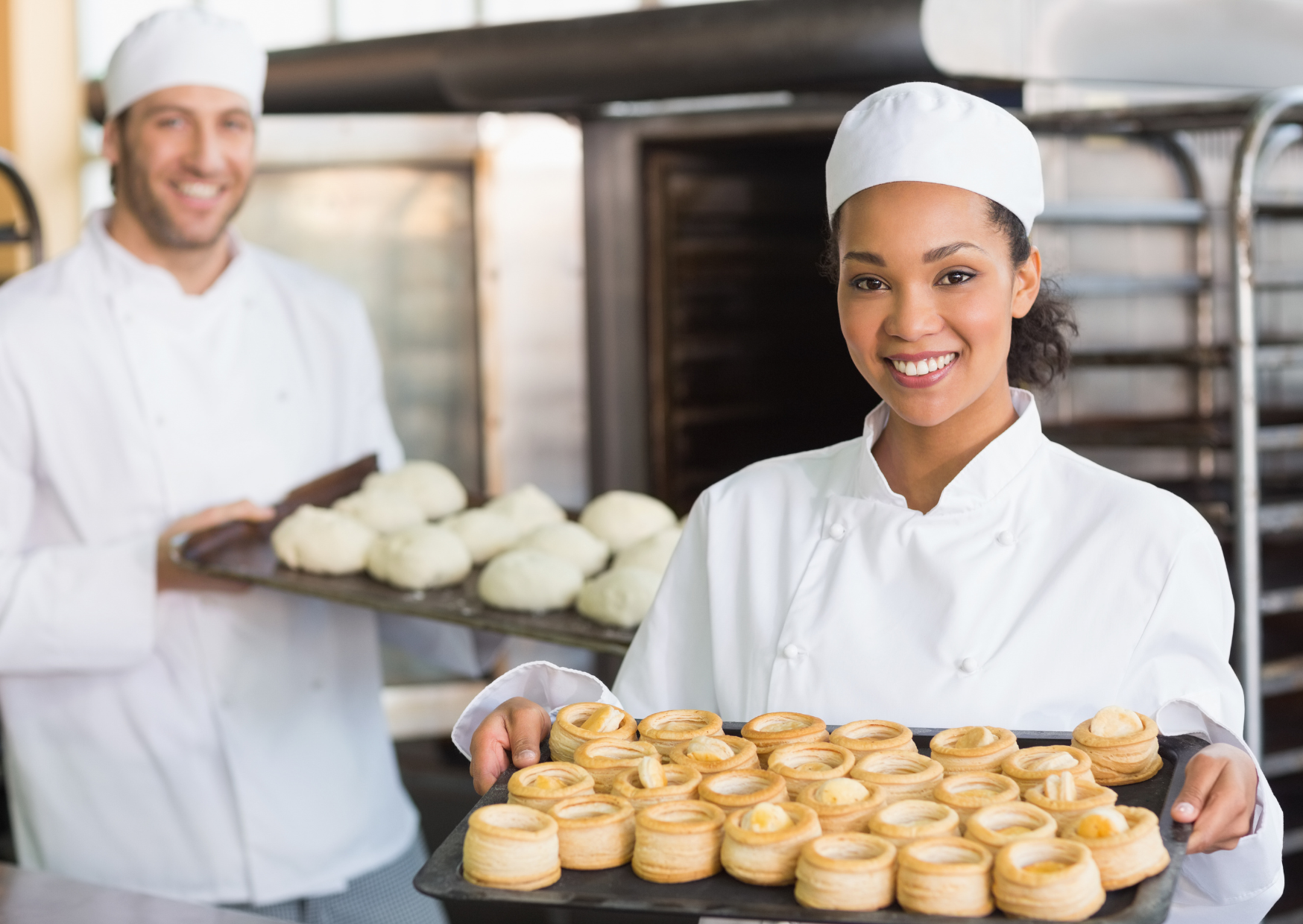
Industrial lines trade hours for intense mixing, added enzymes, and short proofs. The famous Chorleywood process shows how far this can go: high-speed mixing, oxidants, and dough conditioners that take fermentation from hours to minutes. The crumb is uniform and tall. The aroma is thin. You can have speed or perfume. Not both.
France drew a line in 1993 with the Décret Pain. Under this decree, the baguette de tradition française can only contain flour, water, salt, and leavening (yeast and or starter), with tiny allowances for certain traditional adjunct flours, and it must be made on the premises, not from frozen dough. That legal framework defends the long-fermentation, no-additives model that creates flavor. The law enforces the clock.
UNESCO’s 2022 listing of baguette know-how is not a trophy. It is a recognition that the method and culture matter: simple ingredients, specific steps, and daily repetition. Process, not mystique, makes the crust shatter and the crumb sing.
The 3 A.M. Boulanger Timeline, Translated For Home
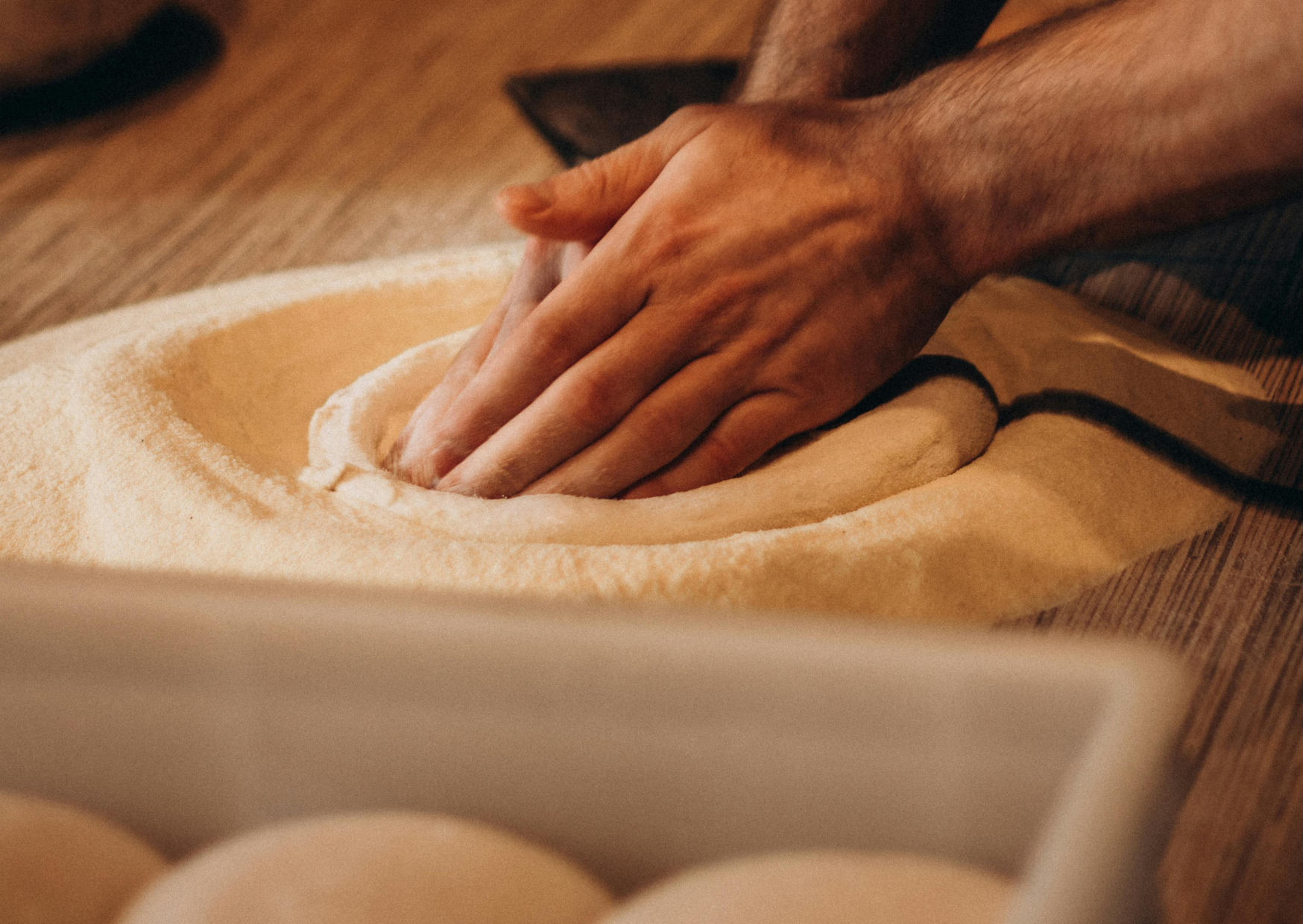
You can copy the sequence without quitting your job. Use your evening for preferments, your sleep for bulk, your morning for shaping and baking. Bold moves inside each step matter more than gadgets.
Evening, 7:30 p.m.
- Make a poolish: equal parts flour and water with a pinch of yeast. Cover and leave at room temp. Flavor starts now.
Night, 10:00 p.m.
- Autolyse: mix the rest of flour and water until no dry bits remain. Rest 30 to 45 minutes. Add poolish, yeast, and salt. Short mix to medium development. Autolyse saves mixing and preserves color and aroma.
Overnight, 11:00 p.m.–7:00 a.m.
- Bulk ferment cool: 2 hours at room temp with a couple of folds, then into a cool spot or fridge for a slow rise. Time and lower temperature cooperate to build acids and volatiles. This is the “night shift” without you.
Morning, 7:30–9:30 a.m.
- Divide, pre-shape, bench rest, then final shape into baguettes or bâtards.
- Proof at room temp until a finger press springs back slowly.
Bake, 9:30–10:30 a.m.
- Deck-oven mimic: preheat to very hot with a stone or steel and a steam pan. Load, steam hard for the first 10 minutes, then vent. Steam and heat create shine and ears.
You now have bread that tastes of fermentation, not of speed. The timeline is the ingredient you were missing.
Recipe: 24-Hour “3 A.M.” Tradition-Style Baguettes
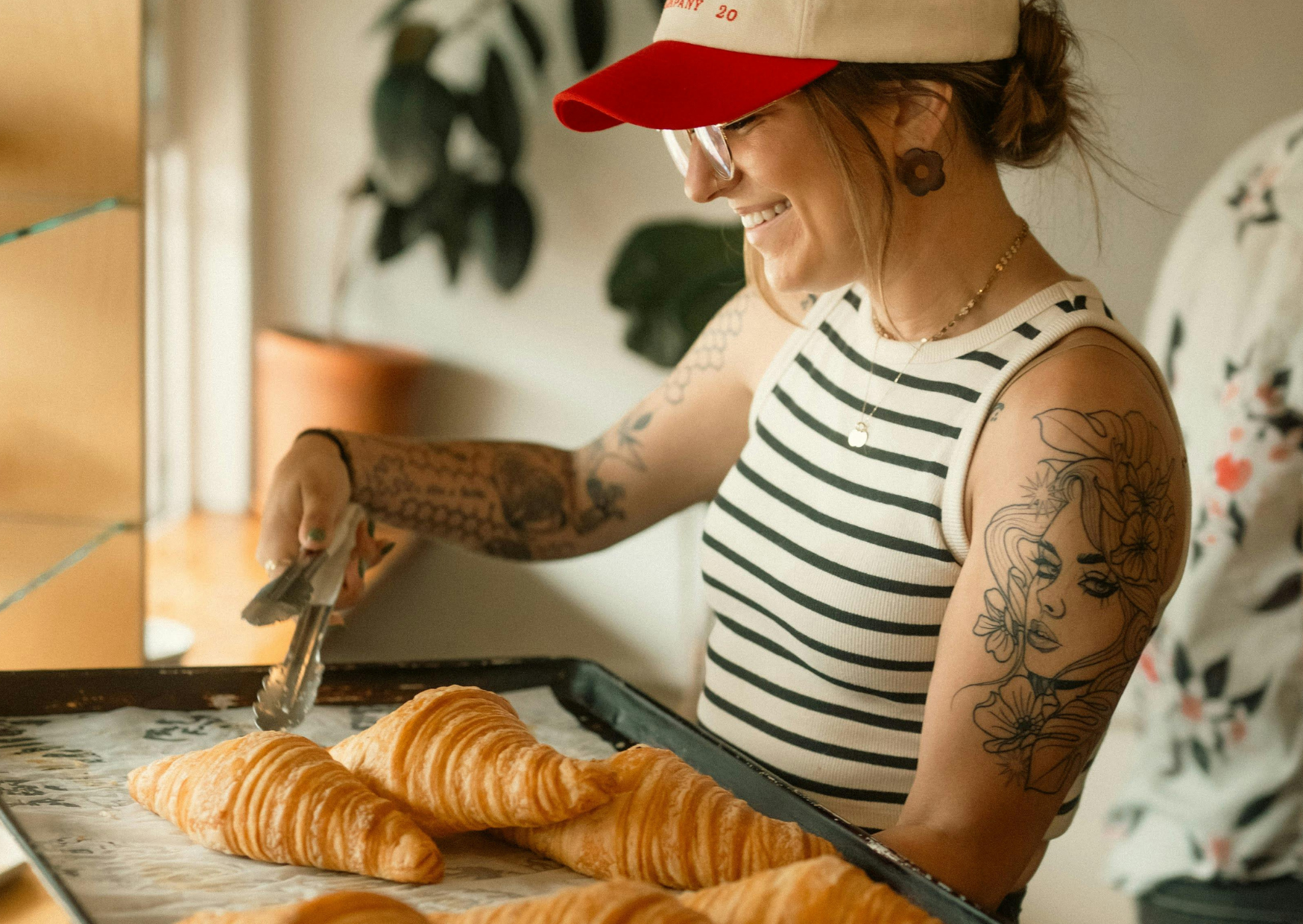
A two-day plan that uses poolish and autolyse to deliver a sweet, nutty crumb and thin, crackling crust. This mirrors a French shop’s night cadence and fits a normal life.
Yield: 4 demi-baguettes or 3 standard baguettes
Active time: about 40 minutes total spread across the day
Total time: ~24 hours
Flour and ratios
- Bread or T65-style flour 100 percent
- Water 70 percent (adjust 68–72 percent as needed)
- Salt 2 percent
- Instant yeast 0.2 percent in final dough + a pinch in the poolish
Day 1, evening
1) Poolish, 7:30 p.m.
- 200 g flour, 200 g water, a pinch of yeast. Stir, cover, and leave at 21–23 C for 2–3 hours, then room overnight. Ripe when domed and bubbly. The poolish origin story runs through Central Europe and Vienna before reaching France, prized for mild acidity and aroma.
2) Autolyse, 10:00 p.m.
- In a separate bowl, mix 600 g flour with 380 g water until shaggy. Rest 30–45 minutes. This rest, described by Calvel in 1974, improves extensibility and flavor while reducing oxidation.
3) Mix, 10:45 p.m.
- Add the ripe poolish, 12 g fine salt, and 1.5 g instant yeast to the autolysed dough. Mix on low until cohesive, then medium until just smooth. Do not overmix. You are protecting aroma and crumb color.
4) Bulk, 11:00 p.m.–1:00 a.m.
- Room temp 2 hours with two sets of coil folds or stretch-and-folds at 30 and 60 minutes. Dough should gain strength, not tightness.
5) Cold bulk, 1:00 a.m.–7:30 a.m.
- Cover and refrigerate. This slows yeast while enzymes and bacteria continue working, increasing volatiles and acid balance.
Day 2, morning
6) Divide and pre-shape, 7:30 a.m.
- Turn dough onto a lightly floured bench. Divide into 3 or 4 pieces. Pre-shape as loose logs. Rest 20 minutes.
7) Final shape and proof, 8:00–9:15 a.m.
- Shape baguettes gently for open crumb. Place seam-up in floured couches or seam-down on parchment. Proof 45–75 minutes until a gentle poke springs back slowly.
8) Bake hot with steam, 9:30–10:15 a.m.
- Preheat to 250 C with a stone or steel and a cast-iron pan on the lowest rack. Score at 30–45 degrees, load, pour a cup of boiling water into the pan, close the door. Steam 10 minutes, then vent and drop to 235 C. Bake until deep golden with crisp ears, about 18–22 minutes more.
Why this works
- Poolish layers mild acidity and alcohols that translate to aroma.
- Autolyse makes dough stretch without tearing, preventing over-oxidation that dulls flavor and crumb color.
- Long, cool bulk increases esters, aldehydes, and alcohols associated with great bread aroma.
- High heat and steam drive Maillard and caramel notes while setting a thin shell.
What this is not
It is not a factory loaf built around high-speed mixing and improvers. That path trades aroma for speed. The Chorleywood model proves the trade is real.
Scan-The-Science: Why Slow Fermentation Wins
You do not need a lab. You need to know what the hours buy you.
- Aromatics multiply. Longer fermentation increases volatile compounds in both crumb and crust precursors, producing the butter, nut, malt, and toasted grain notes people call “bakery smell.” Factories struggle to fake this without time.
- Digestibility improves. Sourdoughs and slow preferments help enzymes break down starches and phytates, which can lower glycemic responses and increase mineral bioaccessibility in wheat breads. Flavor and feel move together.
- Structure sets cleanly. Gentler development plus autolyse makes gluten networks that stretch instead of tear, leading to open crumb without overmixing. Calvel’s work targeted exactly this. Short rest, big payoff.
What The Law And UNESCO Actually Protect
There is nothing mystical about “tradition.” It is defined.
- Décret Pain, 1993. A baguette de tradition française is made on site from flour, water, salt, and yeast and or natural starter, with only tiny allowances for certain flours. No freezing, no additives for tradition. The process, not the brand, is the guardrail.
- UNESCO, 2022. The artisanal know-how and culture of baguette bread are recognized as Intangible Cultural Heritage. The listing centers steps, skills, and daily practice, not marketing. Technique is culture.
This is why a corner boulanger with a deck oven and a peel reliably beats factory bread. The rules support the clock that supports the flavor.
If You Want To Bake Like 3 A.M. At Home, Do These Five Things
You do not need a spiral mixer or a stone hearth. You need discipline on the schedule.
1) Preferment something.
Poolish for sweetness and aroma. Levain if you want sourdough complexity. Either way, start flavor early.
2) Autolyse for 30–45 minutes.
Hydrate flour and water, then rest. Add salt and yeast later. Extensibility rises. Oxidation drops.
3) Keep bulk long and cool.
Give dough hours, not minutes. You will gain volatile compounds and digestibility. The fridge is your night shift.
4) Bake hot with planned steam.
A preheated stone or steel and a cheap steam pan beat gadgets. Shine and ears need steam and heat.
5) Respect the French guardrails when you can.
Flour, water, salt, leavening. If you want “tradition” flavor, avoid improvers. The decree exists because flavor dies when time is cut.
Troubleshooting The 3 A.M. Plan
Crust too soft
Bake longer after venting steam. Leave loaves on the rack in the turned-off oven for 5 minutes with the door cracked.
Dense crumb
Dough was underfermented or too cold when shaped. Give it more time at room temp before dividing. Watch the dough, not the clock.
Cuts did not open
Blade was dull or angle too shallow. Score at 30–45 degrees with confidence. Ensure the dough was proofed enough to spring.
Flavor flat
Preferment was young or the bulk too short. Push poolish to full dome and let bulk go longer before the fridge. Flavor rides fermentation length.
Pale color
Oven not hot enough or weak Maillard precursors. Preheat longer and avoid overmixing early. Over-oxidation can mute color and taste, which is why autolyse matters.
What This Means For You
The difference between bread and bread-shaped foam is time. French bakers are not fetishizing pain and insomnia. They are making room for preferments, autolyse, and slow bulk to do what no improver can. That is why tradition has legal definitions and why UNESCO protected savoir-faire rather than a shape.
Follow the 3 a.m. sequence at home with a poolish in the evening, an autolyse before bed, a cool overnight bulk, and a hot steam bake in the morning. You will pull loaves that taste like a bakery and keep well through the day, with a crust that sings and a crumb that smells like wheat, not like speed.
You cannot cheat the clock. You can schedule it.

About the Author: Ruben, co-founder of Gamintraveler.com since 2014, is a seasoned traveler from Spain who has explored over 100 countries since 2009. Known for his extensive travel adventures across South America, Europe, the US, Australia, New Zealand, Asia, and Africa, Ruben combines his passion for adventurous yet sustainable living with his love for cycling, highlighted by his remarkable 5-month bicycle journey from Spain to Norway. He currently resides in Spain, where he continues sharing his travel experiences with his partner, Rachel, and their son, Han.