
How to cover rent, food, healthcare and transport with one check, and which cities actually fit in 2025
Picture an early evening on a tiled street where dinner is a plate of grilled sardines, not a $28 salad, and your biggest commute is a ten minute walk to the market. In the right European city, a single Social Security check can carry the basics without stress, and a couple’s two checks can buy comfort. The trick is to pick places where rent is sane, public healthcare is accessible once you become a resident, and daily life runs on walking, buses and trains.
This guide shows what “on Social Security alone” really means in 2025, the ten cities that pass the math, and the practical way to turn a check into a livable monthly plan. You will see typical rents, how residents access healthcare, and visa realities that matter before you book a one way ticket.
Want More Deep Dives into Other Cultures?
– Why Europeans Walk Everywhere (And Americans Should Too)
– How Europeans Actually Afford Living in Cities Without Six-Figure Salaries
– 9 ‘Luxury’ Items in America That Europeans Consider Basic Necessities
Quick Easy Tips
Research residency options for retirees in your chosen country before making any commitments.
Factor in healthcare costs, insurance, and access to quality medical facilities.
Visit the city beforehand to ensure it matches your lifestyle preferences.
Understand currency exchange rates and how they may impact your budget.
Prioritize cities with reliable public transportation to minimize living costs.
Many Americans believe retiring abroad requires a fortune, but that’s not necessarily true. In fact, some European cities offer a far better standard of living at a fraction of the cost of retirement in many U.S. cities. This challenges the traditional belief that retirees must stay close to home to live comfortably.
Another misconception is that retiring abroad means giving up stability or access to quality healthcare. Many European countries provide strong public healthcare systems and affordable private insurance, making them appealing options for retirees looking to stretch their budgets.
Finally, there’s an emotional barrier. Some people assume that moving abroad for retirement is too drastic or complicated. But with careful planning and realistic expectations, it can actually offer more freedom, lower stress, and a richer lifestyle. For many, it’s not just possible it’s the smarter financial choice.
What “on Social Security alone” means in 2025

For a solo retiree, the test is simple. Your monthly rent, core utilities, and food and transport must fit inside a standard Social Security benefit with a small buffer, and you should not need investment drawdowns to survive. For a couple, the rule is the same with two checks, which opens more cities and better addresses.
“Alone” here means you can cover recurring costs from Social Security, then keep savings for emergencies, flights, and visas. It does not mean every residency path accepts any benefit level, so you will see visa thresholds flagged where they matter. Once resident, the system you live in is what creates calm: transparent rents, public healthcare access, and cheap transport do most of the work.
The list at a glance
Here are ten cities where day to day costs can be covered by Social Security while still living locally. Rents are for a modest one bedroom outside the center, which is where most retirees actually live.
- Valencia, Spain: breezy Mediterranean life with tram and bike lanes, outside center rent often in the mid €800s, strong markets and parks.
- Alicante, Spain: sun and seaside promenades, outside center rent commonly in the high €600s, easy airport and light rail north and south.
- Granada, Spain: historic center with modern buses and cheap tapas culture, outside center rent in the high €500s, cooler winters than the coast.
- Porto, Portugal: hills, river walks and metro, outside center rent around €800, excellent value for food and wine.
- Braga, Portugal: compact university city, outside center rent in the high €500s, quick trains to Porto for airport and hospitals.
- Coimbra, Portugal: river town with a medical school and calm pace, outside center rent near €590, lively but not loud.
- Lecce, Italy: Baroque south with walkable lanes, outside center rent near €420, fast trains to Bari and Brindisi.
- Bari, Italy: port city with ferries and a growing food scene, outside center rent around €585, winter mild enough for year round walks.
- Thessaloniki, Greece: seaside promenades and cafe culture, outside center rent around €400, strong intercity bus links.
- Larnaca, Cyprus: flat strollable waterfront, outside center rent around €680, English widely spoken and winters short.
These are not the only choices, they are the ones where rent plus food is friendly, transport is simple, and healthcare access is workable once you have the right permit.
Portugal picks, how the math works and why healthcare is straightforward

Porto, Braga, Coimbra form a triangle that fits a Social Security budget without squeezing. In Porto, a one bedroom outside the center often sits near €800, with basic utilities commonly near €100 and a monthly metro pass that does not feel like a car payment. Braga and Coimbra run gentler, with outside center rents in the €580 to €600 lane and daily life built around markets, bakeries, and short bus rides. For residents, the public system is clear. You register for the SNS user number and use public clinics, then add a low cost private plan if you want faster appointments. Three essentials line up well for retirees here, rent that is predictable, healthcare you can actually enter, and transport you use instead of a second car.
On visas, Portugal’s D7 is the friendliest classic retirement route. The benchmark is the national minimum wage for a single applicant, plus increments for dependents, which places a typical Social Security check within reach for many retirees who can document regular pension income. It is a paperwork process, not a guess. Prove the income, show housing, register for health, and you are inside a system that was designed to be used.
Spain picks, where costs are livable and the healthcare buy-in is tidy

Valencia, Alicante, Granada win on daily costs and quality of life. Valencia is the most urban of the three, and rents have risen, yet a one bedroom outside the center often hovers in the mid €800s. Alicante and Granada are gentler, with outside center rents in the high €600s and high €500s respectively, and weekly food markets that keep groceries low. Walkable neighborhoods, reliable buses and trams, and free city parks do the rest. For healthcare, Spain offers a public system buy-in called Convenio Especial once you are resident. The fee is about €60 per month if you are under 65, about €157 if you are 65 or older, and you are on the same network locals use. The combination of modest rent, real parks and markets, and public healthcare access is why so many retirees target these cities.
Visa reality matters. Spain’s Non-Lucrative Visa asks for about 400 percent of IPREM for a single applicant, which is higher than many single Social Security checks, though some retirees meet it through pension plus savings. The city costs are friendly, the monthly budget can fit inside Social Security, but visa approval depends on your documented means. Plan accordingly and avoid surprises at the consulate.
Italy picks, low rent south and clear healthcare buy-in
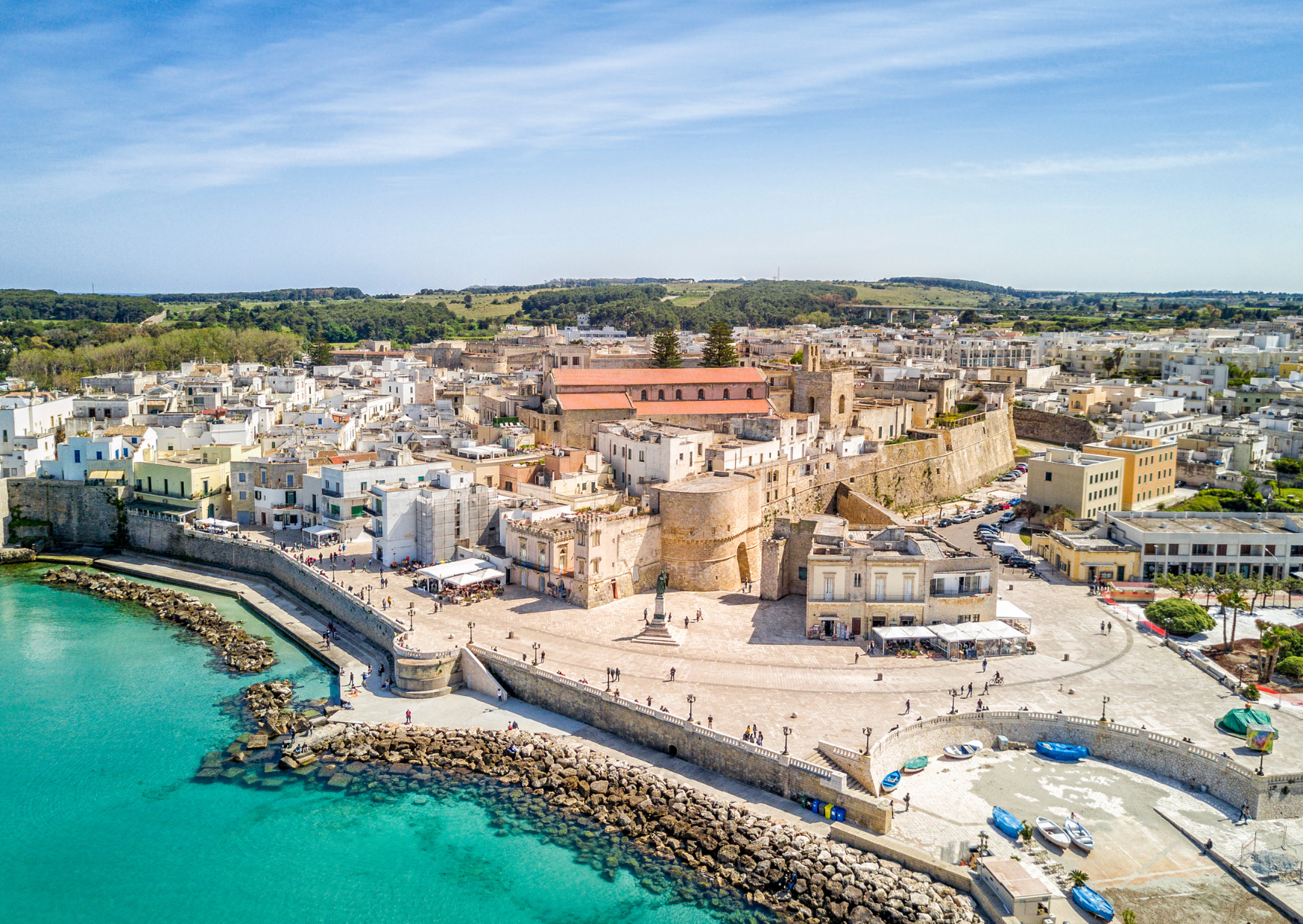
Lecce and Bari are where the numbers and the sunshine align. In Lecce, outside center rents near €420 leave space for food and utilities without austerity. Bari sits around €585 outside the center, with walkable neighborhoods and coastal trains that take the place of a second car. The Italian national health service allows many non-EU residents to voluntarily enroll for a flat €2,000 yearly fee once you are on the right permit and registered locally. That converts healthcare from a lingering unknown into one line item you can plan for. Simple rent, fixed health cost, no car by default is the model.
Visa note. The elective residence route expects stable passive income at a level above many single checks, often cited around the low €30,000s per year for a solo retiree. Couples with two pensions or retirees with additional fixed income do better here. The budget fits Social Security month by month, the permit still requires proof above bare expenses.
Greece and Cyprus, seaside life with realistic rents and pension-friendly permits

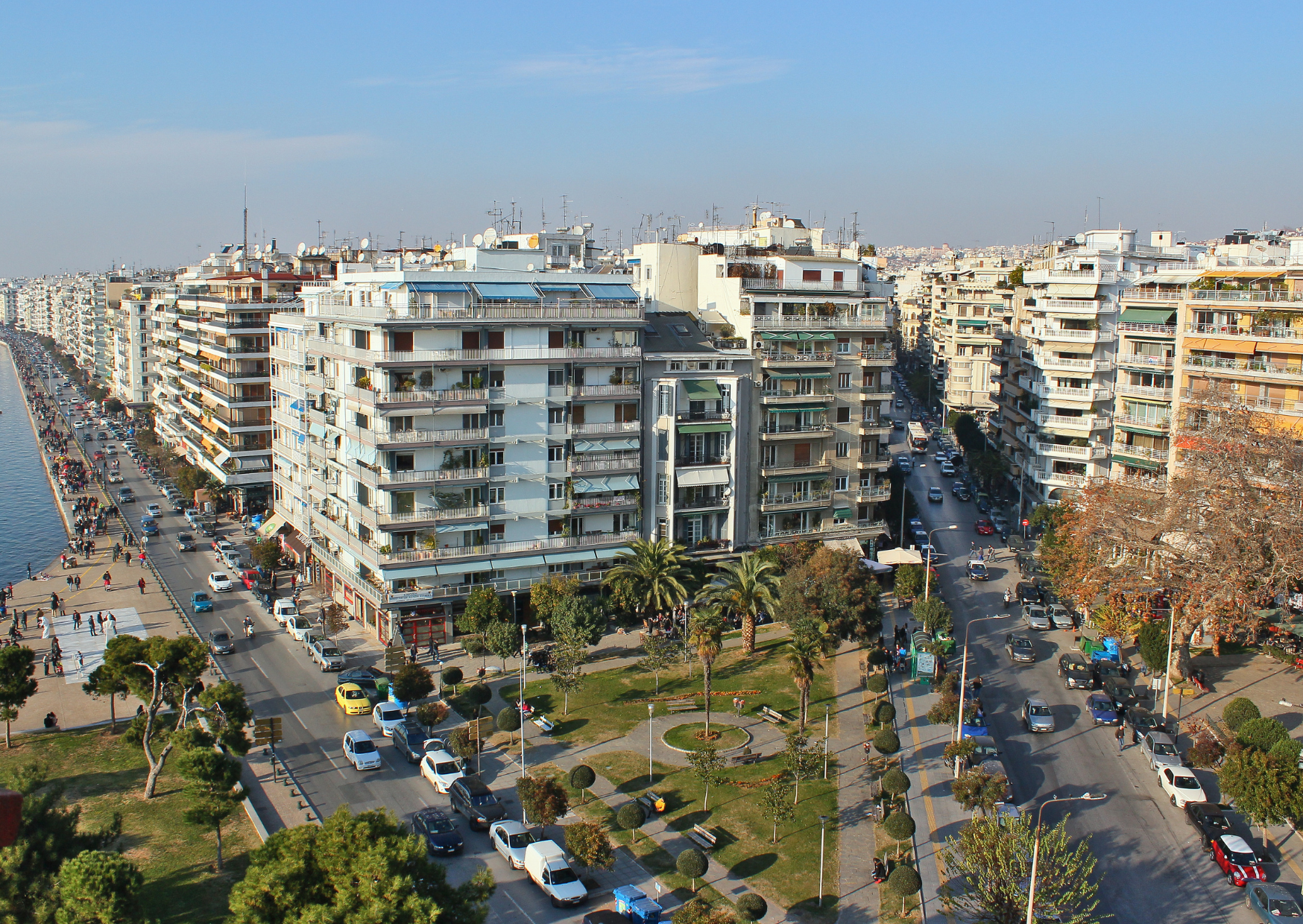
Thessaloniki gives you a long promenade, cafe life, and rents that remain around €400 outside the center. Larnaca offers flat, easy walking and outside center rents near €680, with English widely used and a straightforward residency track for non-EU retirees. In daily life the wins are familiar, reasonable rent, fresh food priced for locals, and public spaces people actually use. On the residency side, Greece’s financially independent permit is an option for retirees who can show higher monthly income than some countries require. Cyprus has a Category F path that many pensioners use, with a published minimum annual income that is relatively low by European standards. If you want an uncomplicated seaside life, these two are practical and kind on the monthly math once you pick the right neighborhood.
Healthcare access follows your status. In Greece, private plans often bridge the early period while you settle, then you use the public system where eligible. In Cyprus, retirees typically combine public coverage where applicable with affordable private clinics to keep waits short. The structure is calmer than the United States once you stop treating every appointment as a separate expense and treat healthcare as a system you join.
Budgets you can actually live on
Here is the shape of a single retiree budget that feels human in the cities above. Rent target sits between €400 and €850 depending on the city and your tolerance for distance to the center. Utilities and internet commonly live in the €100 to €160 band in smaller apartments. Groceries and fresh markets feel comfortable at €200 to €300 if you cook, with eating out as €80 to €140 for simple meals. Transport is a monthly pass or a pay-as-you-go tally that lands in €25 to €50 if you walk most days. Healthcare is either a flat public fee where offered, such as Spain’s €60 or €157 buy-in, a yearly €2,000 line in Italy, or public registration in Portugal with optional private add-ons. The key is not to chase perfection. It is to lock three lines early, rent that you can pay on autopilot, healthcare you can enter and afford, and transport you actually use.
For a couple, everything gets easier. Two checks, one rent, one set of utilities, and shared transport take the pressure off. Couples often choose a slightly larger place outside the center for a modest uplift and keep the total inside two pensions with room to travel.
Paperwork that keeps life calm
The path is the same in every country. Pick the permit that matches a retiree, not a worker. Prove pension income at or above the threshold, show housing, document health coverage for the application stage, then register into the public system where the law allows. Spain asks for about 400 percent of IPREM for the Non-Lucrative Visa, which pushes many single check retirees to consider Portugal first. Portugal’s D7 uses the national minimum wage as the anchor for singles, higher for families, which is friendlier to typical pensions.
Italy’s elective residence is viable for higher pensions or for couples with two checks, balanced by a clear healthcare buy-in once resident. Cyprus Category F is a published pension-friendly route with a modest income floor. Greece’s financially independent track suits retirees who can show a higher, stable income. Do the math on paper before you apply, and your interview becomes a short conversation, not an argument.
How to use this today
Choose two cities, one coastal and one inland, and build a twelve month test plan. In each city, find an outside center one bedroom that matches the rent line above, mark the nearest clinic or health center, and price the monthly transport pass. If your plan only balances with a car or a downtown premium, switch neighborhoods, not countries.
Keep a two month emergency buffer, because a calm retirement is not just about costs, it is about confidence. When the numbers are steady for six months, apply for the permit that stops your calendar from dictating your life, then join the public healthcare system you actually intend to use. The win is a simple life, paid for by one check, with fresh food, quiet transport, and days that belong to you.
Final Thoughts
For many Americans, the idea of retiring in Europe feels like a distant dream something only possible with a large savings account or a generous pension. But the reality is that there are European cities where the cost of living is low enough to make this dream entirely achievable, even on Social Security alone. The key lies in choosing the right destination where your dollar stretches further without sacrificing quality of life.
These cities offer more than affordability they provide access to excellent healthcare, vibrant local cultures, walkable neighborhoods, and a slower pace of life that’s perfect for retirement. Unlike the most expensive capitals, these lesser-known cities allow retirees to enjoy Europe’s charm without financial strain.
Ultimately, retirement isn’t just about where you can afford to live it’s about where you can truly enjoy your life. For many Americans, these cities represent the perfect balance between financial comfort and meaningful experiences.

About the Author: Ruben, co-founder of Gamintraveler.com since 2014, is a seasoned traveler from Spain who has explored over 100 countries since 2009. Known for his extensive travel adventures across South America, Europe, the US, Australia, New Zealand, Asia, and Africa, Ruben combines his passion for adventurous yet sustainable living with his love for cycling, highlighted by his remarkable 5-month bicycle journey from Spain to Norway. He currently resides in Spain, where he continues sharing his travel experiences with his partner, Rachel, and their son, Han.