
If you heard that simmering pasta in red wine somehow “cancels” gluten, here is the honest version. The technique is real, the color is gorgeous, the flavor is addictive. It does not make wheat safe for people who react to gluten.
You will find the wine-kissed plate across Italy under names like pasta all’ubriaco or linguine al vino rosso. Cooks parboil the pasta, then finish it in red wine so the noodles drink the liquid and turn a deep plum. It is a trick from home kitchens and trattorie, not a wellness hack. Cooking in wine changes taste, aroma, and texture. It does not remove gluten and it does not prevent gluten sensitivity.
If you love the idea of a Sicilian-style wine pasta and you also care about comfort, digestion, or energy after a meal, this guide shows you what the method actually does, what it cannot do, and how to cook it in a way that feels great after the last bite.
What wine cooking really changes in pasta
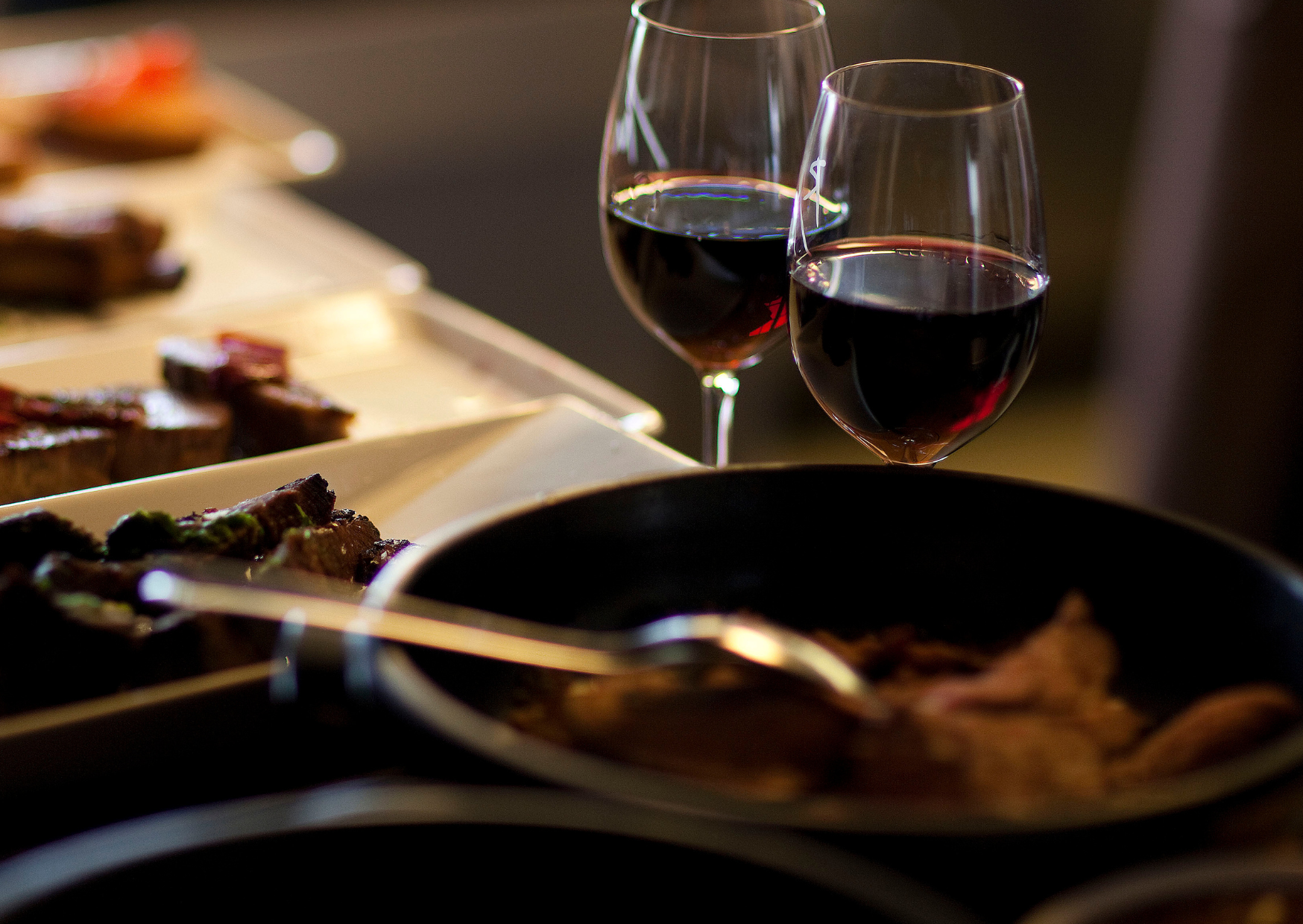
Wine brings three things to a pot: acidity, aroma compounds, and a little alcohol that largely evaporates during cooking. Those levers affect the noodle’s surface and the sauce that clings to it. The result is a brighter edge and the signature berry-spice perfume you cannot get from water alone. The wine’s acids shave down surface starch and sharpen savory notes, which many people experience as a cleaner finish on the palate.
What wine does not do is dismantle the gluten network inside the noodle in a way that matters for health. Gluten is a protein matrix formed when wheat flour is mixed and then heated. Cooking changes the network’s shape, yet the gluten proteins remain present. For someone with celiac disease, the only safe route is a gluten-free diet. For someone with non-celiac gluten sensitivity, the only reliable test is a structured elimination and re-challenge under professional guidance. Wine changes flavor, not medical risk, and any claim beyond that is marketing or myth.
Key points to remember: gluten is protein, heat does not “kill” it, alcohol does not dissolve the problem.
Why the myth spreads, and why it sticks
There are three reasons the story survives. First, people conflate distillation with cooking. Distilled spirits are considered gluten-free because the proteins do not carry over through distillation. That science does not apply to boiling pasta in wine, which is not distilled while you cook dinner. Second, wine is naturally gluten-free, so it feels intuitive to think it makes wheat safer by association. It does not. Third, wine-finished pasta can taste lighter than a heavy cream dish, so diners assume it is easier on the body. That feeling is about fat, fiber, and portion, not magic.
Big idea: distillation removes proteins, simmering does not, wine is gluten-free, pasta wheat is not.
What actually improves comfort after pasta
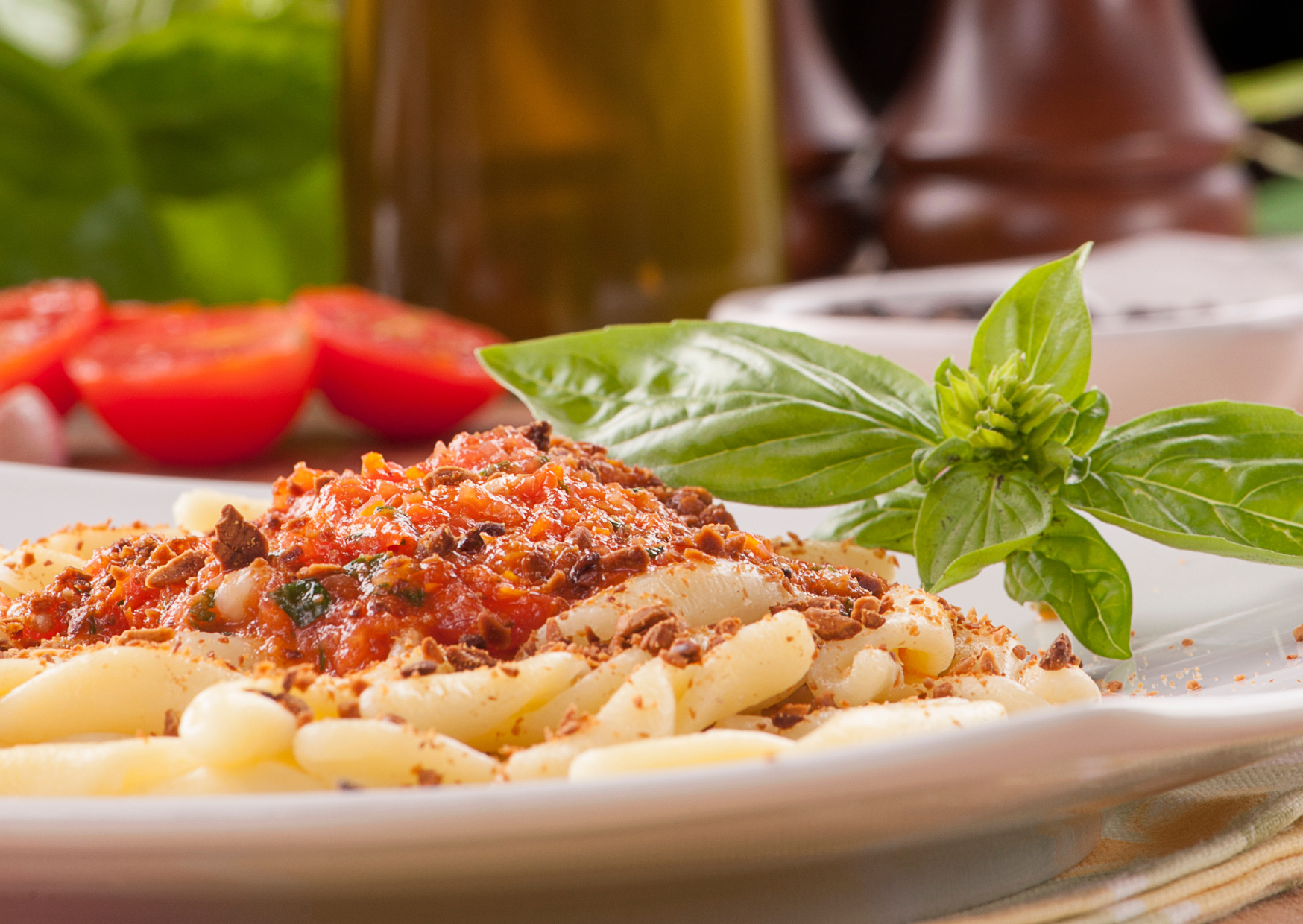
If you tolerate wheat and simply want a meal that feels good, focus on cooking and pairing, not claims. Pasta that is al dente has a lower glycemic rise than pasta cooked to mush, which many people experience as steadier energy. Letting pasta cool, then reheating it later creates a little more resistant starch, which can further soften the glucose response. Pairing pasta with olive oil, vegetables, and protein slows digestion naturally. These are ordinary kitchen moves that change how a pasta dinner feels an hour later. They matter far more than the liquid you finish in.
Better outcomes come from: al dente texture, resistant starch via cool-reheat, balanced plate with fiber and protein.
The Sicilian approach, minus the folklore
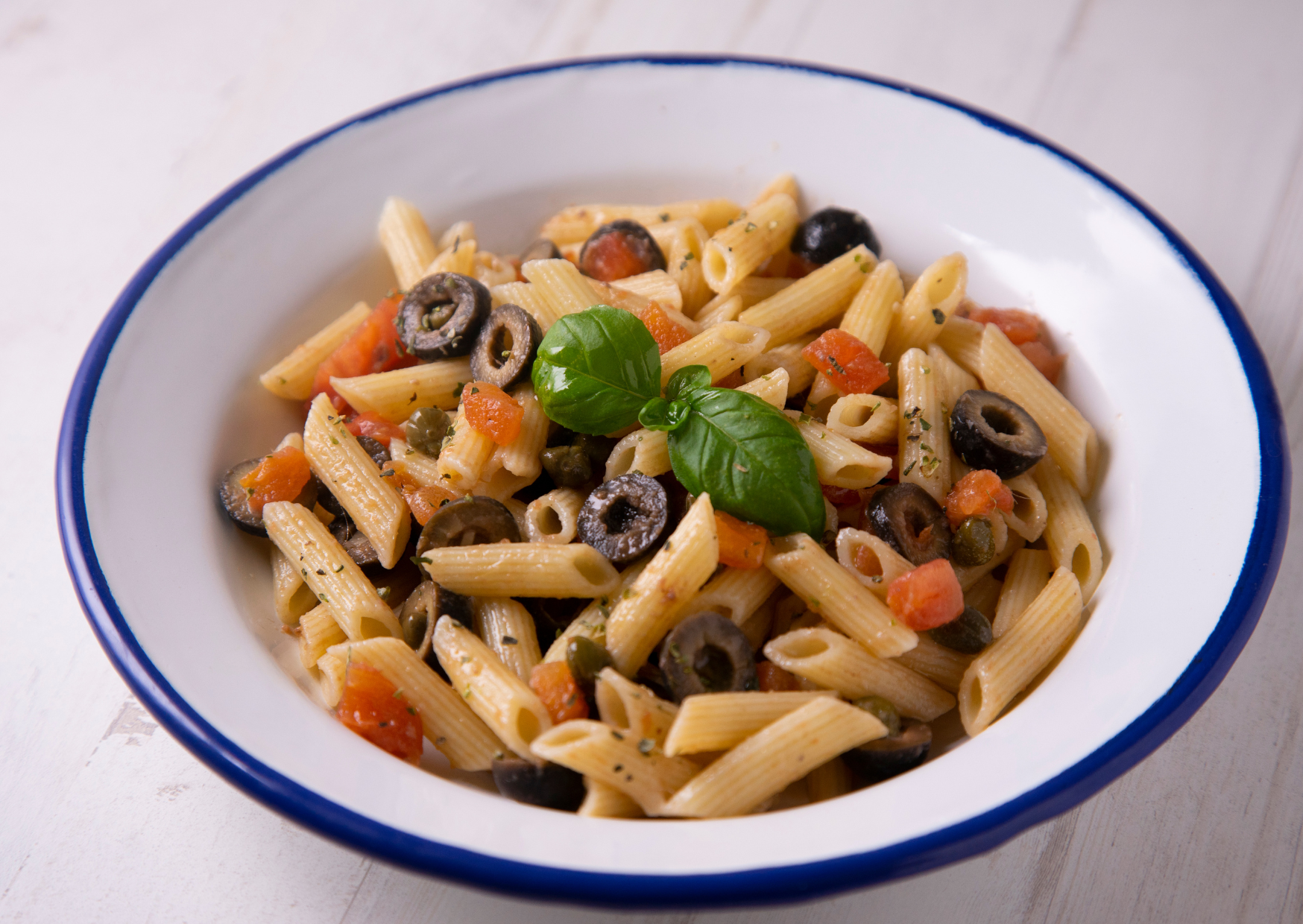
Red-wine finishes are a southern habit because cooks there lean on simple sauces and big flavors from pantry items. You will see the technique alongside anchovy, garlic, olive oil, and chile, or as an accent for wild fennel, olives, or swordfish. The wine does not rescue a weak pot of noodles. It amplifies an already careful plate: good durum semolina, a firm bite, and salty-sweet balance. Think of it as seasoning from within the noodle, not medicine in disguise.
Sicilian logic: flavor first, structure intact, no wellness shortcuts.
If you have gluten issues, here is the safe map
For celiac disease, the only evidence-based treatment is a strict gluten-free diet with no wheat, barley, or rye. Wine-cooked wheat pasta is not safe. There is no cooking method that neutralizes gluten to a medically acceptable level in a wheat noodle. For non-celiac gluten sensitivity, work with a clinician to test triggers. Some people react to wheat components beyond gluten. Others discover that portion size, timing, and high-GI sides are the real culprits. Use gluten-free pasta if you need it, and you can still make a wine-finished dish with rice or chickpea noodles. Safety comes from ingredients, not a pot trick.
Bottom line: use gluten-free pasta if you must avoid gluten, do not trust heat or wine to fix wheat.
How to cook wine-finished pasta so it tastes like Sicily
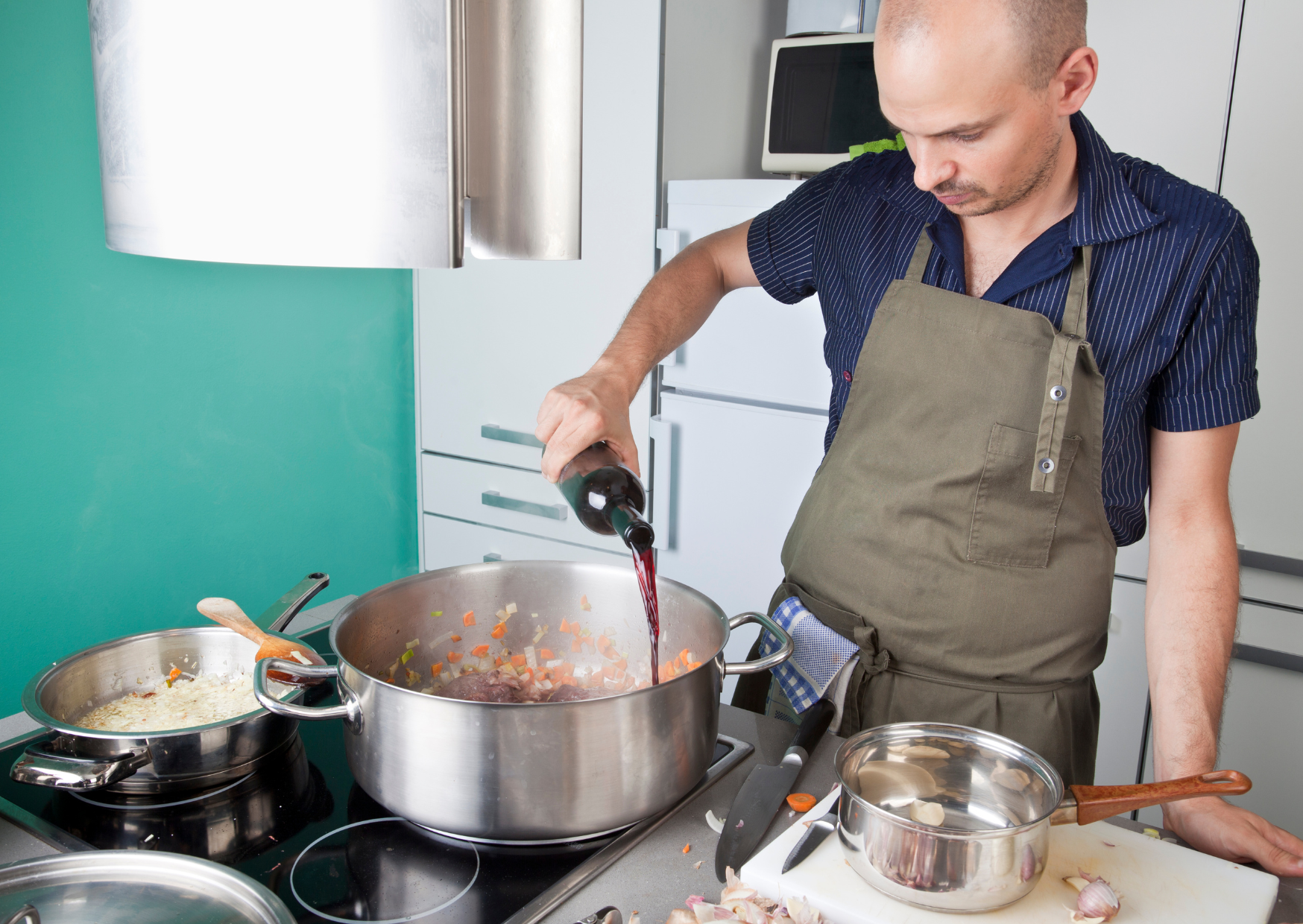
This is a clean, modern pasta all’ubriaco built for weeknights. It leans on the wine for perfume, not for sauce volume, and it protects the noodle’s bite. Serves four.
You will need
• 400 g high-quality spaghetti or linguine made from 100% durum semolina
• 750 ml dry Sicilian red wine such as Nero d’Avola, plus a splash of the pasta water if needed
• 3 tbsp extra-virgin olive oil
• 3 cloves garlic, thinly sliced
• Pinch red chile or black pepper
• 1 tsp sea salt, plus more for the initial boil
• 1 tbsp butter or a little more olive oil for finishing
• Parsley and lemon zest to finish, optional
• 40 g toasted breadcrumbs or a light shower of pecorino, optional
Method
- Parboil the pasta in well-salted water for about half the package time. You are stopping the cook early so the wine can finish it without over-softening the core. Aim for a very firm center.
- In a wide pan, warm the olive oil, then add garlic and chile. Cook just until fragrant.
- Pour in the wine and bring it to a lively simmer. Let it bubble for 2 to 3 minutes so the harsh edges blow off.
- Transfer the pasta to the wine pan along with a ladle of the starchy pasta water. Toss and simmer until the noodles drink the wine and reach al dente. Add more wine in small splashes if the pan dries too fast.
- Finish with the butter or a little extra oil, taste for salt, and toss through parsley and zest if using. Top with toasted breadcrumbs for crunch or a modest amount of pecorino. Serve immediately.
What makes it sing: firm core preserved, wine added in stages, fat used sparingly for shine.
Make it feel great after the meal
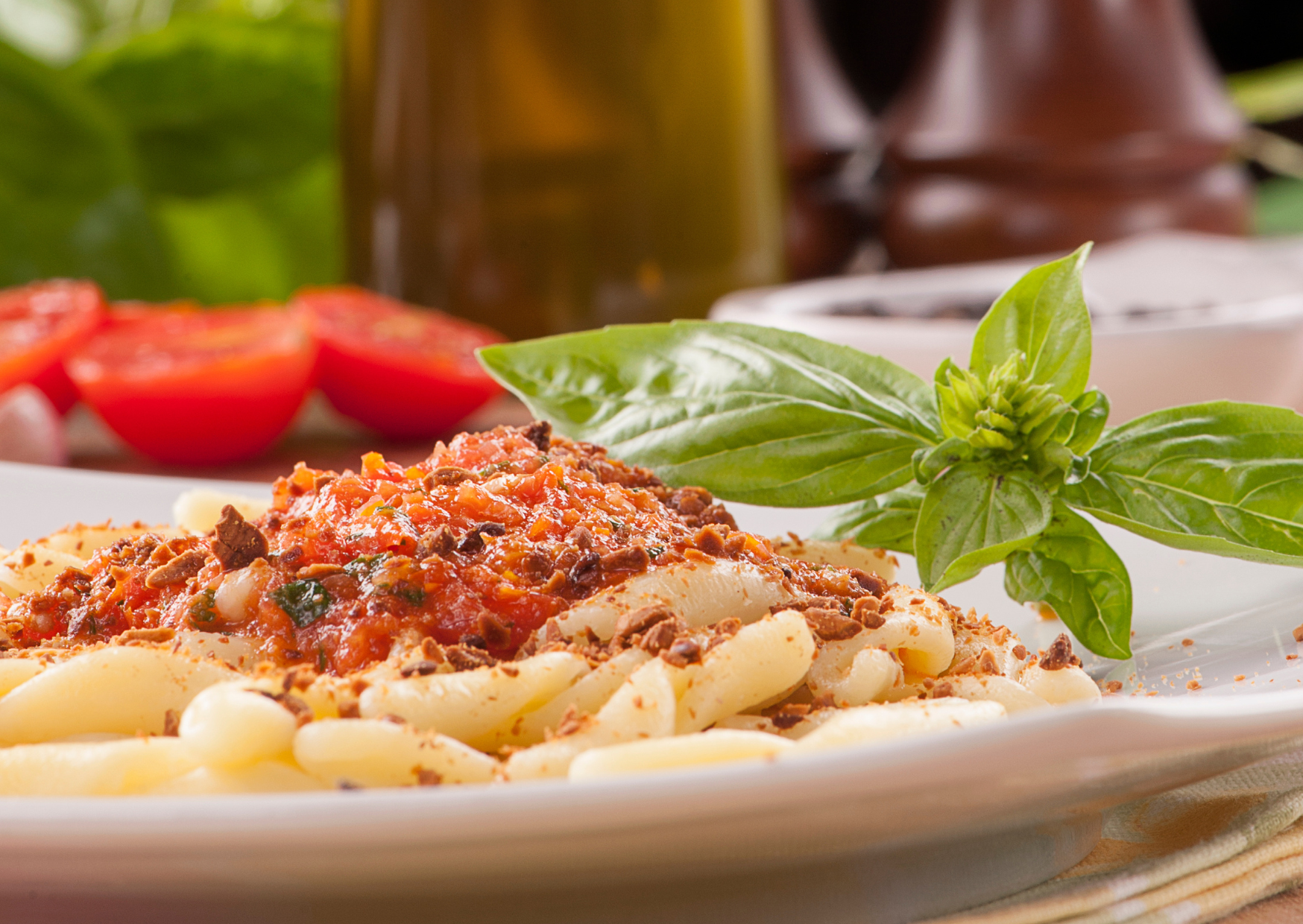
Two adjustments shape how you feel later. First, keep the pasta al dente. A firmer starch network slows glucose rise, which most people experience as steady energy rather than a spike. Second, serve it with greens and protein. A plate of wine pasta beside a pile of sautéed chard and a simple tuna or chickpea salad changes the whole arc of the meal. You will stand up satisfied, not sleepy.
Aim for balance with: al dente timing, vegetables on the plate, a real protein partner.
If you want gluten-free, keep the flavor and swap the noodle
Wine-finishing works with rice, corn, or legume pasta. Each has its own texture window, so parboil times are shorter and the wine finish is gentler. Keep the simmer soft and taste in short intervals. Legume pastas benefit from an extra spoon of olive oil at the end to smooth their grain. You will get the same perfume, the same color blush, and a plate that fits your needs.
Gluten-free success comes from: shorter parboil, gentler simmer, fat for texture.
Common claims, checked quickly
“Alcohol breaks down gluten.” Distillation separates alcohol from proteins, which is why spirits are considered gluten-free. That is not what happens in your skillet. Simmering in wine is not distilling.
“Heat kills gluten.” Heat changes protein shape, yet it does not remove gluten from wheat foods to a safe level for celiac disease. Cooking does not neutralize gluten.
“Wine-finished pasta is easier to digest.” Many diners feel that because the dish is lighter in fat, al dente, and often served in sensible portions. That comfort is real, but it comes from cooking choices, not a biochemical cure.
“If I cool pasta, I can eat more.” Cooling then reheating adds resistant starch and can reduce the glycemic impact, yet the total carbs are still there and the strategy does not affect gluten content. Use it for comfort, not as a hall pass.
A full dinner plan that keeps the romance and loses the crash
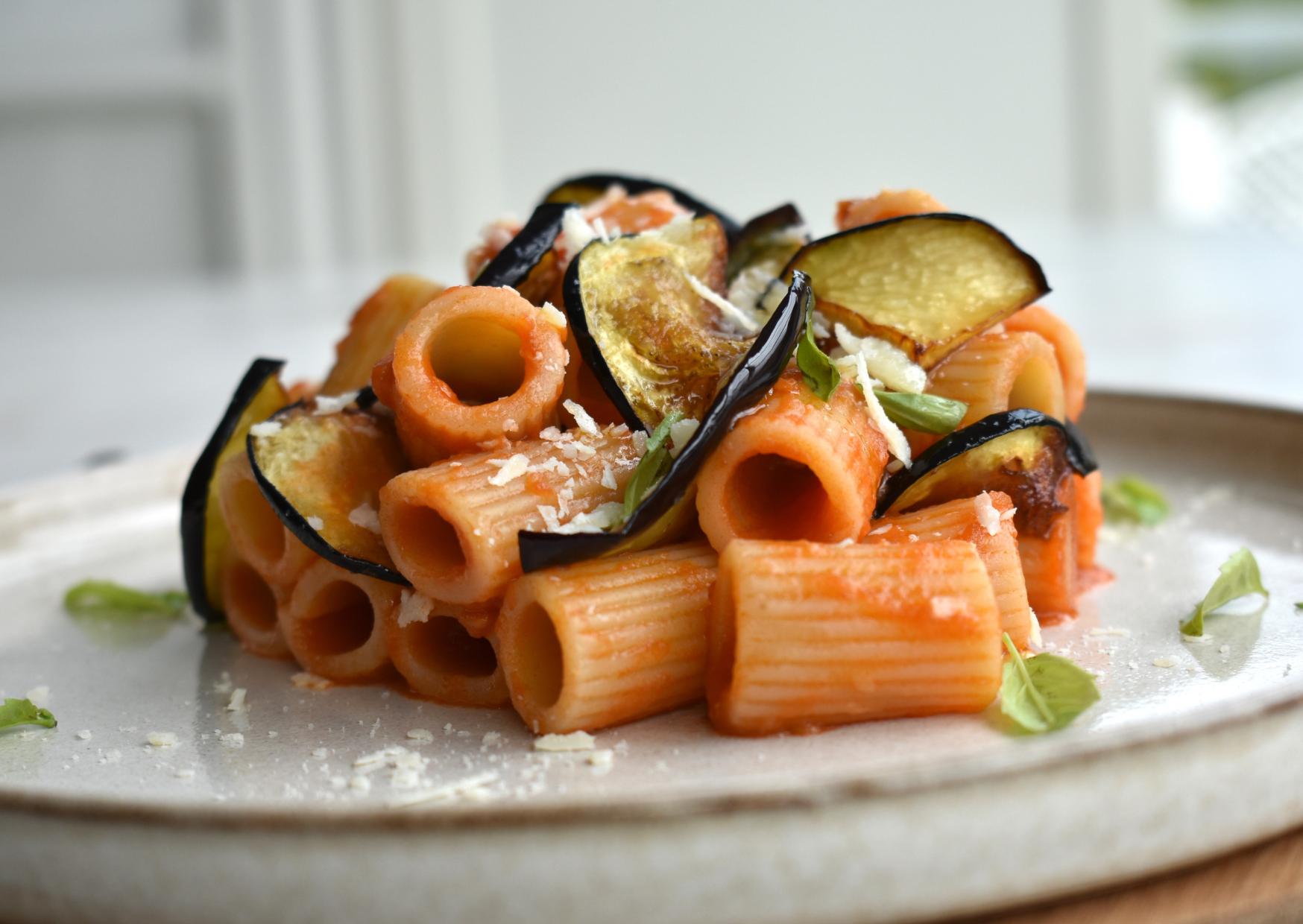
Start with a small plate of citrus-dressed fennel and olives. Cook the wine-finished pasta as above and serve normal portions. Put garlicky greens on the table. Add a protein: grilled sardines, a little roasted chicken, or a chickpea salad with lemon. Finish with orange segments and a spoon of ricotta. It reads Sicilian and it respects your afternoon or your bedtime.
What this plan gets right: moderate pasta, high flavor density, enough protein and fiber to keep the evening calm.
The honest takeaway
Cooking pasta in wine is a beautiful southern Italian habit that makes noodles fragrant, purple, and memorable. It does not prevent gluten sensitivity, it does not cure celiac disease, and it does not turn wheat into a gluten-free food. If you tolerate gluten, you can enjoy the technique and make it feel even better by cooking al dente, using reasonable portions, and building the plate with vegetables and protein. If you do not tolerate gluten, use a gluten-free pasta and keep every bit of the flavor. Respect the science, keep the romance, and dinner will love you back.
Origin and History
Cooking pasta in wine is a technique rooted in southern Italian ingenuity, particularly in parts of Sicily where wine has long been more abundant than water during certain seasons. This method emerged not as a novelty, but as a practical way to infuse depth into simple ingredients using what was readily available.
Sicilian cuisine has always embraced bold flavors and resourceful cooking. With influences from Greek, Arab, and Spanish cultures, the island developed a culinary identity that favors intensity and contrast. Wine, like vinegar, citrus, and anchovies, became a tool to layer acidity and aroma into everyday dishes.
Over time, pasta cooked in wine moved from necessity to tradition. Certain regional dishes and family recipes preserved the method for its ability to transform inexpensive pasta into something complex and memorable without relying on heavy sauces or expensive ingredients.
In recent years, cooking pasta in wine has been misunderstood as a workaround for gluten sensitivity. This claim lacks scientific support. While wine alters flavor and texture, it does not remove gluten or make wheat-based pasta safe for those with gluten intolerance.
Another point of controversy is authenticity. Some argue that pasta should always be cooked in salted water and that deviating from this is sacrilegious. Sicilian cooking challenges this rigidity, prioritizing taste and tradition over uniform rules.
There is also debate about alcohol content. While most of the alcohol cooks off, traces can remain depending on cooking time. This doesn’t affect flavor negatively, but it does matter for those avoiding alcohol entirely, making transparency important.
How Long It Takes to Prepare
Cooking pasta in wine doesn’t significantly extend preparation time. The process mirrors standard pasta cooking, with wine replacing some or all of the water. The key difference is monitoring liquid levels more carefully.
Depending on the pasta shape, cooking time typically ranges from 8 to 12 minutes. Wine reduces slightly as the pasta cooks, concentrating flavor and requiring occasional stirring to prevent sticking.
Including prep, the dish fits comfortably into a weeknight schedule. The technique demands attention rather than time, rewarding focus with a more aromatic and layered result.
Serving Suggestions
Wine-cooked pasta pairs best with minimal accompaniments. Simple olive oil, grated hard cheese, or sautéed vegetables allow the wine’s acidity to remain the star.
Avoid heavy cream or rich sauces, which clash with the sharpness and complexity of the wine. Balance comes from restraint, not addition.
Serve immediately while the pasta is glossy and aromatic. Letting it sit dulls the flavors and tightens the texture, reducing the impact of the technique.
Final Thoughts
Cooking pasta in wine is a reminder that Italian cuisine values technique and intention over rigid rules. What matters is not how unusual the method sounds, but how it enhances flavor.
Separating tradition from misinformation is essential. While wine adds depth and character, it does not change the fundamental properties of wheat pasta. Enjoying the dish means appreciating it for what it is, not what it claims to fix.
When approached with respect for its roots, this Sicilian technique becomes a powerful tool. It turns a familiar food into something surprising, proving that innovation often lives quietly inside tradition.

About the Author: Ruben, co-founder of Gamintraveler.com since 2014, is a seasoned traveler from Spain who has explored over 100 countries since 2009. Known for his extensive travel adventures across South America, Europe, the US, Australia, New Zealand, Asia, and Africa, Ruben combines his passion for adventurous yet sustainable living with his love for cycling, highlighted by his remarkable 5-month bicycle journey from Spain to Norway. He currently resides in Spain, where he continues sharing his travel experiences with his partner, Rachel, and their son, Han.