
And what it reveals about invisible rules, cost-free assumptions, and why one missed stamp can turn a dream trip into an expensive lesson
Tourists watching dramatic landscapes roll by on regional trains in Italy or Switzerland often feel a sense of quiet bliss. But that feeling can vanish fast when a conductor approaches ticket in hand and delivers crushing news: the ticket wasn’t validated. That small lapse can trigger a penalty fine of up to €200.
It’s not theft. It’s not misunderstanding. It’s a rule written on the ticket, posted on the platform, and rarely announced in English. And for Americans accustomed to digital tickets and onboard punches, it’s one rule they simply don’t expect.
Here’s how missing validation can turn into a €200 fine and how to avoid it entirely.
Want More Deep Dives into Other Cultures?
– Why Europeans Walk Everywhere (And Americans Should Too)
– How Europeans Actually Afford Living in Cities Without Six-Figure Salaries
– 9 ‘Luxury’ Items in America That Europeans Consider Basic Necessities
Quick Easy Tips
Always look for a validation machine on the platform before boarding your train.
Validation machines are often small and easy to miss, so give yourself extra time to find them.
If you’re unsure whether your ticket needs validation, ask a station attendant or fellow traveler.
Digital tickets purchased online may not need validation, but physical paper tickets usually do.
Keep your ticket handy during the ride, as ticket inspectors regularly check for validation.
Many American travelers argue that the system is confusing and unfair, especially when signage is in a foreign language or the validation machines are poorly marked. They feel it targets tourists who simply don’t know the rules. From their perspective, a €200 fine for a missed step seems excessive.
However, from the European perspective, validation is standard practice. Locals see it as basic train etiquette, and the fines are meant to deter fare evasion. The expectation is that travelers should research how the system works before using it.
This clash highlights a bigger issue: the cultural gap between how public transportation operates in the U.S. and in Europe. While American systems often have turnstiles or ticket checks at entry, many European networks rely on an honor system where personal responsibility plays a key role. Understanding this difference is essential to avoid unpleasant surprises.
1. Validation is mandatory not optional
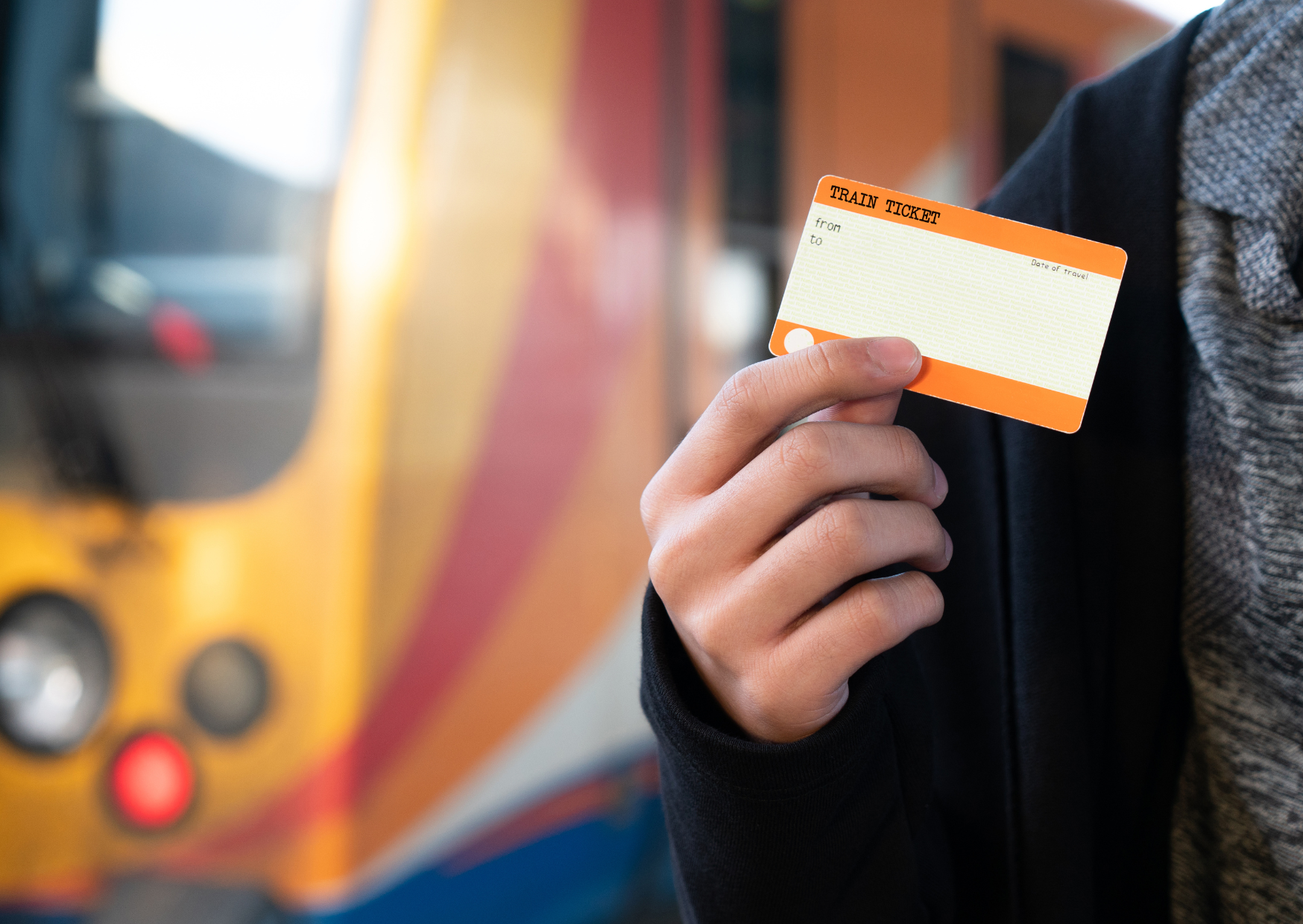
Across many European countries—especially Italy, Spain, and parts of Germany—train tickets must be validated before boarding. Whether it’s a stamped paper ticket or a digital QR code, the act officially marks the date and time of use. Without that stamp, your ticket is considered invalid from the start.
Failure to do so can result in a penalty fare. In Italy, that can reach €200 or more, although many inspectors may offer a reduced fee if you pay immediately. Penalties vary by region and are often non-negotiable once issued.
2. Americans misunderstand because the rule doesn’t exist at home
In the United States, the idea of “validating” a ticket is nearly unheard of. Conductors on trains like Amtrak simply scan a ticket onboard. Transit systems don’t require time-stamping. That’s why many Americans—holding what looks like a perfectly valid ticket—don’t realize they’ve broken a rule the moment they step onto the platform.
The mental model is: I bought the ticket, I boarded on time, I’m done. But in much of Europe, that’s incomplete. And it’s the passenger—not the system—who pays for the misunderstanding.
3. Tourists disproportionately fall into this trap
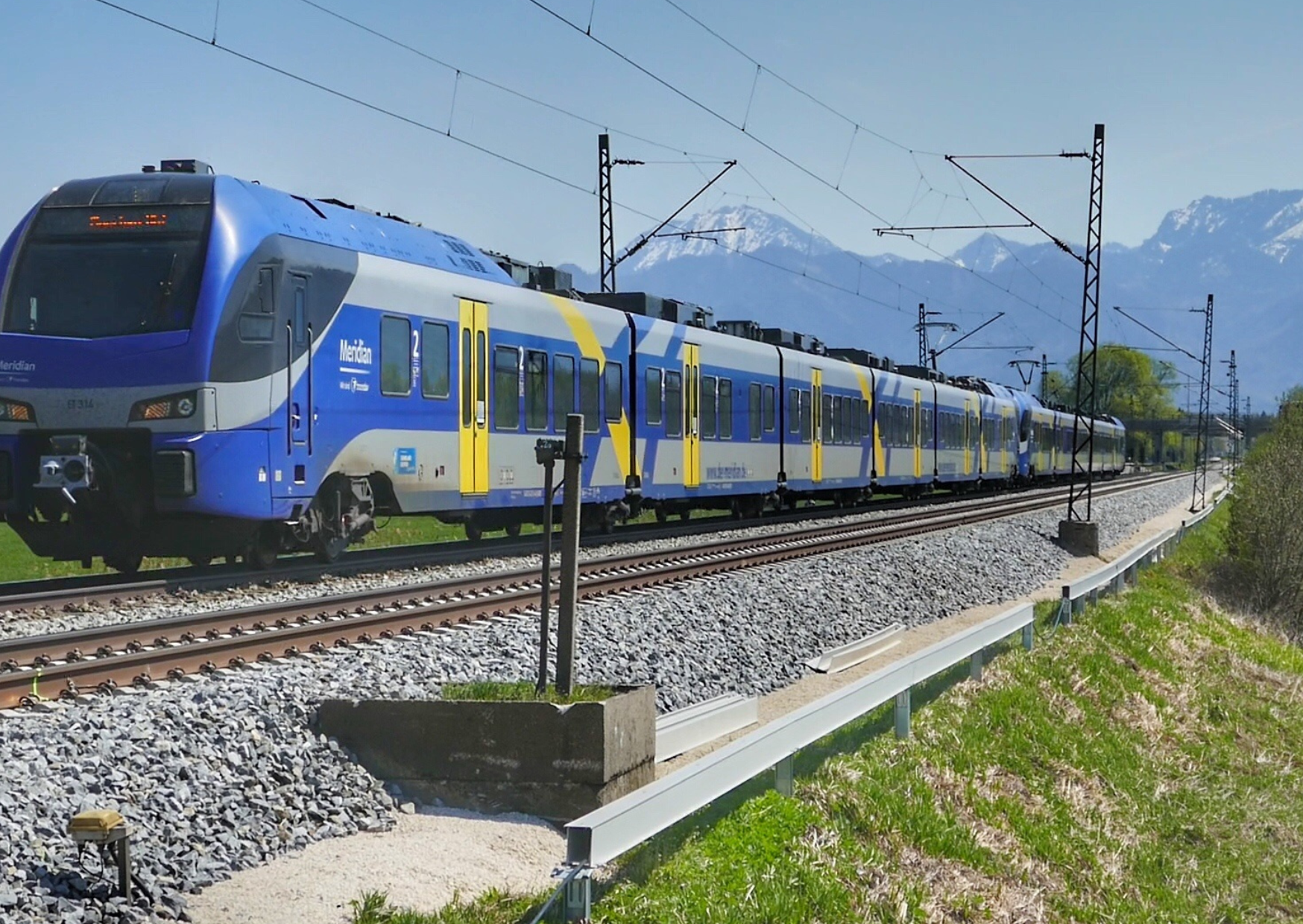
Many reports of fines come from international visitors using regional or point-to-point tickets. These are often open-ended—meaning they’re good for a general route or time window, not a specific departure. This flexibility requires validation to confirm when it was used.
Tourists frequently assume their ticket has been activated at purchase. Unless it’s a reserved seat on a high-speed train, that’s usually not the case. Paper tickets need a stamp. App-based tickets may need check-in just before boarding. Miss that step, and the ticket becomes invalid—even if it was paid for in full.
4. The machines are easy to miss and unforgiving
Validation machines are often located on the platform, not at the entrance or ticket counter. They’re small, boxy, and come in different colors. In Italy, they might be green or yellow. In France, light gray. Some require inserting a paper ticket. Others use QR code scans.
If you board in a hurry, or if the machine is at the opposite end of the platform, you might not see it. And once the train pulls away, it’s too late. Conductors may accept an immediate stamp only if you seek one out before the train departs. After that, it’s considered fare evasion.
5. Inspectors are empowered and the fines add up fast

Ticket inspectors in many countries have full authority to issue on-the-spot fines. You’ll be asked for ID. In some cases, you may be required to pay in cash or on a mobile terminal. Refusing to pay often leads to higher penalties or a report to local authorities.
These inspectors aren’t trying to trap tourists. But they are enforcing a rule that assumes riders know it exists. When a rule is habitual for locals and invisible to visitors, travelers get caught first—and hardest.
6. Warnings exist but they’re not designed for clarity
Most stations have small signs that mention validation, often in the national language only. Some tickets say “Validate before boarding,” but the font is small and the language vague. Audio announcements are rare—and seldom made in English.
Even well-informed travelers miss the instruction. It’s not just ignorance. It’s poor communication. But the system puts the burden on the rider, not the signage.
7. High-speed trains and passes follow different rules
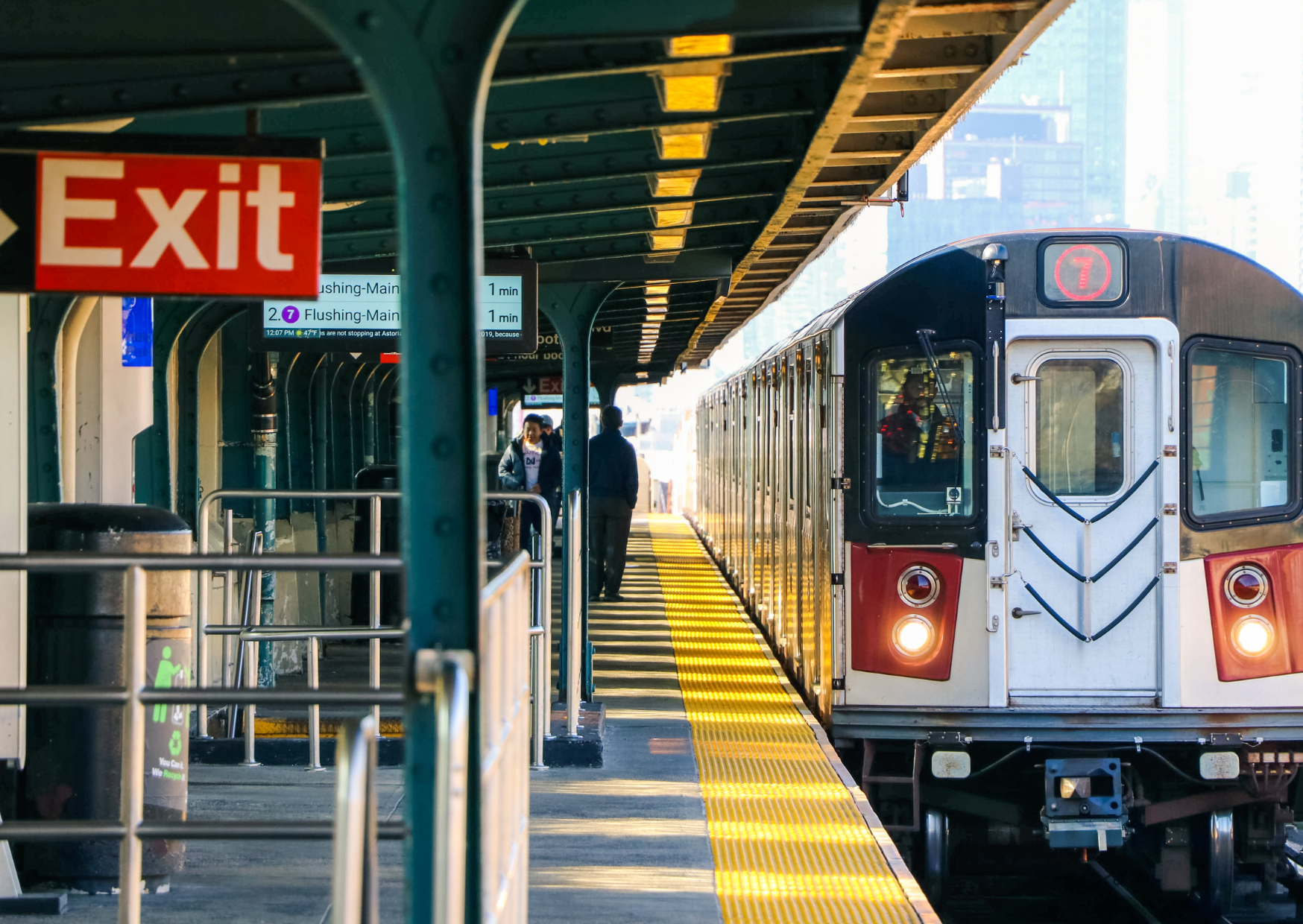
Not all trains require validation. If you book a high-speed train like Italy’s Frecciarossa or France’s TGV with an assigned seat and set departure time, your ticket is effectively self-validating. No stamp required.
Similarly, if you’re using a Eurail or Interrail pass, validation happens once per travel day through the app. But even here, if you forget to activate it before the train leaves, you may face the same fine.
This inconsistency between train types adds to the confusion. Many travelers validate once and assume they’re done. In reality, each unreserved ticket needs its own time stamp.
8. Staff may not warn you they assume you know
In some cases, even station agents fail to remind travelers. They may assume you’ve ridden before. Or they may be busy with other passengers. It’s not negligence—it’s cultural expectation.
In most countries, locals grow up learning the validation rule. It’s passed down from parents or school trips. It’s assumed knowledge. But for first-time visitors, no one explains it unless you ask.
9. You don’t need to speak the language to be ready

Avoiding this fine doesn’t require fluency. Just awareness. If your ticket doesn’t list a seat or time, ask: “Do I need to validate?” If you don’t see a machine, ask: “Where do I stamp this?”
Even holding your ticket up and miming the question to another traveler can save you €200. Locals will usually help. So will conductors—if you ask before the train moves.
One Missed Step, One Lasting Regret
The €200 fine isn’t malicious. It’s bureaucratic. But it can change the tone of your trip. A single mistake becomes a lesson you carry into every station after.
And while no one wants to obsess over tiny machines or time stamps, avoiding this fine means you get to enjoy the journey without interruption. That’s worth the 30 seconds it takes to find the box.
In Europe, small rituals matter. Sometimes, one beep of a machine is all it takes to protect your plans, your money and your mood.
This isn’t about catching tourists out; it’s part of the transportation system’s rules. Validation stamps the ticket with the time and date, ensuring it can’t be reused. For locals, this is second nature. For first-time visitors, it can be a costly mistake.
Understanding the system before you board can save you from frustration, embarrassment, and a lighter wallet. A two-second action at a validation machine can mean the difference between a smooth trip and an unexpected penalty.

About the Author: Ruben, co-founder of Gamintraveler.com since 2014, is a seasoned traveler from Spain who has explored over 100 countries since 2009. Known for his extensive travel adventures across South America, Europe, the US, Australia, New Zealand, Asia, and Africa, Ruben combines his passion for adventurous yet sustainable living with his love for cycling, highlighted by his remarkable 5-month bicycle journey from Spain to Norway. He currently resides in Spain, where he continues sharing his travel experiences with his partner, Rachel, and their son, Han.