
Imagine a pot of milk scented with lemon peel and a cinnamon stick, rice turning creamy as you stir, then bowls cooling quietly in the fridge until the surface sets and the kitchen smells like warmth and citrus.
You lift a spoon the next day. It is rich without being heavy, sweet but not cloying, and it leaves you satisfied instead of hunting for crackers an hour later. This is the Spanish way with rice pudding, arroz con leche, and the trick is not a mystery. It is the way the dish is built and when you eat it.
Where many American rice puddings are baked custards or quick stovetop mixes heavy on sugar and add-ins, the Spanish version leans milk-forward, lemon-cinnamon scented, long simmered, and chilled. Those choices matter. They load the bowl with protein and fat from dairy, slow the starch with time and temperature, and keep portions modest because the flavor is deep. When you stack those habits together, you often avoid the sharp blood sugar surge that many American rice puddings provoke.
Below is the clear, practical map. You will see what makes Spanish arroz con leche different, the simple science that explains why it behaves better in your body, and a master recipe that works with supermarket ingredients on a weekday. There are substitutions for U.S. and EU pantries, notes on mistakes that make rice pudding gluey or thin, small regional accents you can borrow, and a two-minute, after-dessert habit that helps even more.
This is general information, not medical advice.
What Makes Spanish Arroz Con Leche Different
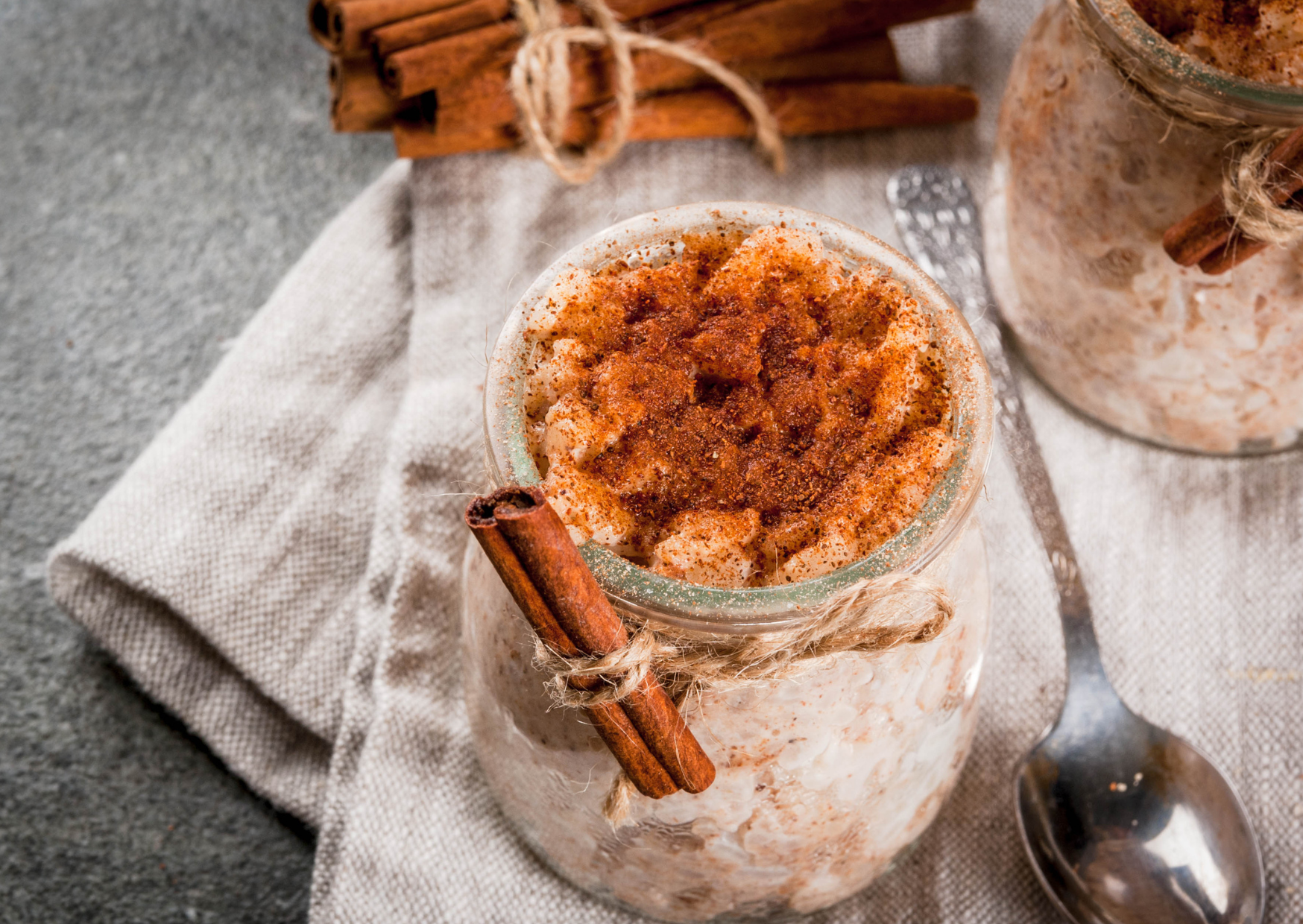
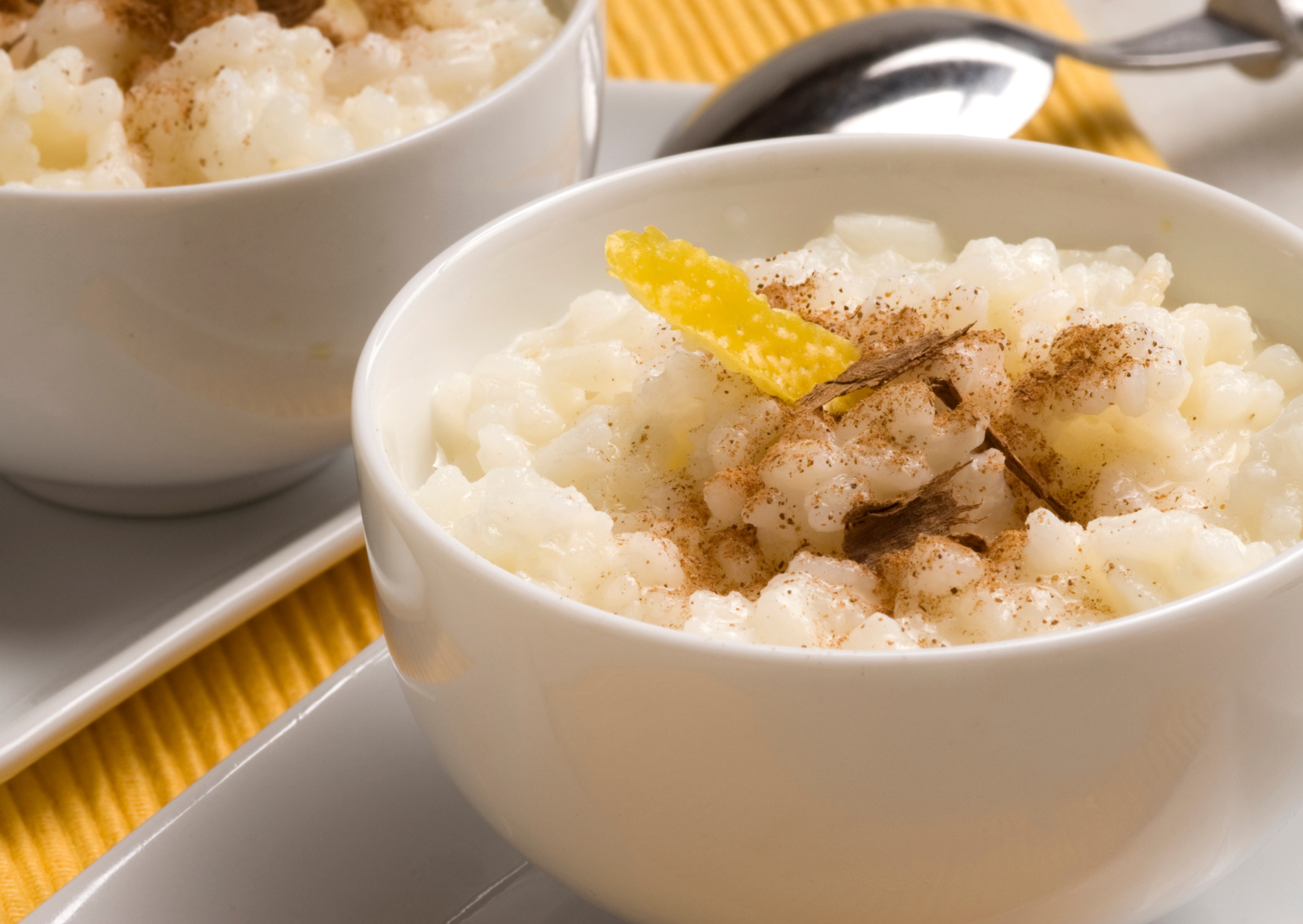
Spanish arroz con leche is not a baked custard and not a quick cornstarch pudding. It is rice slowly simmered in whole milk with lemon peel and a cinnamon stick, lightly sweetened near the end, then cooled until thick. In Asturias, cooks sometimes finish with a thin brûléed sugar crust on top. Classic recipes from Spain’s official tourism site and widely used Spanish cookery references use the same backbone, milk first, rice, lemon, cinnamon, sugar late, and time on a low flame until the grains release enough starch to cream the pot. The ratio is milk-heavy, typically liters of milk for a small cup of rice, and stirring is expected.
Two kitchen choices set it apart from many American versions.
First, dairy carries the dish. Whole milk gives body without eggs, and the fat and casein change how the starch lands in your system. Second, it is served cold or cool, often the next day. That rest is not only for texture. Cooling changes the starch itself in a way your body notices.
Spanish flavor is spare and specific. Lemon peel, not extract. A cinnamon stick, not a spice bomb. Sugar levels vary by household, but many cooks add less than you expect because long, slow milk cooking tastes sweet on its own. Even famous Spanish chefs who caramelize the top keep the base simple, then use a thin sugar crust for contrast.
Why This Bowl Hits Softer: The Simple Science
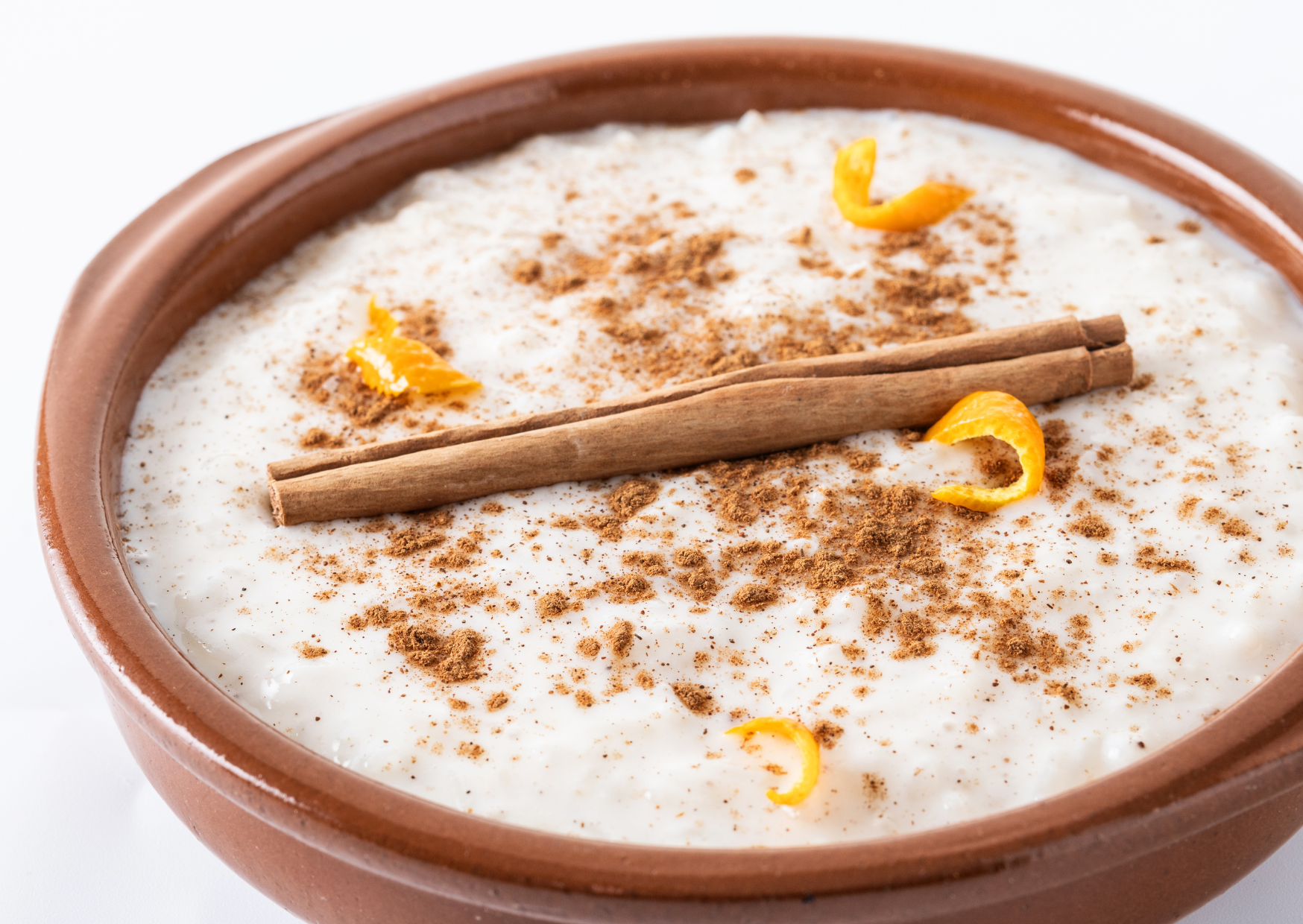
You do not need lab gear to understand why a Spanish bowl often feels kinder than a sugary American bake. Three ideas carry the load.
1) Cooling builds resistant starch. When cooked rice cools, some of its starch retrogrades into resistant starch, which your body digests more slowly. Studies show that cooking, chilling for about a day, then eating cool or gently reheated reduces the post-meal glucose rise compared with freshly cooked rice. Arroz con leche is almost always chilled before serving, so you get the benefit for free.
2) Dairy protein and fat slow the curve. The casein and whey in milk and the fat in whole milk slow gastric emptying and can blunt post-prandial glucose when they are part of the same meal. That does not make dessert a health food. It does mean a milk-forward pudding asks your body to absorb starch more slowly than a bowl built mostly from sugar and cornstarch. Meta-analyses and clinical reviews continue to show milk proteins can improve the acute glycemic response when paired with carbohydrate.
3) Spice helps a little, not a lot. Cinnamon is not a cure, but there is real evidence that regular cinnamon intake can improve some markers of glycemic control in people with diabetes. In a dessert, cinnamon’s impact is modest compared with cooling and dairy. Keep it for the flavor, then let time in the fridge do the heavy lifting.
One more detail helps if you want to push the effect farther. Rice type and processing matter. Higher amylose rices and parboiled rices tend to produce a lower glycemic response than low-amylose sticky types, especially once cooled. Spanish arroz con leche traditionally uses round, short-grain rice for creaminess, which is perfect for texture. If you want to tune toward a flatter curve, you can swap in a parboiled medium-grain while keeping the Spanish method. The dish stays Spanish in spirit and often hits the body a little softer.
Scan-hooks: cool the rice, milk slows it, cinnamon is garnish not medicine, parboiled tilts lower.
The Spanish Build, Step By Step, With Two Smart Tweaks
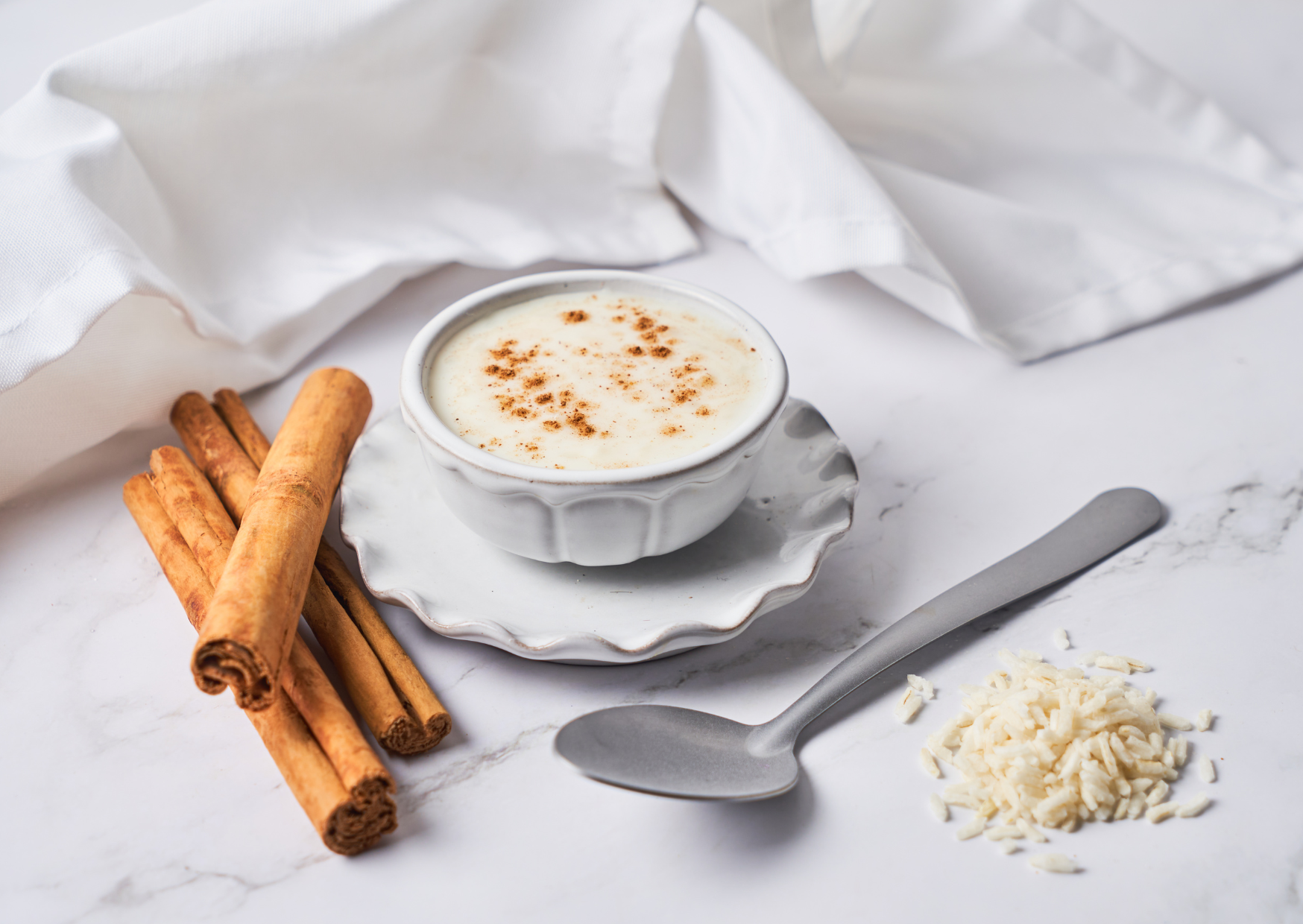
This is a milk-first, lemon-cinnamon arroz con leche that cooks on a weeknight and sets overnight. The two tweaks are simple. Add the sugar late so the milk does not scorch. Chill fully so resistant starch forms.
You need
• 1 small lemon, peeled in wide strips with no white pith
• 1 cinnamon stick
• 1 liter whole milk
• 120 g short-grain Spanish rice, or 120 g parboiled medium-grain for a lower-spike variant
• 80 to 120 g sugar, to taste
• A pinch of salt
• Optional for Asturias style: 2 tbsp sugar for a thin brûlée crust
Method
- Infuse the milk. In a heavy pot, combine milk, lemon peel, cinnamon stick, and a pinch of salt. Bring just to a simmer, then lower heat. Let it sit 10 minutes so the milk picks up citrus and spice.
- Add rice and stir low and slow. Stir in the rice. Keep the pot at a very gentle simmer, stirring frequently so the rice releases starch without sticking. Expect 35 to 50 minutes depending on your stove and rice. If the surface dries, add a splash of milk. The mixture should thicken to a loose porridge that tightens as it cools. Traditional recipes expect a patient simmer and frequent stirring rather than a thickener.
- Sweeten late. When the rice is tender and the pudding is creamy, remove the lemon peel and cinnamon stick. Stir in 80 g sugar, taste, then add more if you like. Cooking sugar late reduces scorching and keeps the milk clean-tasting.
- Cool and set. Ladle into shallow bowls. Cool to room temperature, cover, and refrigerate at least 6 hours, ideally overnight. This is where your resistant starch forms and the texture turns silky.
- Finish to taste. Dust with cinnamon. For Asturian style, sprinkle a thin layer of sugar and torch until caramelized to a glassy crust.
Why it works. The milk and the chill carry the physiology. The late sugar addition preserves a clean milk profile. The lemon peel and cinnamon give lift without extra sugar. The result is creamy, fragrant, and steady.
Substitutions for U.S. and EU pantries
- Milk: whole cow’s milk is traditional. If you need lactose-free, use lactose-free whole milk for similar protein and fat. Plant milks will set thinner and have different effects.
- Rice: short-grain arroz redondo or bomba gives classic creaminess. For a flatter curve, try parboiled medium-grain. If you use brown rice, you gain fiber but lose classic texture and will need more time.
- Sugar: the 80 g starting point is deliberately modest for a liter of milk. Many classic Spanish recipes use more, often 150 to 220 g per batch for a large crowd. Start low, taste, and remember the brûlée crust adds sweetness back if you use it.
How To Make It Even Gentler Without Ruining The Dish
You can keep the Spanish soul and nudge the curve down a bit further with three tiny habits.
1) Portion like a Spaniard. Serve small bowls, about 120 to 150 g. Glycemic load reflects not only how fast carbs hit, but how much you eat. Smaller bowls with a rich base feel complete. Glycemic load is the better real-life measure because it considers portion size, not just the speed of a lab dose.
2) Pair it. The classic Spanish table often puts dessert after a full meal where protein, fat, and fiber are already on board. If you do this as a stand-alone snack, add a little protein, such as a few nuts on top. Dairy already helps, but a bit more slows things further. Reviews on culinary strategies to lower meal glycemia consistently point to macronutrient balance as a simple lever.
3) Walk two to ten minutes. A short, post-meal walk meaningfully lowers the glucose rise. You do not need a gym. You need movement right after you eat. Meta-analyses show that even modest walking soon after a meal trims the post-prandial peak more than waiting.
Scan-hooks: small bowl, dessert after dinner, two-minute walk beats the couch.
Why American Rice Pudding Spikes More Often
This is not a character judgment. It is kitchen design and habit.
Baked custard style puddings often rely on lots of added sugar, evaporated or condensed milk, and sometimes white rice cooked separately. The base can be delicious, but there is less milk per gram of rice in many home recipes and a shorter chill because the dish is served warm. The sugar load climbs, the dairy matrix drops, and the temperature stays high. That combination tends toward quicker digestion and bigger peaks, especially if you eat it between meals. When you stack those defaults against the Spanish method, the differences add up.
If you love a baked American version, use the same levers. Keep the serving small. Chill leftovers and enjoy them cold or gently rewarmed. Add cinnamon for flavor. Walk after dessert. The point is not to abandon what you love. It is to change the context so it treats you better. Reviews on cooling starches and meal-building confirm the same levers over and over, temperature, macronutrients, portion, movement.
Troubleshooting The Pot: Texture, Flavor, And Sugar
You do not need a pastry degree to land the right texture. You need low heat, time, and attention.
It is gluey. Likely too high heat or not enough stirring in the last 15 minutes. Lower the flame and stir more often. If it tightens too much as it cools, whisk in a tablespoon of milk to loosen before chilling.
It is thin. Keep going. Spanish recipes often simmer an hour or more to coax starch from the grains. The milk should look slightly loose on the spoon when hot and thicken as it cools. Do not thicken with cornstarch if you want the Spanish texture. Trust time.
It scorched. Sugar added too early or heat too high. In Spanish practice, sweeten late to protect the milk, and keep the surface moving with the spoon.
It is too sweet. Use the lower sugar range in the master method and rely on lemon peel and a cinnamon stick for aroma. If you want a sweeter top, a thin brûlée crust gives a high-impact finish with very little sugar in the base.
The rice stayed firm. Add a splash of milk and keep the gentlest simmer. Short-grain softens and releases starch when you give it time. Parboiled rice will stay a touch firmer, which is fine if you chose it for a gentler curve.
Regional Accents You Can Borrow
The method is shared. The accents change.
Asturias. Famous for a caramelized top. The base is very milky, sometimes enriched with cream, and cooked long until the spoon stands. You eat it cool with a shattery sugar crust.
Across Spain. The lemon peel plus cinnamon stick pairing is near universal. Some households add a strip of orange peel. Others finish with a knob of butter after the simmer for gloss, a move you will see in home recipes and TV cooks. The core stays the same, milk, rice, citrus, cinnamon, time.
Modern spins. Television chefs sometimes make lactose-free or vegan versions with plant milks and fruit sauces. These change the nutrition and the texture, so expect a different bowl, not a perfect stand-in.
A Second, “Weeknight-Fast” Method That Still Behaves
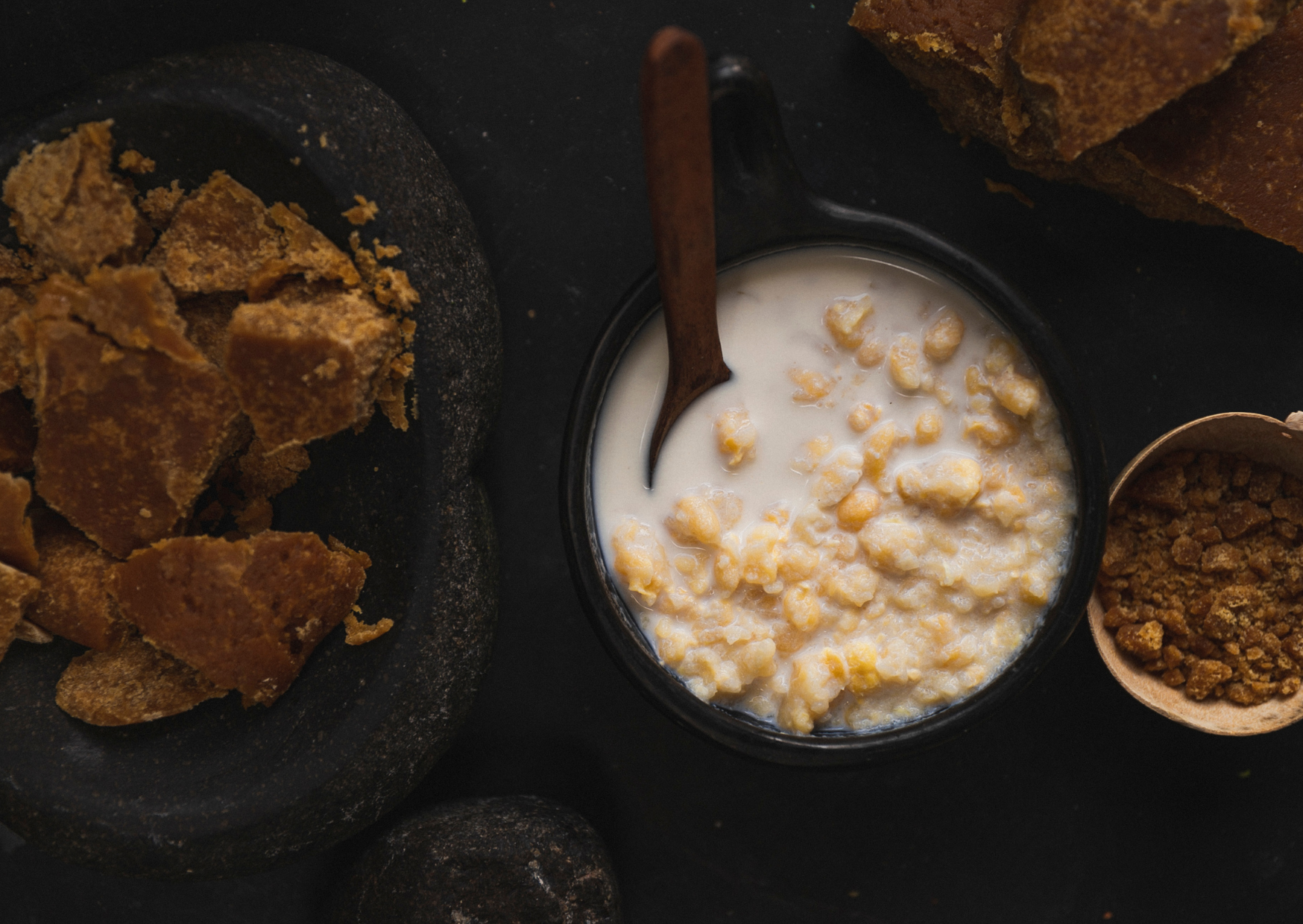
If you want the flavor with less hovering, here is an Instant Pot approach that stays true to the Spanish profile.
Instant Pot Spanish-style arroz con leche
• Rinse 120 g rice briefly. Add to the pot with 1 liter whole milk, lemon peel, cinnamon stick, a pinch of salt.
• Cook 12 minutes on low pressure, natural release 10 minutes, then quick release.
• Stir in 80 to 120 g sugar and simmer on Sauté-Low for 3 to 5 minutes, stirring, until just loose. Remove peel and stick. Bowl and chill overnight.
You still get the cooling step, which is the big lever. The texture is a touch less silky than the long stovetop method, but the profile and scent are right.
The Practical Playbook
If you want the Spanish effect without memorizing anything, do these five things.
- Cook in milk, not water. Whole milk plus rice plus lemon peel and a cinnamon stick.
- Sugar late and less. Start at 80 g per liter and use the brûlée crust if you want impact at the surface.
- Chill overnight. This builds resistant starch and sets the texture you came for.
- Serve small. A teacup, not a cereal bowl. Glycemic load respects portion.
- Walk two to ten minutes after dessert. It works.
That is the whole pattern. You do not need a blood sugar lecture. You need a pot, a fridge, and a short walk.
Edge Cases, Questions, And Small Print
Is cinnamon doing the work here. No. It helps a little in long-term trials for people with diabetes, but in a dessert the big levers are milk and cooling. Use cinnamon for aroma and tradition.
Is parboiled rice required. No. It is a tool. Spanish short-grain is correct for texture. If you are chasing the gentlest curve, parboiled can help, especially after chilling. Evidence points to lower glycemic responses with parboiled in several trials.
Can I make it with brown rice. You can, but it is not classic and the texture shifts. You will need more time and more milk. The fiber helps, yet most of the benefit here already comes from cooling and the dairy matrix.
How much sugar do Spanish recipes really use. It varies. Many respected Spanish recipes for a family-size batch use 150 to 220 g of sugar with 2 to 2.5 liters of milk and about 200 g of rice, then serve many small portions. The master method here pulls that down and relies on citrus, cinnamon, and the option of a thin brûlée for punch.
Should I eat it warm. Warm is lovely, but cooling is part of what makes the Spanish bowl behave. Chill it, then enjoy it cool, or gently rewarm the next day if you prefer.
What This Means For You
You can keep rice pudding in your life and leave the blood sugar roller coaster at the curb. The Spanish way hands you a better pattern by default. Milk-forward, sugar-late, lemon and cinnamon for lift, and an overnight chill that quietly turns part of the starch into something your body handles more slowly. Keep the bowl small, serve it after a meal, and take a short walk. It still tastes like comfort. It just acts like it had some sense.
Origin and History
Arroz con leche has deep roots in Spain, shaped by centuries of agricultural tradition and cultural exchange. Rice arrived via Arab influence during medieval times, while dairy and cinnamon became staples in Spanish kitchens due to regional farming and trade routes. The dessert evolved as a humble, home-cooked dish rather than a restaurant showpiece.
Unlike heavily sweetened custards, Spanish arroz con leche developed as a slow-cooked comfort food. Families prepared it gently, often using whole milk, citrus peel, and warming spices to build flavor without relying on excessive sugar. This approach emphasized balance and digestibility over indulgence.
As the recipe traveled to Latin America and beyond, variations emerged. Many of these adaptations increased sweetness and portion size. In Spain, however, the original version remained restrained, reflecting a culinary philosophy that favors moderation and repetition over intensity.
The controversy begins with sweetness. American rice pudding is often treated as a dessert-first dish, relying heavily on sugar, condensed milk, or syrups. Spanish arroz con leche challenges this by letting spice, fat, and cooking method do most of the work.
Another debated point is texture. Creamy doesn’t have to mean thick or heavy. Spanish versions are typically looser and silkier, which slows eating and encourages smaller portions. This subtle difference changes how the body responds to the dish.
What makes the topic sensitive is the assumption that all rice-based desserts affect the body the same way. Preparation, portion size, and ingredient balance matter. Spanish arroz con leche doesn’t eliminate sugar impact, but it approaches it more thoughtfully than many modern interpretations.
How Long It Takes to Prepare
Arroz con leche is not a rushed dessert. Traditional preparation takes about 35 to 45 minutes of gentle cooking, allowing the rice to soften gradually and release starch slowly. This steady process creates creaminess without thickening agents.
Most of the time is passive. Once the pot is simmering, it requires occasional stirring rather than constant attention. The slow pace is intentional, ensuring even cooking and integrated flavor.
Cooling time is also part of the process. Allowing the dessert to rest slightly before serving helps the texture settle and flavors mellow. From start to finish, it fits comfortably into an unhurried kitchen rhythm.
Serving Suggestions
Spanish arroz con leche is typically served warm or at room temperature, never piping hot. This enhances aroma and prevents the sweetness from overpowering the palate.
A light dusting of cinnamon is traditional, adding warmth without additional sugar. Lemon or orange peel may be infused during cooking but removed before serving to keep the flavor subtle.
Portion size matters. This dessert is meant to satisfy without overwhelming. Small bowls encourage mindful eating and allow arroz con leche to function as a gentle finish rather than a sugar-heavy finale.
Final Thoughts
Spanish arroz con leche stands out not because it avoids sugar, but because it respects it. By focusing on technique, fat balance, and spice, it delivers comfort without excess.
The difference between this dish and American rice pudding isn’t the rice itself, but intention. One is designed for restraint and repetition, the other for impact and indulgence.
Adopting elements of the Spanish approach doesn’t mean giving up dessert. It means rediscovering how traditional cooking created satisfaction through balance rather than overload.

About the Author: Ruben, co-founder of Gamintraveler.com since 2014, is a seasoned traveler from Spain who has explored over 100 countries since 2009. Known for his extensive travel adventures across South America, Europe, the US, Australia, New Zealand, Asia, and Africa, Ruben combines his passion for adventurous yet sustainable living with his love for cycling, highlighted by his remarkable 5-month bicycle journey from Spain to Norway. He currently resides in Spain, where he continues sharing his travel experiences with his partner, Rachel, and their son, Han.