
You don’t need billionaire money to live well in Europe—you need the right map. In the cities below, $2,000 a month buys you a one-bedroom in a walkable neighborhood, real food cooked by other humans, and public transit you’ll actually use. It’s not magic; it’s math and policy. Rents are sane, commuting is cheap, and daily pleasures—coffee, markets, a glass of wine—cost what they should.
Before we dive in, a quick promise: the numbers here are 2025-current, and when a claim could drift, we note the rule or price behind it. No links in the body; receipts sit at the end.
Want More Deep Dives into Other Cultures?
– Why Europeans Walk Everywhere (And Americans Should Too)
– How Europeans Actually Afford Living in Cities Without Six-Figure Salaries
– 9 ‘Luxury’ Items in America That Europeans Consider Basic Necessities
Quick Easy Tips
Research cost of living thoroughly before choosing a destination to make sure it aligns with your lifestyle needs.
Factor in health insurance, transportation, and housing when estimating monthly expenses.
Take advantage of local markets and public transportation to save money without compromising quality.
Learn basic local language phrases to help integrate more easily and avoid tourist pricing.
Consider long-stay visas or residency programs designed for retirees and remote workers.
Many Americans believe living abroad is only for the rich or the ultra-adventurous. This mindset overlooks the fact that in many European cities, the cost of living is significantly lower than in major U.S. cities, even while offering a higher standard of living. The real barrier often isn’t money—it’s perception.
Another point of contention is how “luxury” is defined. In the U.S., luxury often means big houses and expensive goods. In much of Europe, it’s tied to time, experiences, community, and access to beauty—things that don’t necessarily cost more. This cultural difference can make $2,000 go a long way.
Finally, there’s a growing debate around Americans moving abroad to stretch their dollar. While some see it as a smart financial decision, others argue it can drive up prices for locals. Understanding this dynamic and integrating respectfully into local communities is essential for sustainable living abroad.
What “feels like $8,000” actually means
If you’re coming from a high-cost U.S. city, “$2,000 that feels like $8,000” is shorthand for a lifestyle where rent doesn’t eat your paycheck, mobility is a subscription, not a car loan, and eating out isn’t a luxury. For consistency, we modeled a simple monthly basket: a 1-bedroom rental, utilities and internet, a transit pass, groceries plus 6–8 casual meals out, and a small healthcare buffer. When those line items come in comfortably under $2,000—and the city keeps delivering parks, safety, culture, and community—that’s the “$8,000 feeling.”
Two notes for 2025: prices shift by neighborhood, and exchange rates wobble; the ranges below let you right-size your plan without surprise. The play is to rent modestly, live locally, and use the infrastructure you’re paying for.
Valencia, Spain — sun, transit, and bargaining-power rent

Valencia wins on three fronts: livable rent, sub-€2 coffees and market lunches, and cheap, frequent transit. A realistic 1-bedroom near the tram or metro comes in around €800–1,100, with smaller places outside hot zones like Ruzafa and El Carmen dipping lower. Utilities on a compact flat plus fast fiber are manageable, and bus/metro pricing still rewards pass-holders despite fare tweaks this year.
If you’re under 30, the EMT Jove monthly is a steal; otherwise, multi-ride discounts and integrated passes keep commuting painless. Do your food like locals—midday menu del día, late dinner at home—and your budget breathes. For neighborhoods, Benimaclet offers student energy and decent prices, Cabanyal trades proximity to the sea for older housing stock, and Campanar buys quiet without exile.
What to say at viewing: “Tengo la documentación lista: nómina, DNI/NIE, y fianza” — then show the PDF from your phone. Owners respond fast when you signal seriousness, offer two months deposit, and agree on a 12-month term.
Why it “feels 8k”: walkable errands, low-cost leisure, real transit. Rent isn’t your identity here, which frees everything else.
Porto, Portugal — riverside life with a €40–€50 commute cap

Porto is the “comfortable everywhere” city: €740–€1,000 for a 1-bedroom depending on parish, €40 for a municipal Andante pass (or €50 for the whole metro area), and grocery prices that make cooking a joy. You can live near the metro in Campanhã or Paranhos and still walk to life. Utilities are steady if your building’s insulation is modern; aim for places with split A/C and double glazing.
Run your days on foot, tram, and bus. The Andante pass covers multiple zones without mental math, and cafés don’t punish you for sitting. Restaurant cadence is simple: lunch out on weekdays, home dinners with vinho verde, and weekend francesinha split two ways—you’ll spend less and enjoy more.
Lease tip: expect 3 months upfront (first month + two deposits) and proof of income; if you’re new, brandish a Portuguese NIF and work contract (or savings) and you’ll move faster.
Why it “feels 8k”: rent that respects your savings, fixed-price transit, everyday meals you don’t have to budget-panic over.
Thessaloniki, Greece — harbor city, €16 monthly metro/bus era
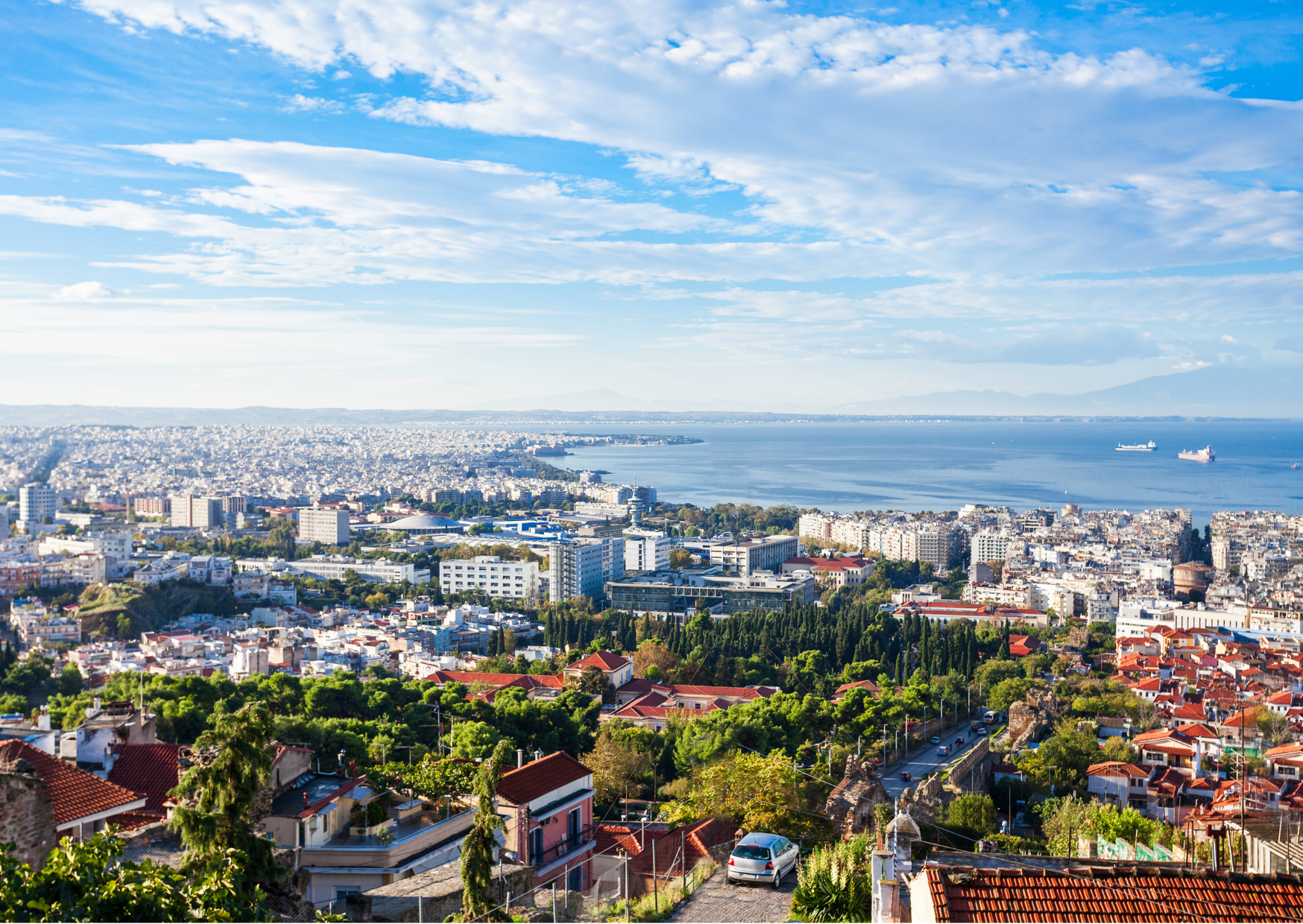
Thessaloniki is the Greek “big-small” city: €450–€600 lands a central 1-bedroom in 2025, and the new integrated fare policy means a monthly unlimited card priced in the teens during the launch window of the metro. Even at standard rates, the bus-only monthly sits around the cost of a single fancy dinner, and single rides have been cut to €0.60 for the promotional period—friendly numbers whether you’re commuting daily or mixing in walks on the waterfront.
The food math is unfair—in a good way. Bougatsa and coffee for breakfast, lunch salads and grilled plates under €10, and mezé nights with friends that don’t erase the week. Live walkably in Valaoritou or Ano Poli for character; go Toumba or Charilaou if you want price calm.
Apartment script: ask about heating type (natural gas vs. older systems), building insulation, and elevator age—those three decide winter bills and daily comfort. Offer to pre-pay a quarter if you want the nicer place.
Why it “feels 8k”: sub-€500 rents, double-digit monthly transit, cheap, social food.
Kraków, Poland — culture on tap, costs under control
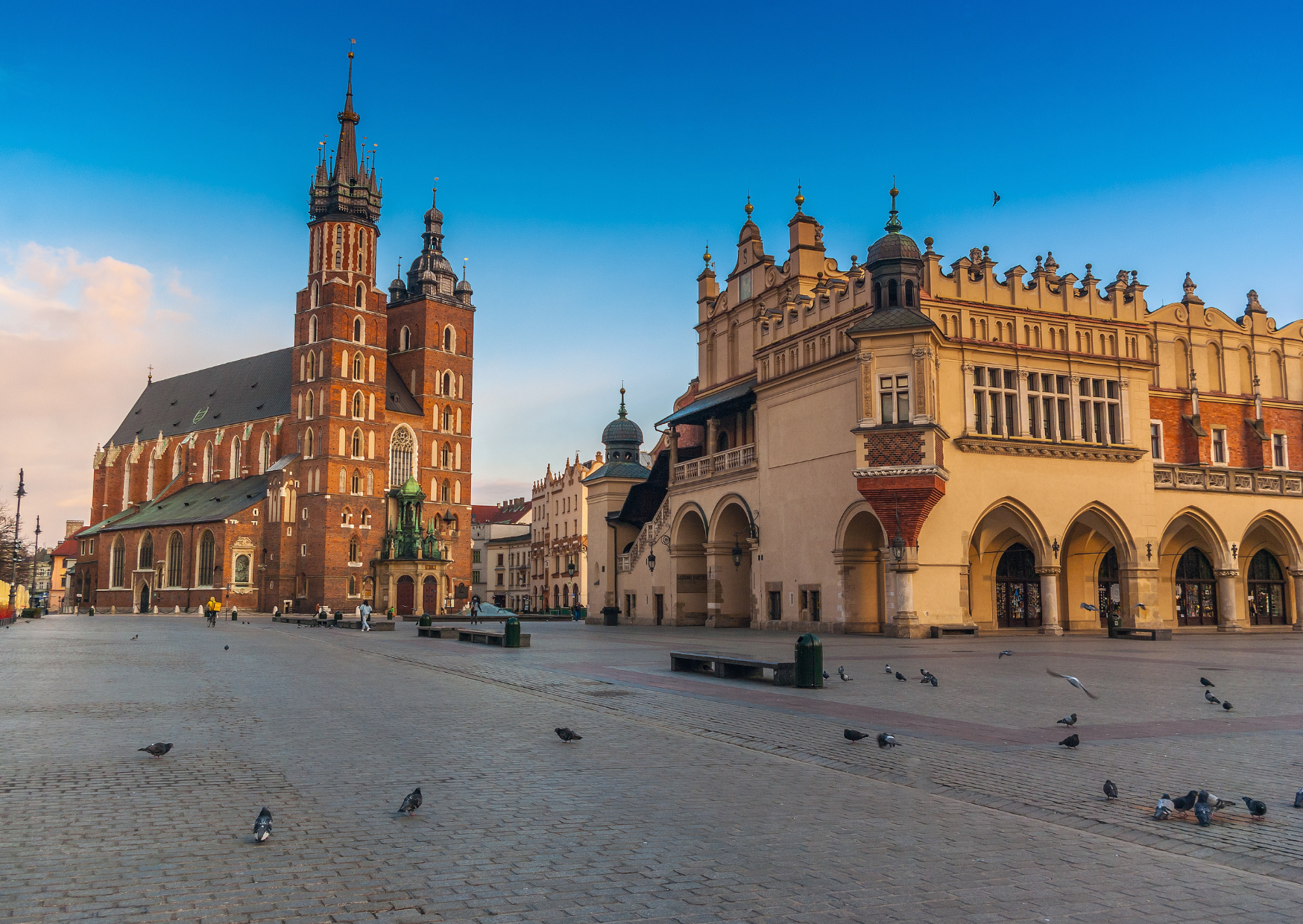
Kraków gives you a medieval core, serious parks, and a cost profile that stays friendly if you don’t insist on the Rynek for your address. A central 1-bedroom floats around 3,000–3,500 PLN, sliding to 2,700–3,000 PLN outside the center. Utilities are reasonable on compact flats; internet is fast and cheap. Transit is structured and affordable, with weekly and monthly options that make ditching rideshares easy.
You can eat out several times a week without grief—pierogi lunches, milk-bar staples, neighborhood ramen. For value, look at Grzegórzki (east of the center), Podgórze (across the river), and Bronowice (tram-friendly, calmer rents).
Landlord reality: many leases are 12 months with notice, deposits are typically 1–2 months, and listings vary wildly in honesty about administrative fees (czynsz) and heating charges. Get those numbers before you love the view.
Why it “feels 8k”: mid-3k PLN rent targets, low transit costs, high cultural return—the symphony ticket and the Sunday hike are both cheap.
Bucharest, Romania — big-city energy, budgets that don’t creak
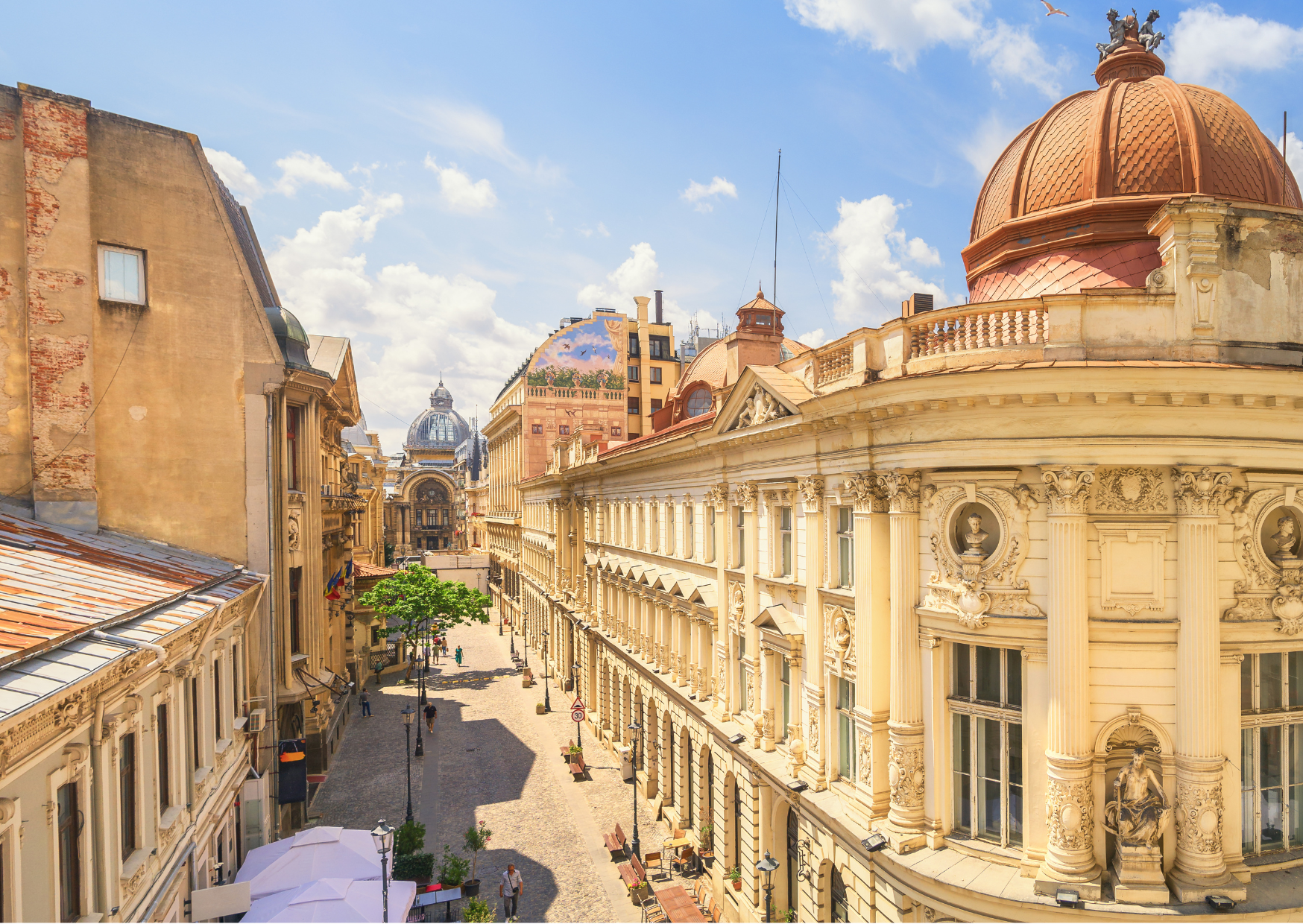
Bucharest is a value anomaly: a proper European capital where one-bedrooms in non-luxury stock across Tineretului, Dristor, or Titan can slide well under €600, while central addresses run higher but stay sane. The metro monthly is around 100 RON, buses are cheap, and food costs are still anchored to local incomes rather than tourist markup.
Live near a metro line—M1/M3 rings unlock most daily needs—and let the city’s café culture fill the rest. Utilities matter in older blocks; ask about insulated façades and gas vs. electric heat. Internet is world-class for pocket change.
Paperwork tip: owners commonly request one month deposit + first month, proof of income, and bank transfer payments. Bring printed copies and a polite, direct pitch—it works.
Why it “feels 8k”: sub-€700 leases in real neighborhoods, truly cheap metro, low-cost eating-out cadence.
Sofia, Bulgaria — mountain views, €25–€36 all-mode pass
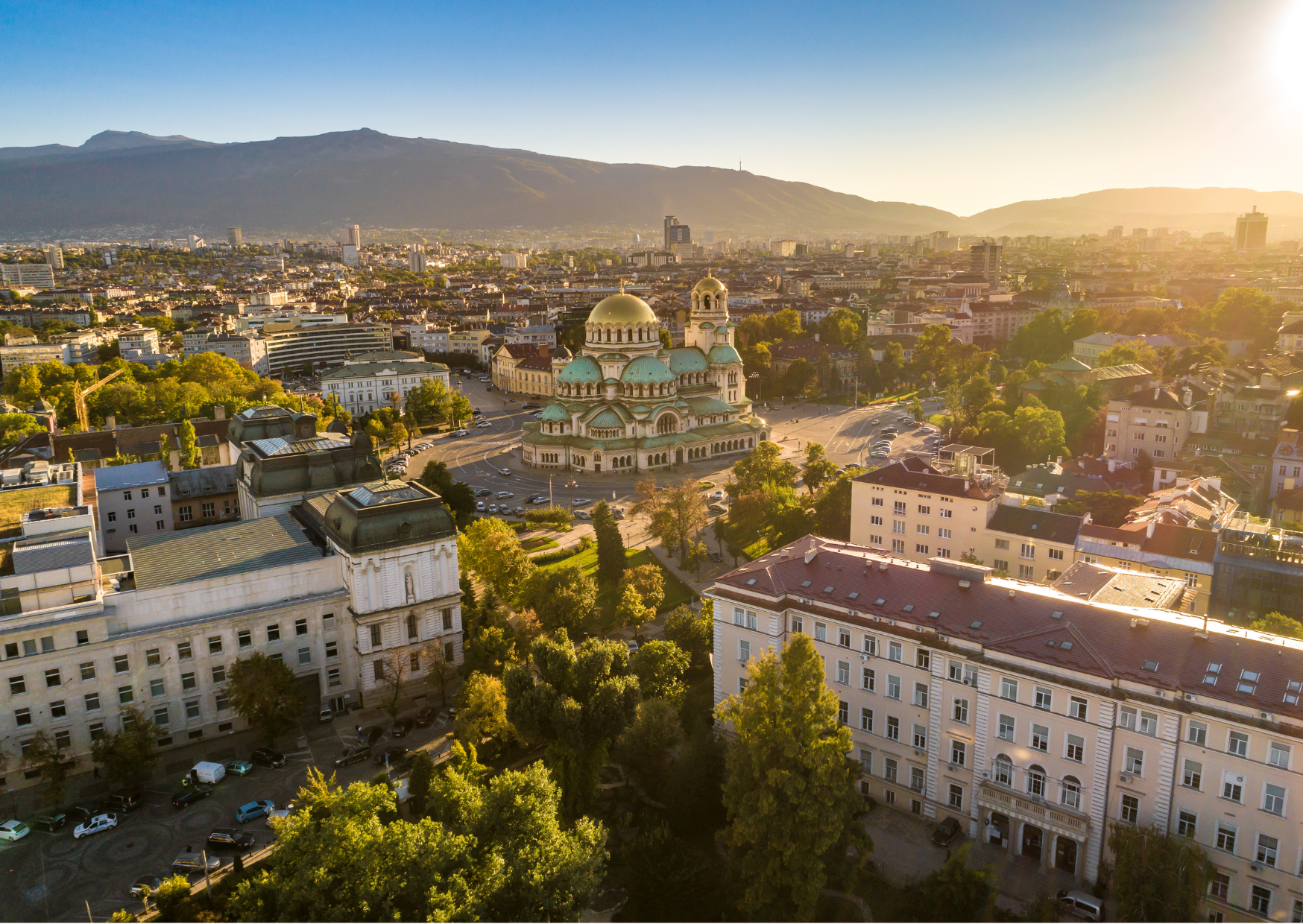
Sofia sits at the foot of Vitosha with a cost profile built for walkers and skiers alike. Expect 1-bedrooms around 900–1,200 BGN in the center and less outside; the real headline is transit: a personalized all-mode monthly at 50 BGN (about €25) or non-personalized all-mode at 70 BGN—metro, trams, trolleybuses, buses. That’s your car-free ticket for a whole month, with tap-in simplicity and daily fare caps if you forget your card.
Groceries and cafés stay gentle on the wallet; lattes aren’t performance art, and lunch menus still respect weekday budgets. For value plus access, try Oborishte and JGeo Milev; if you want green and space, Studentski Grad is priced for it (noise included).
Lease realities: many flats come semi-furnished, deposits are typically one month, and owners appreciate stable employment proof even if you’re remote—have a local bank account ready.
Why it “feels 8k”: affordable center-city rent, €25–€36 unlimited transit, low-stress food costs—and a mountain tram ride away.
Tbilisi, Georgia — 365-day visa ease and a 40 GEL pass
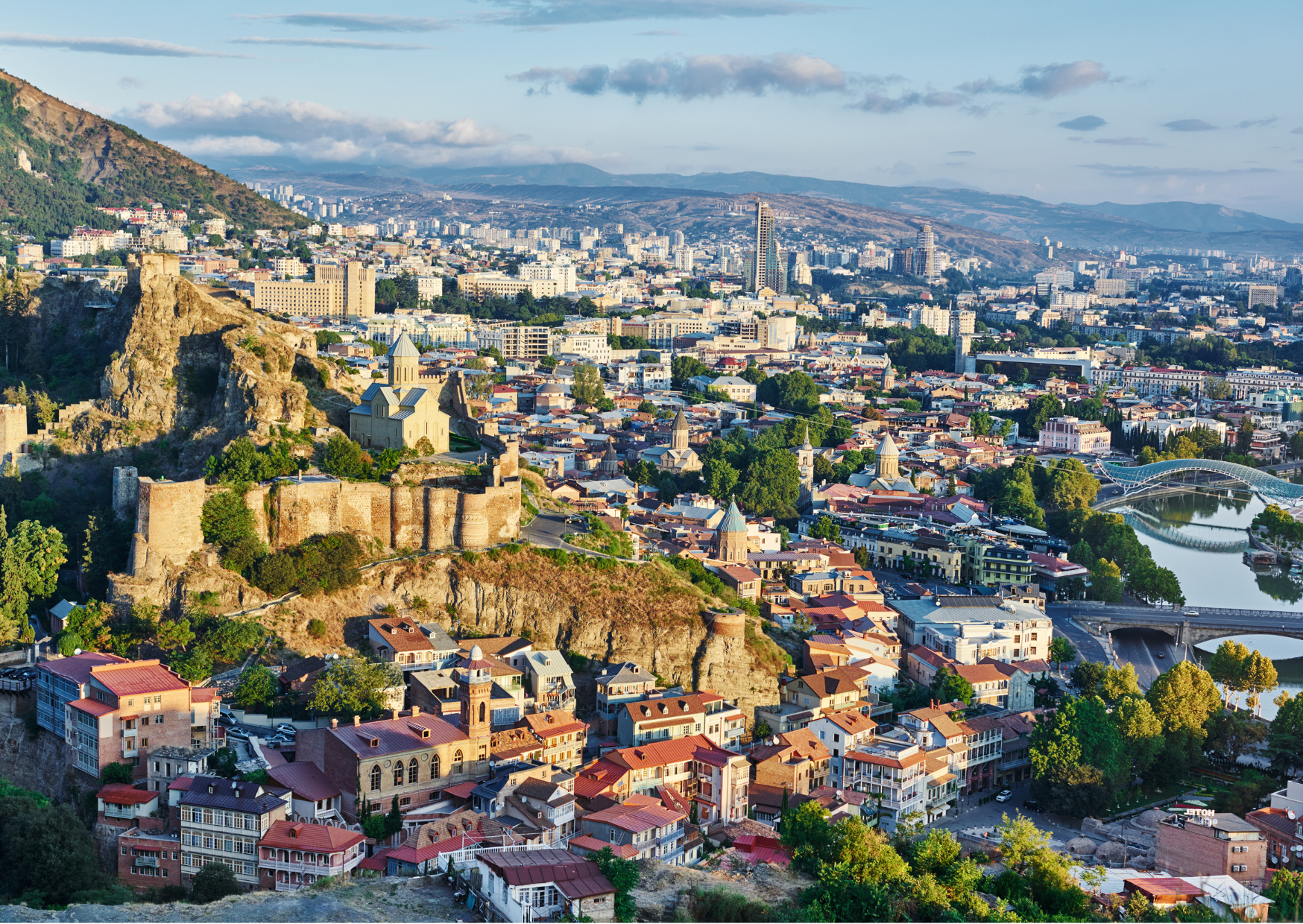
Yes, it’s the edge of Europe—but for value and simplicity, Tbilisi belongs on this list. U.S. citizens get up to 365 days visa-free, one of the most generous stays you’ll find, and the city’s costs still lean friendly: 1-bedrooms widely advertised around 1,300–2,000 GEL depending on neighborhood and finish, with a 40 GEL monthly travel card covering buses and the metro.
Pick Vera or Saburtalo for comfort and transit; Avlabari if you want old-city proximity without Old Town prices. Utilities fluctuate with building age—ask directly about winter gas bills, elevator fees, and HOA charges. Eating out is a sport: khinkali, mtsvadi, eggplant with walnuts—you’ll feel the bill, not the bruise.
Negotiation tip: Tbilisi landlords often price in USD and expect bank-transfer rent; you can usually shave 5–10% by offering a longer commitment and two months upfront.
Why it “feels 8k”: visa simplicity, rent under control, a €12-ish transit month that makes the whole city yours.
The quick budget math—how $2,000 lands softly
If you stick to the value neighborhoods in these cities and live car-free, your monthly layout looks like this:
- Rent: the anchor—€500–€1,100 or local equivalent buys a clean 1-bedroom in every city on this list.
- Utilities + Internet: €80–€170 for singles in well-insulated flats; Tbilisi and older Greek/Bulgarian stock can run higher in winter.
- Transit: €16–€50 in cities with integrated passes; 40 GEL in Tbilisi; 100 RON in Bucharest—cheap enough to be a default.
- Groceries + eating out: €300–€500 if you cook most nights and eat out 6–8 times in casual spots.
The rest—gym, phone plan, weekend trips—fits comfortably if you avoid luxury housing and habitually use menu del día, meniu zilei, or business lunch offers. The core habit is the same across borders: rent modestly, use transit, eat local, buy time.
How to lock value in any of these seven cities
Start strong and your budget stays strong. Three moves set you up:
Stack your documents—then offer speed. Owners in Europe choose certainty over price. Lead with ID, income proof, local tax number if applicable, and clear move-in date. Offer to sign and transfer today—it beats a slightly higher bid next week.
Choose your block, not only your city. In every city here there’s a value ring where tram/bus coverage is excellent, cafes are local, and rent drops 15–30%—Campanhã over Foz in Porto, Grzegórzki over the Rynek in Kraków, Benimaclet over Ruzafa in Valencia.
Live on transit, not rideshares. The “$8,000 feeling” requires a monthly pass in your pocket, walking shoes, and a short list of go-to lines. If you’re on the pass, you’ll use the pass—and everything else gets cheaper.
Work these moves and the city pays you back with time, headspace, and far fewer decision taxes.
Bottom line—buy a modest lease, not a lifestyle
If you let rent swell, the whole month creaks. If you cap rent, subscribe to transit, and eat like locals do, $2,000 becomes large in the seven places above. You’re not giving anything up—you’re trading square footage you don’t use for time you will, swapping parking stress for a €25 pass, and turning dinner into a habit, not a rupture. That’s how $2,000 starts to feel like $8,000—not by dreaming, but by line items.
For many Americans, the idea of living well in Europe on a modest monthly budget sounds too good to be true. Yet in several cities across the continent, the cost of living is low enough that $2,000 a month can offer a lifestyle that would cost several times more back home. From charming old towns to vibrant urban centers, these places prove that luxury isn’t always tied to a massive budget.
What makes these cities so appealing isn’t just affordability—it’s the quality of life they offer. Walkable neighborhoods, reliable public transportation, rich cultural experiences, and access to fresh food all contribute to a lifestyle that feels elevated without the inflated price tag. These cities give you more for your money, not less.
This shift in perspective is changing how people think about retirement, relocation, and long-term travel. Living abroad isn’t just for the wealthy anymore; with the right planning, it can be a realistic and fulfilling choice for many.

About the Author: Ruben, co-founder of Gamintraveler.com since 2014, is a seasoned traveler from Spain who has explored over 100 countries since 2009. Known for his extensive travel adventures across South America, Europe, the US, Australia, New Zealand, Asia, and Africa, Ruben combines his passion for adventurous yet sustainable living with his love for cycling, highlighted by his remarkable 5-month bicycle journey from Spain to Norway. He currently resides in Spain, where he continues sharing his travel experiences with his partner, Rachel, and their son, Han.