
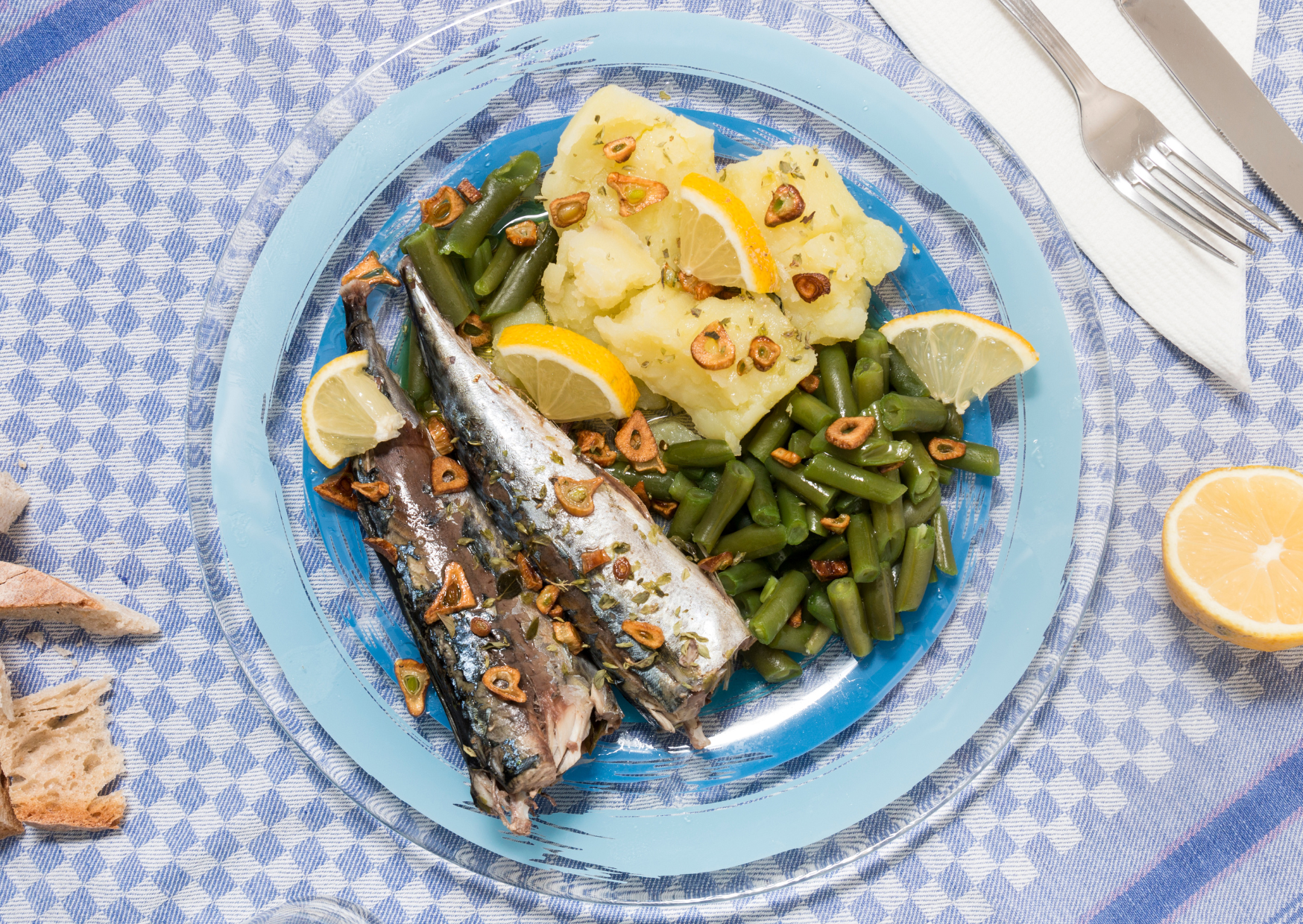
It started with a throwaway comment from a Portuguese friend here in Spain.
Not a lecture. Not a “Mediterranean lifestyle” sermon. Just a practical observation while we were standing at the fish counter: if your joints are angry and you’re living on chicken and coffee, you’re not exactly giving your body a chance.
She said most people don’t need a new supplement stack. They need a predictable fish rhythm they can actually maintain.
I hated how reasonable that sounded.
So we tried it for 45 days. Not as a cleanse. Not as a moral project. Just a strict schedule: more fish, fewer random dinners, less ultra-processed “convenience,” and a weekly routine that didn’t rely on motivation.
By week three, mornings felt different. Less stiffness, less that crunchy, reluctant first hour. By week six, my clinician and I agreed to reduce my as-needed joint medication because I wasn’t reaching for it as often.
That’s not a promise. It’s not a cure story. It’s one household run that worked because it was boring and repeatable.
And if you’re an American considering Portugal or Spain, it also explains something bigger: Portugal isn’t “healthy” because of vibes. In 2023, Portugal was still the highest fish consumer per capita in Europe, by a wide margin. Their baseline is simply more seafood than most places.
What people mean by “the Portuguese fish schedule”
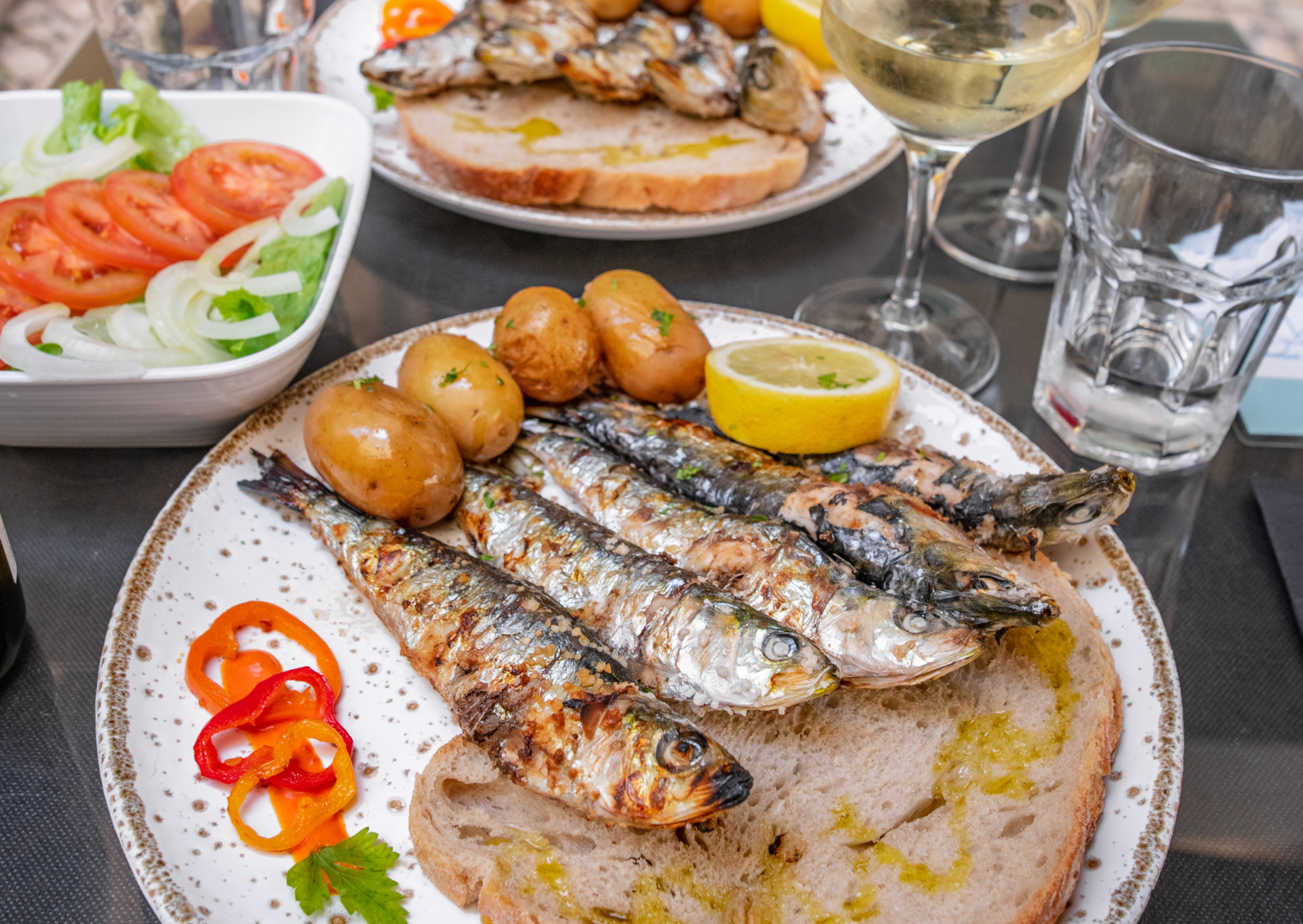
Portugal doesn’t eat fish as an occasional “healthy choice.” It’s a default protein.
That’s the first mental shift. In the U.S., fish is often a special dinner, a restaurant thing, or a salmon-only habit. In Portugal, fish can be Tuesday lunch, Thursday dinner, Saturday grill, and then cod in a completely different form on Sunday. The variety is what makes it sustainable.
When you ask Portuguese families how they do it, the answer is rarely fancy.
They rotate through a small set of categories:
- Fatty fish a couple times a week (sardines, mackerel, horse mackerel, sometimes salmon)
- White fish a couple times a week (hake, cod, monkfish, whatever is affordable and fresh)
- Shellfish or octopus occasionally, often tied to weekends or family meals
- Canned fish as a normal pantry item, not an emergency
That last one matters. Americans often treat canned fish like survival food. Portuguese households treat it like a shortcut that still counts.
The schedule also has a hidden rule: fish is rarely eaten alone. It’s paired with potatoes, rice, beans, or bread, plus something acidic like lemon or vinegar. That means you’re not hungry an hour later, which is where a lot of “healthy eating” plans collapse.
For our 45 days, we copied the structure rather than chasing perfect recipes. Two fatty fish meals a week, two white fish meals a week, one canned fish meal, and one “fish soup or stew” meal when we had time. The rest of the week was beans, eggs, chicken, and vegetables.
The point wasn’t purity. The point was frequency without drama.
The grocery math in Spain, and which fish actually makes sense
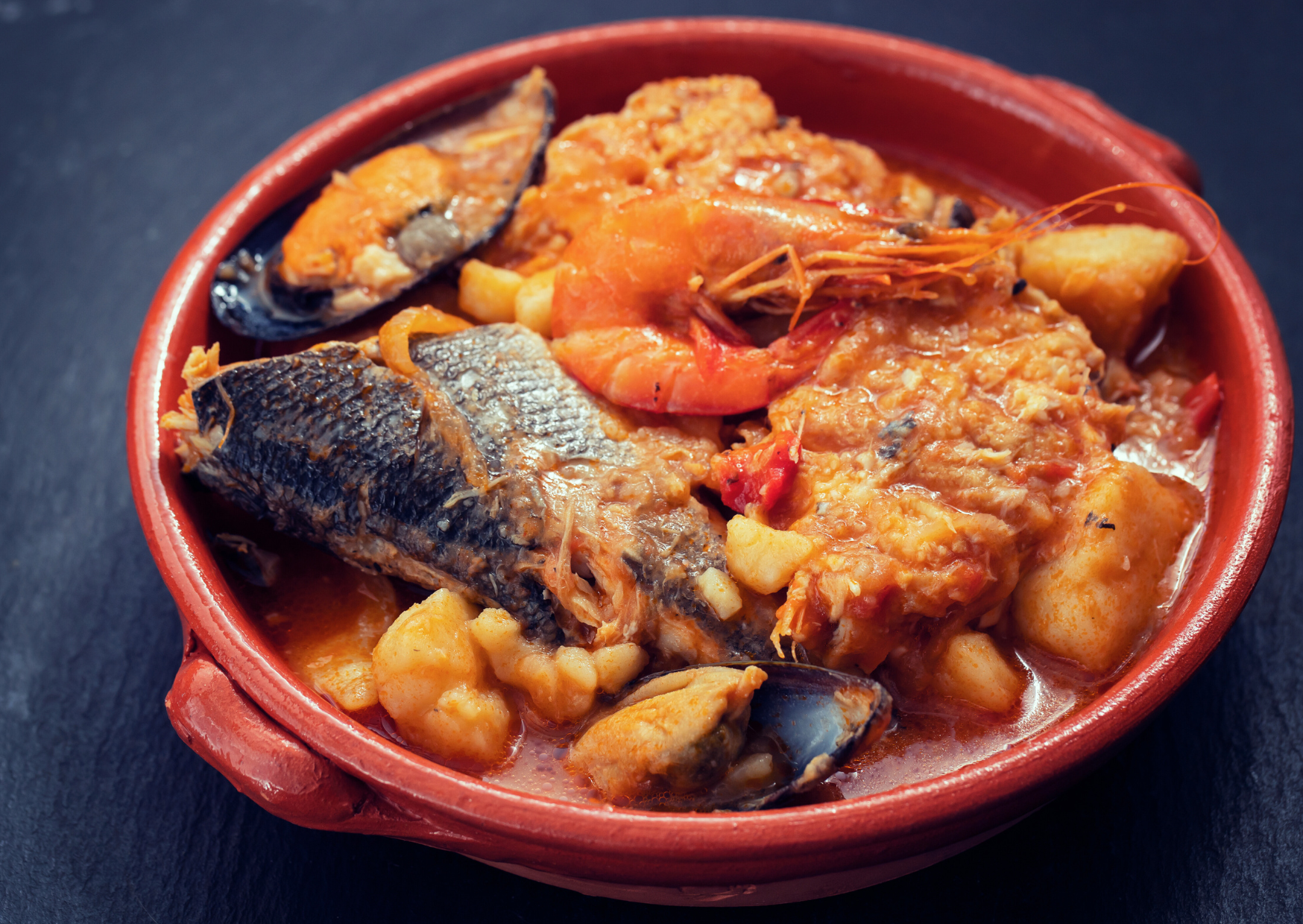
A fish-forward routine fails for one of two reasons: people overspend, or they overcomplicate it.
If you try to run this plan on fresh salmon every time, you’ll get annoyed, your budget will scream, and you’ll quit. The Portuguese approach is smarter: use cheap fish often, and treat pricey fish as optional.
Here’s how we made it work in Spain without turning the fish counter into a daily performance.
We used three “lanes”:
Lane 1: cheap, frequent
Sardines, mackerel, horse mackerel, hake, frozen cod portions, mussels, canned tuna, canned sardines. This lane is where you get repetition without bankruptcy.
Lane 2: medium, still normal
Sea bream, sea bass, cuttlefish, shrimp when it’s on offer, fresh cod when it’s not priced like a joke.
Lane 3: expensive, optional
Salmon, large prawns, fancy fillets. Good, but not required.
A practical rule that kept us honest: if a fish dinner costs more than a simple chicken dinner plus vegetables, it needs to give something back, either leftovers, an easy prep, or a genuinely good nutrient profile.
That’s why sardines are such a cheat code. They’re fatty fish, usually cheaper than salmon, and they cook fast. Mackerel is similar. Mussels are another underused bargain if you’re comfortable cooking them.
We also leaned hard on canned fish. A tin of sardines plus tomato salad plus bread is a real meal. So is canned tuna mixed with white beans, olive oil, and lemon. Canned counts when you use it intentionally.
This is also where Americans get tripped up on relocation fantasies. They move to “eat like locals,” then shop like tourists. They buy the prettiest fillets, the imported everything, the artisanal version of a simple thing, and suddenly the budget doesn’t feel European at all.
If you want the health part of this to work, the money part has to work too. Otherwise you’re stressed, and stress has a way of turning every joint into a complaint department.
The weekly rhythm that made 45 days easy enough to finish
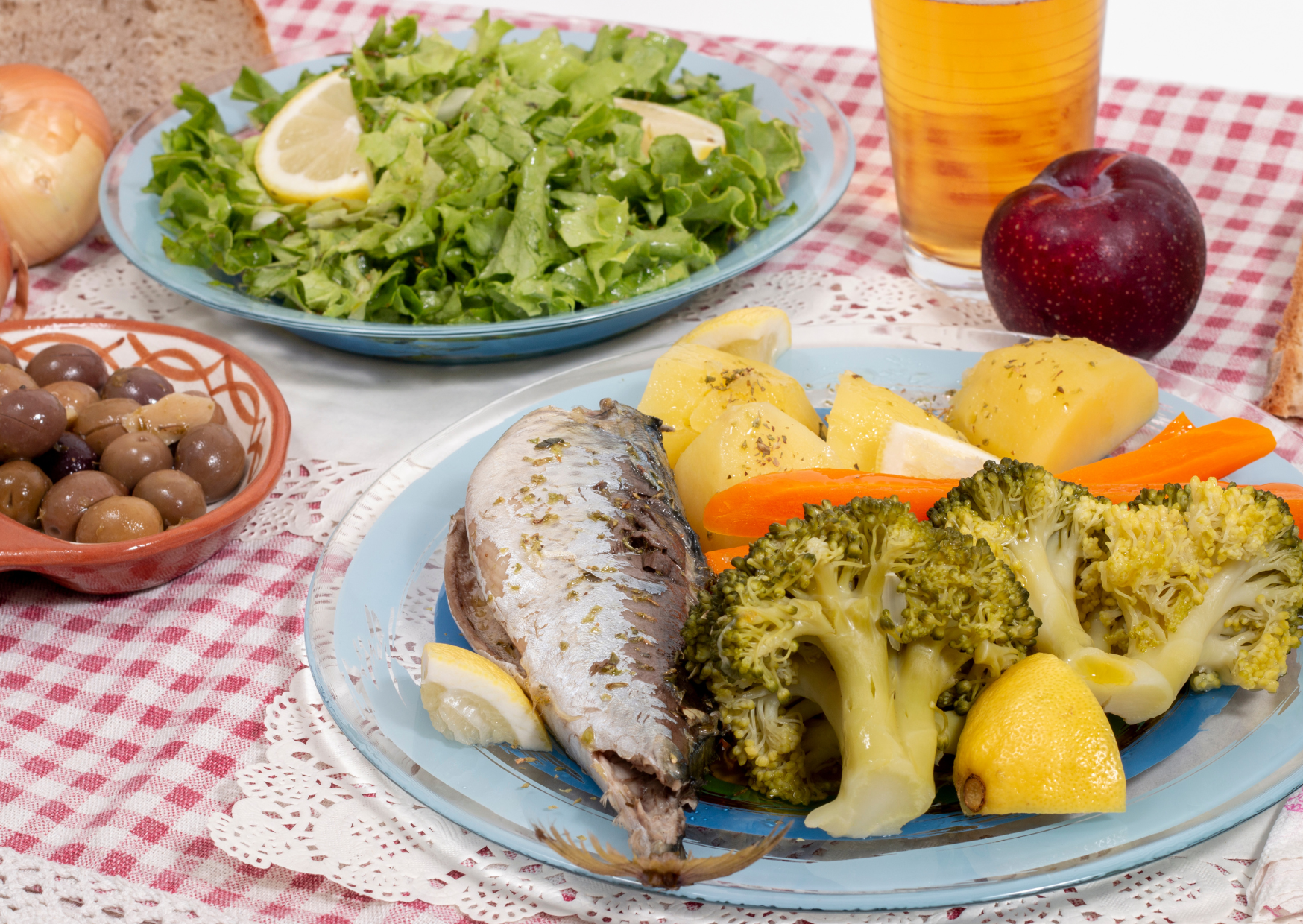
Most health habits fail because they require you to decide, every day, what kind of person you are.
This didn’t.
We built a calendar that removed daily negotiation. Same shopping days, same prep moves, same fallback meals.
Our week looked like this:
- One fish counter day, usually midweek, when the shop wasn’t chaotic
- One frozen fish day, usually Monday, when nobody wanted extra errands
- One canned fish day, usually a work-heavy day
- One stew or soup day on the weekend, when we had time for a pot
That rhythm matters more than any nutrient argument. Timing beats willpower is not motivational fluff, it’s logistics.
We also used two tiny cooking methods over and over:
- Plancha or pan-sear with olive oil, salt, lemon
- Oven tray bake with potatoes, onions, paprika, and whatever herb made sense
That’s it. No ten-step sauces. No special gadgets. Fish cooks fast, and that’s part of why it works for tired households.
To keep it realistic, we used a “two-minute fallback” rule. If it was 20:30 and we were cooked, dinner became either:
- canned fish plus salad plus bread, or
- frozen hake plus microwave potatoes plus olive oil and lemon
Not glamorous, but it kept the schedule intact.
And once the schedule is intact, the rest gets easier. You stop ordering random food. You stop doing the “we deserve a treat” spiral five nights a week. Your grocery bill gets calmer because you’re not constantly improvising.
The surprising part was how quickly this affected mornings. Not in a mystical way. In a very boring way: more consistent protein, less ultra-processed food, and more omega-3 rich fish in the week.
What changed in my joints, and the boring reasons it can happen
Here’s what changed for me, specifically:
- Morning stiffness dropped from “I need a slow warm-up” to “I can move within minutes”
- I stopped reaching for my as-needed anti-inflammatory medication as often
- I slept better, partly because dinner wasn’t heavy, late, or chaotic
- My weight didn’t swing, which matters because even small weight changes can change joint load
The medication change was simple: we didn’t “quit” anything. I just wasn’t taking it as frequently, and after a check-in, my clinician agreed with a reduction plan. Do not change meds without a clinician, especially if you’re dealing with inflammatory conditions. That’s not caution theater, that’s basic safety.
Now the science, without pretending food is a miracle.
Omega-3 fatty acids from fish, particularly EPA and DHA, are linked in research to changes in inflammatory pathways and pain outcomes in some conditions. A 2025 systematic review and meta-analysis on omega-3s and chronic pain reported pain reduction signals in rheumatoid arthritis and other pain conditions across multiple studies.
That doesn’t mean fish “treats” arthritis. It means that for some people, more EPA and DHA in the overall diet can tilt the background inflammation and pain experience in a better direction.
There’s also the substitution effect, which people forget. If fish replaces processed meat, fried snacks, and ultra-processed dinners, you get benefits that have nothing to do with fish being magical. You’re just eating a calmer diet.
And there’s consistency. The American Heart Association recommends two servings of fish per week, especially fatty fish, as part of heart-healthy eating. That recommendation is about cardiovascular health, but it also reflects the broader idea that regular fish intake is a sensible baseline habit.
For me, the biggest change wasn’t a single nutrient. It was predictable meals that reduced stress and reduced dietary chaos. Joints don’t love chaos.
The Portuguese fish schedule you can actually run from Spain
If you want a copyable schedule, here’s the version we used. It’s not perfectly Portuguese. It’s Portugal logic adapted to Spanish shopping.
Weekly template
- 2 fatty fish meals
- 2 white fish meals
- 1 shellfish or octopus meal (optional)
- 1 canned fish meal
- 1 fish soup or stew meal (optional but helpful)
Example week
Monday
Frozen hake fillets, pan-seared, with boiled potatoes and olive oil, lemon, and parsley. Fast white fish night.
Tuesday
White beans with canned tuna, red onion, vinegar, olive oil, and tomato. Bread on the side. Canned counts night.
Wednesday
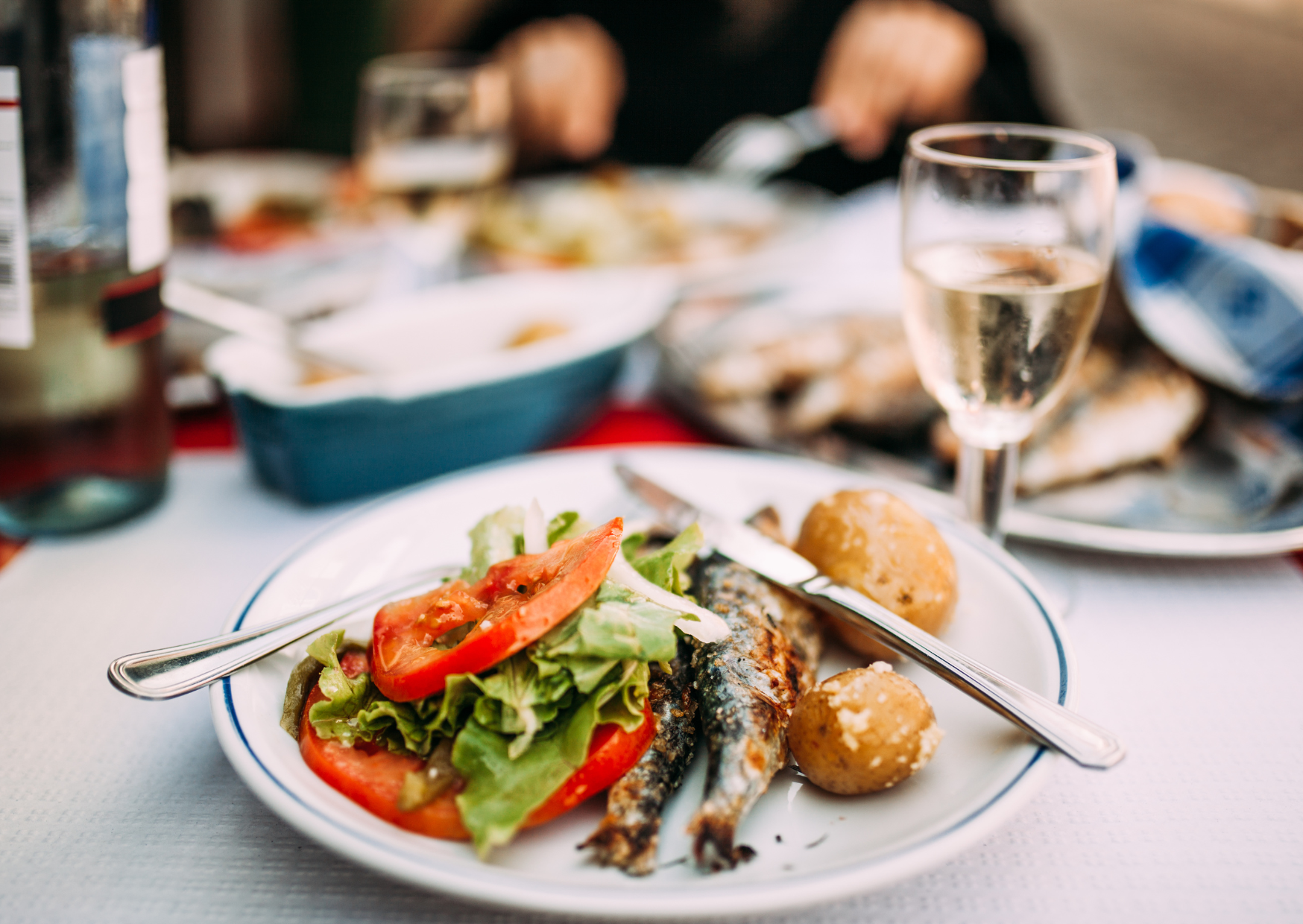
Sardines or mackerel, grilled or pan-seared, with a big salad and rice. Fatty fish night.
Thursday
Leftovers or eggs and vegetables. This is where you keep the week from feeling like a strict diet.
Friday
Cod, fresh or frozen, baked with onions, peppers, and paprika. Oven does the work night.
Saturday
Mussels, shrimp, or octopus when you feel like it, or just another cheap fish. Weekend food can be simple too.
Sunday
Caldeirada-style fish stew, or any fish soup you’ll actually eat for lunch the next day. One pot becomes lunch.
You can run this with Spanish fish. You don’t need bacalhau every week. The point is repetition, not authenticity cosplay.
The mistakes that make people quit by day 12
If you’ve tried to “eat healthier” before and it died fast, you’ll recognize these.
Mistake 1: making fish the “special dinner”
If fish feels like an event, you won’t do it often. The whole schedule depends on fish being normal.
Mistake 2: relying on salmon as your only fatty fish
Salmon is great. It’s also not the only option, and it can be expensive. Sardines and mackerel are the Portuguese workhorses for a reason.
Mistake 3: skipping carbs, then snacking later
Fish plus salad can be fine. Fish plus nothing else often becomes “I’m hungry at 22:00.” Add potatoes, rice, beans, or bread. Carbs are structure, not a moral failure.
Mistake 4: buying fresh fish daily
It sounds romantic. It’s also a schedule killer if you work, have kids, or live far from a good fish counter. Mix fresh, frozen, and canned.
Mistake 5: overcooking fish because you’re nervous
Overcooked fish makes people hate fish. Keep it simple. Medium heat, short cook, rest.
Mistake 6: expecting it to fix everything in a week
For us, the shift felt noticeable after a couple weeks, and clearer after a month. Forty-five days mattered because it was long enough to become normal, not a stunt.
The goal is not perfection. The goal is a baseline you can repeat even when you’re tired.
Your first 7 days on the schedule, without turning your life into a spreadsheet
If you want to try this, don’t start with “45 days.” Start with one week you can actually finish.
Day 1
Buy three proteins only: one frozen white fish, one cheap fatty fish, and two tins of fish. Keep it tight. Small shopping wins.
Day 2
Cook the frozen white fish with potatoes. Nothing fancy. Learn the minimum effort version first.
Day 3
Do the canned fish meal. Tuna with beans, sardines with salad, whatever fits. This is your “busy day” solution.
Day 4
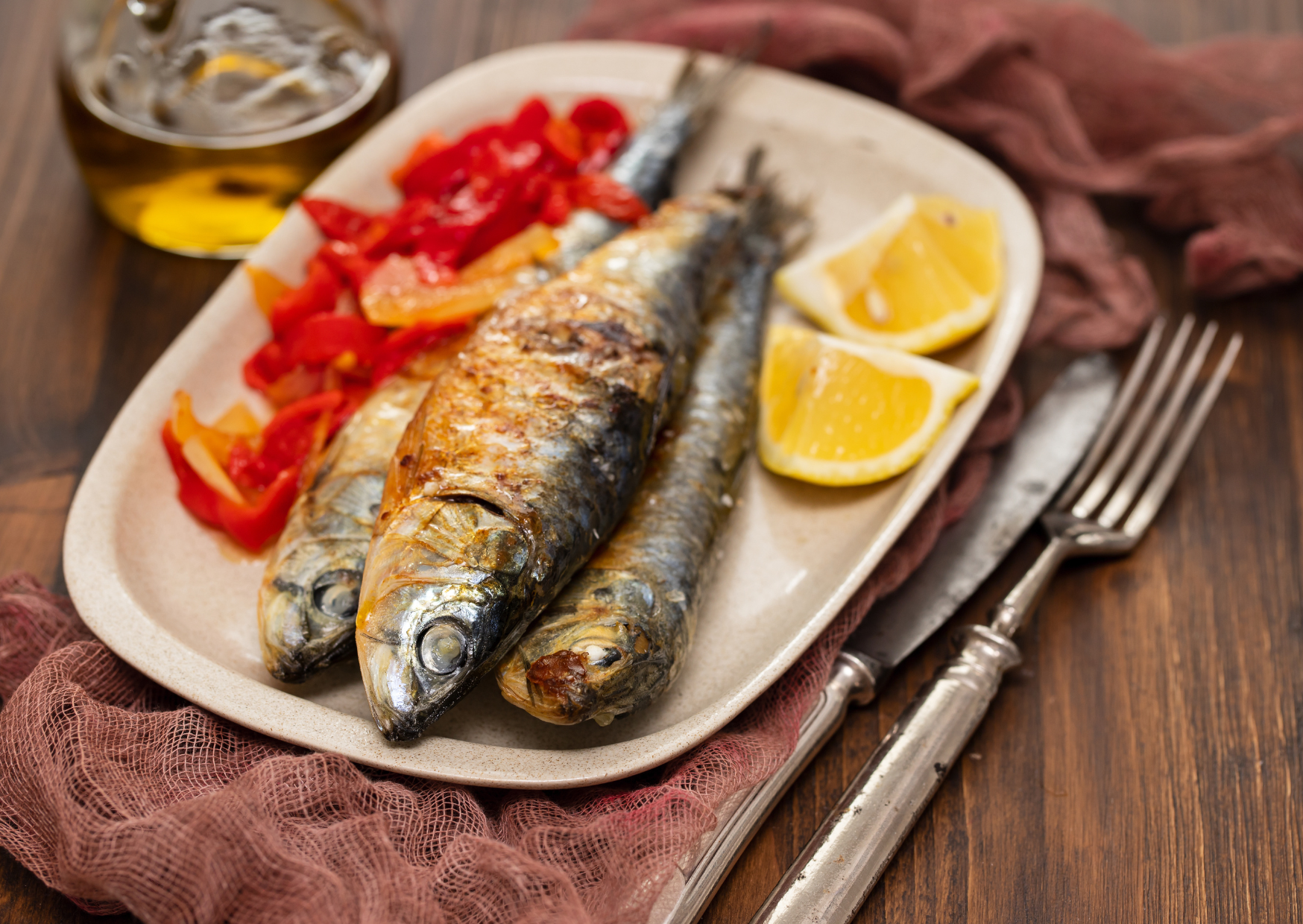
Cook the fatty fish. Sardines, mackerel, whatever is affordable. Lemon, salt, olive oil. Done.
Day 5
Make a tray bake with cod or hake plus onions and paprika. This becomes leftovers, and leftovers are how the plan survives.
Day 6
Decide your weekend pot. Caldeirada-style stew is perfect, but any fish soup works. The goal is lunch tomorrow, not culinary glory.
Day 7
Review your friction points honestly. Was it shopping? Smell? Prep? Cost? Then adjust the plan, don’t abandon it.
If you’re on joint meds, keep it simple: try the food habit first, track how often you’re reaching for medication, and talk to your clinician before changing anything. Food supports, it doesn’t replace medical care.
The choice this forces, in the best way
This is the uncomfortable part.
A lot of Americans say they want to live “healthier” in Europe. What they often mean is they want Europe to do it for them.
Portugal and Spain won’t do it for you. The schedule does.
Portugal’s fish culture is not a wellness hack. It’s a default pattern, and patterns beat intentions. The reason it helped me wasn’t that I discovered some secret. It’s that I stopped improvising dinner every night and started eating like someone who actually lives here.
If you’re relocating, that’s the real decision. Do you want a lifestyle that looks good in photos, or a lifestyle that functions on a Wednesday?
A fish schedule is unsexy. It’s repetitive. It requires you to buy the same things again and again. It also makes your week cheaper, calmer, and for some people, physically easier.
Not because fish is holy.
Because routine is medicine-adjacent in the most boring, practical way.

About the Author: Ruben, co-founder of Gamintraveler.com since 2014, is a seasoned traveler from Spain who has explored over 100 countries since 2009. Known for his extensive travel adventures across South America, Europe, the US, Australia, New Zealand, Asia, and Africa, Ruben combines his passion for adventurous yet sustainable living with his love for cycling, highlighted by his remarkable 5-month bicycle journey from Spain to Norway. He currently resides in Spain, where he continues sharing his travel experiences with his partner, Rachel, and their son, Han.