
A year in, we counted every bill, fee, and surprise. The short version: Porto can stretch a runway if you live like locals, ride transit, and use the public school system. If you bolt on a car and an international school, your cushion melts. Below is the exact math, with 2025 prices and the simple rules that kept us solvent.
We arrived with a clean number in mind: 50,000 dollars to cover our first year while freelance income found its feet. We opened a local account, got the NIF, and started spending carefully. We tracked two realities in parallel because this is what families actually face in Porto: public school plus transit, and international school plus a car.
As of September 2025, rents in Porto are still rising, utility tariffs bumped up in January, and food prices are higher than last summer. Transit passes are cheap, fuel is not, and international school fees are exactly the line item people underestimate. The visa landscape also changed in 2024 and 2025, which matters for anyone planning taxes. Those facts shape the budget more than any café habit.
You do not need a miracle to make Porto work. You need a clear plan, a realistic rent target, and a choice about school and transport that you do not regret in month three.
Want More Deep Dives into Other Cultures?
– 9 Italian Style Rules That Instantly Outshine American Fashion
– Why Europeans Walk Everywhere (And Americans Should Too)
– How Europeans Actually Afford Living in Cities Without Six-Figure Salaries
– 9 ‘Luxury’ Items in America That Europeans Consider Basic Necessities
Quick and Easy Tips
Budget realistically for the first six months. Rent deposits, visas, and setup costs add up quickly. Plan for unexpected fees, not just monthly expenses.
Live like a local, not a tourist. Skip imported goods and eat at neighborhood cafés or markets. The difference in monthly expenses can be dramatic.
Consider smaller towns near Porto. Cities like Vila Nova de Gaia or Matosinhos offer lower rents while keeping you close to the urban center and beaches.
Portugal’s rising popularity among foreign residents has sparked mixed feelings both within the expat community and among locals. Supporters of relocation argue that cities like Porto thrive on new investment, entrepreneurship, and cultural diversity brought by foreigners. They see the influx as a revival of urban life, restoring old buildings and boosting small businesses.
Critics, however, highlight the darker side: gentrification and rising housing costs. As more expats with foreign savings arrive, local families are priced out of central neighborhoods. The tension between newcomers and long-time residents has intensified, leading some locals to view expat migration not as an exchange of cultures but as an economic takeover. For families arriving with substantial savings, navigating this perception sensitively is essential.
There’s also controversy within the expat world itself. Some digital nomads and remote workers promote an idealized version of “cheap European living,” glossing over the bureaucratic and emotional challenges of settling abroad. Others warn that $50,000, while comfortable, isn’t a fortune when factoring in rent inflation, visa renewals, and the unpredictability of currency exchange. The takeaway? Moving abroad successfully requires realism, respect, and flexibility—because life in Porto, while beautiful, isn’t a postcard; it’s a new beginning that demands both humility and planning.
The Ground Truth Costs In Porto, 2025
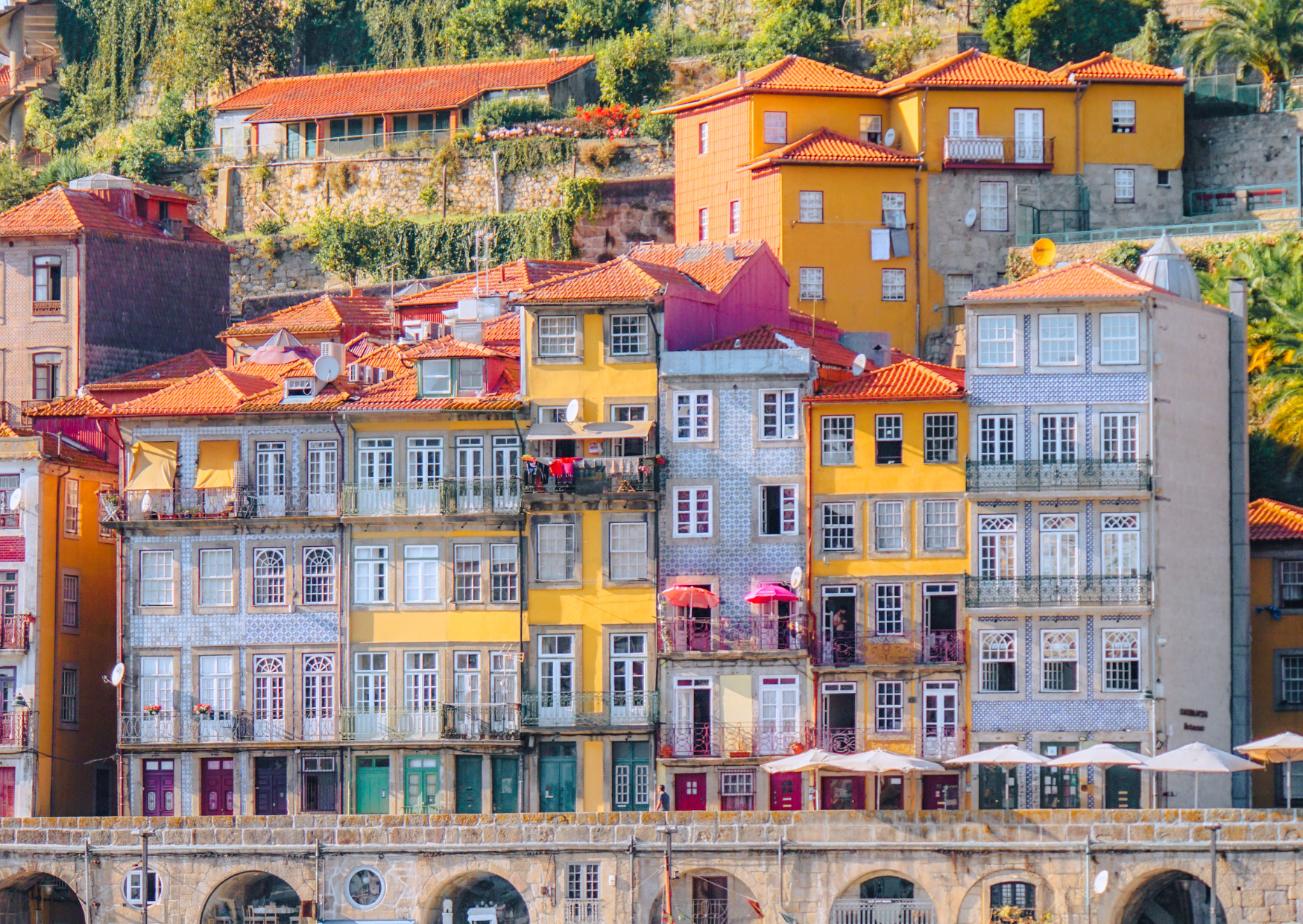
Before we touch the family ledger, anchor to the current prices locals see.
Rent. Asking rents in Porto averaged about €17.8 per m² in April 2025, which means a very typical 85 m² apartment runs around €1,500 per month. Cheaper inland neighborhoods exist, but the index sets expectations. A family-friendly T2 or small T3 at €1,400–€1,600 is normal.
Utilities. The energy regulator announced a 2.1 percent electricity increase on the regulated market from 1 January 2025. For a mid-size flat, electricity plus gas and water lands near €120–€170 monthly, depending on usage. Budget €140 for utilities and €40–€50 for fiber internet.
Groceries. Portugal’s food basket is up this year. Consumer groups tracked the basic basket climbing to one of its three-year highs over the summer, and press summaries put the average household groceries around €270 per month for one household, rising with family size. For a family of three, we saw €450–€600 depending on how often we cooked fish and bought fruit in season.
Transport. In Porto, the Andante monthly pass keeps costs sane: €40 per adult for the metropolitan pass, €30 if you only need three zones. Kids have robust discounts and a Sub13 free option. Two adults on passes cost about €80–€100 per month for the household.
Fuel and tolls. If you keep a car, unleaded runs roughly €1.70–€1.75 per liter this month, and the A1 Porto–Lisbon round trip tolls hover near €49. Cars are a lifestyle decision here, not just a line item.
School. Public schools are free. International schools in Porto are excellent and not cheap. Oporto British School posts €1,125 per month for primary on a ten-month plan, rising in secondary, plus application and other fees. CLIP publishes similar ranges. One child in an international school is a five-figure annual decision.
Healthcare. The public system SNS is broadly free at point of care with modest user fees and waivers, and many families add private insurance for speed and choice. Budget €30–€60 per adult per month for basic policies.
Immigration and taxes. AIMA replaced SEF, working through backlogs in 2024–2025. On taxes, Portugal’s famed NHR closed to most newcomers in 2024. A narrower 10-year regime, the Tax Incentive for Scientific Research and Innovation (IFICI, often called “NHR 2.0”), is in force for specific professions and sectors. If you do not qualify, plan for standard personal income tax and social contributions. Do not budget on old NHR assumptions.
Converting The Runway: $50,000 Into Euros, Then Into A Year

We converted our runway at the ECB reference rate as a planning anchor, using a recent spot near 1 euro = 1.1736 dollars. That put $50,000 at roughly €42,600 on paper. Your exact day-one rate will vary, but budgeting in euros avoids mental math errors. We treated €42,600 as the year’s ceiling.
To show how choices change the outcome, we tracked two real-world setups for a family of three in an 85 m² rental:
- Scenario A: Public school, two adult transit passes, no car.
- Scenario B: One child in international school, a used compact car, and regular tolls.
We kept the apartment and the grocery habits constant between scenarios to isolate school and transport.
The Ledger: What We Actually Spent
Here is our Scenario A year, line by line. Numbers are euros for 12 months unless noted.
| Category | Monthly | Annual |
|---|---|---|
| Rent, 85 m² T2 | €1,500 | €18,000 |
| Utilities (power, gas, water) | €140 | €1,680 |
| Fiber internet | €40 | €480 |
| Mobile phones (2 lines) | €60 | €720 |
| Groceries and household | €500 | €6,000 |
| Dining out, cafés, treats | €200 | €2,400 |
| Transit passes (2 adults) | €80 | €960 |
| Health insurance top-up (2 adults) | €80 | €960 |
| Healthcare copays, meds | — | €100 |
| School costs, public system | — | €0 |
| Set-up fees and admin (bank cards, AIMA appointments, ID photos, misc.) | — | €300 |
| One-off furniture and appliances top-up | — | €1,560 |
| Total | €33,160 |
What was left: €42,600 − €33,160 = €9,440, or roughly $11,000 equivalent at the same reference rate. That cushion survived even with a few unplanned repairs and a summer city tax on short trips.
Now Scenario B. We kept the same home and food and added one child at an international school, a used subcompact, and typical car costs.
| Category | Monthly | Annual |
|---|---|---|
| Rent, 85 m² T2 | €1,500 | €18,000 |
| Utilities + internet + mobiles | — | €2,880 |
| Groceries and household | €500 | €6,000 |
| Dining out | €200 | €2,400 |
| Transit passes (1 adult uses car) | €40 | €480 |
| Car costs: insurance, tax, inspection, parking | — | €1,100 |
| Fuel (light city use) | €90 | €1,080 |
| Tolls, occasional A1 runs to Lisbon | — | €300 |
| Health insurance top-up | €80 | €960 |
| Healthcare copays | — | €100 |
| International school tuition (primary, 10 months) | €1,125 | €11,250 |
| School application and incidentals | — | €300 |
| Set-up + furniture top-up | — | €1,560 |
| Total | €46,510 |
What was left: €42,600 − €46,510 = −€3,910. In Scenario B, the runway does not last the whole year without additional income. The pivot is straightforward: one child in an international school is the swing variable. Fuel and tolls add pain, but school makes the math.
Notes that matter in both scenarios
- We assumed rent aligned to the 2025 index and did not include the first month’s deposit in the annual spend. Your month zero outlay can be two months upfront depending on the contract and whether you need a guarantor.
- We priced transit using Andante Metropolitan for one or two adults and used the Sub13 free option for a younger child when applicable.
- We priced fuel at the mid September 2025 average and tolls using the typical A1 pricing.
- We counted SNS as primary care and a basic private policy for speed.
Where People Overspend In Porto, And How We Dodged It

Three choices drive most overruns. Each has a simple fix.
Over-optimistic rent. Many newcomers insist on central Foz views on a starter budget. Fix: price by meter. If your budget is €1,400, that buys about 78–80 m² at current asking averages, or an 85 m² outside the priciest pockets. Look in Ramalde, Paranhos, Campanhã for value and new-build insulation that drops utility bills. Price per meter rules the outcome.
International school by habit, not need. Families default to British curricula because friends did. Fix: tour your public catchment first, compare actual commute and after-school care, and treat international school as a conscious purchase. The difference is €10,000–€16,000 per year for one child in Porto. This is the make-or-break line.
Buying a car before you learn the city. Insurance, IUC, inspection, fuel at €1.7x, and tolls are recurring, not one-time. Fix: run six months on Andante, then revisit. If you still need a car for school runs outside your zone or weekend villages, buy one with eyes open and park it off-street. Transit first, keys later.
The First 90 Days: What We Paid Upfront And What We Would Change
The expensive quarter is the first one. Expect these one-offs.
Deposits and furniture. Many leases ask for one month deposit plus first month. We furnished with a mix of IKEA, classifieds, and small shops for €1,500–€2,000 and then added €500–€800 over months 2–4 for lamps, fans, and storage. A newer build with wardrobes saves money here.
Setup fees. €40–€60 for the Andante Silver cards if you do not catch a promotion, €6 per child card when relevant, €150 school application fees if you go private, and a small stack of passport photos and copies for AIMA queues. We logged about €300 in pure admin by day 90.
Utilities deposits. Expect modest deposits when you open power and gas. We recovered the internet’s installation fee via a promo, but if you do not, assume €40–€90.
What we would change. We would have bought heavier curtains on day one to cut afternoon heat and trimmed the electric bill sooner, and we would have bought the family Andante once we knew our patterns.
Income, Visas, And 2025 Changes You Should Not Ignore
A family’s survival is not only what goes out. It is also what comes in. The kind of income you bring shapes your tax and visa options.
If you came on the D7 or D8 logic. The D7 is still about passive income at or above the minimum wage per adult, with extras for dependents. The D8 digital-nomad visa pivots on active income. Either way, AIMA now runs the show, and timelines have improved, but backlogs from SEF days are still clearing. Build a timing cushion for renewals and demand proof of address that matches your lease.
If you planned on NHR. That was the old playbook. The Non-Habitual Resident regime closed to most newcomers in 2024. A narrower IFICI regime exists for specific researchers, teachers, R&D, innovation roles, and similar. If you do not fit, expect regular IRS rates and social security if you are employed. Budget tax realistically so your net income actually covers the tables above.
If you work U.S. clients. Run your numbers in euros, not dollars. Your rent and groceries are in euros. The ECB rate moved this year and the euro strengthened into September. When the dollar softens, your U.S. invoices buy less rent. We planned a 10 percent FX buffer to absorb swings.
How To Keep €5,000–€10,000 In The Bank After Year One

We finished Scenario A with €9,440 still in the account. That was not luck. It was a handful of boring habits that compound.
Chase insulation, not views. A newer flat in Paranhos or Ramalde with decent glazing beat a drafty postcard balcony. The energy tariff bump made insulation worth real money. Your walls pay you back.
Use Porto’s transit backbone. Two Metropolitan passes for €80 monthly kept the car theoretical. Kids under 13 have a free path, and teens get discounts. The pass beats the pump at €1.7x per liter.
Shop like locals. We set the grocery budget at €500 by buying seasonal produce, merchant fish, and leaning on legumes. The DECO basket trend line kept us honest when prices blipped. Watch the basket, not Instagram recipes.
Stay in public school unless you have a reason not to. Porto’s public primaries are solid. If you need an international syllabus for a specific reason, go in eyes open and cut the car to compensate. One decision must fund the other.
Cash-flow the big trips. The A1 tolls add up. We stacked Lisbon trips with work, shared the car, and used AP discounts or the train when timing worked. Drive less, save more.
What This Means For You
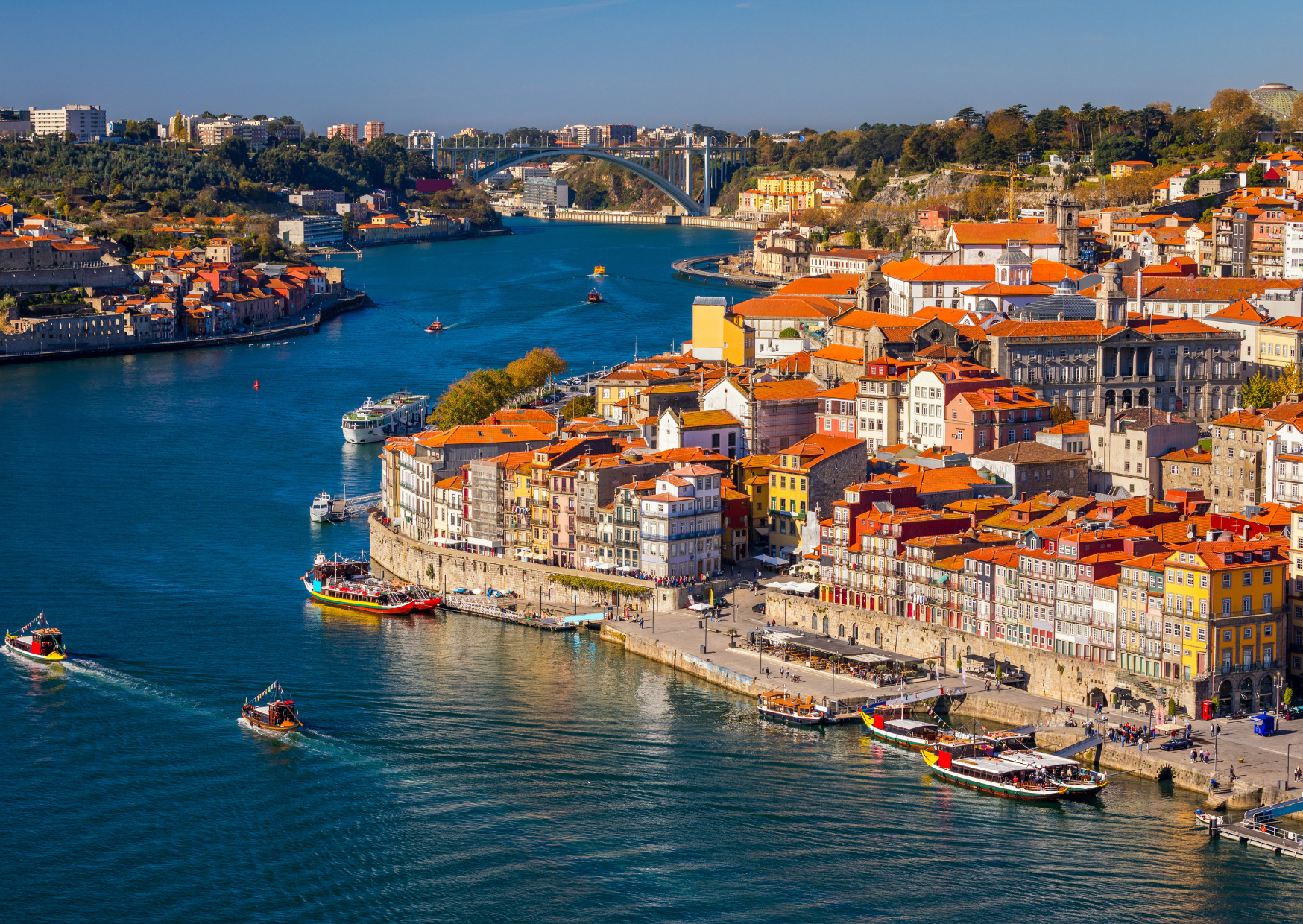
If you move to Porto with $50,000, the city will treat you fairly if you treat the spreadsheet seriously. A family of three can finish year one with €5,000–€10,000 still in the bank if you stick to a €1,400–€1,600 rent, ride transit, and use public school. The same family will run out of runway on an international school plus car setup unless one adult’s income closes a €12,000–€15,000 annual gap.
Porto’s 2025 basics are clear. Rents are real. Energy is not cheap. Transit is a bargain. Fuel is pricey. International schools cost what a small car costs each month, multiplied by ten. NHR is gone for most, and IFICI is specialized. AIMA is catching up, but you still budget time.
If you start with those facts and choose accordingly, the city gives you back what you came for: safety, cafés that remember your name, a river you can afford to live near, and a savings cushion that makes year two calmer than year one.
What’s changed
In Portugal, residents are taxed on their worldwide income, and in 2025 the personal income tax brackets for residents now range from about 12.5% up to 48% (depending on income) plus solidarity surcharges.
The previous flagship regime, the NHR (Non-Habitual Resident) status, allowed many new Portuguese tax residents to enjoy favourable tax treatment on foreign-source income (dividends, interest, capital gains, pensions) under certain conditions.
That regime has been phased out for most new applicants and replaced by the IFICI programme. Under IFICI (often described as “NHR 2.0”), only individuals who qualify (principally via “highly qualified professions”, innovation or research roles, or certain strategic activities) may benefit from special tax treatment.
Among the changes is the fact that foreign-sourced income such as pensions, dividends, and capital gains are now more tightly controlled and often taxed at the regular resident rates unless covered by a double tax treaty or other specific exemption.
Final Thoughts
Moving to Porto with $50,000 may sound like a financial dream, but the reality reveals how quickly money can stretch—or shrink—depending on your lifestyle choices. Portugal remains one of Western Europe’s most affordable countries, yet expats often underestimate the hidden costs: visa renewals, healthcare, school fees, and the steady creep of inflation in popular cities. What starts as a comfortable cushion can quickly become a modest safety net if you don’t adapt to local spending habits.
For this family, the first year was a lesson in adjustment. Dining out too often, choosing an apartment in a tourist-heavy neighborhood, and importing American comforts chipped away at the budget faster than expected. Yet, by the end of twelve months, they found balance. Cooking at home, shopping at local markets, and using public transport instead of owning a car helped them settle into a sustainable rhythm. The biggest realization wasn’t about what they spent—it was about how their relationship with money evolved in a slower-paced, more mindful culture.
Ultimately, what’s “left” after one year isn’t just what remains in the bank, but what’s gained in experience. Living in Porto taught them that financial success abroad depends less on the size of your savings and more on your willingness to adapt. When you embrace the local way of life—modest, community-oriented, and less material—you discover that wealth is measured in more than currency.

About the Author: Ruben, co-founder of Gamintraveler.com since 2014, is a seasoned traveler from Spain who has explored over 100 countries since 2009. Known for his extensive travel adventures across South America, Europe, the US, Australia, New Zealand, Asia, and Africa, Ruben combines his passion for adventurous yet sustainable living with his love for cycling, highlighted by his remarkable 5-month bicycle journey from Spain to Norway. He currently resides in Spain, where he continues sharing his travel experiences with his partner, Rachel, and their son, Han.