
Imagine eating pasta, lingering over lunch, and strolling at sunset, and somehow watching your body get lighter. That was my surprise when I copied Italy’s timing, not Italy’s Instagram clichés, for one month.
I did not count calories. I did not weigh chicken breasts or memorize macros. I moved the timing of my meals to match the rhythm I kept seeing in Rome, Bologna, and small towns where the day bows to lunch and saves dinner for pleasure, not volume.
For thirty days I ate breakfast small and simple, I made pranzo the anchor and the largest plate, and I kept cena light and social, followed by movement. Coffee landed at predictable moments, sweets kept their lane, and snacks suddenly lost their job. I did not feel deprived because the clock did the discipline for me.
Twelve pounds disappeared. My belt told me before the scale did. More important, the see-saw hunger that used to send me into the pantry at four o’clock went quiet. Here is the exact schedule I followed, what I cooked, what I ordered, when I walked, and the handful of rules that made the month feel effortless.
Friendly disclaimer, this is a personal experiment, not medical advice. If you have a medical condition or take medication that interacts with food timing, talk to a professional before changing routines.
Want More Deep Dives into Other Cultures?
– 9 Italian Style Rules That Instantly Outshine American Fashion
– Why Europeans Walk Everywhere (And Americans Should Too)
– How Europeans Actually Afford Living in Cities Without Six-Figure Salaries
– 9 ‘Luxury’ Items in America That Europeans Consider Basic Necessities
Quick and Easy Tips
Eat your largest meal earlier in the day, ideally at lunch, and keep dinner lighter and earlier than you’re used to.
Allow clear gaps between meals instead of constant snacking. Let hunger appear naturally before eating again.
Finish dinner at least three hours before sleep to give digestion time to settle overnight.
In many Western cultures, especially in the U.S., eating late is normalized by long work hours and convenience-driven habits. In Italy, late-night eating is far less common, and meals follow a predictable structure that supports digestion rather than overwhelming it.
Another controversial point is that Italian eating culture doesn’t demonize carbs, bread, or pasta. These foods are consumed earlier in the day and in proper portions, which changes how the body processes them. Timing, not elimination, appears to be the key difference.
What unsettles many people is the idea that weight gain may be less about what we eat and more about when. Italian eating times challenge modern diet logic by suggesting that the body’s internal clock plays a bigger role than macros or trends. For me, respecting that clock changed everything.
1) What “Italian Eating Times” Really Mean

When Italians talk about eating, they talk about a clock, a table, and a walk. Late breakfast is small, lunch is the day’s main act, and dinner is lighter and later, often wrapped in conversation and followed by the passeggiata, an evening stroll. The rhythm matters as much as the recipes.
The morning starts with colazione, often coffee with milk and a modest bite, not a diner platter. That keeps you light but awake, which is the point. Appetite builds slowly toward lunch instead of spiking and crashing by ten thirty.
The middle of the day belongs to pranzo. Offices slow down, shops close in many towns, and the table carries real food, hot and cooked, not a handful of desk snacks. You see a starch, a protein, vegetables, olive oil, and water or a small glass of wine if it is the weekend. The meal is unhurried and often followed by a short pause.
Evening is cena, social and smaller. You may see soup, fish, a plate of legumes, a simple salad, or a half portion of pasta with vegetables, then fruit. The kitchen leans toward simplicity at night. The passeggiata turns digestion into a ritual, a gentle loop that tells the body the day is ending.
2) The 30-Day Rules I Actually Followed
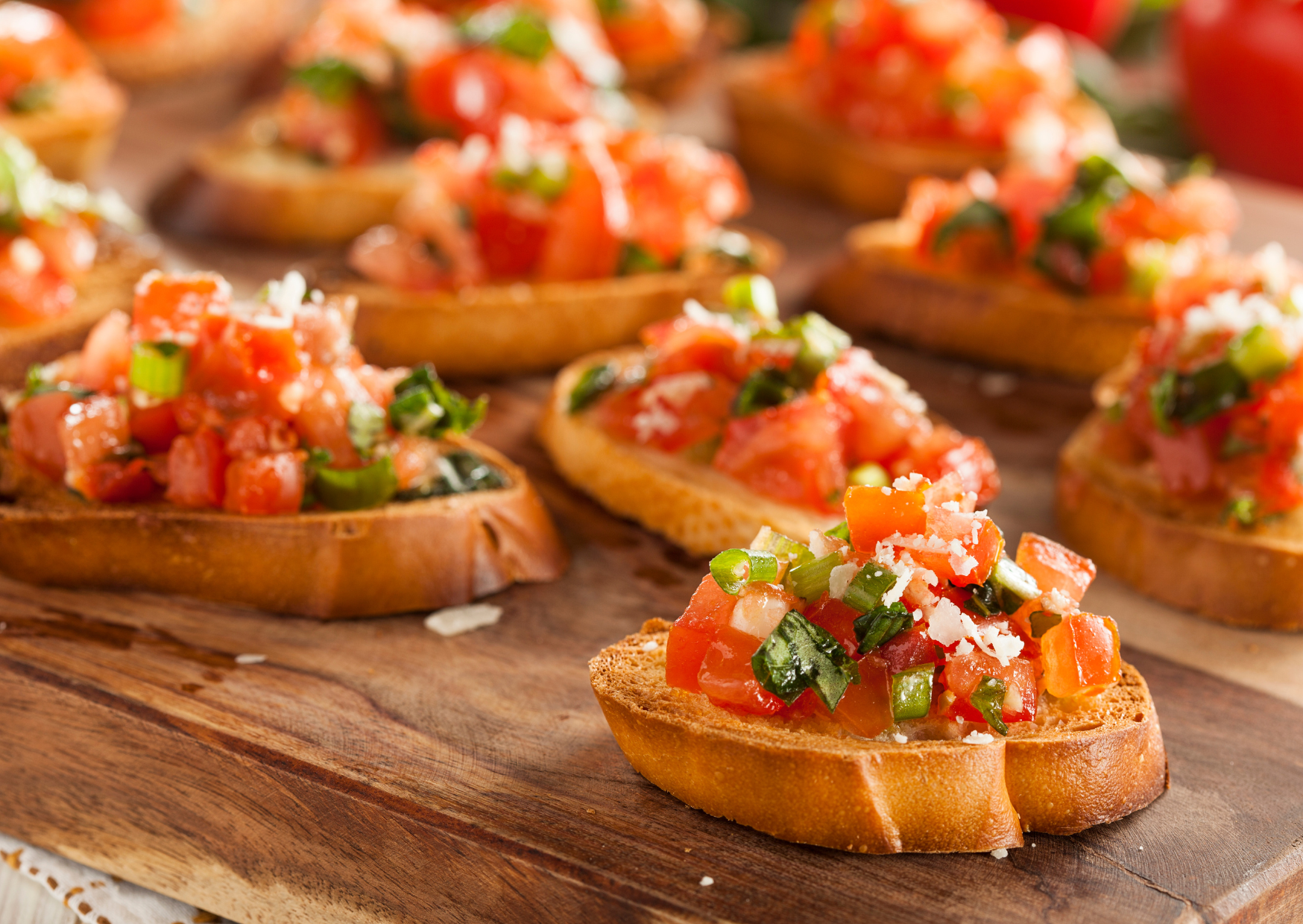
I copied the clock first, then I adjusted portions. Rules made the day easy to remember, which kept willpower out of the conversation.
Rule one, small, late breakfast. I waited for real hunger, then had coffee with milk and one modest item, yogurt, fruit, or a slice of toast with ricotta and honey. No pancakes at seven, no protein shakes at dawn, no snack before lunch.
Rule two, lunch is king. I ate between 1:00 and 2:30 p.m., seated, with a plate that always had a cooked element. If I had pasta, I kept it to a true primo size, about one heaped cup cooked, then added vegetables and either fish, eggs, or beans. If I had a protein as the star, I paired it with potatoes or good bread, and again, vegetables were non negotiable.
Rule three, light, social dinner. I aimed for 8:30 to 9:30 p.m., which sounds late until you realize lunch carried the load. Dinner stayed small, a bowl of minestrone, grilled fish with greens, or tomatoes with mozzarella and a few anchovies. I avoided heavy sweets at night, fruit handled the sweet note.
Two supporting rules kept the edges clean. Coffee lived in the morning and early afternoon, never late evening, and movement followed dinner. That could be twenty to thirty minutes, around the block, up the hill, or to the river and back. The clock did half the work, the street did the rest.
3) Breakfast, Reframed To Fuel Focus Not Frenzy
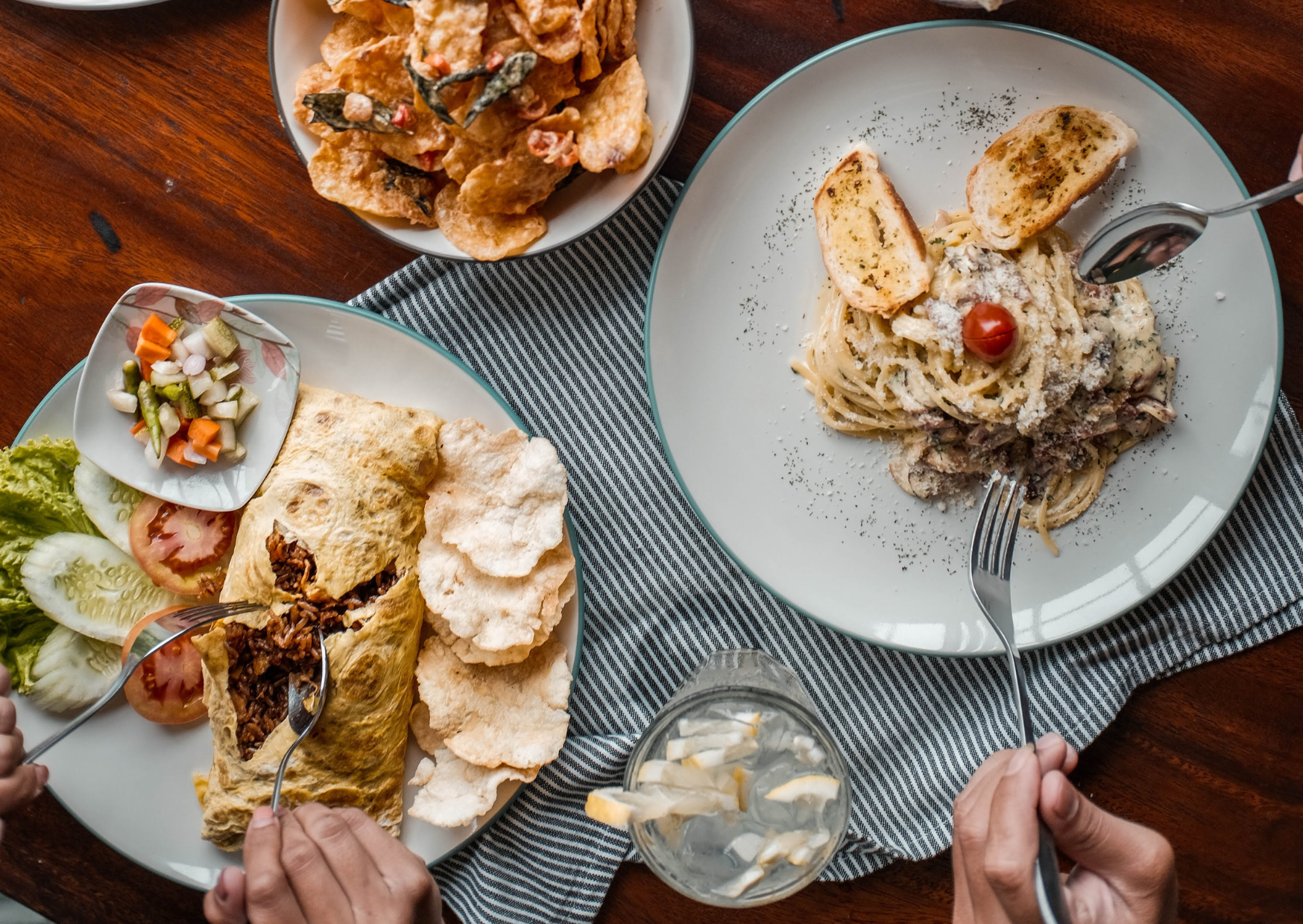
The biggest surprise was how a small breakfast calmed my mornings. I used to slam a large plate at seven, then get hungry again by ten. Shrinking breakfast made the first hours steady instead of spiky.
My weekday rotation was boring on purpose. Option one, cappuccino at home with plain yogurt and berries. Option two, espresso and a thin slice of toast with olive oil and a sprinkle of salt. Option three, a ripe peach or apple with a few almonds. All three left me alert without feeling stuffed.
Two things mattered most. I did not graze. I had one defined item, then I stopped. And I kept breakfast later than I thought, usually around eight thirty or nine on workdays. That gap between waking and food sharpened my focus, then lunch arrived before cravings did. The early day stretched but did not sag.
Outside Italy, this looks like a light European hotel breakfast you serve yourself at home, simple and repeatable. If you train your morning to feel modest, the rest of the clock falls into place without arguments.
4) Lunch As The Anchor, How I Built Plates That Satisfied
The Italians arrange the day so that pranzo carries your calories and your joy. I fought that at first, then I surrendered, and lunch became the switch that turned my appetite into an ally.
A standard week of lunches looked like this.
Monday, pasta e ceci. A bowl of short pasta with chickpeas, rosemary, and olive oil, then a bitter green salad and an orange. The mix of warm starch and legumes kept me full until evening.
Tuesday, frittata with zucchini and a corner of bread, then roasted peppers with capers. Eggs at lunch felt decadent at first, then felt civilized.
Wednesday, small plate of ragù with polenta and a side of grilled fennel. The key was restaurant half portions, not a mountain. Richness, but measured.
Thursday, tuna and cannellini beans with red onion and parsley, a splash of oil, and boiled potatoes. This is the Italian answer to “power bowl,” except it tastes like lunch, not homework.
Friday, risotto with mushrooms and a side of steamed greens, then fruit. I slowed down enough to taste my food. That alone cut how much I ate.
Weekends were whatever the table offered, longer and happier. I did not pick at plates all afternoon, I sat down and ate, then I stood up and moved. By making lunch the heavy hitter, I stopped setting dinner up to become a second heavy hitter out of habit.
5) Dinner, The Art Of Enough, Then A Walk
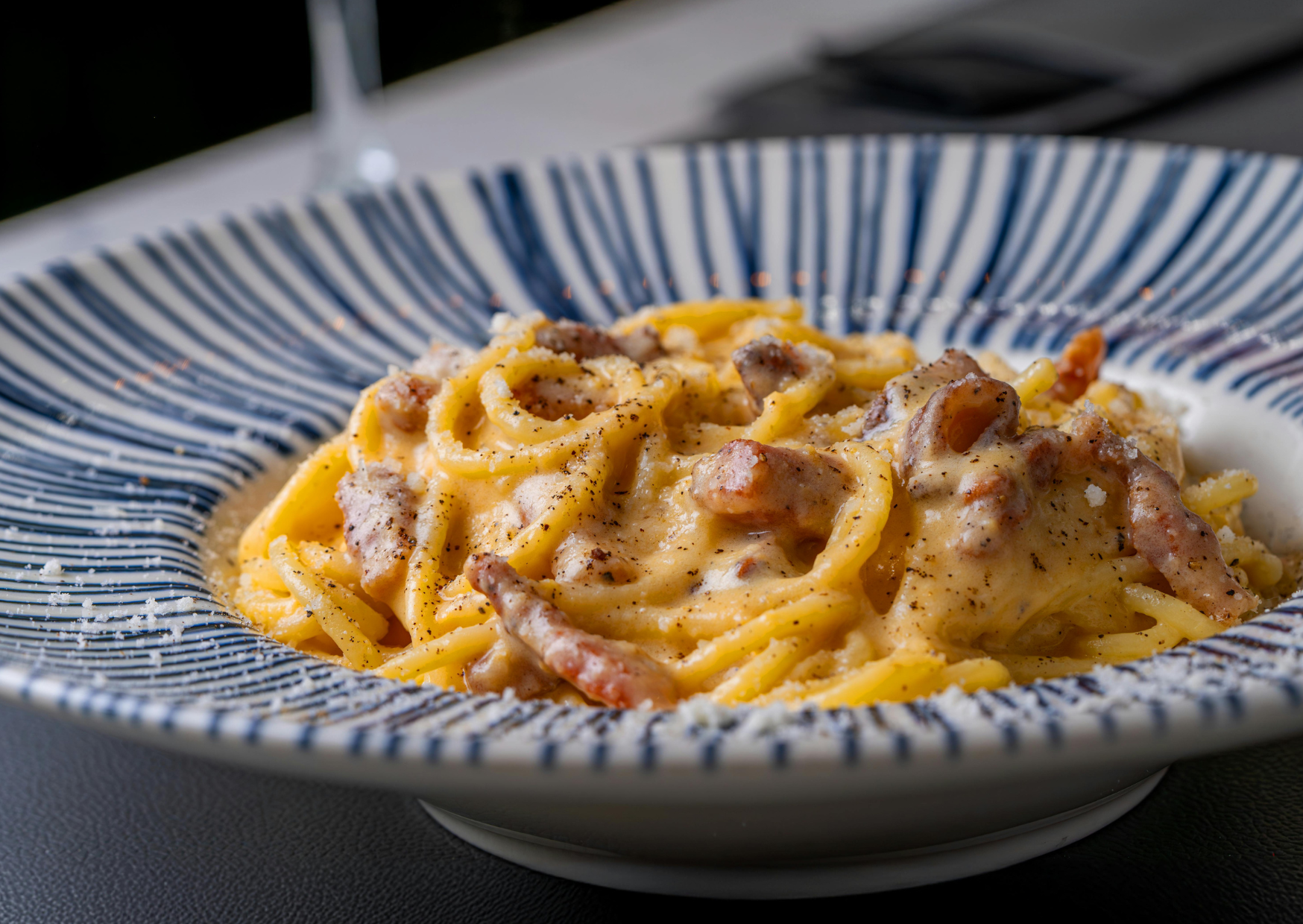
If lunch is the star, cena is the closing credits, pleasant and short. I built dinner to be satisfying without inertia, then I went outside, even when I did not feel like it.
Three dinners on repeat made the month easy. A big salad with tuna, white beans, olives, and tomatoes, dressed generously, eaten with a fork and a piece of bread. A soup, minestrone or tomato with a parmesan rind for depth, then fruit. A fish plate, sardines or trout with lemon and herbs, plus greens. If I wanted pasta at night, I used vegetables as volume, cherry tomatoes, zucchini, onions, and finished with pecorino, then I kept the pasta itself modest.
The passeggiata was the secret lever. I treated it like a meeting that could not be moved. Twenty to forty minutes, not a workout, gently full lungs, a mind reset, a body that understood food had happened and now it was time to ease. That one habit made sleep deeper and mornings simpler.
When dinner is light and late, panic about bedtime digestion fades. You choose small because lunch was generous. You choose fruit because the sweet signal is there without the hit. You choose the walk because the street is alive and you want to be part of it. Enough feels easy when the day is arranged for it.
6) Coffee, Wine, And Sweets, Keeping The Italian Lanes
I did not quit coffee, I relocated it. Morning cappuccino was faithful, lunch espresso was allowed, late afternoon espresso became rare. Even small changes in caffeine timing quietly improved sleep, which makes everything else work better.
Wine followed the same logic. A small glass with lunch on weekends, water on weekdays, and no wine with dinner unless it was a social night. That single boundary kept evening appetite lower and sleep calmer. It also made the occasional dinner glass feel special, which improved joy while keeping total intake modest.
Sweets moved to daylight. A square of chocolate with coffee at two, a scoop of gelato on a long Saturday walk, not a slab of cake at ten. Night sugar became fruit. Sweetness felt satisfied because the clock gave it a slot, and I stopped craving late spikes that used to sabotage my sleep.
Holding these lanes steady gave me a rule of thumb. If it wakes me up, it belongs before four. That line alone removed a pile of mindless habits.
7) Portioning Without Counting, The Italian Way
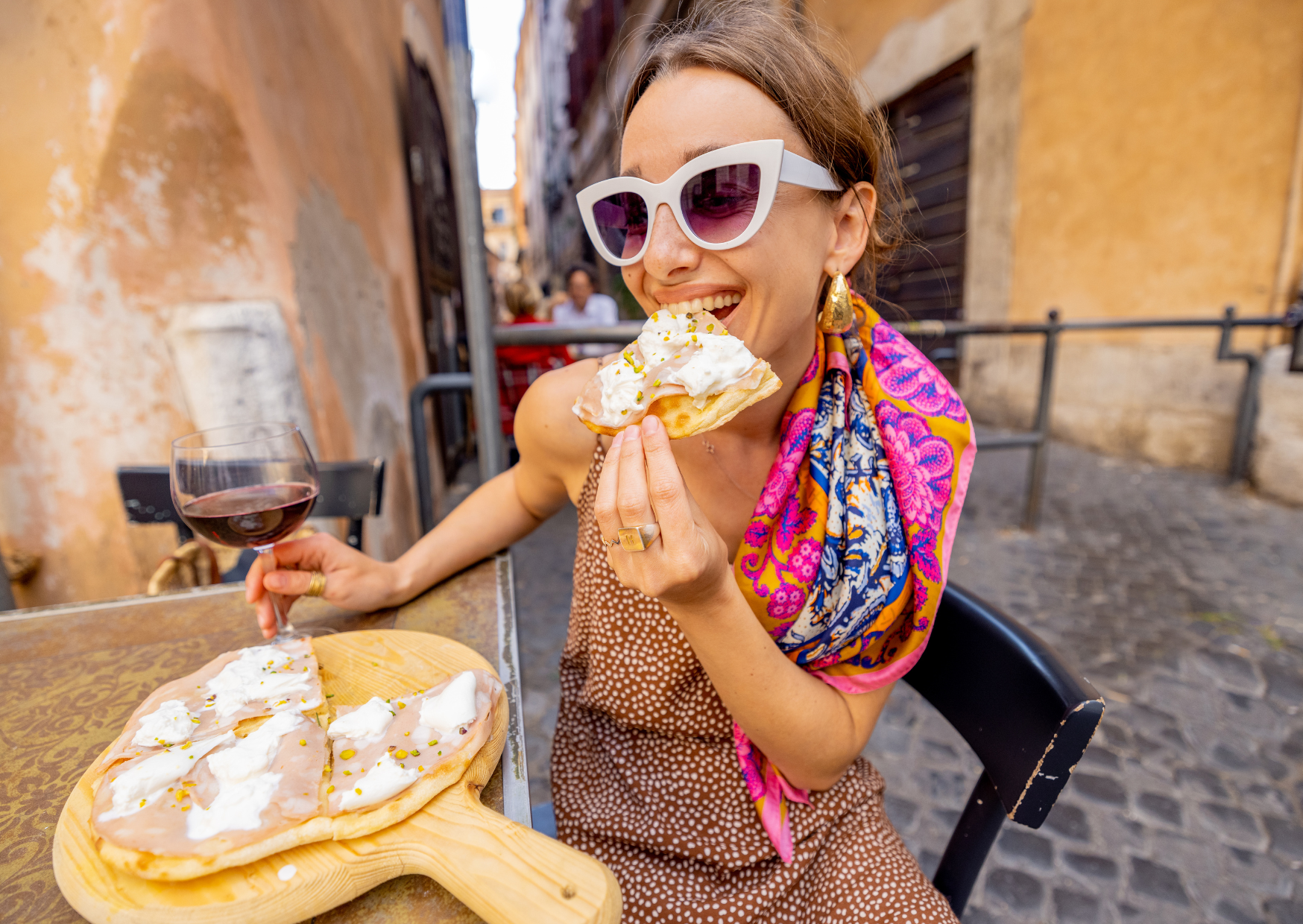
Portions shrank without measuring spoons because the sequence did the heavy lifting. I learned three tricks from watching Italian tables.
Start with vegetables, hot or raw, seasoned properly. When you begin with flavor and water, your hunger softens before starch shows up. A plate of roasted broccoli with chili and lemon can flip a switch in five bites.
Serve starch as a course, not a bucket. A bowl of pasta as a primo, not the entire meal, makes it easy to stop at enough. I used a smaller bowl and never went back for seconds. Satisfaction arrived because the dish was treated like a highlight.
End with fruit, not a sugar bomb. Grapes, a pear, or strawberries with a spoon of yogurt mark closure. My appetite learned that the curtain had come down. That single, simple finale prevented second dinners, which is how the twelve pounds likely left.
The hidden power here is attention. When you plate food intentionally and eat seated, portions find their natural size. You taste more, you perform less, and hunger behaves.
8) Grocery Habits That Kept The Plan Automatic
My kitchen made the clock easy with few items and high turnover. I stopped stocking for emergencies and started stocking for rhythm.
I bought vegetables that cook fast and taste good with oil and salt, zucchini, peppers, fennel, greens, cherry tomatoes. I kept eggs on the top shelf and tinned fish in the cupboard, tuna, sardines, anchovies. I rotated beans in jars, chickpeas and cannellini first. I bought good bread in small loaves and froze half.
I kept a basic soffritto ready, onion, carrot, and celery cooked slowly in olive oil, jarred for three days of easy soups or sauces. I premade vinaigrette in a jam jar so salads were never a chore. I washed fruit the day I brought it home, visible in bowls, so the path of least resistance led to oranges and grapes, not snacks.
This was not a chef’s pantry. It was a list that made lunch effortless and dinner light by design. If your kitchen only offers foods that serve the clock, you do not have to outsmart yourself when you are tired. Environment is willpower’s best friend.
9) Movement, Appetite, And Sleep, The Quiet Trio
I did not add a gym program. I added consistency. Morning, a short walk or a bike errand. After lunch, a ten minute stretch. After dinner, the passeggiata. Small, boring, every day. Appetite synced to movement and the calendar, and the restless hunger that used to show up in the afternoon stopped visiting.
Sleep became the signal that the schedule was working. With the biggest meal at midday, caffeine early, and movement late, I fell asleep faster and woke up easier. That made breakfast naturally later, which protected lunch, which shrank dinner, which made the evening walk easy. The loop fed itself.
I did not track steps, I tracked how easy the clock felt. When a day went off schedule, I noticed that the evening got jumpy and the next morning needed repair. Within two weeks the better pattern felt normal, and craving the rhythm turned into a kind of quiet addiction.
10) The Results, What Changed In 30 Days
Numbers first, twelve pounds. Jeans loose, belt down a notch and a half, face a little leaner. The scale moved steadily, then paused, then moved again. Energy stayed even, not heroic, just steady workdays without dramatic dips.
Cravings changed shape. I still wanted sweets, but at two in the afternoon, not at ten at night. I still wanted pasta, but a true portion tasted like plenty because I knew fruit was coming. I still wanted coffee, but I wanted it early, then I was done. That is the victory I care about most, cravings obeyed the clock I set, they did not set the clock for me.
Mood softened. I am not pretending a schedule cures anxiety, I am saying predictability removed a layer of static. The body likes to know when food arrives, and my mind enjoyed being able to trust lunch. There is a reason long tables and short dinners make a day feel breathable.
Again, this is my result. Your body is yours. The method is gentle and social, which is why it might be worth trying with your own adjustments.
11) How To Copy This In The United States Or Anywhere
You can live far from Florence and still eat like the clock does. Three moves will get you eighty percent of the way there with minimal friction.
Move one, shift lunch up a weight class. Put the heartiest food at midday, whether you pack it or step out. Cook extra on Sunday, pasta e ceci, roasted vegetables and chicken, or a bean salad, then assemble lunch in two minutes before work. Make lunch warm and seated, even if the plate is simple.
Move two, declare dinner a social snack. Think soup, fish, greens, a little bread, then fruit. If dinner is social and you want a glass of wine, have it, but keep volume low. Treat late dessert like a holiday, not a habit. Put movement after the meal as a calendar event.
Move three, choose lanes for coffee and sweets. Keep coffee in the a.m. and early afternoon, move sweets to daylight, and let fruit close the evening. The rest of the day will shape itself around those lanes. If it wakes you up, place it before four. If it puts you to sleep, place it after eight.
To make this stick, tell your people. If your family or coworkers know lunch is your main meal, they will stop pulling you into heavy dinners. Social expectations will align with your clock once you say it out loud.
12) A One-Week Starter Plan You Can Use Tomorrow
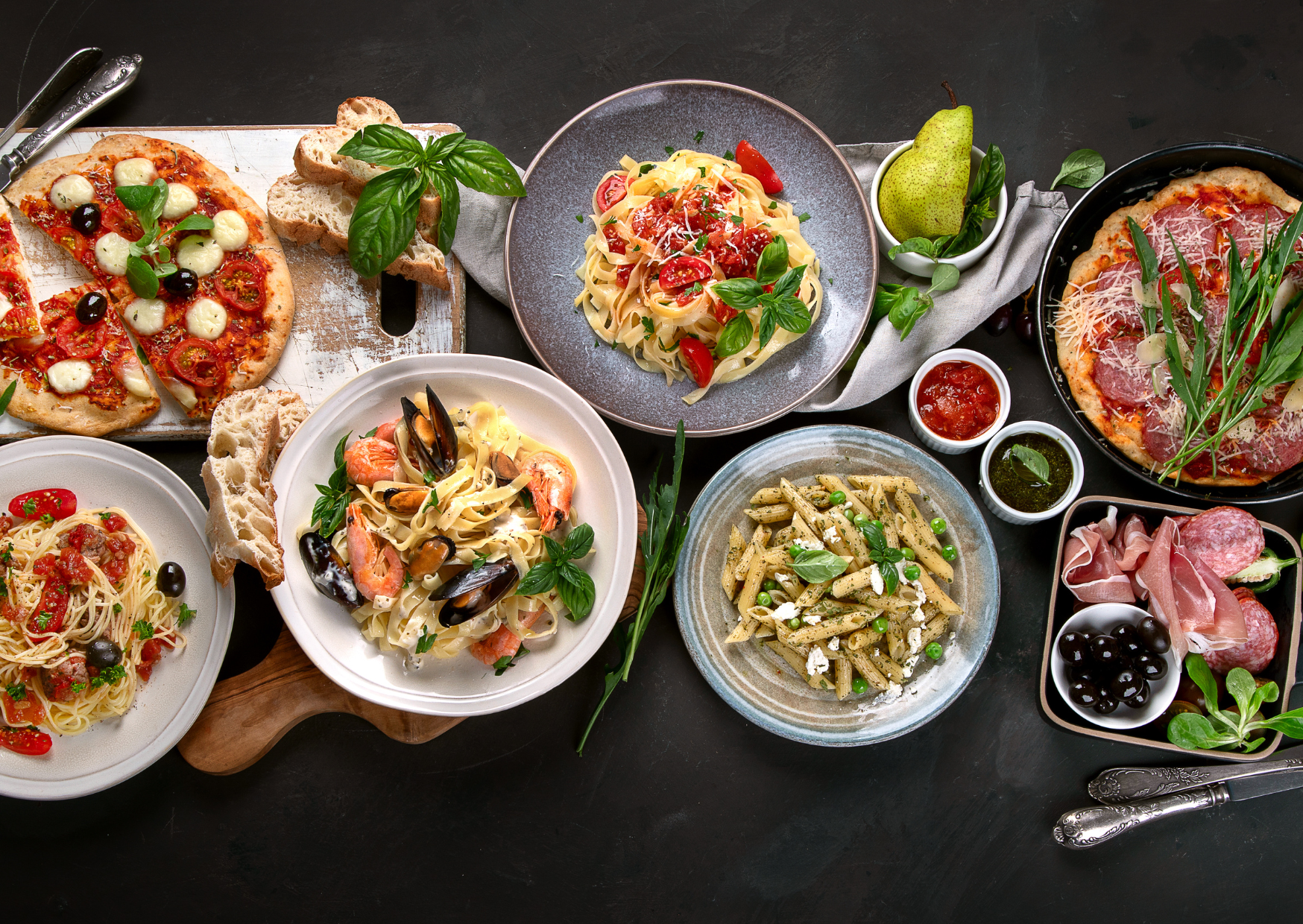
This is the template I give friends who want to test the schedule without overthinking it.
Monday
Colazione, cappuccino and yogurt.
Pranzo, pasta e ceci with a side salad, orange.
Cena, minestrone, a heel of bread, passeggiata.
Tuesday
Colazione, espresso and toast with olive oil.
Pranzo, frittata with zucchini, roasted peppers, apple.
Cena, salad with tuna and beans, twenty minute walk.
Wednesday
Colazione, cappuccino and fruit.
Pranzo, small ragù with polenta, fennel, pear.
Cena, grilled fish and greens, short loop outside.
Thursday
Colazione, espresso and a few almonds.
Pranzo, tuna, potato, and parsley salad, grapes.
Cena, tomato soup, fruit, evening stroll.
Friday
Colazione, cappuccino and toast.
Pranzo, mushroom risotto, steamed greens, clementines.
Cena, salad, a little cheese, walk to digest.
Saturday
Colazione out, cornetto and cappuccino.
Pranzo, the longer table, whatever the market gave you, enjoy fully.
Cena, light, fruit forward, longer passeggiata.
Sunday
Colazione, late and small.
Pranzo, leftovers, vegetables and eggs, simple.
Cena, soup or salad, quiet walk.
If you do this for seven days, you will feel the edges soften, hunger will arrive on schedule, and your sleep will tell you whether to keep going. If you like the feeling, keep it for three more weeks. The body rewards consistency, not drama.
I did not become Italian. I adopted Italy’s sequence, the calm of a real lunch, the humility of a small breakfast, the sanity of a light dinner, and the joy of the passeggiata. The scale moved because my schedule moved. The month felt generous instead of restrictive, and the result felt like a side effect, not a grind.
If you want to try this, start with the clock, not the cookbook. Keep breakfast small, make lunch honest, make dinner graceful, and walk when the sky is soft. The calendar will do more for your body than any app, and you may find, as I did, that losing weight is what happens when you stop fighting hunger and start teaching it the time.
After 30 days of following Italian eating times, the most surprising result wasn’t just the weight loss, but how effortless it felt. There were no calorie counts, no forbidden foods, and no constant hunger. Simply changing when I ate reshaped how my body responded to food.
What became clear is that timing influences appetite far more than most people realize. Eating earlier, spacing meals properly, and avoiding late-night grazing allowed my body to reset its natural hunger signals. Instead of fighting cravings, they gradually disappeared.
This experience challenged the idea that weight loss must involve restriction or willpower. By aligning meals with a rhythm the body seems to recognize, weight loss became a side effect rather than the goal. It felt less like a diet and more like returning to a forgotten norm.

About the Author: Ruben, co-founder of Gamintraveler.com since 2014, is a seasoned traveler from Spain who has explored over 100 countries since 2009. Known for his extensive travel adventures across South America, Europe, the US, Australia, New Zealand, Asia, and Africa, Ruben combines his passion for adventurous yet sustainable living with his love for cycling, highlighted by his remarkable 5-month bicycle journey from Spain to Norway. He currently resides in Spain, where he continues sharing his travel experiences with his partner, Rachel, and their son, Han.