
And What They Reveal About Comfort, Courtesy, and the Quiet Cost of Belonging
Many American travelers budget for Europe with a clear picture in mind:
Flights, hotels, meals, trains, and museums.
They plan around rail passes, Airbnb deals, maybe a wine tasting or two.
But once they arrive, something unexpected happens: their cash disappears faster than expected.
Not from big-ticket items—but from small, steady, local expenses they never thought to plan for.
Meanwhile, Europeans breeze through the same spaces, wallets in hand, ready for the expected.
To them, these little costs aren’t surprises. They’re part of daily life—non-negotiable, culturally embedded, and easy to forget if you’re coming from across the Atlantic.
Here are the European travel expenses Americans rarely budget for—but locals would never skip.
Want More Deep Dives into Other Cultures?
– Why Europeans Walk Everywhere (And Americans Should Too)
– How Europeans Actually Afford Living in Cities Without Six-Figure Salaries
– 9 ‘Luxury’ Items in America That Europeans Consider Basic Necessities
Quick Easy Tips
Always carry coins for public restrooms, especially in train stations and old towns.
Factor in city tourist taxes, usually charged per person per night at accommodations.
Bring a reusable shopping bag to avoid paying for plastic or paper bags at grocery stores.
Include tipping for table service, which is common even if smaller than U.S. standards.
Budget for bottled water or café drinks, as free tap water isn’t always offered at restaurants.
Account for transport tickets, including metro or tram rides in cities with no free transfers.
Keep extra funds for museum locker deposits, especially when backpacks aren’t allowed inside.
One major source of controversy comes from the different expectations American and European travelers bring to trip planning. Americans often assume that once flights, hotels, and food are accounted for, most other costs will be minor. Europeans, however, are accustomed to budgeting for local taxes, city fees, public transport passes, and reservation charges that shape daily travel. When Americans encounter these additional expenses, they often feel blindsided. Locals, meanwhile, consider these costs simply part of responsible travel planning.
Another point of tension involves cultural differences in how travel infrastructure is financed. Many European cities rely on tourist taxes, museum surcharges, and heritage-site maintenance fees to preserve historical districts and public services. Americans, who typically expect these costs to be built into general admission or overall pricing, interpret them as unexpected add-ons. Locals see them as necessary contributions to maintaining the city for both residents and visitors. What feels like nickel-and-diming to Americans feels like civic participation to Europeans.
A further controversy arises from the assumption that Europe’s public systems make travel cheap everywhere. While trains, transit, and attractions can offer excellent value, they also come with compulsory costs that Americans don’t anticipate, such as seat reservations on certain rail lines, luggage surcharges on low-cost airlines, and mandatory tipping in specific service settings. Europeans navigate these rules without issue because they’re familiar with them. Americans consider them frustrating surprises. The gap shows how different travel cultures evolve around local norms.
1. Public Bathroom Fees
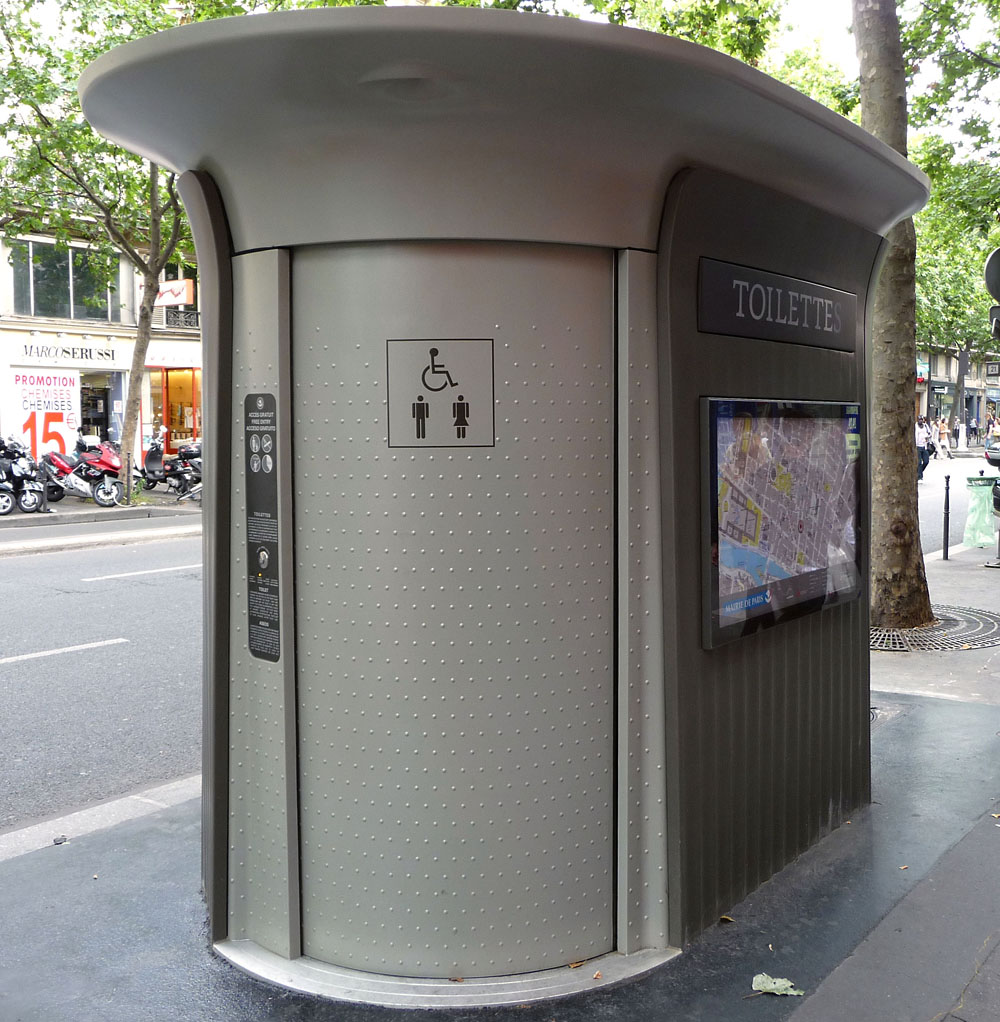
In many European cities, using a public restroom isn’t free.
Whether it’s in a train station, shopping mall, or highway rest stop, you’re often expected to pay:
- €0.50 to €1.00 per person
- Sometimes in coins only
- Even in major cities like Paris, Berlin, or Rome
American travelers often feel caught off guard, rummaging for change—or worse, holding it in until they find a café.
Locals, on the other hand, carry coins specifically for this purpose, and know which places have clean, paid restrooms.
It’s not a scam. It’s a service fee for cleanliness—and skipping it means you’ll likely end up somewhere less pleasant.
2. Table Charges and Bread Fees at Restaurants
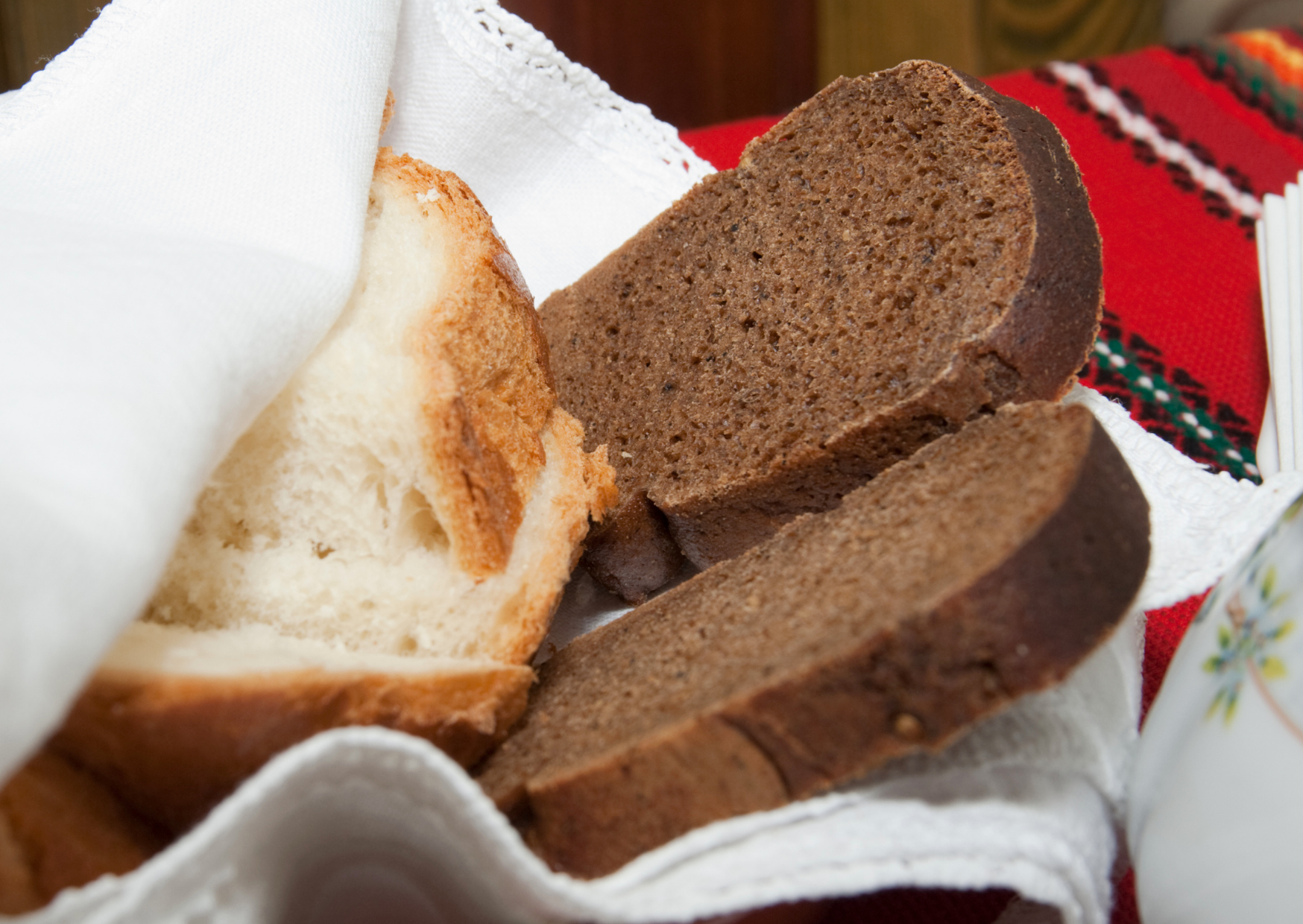
In the U.S., bread is usually complimentary. In Europe? Not always.
In Italy, Spain, and parts of France, it’s normal for restaurants to charge:
- A coperto (cover charge) per person
- A separate line for bread, even if you didn’t order it
- A service fee, which may or may not include the tip
American travelers often think they’re being scammed—but this is just how dining works.
These modest charges—usually €1–3 per person—go toward:
- Table setup
- Bread, oil, or olives
- The idea that you can stay for hours without being rushed
Locals expect it. Americans often leave confused—or annoyed.
3. Tipping—Even When It’s Not Expected
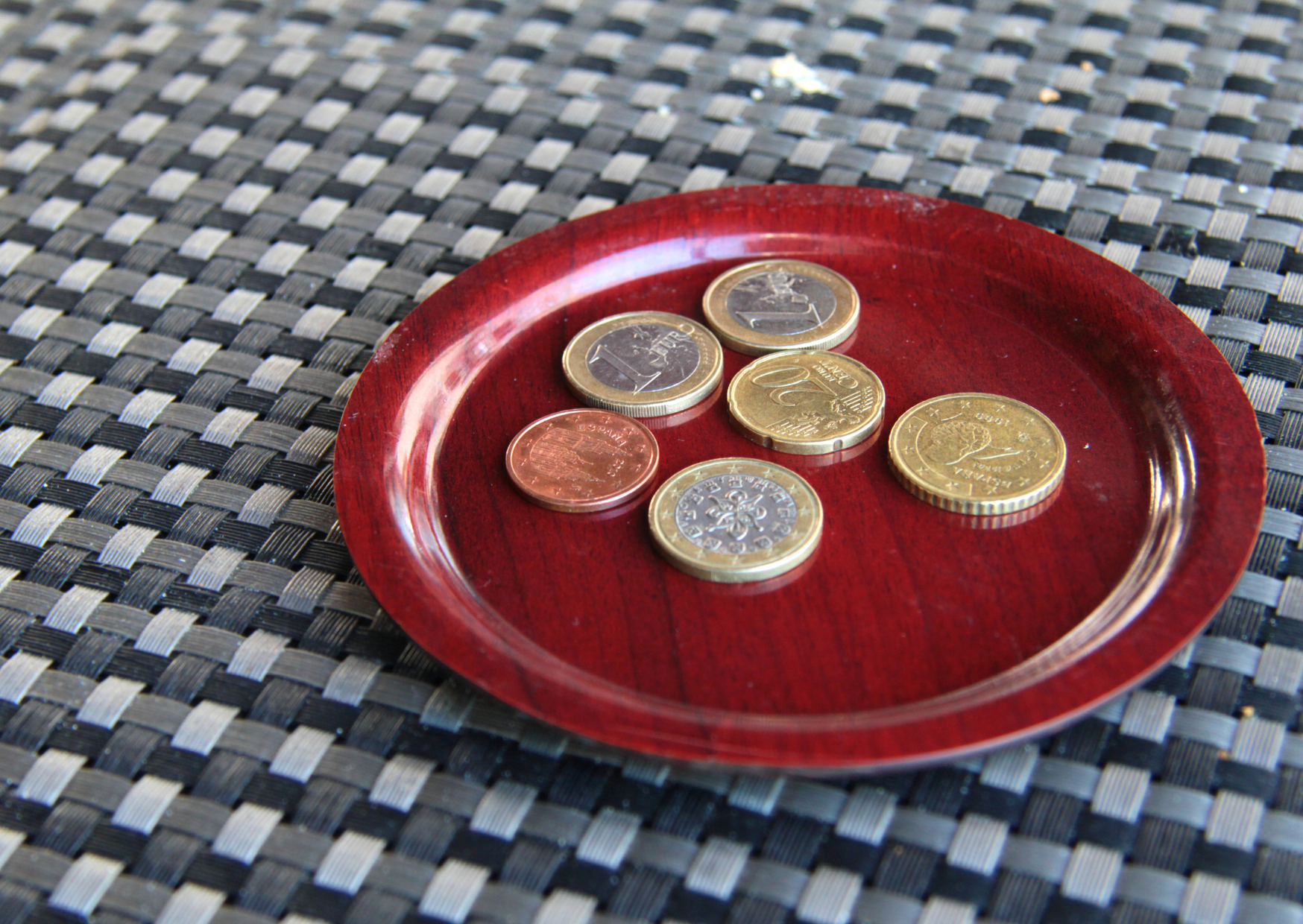
Contrary to myth, tipping is not “never” done in Europe.
It’s simply smaller, and voluntary.
Still, in many restaurants, cafés, and taxis, locals will:
- Round up the bill
- Leave €1–€2 for good service
- Offer a small cash tip for housekeeping or tour guides
American travelers often assume:
- No tip is required at all
- Credit card tips are common (they’re often not)
- Service is included and not worth extra
But in many places, leaving nothing at all looks inconsiderate—even if it’s technically allowed.
It’s not about math. It’s about gesture and social awareness.
4. Drinks That Cost Extra When Seated
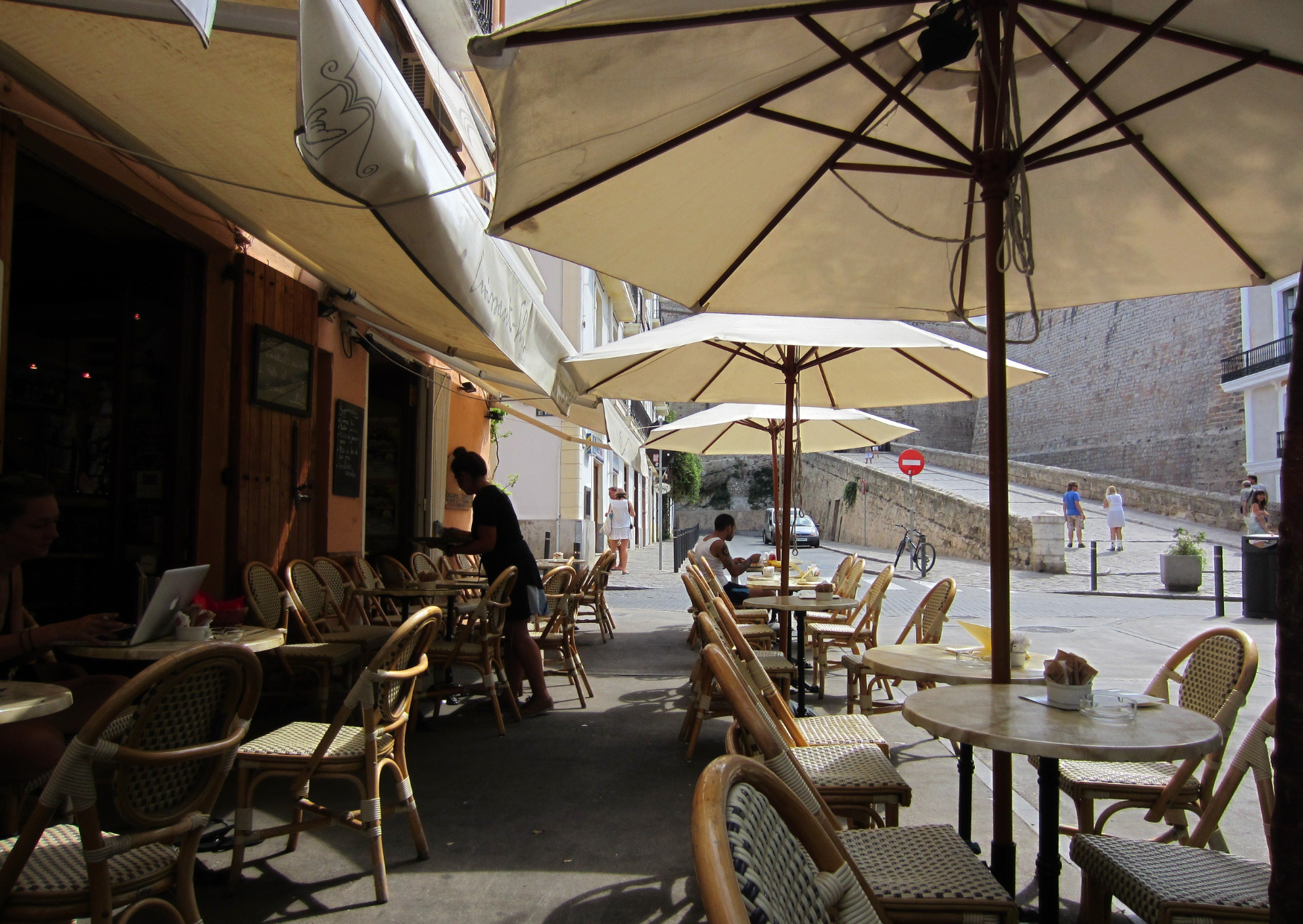
Order a coffee or soda at the counter in Rome, and it’s €1.20.
Order the same thing while sitting at a table outside? It’s suddenly €3.50 or more.
Why? Because you’re paying for:
- The seat
- The view
- The time
- The table service
Locals know this. They choose to stand at the bar or take the extra charge as part of the experience.
But Americans, unaware of this distinction, often sit down and feel blindsided by a higher bill—then annoyed when they realize the price wasn’t about the drink at all.
5. City Taxes on Hotel Stays
Even when your hotel or Airbnb says “total price,” many cities tack on a per-night, per-person city tax that’s collected at check-in or check-out.
For example:
- €2–€7 per person, per night in places like Rome, Florence, Paris, or Barcelona
- Often cash-only and not included in third-party bookings
- Required by local law—even for budget accommodations
American travelers, used to tax-inclusive pricing or online-only bookings, often feel surprised by this fee.
Locals, however, are used to it—even when traveling within their own countries. It’s part of supporting municipal infrastructure that welcomes tourists.
6. Coin-Operated Lockers and Luggage Storage
In the U.S., many hotels offer early bag storage for free.
In Europe, if you’re between check-in and your train departure, you may have to:
- Use coin-operated lockers at the station
- Pay a per-bag storage fee at a hotel or local luggage service
- Navigate automatic systems that don’t take cards
Prices range from:
- €3 to €12 per bag, depending on size and duration
Locals know to carry coins or use specific apps. Americans are often caught without exact change—or unaware such fees exist at all.
7. Cash for Street Markets, Local Transport, and Tips
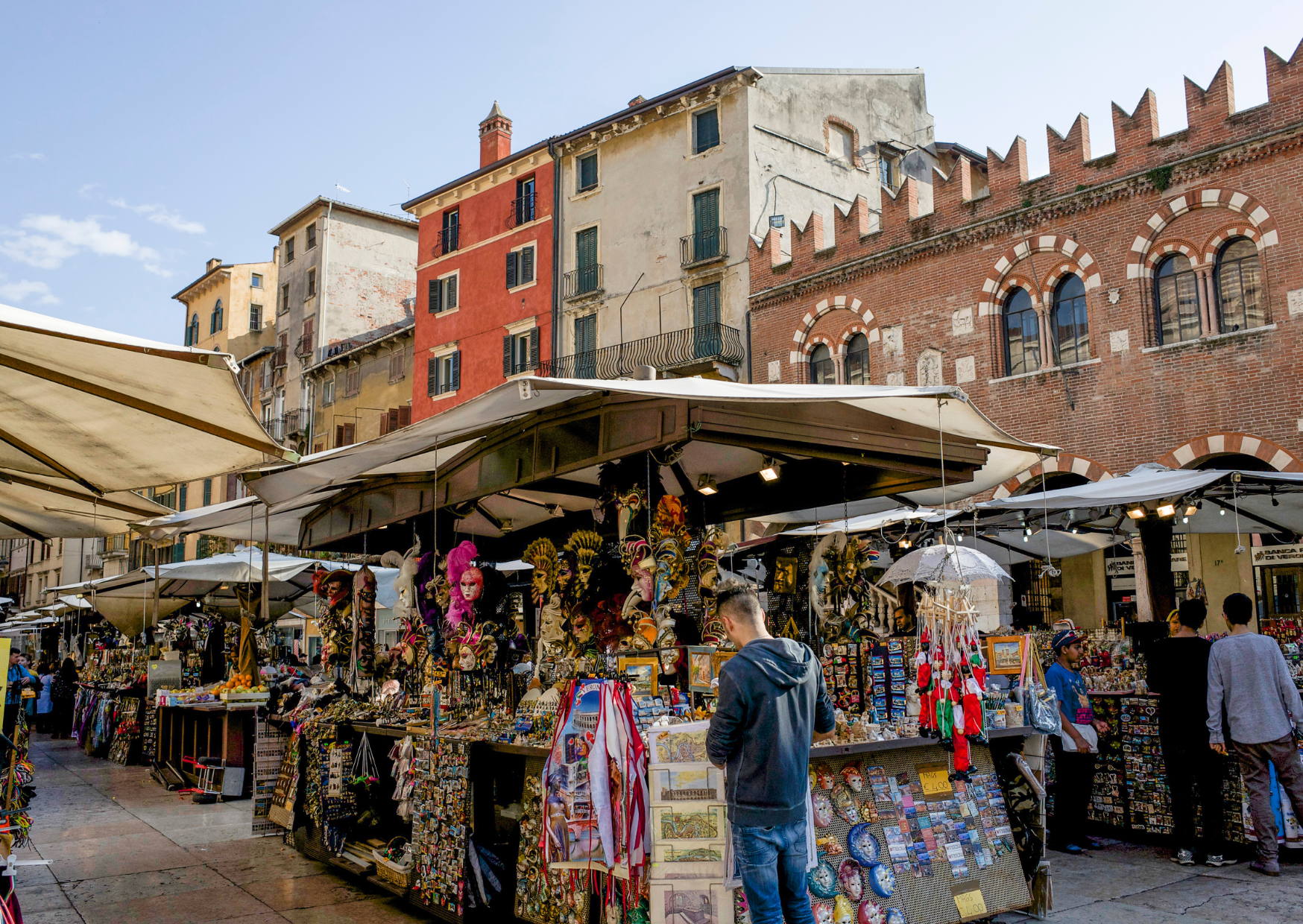
Europe is card-friendly—but not everywhere.
You’ll still need cash for:
- Open-air markets
- Some taxis
- Small cafés or bakeries
- Bus tickets or kiosks
- Public bathroom coins
- Tipping housekeeping or porters
Americans often assume everywhere takes cards, only to be stuck in line with a contactless chip that doesn’t work—and a vendor who shrugs.
Locals always carry a small, organized wallet with:
- Coins
- Low-denomination bills
- A practical awareness of what still operates offline
8. Transit Passes, Zone Upgrades, and Local Travel Cards
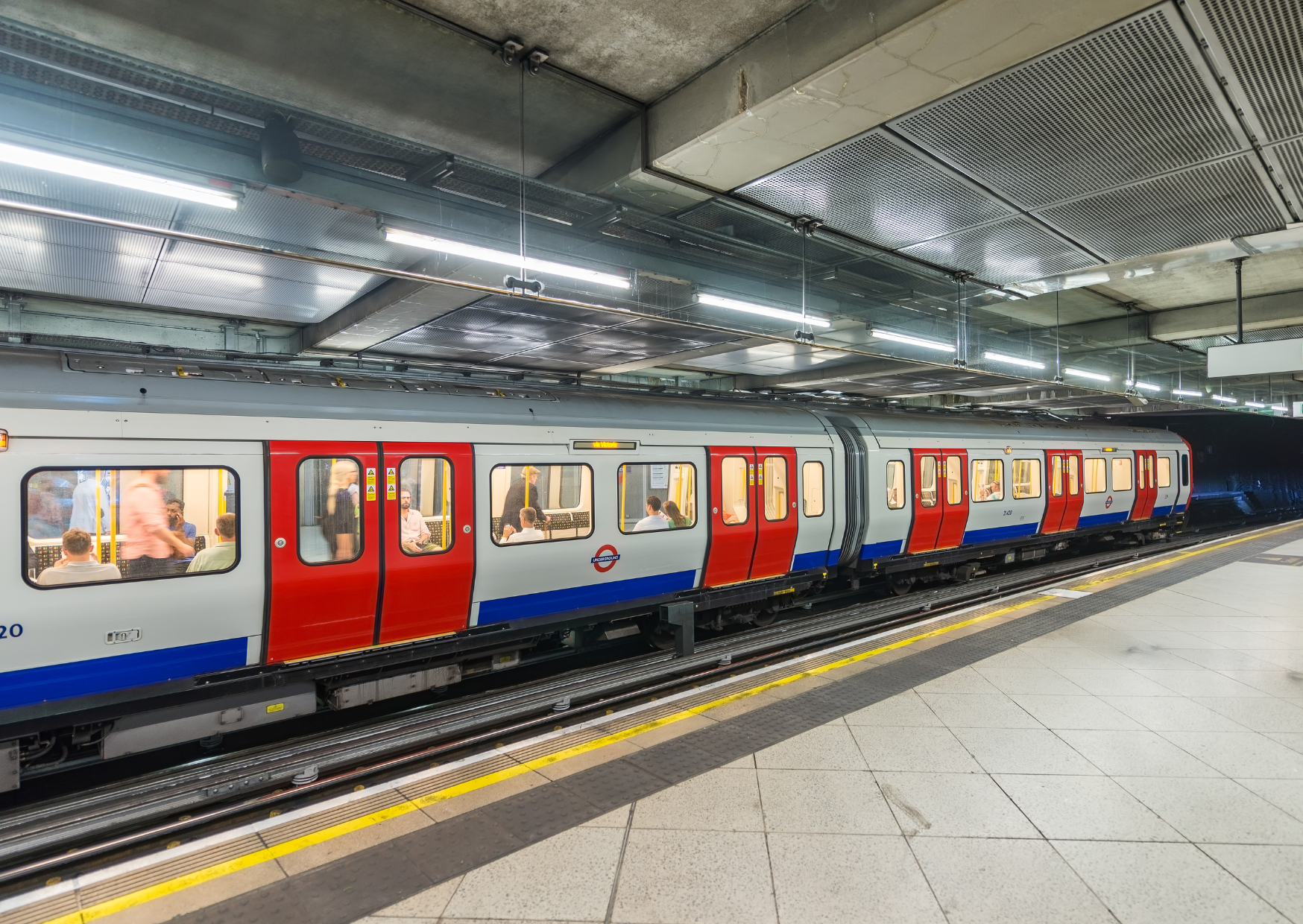
American travelers often budget for:
- Flights
- Long-distance rail
- Occasional taxis
But they forget the daily costs of navigating European cities, which might include:
- Zone-based pricing
- Transit card deposits (like the Navigo in Paris or Oyster in London)
- Fees for airport transfers not covered by passes
- Night bus surcharges
Locals know how to stack these systems to save money.
Americans often end up overpaying—or under-budgeting entirely for local mobility.
9. Coffee, Water, and Snacks That Aren’t Free With Gas or Flights

In the U.S., rest stops, gas stations, and domestic flights often offer:
- Free refills
- Complimentary coffee
- Water in waiting areas
- Soft drinks on planes
In Europe, everything is priced a la carte.
That includes:
- Espresso at a rest stop
- A bottle of water at your gate
- Tea on a short-haul flight
- A snack bar at a train station
Locals expect to pay €1–€3 for each small refreshment—and they budget for it.
Americans, used to free-flowing coffee and water stations, often find themselves constantly shelling out a few euros at every pause.
One Trip, Two Financial Realities
To the American traveler, these small charges feel like:
- Nickel-and-diming
- Hidden fees
- Cultural frustration
To Europeans, they’re just:
- Daily life
- Public maintenance
- The price of civilization
One culture says: “I paid already—this should be included.”
The other says: “You pay for what you use—no more, no less.”
These aren’t tourist traps. They’re local norms, and they reveal a deeper difference in how each side of the Atlantic handles convenience, responsibility, and shared space.
So next time you’re planning your European budget, leave a little room—for coins, table charges, and coffee that costs more when you sit down.
Not because you’re being taken advantage of.
But because you’re finally seeing how locals actually live.
Many Americans are surprised by the number of additional expenses that appear throughout European travel, not because the costs are unreasonable, but because they aren’t common in the United States. Budgeting habits differ from culture to culture, and what Americans consider an unexpected charge is often a standard part of daily life for Europeans. Once travelers understand the logic behind these fees, frustration tends to fade, replaced by a clearer picture of how European cities sustain themselves and serve millions of visitors each year.
Preparation is the key to avoiding financial strain. A well-planned trip accounts for more than hotels and restaurants. It anticipates transportation passes, heritage fees, local tourism taxes, and reservation charges. When these costs are built into the plan from the beginning, they stop feeling like unexpected burdens and instead become predictable components of a well-rounded itinerary. Knowledge turns surprises into strategy.
Ultimately, the difference between a stressful trip and a seamless one often comes down to understanding how European travel works beyond the brochure highlights. By embracing local expectations rather than resisting them, Americans can travel more confidently, avoid unnecessary frustration, and enjoy a more authentic experience. Europe rewards those who prepare—and those willing to learn how locals navigate their world.

About the Author: Ruben, co-founder of Gamintraveler.com since 2014, is a seasoned traveler from Spain who has explored over 100 countries since 2009. Known for his extensive travel adventures across South America, Europe, the US, Australia, New Zealand, Asia, and Africa, Ruben combines his passion for adventurous yet sustainable living with his love for cycling, highlighted by his remarkable 5-month bicycle journey from Spain to Norway. He currently resides in Spain, where he continues sharing his travel experiences with his partner, Rachel, and their son, Han.