
So here is the part that confuses new arrivals. At 7:30 you see a quick coffee and maybe a bite of something small. Then at 10:30 the same people are back at the bar for second breakfast like hobbits with better shoes. It is not laziness or a snack attack. Spain splits breakfast on purpose to match the workday, blood sugar, and social rhythm. If you copy it for one month, your mornings get quieter, your hunger curve stops shouting, and lunch stops turning into a 3 p.m. crash.
Where were we. Right. What “two breakfasts” actually are, the timeline most people follow, what to eat at each slot, how this affects energy and weight, where office culture fits, what to avoid, and a simple plan an American can run next week without buying a new identity. I will over explain one detail and forget another. That is fine. You need a blueprint, not a sermon.
What “two breakfasts” actually means
In Spanish cities the morning splits into desayuno 1 and desayuno 2.
- Desayuno 1 happens early. Quick, light, mostly liquid. A coffee, warm milk for kids, maybe a small bite. The point is to wake up gently and leave the house.
- Desayuno 2 lands mid morning, usually between 10:00 and 11:30. A real plate, a protein, some bread or fruit, sometimes a pastry if you walked or worked. People stand at the bar or sit for ten minutes. This is the anchor.
There is no moral drama. Breakfast is a rhythm, not a feast. Spain refuses to pack 700 calories into a sleepy stomach and then pretend that will last until 2:30 lunch. It will not.
Remember: small wake-up, real mid-morning. That is the whole idea.
The timetable that actually happens on a normal street
You can picture the day like this.
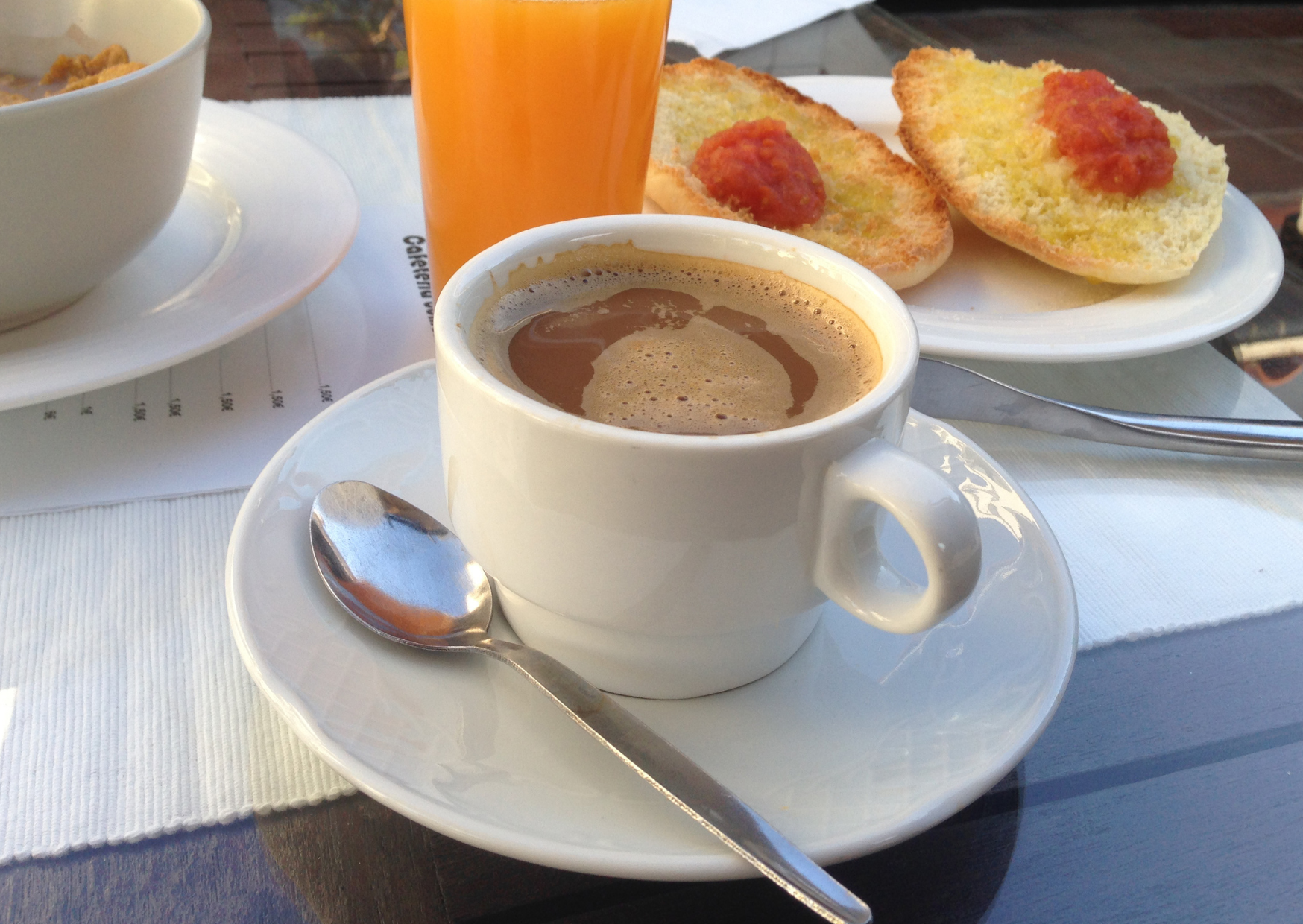
- 07:00–07:30 Wake-up. Shower. Quick coffee at home or a café next to school. Something tiny if you want it.
- 08:00–09:00 Commute, school drop-off, first emails. Stomach is awake but not busy.
- 10:00–11:30 Second breakfast. People go in waves by shift or class period. Ten to fifteen minutes is enough.
- 14:00–15:30 Lunch. Real meal, knife and fork, calm pace.
- 18:00–19:00 Merienda for kids or a small snack for adults if dinner is late.
- 21:00–22:00 Dinner. Lighter than lunch, not a second Thanksgiving.
The trick you feel by day three is simple. Hunger shows up when it should, not in panics. No mid-morning vending machine raid. No 11:15 coffee jitters because you tried to outrun biology.
What to eat at each breakfast, without reinventing your kitchen
You do not need a cookbook. You need four or five repeatable options you like.
Desayuno 1 (early, light, fast)
- Plain coffee or café con leche. Add milk if you want smoother.
- Water first if you tend to dehydrate. It helps more than it sounds.
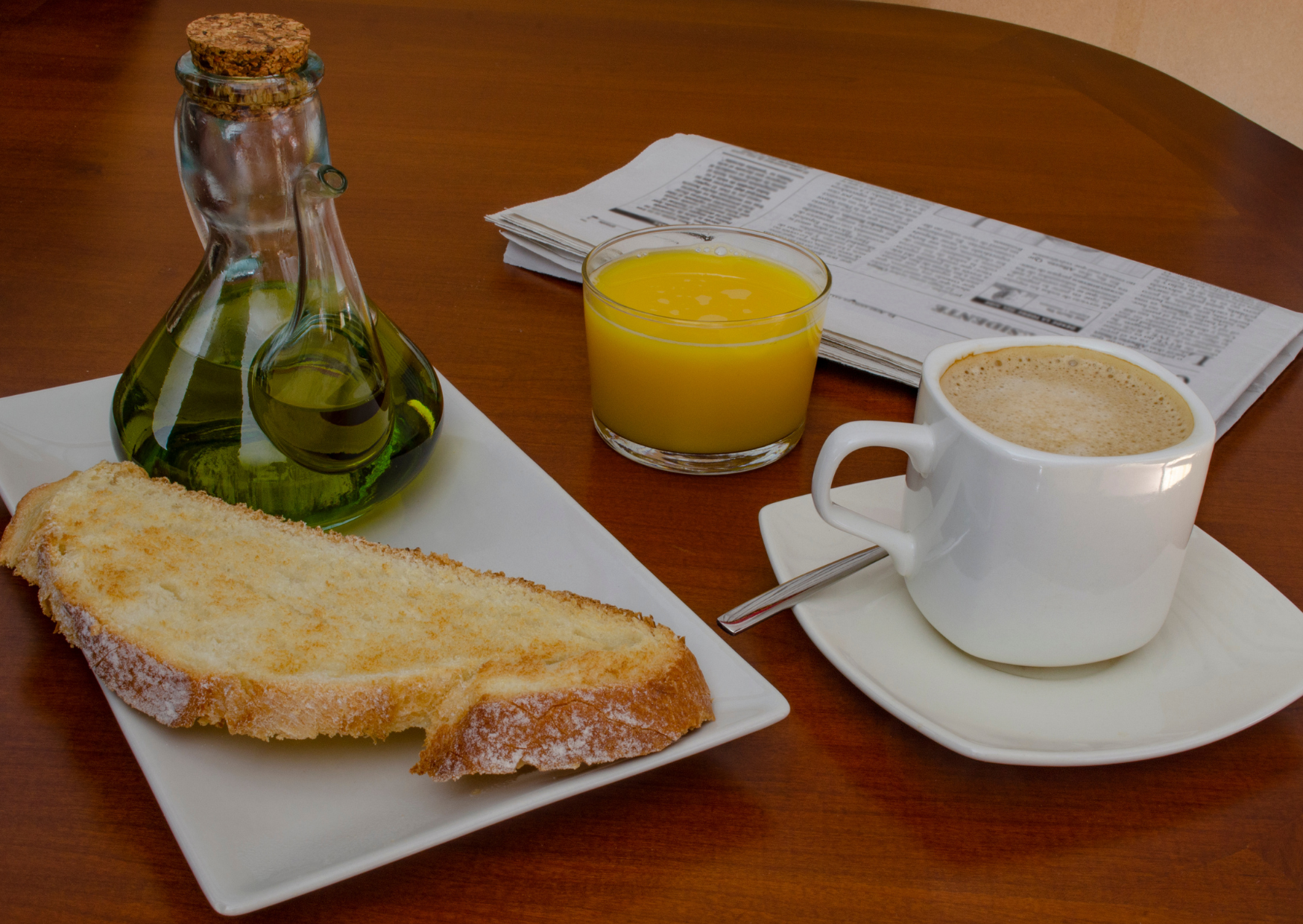
- Small bite if you wake up hungry: half a slice of toast with olive oil, a spoon of plain yogurt, a few almonds, half a banana. Keep it under 120–150 calories.
- Skip the candy bars disguised as breakfast. Sugar first thing makes the whole morning noisy.
Desayuno 2 (mid-morning, real fuel)
Pick one plate and repeat it most days. Spain loves repetition.
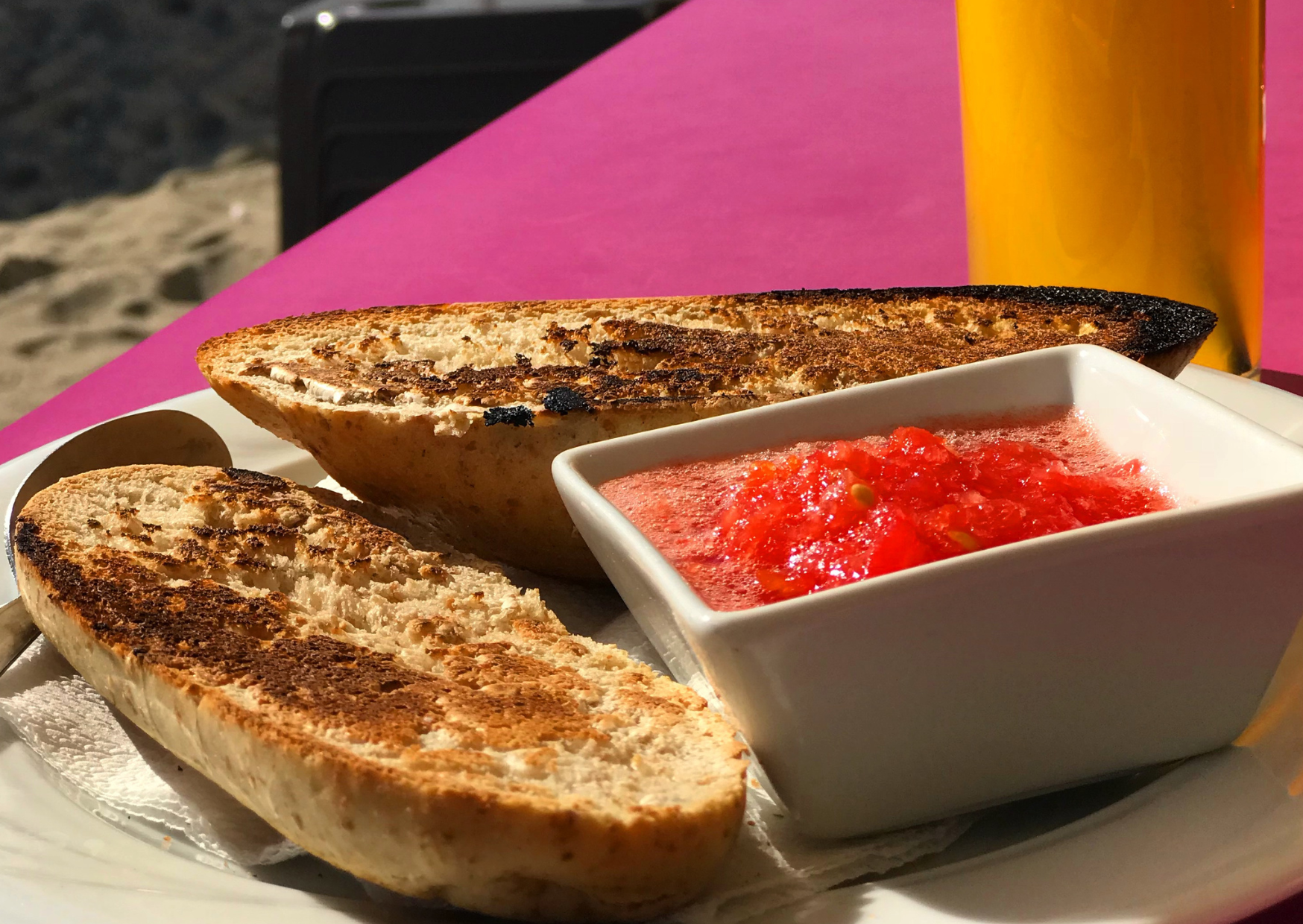
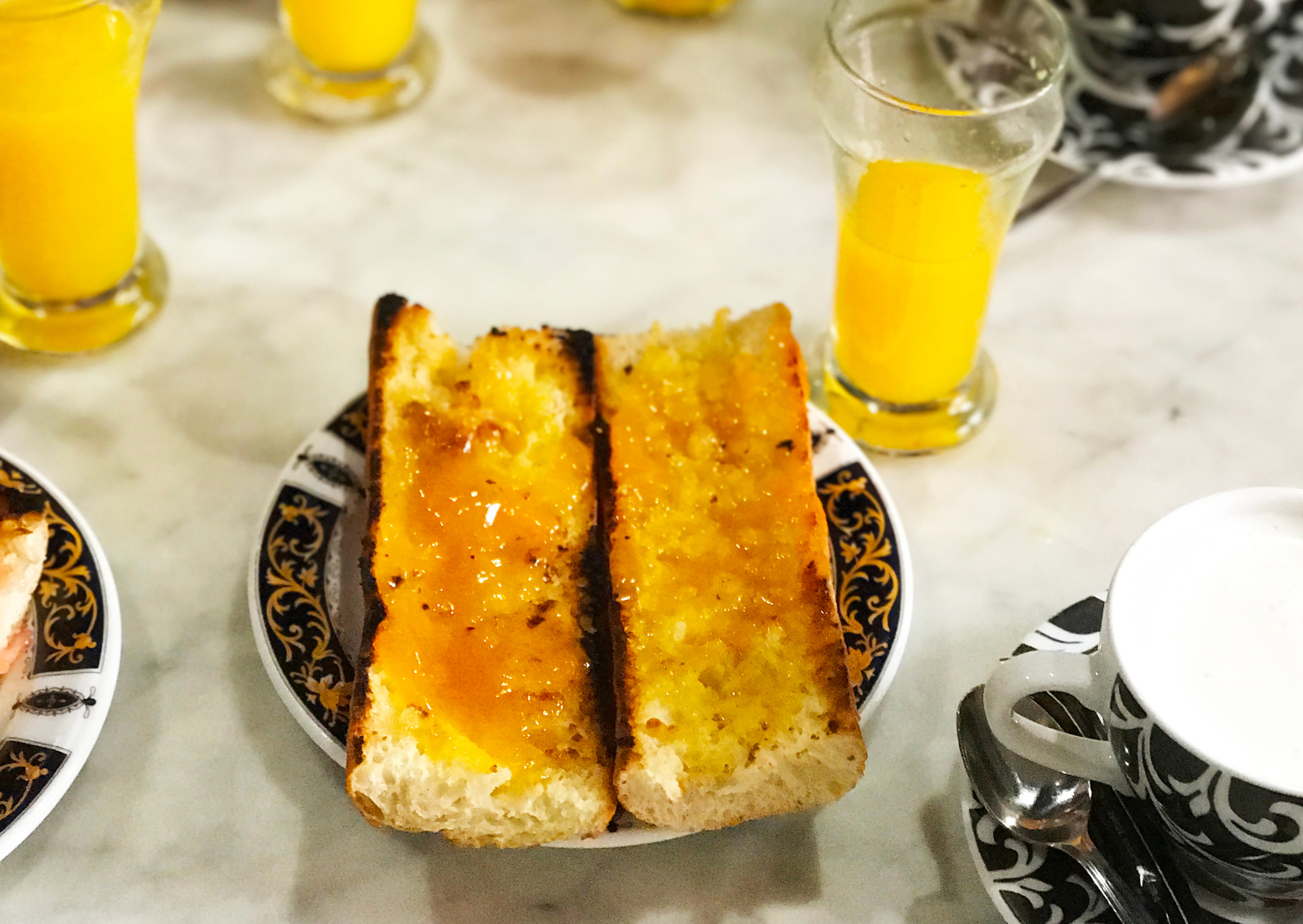
- Tostada con tomate y aceite: toasted bread, ripe tomato grated, olive oil, salt. Add jamón or atún for protein.
- Tortilla de patatas wedge with a small salad or a slice of bread.
- Huevos revueltos with mushrooms or jamón on toast.
- Yogurt natural with a handful of nuts and seasonal fruit.
- Bocadillo pequeño of jamón y queso or atún con pimientos.
- If pastry, choose one and pair it with protein later. Spain eats croissants. It also walks.
Key line: protein plus olive oil plus a little starch carries you calmly to lunch.
Why this works on your biology, not just your calendar
This is not biohacking. It is boring physiology. A small early intake avoids a glucose spike when you are still half-asleep. Then a protein-forward mid-morning meal steadies blood sugar for the long run to lunch. Cortisol is higher early and digestion is slow for many people. Spain answers with coffee now, real food later. After a week your brain stops asking for a second latte at 9:45 just to feel normal.
Coffee culture, the part Americans get wrong
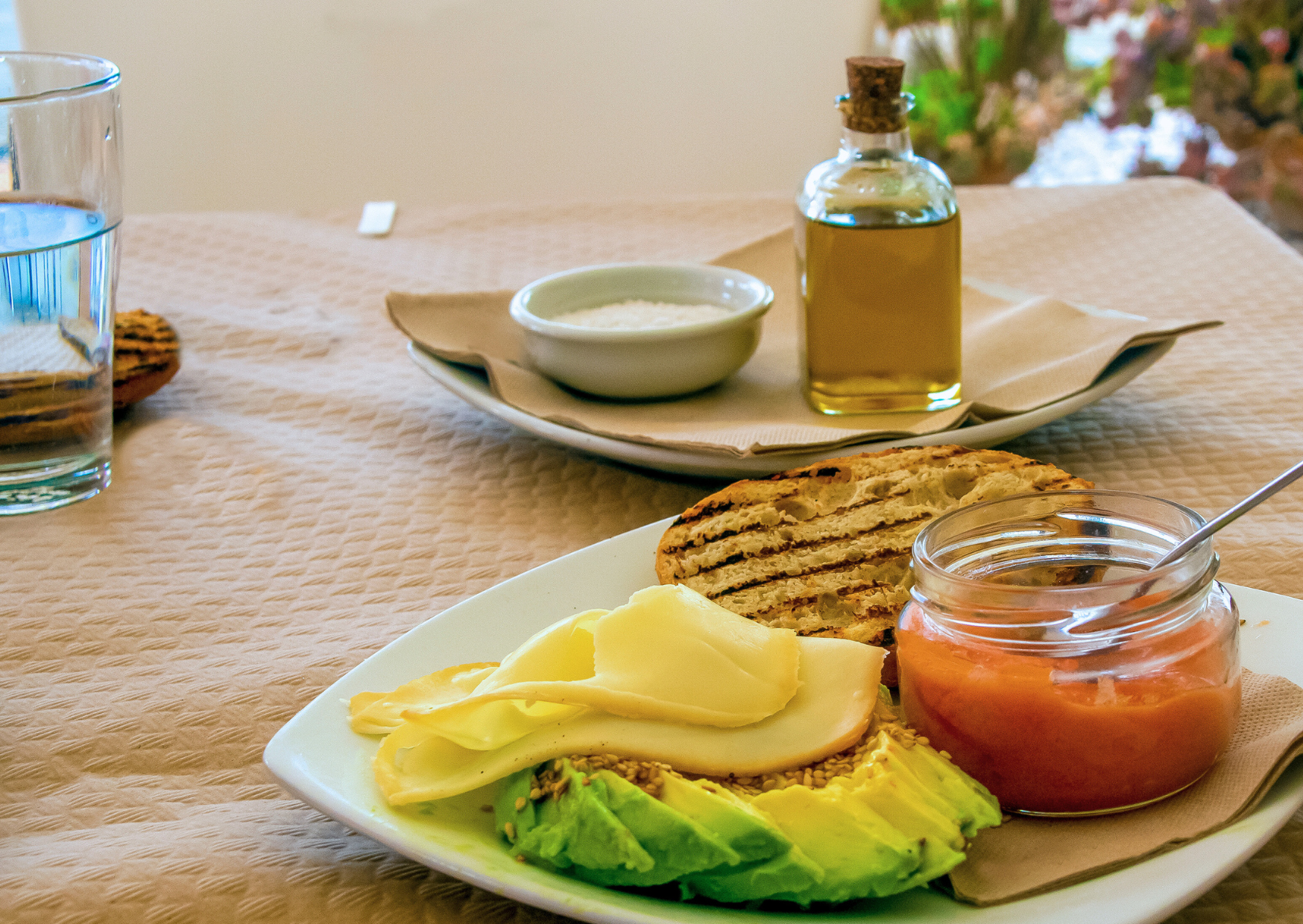
You can drink coffee here without turning your hands into hummingbirds. The pattern is one early, one at second breakfast. Sometimes a cortado after lunch. That is it. Cups are small. Sugar is optional, not automatic. If you need foam mountains and syrup names, save it for a Saturday. Small cups, real coffee, better nerves.
Office and school reality
This is not a vacation trick. Offices plan for second breakfast. Some companies have a 10:45 break. Schools split the morning with a recreo where kids eat a small sandwich, fruit, or yogurt. Teachers and nurses do it by shift. Construction crews have it down to minutes. If your team does not, set a ten-minute calendar block after your first sprint. You will work better between 11:00 and 13:30 if you eat at 10:30, and your meetings will be less feral.
What this does to lunch and dinner
Two breakfasts do not add calories by default. They shift them. Lunch becomes the main plate because you arrive ready for it without panic. Dinner can be smaller because lunch did its job. Over two weeks, people notice two things: less grazing and fewer heavy dinners. If you have kids, the rhythm helps homework. Nobody is negotiating with a blood sugar crash at 18:30.
How to adopt the Spanish rhythm for 7 days without drama
You will want a clean plan. Here it is.
Day 1–2
- Early: coffee or tea, water, small bite if needed.
- 10:30: tostada with tomato and olive oil. Add jamón once.
- Lunch: real plate with vegetables and protein.
- Dinner: soup or eggs with greens.
Day 3–4
- Early: same.
- 10:30: tortilla wedge and a small orange.
- Lunch: beans or lentils with rice and salad.
- Dinner: fish and roasted peppers.
Day 5
- Early: same.
- 10:30: yogurt, nuts, fruit.
- Lunch: pasta with vegetables and olive oil, grated cheese.
- Dinner: light omelet or leftover stew.
Weekend
- Walk to a café for second breakfast and sit down. Tostada, olive oil, tomato, coffee. Then go do your weekend.
- If you want a pastry, earn it with a long walk and pair it with yogurt later.
Remember: consistency beats perfection. You will miss one. Start again the next day.
Grocery list that makes this automatic
- Good extra virgin olive oil
- Tomatoes that taste like tomatoes
- Country bread or a seeded loaf, slice and freeze
- Eggs
- Potatoes and onions for tortilla
- Plain yogurt
- Nuts you actually like
- Canned tuna in olive oil
- Jamón or a simple cheese
- Oranges, bananas, berries when they are cheap
- Coffee you enjoy in small cups
If it takes more than ten minutes to assemble, it will not become a habit. Make it frictionless.
Restaurant and café etiquette for second breakfast
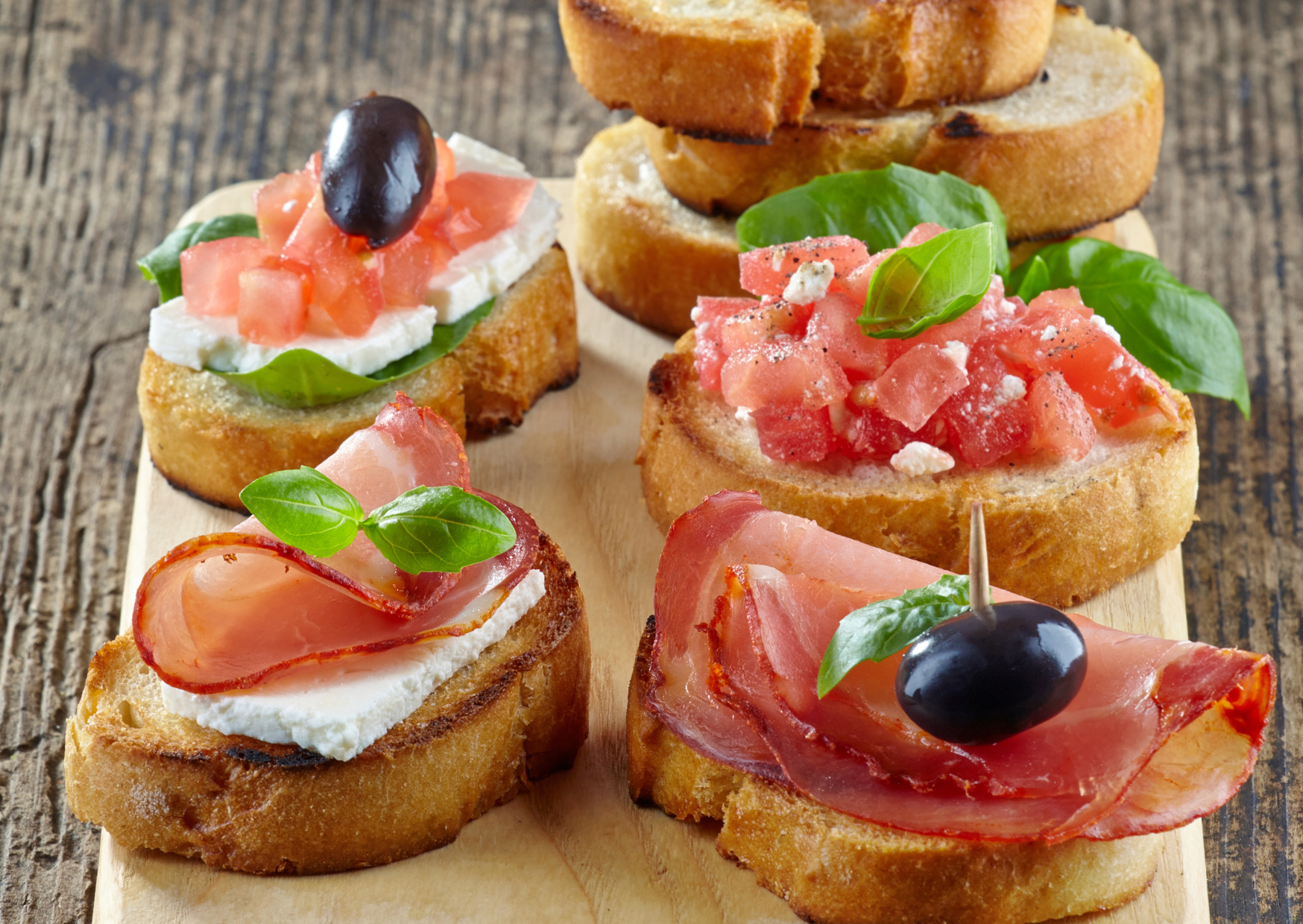
Stand at the bar if you are alone. Sit if you are with someone and you have ten minutes. Order quickly. “Tostada con tomate, por favor.” “Un pincho de tortilla.” “Un café con leche.” Pay at the end. Leave a small coin if you want. Do not turn the bar into your laptop office. This is a short ritual and the next person is already behind you.
Weight, energy, and the numbers people care about
You can lose weight on this schedule without counting much. Not magic, just sequence. A light early bite plus a protein mid-morning removes the emergency snacks. The average American spill happens between 9:30 and 11:30 when the first breakfast was sugar. Remove the spike, remove the crash, remove the panic purchase. Over 30 days you will see fewer 400 calorie accidents and a smaller dinner plate. That is where the change hides.
Key line: you are deleting accidents, not meals.
Mistakes Americans make the first week
- Turning second breakfast into brunch with pancakes and syrup. Keep it salty and simple.
- Skipping second breakfast to be “good,” then crashing at noon and overeating at lunch. The system stops working when you remove the middle.
- Drinking three large coffees before 11:00. Switch to small cups. Less volume, more focus.
- Buying special “functional” snacks. Spain uses real food and a knife.
Variations for different mornings
Parents on drop-off duty
Early coffee at home. After drop-off, ten minutes at the bar with a tostada and café con leche. Walk to work or home. You just turned a chore into a small adult moment.
Shift workers
Shift the windows. Keep the two-breakfast spacing. It still works at 6:00 and 9:00 or at 9:00 and 12:00.
Gym mornings
If you lift early, drink water and a small bite. Second breakfast adds eggs or tuna. Lunch stays real. You will recover without chasing protein powder all morning.
The social side Americans miss
Second breakfast is when people check in. The bar knows who is studying, who is moving apartments, who needs a plumber. Social glue lives at 10:30. You can do it at your own kitchen table if you work from home, but try the bar twice a week. Your Spanish will improve and your neighborhood will stop being a map and start being a place.
A one-minute prep routine for busy homes
- Night before, slice bread and leave tomatoes in a bowl on the counter.
- Pan on the stove, oil ready, eggs in front.
- Small plate, small knife, salt where you can grab it.
- Coffee setup waiting.
In the morning you flip a switch, not a brain. Habit loves shortcuts.
Where I changed my mind
I used to think making lunch the biggest meal and splitting breakfast was only cultural. Then a month of two breakfasts made my afternoons better and my dinners smaller without a fight. I also thought I needed complicated protein bowls mid-morning. Then I tried tomato, oil, and a thin slice of jamón and stopped pretending complicated tasted better. Simple wins when you repeat it.
Kids and second breakfast
Children already get this because schools here force the break. If you are in the U.S., pack a small bocadillo, fruit, and water. Teach your kid that 10:30 is food time, not a negotiation. Teachers will love you because the child who eats at 10:30 can still think at 11:15.
A quick comparison that makes the case
- American single breakfast at 7:30: large bowl or sandwich, coffee, sugar hit, crash by 10:30, snack, second coffee, shaky pre-lunch.
- Spanish split breakfast: coffee and tiny bite at 7:30, real food at 10:30 with protein and olive oil, steady to lunch, smaller dinner.
One of these systems keeps you level. One keeps you negotiating with yourself. Pick the level one.
To Conclude
- Small wake-up, real mid-morning is the Spanish morning.
- Protein plus olive oil at 10:30 carries you to a late lunch calmly.
- Small coffees beat giant syrups for focus and nerves.
- Repetition is a feature. Eat the same good thing most days.
- You are removing accidents, not adding meals.
Try it for seven days. If your 11 a.m. feels quieter and lunch stops being a rescue mission, keep going. Spain did not invent self-control. It invented timing that makes self-control unnecessary before noon.

About the Author: Ruben, co-founder of Gamintraveler.com since 2014, is a seasoned traveler from Spain who has explored over 100 countries since 2009. Known for his extensive travel adventures across South America, Europe, the US, Australia, New Zealand, Asia, and Africa, Ruben combines his passion for adventurous yet sustainable living with his love for cycling, highlighted by his remarkable 5-month bicycle journey from Spain to Norway. He currently resides in Spain, where he continues sharing his travel experiences with his partner, Rachel, and their son, Han.