
So here is the pattern. You rent a car in Nice or Lyon, punch a famous town into the GPS, and blast past a dozen stone villages that would have made your trip. France hides the good life in short exits off the main road, not always at the postcard places. If you learn where to pull over, lunch costs half, crowds vanish, and the day feels like you got invited home instead of hustled through a queue.
We live in Spain and drive into France often. The places below are not secrets to locals, but they are absolutely invisible to an itinerary that only knows five names. The rule is simple: when you see a bell tower, a weekly market sign, and old stone on a hill, stop. You can eat, stretch, talk to people, and be back on the route in an hour. Most of the time you will not want to leave.
Where were we. Right. Ten villages you keep flying past, what to eat there, where to park, and the little habits that make you look like you belong.
Tournon-sur-Rhône, Rhône Valley
If you are barreling between Lyon and Provence, you pass Tain l’Hermitage for wine and chocolate factories, then miss the better stop right across the bridge. Tournon is the quiet twin with river light, medieval lanes, and picnic benches that make a baguette feel like a meal. Park along the Quai Farconnet for a euro or two, walk the bridge for the Hermitage hillside view, then come back to the old town for a menu du jour.
Order a simple steak haché with green pepper sauce or a plate of ravioles du Dauphiné if you see it. Pair it with a glass of local Syrah that costs 4 to 6 euros and tastes like somebody did a favor. You stopped for a view and get a full lunch without the Hermitage premium. If the little Vélorail du Doux is running, take an hour and let the river do the talking.
Pérouges, Ain
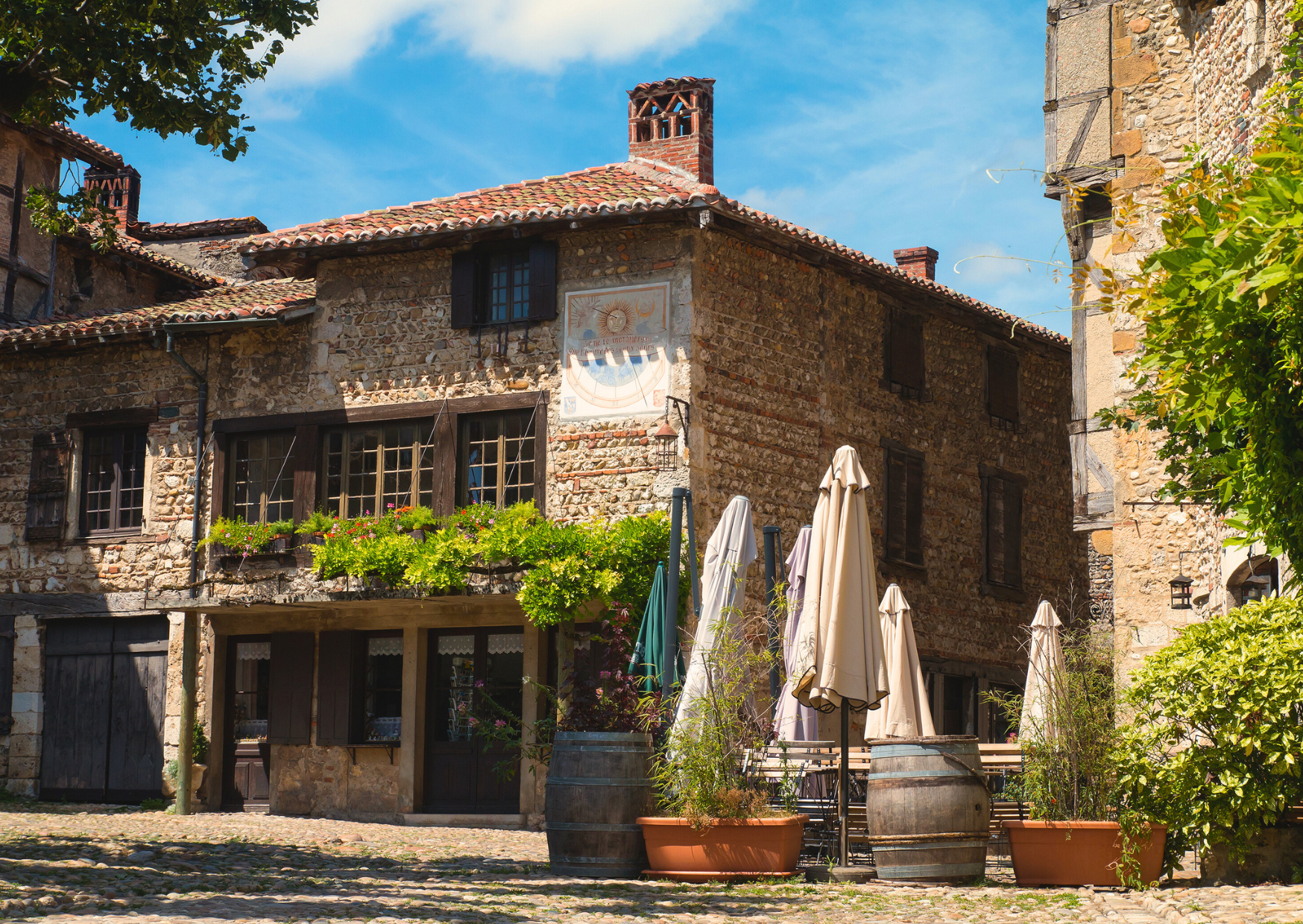
Everyone who lands in Lyon looks for a quick medieval hit and then heads to Annecy. Pérouges sits twenty minutes off the A42 and feels like a film set someone forgot to dismantle. The village is walled, cobbled, and full of lime trees and cats, which is exactly what your brain wants after a highway. Park at the lower lot and walk up through the gate. It smells like wood smoke when it is cool and like butter when tarte au sucre comes out of the oven.
Yes, it can be busy at noon on weekends. Go early or late. Buy a slice of tarte au sucre and a coffee, find a shadowed wall, and let your feet stop humming. Fifteen euros here satisfies more than sixty euros in a crowded old town hour later. If you pass on a Sunday, check the little craft shops for knives and linens that feel made by hands, not factories.
Lourmarin, Luberon
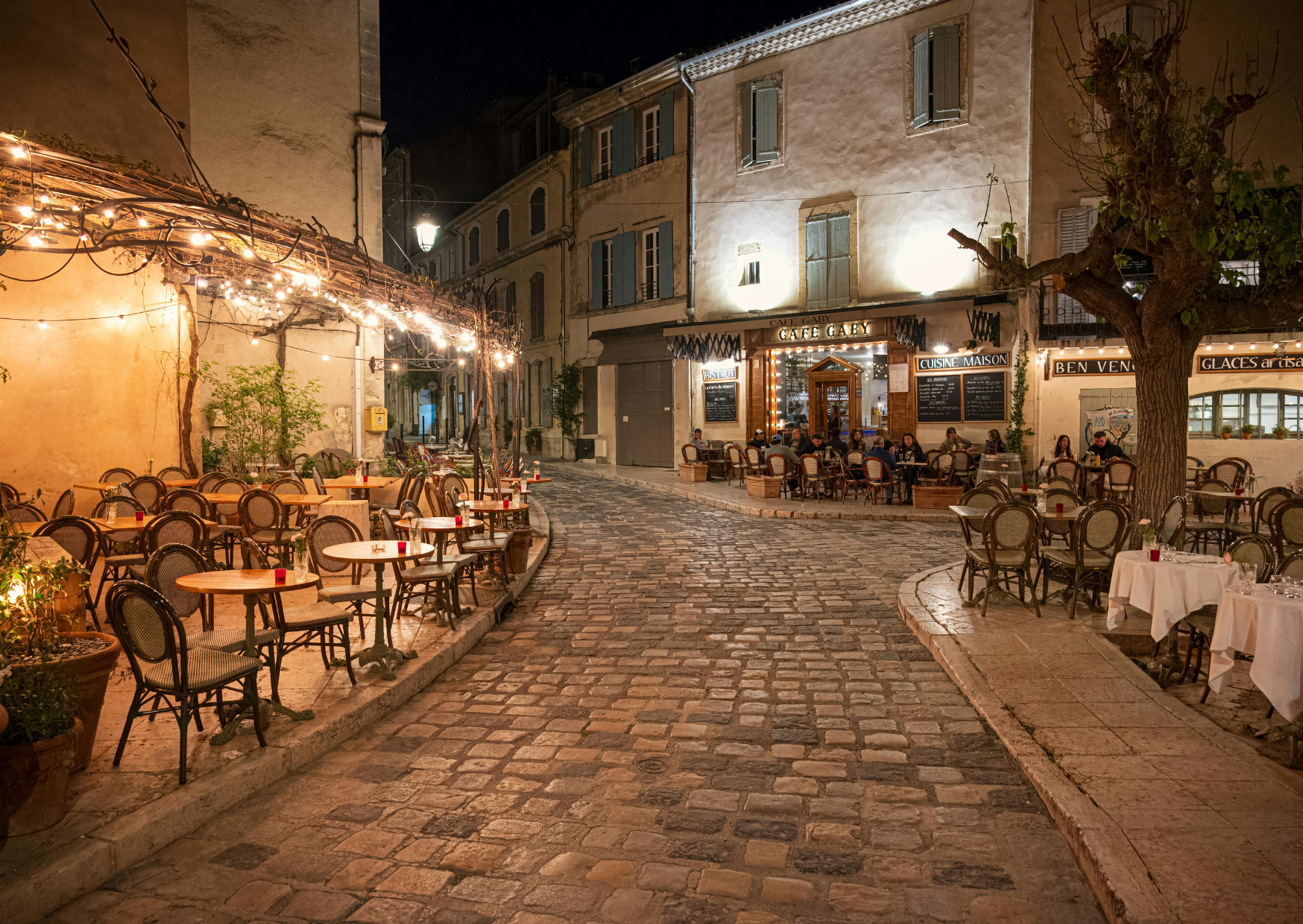
You hear Provence and your GPS cries Gordes. You can go, but park battles are not vacation. Lourmarin is the antidote. It has the castle, the olive trees, the blue shutters, and a Friday market that smells like the inside of a cookbook, minus the elbows. Park at Parking des Aires under the plane trees and walk up the gentle grade into town.
Lunch is a tartine or a plate of melon and jambon cru when the season is right. Shopping is baskets, linen shirts you might actually wear, and a bottle of local rosé you will finish that night. Provence rewards the person who chooses the second prettiest village, because that is where the day breathes. If you want a quick vineyard visit, ask for a tasting at a family place a few minutes out. No tour bus, no megaphone, just glasses on a barrel and a talk.
Collioure, Côte Vermeille
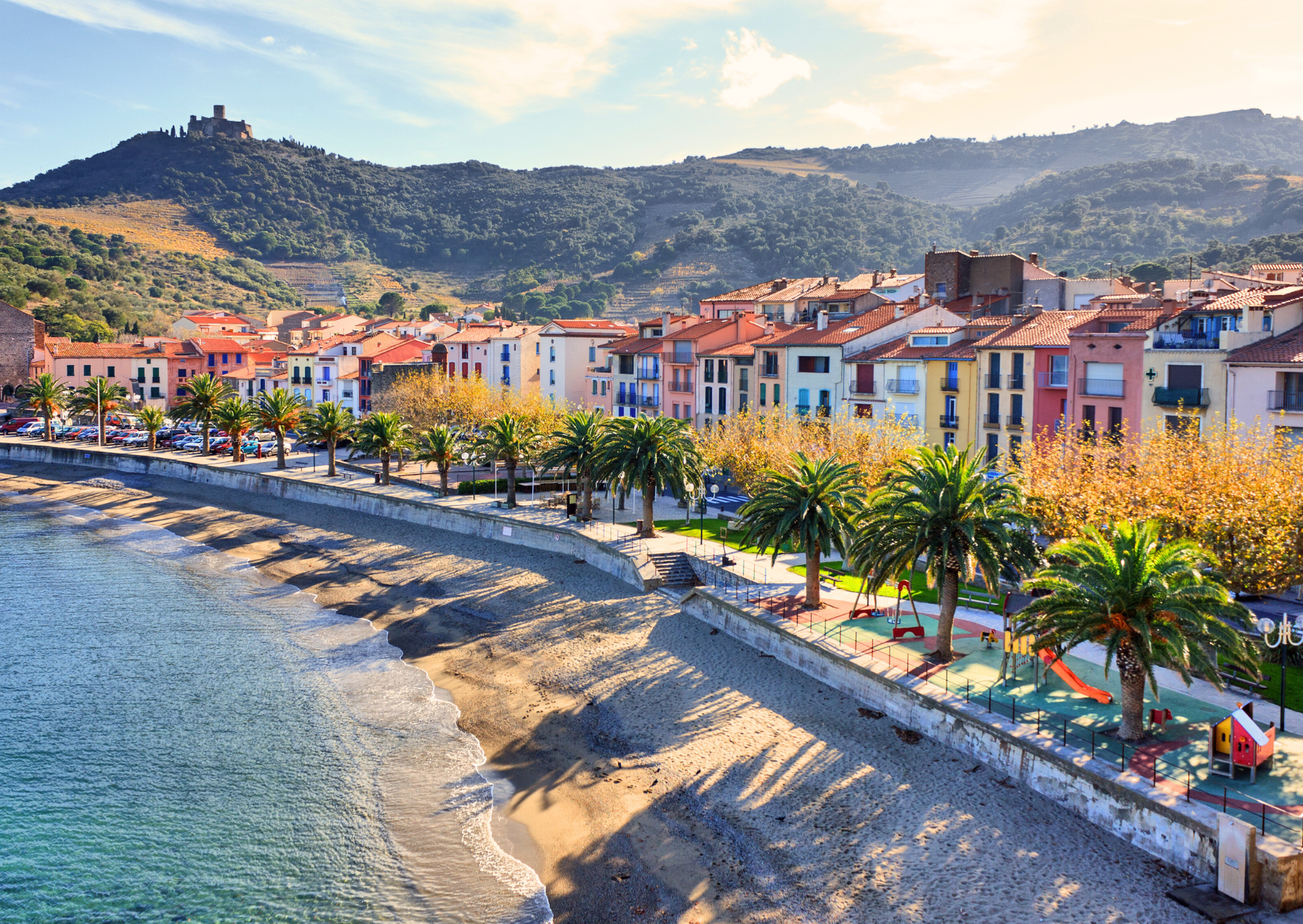
People chase the Riviera and forget the southern Catalan coast that slips into France east of Perpignan. Collioure sits in a small bowl of color and anchovies. This is the seaside that painters loved, with citadel walls, bobbing boats, and alleys that smell like salt and garlic. Park in the underground lot near Place du 18 Juin to avoid circling. It is not cheap, but the time you save is.
Eat anchoïade with toast, grilled sardines if the grill is lit, or buy tins from one of the old anchovy houses to take home. Climb to the windmill for a view, then come down and drink a local Banyuls that tastes like warm rock and orange peel. You get a full dose of Mediterranean without fighting the Riviera machine.
Conques, Aveyron
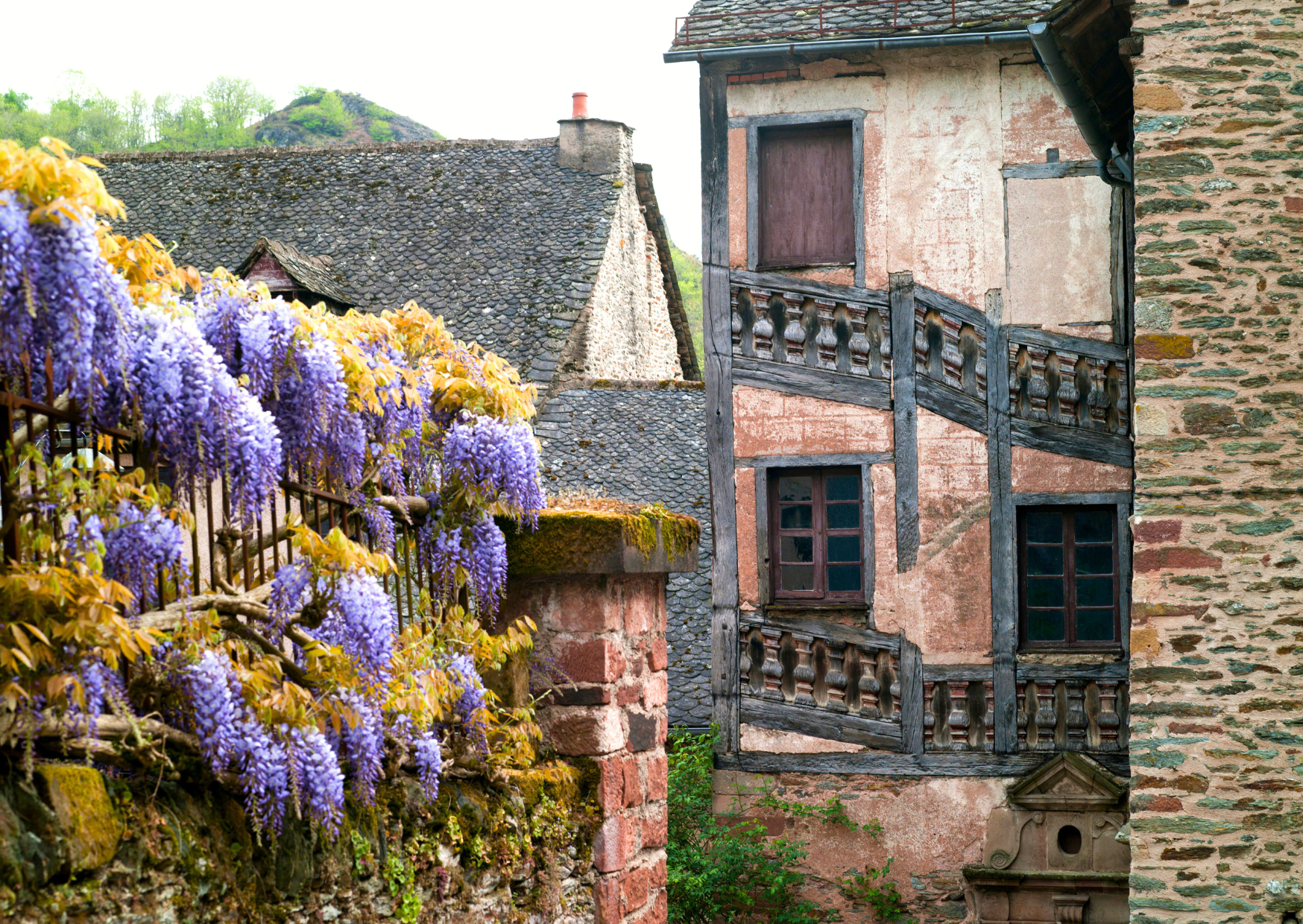
If you are crossing the Massif Central toward the Dordogne or Toulouse, Conques sits like a jewel in a fold of hills. The abbey church is one of the great Romanesque moments in Europe, and the village around it is unapologetically beautiful without selling you a thousand magnets. Use the lower lots and take the shuttle unless you enjoy steep grades.
Lunch is an aligot and sausage if you want to walk sleepy, or a salad piled with local cheese and walnuts if you want to keep moving. The pilgrim route runs through here, so you will meet dusty people with poles and good stories. Even an hour in Conques changes your day. If you stay for vespers, the light on the stone will make you quiet.
Saint-Cirq-Lapopie, Lot
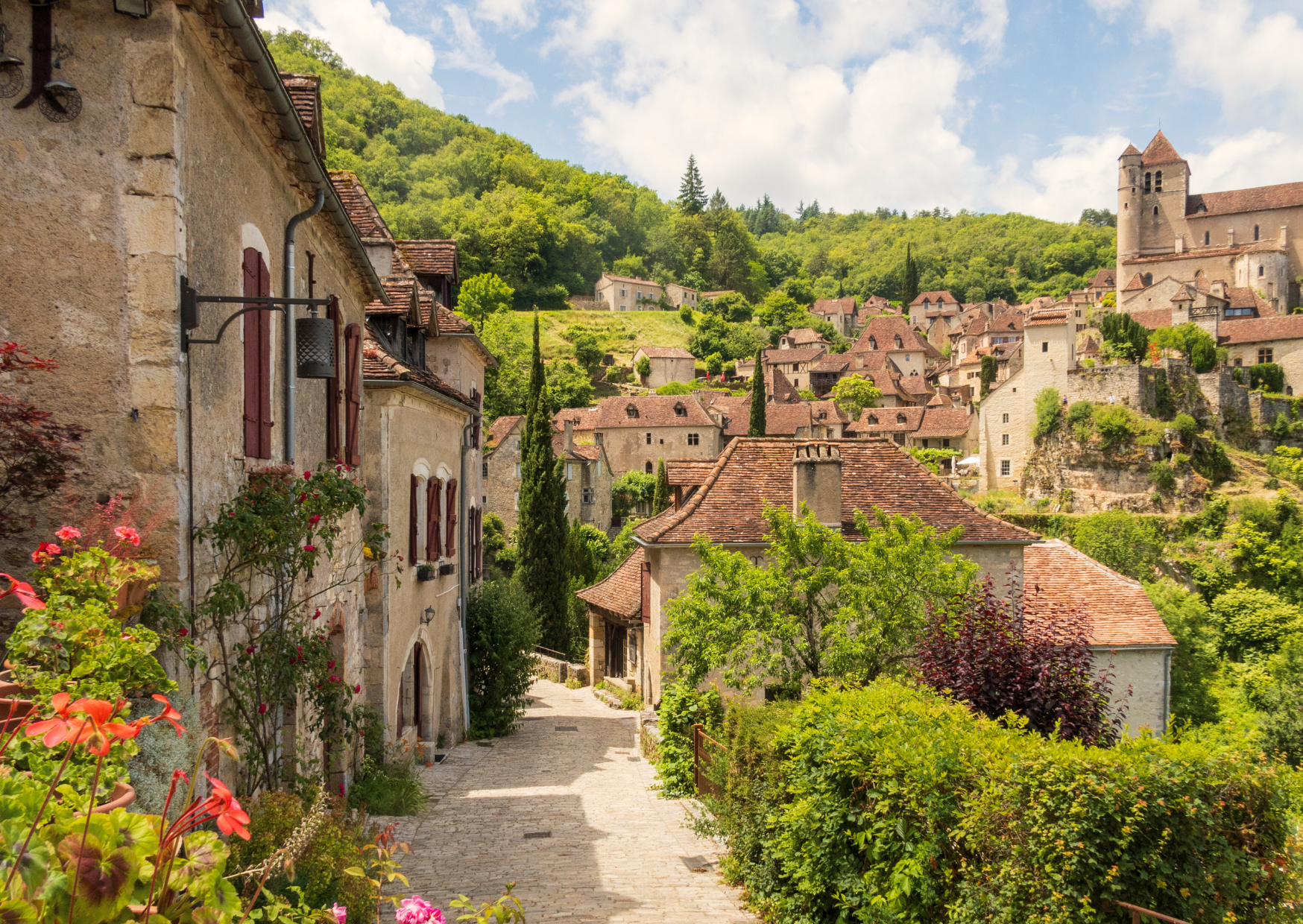
The Lot Valley may be the most driveable beauty in France. Saint-Cirq hangs over the river like a thought. The village is mostly footpaths and lookouts and the view will explain why people moved slowly before phones. Park at the top lots, then wander down to a terrace for a glass of Cahors or a cold pressé.
Eat a simple duck confit or a tartine with Rocamadour goat cheese. If you like boats, take the little flat-bottomed gabare ride on the river and watch swallows cut the air. You need one place on each trip where nobody asks you to hurry. This is that place.
Cucuron, Vaucluse
Everyone remembers the movie scene with a plane tree square and a long water basin. That is Cucuron. The étang in the center looks staged, but it is real life with kids on scooters and older men arguing about olives. Park on the ring road and walk in. If the weekly market is on, buy apricots that die in two days because they are alive.
Order a plate of charcuterie and a carafe of local white, or a bowl of soupe au pistou if the kitchen is on. Cucuron is where you finally accept that lunch is the center of a French day. If you need a short hike, go up to the tower for the roofs view and then back down for coffee.
Sancerre, Loire
Wine people know Sancerre as a label. Fewer of them stop in the hilltop town that gives the wine its name. The village is a ring of lanes around views that run to the horizon, which is exactly what you need on a long drive north. Park below the center and walk up to the main square.
Order crottin de Chavignol warm on salad, drink a glass of something with flint in the nose, and buy two bottles for the trip you think you are taking later. France puts tastings in street clothes in places like this. If you have time, drive ten minutes to Chavignol for cheese at the source and be that person who knows what dinner needs.
Saint-Guilhem-le-Désert, Hérault
People swarm to the Pont du Gard and then blitz to the coast. Saint-Guilhem sits in a gorge east of Montpellier, a few minutes off the A75, and feels like a secret kept by the river. The abbey is severe and beautiful, the alleys twist, and the shade under the plane trees is the kind that makes you generous. Park at the designated lots outside and take the little shuttle or walk along the stream.
Eat a tartine with local goat cheese, drink a cold beer, and put your feet in the water for five minutes with the kids. You will forgive every kilometer you drove to get here. In summer afternoons heat bounces off stone, so arrive early or late and enjoy the echo of footsteps in the cloister.
Vézelay, Burgundy
On the long line between Paris and the Alps, Vézelay rises like a question you should answer. The hill road leads to a basilica where stone feels like air, and the view carries across fields that look painted. Park at the lower public lot and walk up the Grande Rue.
Lunch can be a salad of jambon persillé and a glass of Bourgogne blanc, then a slow walk through the nave where light plays games with your eyes. Vézelay is not a detour, it is calibration. If you keep driving after this, you will choose better.
How to read a French village in five minutes
You are not looking for a checklist. You are looking for signs a life exists for locals.
- Parking without drama. If there is a posted P with fair prices or two hours free, this is a village that expects visitors without hating them.
- Menu du jour on a chalkboard. Soup, a main, dessert, coffee, for twelve to twenty euros. If the board is in handwriting, sit down.
- A real bakery. If the baguettes are almost gone by 13:00, people live here. Buy what is left and smile.
- Market day lamppost signs. “Marché mercredi” means you should plan to hit that morning once in your life.
- Old stone plus laundry. If you see a shutter cracked open and a shirt drying, you found a place with a pulse.
Key phrase: life first, then lists. If life is happening, your day will work.
What to eat so lunch feels local without effort
You do not need research. You need to trust the chalkboard.
- Menu du jour. It exists to feed workers and grandparents. It will feed you.
- Salad with a name. Puy lentils in the center, Rocamadour in the Lot, chèvre chaud in half the country. Local cheese is a shortcut to belonging.
- Soupe du jour. Vegetable soups in rural France are better than your last three expensive dinners.
- Duck where duck belongs, trout where water runs, anchovies where boats live. The plate tells you which department you are in.
- Carafe of water, carafe of wine. House wine is often excellent in villages. Order a pichet and stop making your life hard.
Prices you should expect so you stop guessing
Villages like these keep numbers human.
- Café at the counter: 1.20 to 2 euros
- Menu du jour: 12 to 20 euros
- Glass of wine: 3.50 to 6 euros
- Underground or signed lot: 2 to 6 euros for the hour you need
- Tarte slice, pastry: 2 to 4 euros
If someone tries to sell you 9 euro coffee, you are in a museum square or a trap. Walk one street off the main view and prices return to earth.
Parking without fines or stress
France tries to make village parking legible.
- Look for blue zones where a cardboard disc sets your arrival time. You can buy one at a tabac. Two free hours is common.
- Pay and display machines accept cards in most places. Keep the ticket on the dash.
- When a sign says interdit excepté riverains, it means locals only. Do not test it.
- If you see market day hours posted, do not leave your car there overnight. The stall trucks will arrive at dawn and your bumper will regret it.
Key idea: spend three euros on parking and save thirty on a ticket.
How to say three sentences that unlock everything
You do not need perfect French. You need these lines and the willingness to smile.
- “Bonjour, une table pour deux, s’il vous plaît.”
- “Le menu du jour, c’est quoi aujourd’hui”
- “Un pichet de vin blanc et une carafe d’eau, merci.”
Say bonjour first. Always. Greeting is the real currency. If you greet, you belong enough to be fed well.
Timing your day so the village wants you there
- Arrive between 11:30 and 12:15 and you will find a table. After 12:45, the room fills with workers and families and you will wait.
- Shops close after lunch for a while. Do the bakery and the butcher before you eat.
- Evenings are quiet outside of summer. If you want dinner, book at lunch or ask what time they serve.
- Market mornings make parking tight. Come early and enjoy the chaos. It is the good kind.
If you only have seven days and a car
Here is a loop that trades highways for hour-long human stops. No heroics.
Day 1 Lyon to Pérouges for coffee, then continue to Tournon for lunch and a river walk. Sleep in Valence or a country guesthouse.
Day 2 Morning drive to Lourmarin, long market lunch, short vineyard stop, sleep in Aix or a village nearby.
Day 3 Cross to Saint-Guilhem-le-Désert, gorge walk, then Beziers or Montpellier for the night.
Day 4 Slide down to Collioure, eat anchovies, sleep along the coast.
Day 5 Inland to Conques, vespers if you can. Sleep near Figeac.
Day 6 Lot Valley day with Saint-Cirq-Lapopie, slow picnic, small hotel.
Day 7 Back north through Sancerre for lunch and a view, then on to Paris or Burgundy.
Mistakes Americans make, and the quiet fixes
- Chasing list towns and skipping lunches in real places. Fix by choosing the second best village and sitting down.
- Late lunches. If you walk in at 14:30, the kitchen is done. Fix by arriving earlier and letting dinner be lighter.
- Parking bravado. One bad guess blocks a tractor. Fix by using the signed lot and walking five minutes.
- Talking before greeting. Fix by saying bonjour, then needs. It changes everything.
- Ordering like home. Fix by asking for the day’s menu and taking what the kitchen planned. You will eat better for less.
How to know when to stop without a list
Drive with your eyes up. When you see a church on a hill, a group of plane trees, and a hand-written chalkboard, pull over. If there is a river, even better. If a man is hosing a terrace at 11:15, you are about to be fed. Trust these signals more than stars on a phone.
Take ten steps off the main square and listen. If you hear cutlery instead of engines, you found lunch. If you hear children playing, you found a village that lives. Stop. This is the point.
To Conclude
Open your map and draw a circle one hour wide around your big destination. Pick one village inside that circle and promise to stop there for lunch. Park legally, greet properly, order the board, drink a small glass, and walk to the highest point before you leave. You will arrive at your hotel later than planned and in a much better mood. That is how France works when you let it. The road is not the journey. The exit is.

About the Author: Ruben, co-founder of Gamintraveler.com since 2014, is a seasoned traveler from Spain who has explored over 100 countries since 2009. Known for his extensive travel adventures across South America, Europe, the US, Australia, New Zealand, Asia, and Africa, Ruben combines his passion for adventurous yet sustainable living with his love for cycling, highlighted by his remarkable 5-month bicycle journey from Spain to Norway. He currently resides in Spain, where he continues sharing his travel experiences with his partner, Rachel, and their son, Han.