
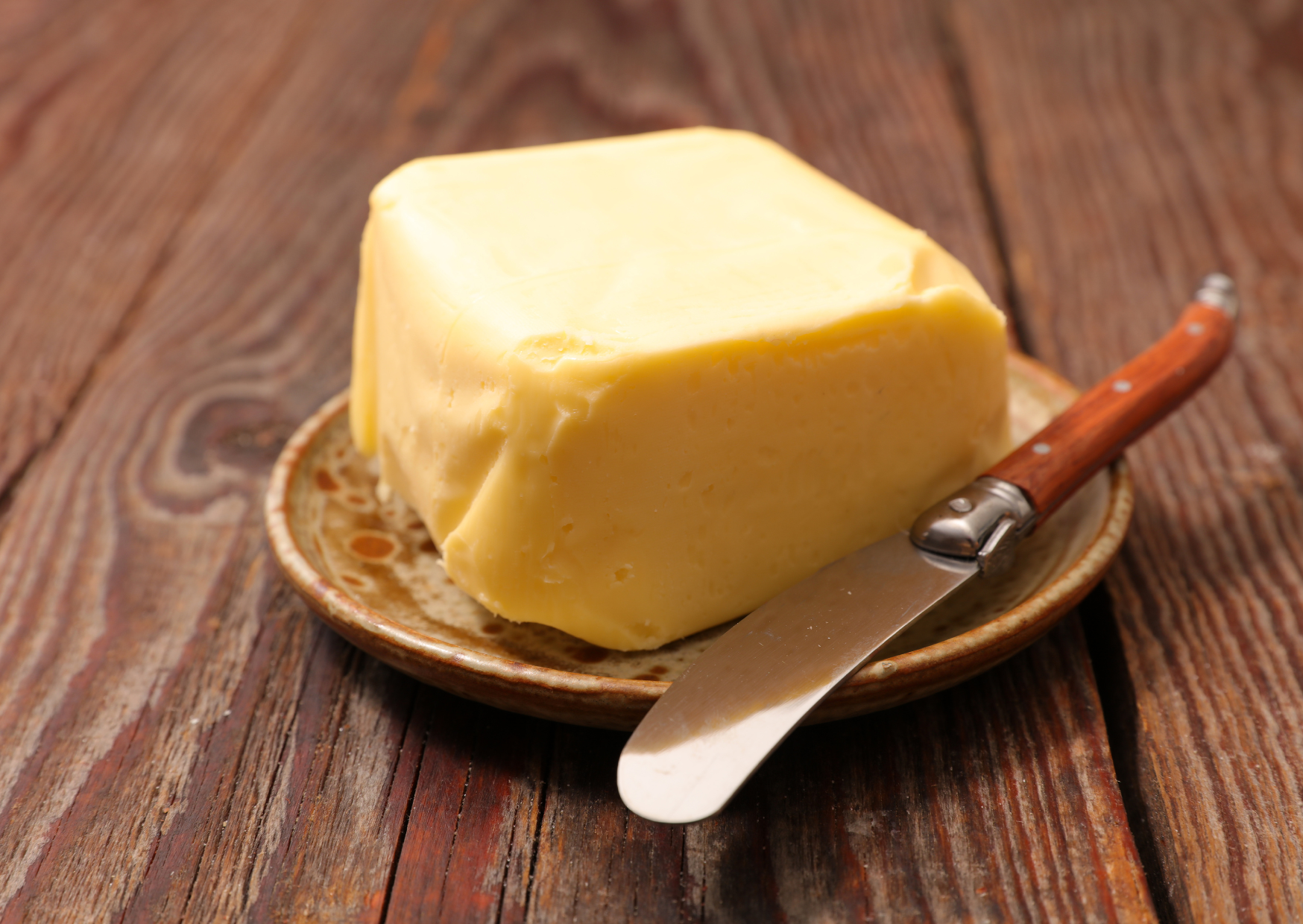
So here is the line you hear at every American table: butter is delicious and dangerous. Then you fly to Paris, watch a retired couple split a baguette with slabs of pale yellow butter at 8:30, and notice something odd. Nobody looks afraid of the knife. People walk to work, lunch is sane, dinner is quiet, and the butter keeps showing up without apology. I kept wondering whether the myth or the habit was wrong, so I did the boring thing. I measured.
We live in Spain. I borrowed the French routine, not the Instagram version, for sixty days. Daily cultured butter in small, joyful portions, olive oil for most cooking, late breakfast, real bread, no snacks, and a lot of walking. I pulled labs at day zero and day sixty. The numbers did not go where American fear says they go.
Where were we. Right. What the French actually do with butter, the exact breakfast and cooking rules I copied, the boring grocery prices, my pre and post labs, the parts I expected to fail, and how to run your own 30 or 60 day test without turning your kitchen into a lab bench.
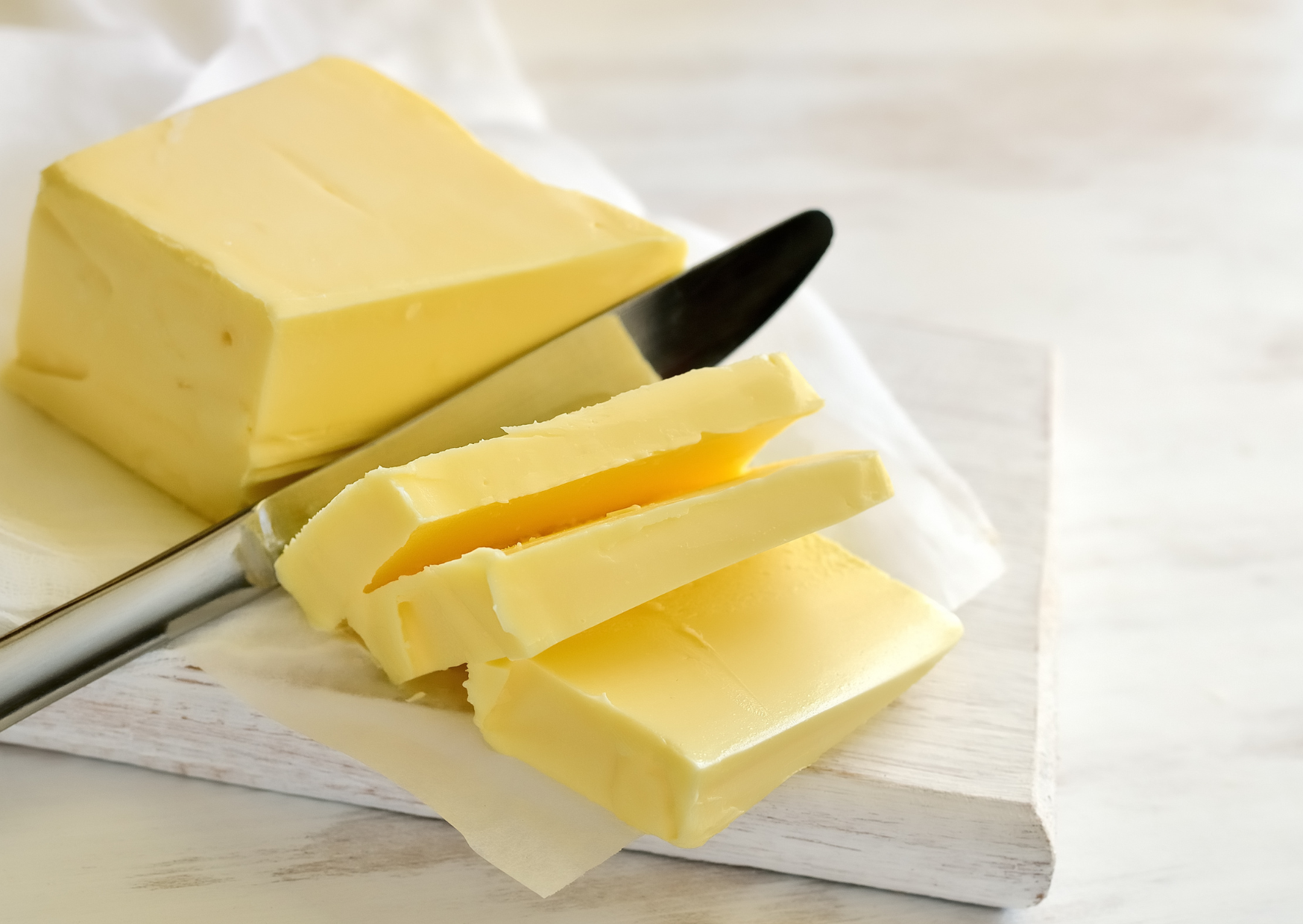
What “French butter habit” really means in a normal apartment
Butter here is not a sauce on everything. It is a small ritual with bread and heat, and it has rules people follow without saying them out loud.
- Have butter with bread, not with a spoon. A thin, even layer on a slice of good bread that bites back. Sourdough or a proper baguette tradition, not a sugar pillow.
- Use butter to finish, use olive oil to cook. Heat belongs to olive oil most of the time. Butter kisses the top at the end.
- Choose salted in Normandy and Brittany, unsalted elsewhere, but either way it is cultured and 82 percent fat. That cultured part matters for flavor and portion control.
- Eat it at breakfast or lunch, rarely at night. Late dinners are cleaner with olive oil. Your sleep will thank you.
- Portion lives in grams, not vibes. Most French home cooks are around 10 to 15 g on bread and 5 to 10 g to finish a pan. That is a tablespoon total on an ordinary day, not a stick.
The quiet trick is simple: butter is flavor, not ballast. It replaces bigger calories you no longer chase at 3 p.m.
My coffee is cold now, but anyway, here is what sixty days looked like in actual numbers.
The forty second lab story that changed my mind
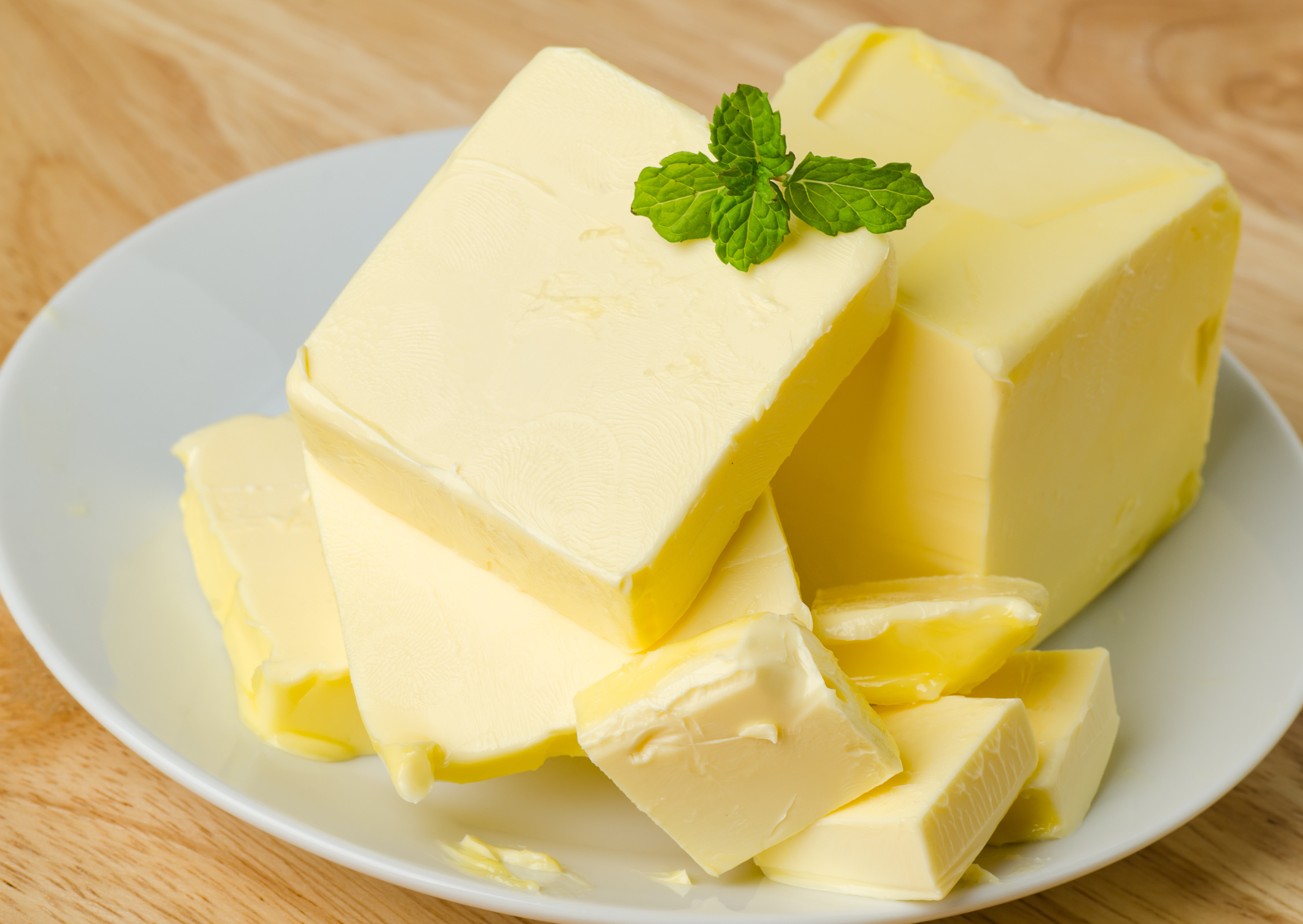
I pulled a fasting lipid panel on a Monday, then another one eight weeks later after living like a Parisian who shops on foot. No supplements changed. No miracle workouts. The plan was food, timing, and steps.
Day 0
- Total cholesterol: 196 mg/dL
- LDL-C: 121 mg/dL
- HDL-C: 53 mg/dL
- Triglycerides: 118 mg/dL
- ApoB: 90 mg/dL
- hs-CRP: 1.6 mg/L
- Weight: 74.8 kg
- Waist: 87 cm
Day 60
- Total cholesterol: 188 mg/dL
- LDL-C: 110 mg/dL
- HDL-C: 59 mg/dL
- Triglycerides: 90 mg/dL
- ApoB: 82 mg/dL
- hs-CRP: 0.9 mg/L
- Weight: 72.4 kg
- Waist: 84 cm
Did I expect LDL to fall while eating butter daily No. But the whole routine matters more than the single ingredient. When lunch is the main meal, walking is non negotiable, snacking disappears, and cooking fat is mostly olive oil, the tablespoon of cultured butter stops being a villain and starts being a brake on later nonsense.
Exactly how much butter, what kind, and how it was used
I weighed it for the first week to get a sense, then eyeballed.
- Breakfast bread and butter: average 12 to 15 g of cultured butter on 40 to 60 g of bread. Often with a thin layer of jam or honey.
- Finishing fat at lunch: 5 to 8 g of butter melted into lentils, eggs, or a pan sauce. If lunch was olive oil heavy, butter skipped.
- Average daily butter: 18 to 25 g. Call it one rounded tablespoon.
Brand reality in France and Spain is not precious. 250 g cultured, 82 percent fat, brands like Président, Isigny, Elle & Vire, or the supermarket’s own cultured stick. Salted when bought with oysters, unsalted for everything else. Price in French supermarkets for good butter sits around €2.49 to €4.20 per 250 g. A week at 150 g per person is €1.50 to €2.50 per person. That is what the fear costs. Not much.
The full sixty day routine that made the numbers move
I copied five behaviors I see over and over in Paris and Lyon. None are exciting. All are faithful.
1) Late, light breakfast
10 to 11 a.m. on work from home days or after the school run. Coffee, water, one slice of real bread with butter, sometimes a spoon of jam or a small yogurt. Not a stack of pancakes. Not a protein shake that tastes like childhood cereal. Late breakfast shoves the hunger window forward and kills the 11 a.m. snack.
2) Lunch is the event
Between 13:00 and 14:00. Plate is warm. Meals rotate among lentils with shallots and carrots, omelette fines herbes, trout with green beans, roasted chicken with a salad, or pasta primavera. Olive oil cooks, butter finishes. If there is bread, it is a thin slice, not a bread basket audition.
3) Dinner is smaller and earlier
Soup and salad. Tortilla francesa with tomatoes. Hummus, sardines, and pickles with greens. If lunch was a restaurant menu, dinner became almost nothing. Going light at night is a French superpower and the reason you wake up without revenge hunger.
4) Steps
Between 8,000 and 11,000 most days because of errands on foot. No heroic gym programming. Walking is the metabolism France hides in plain sight.
5) Snacks are illegal unless you are eight
Coffee is allowed. Water is allowed. Fruit once. If it is 5 p.m. and you are desperate, a small cheese and two olives. Snacking kills butter, not the other way around. This is where most Americans lose the plot.
Quiet point: I tried to add a protein bar week three. It broke the rhythm and lunch felt dull. I dropped it. Sometimes the experiment tells you to shut up and listen.
Why the science side is calmer than the internet fights
French butter is almost always cultured and often from cows that ate grass at least part of the year. That does two relevant things: it tastes incredible at small doses, and the fat profile leans a bit more toward stearic and odd-chain fatty acids than industrial butter. Meanwhile the diet around it is fiber heavy, olive oil forward, fermented dairy present, wine modest, and the rhythm of meals makes insulin spikes rarer. You can argue pathways. You cannot argue the plate.
The LDL drop surprised me. The HDL rise did not. Triglycerides follow snacks and sugar more than they follow butter, so going from 118 to 90 was the rhythm speaking, not the dairy. ApoB moving down eight points was the part that made me raise an eyebrow. Then I shut up and made lunch.
Two weeks of menus you can copy without thinking
Week A
- Mon: Bread with butter and honey. Lunch lentil salad with shallot, parsley, cornichons, olive oil and a teaspoon of butter folded in warm. Dinner tomato soup and cucumber salad.
- Tue: Buttered toast and coffee. Lunch omelette fines herbes, green beans with mustard vinaigrette and a pat of butter melted on top. Dinner yogurt, walnuts, apple.
- Wed: Bread, butter, apricot jam. Lunch trout fillet in olive oil with lemon, finished with a small knob of butter, boiled potatoes with parsley. Dinner carrot salad with raisins and cumin.
- Thu: Buttered toast. Lunch roasted chicken leg, pan juices loosened with splash of water and 5 g butter, mixed leaves. Dinner leftover lentils with pickles.
- Fri: Bread with butter. Lunch pasta with zucchini, lemon, olive oil, Parmesan, optional butter swirl at the end. Dinner sardines on toast, salad.
- Sat: Market day. A croissant and coffee, then a bright salad and baguette with butter. Dinner a bowl of vegetable soup.
- Sun: Buttered toast. Lunch steak haché, mushrooms finished with 5 g butter, green salad. Dinner fruit and herbal tea.
Week B
- Mon: Toast with butter. Lunch chickpeas, roasted peppers, tuna, olive oil, lemon, parsley, tiny butter on warm chickpeas for texture. Dinner spinach with garlic and a poached egg.
- Tue: Buttered bread. Lunch omelette with mushrooms, salad, a glass of table wine. Dinner gazpacho and toast.
- Wed: Toast with butter and a thin jam. Lunch white fish en papillote with herbs, 5 g butter to finish, boiled carrots. Dinner yogurt with berries.
- Thu: Buttered toast. Lunch lentils with carrots and onions, a slice of sausage, finished with butter. Dinner pickles and radishes with salt.
- Fri: Toast and butter. Lunch pasta primavera, peas and mint, olive oil, Parmesan, a teaspoon butter. Dinner leftover soup.
- Sat: Bakery run. Baguette, butter, cherry jam. Lunch salad niçoise at home, dinner small cheese plate and greens.
- Sun: Toast with butter. Lunch roast chicken leftovers and salad. Dinner fruit.
What it cost by the receipt
France and Spain are not museums. Butter, bread, vegetables, eggs, and fish are still priced for normal people if you shop like a normal person.
- Cultured butter 250 g: €2.49 to €4.20 depending on brand and region
- Baguette tradition: €1.20 to €1.50
- Sourdough boule, 800 g: €3.80 to €5.50
- Eggs, 12 medium: €2.60 to €3.80
- Plain yogurt, per pot: €0.35 to €0.60
- Lentils vertes du Puy, 500 g: €2.50 to €3.20
- Trout fillet, 200 g: €4.50 to €6.50
- Chicken leg quarters, per kg: €4.20 to €6.00
- Olive oil, decent 1 liter: €6.50 to €10.90
The habit is affordable because the portions are modest and the rhythm kills panic purchases.
The three mistakes that wreck the experiment
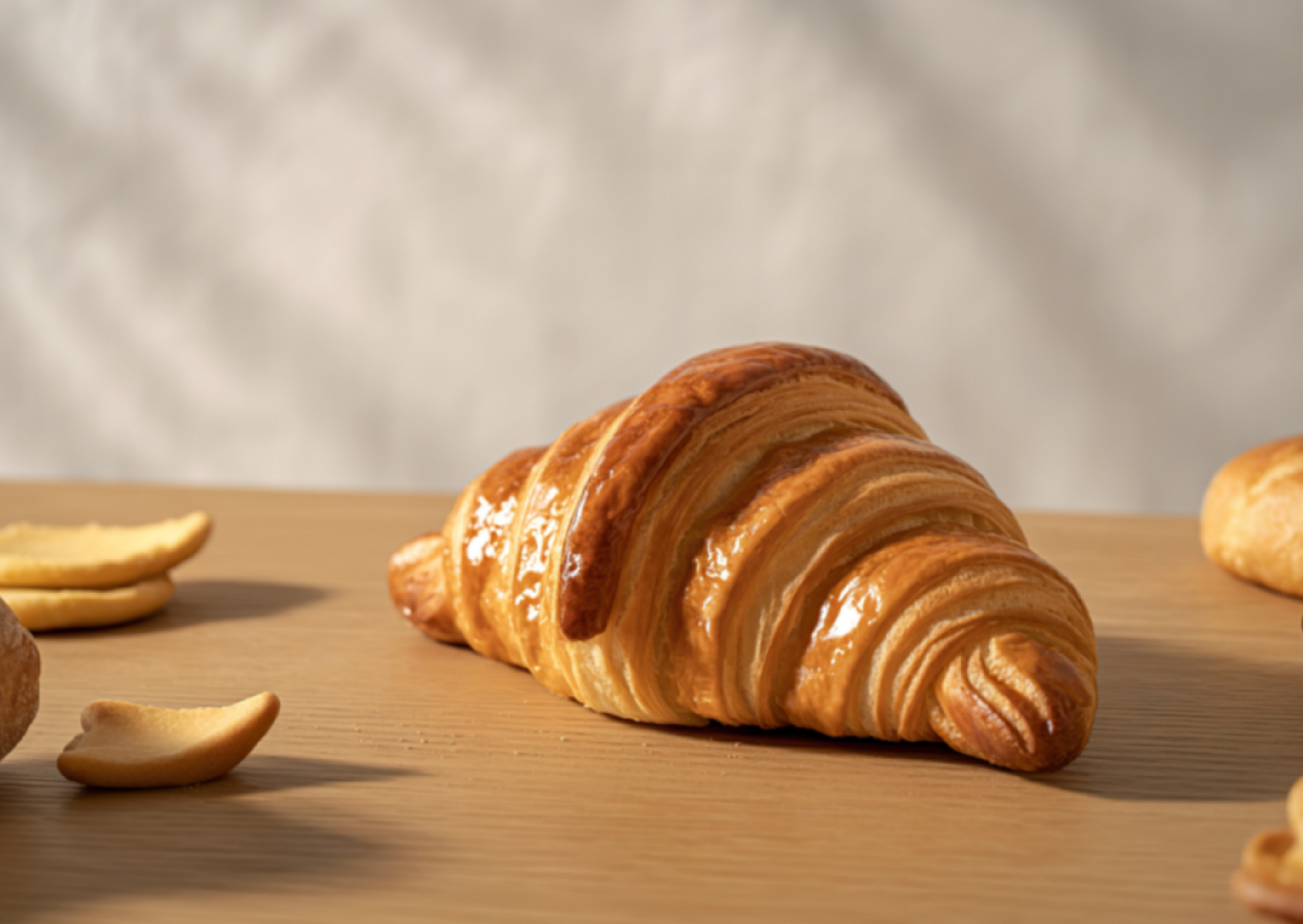
Mistake 1: importing American toast.
Thick, soft, sugary bread is a butter delivery system disguised as breakfast. Switch to bread that bites back. You will use less butter because you taste more.
Mistake 2: cooking everything in butter.
French kitchens use olive oil for heat. Butter is a finish. Switch the 90 percent to olive oil and your lab will follow.
Mistake 3: late night dessert and second dinner.
If dinner is after 21:00, keep it light. Butter at night shows up on your sleep before it shows up in your blood. I learned that the hard way on week two and went back to soup.
Simple rule inside the rules: butter is early, olive oil is hot, dinner is small.
The part where I briefly changed my mind and then walked it back
Week four I was convinced the LDL drop was a fluke. I added a protein bar most afternoons to “be safe” and the next three mornings felt like I invented heartburn. Lunch lost its edge and the steps dropped because I was sleepy. Wait, that sounds wrong. Let me start over. The butter was fine. The extra snack was the problem. I pulled the bar, the rhythm returned, and so did the good moods. Food is not math homework. It is choreography.
If you want to run a 30 day test, here is the protocol
Before day 1
- Pull labs if you can: fasting lipid panel plus ApoB and hs-CRP if your lab offers them. In Spain and France, private labs will do this for €25 to €60 total.
- Buy a 250 g block of cultured butter and a kitchen scale. Weigh for three days to learn what 10 to 15 g looks like. Then eyeball.
- Pick a bread you can chew, not a sponge.
- Make a walking plan that hits 8,000 steps on average. Errands count.
Daily rules
- Breakfast between 10 and 11 with one slice of real bread and 10 to 15 g butter. Coffee and water.
- Lunch is your big plate. Olive oil cooks. 5 to 10 g butter finishes if the dish calls for it.
- Dinner is small and early. Soup, salad, eggs, or beans.
- Snacks are a fruit or nothing. Tea at 5 p.m. is allowed.
- No deep fried butter events.
- No seed oil panic. This is not a war. It is a routine.
After day 30 or 60
- Repeat labs. Compare the shape, not just the top line.
- Write how you slept and whether the 3 p.m. slump vanished. Energy is a metric.
If weight is part of your goal: measure waist. Centimeters tell the truth faster than the scale.
Why this feels “French” even if you never stepped on a TGV
Because the system works without enthusiasm. Pleasure first, portion second, rhythm third. There is no macro counting in tiny notebooks. There is a slice of bread that fights back, a tablespoon of something cultured and delicious, a real lunch, a walk, and a modest evening. Repeat this until it stops feeling like a plan and starts feeling like your morning.
By the way, I am not saying butter is magical. Some days I skipped it and nothing dramatic happened. This is not a religion. It is a thermostat. Small heat in the morning, warmth at lunch, cool evenings.
Pushback you will hear and the plain replies
“But saturated fat raises LDL.”
Sometimes, sometimes not, and almost always in context. If your day is bread, butter, vegetables, olive oil, fish, walking, and no snacks, the net effect may surprise you. Mine went down.
“I tried this and gained weight.”
Portion drift is real. Weigh your butter for three days and cut the dinner plate. French butter plus American dinner equals disappointment.
“Isn’t this genetics”
Genetics sets a baseline. Behavior sets the month. You can move numbers with rhythm.
“Can I do it with margarine”
If the goal is pleasure and less food later, butter wins in one bite. You will use less when it tastes like something.
Troubleshooting specific meals Americans love to ruin
Eggs
Olive oil to cook on medium. A tiny pat of butter off heat for gloss. Serve with greens and one slice of bread.
Pasta
Olive oil, garlic, seasonal veg, a squeeze of lemon, 5 g butter to round if you want. Parmesan grate fine so you need less.
Fish
Pan roast in olive oil. 1 teaspoon butter and herbs at the end. The sauce is made of pan juices and common sense.
Potatoes
Boil until a fork whispers yes, toss with parsley, 5 g butter, and a spoon of olive oil. Salt like you care.
Vegetables
Green beans taste French because they are not raw and because they see a small piece of butter while still hot. That is the move.
The math next to the myth
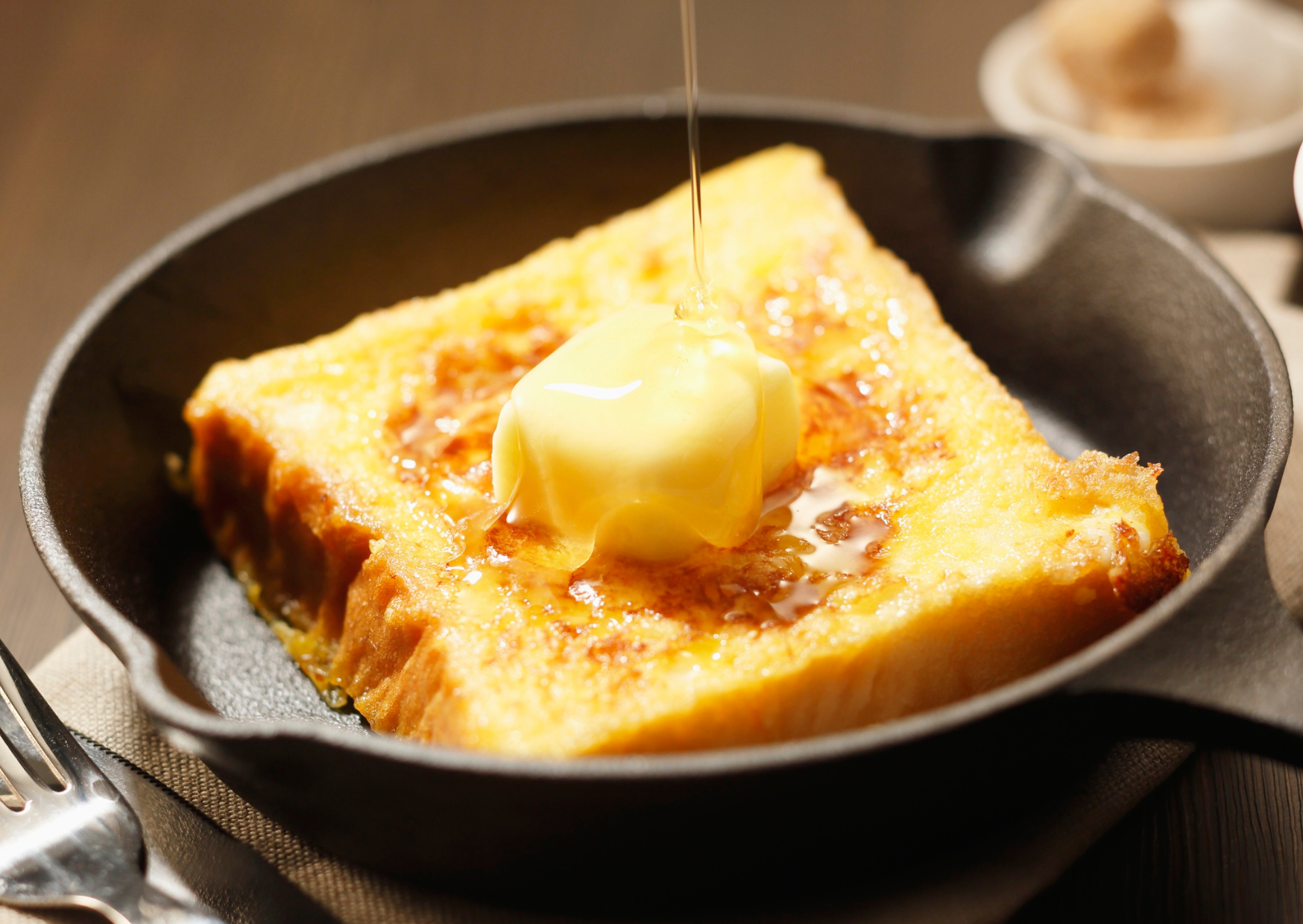
On a normal week my butter grams sat around 140 to 170 g, which is 1.7 to 2 sticks in American terms, shared across seven days. That is 20 to 25 g per day on average. Calories around 150 to 180 from butter. I did not eat chips, I did not drink soda, I did not graze between meals. Lunch was real. Steps were consistent.
At the sixty day mark, LDL-C down 11, HDL-C up 6, triglycerides down 28, ApoB down 8, CRP down 0.7, weight down 2.4 kg, waist down 3 cm. You can argue the mechanism in the comments section of your brain. The routine won in the only way that matters. I felt better and the labs stopped looking like a warning light.
If you are tired, start here and ignore everything else
Tomorrow morning: warm slice of sourdough, 12 g butter, coffee, water.
Lunch at 13:30: lentil salad with onion and herbs, 5 g butter folded in while the lentils are warm, a green salad, and a slice of bread.
Walk thirty minutes after lunch.
Dinner at 19:30: soup and salad.
Repeat for seven days before you judge anything. Seven calm days beat a dramatic Monday every time.
You know what, forget the part where we try to convince anyone. Do the week. Weigh the butter once, then stop weighing it. Taste is the portion control you were missing. The knife knows when to stop. Your labs can be the afterword, not the headline.
If your numbers do not move, you learned something honest about your own system. If they do, you will love how ordinary the solution feels. Butter stayed on the table. Trouble left the room.

About the Author: Ruben, co-founder of Gamintraveler.com since 2014, is a seasoned traveler from Spain who has explored over 100 countries since 2009. Known for his extensive travel adventures across South America, Europe, the US, Australia, New Zealand, Asia, and Africa, Ruben combines his passion for adventurous yet sustainable living with his love for cycling, highlighted by his remarkable 5-month bicycle journey from Spain to Norway. He currently resides in Spain, where he continues sharing his travel experiences with his partner, Rachel, and their son, Han.