
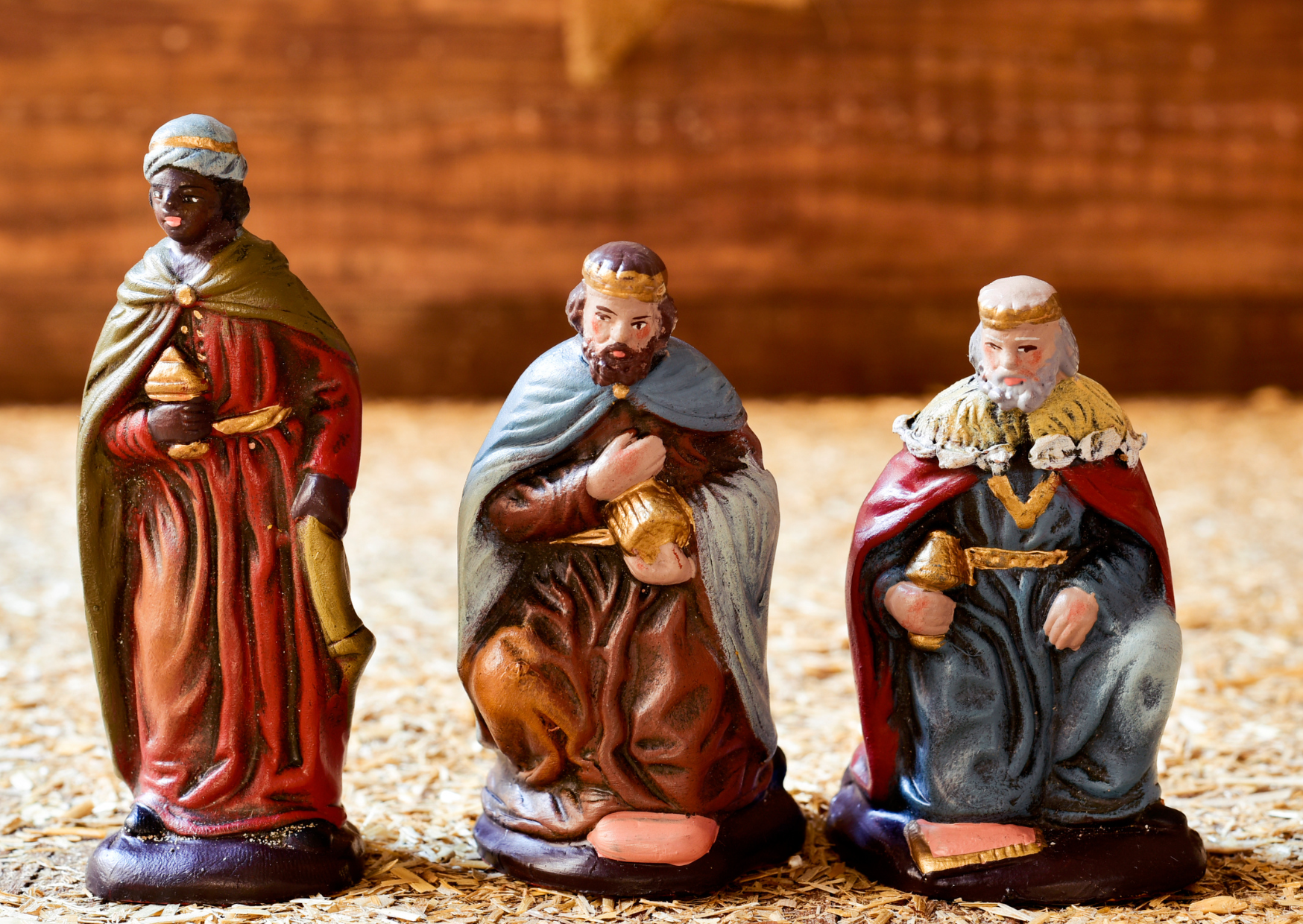
So here is the thing that catches Americans living in Spain every winter. You make a big deal of December 25, then the neighborhood shrugs and saves its real energy for January. Spain’s true family crescendo is Three Kings Day on January 6, not Christmas morning. Gifts arrive after the night parade, bakeries sell out of floral brioche crowns, and children wake up to camels’ footprints made with flour on the floor. If you leave on December 27, you miss the main event.
We live here. Filipino Spanish household, standard block near a market, lots of relatives who take calendars seriously. This is not an argument about theology. It is about how the Spanish holiday economy and family rhythm actually work. If you plan to move, visit, or even understand why your Spanish colleagues disappear the first week of January, you need this map.
I will give you the calendar, the kid logistics, the money math, the bakery reality, the parade rules, the store closures, and the small etiquette that keeps you from looking like a confused tourist in your own city. I will over explain one small thing and probably under explain another. It is fine. January 6 is dessert with a plot, not an exam.
What Three Kings Day is, in one clear picture
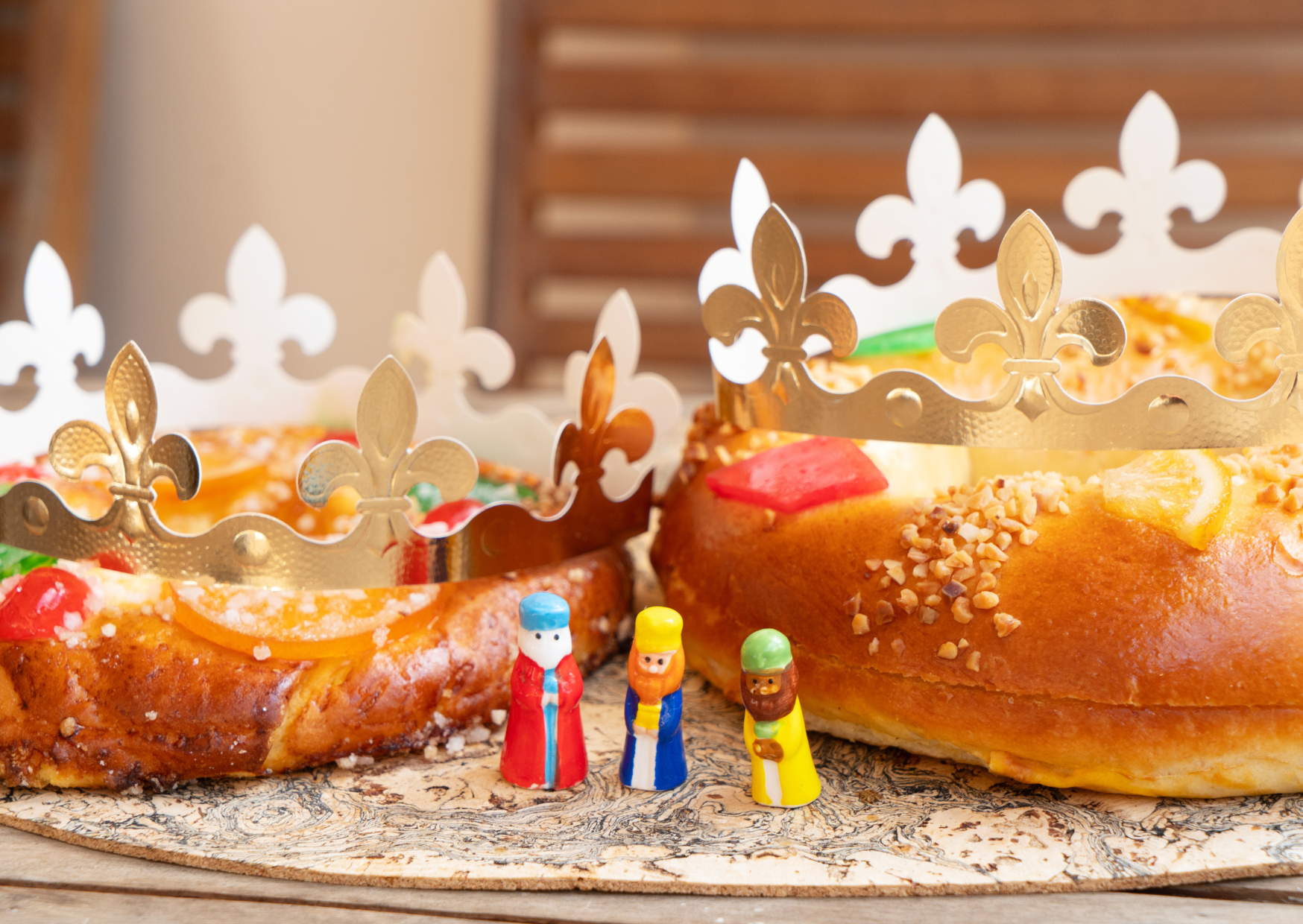
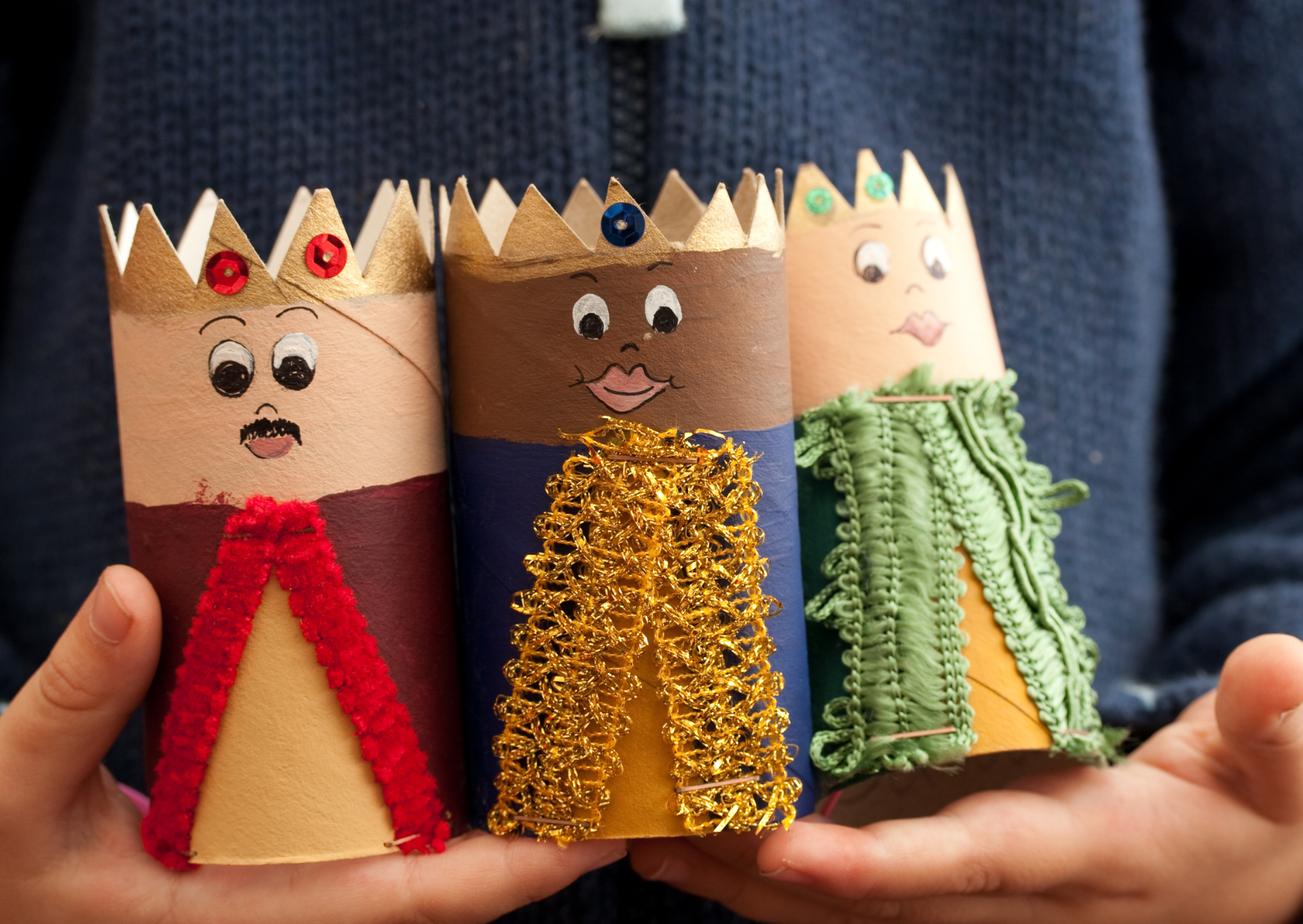
Three Kings Day is Epiphany, celebrated on January 6. The night before, cities host the Cabalgata de Reyes, a rolling parade where Melchor, Gaspar, and Baltasar pass on floats with marching bands, dancers, and volunteers throwing wrapped sweets by the kilo. Children hand letters to royal pages, municipal brass sections play the same four songs you will hum for a week, and everyone goes home late to lay out shoes and milk for the camels. Gifts land overnight. The morning rings with paper and shouting.
Christmas still matters. Families gather for Nochebuena dinner on the 24th and a quiet 25th. But Spain keeps the center of gravity for kids on January 6. The country likes anticipation and ceremony, and Reyes gives both.
Remember: Christmas is warmth, Kings Day is theater.
The real holiday calendar Americans never see on postcards
You cannot understand January 6 without the weeks that lead to it. Here is the rhythm you will actually live.
- December 22, El Gordo
The national lottery sings winning numbers on TV while school Christmas concerts wrap. Work slows. Shops fill with turrón. - December 24, Nochebuena
Long dinner, seafood if you have it, lamb in many homes, hot broth in every home. Gifts are minimal in many families on this night. - December 25, Navidad
Quiet. Parks, movies, leftovers. Many restaurants are closed. A few fancy ones are open with set menus. - December 28, Día de los Santos Inocentes
Pranks similar to April Fool’s. Light chaos. Media announces fake news you are supposed to catch. - December 31, Nochevieja
Grapes at midnight. One grape for each bell. If you finish twelve grapes by the twelfth bell, you win luck. Champagne appears after. - January 1, Año Nuevo
Slow day. Family walks. No deliveries that matter. - January 5, Cabalgata de Reyes
Parade day from 18:00 to 21:00 in most cities. Children hand last letters to royal pages. Bakeries have lines to the sidewalk. - January 6, Reyes
Gifts at dawn. Roscón de Reyes at breakfast, often again in the afternoon. National holiday. Shops are closed except for some bars and bakeries. - January 7, Rebajas begin
The winter sales start. The real consumer wave is after Reyes. If you wanted that coat, you buy it now.
Bottom line: the Spanish holiday engine runs through January 6. Do not plan a big trip home on the 3rd and expect to “catch the holiday” here. You will miss the point.
Why Spain saves the spectacle for the Kings
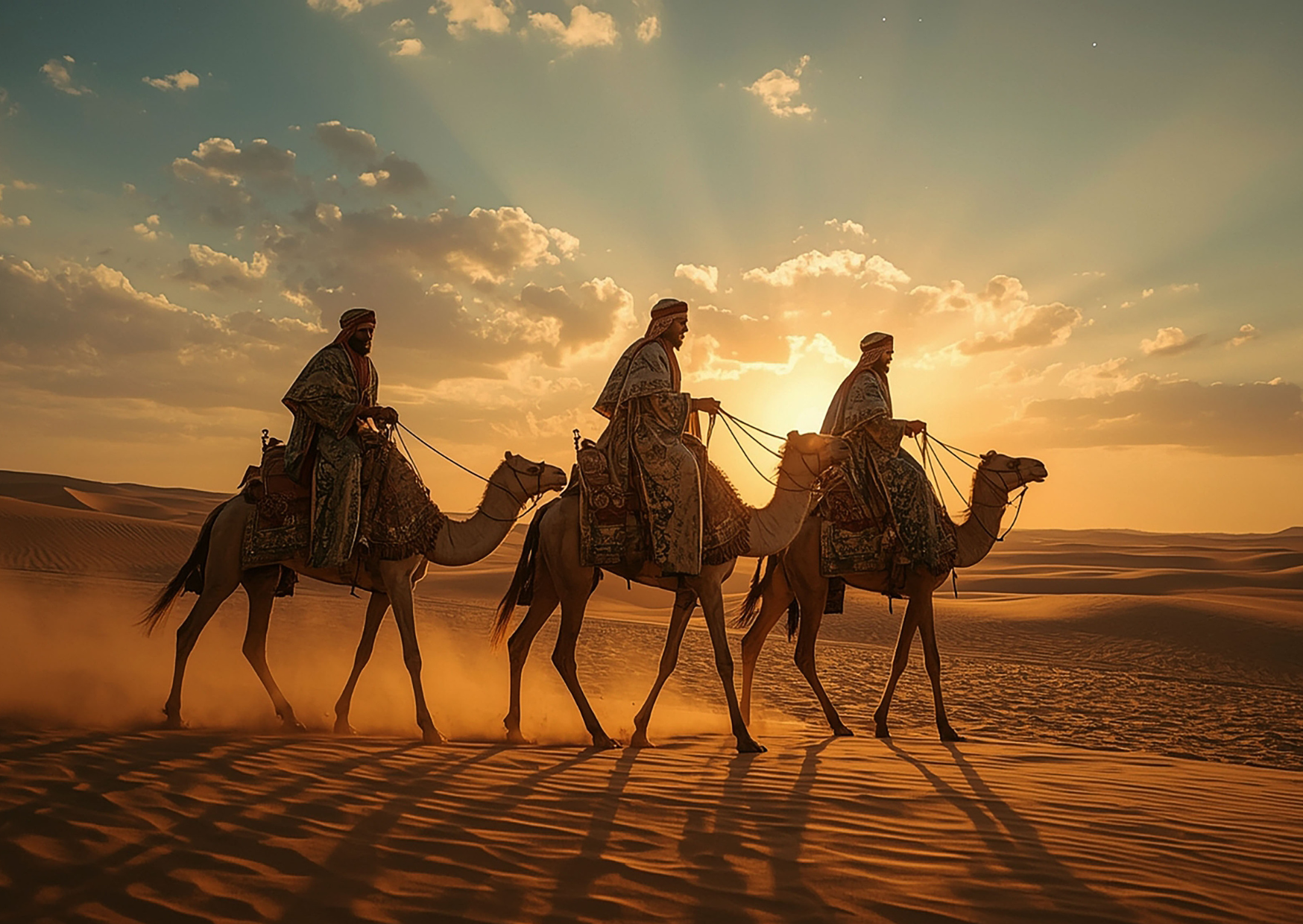
Three simple reasons, none of them sentimental.
Reason 1: It belongs to children
Reyes is a full city production aimed at kids. The scale is municipal. Floats, platforms, safety lines, trained volunteers, cleaned streets at midnight. You cannot fake that level of planning at home. Christmas is family sized. Kings Day is city sized.
Reason 2: It spreads spending and sanity
Retailers and bakeries get December and then another peak in early January. Families can slow down, visit both sides of the family, and avoid one single point of failure on the 25th. Gifts concentrate on the morning of the 6th and you get the extra week of magic.
Reason 3: It keeps a shared ritual alive
Spain likes ritual that crosses class and region. Reyes works in Madrid and in a town of 5,000. Everyone knows the script. Shoes by the door, milk for the camels, crown on the head. It is durable culture.
Key line: anticipation is policy here. Kings Day is designed to arrive late.
What this means for your schedule, honestly
If you work with Spaniards, expect half days and vanishing acts around January 5 and full silence on January 6. If you live here with kids, expect late bedtimes on the 5th and slow mornings on the 6th. If you are visiting, expect to see the best city energy on parade night and very little open on the 6th aside from bars, some bakeries, and tourist zones.
Plan like a local
- Parade night dinner is either before 18:00 or after 21:30.
- Bakery pickups happen on the 5th before 14:00 or very early on the 6th.
- Groceries are done by the 4th. You will not want to fight crowds on the 5th.
- Transport shifts to holiday schedules. Metro runs but with changes. Buses reroute around parades. Check route closures on the morning of the 5th.
Remember: January 6 is not a bonus shopping day. It is a full stop.
Cabalgata, how to do the parade without tears
The parade is wonderful and a little chaotic. Here is the clean version.
Times
Most cities start 18:00 to 19:00 and end 20:30 to 21:30. Towns may start earlier. In Madrid the main Cabalgata along Paseo de la Castellana is a machine. In small towns the route winds near schools and squares.
Where to stand
- Avoid the final plaza if you have small kids. It is packed.
- Mid route near a corner is the sweet spot for views and candy.
- Elevation helps. A step, a low wall, a bench with a back. Do not climb monuments.
Bring
- A reusable tote for sweets. You will collect hundreds of wrapped hard candies.
- Water and a small snack. Lines for anything are long.
- A thin scarf or hat. Even in mild cities, standing still for two hours cools you.
Safety
- Teach children to stay behind the rope.
- Watch for candy scrambles. Volunteers enforce safety lines for a reason.
- Write a phone number on a wrist band for young kids. Not fun to think about, very useful if you lose sight for thirty seconds.
Etiquette
- Cheer for all three Kings. Do not pick favorites loudly.
- Do not block children’s sightlines if you are tall. Kneel or stand back.
- Clap for the street sweepers who come last. It is appreciated.
Short version: arrive early, stand mid route, stay behind the rope, leave happy.
Gifts, budgets, and why January is not a financial cliff
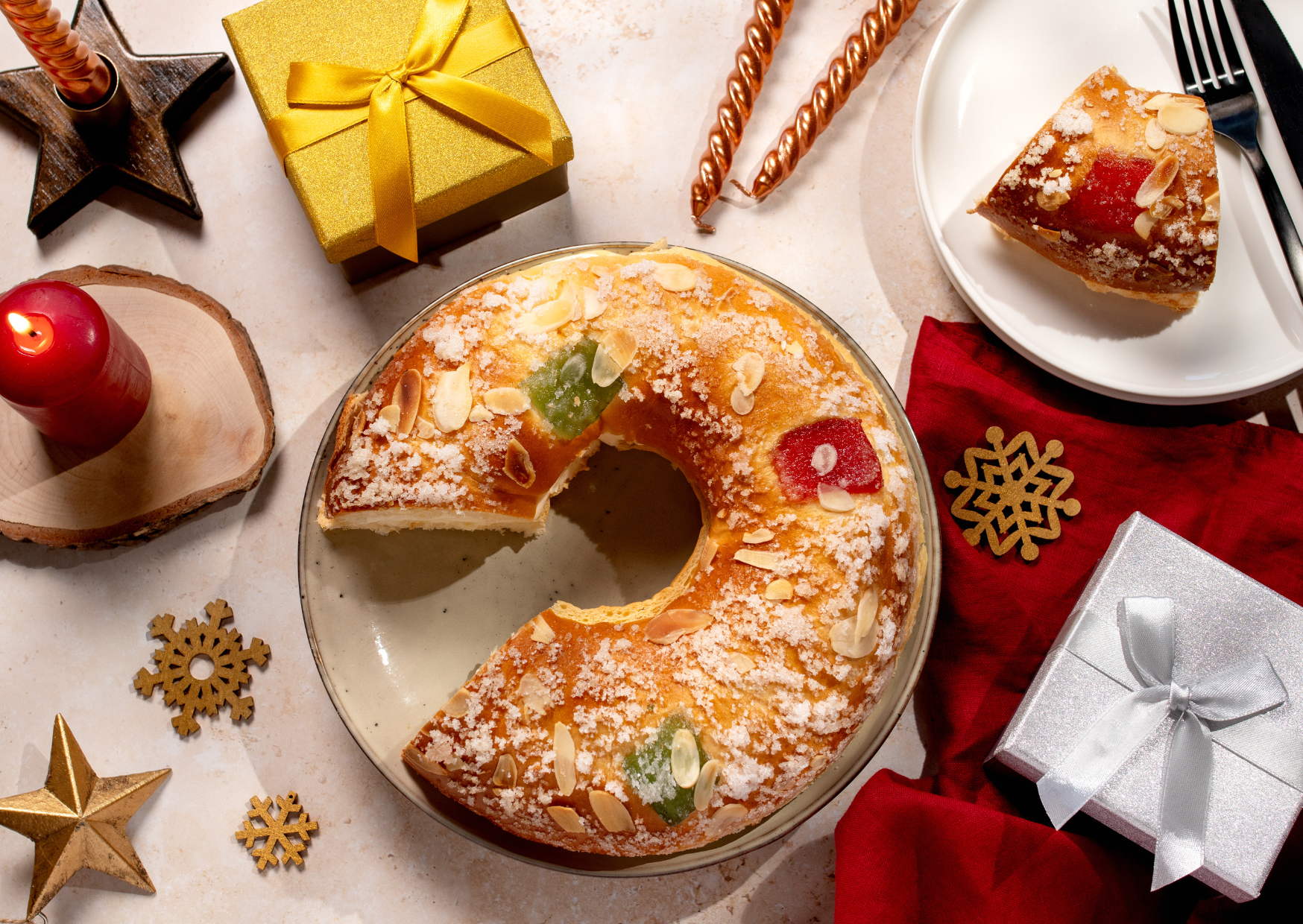
Because gifts land on Reyes, many families spread purchases across December and early January. You also get January 7 sales, which means large items can be family gifts bought after the day itself. Grandparents often bring a single big box. Parents handle the rest. Friends and godparents bring small things or sweets.
Real numbers
- City average per child varies widely. €50 to €200 is common. Some do less, a few do more.
- Typical family spends €100 to €300 on a combined Reyes and roscón day, including food, small gifts, and parade snacks.
- Roscón prices sit at €8 to €12 for a supermarket unfilled crown, €16 to €24 for a neighborhood bakery, €24 to €36 for artisanal. Filled crowns cost more.
How to avoid the new expat mistake
- Do not duplicate Christmas and Reyes. Pick one as the main gift day. A few small gifts on the 25th keep peace if your relatives expect it, but save the show for the 6th.
- Agree on a gift cap with family. Spain is comfortable naming numbers.
- Ask relatives to coordinate. Two scooters is not better than one.
Remember: Reyes is about the ritual more than the mountain of boxes.
Roscón de Reyes, the bread that makes it a holiday
We already wrote the full recipe, but you should know the essentials in case you are buying.
What to look for
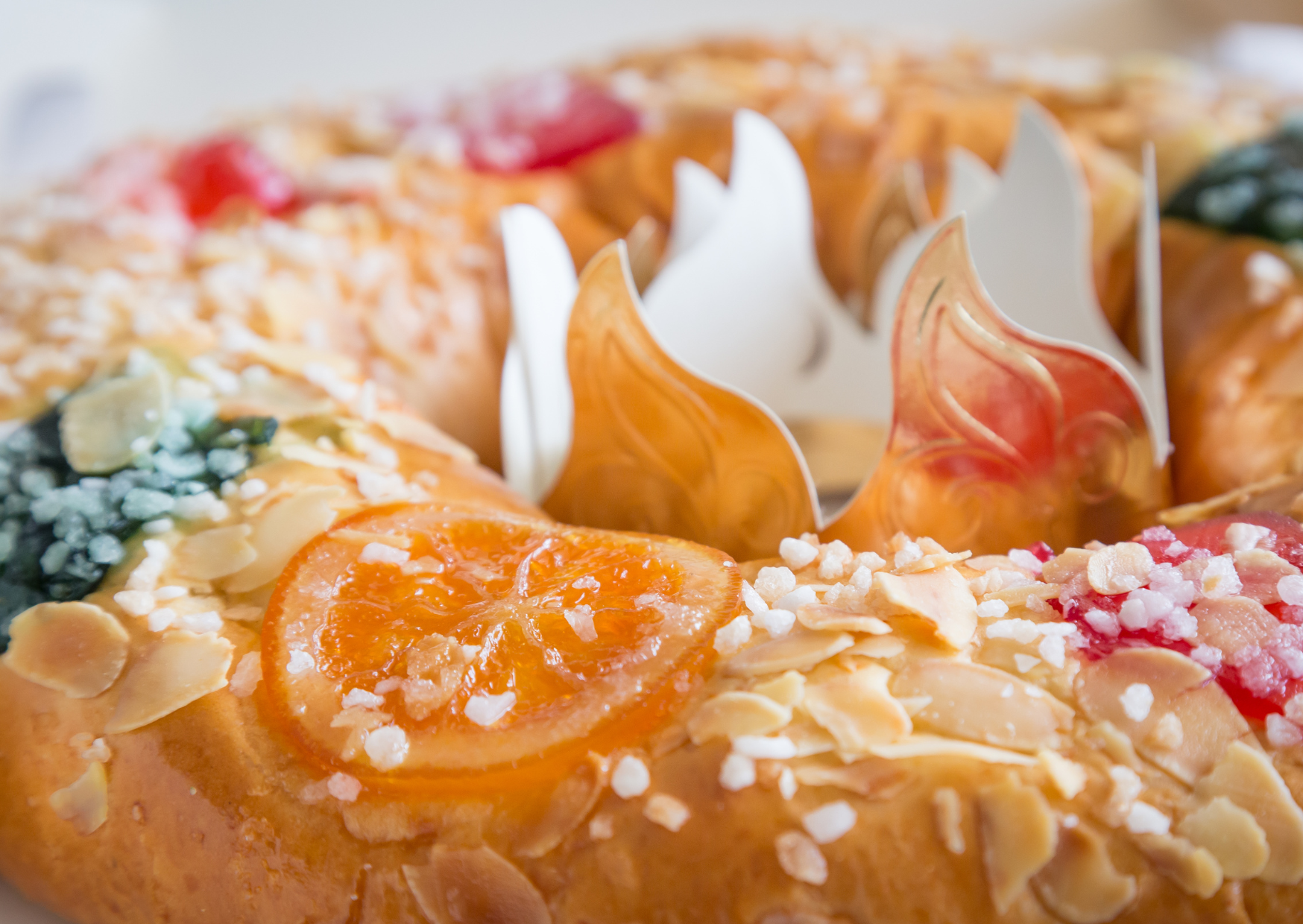
- Glossy, burnished surface with candied orange that looks like citrus, not neon.
- Orange blossom perfume when you open the box.
- Tender, elastic crumb that tears in long strands.
- A paper crown in the box and a figurita with a bean to hide.
When to buy
- Preorder at your bakery by January 3.
- Pick up on the 5th before noon or the 6th before 9:30. Lines exist and are part of the day.
- Supermarkets stock crowns all week. Quality varies. Butter on the label beats margarine.
How to serve
- Breakfast unfilled with thick hot chocolate.
- Afternoon filled with nata montada or trufa.
- Crown on the figurita finder. Bean buyer smiles and nods at their fate next year.
Key sentence: the perfume of orange blossom is the sound of morning on the 6th.
School, work, and real life around Reyes
Schools
Most schools return the next weekday after January 6. If the 6th falls on a Friday, enjoy the weekend. If it falls midweek, you will see a strange half speed week where homework starts light.
Work
January 6 is a national holiday. Offices are closed. The 5th runs like a short day. If you schedule a meeting at 17:00 on the 5th, someone will cancel and they will be right.
Shops
- January 5 morning is a crisis if you still need gifts. Lines are real.
- January 6 is closed for most retail.
- January 7 opens rebajas. Expect 30 to 50 percent off winter stock in chains, and measured markdowns in smaller shops.
Transport
Metros and buses run holiday timetables. Taxis are busy at parade end. Trains operate but late night options are thinner.
Remember: your city is a living calendar. Plan around it, not against it.
How Americans can participate without looking like tourists
It is not complicated. It just requires you to act like you belong.
- Write a letter to the Kings with your kids and drop it at a royal postbox in town. Many city councils set them up in the last week of December.
- Put shoes by the door on the night of the 5th. A small polished row for each person.
- Leave milk and water for the camels and a few biscuits for the Kings.
- Sprinkle a light line of flour “hoofprints” from the door to the living room if you have small children. Vacuum in the afternoon.
- Sleep late on the 6th. This is the easiest part and Americans still fight it.
- Bring a slice of roscón to a neighbor. They will either give you one back or hand you coffee.
Short version: copy the rhythm and the day will carry you.
What to expect financially in the first week of January
Americans assume December is the expensive month. In Spain, January gets its own line item.
- Utilities are normal. You will not see a December “surge” bill unless you chased electric heat during a cold snap.
- Groceries are slightly higher around the 5th with special items, then drop after the 7th when sales begin and families return to normal cooking.
- Restaurants are quieter on the 6th. Many are closed. Brunch is not a tradition. Bars and churrerías thrive.
- Travel is cheaper from January 8 to the end of the month. If you want Toledo, Segovia, Córdoba, go then.
Remember: Rebajas is where the year’s frugal reputation begins. Spain buys coats after Reyes.
The mistakes I made and how to avoid them
I will save you a few silly choices.
- I tried to do a full American Christmas and a full Reyes the first year. Everyone was tired and gifts felt like work. Pick one main event. Soft gifts on the 25th, the big ones on the 6th.
- I ignored bakery preorders. We ate a supermarket crown that tasted like nostalgia and cardboard. Preorder one, line up for the second if you must.
- I scheduled travel on January 5. Never again. Parade day belongs to the city, not the train timetable.
- I brought giant boxes to the parade. Hands get cold, kids get bored, you lose a scarf, and then you lose your patience. Parade first, gifts later is the rule for a reason.
Key line: this holiday works because it has a pace. Match the pace.
Small numbers that help you plan like a local
- Cabalgata start time in big cities: 18:00 to 19:00
- Parade duration: 2 to 3 hours including cleanup
- Average candy haul per child: 300 to 800 g, all wrapped
- Roscón sizes: half kilo serves 4 to 6, one kilo serves 8 to 10
- Hot chocolate for four at home: €4 to €10 depending on chocolate
- Typical gift budget per child: €50 to €200
- Rebajas discounts: 30 to 50 percent in fast fashion chains from January 7
Numbers vary city to city. The pattern is steady. Plan the week, not just the day.
A short note on Baltasar and modern Spain
You will hear or read debates about representation in Cabalgatas. Many cities now ensure that Baltasar is played by a Black Spaniard, not by someone in paint. Some towns moved faster than others. If you go to a small place and see an old habit, you will also see younger families pushing for change. Let locals lead the conversation and support the better version.
Remember: rituals can update without breaking.
If you are visiting, the best way to “see Reyes” in one day
You can experience the heart of it without stress.
Morning, January 5
Walk markets for turrón and polvorones. Order caldo at lunch. Keep dinner light.
Afternoon
Pick up a roscón. Even a small one matters. Put it at home or in the hotel.
Evening
Cabalgata mid route. Tote bag ready. After, a hot chocolate and a quiet walk through streets that look like confetti snow.
Morning, January 6
Slice roscón with coffee. Watch families open gifts through windows because blinds are up and Spain is generous with views. Take a slow walk. The city sounds like wrapping paper.
That is Reyes without a car or a cousin. You will understand the country better in twenty four hours than in a week of museum lines.
What to tell your American family who thinks you missed Christmas
Tell them Spain runs a two stage holiday and the second stage is the headliner for kids. Tell them your city throws a parade and then sleeps in. Tell them you will call on the 6th after the crown is cut. If they visit, tell them to book flights home after the 7th. If they cannot, send them photos of flour footprints and a child in a paper crown with chocolate on their face. They will get it.
Remember: show them January, not only December.
The quiet advantages of a January holiday
- Budget breathes. You do not dump all spending into one week.
- Family logistics relax. You can see both sides without arguments about one date.
- Kids learn waiting in a way that is fun and visible.
- The city participates. A parade is a gift that equalizes neighborhoods.
I used to think dragging holidays into January was too much. Then I saw a child hand a letter to a royal page with both hands and the seriousness of a diplomat. I changed my mind somewhere between the brass band and the first slice of roscón. The late ending makes the season feel earned.
What to remember in five lines
- Spain’s main kid holiday lands on January 6, not December 25.
- Parade on the 5th, gifts on the 6th, sales on the 7th.
- Roscón with orange blossom is the signature, unfilled for breakfast, filled for afternoon.
- Plan around closures and stand mid route with a tote for candy.
- Copy the ritual and the day will carry you, even if you arrived confused.
That is it. Put shoes by the door, pour a glass of milk for a camel that only exists at midnight, and let the city do the rest. Three Kings Day is bigger than Christmas here because it belongs to the street and the table at the same time. Once you feel that, you stop leaving in December and start saving your energy for January 6.

About the Author: Ruben, co-founder of Gamintraveler.com since 2014, is a seasoned traveler from Spain who has explored over 100 countries since 2009. Known for his extensive travel adventures across South America, Europe, the US, Australia, New Zealand, Asia, and Africa, Ruben combines his passion for adventurous yet sustainable living with his love for cycling, highlighted by his remarkable 5-month bicycle journey from Spain to Norway. He currently resides in Spain, where he continues sharing his travel experiences with his partner, Rachel, and their son, Han.