
So here is the thing about Portugal that never fits in a headline. People move for sunshine and headlines about cheap wine, then they meet electricity bills, landlords who want six months up front, and the fact that a perfect pastel de nata still doesn’t pay for school shoes. Portugal is affordable only when you live like Portugal, not when you import a full American lifestyle into a small Atlantic country. That was true five years ago. It is still true now. The mix changed. The math didn’t.
Where were we. Right. A clear, lived outline of what actually got more expensive, what stabilized, what is still a bargain, and how families we know are building budgets that work in Lisbon, Porto, Braga, and a couple of coastal towns. I will give you line-item numbers the way locals think, not the way real estate agents pitch. Some sections are blunt. A couple are tired on purpose because that is what the month feels like.
What actually got more expensive
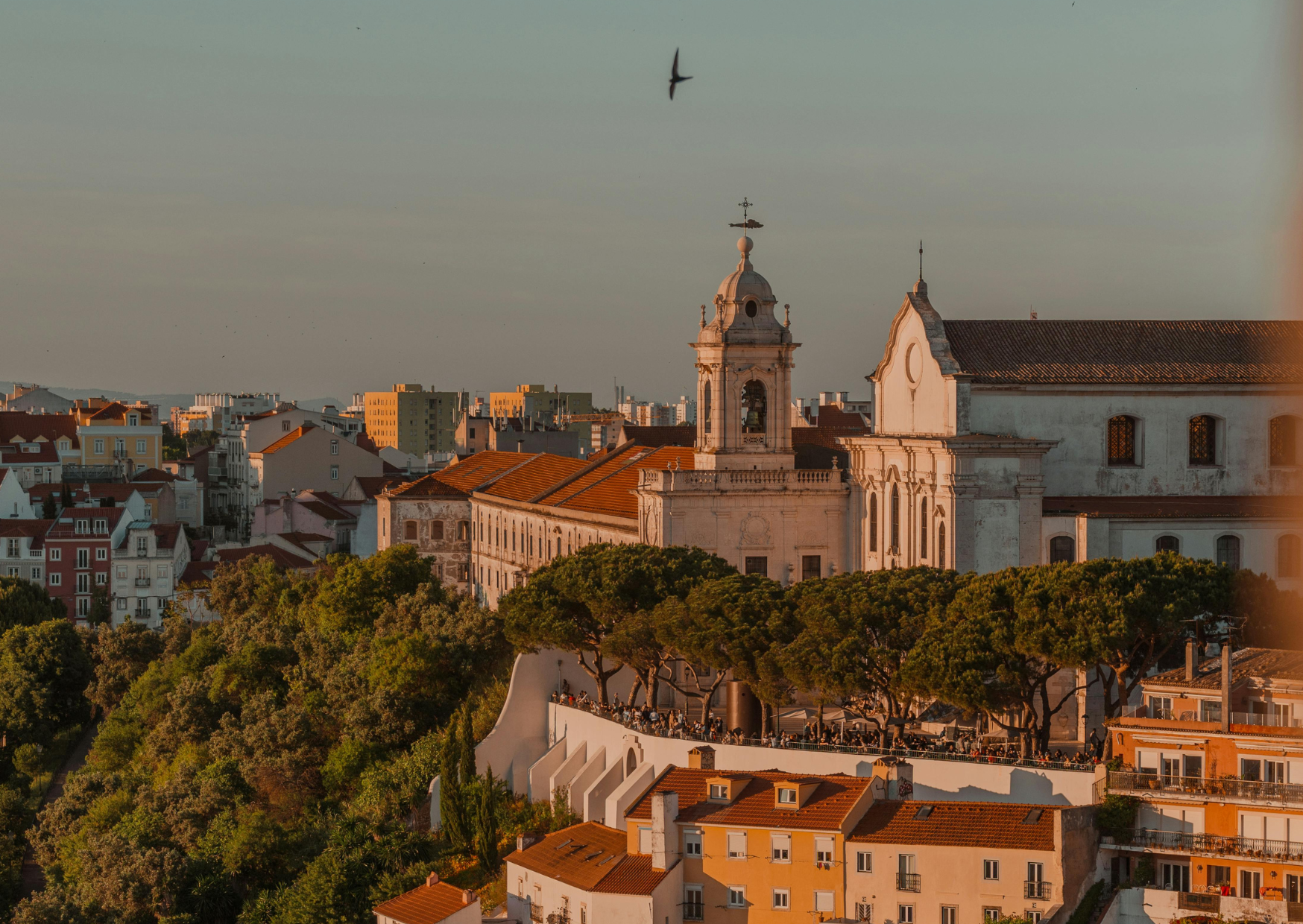
The short list is boring and real. Housing, electricity, and eating out in tourist zones. You can hack two of those. One you can only soften.
Lisbon rents moved first. Porto followed. The Algarve absorbed it with a smile and another terrace. If you try to live in peak neighborhoods on short leases, you will pay big city money. Prices flattened in some districts, but the floor rose. The trick we see working is simple and not sexy. Choose a second-row neighborhood with a commuter train and sign for twelve months. That one decision drops rent and softens everything else.
Electricity spiked, then calmed a bit, and it is still the bill that makes newcomers blink. Electric heating and old windows burn money. If your apartment has new glazing and a reversible heat pump, the number looks sane. If not, you will learn to close shutters at noon and time the dryer.
Eating out where menus come in six languages is still fun, but the old six-euro lunch is not the default in Cais do Sodré or Ribeira. Walk two streets inland and it returns.
Remember: Portugal is affordable on the side streets and in twelve-month contracts. That rule did not change.
What went sideways, then stabilized
Groceries behave when you shop like a neighbor. Big chains for staples, municipal markets for produce, the corner store for emergencies. Meat drifted upward and then settled. Olive oil nudged up. Milk and eggs stayed reasonable. You can still feed a family well with a short list and a habit of cooking soup on Sundays. Caldo verde fills people for cents. Add bread. Add fruit. You are done.
Mobile and internet are still decent value if you bundle fiber and a basic mobile plan. The gotcha is promotional pricing. It looks cheap for the first six months. It climbs. Locals call, pause, and get a fresh deal. You will hate making the call. Make the call.
Intercity trains stayed sane if you buy early and use the app. Same for local passes. The new habit many Americans never adopt is the monthly metro pass even if they own a car. It deletes dozens of small trips that add up.
Key point: stability arrives when you pick the local habit in each category and repeat it.
Housing, the only number that can blow your whole plan
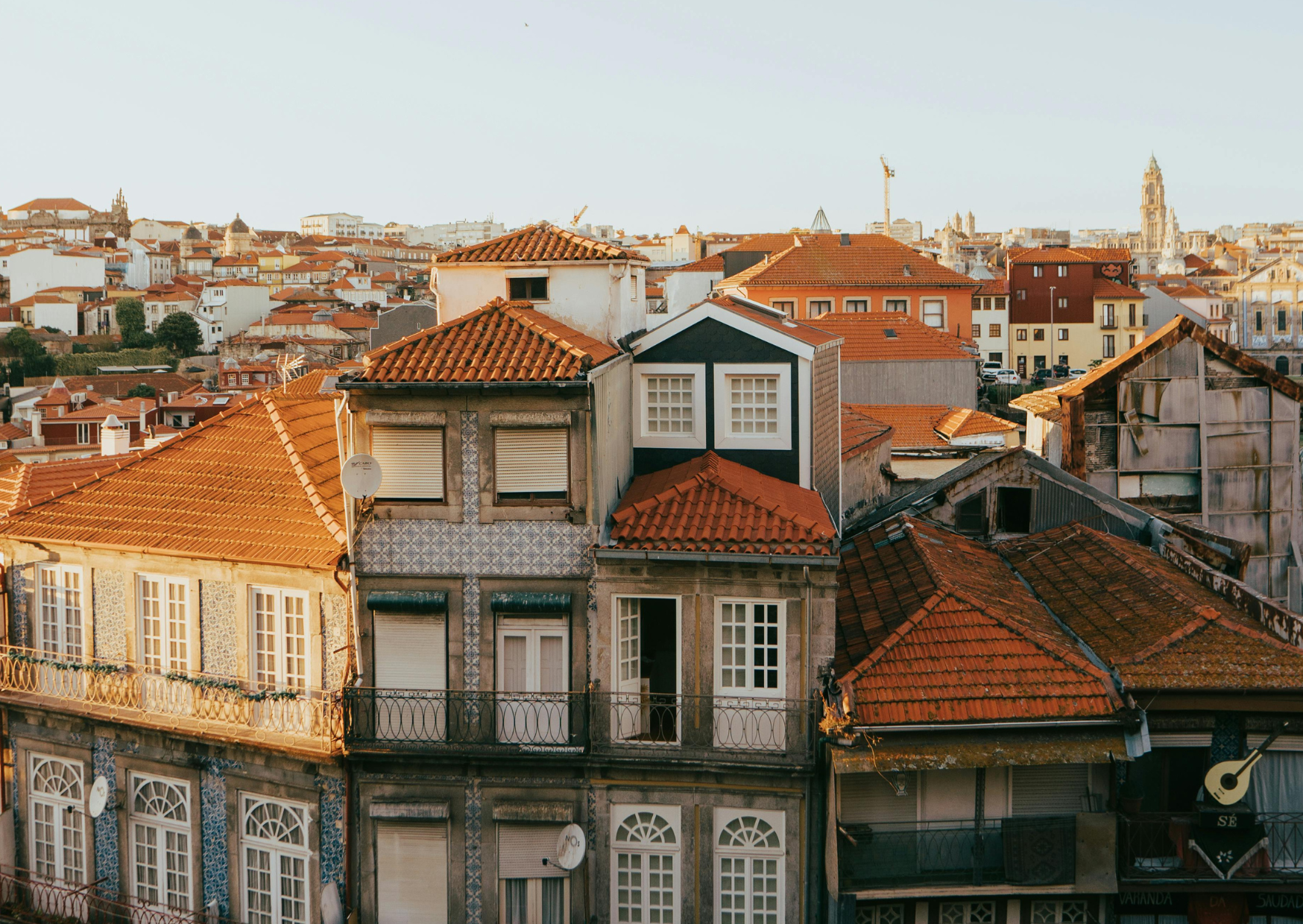
I will not pretend Lisbon center is gentle. It is not. Your rent is a decision about lifestyle, not just an address. If you need cafes under your window and a five-minute walk to a riverfront view, budget like a capital. If you are willing to live where families live and commute twenty minutes, you get Portugal back.
- Lisbon, family of three, twelve-month lease
Alvalade, Benfica, Campo de Ourique, second-row parts of Estrela and Areeiro. Two bedrooms with lift and decent windows. You are paying real money but not a fantasy.
Remember inside this paragraph: the lift and the windows are worth more than a rooftop you will use twice. - Porto, couple or small family
Cedofeita, Bonfim, or across the river in Vila Nova de Gaia near a metro line. Beautiful stock, lower rent, bridges as your daily view. Porto gives you the lifestyle Lisbon sells in postcards for less. - Braga, Aveiro, Coimbra
These are the pressure valves. University towns with trains, lower rents, normal people’s lives. If your work is remote, this is where budgets breathe. - Algarve
Year-round life is cheaper inland by 10–20 minutes. If you demand five steps to the boardwalk, you will pay for vacationers’ taste.
Deposits are still a shock. Expect two to three months plus the first month unless you have perfect local references. Some landlords still ask for six up front. Walk away if the place is not exceptional. You have options.
Bottom line: sign a year, choose a second-row neighborhood, and protect yourself with windows and heat pump. Your rent, comfort, and electricity bill all move together.
Utilities that surprise Americans
Electricity is the loud one. Heat in winter and AC in August are where budgets go to die. A reversible heat pump helps. Clothes dry on lines for a reason. Dishwashers and washers run at off-peak. It is not performative thrift. It is just how the math works here.
Water is reasonable. Gas is fine if you are not heating giant rooms. Internet is cheap compared to the U.S. if you take the bundle and ignore the television channels you will never watch.
Remember: your cheapest energy is the sun. Close shutters at the right hour, open at the right hour. Old houses knew what they were doing.
Groceries, the way locals actually shop
You will save money the first month and then lose it when you start shopping like a tourist who moved. The fix is boring and perfect.
- Staples at the big chain on a weekly run.
- Vegetables and fruit at your municipal market. Ask what is good today and accept the answer.
- Fish at one trusted stall. Learn their name. Let them gut it.
- Bread at the bakery that opens early. Ask what is fresh. Do not chase croissants every morning.
- Wine from a supermarket shelf below twelve euros. Portugal’s value sits there.
If you build two soups and a tray bake each week, your food costs drop and your health fixes itself. Simple meals win here. Cod, potatoes, greens, rice, oranges, eggs. You will not get points on Instagram. You will get a budget that likes you.
Key line: Portugal rewards people who cook at home and go out with intent.
Dining out, how to keep the ritual without torching the budget
The biggest waste we see is random restaurant roulette three times a week. Locals keep the ritual but change the hour and the place. Lunch menus at small restaurants still give you a plate, wine, coffee for a price that makes sense. Dinner is where the markup lives. If you must do dinner, pick a place with daily chalkboard plates and let the cook decide. Seafood is still a treat. You will pay market price. It is worth it when you make it a once-a-fortnight thing, not a hobby.
In tourist zones, read the room. If there are five languages and laminated photos, you are paying for convenience. If there is a short menu and everyone is speaking Portuguese to the server, sit down.
Remember: lunch is for value, dinner is for celebration. It is the easiest rule on the list.
Transport, the budget line that quietly saves families
A monthly metro pass plus occasional trains will beat a car for city families unless you commute outside. Kids ride cheap, and teens move around safely without turning every weekend into parental taxi duty. If you live near a Linha de Cascais or Ferrovia Porto stop, you have built freedom into your address. Think about that before you fall in love with a balcony.
Cars still matter if you live rural or want to do schools and sports across town. Fuel is not cheap. Tolls add up. Parking in tight neighborhoods is a daily puzzle. The hybrid approach works. One pass, one small car, and a calendar that prefers trains when possible.
Key idea: a good train line is worth more than a parking spot.
Health, dentists, and the thing nobody plans for
You will buy private insurance. It is not ruinous. It saves your nerves. The public system exists and you should register. It is slower for non-urgent issues. The right pattern is both. Use private clinics for routine checks and straightforward tests. Use public for the specialist pipeline if you need it. Dentistry is reasonable if you pick a clinic that is busy for the right reasons.
One practical tip. Build a small medical buffer fund. Every family needs a crown, a night clinic visit, or a specialist scan in the first twelve months. Having the cash turns crisis into inconvenience.
Remember: health costs here are predictable when you treat them like line items, not surprises.
Childcare, school, and why schedules matter more than fees
Public preschool is a gift if you get a spot near home. Private options exist and vary widely. Fees will not look like the U.S. You will still feel them. The killer is schedule management. School hours are shorter. After-school clubs fill up. Grandparents and neighbors step in. If you do not have that network, budget for longer after-school and ask early.
School supplies are cheap. Field trips are sane. Birthday parties are not competitions. You can breathe. The real cost is your time. Plan your work around school hours and you stop paying to fix schedule tension.
Key point: your calendar is a money tool. Use it.
Taxes, visas, and the line you cannot afford to ignore
You are still a U.S. taxpayer. You are now a Portuguese taxpayer when you are tax resident here. File in both places correctly. This is not the place to guess. If your income is remote, pick the visa that matches your life and be boring. Long-term, pick a single accountant who speaks both systems. The fee you pay is less than the penalty you can trigger by trying to be clever.
You will hear stories about special regimes and big savings. Fine. Do the math on your actual numbers with someone who does this every week. Then close the browser and go live your life.
Remember: paperwork is cheaper than anxiety.
A family budget that actually works in Lisbon
Here is the version we see working for a family of three who lives like neighbors, not like tourists. Adjust for your district and your taste.
- Rent, two bedrooms, second-row neighborhood with lift and heat pump
A serious line item. The lift and heating efficiency are not luxuries. They are monthly savings in disguise. - Utilities
Electricity is the only one you will talk about out loud. Water, gas, and internet behave when you choose like a local and keep appliances on off-peak timers. - Groceries and markets
Big chain for staples, market for produce, bakery for bread, fish at one stall that learns your face. Two soups and one tray bake a week is the difference between stable and slippery. - Transport
Two monthly passes and one small car if you need schools across town. Trains for weekends. The car lives on the street. It is fine. - Eating out
Keep lunch culture and be intentional about dinner. You can still have an oyster plate at the coast and a steak in town. Just not every week. - Health and school
Private insurance, small medical buffer, after-school booked early. The rest is calm.
If you blow the rent or chase nightly dinners, you lose the plot. If you keep those two in line, Portugal feels like a gift again.
Porto, Braga, Coimbra, and the coast where budgets breathe
Porto gives you views, trains, and better rent than Lisbon. Braga gives you a family city with festivals and a calendar built for kids. Coimbra puts you in a university rhythm with calm prices. Coastal towns reward people who live ten minutes inland. Same sea, fewer crowds, normal rent.
These places are not consolation prizes. They are Portugal at human scale. If your work is remote, start here and spend weekends in the capital until you realize you don’t miss it as much as you thought.
Key line: Portugal is still affordable if you let Portugal be small.
What didn’t change at all
Coffee is still a small coin and a conversation. Bread is still delivered warm at silly hours. Trains still make Sunday plans better. People still wave you into traffic with a shrug. The rhythm of the place did not change. If you lean into it, your budget follows.
Tourist seasons still swell. August is still a furnace in the wrong neighborhood. Winter is still humid if your windows are bad. Old truths stay old.
Remember: the cost of living you feel is mostly the cost of fighting the local rhythm.
A month that looks like it actually does
Some sections sound tidy. Real months are not tidy. Here is how a normal one reads.
- Week one you pay rent and realize it stings, then you walk along the river for free and decide it stings less.
- Week two your electricity bill lands. You close the shutters at noon for the first time and feel like a magician when the apartment stays cool.
- Week three a neighbor tips you off to a restaurant that still does a proper worker lunch and you stop paying thirty euros for a salad with a view.
- Week four someone gets a cold, you use private care for speed, and you are grateful you paid the insurance.
Somewhere in there you buy train tickets to a beach town and a round of fish soup shuts everyone up for an hour. That is your month. It works.
The quick rules that keep Portugal affordable
- Sign a twelve-month lease in a second-row neighborhood with a lift and a heat pump.
- Cook more than you think and shop like a neighbor: chain, market, bakery, fish stall.
- Use lunch for value and dinner for celebration.
- Buy a monthly pass even if you own a car. Trains are a life choice, not a ticket.
- Call your provider when the promo ends. Boring calls save real money.
- Budget for health calmly and file taxes with one cross-border pro.
- Let the calendar work. Close shutters, open them, take the early train, eat when the set menu exists.
Remember: Portugal rewards repetition. The country becomes affordable when your routines are local.
If you only keep five sentences
- Housing is the lever. Second-row neighborhoods and year-long leases are how families win.
- Electricity is the surprise. Good windows and heat pumps matter more than rooftops.
- Groceries are sane if you shop like a neighbor and cook twice a week on purpose.
- Lunch is still value. Dinners in tourist zones are theater.
- Trains, bundles, and boring phone calls quietly save hundreds over a year.
That is 2026. The headlines changed. The logic didn’t. Live on the second street, eat at lunch, close the shutters, ride the train, and treat paperwork like a bill you pay once. The rest feels like Portugal again.

About the Author: Ruben, co-founder of Gamintraveler.com since 2014, is a seasoned traveler from Spain who has explored over 100 countries since 2009. Known for his extensive travel adventures across South America, Europe, the US, Australia, New Zealand, Asia, and Africa, Ruben combines his passion for adventurous yet sustainable living with his love for cycling, highlighted by his remarkable 5-month bicycle journey from Spain to Norway. He currently resides in Spain, where he continues sharing his travel experiences with his partner, Rachel, and their son, Han.