
So here’s the honest version Americans never get in a tidy press release. There’s no magic “new EU visa for Americans” arriving in one clean drop. What 2026 really brings is a set of country-level upgrades, clarifications, and fast-track routes that make it easier to live here legally for a few months to a few years—paired with new border tech that tightens the math on your short stays. If you are planning a long step in Europe next year, you need to know which doors are actually open, which are being widened, and which are just rumors with a logo.
Where were we. Right. The map that matters: what is formally changing at the border, which visas are getting clearer or faster, where the friendliest categories are for Americans, how to stitch a 90-to-180-day plan without surprises, and a short list of red flags that cost people money every winter.
The part nobody can skip in 2026: border tech, not a visa
Before we talk visas, your entry experience changes. The EU’s new biometric Entry/Exit System (EES) is fully in play by spring. Your first Schengen entry of a trip includes face and fingerprints; later entries are quicker because the system recognizes you. The 90-days-in-180 rule does not change, but enforcement becomes exact. If you have been casual about stamps in the past, that era is gone.
Late in the year, the EU flips on ETIAS, an online pre-travel authorization similar to America’s ESTA. It is not a visa, but airlines will check it at boarding once live. The EU’s own site and recent guidance put launch in the last quarter of 2026. If you are flying in November or December, you will likely spend five quiet minutes on the real EU portal beforehand. No action today; the EU will announce the exact date.
Side note many miss: the UK has its own ETA for Americans already. If London is in your route, you file that on GOV.UK. It has nothing to do with EU systems.
Remember: EES this spring, ETIAS late-year, UK ETA already. Visas are separate; this is the gate you pass through either way.
What “American-friendly” really means in 2026
For most readers, “friendly” equals clear rules in English, realistic income thresholds, online filing, family add-ons, and a path long enough to make the move worthwhile. On that score, several countries are either tightening their programs into clarity or expanding the lanes Americans actually use.
I am grouping the 2026 landscape into three buckets you can act on.
Bucket 1: Digital-work and remote-income routes that keep getting easier to use
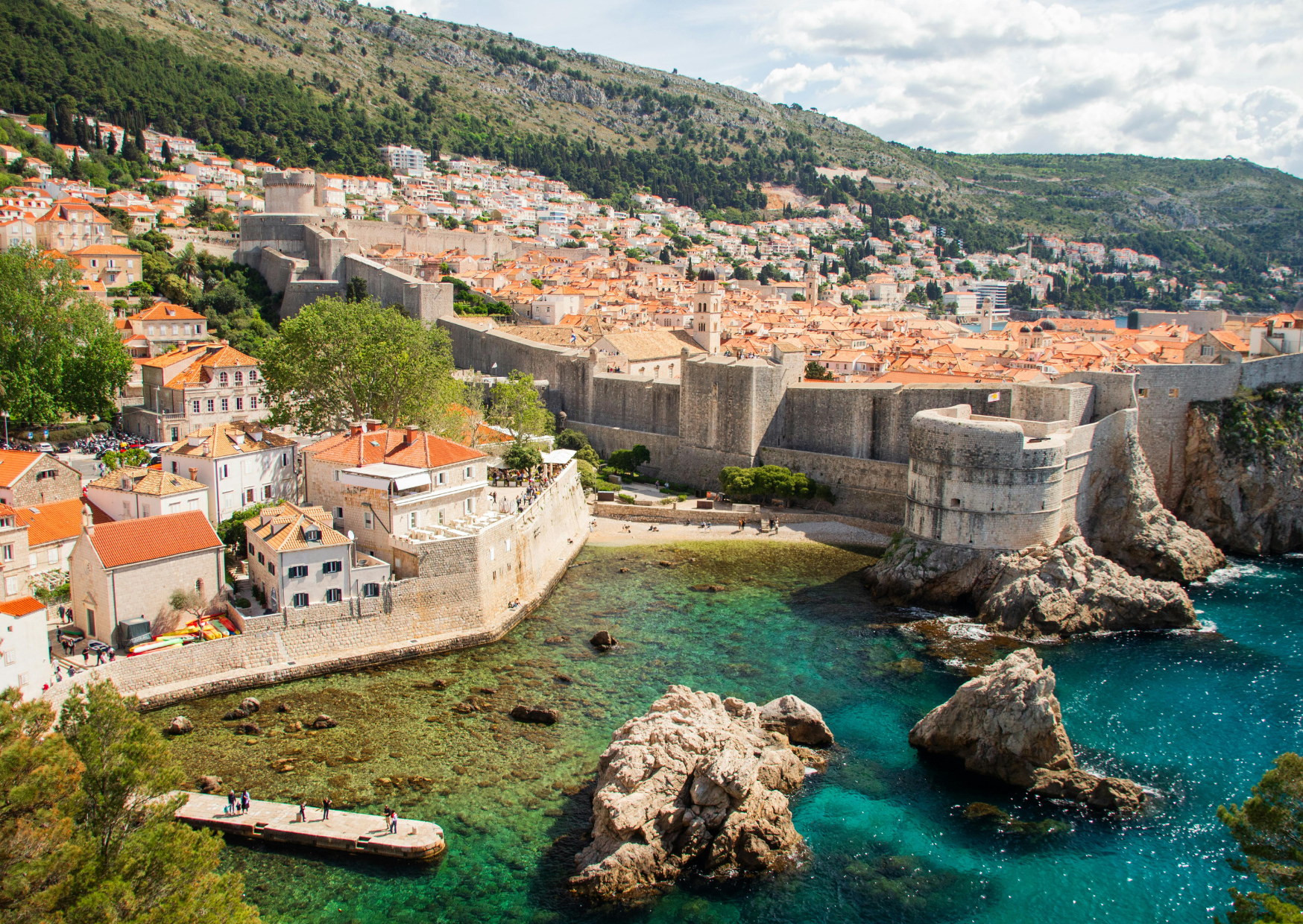
Spain, Italy, Portugal, Croatia, Estonia, Malta, Greece, Romania, Hungary, Iceland
Call them digital-nomad visas, telework permits, or “residence for remote professionals.” The labels vary, the math is similar: prove stable remote income from outside the host country, obtain private health coverage, rent a real address, and stop breaking tourist rules.
What changes in 2026 is not the idea, it is the friction. Ministries have been tuning portals, clarifying which documents must be apostilled, and aligning fees with neighboring states. The friendliest patterns Americans report:
- Defined income floors rather than “sufficient means.” That helps you plan.
- A clean spouse/child add-on so you do not run two processes in parallel.
- Permission to renew in-country after your first year if you stayed compliant.
- Tax guidance pages that exist in English, not a rumor and a Reddit thread.
Countries where the experience keeps getting cleaner for Americans:

- Portugal: the work-remote D8 track remains a straightforward door for non-EU residents who can document income and housing. Portugal’s investor route lives on in a revised, fund-only format in 2026 for those who want a capital path rather than salary proof. Translation: there is still a door for mobility, you just pick salary or capital and follow the checklist.
- Spain: the digital-work option sits alongside long-stay visitor and student routes; 2026 brings a broader digital back-end overhaul for filings and renewals, which matters more than it sounds like on paper. If paperwork processing speeds up, families stop burning months waiting for a plastic card.
- Croatia, Estonia, Malta: steady, predictable telework permits with clear English pages and realistic renewal paths. Americans do well here because the rules are written for people exactly like you.
What to remember inside this bucket: stable remote income plus private health cover plus a lease gets you a legal year in multiple countries. The story is the same; the 2026 improvement is fewer gray areas and faster clicks.
Bucket 2: Classic long-stay visitor, retiree, and family routes that outlast fads
If you are not working, or you want schools, dentists, and a quiet calendar, these are still the best fits. They are “friendly” because they publish numbers and accept Americans in reliable volume when you meet them.

- Long-stay visitor visas in France, Spain, and Italy remain workhorses. Bring proof of funds, private health cover, a clean record, and a lease. You apply from the U.S., not from a tourist sofa in Madrid. The benefit in 2026 is clarity: EES will not forgive overstays and consulates are using more standardized document lists, so you show up with the exact pile and avoid a spiral.
- Pensioner or financially independent permits in Greece, Spain, Portugal: friendly because Americans can document Social Security, pensions, rental income, or portfolio income and win predictable approvals, then access state systems later. Greece in particular pairs approachable programs with low coastal costs. Do the income arithmetic once, then let the country do what it is good at.
- EU family reunification: “friendly” is an understatement. If you have an EU spouse or parent, 2026 is the year to stop hacking tourist stays and file properly. The new border systems make the math exact; the family route makes the stress go away.
Bottom line: boring wins. If you can meet a published income figure and buy private insurance, the classic routes remain the most reliable path to a peaceful life.
Bucket 3: Capital-based doors for people who would rather invest than prove salary

Investor routes are not dead; they are just maturing. In 2026, Portugal’s fund-based residency keeps drawing Americans who want mobility and optionality rather than payroll paperwork. You are investing in regulated funds rather than buying random apartments; the compliance lift is higher and the route is very much alive. If you think in allocations, not W-2s, this is the “friendly” lane.
There are also entrepreneur tracks in multiple countries for people opening a real business with local substance. They are friendly when you actually run the business and unfriendly when you try to paper one.
Countries to watch in 2026 for process upgrades rather than brand-new visas
A few places are not introducing headline-new categories, but the experience is improving for Americans because the ministries are cleaning up the user journey.
- Spain: moving residency, renewals, and digital filings into a more coherent system through 2026. Expect fewer in-person queues, clearer online steps, and a little less folklore. That is “friendly” in real life.
- Italy: clarity on remote-work residence plus consistent consulate behavior makes a bigger difference than a new label. If the consulate in your region publishes document lists you can actually meet, that is friendliness you can bank.
- Croatia: year-to-year refinements have made the remote-work residence one of the least theatrical in the EU. English documentation helps Americans avoid guesswork.
Key idea: in 2026, “new” matters less than “predictable.” The best choices are countries publishing clear lists, keeping them updated, and answering in weeks, not seasons.
What this means for a real American calendar
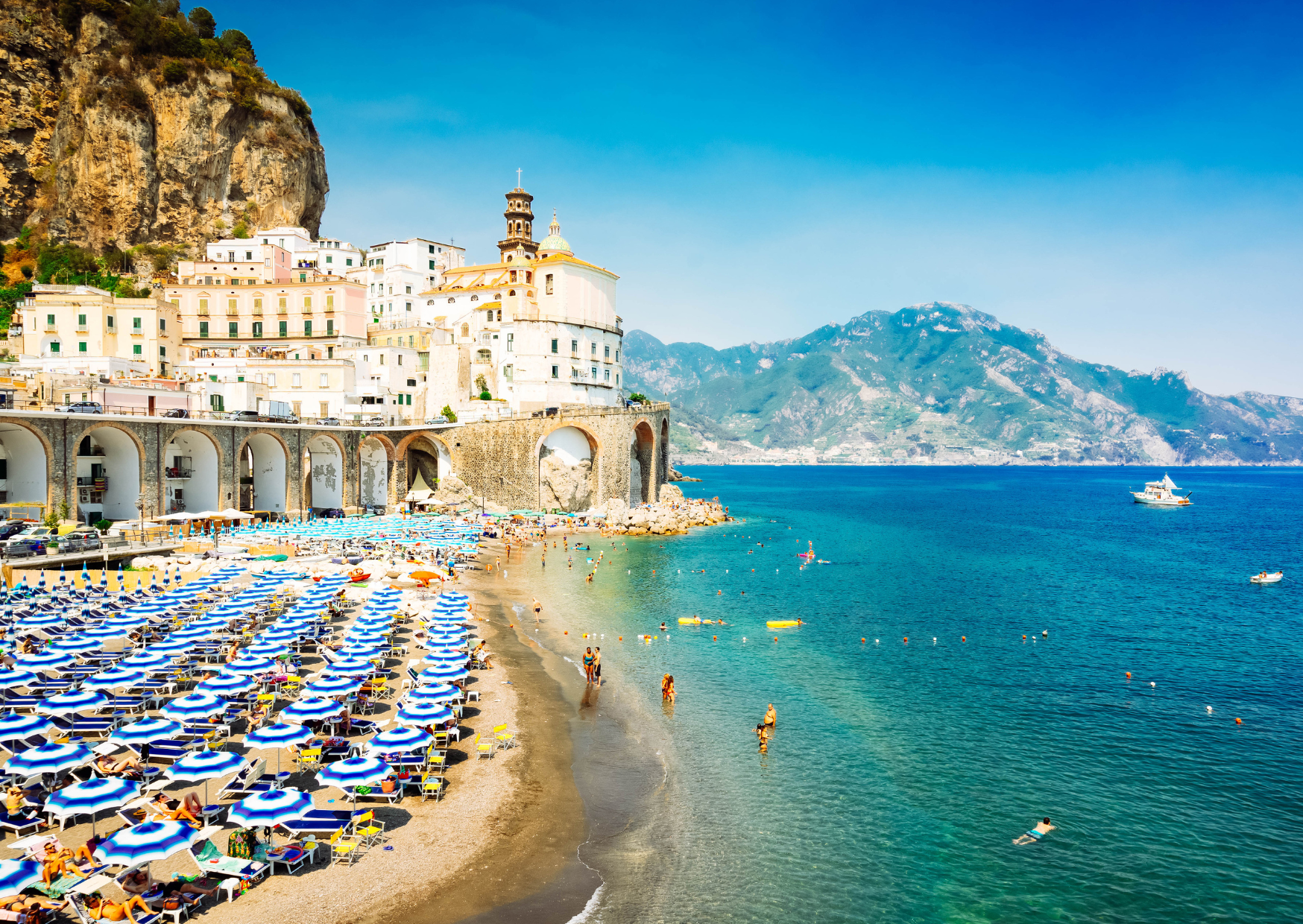
You can design a 2026 plan around one anchor residence plus legal travel, or you can run a clean 90/180 hop plan if you are not applying yet.
If you want 6–12 months in one country
Pick the category that matches your life: remote-work income, long-stay visitor, pensioner, or investor. Apply from home for long stays, pass through EES like everyone else, and stop counting Schengen days because your national residence overrides the tourist clock during its validity.
If you want 60–90 days of Europe without paperwork
Respect the 90/180 rule. Use the UK or Ireland as breathing room while EES counts days precisely. If your flights are late-year and ETIAS is live, get the authorization online before you fly. This is the calm way to see a lot without breaking anything.
Remember: EES makes the math exact. Friendly visas are the cure for people who want to stop doing math.
The quick comparison that actually helps you choose
You work remotely for a U.S. employer and want Mediterranean life
Look at Portugal, Spain, Malta, Croatia, Greece. Pick the one with the clearest income floor you can meet comfortably and the city you would enjoy off-season.
You want affordability plus hospitals that answer the phone
Look at Portugal, Spain, Greece on retiree or financially independent routes. Health insurance is the lever. Buy a policy that satisfies the consulate first, then optimize later.
You prefer to invest capital instead of proving salary
Look at Portugal’s fund route in 2026. It exists, it is regulated, and Americans use it for optionality. Hire counsel that has filed for U.S. clients and understands your tax posture.
You want a low-bureaucracy first year to test Europe
Look at Croatia or Estonia for clean digital-work filings, or run a Schengen + UK plan for 90 days while you decide. Apply for the UK ETA if London is on your route.
Red flags that make “friendly” turn expensive
- Trying to convert a tourist stay into a residence inside the country when the law says apply from home. You can waste three months and a lot of dignity.
- Forgetting that ETIAS and UK ETA are airline checks once live. You will not argue past a gate agent with a smile. Bring the authorization or do not board.
- Chasing rumor sites. Use official ministry or consulate pages. If a third-party “portal” wants a fee for a document the government never asked for, walk.
- Ignoring the lease requirement. Many long stays want an address you control. Co-living works in some countries and fails in others. Read the rule before you book.
- Counting Schengen days like it is still 2019. EES will not forget the days you forgot. Leave buffers.
How to research without drowning
- Start with the official ministry or consulate page for the visa you want.
- Look for published income thresholds, insurance details, police check requirements, and apostille notes.
- Check whether renewal can be done in-country, and whether family members file on your ticket or theirs.
- If a lawyer is involved, ask how many U.S. cases they filed last year and which consulates they know best.
- For any late-year flight, add one line to your pre-trip week: “Check ETIAS status” on the official EU site. If live, apply. If not, skip.
Remember: clarity beats novelty. The best programs in 2026 are the ones whose rules you can print and follow.
A few places where I changed my mind
I used to tell people to wait for the next shiny visa label. Then I watched friends spend four months in limbo because they were “early adopters” of something half-explained. The people who won did a boring filing on a mature program and were drinking coffee on their balcony while the rest of us refreshed a portal. New is fun. Predictable is freedom.
The short list you can act on this week
- Pick your lane: remote income, retiree funds, investor, or family. Do not mix two.
- Choose a country for the quality of its process as much as lifestyle. Portugal for fund investors, Spain or Portugal or Greece for retirees, Croatia or Estonia or Malta for clean remote-work filings.
- Build a legal 90/180 plan if you are not applying yet, and add the UK or Ireland as a reset week. Get the UK ETA if needed.
- Pad the first Schengen entry of 2026 by an extra hour for EES biometrics. Later borders will be normal.
- Ignore third-party “ETIAS” sites until the EU opens the real portal. Late 2026 is the signal.
That is the 2026 picture without drama. Europe did not invent a brand-new visa for Americans. It quietly made several existing doors easier to walk through while upgrading the border to count days correctly. Choose the route that fits your life, follow the checklist in front of you, and stop refreshing rumor threads. The people who keep it simple will be here first, sitting on a balcony with their plastic card while everyone else is waiting for a press release that never comes.

About the Author: Ruben, co-founder of Gamintraveler.com since 2014, is a seasoned traveler from Spain who has explored over 100 countries since 2009. Known for his extensive travel adventures across South America, Europe, the US, Australia, New Zealand, Asia, and Africa, Ruben combines his passion for adventurous yet sustainable living with his love for cycling, highlighted by his remarkable 5-month bicycle journey from Spain to Norway. He currently resides in Spain, where he continues sharing his travel experiences with his partner, Rachel, and their son, Han.