
And what it reveals about blood sugar, digestion, and why slow meals still outperform medication
You won’t find it in a bottle. There’s no barcode, no pharmaceutical label, no multi-million dollar marketing campaign. But across Italy, from the rural corners of Tuscany to the sun-drenched coastlines of Calabria, people have been practicing a way of eating that regulates blood sugar naturally, meal after meal, generation after generation.
It isn’t a supplement. It isn’t a diet trend. It’s a set of habits so simple, so old, and so culturally embedded that no one thinks of it as medicine—until they visit America, see the rates of Type 2 diabetes, and realize how differently things have evolved.
While the U.S. manages diabetes with injections, pills, and industry-sponsored nutrition advice, Italians are often preventing it—quietly, rhythmically, and without even realizing it.
Here’s the daily system Italians live by that stabilizes glucose, reduces insulin resistance, and protects metabolic health—without ever being called a cure.
Want More Deep Dives into Other Cultures?
– Why Europeans Walk Everywhere (And Americans Should Too)
– How Europeans Actually Afford Living in Cities Without Six-Figure Salaries
– 9 ‘Luxury’ Items in America That Europeans Consider Basic Necessities
Quick Easy Tips
Prioritize whole, minimally processed foods in your daily meals.
Incorporate healthy fats, such as extra virgin olive oil, to help stabilize energy levels.
Keep portions moderate and avoid overeating.
Walk after meals to support better blood sugar control.
Focus on consistency and lifestyle changes, not short-term fixes.
One major misconception is that blood sugar management is only about medication. While medication can be crucial, lifestyle plays a significant role. Many cultures, including Italy, have shown how daily habits can make a real difference in long-term health outcomes.
Another myth is that a healthy lifestyle requires expensive or exotic foods. In reality, traditional Mediterranean diets are built on simple, accessible ingredients like vegetables, legumes, and whole grains. This challenges the narrative that good health always comes with a high price tag.
Finally, there’s the misconception that only medical interventions matter. Modern research increasingly supports what traditional cultures have practiced for centuries—balanced nutrition, movement, and stress management can profoundly affect metabolic health. It’s not a hidden cure, but it’s a powerful tool that many overlook.
1. Meals are predictable and evenly spaced
In Italy, food happens at the same time every day. Breakfast is light and early. Lunch happens around one. Dinner is by eight. Snacks are rare. Meals are spaced five to six hours apart. Nothing is rushed. Nothing is skipped.
This rhythm gives the pancreas time to rest. Blood sugar has a chance to rise and fall smoothly. Insulin remains balanced. Hunger is anticipated, not reacted to. And the digestive system functions like a well-oiled, rhythmic engine.
In the U.S., eating is erratic. Breakfast is skipped, lunch is delayed, snacks fill every gap. People eat while driving, working, scrolling. Glucose spikes are frequent. Insulin never rests. And over time, the body becomes resistant.
Italy isn’t managing glucose. It’s training it daily through timing.
2. Vegetables come first. Always.
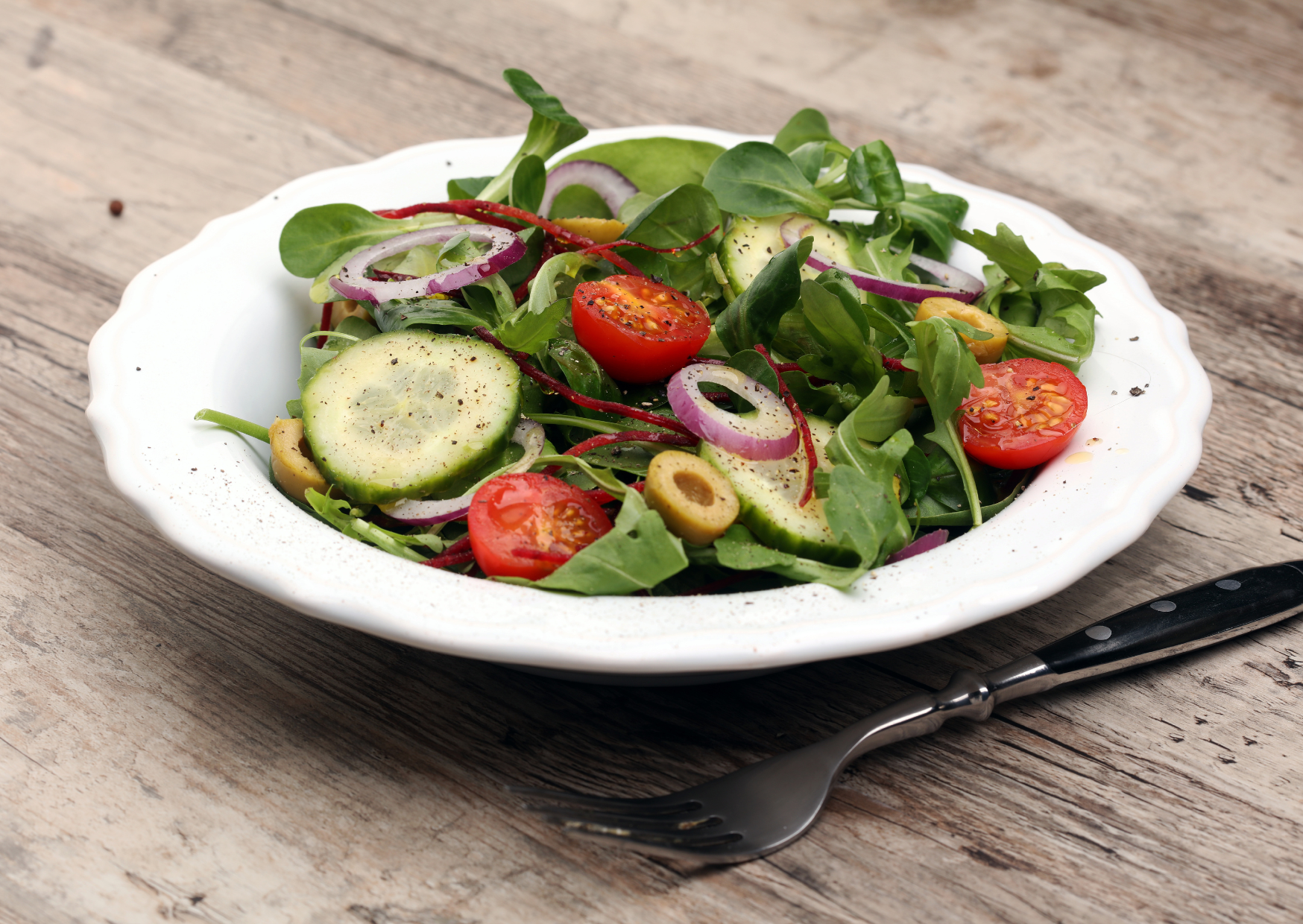
Sit down at a family table in Italy, and you’ll often begin with a small plate of greens. Arugula. Endive. Chicory. Fennel. A drizzle of vinegar and oil. Light, bitter, crunchy. No sugar, no starch.
This isn’t a salad course. It’s a first act designed to blunt glucose. Fiber coats the stomach. Acidity slows digestion. The bitter compounds stimulate insulin sensitivity. By the time pasta arrives, the body is already prepared.
This order of eating—fiber first, starch second, sweets last—has been shown to reduce glucose spikes by up to 30–40%.
Americans often do the opposite. Bread hits first. Then the starch. Then the sweet. Vegetables, if present, are buried under dressing. The meal becomes a metabolic rollercoaster.
Italy’s quiet sequence protects the blood without prescriptions.
3. Meals include fat, acid, and real salt

A Tuscan lunch might include beans with olive oil, bread dipped in vinegar, and anchovies layered with lemon. Each of these ingredients slows digestion, lowers the glycemic load, and buffers the body’s insulin response.
Fat from olive oil delays carb absorption. Acidity from vinegar and lemon improves insulin sensitivity. Salt—used liberally, but wisely—enhances flavor and supports hydration, which affects blood sugar regulation.
These ingredients work together to flatten the glucose curve naturally.
In contrast, American meals are often low in healthy fats, high in sugar, and filled with processed salt that inflames rather than nourishes. The result? Faster spikes. Heavier crashes. And eventually, a reliance on pharmaceuticals to do what the plate no longer can.
4. Meals are eaten slowly without multitasking
In Italy, eating is not an interruption. It’s an event. People sit. They talk. They chew. A meal takes 45 minutes or more—even during the workday. No one scrolls through a phone. No one eats out of a package.
This slowness gives the body time to release hormones that regulate appetite and satiety. It allows enzymes to do their job. It keeps glucose from surging.
Even the act of chewing longer has been shown to lower post-meal blood sugar.
In the U.S., speed is normalized. Lunch is eaten in ten minutes. Dinners happen while watching TV. Snacking happens during meetings. Food becomes fuel—and the body, overwhelmed by pace, reacts with inflammation and imbalance.
Italy slows down—and glucose follows.
5. Carbs are eaten but in their rightful place
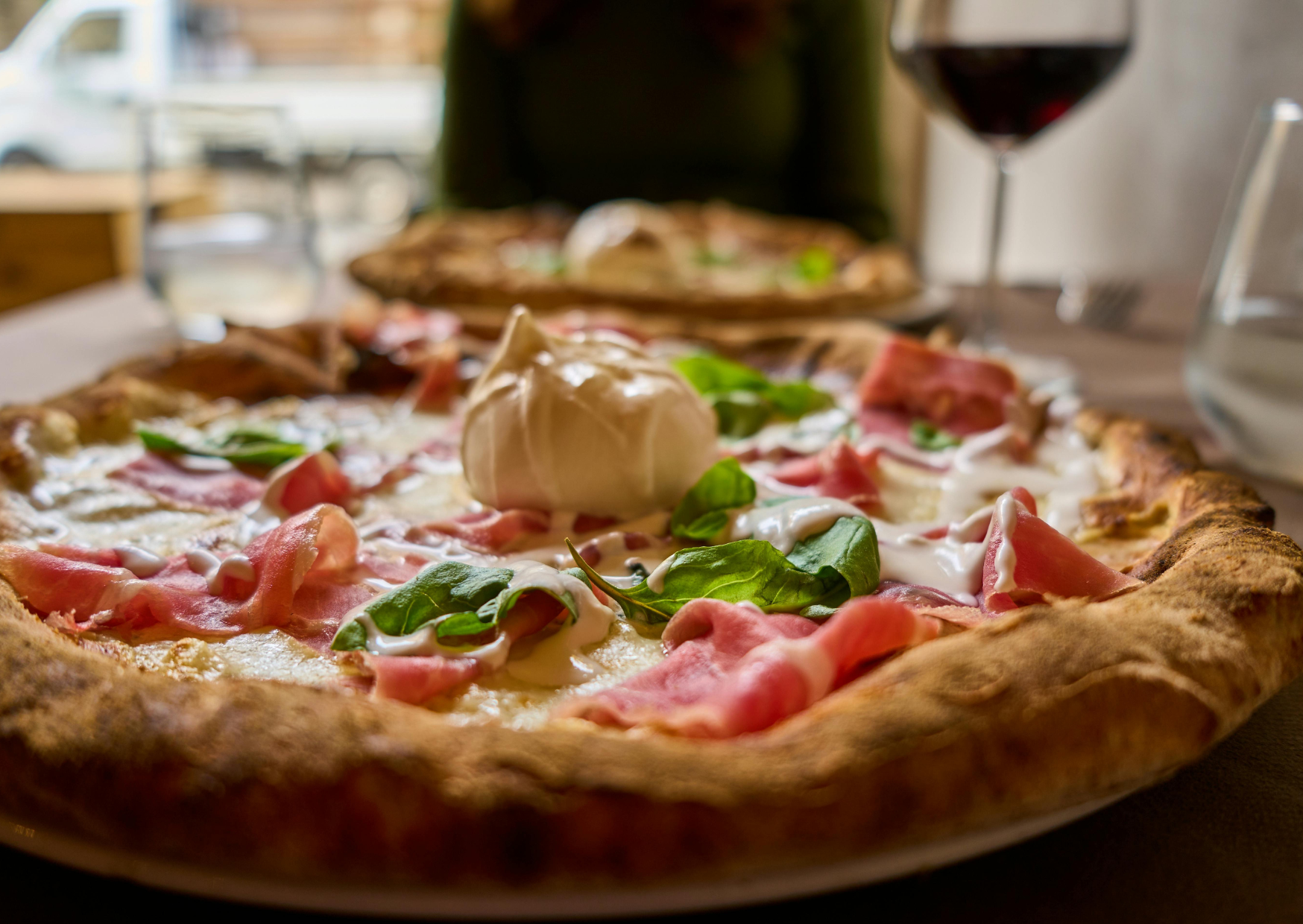
Yes, Italians eat pasta. But they don’t eat pasta at 10 a.m. They don’t eat three cups of it. And they don’t pair it with soda, ketchup, or sweet sauces.
Carbohydrates are respected, not abused. They’re eaten in modest amounts, after fiber and fat. Often, they’re part of a multi-course meal where they’re offset by greens, protein, and acidity.
White bread exists. But it’s dipped in oil. Risotto is common. But it’s portioned. The carbs aren’t demonized. They’re balanced.
In America, carbs are either feared or consumed in isolation. A bagel, a muffin, or a bowl of cereal has no buffer. It hits the bloodstream hard and fast.
Italy’s wisdom isn’t in avoiding carbs. It’s in how they’re sequenced, paired, and contextualized.
6. No snacking between meals
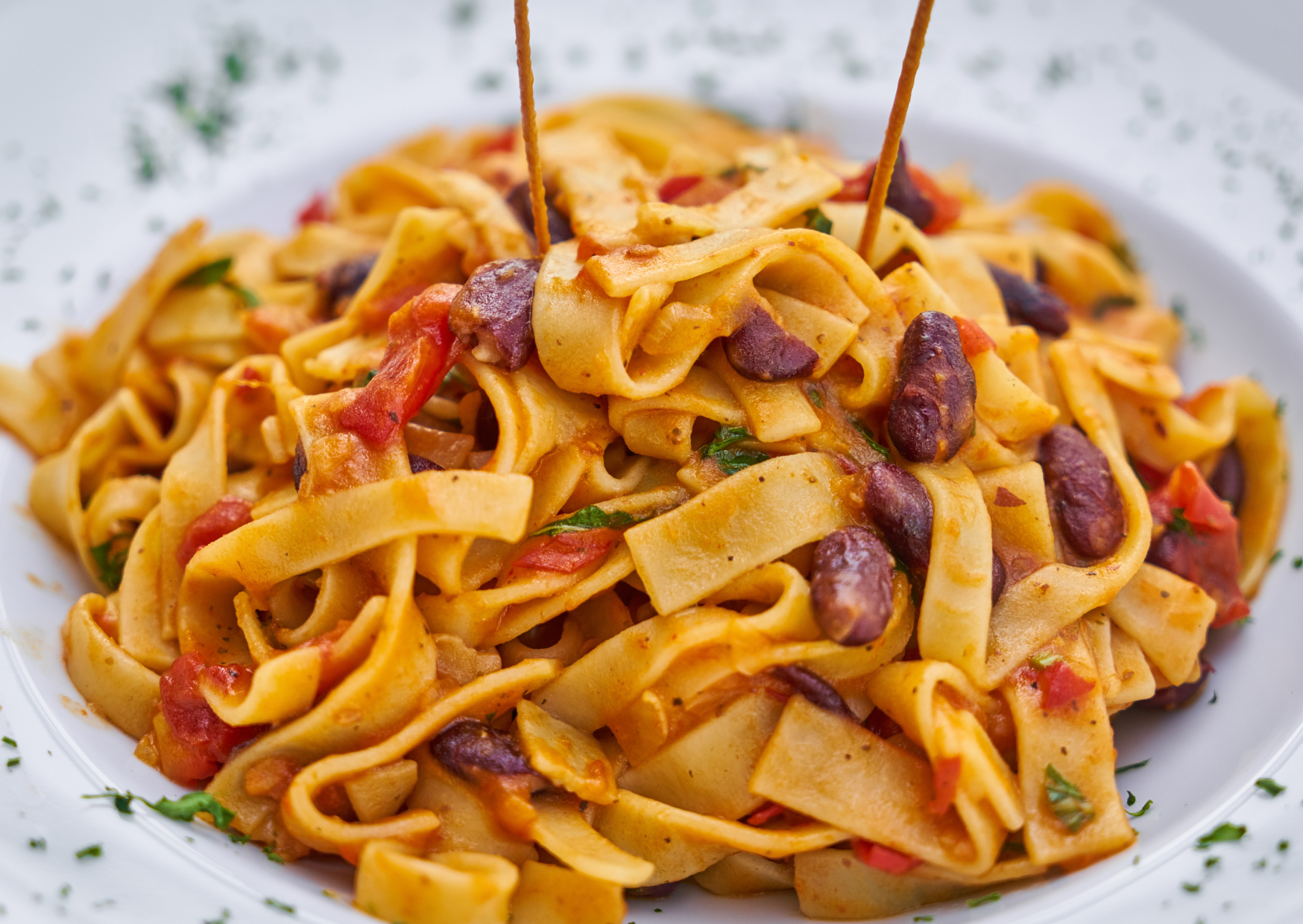
The idea of carrying snacks, keeping protein bars in the car, or sipping a smoothie throughout the day is foreign in most parts of Italy. People eat meals. Then they stop. Then they eat again.
This gap gives insulin a break. The liver can process glucose without new spikes. The body has time to rest, digest, and restore.
Snacking, especially on processed foods, keeps blood sugar perpetually unstable. Every bite becomes a new glucose hit. Even healthy snacks, like fruit or trail mix, become problematic when consumed all day long.
Italians simply don’t graze. And that single habit protects them from the metabolic chaos that plagues American bodies.
7. Dessert is occasional, not habitual

Italians love sweets. But they’re not eaten after every meal. And they’re not eaten on an empty stomach. A piece of cake might be served at a celebration. A spoonful of gelato on a hot day. A slice of crostata with afternoon coffee.
But rarely do Italians finish every dinner with sugar.
When dessert does appear, it’s small, slowly eaten, and buffered by the fiber, fat, and protein of the previous courses.
In contrast, many Americans eat dessert nightly—ice cream, cookies, or sweetened yogurt—and often after an already sugary meal.
Italy doesn’t deny pleasure. It just spaces it with respect.
8. Movement follows meals not the gym
After lunch, many Italians take a walk. Ten, fifteen, twenty minutes. No cardio. No sweating. Just a gentle, consistent stroll through the neighborhood.
This post-meal walk reduces blood sugar spikes. It activates glucose uptake in muscle tissue, lowers insulin load, and aids digestion. Studies show that light walking after eating can rival the effects of certain medications.
In America, post-meal movement is rare. People eat in cars, sit at desks, or move directly to the couch. Exercise is separated from meals—and made extreme. Workouts happen in bursts. Then the body is sedentary for the rest of the day.
In Italy, meals are followed by natural, daily movement, and that habit shapes glucose more than any gym plan.
9. Portions are smaller but more satisfying
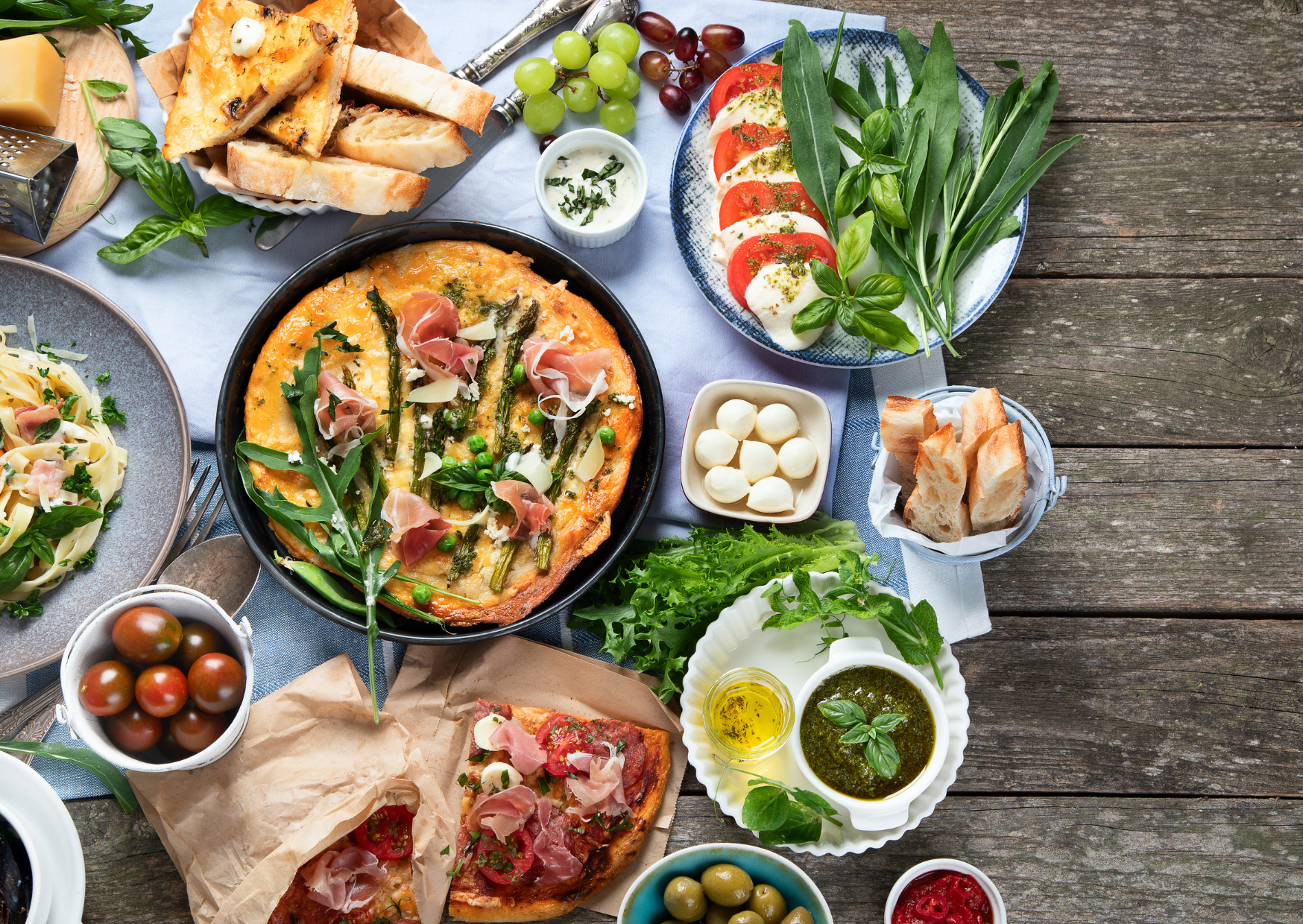
Italian meals aren’t about deprivation. But they’re not about volume, either. Plates are smaller. Pasta servings are closer to one cup than three. Meals are balanced, not bloated.
Because the food is high in quality—fresh, local, flavorful—people feel full with less. There’s no need to overeat. Satisfaction comes from flavor, pacing, and presence, not quantity.
In the U.S., where processed food dominates, portions are inflated to make up for poor quality. Fullness is chased instead of felt. And that leads to overeating, insulin resistance, and chronic cravings.
Italy wins not by eating less—but by eating better.
10. Health isn’t outsourced it’s built into life
Perhaps the most powerful difference is this: Italians don’t manage glucose because they’re afraid. They don’t take blood sugar readings after meals. They don’t track macros. They don’t use apps.
They live lives that naturally regulate blood sugar. Their culture, their cooking, their schedules—all support metabolic function by default.
Americans rely on pharmaceuticals to fix what lifestyle never supported. But Italy never outsourced its health to a bottle. It kept the medicine in the kitchen.
And that difference, though invisible on the surface, is why diabetes is rising in one place—and still rare in the other.
When Prevention Was Still Delicious
There is no single cure. No miracle fruit. No silver bullet. But across Italy, millions of people still eat in a way that prevents what most Americans are now managing with prescriptions.
Their medicine isn’t found in a supplement aisle. It’s found in bitter greens, olive oil, vinegar, slow chewing, and quiet walks. It’s found in space between meals, respect for rhythm, and the sequencing of flavors.
The tragedy isn’t that Americans can’t access this. It’s that they were never taught to see it.
Because when food is framed as enemy, medicine becomes the only option. But when food is framed as rhythm, the cure was always already cooking.
Italy’s traditional way of eating and living is rooted in balance, simplicity, and natural ingredients. Rather than focusing on extreme diets or short-term fixes, Italians have long relied on a balanced approach that supports overall health. These habits, combined with active lifestyles and strong social connections, contribute to better long-term wellness outcomes.
While this approach won’t cure chronic conditions like diabetes, it can play an important role in prevention and management. A diet rich in whole foods, fresh vegetables, olive oil, and moderate portions can help support stable blood sugar levels and overall metabolic health.
Ultimately, what makes the Italian lifestyle so effective isn’t one magic ingredient—it’s the combination of mindful eating, movement, and community that creates a healthier daily rhythm. These are practices anyone can begin to adopt, no matter where they live.

About the Author: Ruben, co-founder of Gamintraveler.com since 2014, is a seasoned traveler from Spain who has explored over 100 countries since 2009. Known for his extensive travel adventures across South America, Europe, the US, Australia, New Zealand, Asia, and Africa, Ruben combines his passion for adventurous yet sustainable living with his love for cycling, highlighted by his remarkable 5-month bicycle journey from Spain to Norway. He currently resides in Spain, where he continues sharing his travel experiences with his partner, Rachel, and their son, Han.