
You book a pretty flat in the Marais, open the price breakdown, and swear the cleaning fee only shows up for you. It does not. Something else is happening.
The idea that Paris listings sneak in a cleaning fee only for Americans makes great outrage and bad planning. Cleaning fees on Airbnb are set by hosts everywhere, not by a secret switch for U.S. passports. What Americans run into in Paris is a stack of things that look like one problem. There is the host’s cleaning line, there is the city’s tourist tax per person per night, and there are currency and policy quirks that change what you see and when you see it. Add short stays that magnify flat fees, and you get sticker shock that feels targeted when it is really structural.
The good news is simple. Once you know what each line is and how to shop, you can kill the surprises. Paris is not scamming Americans with a special cleaning line. Paris is enforcing a tourist tax, and Airbnb has changed how prices display worldwide so you can compare apples to apples. Below is the map: what the cleaning fee is and is not, what the Paris tax is, why U.S. travelers feel singled out, how to shop so the total stays sane, and what to contest if a host tries something outside the rules.
Want More Deep Dives into Other Cultures?
– 9 Italian Style Rules That Instantly Outshine American Fashion
– Why Europeans Walk Everywhere (And Americans Should Too)
– How Europeans Actually Afford Living in Cities Without Six-Figure Salaries
– 9 ‘Luxury’ Items in America That Europeans Consider Basic Necessities
Quick Easy Tips
Always calculate the total cost per night—including cleaning fees—before booking. A listing that looks cheap upfront may become the most expensive option once fees are added.
Search for stays with lower cleaning fees by filtering for “private rooms” or by adjusting the minimum stay. Many hosts offer reduced fees for longer bookings.
Read recent reviews carefully. Past guests often mention whether the cleaning fee aligned with the condition of the rental.
The controversy surrounding Paris Airbnb cleaning fees begins with the way prices are displayed to foreign travelers. Many Americans compare listings using the base nightly rate, assuming the cleaning fee is a minor add-on. In Paris, however, the cleaning fee can be disproportionately high—sometimes exceeding a single night’s stay. European travelers familiar with this pricing structure often spot the imbalance immediately, but Americans, used to clearer all-inclusive hotel pricing, are caught off guard when the final total appears at checkout.
Another point of debate is the way cleaning fees fluctuate based on the platform’s algorithm. Airbnb hosts in major European cities sometimes raise cleaning fees rather than nightly rates to keep their listings appearing “cheap” in search results. This strategy is not targeted at Americans, but Americans often feel the impact more strongly because they tend to travel for shorter stays. A five-day visit spreads the fee out; a two-night stay makes it feel like a penalty. This difference fuels the belief that Americans are being singled out, when in reality the structure is simply misaligned with U.S. travel patterns.
The final controversy stems from expectation. American travelers often assume a cleaning fee guarantees professional service, fresh supplies, and hotel-like turnover. In Paris, cleaning fees vary dramatically, and some hosts use them to cover general maintenance, not just post-stay cleaning. Guests may arrive to find a spotless apartment—or only a minimally refreshed space. The inconsistency leads to frustration, especially when the fee is high. The issue isn’t fraud; it’s a clash between cultural norms, platform design, and traveler assumption.
What “Cleaning Fee” Actually Is, And What It Isn’t

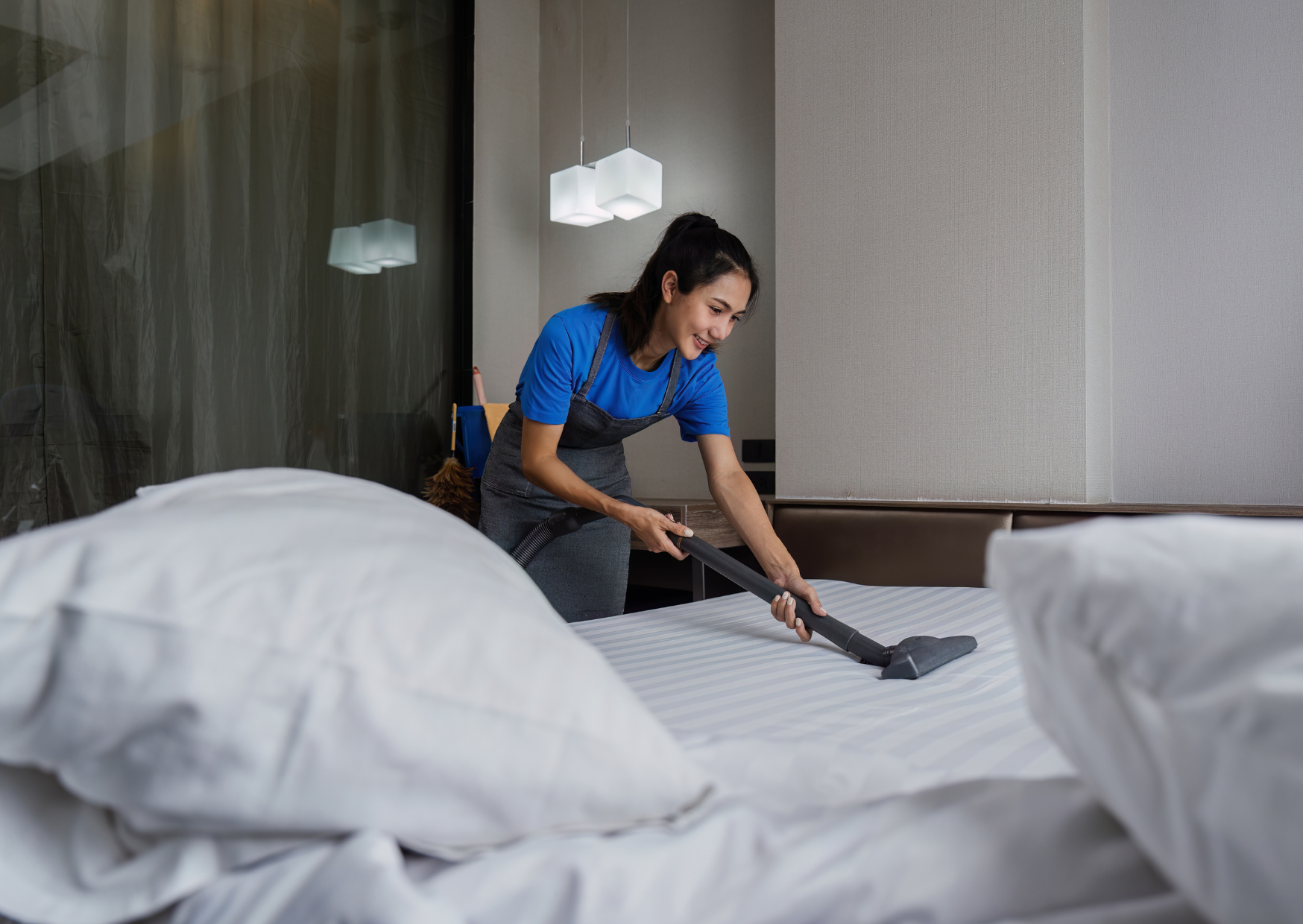
A cleaning fee on Airbnb is set by the host and added once per stay. It is not a regional penalty, and it does not switch on because your account says United States. Airbnb’s own help pages say it plainly, a cleaning fee is a one-off charge set by the host, part of the total price. In 2025 the platform also made a big transparency change, showing the total price including all fees before taxes by default, so everyone, in every country, sees the same full cost in search results. The fee exists, but the display is now uniform.
Two details help you read what you see. First, Airbnb’s fee structure to the platform itself comes in flavors. For years many listings used a split model where guests saw a guest service fee line and hosts paid roughly 3 percent. In late 2025 Airbnb is accelerating a shift to host-only fees for large swaths of inventory, which means guests will often stop seeing a separate platform fee. None of that is country-targeted. It is a global business model change, and it does not alter a host’s separate cleaning line. Second, short stays amplify any per-stay fee. Two nights with a 60 € cleaning fee feels rough. Six nights with the same 60 € fee feels normal. Flat fee plus short stay equals pain, no matter your passport.
The Line You’re Really Feeling In Paris: Tourist Tax

Paris charges a taxe de séjour, a municipal tourist tax that applies to hotels, B&Bs, and meublés de tourisme, which includes most Airbnbs. For unclassified short-term rentals, the tax is a percentage of the nightly price per person, capped by law. Paris also stacks regional add-ons like the Grand Paris surcharge. In practice, you will see the tax vary by type and classification and cap out at a published ceiling per person per night. The city publishes the bands, and France’s public guidance spells out the 5 percent rule with the cap. This tax is not a cleaning fee, it is a government line, and Airbnb collects and remits it automatically for Paris.
Two common confusions follow from that. First, the tax is per person, per night, so Americans traveling as a family watch it grow with headcount and assume a host padded a fee. They didn’t, the city did, and your total reflects it correctly. Second, the platform’s rules in France mean children under 18 are automatically exempt, so if you enter ages accurately, you should not be paying the tax for minors. If a host tries to charge the city tax in cash on arrival in Paris, do not accept it. Airbnb’s France help pages say the platform collects the tax at booking for eligible listings. Per-person tax is not cleaning, Airbnb collects it, minors are exempt.
Why Americans Feel Singled Out Anyway

Three things make U.S. guests think Paris is picking on them, even when it isn’t.
First, display timing used to vary. In 2022 the U.S. interface introduced a “display total price” toggle while the EU already had stricter transparency norms. Many Americans never used the toggle, so they saw a nightly rate first and the rest later. That changed in 2025 when Airbnb made total price the default worldwide, which takes a lot of the “only I get fees” feeling out of the flow. You still must remember that taxes are not included in the pre-tax total, by design.
Second, currency and conversion. If you choose to pay in dollars for a euro-priced listing, Airbnb applies its own conversion rate as allowed in its terms, and your bank may add a foreign transaction fee if your card charges one. That combination can make a Paris total look mysteriously higher to an American who would have paid less by selecting euros with a no-FX-fee card. Nothing about that step is France-specific or anti-American. It is currency math, and it cuts both ways. Pay in euros with a no-fee card and the line disappears.
Third, stay length and party size. U.S. travelers often book quick weekend hops or short two- or three-night stays. A flat cleaning fee divided by two nights and two people will always feel heavier than the same fee across six nights and four people. Data firms have even noted that average U.S. cleaning fees per stay are high by global standards because of cleaning labor costs and guest expectations, which primes Americans to notice the line abroad. That is not a Paris trick. It is your booking pattern exposing a fixed cost.
How To Shop Paris Listings So The Total Is Fair

You cannot negotiate the city tax, and you cannot wish a host’s cleaning line away, but you can shop the total and control how the parts hit you.
Start by using Airbnb’s default total-price display in search and sort by total. This neutralizes most fee optics and lets you compare entire stays, not teaser nightly rates. If you are seeing anomalies, open two or three similar listings side by side and look for the cleaning line’s size. In Paris you will find plenty of hosts who bake cleaning into the nightly price and show a small or zero cleaning line, and plenty who keep a modest cleaning line separate. Shop both, then pick the lower total. Sort by total, compare like-for-like, ignore the label, follow the sum.
Second, check your stay length. If your dates are flexible, a two-night weekend becomes a three-night stay and the same fixed cleaning fee shrinks by a third. If you can travel midweek, you may see a lower nightly number for the same flat fee, which makes the total easier to swallow. This is not a trick. It is arithmetic applied to a fixed line.
Third, consider hotel options for very short stays. Paris hotels must also charge the city tax, but they do not break out a cleaning fee. On one and two nights, hotels or serviced apartments sometimes beat an apartment’s cleaning line, especially for couples. For four nights and up, an apartment with a kitchen usually wins back value.
Fourth, pay in euros if your card has no foreign transaction fee. Airbnb’s terms allow it to set the conversion rate when you opt to pay in another currency. Pay in the host currency and you remove that variable. Card settings can be worth real money.
Fifth, if you like private-room stays, try Airbnb Rooms. These listings tend to build cleaning into the price and run cheaper per person, since you are not paying to turn an entire flat. The tradeoff is shared space, which some travelers prefer for location and price.
What’s Legit, What’s Not, And When To Push Back
There are real red flags. They are not the cleaning fee you saw in the cart. They are behaviors outside platform rules or city policy.
If a Paris host demands the tourist tax in cash on arrival, that is suspect. Airbnb says it collects and remits Paris tourist tax on platform for eligible listings. You will see the tax as a line item in your breakdown. You should not be asked to hand over coins at check-in for a tax the platform already took. If it happens, show your receipt, decline, and message support. City tax is on the receipt, not on the kitchen table.
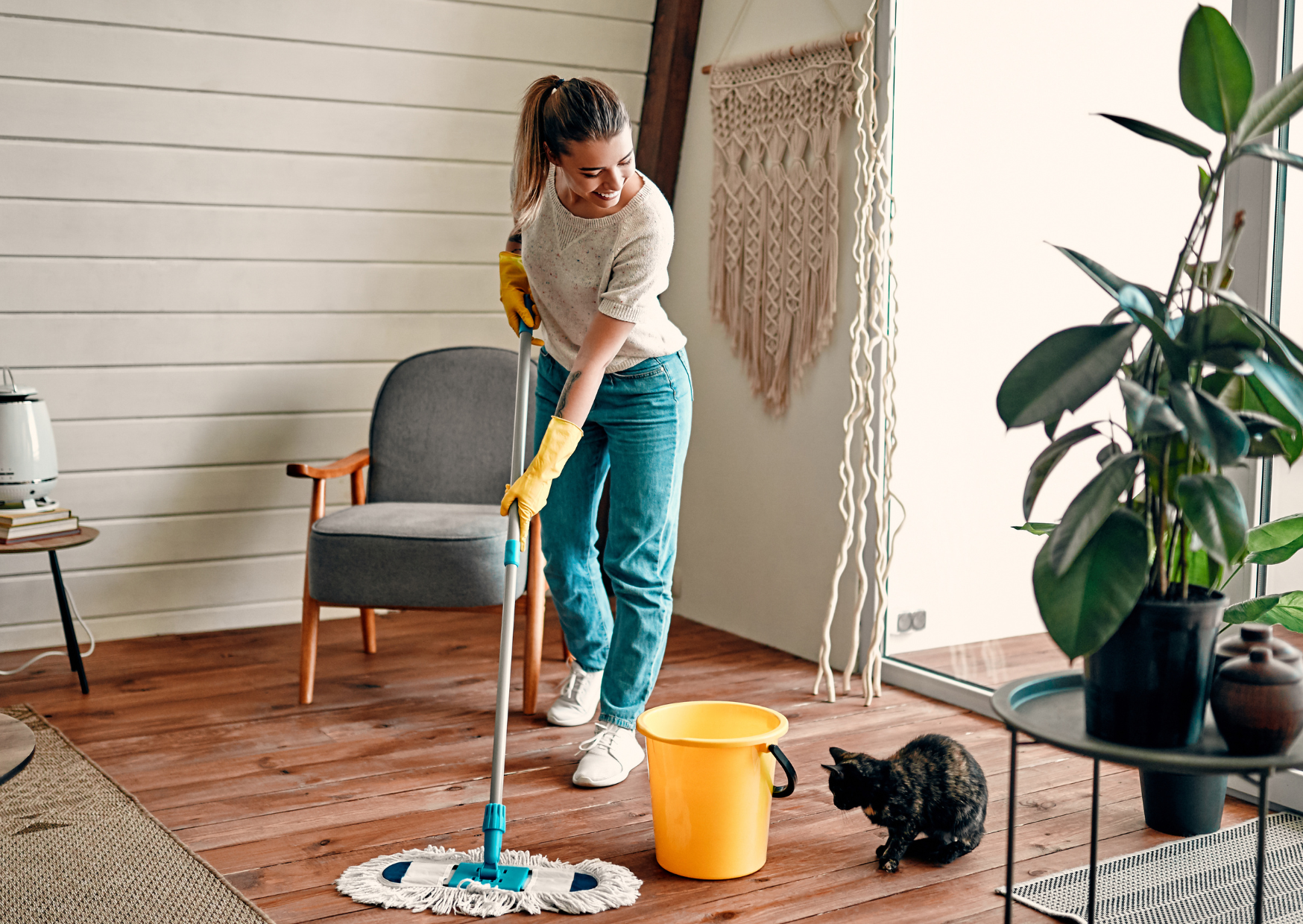
If a host tries to add a cleaning charge after booking that was not in the checkout total, refuse. Cleaning belongs in the total, set by the host, visible before you pay. Add-on demands off platform violate how Airbnb says pricing must appear.
If a listing shows a very low nightly rate with a huge cleaning fee to game search results, the total price sort defeats that tactic. Airbnb’s global change to display total price in search specifically targets this behavior, and independent tech press reported the shift. Use the tools the platform gave you. Follow the total, not the teaser.
If a host mislabels accommodation type to lower the city tax, that is a host compliance issue, not your cost problem. Airbnb’s France pages say taxes depend on classification and that additional département and regional taxes can apply. You cannot fix a host’s classification, but you can avoid listings that look odd or evasive. Weird tax math is a reason to pick a different door.
The Math In Plain Language: Why It Feels High, And How To Lower It
Imagine two couples comparing stays.
Couple A books two nights in a one-bedroom with a 70 € cleaning fee. Their per-night cleaning cost is 35 € before taxes. Add the taxe de séjour per person per night and the platform’s own service or host-only costs already priced into the total, and their weekend looks salty.
Couple B books four nights in a similar flat with the same 70 € cleaning fee. Their per-night cleaning cost is 17.50 €. The city tax is the same per person per night, yet the cleaning line now fades into the background because the cost is spread.
Both couples pay the city tax. Neither is singled out for being American. Couple B simply used stay length and total-price shopping to absorb a flat fee. If Couple A wants a weekend, they can flip to a hotel in the same neighborhood and often beat the two-night total because the hotel’s cleaning cost is baked into ADR and operational scale, not a one-time line for one apartment turnover.
Your levers are small but real. Stay a little longer, book a place with cleaning embedded, use total-price sort, price a hotel for short trips, avoid cross-currency surprises. Apply two of those and Paris stops feeling personal.
Make the math work: length dilutes flat fees, embedded cleaning hides less, hotels win on two nights.
Policy Shifts You Should Know About, So You Don’t Fight Old Battles
Two recent platform and policy shifts matter more than rumors.
Airbnb’s total-price display is now standard globally. You no longer need to toggle anything to see the full cost, including cleaning, before taxes, in search results. That ends most “hidden fee” scavenger hunts and helps you compare listings without mental math. Tech outlets and Airbnb’s own newsroom both documented the change in April 2025. Use the tool, not your temper.
Paris’s tourist-tax scales were revised for 2025. For unclassified tourist rentals, the rule many Airbnbs fall under, the rate is 5 percent of the pre-tax nightly price per person, plus departmental and regional add-ons, with a cap per person per night. The city’s tourism board and France’s public portal both publish the ranges and caps, and Airbnb’s France help clarifies that it collects and remits this for you. If your receipt shows a city-tax line that seems high, check the classification, your party size, and the nightly rate, not the cleaning fee. City tax rose, cleaning did not target you.
Airbnb’s service-fee model is shifting. Many listings will move to host-only fees by late 2025, which means you may stop seeing a separate “Airbnb service fee” line even though platform costs still exist inside the total. That does not change cleaning or taxes, it just changes the breakdown. Do not confuse a vanishing service-fee line with a new cleaning add-on. Same total, different split.
What This Means For You
Paris is not running a cleaning-fee scheme just for Americans. It is running a tourist-tax regime like every major city, and Airbnb is now showing your full price up front, everywhere. Cleaning remains a host decision, a flat per-stay line that hurts when you cram it into short weekends, and fades when you spread it across proper stays. Currency choices and older habits create noise, not plots.
If you want Paris to price fairly, use the tools you already have. Sort by total price, shop stays where the cleaning line is modest or embedded, add a night when it drops the per-night cost, price a hotel for two-night trips, pay in euros with a no-FX-fee card, and ignore any host who asks for cash tax. Do that, and the line that looked like a scam starts looking like what it is, a cost you can see, compare, and control.
The tension surrounding Paris Airbnb cleaning fees is not rooted in deception but in misalignment between expectations and pricing structures. Americans accustomed to hotel-style clarity often feel blindsided, while European hosts assume the added cost is normal. The frustration is understandable because the fee can dramatically alter the value of a stay, especially for short trips. Recognizing how these fees work allows travelers to make informed choices rather than feel surprised at checkout.
Understanding the cultural gap matters as much as understanding the fee itself. In the United States, cleaning fees are usually modest and tied closely to a clearly defined service. In Paris, cleaning fees sometimes serve broader financial purposes, including covering time, materials, and maintenance. When guests interpret them through an American lens, the charges feel inflated. But when viewed as part of the overall rental ecosystem in a high-demand European capital, the structure becomes clearer—even if still frustrating.
Ultimately, avoiding the cleaning-fee trap in Paris is about awareness rather than avoidance of Airbnb altogether. Travelers who compare total costs, read reviews, and understand local norms can enjoy Paris without feeling overcharged. The city remains one of the world’s most enchanting destinations; a bit of preparation ensures the bill doesn’t overshadow the experience.

About the Author: Ruben, co-founder of Gamintraveler.com since 2014, is a seasoned traveler from Spain who has explored over 100 countries since 2009. Known for his extensive travel adventures across South America, Europe, the US, Australia, New Zealand, Asia, and Africa, Ruben combines his passion for adventurous yet sustainable living with his love for cycling, highlighted by his remarkable 5-month bicycle journey from Spain to Norway. He currently resides in Spain, where he continues sharing his travel experiences with his partner, Rachel, and their son, Han.